REVIEW · GRUNDARFJORDUR
From Reykjavik: Snæfellsnes Peninsula Full-Day Tour
Book on GetYourGuide →Operated by BusTravel Iceland · Bookable on GetYourGuide
A peninsula day that feels like three trips. This full-day tour from Reykjavik crams together volcanic peaks, sea cliffs, fishing villages, and the famous Snæfellsnes shoreline into one smooth rhythm. It’s also tied to a classic Iceland imagination—Jules Verne wrote about this region in Journey to the Centre of the Earth—so the scenery comes with built-in story.
I especially like how you get icons plus quieter corners, not just a checklist of big names. And I really like that the tour is run at a leisurely viewing pace for a long day, with photo stops that actually give you time to step out and look. One possible drawback: the day is long, and the vehicle can be a small van or a tight bus setup depending on the group, so comfort matters.
Key highlights worth planning around
- Kirkjufell and Ljósufjöll: stop-built views of dramatic Icelandic peaks and volcanic craters
- Black beaches at Djúpalónssandur: a moonlike stretch of sand and rock that photographs insanely well
- Lóndrangar sea stacks: short stop, big “how is that even standing?” cliffs
- Budir Black Church (Búðakirkja): a quick photo moment with big atmosphere
- Ytri Tunga seals: timing your walk with wildlife viewing is half the fun
In This Review
- The Snæfellsnes Peninsula in one 11-hour loop
- Meeting points and timing: plan for a real pickup shuffle
- Borgarnes break: where the day resets
- Vatnaleið pass: the quiet prelude to the wild coast
- Kirkjufell and Ljósufjöll views: the photo stop that lives up to the hype
- Ólafsvík (45 minutes): the generous break you’ll be grateful for
- Djúpalónssandur black beach: your most dramatic walking time
- Londrangar sea cliffs: short stop, big “wow” geometry
- Arnarstapi (30 minutes): fishing village scenery with cliff-walk energy
- Búðakirkja (Budir Black Church): fast photo stop, strong atmosphere
- Ytri Tunga seals: wildlife viewing that rewards patience
- What makes this tour feel worth the money
- The guide quality is a real part of the product
- A realistic look at the downsides
- Who this Snæfellsnes day trip is best for
- Should you book From Reykjavik: Snæfellsnes Peninsula Full-Day Tour?
- FAQ
- How long is the Snæfellsnes Peninsula full-day tour?
- How much does it cost per person?
- Is food included in the tour price?
- What language is the live tour guide?
- Is Wi‑Fi available during the tour?
- Where do I meet the tour in Reykjavik?
- Is the tour suitable for young children?
The Snæfellsnes Peninsula in one 11-hour loop
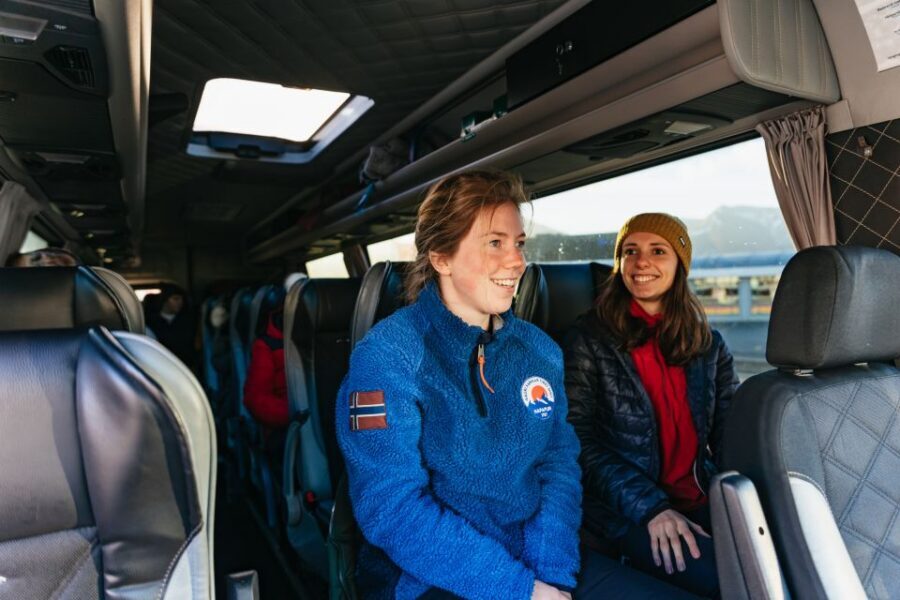
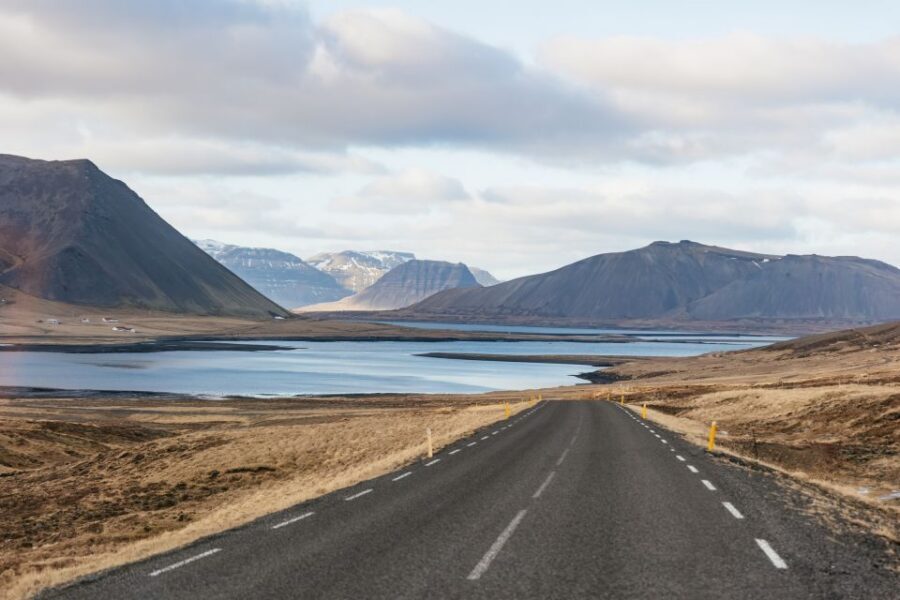
Snæfellsnes is compact enough that you can see a lot, but varied enough that every stop feels like a new chapter. You start in Reykjavik’s orbit, then head toward a stretch of coastline shaped by volcanic activity, glacial remnants, and constant North Atlantic weather.
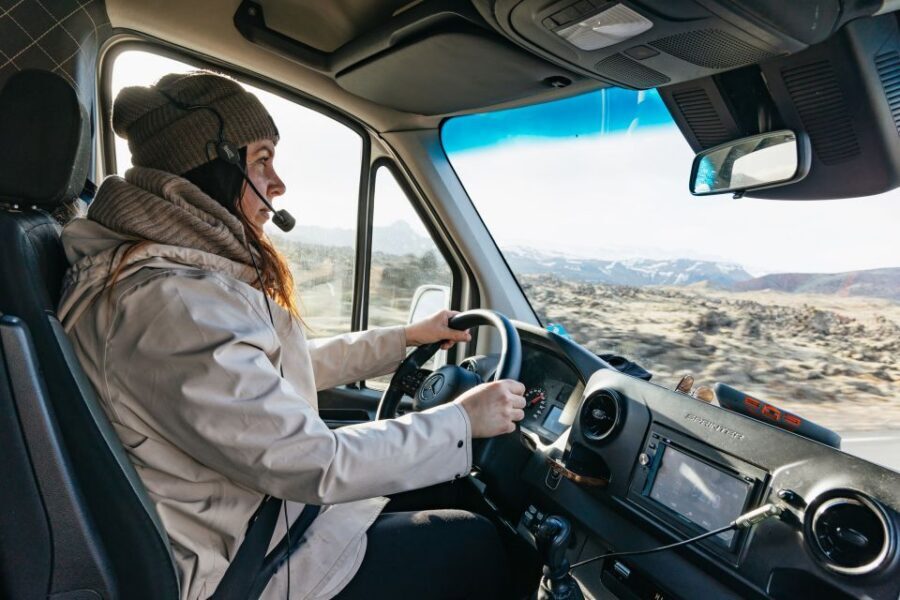
The tour is designed for a full day with minimal wasted driving. That matters because Iceland rewards attention: you need time to look at the ground (lava fields), the sea (cliff edges), and the sky (light changes fast). You’ll also have a live English guide and Wi‑Fi on board, which helps when you want context while you’re staring out the window.
Keep expectations realistic: this isn’t a slow, wandering road trip. It’s a guided day built around multiple stops, so you’ll spend some time walking and photographing, and some time sitting back while you reposition.
Meeting points and timing: plan for a real pickup shuffle
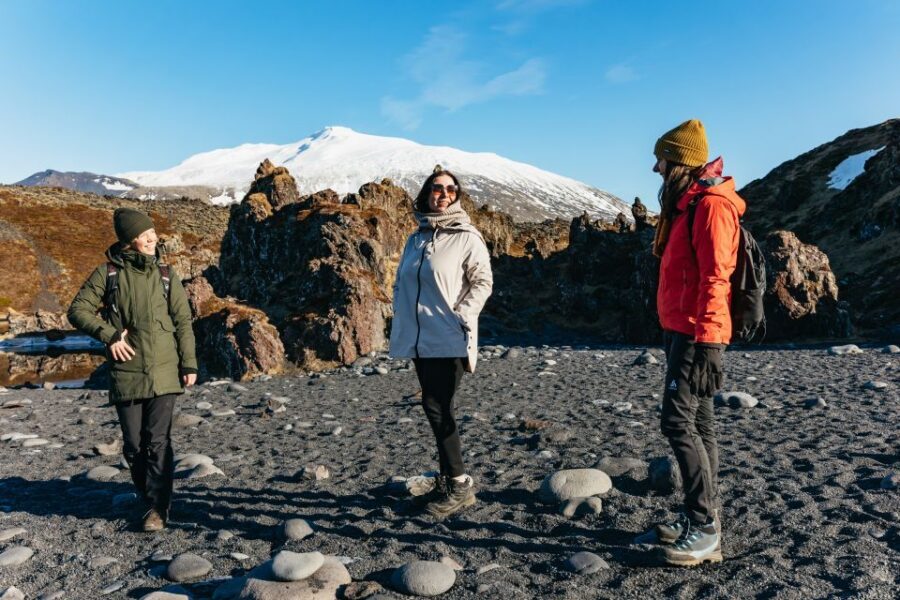
You meet at Tour Bus Stop 12, Höfðatorg (on Þórunnartún). Pickup is optional from many central Reykjavik locations (and the cruise port), but the pickup process can take up to 30 minutes because multiple groups and hotels feed into the same system.
A practical tip: bring a layer and keep your phone charged. Even though the tour includes Wi‑Fi, it’s nice to have maps and offline notes ready before you depart. Also, the schedule is timed for daylight and weather—when it’s icy or windy, you’ll want to move calmly and efficiently at each stop.
You can also read our reviews of more tours and experiences in Grundarfjordur.
Borgarnes break: where the day resets
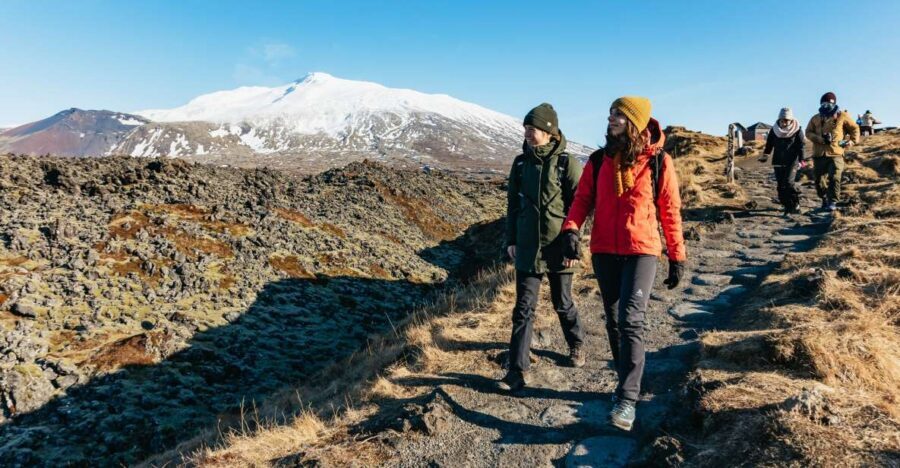
Early on, you hit a break stop in Borgarnes (15 minutes). It’s a good chance to use restrooms, top off snacks, and get your bearings before the peninsula gets more intense.
What I like about this kind of stop is that it keeps you from feeling like you’re constantly running to solve basic needs. Several guides in past tours are praised for managing bathroom timing well, which is a big deal on Iceland bus days when weather can make even short walks feel longer.
Vatnaleið pass: the quiet prelude to the wild coast
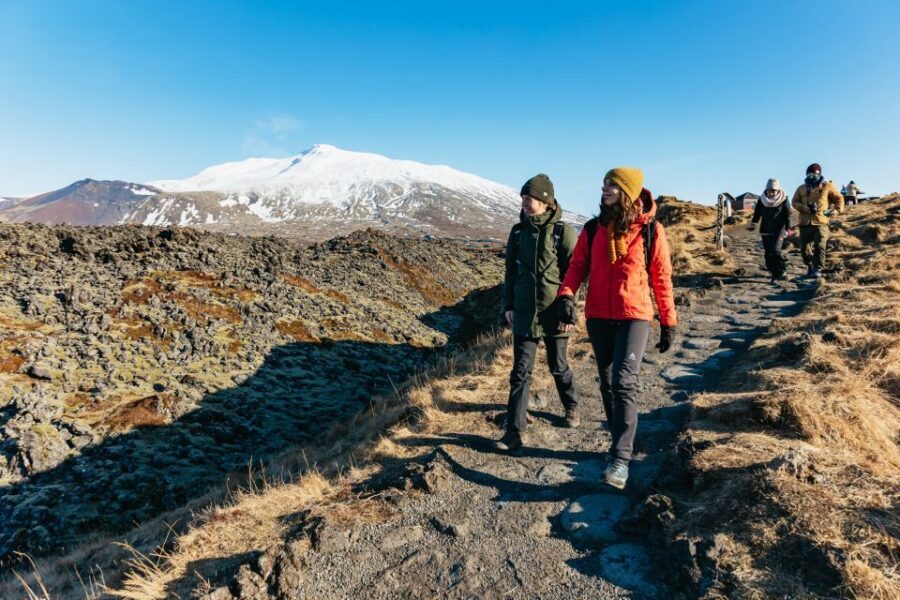
You’ll pass through Vatnaleið with about 20 minutes. This isn’t the headline stop, but it helps the day make sense: you transition from city energy into the terrain that feels more remote and layered—volcanic form, sea wind, and that Icelandic sense of open space.
Think of these in-between stops as “setting the stage.” You’re not only traveling; you’re gradually moving into the kind of scenery where every kilometer changes the view.
Kirkjufell and Ljósufjöll views: the photo stop that lives up to the hype
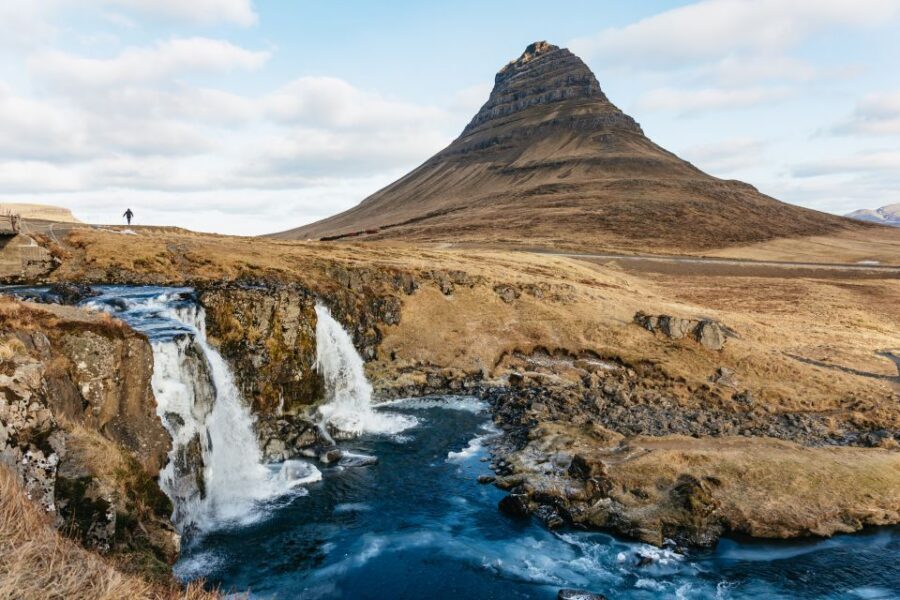
One of the first real eye-catchers is Kirkjufell (about 25 minutes). This mountain shape is instantly recognizable, and on a clear day the contrast between steep rock and ocean-gray sky makes it pop. It’s also the kind of place where your best photos depend on light and angle, so 25 minutes is enough time to step out, look, and try a few compositions.
This stop pairs well with another volcanic crater area, Ljósufjöll, which the tour includes in the region’s crater-and-peak theme. Guides often provide geology context here, and that turns the mountain from a pretty photo into something you can actually read in the landscape.
What to consider: if it’s windy, you’ll feel it. Dress for cold and gusts, and keep an eye on footing near uneven ground.
Ólafsvík (45 minutes): the generous break you’ll be grateful for
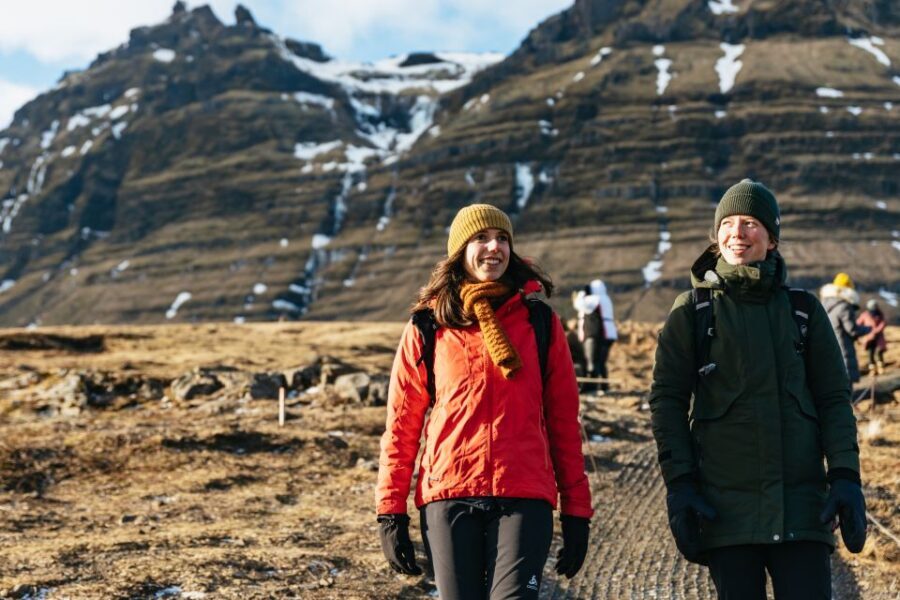
You get a longer break in Ólafsvík (45 minutes). This is where the day’s pace becomes tolerable. It gives you a realistic window to eat, use restrooms, and warm up if the weather is doing its usual Iceland thing.
I like that this stop isn’t squeezed into a rushed “two minutes and go” moment. Reviews commonly highlight that guides are careful about bathroom breaks, and this kind of time slot supports that.
If you’re sensitive to cold, this is also a smart moment to reassess: do you need extra gloves, a hat, or an extra layer before you head into exposed coast stops?
Djúpalónssandur black beach: your most dramatic walking time
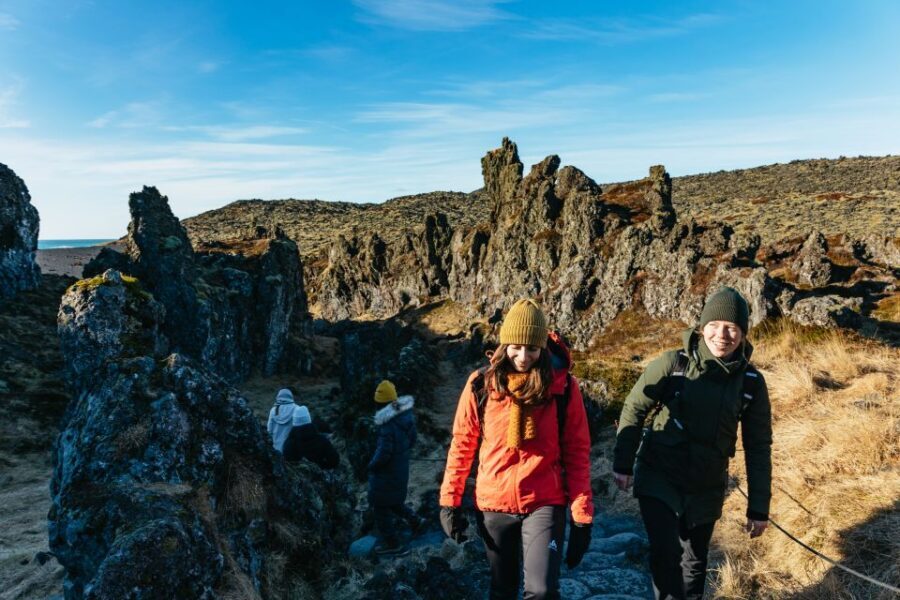
Next up is Djúpalónssandur (30 minutes), the black sand beach that turns the peninsula into a film set. The ground is dark, the waves keep rolling, and the rock formations look sculpted by something slower than human time.
This is one of those stops where you’ll want to bring the right shoes. You might be stepping over uneven stones and wet surfaces, and the wind can make it harder to stand still for photos. The better you dress for wet cold, the more you’ll enjoy wandering instead of just hustling.
Also, plan your time well. You’ll want a few moments at the waterline for wave motion and texture shots, then time farther back for wide views. If you’re the type who likes detail shots, 30 minutes goes quickly.
Londrangar sea cliffs: short stop, big “wow” geometry
You’ll have about 15 minutes at Lóndrangar. This is the kind of coastline feature that makes you stop mid-sentence: sea stacks and cliff shapes that feel engineered by chaos.
Because the stop is short, go in with a plan. Decide whether you want the wider cliff perspective or the tighter rock-and-edge shots. If it’s windy, keep your stance steady and give your camera time—mist and spray can blur a shot if you’re moving too fast.
Arnarstapi (30 minutes): fishing village scenery with cliff-walk energy
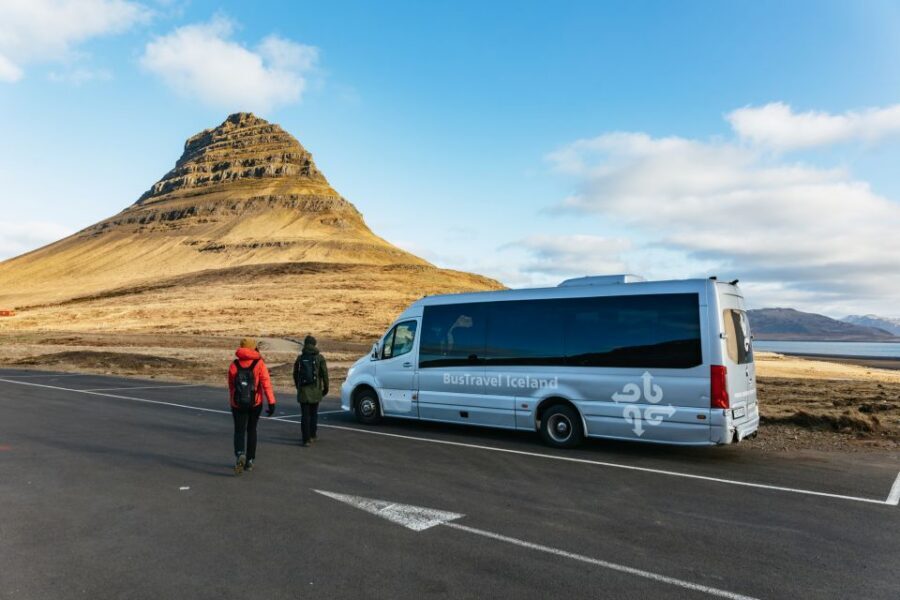
Arnarstapi is a charming fishing village stop (30 minutes). You get coastal viewpoints and the feeling of a community shaped by the ocean. It also plays nicely with the other stops because it’s a more human-scale pause between raw geology moments.
Some of the best time here is often spent looking outward: the cliffs, the sea-bird rhythm, and the way waves attack rock faces. If the weather is cooperating, you may enjoy a short cliff-walk style stretch, but you’ll want to choose paths carefully and stay aware of slick edges.
What I like: Arnarstapi makes the day feel less like “stops at stops” and more like a connected route through real places. Even when you’re moving, you’re still moving through communities, not just scenery.
Búðakirkja (Budir Black Church): fast photo stop, strong atmosphere
You’ll make a photo stop at Búðakirkja (about 10 minutes). The church is small, but the backdrop does a lot of work. In Iceland, that’s common: simple structures become dramatic because the land and sky are doing the heavy lifting.
Ten minutes is quick, but it’s enough time to park yourself for a couple photos and to orient yourself so you’re not sprinting. If the wind is fierce, you’ll feel it most here—so treat the stop as a quick “get the shot, take a breath, move on” moment.
Ytri Tunga seals: wildlife viewing that rewards patience
The day’s wildlife payoff is Ytri Tunga (about 20 minutes). This is where you keep your eyes open for harbor seals lolling near the shore. Sometimes they’ll be easy to spot. Other times you’ll have to scan slowly, pause, and let your brain adapt to the dark rocks and rolling sea.
This is also the kind of stop where guide behavior makes a difference. In past departures, guides have been known to adjust by adding short, practical moments when they spot something worth seeing—seals, and even occasional surprise wildlife in some conditions. So don’t treat it as just another photo stop. Treat it as a slow look.
Plan for cold. Wildlife viewing works best when you’re not rushing—so bring gloves and keep your camera ready for sudden motion.
What makes this tour feel worth the money
At $143 per person for an 11-hour bus day, the value comes from coverage: you’re transported between a series of major Snæfellsnes points in one go. You’re also paying for the coordination—someone else handles routing, timing, and getting you to viewpoints where you’d likely spend extra time figuring out parking and logistics on your own.
What you get included is solid for a day trip: bus tour, Wi‑Fi, and hotel transfer if you choose that option. Food isn’t included, so you’ll need to plan your own snacks or meals at breaks. The tour includes breaks that make it easier to manage supplies, and that matters because Iceland’s weather can punish you if you under-pack.
The biggest “value” question isn’t the price tag—it’s whether you want a packed day. If you do, this tour earns its cost. If you hate tight schedules and short stop windows, you might feel rushed at the coast points.
The guide quality is a real part of the product
This tour’s reviews show a pattern: guides strongly shape the experience. People repeatedly mention guides who explain geology and Iceland history in a way that makes the views click. You’ll hear stories tied to volcanoes, landscapes, and how Iceland works as a place where land is still being built.
Some guide names that have come up include Siggie and Omar, with praise for patient teaching and smart extra stops for photos. Others like Mareike, Alain (with a few mentions of Augustine as well), and Daniel are credited with linking what you see to real explanations. In practical terms, that means you’re not just taking pictures—you’re learning what you’re photographing.
There’s also a safety and comfort theme. Reviews mention careful drivers and drivers who keep things smooth even in wind or icy conditions. That matters in winter or shoulder seasons when roads and stop areas can be slick.
A realistic look at the downsides
The main tradeoff is time pressure. Several stops are short by design, and some viewpoints can feel like they ask you to move quickly, especially if weather turns.
Another downside to think about: washroom availability is not guaranteed at every stop. Even when there are break times, some spots can have limited facilities, so manage liquids and plan your bathroom moments around the bigger breaks like Borgarnes and Ólafsvík.
Finally, vehicle comfort varies. Some departures run in larger coaches. Others may use smaller vans, which can mean tight seating and awkward group logistics. If you’re sensitive to cramped spaces, you’ll want to read the day’s vehicle details before assuming it will be roomy.
Who this Snæfellsnes day trip is best for
You’ll like this tour if you:
- want a first-timer-friendly sampler of Snæfellsnes without renting a car
- care about photos but also want context for what you’re seeing
- like a structured day with enough freedom to walk at stops
- appreciate guides who explain Iceland’s geology and natural forces
You may not love it if:
- you strongly dislike bus rides and long days
- you want long hiking time or slow wandering
- you need lots of flexibility to linger (many stops are time-boxed)
Should you book From Reykjavik: Snæfellsnes Peninsula Full-Day Tour?
If your goal is to see Kirkjufell, black-sand drama at Djúpalónssandur, cliff country at Lóndrangar, a real fishing village pause in Arnarstapi, and a chance at seals at Ytri Tunga, then yes, this is a good match for your limited time in Iceland. The route is packed, but it’s built to keep moving efficiently while still letting you enjoy the sights.
Book it if you’re comfortable with cold, wind, and a schedule that balances many stops in one day. Skip it if you’re seeking a relaxed “one or two places all day” experience. For most visitors starting from Reykjavik with one day to spare, this tour is one of the most practical ways to get the peninsula’s best hits without driving.
FAQ
How long is the Snæfellsnes Peninsula full-day tour?
The tour duration is 11 hours.
How much does it cost per person?
The price is $143 per person.
Is food included in the tour price?
No. Food and drinks are not included.
What language is the live tour guide?
The live tour guide is English.
Is Wi‑Fi available during the tour?
Yes. Wi‑Fi is included.
Where do I meet the tour in Reykjavik?
Meet at Tour Bus Stop 12, Höfðatorg (on Þórunnartún).
Is the tour suitable for young children?
No. Children under 2 years old are not allowed on this tour.