REVIEW · VIK
Micro group – Ice climbing at Sólheimajökull
Book on Viator →Operated by Hyperborea Tours · Bookable on Viator
Ice climbing on a real glacier changes your day fast.
This Sólheimajökull experience is built for hands-on glacier walking and climbing, with a tight crew and plenty of instructor time. I like that it’s small (up to 4 people), so you get real feedback instead of watching from the edge. One thing to keep in mind: you’ll need to dress for cold and bring the right boots yourself.
What makes it worth your time is the technique coaching. Before you climb, you’ll get a safety briefing, help gearing up, and clear instruction on how to move on ice and manage your steps. I also like that you’ll cross crevasses and moulins during the session, which is the kind of true glacier terrain that makes this more than a photo stop. The only drawback is weather: the tour depends on good conditions, so expect flexibility.
You’ll start at the Sólheimajökull parking area in Vik and head about 15 minutes to the glacier tongue. Then you’ll use crampons and ice axes to learn the basics, explore different spots, and try levels of difficulty as the day allows. With the tour run in English by Hyperborea Tours, it’s an approachable way to step into glacier climbing without feeling rushed.
In This Review
- Key things to know before you go
- Sólheimajökull Ice Climbing: What You’re Actually Doing on the Glacier
- Starting at the Sólheimajökull Parking Lot and Gearing Up Fast
- Crossing Crevasses and Moulins Without Panic
- Technique Coaching: How You Move on Ice (and Why It Matters)
- Trying Different Difficulty Levels During the 4 Hours
- What’s Included (and What You Must Bring for Iceland Cold)
- Weather, Timing, and Your Best Shot at a Successful Day
- Price and Value: Is $260 for 4 Hours Reasonable?
- Who This Sólheimajökull Climb Is Best For
- Quick Practical Advice Before You Book
- Should You Book This Micro Group Ice Climbing on Sólheimajökull?
- FAQ
- Where does the ice climbing meet and end?
- How long is the ice climbing experience?
- What gear is included in the tour?
- What should I bring since clothing and boots aren’t included?
- How many people are in the group?
- What fitness level do I need?
- What happens if weather is poor?
Key things to know before you go
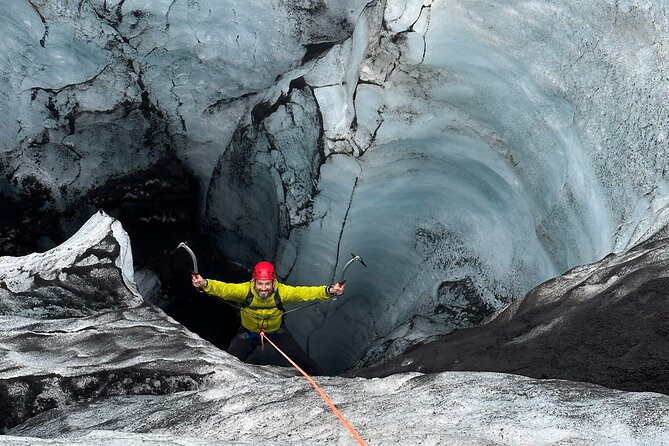
- Max of 4 people means more coaching time than big-group tours
- Crevasses and moulins are part of the real glacier route, handled with instruction
- Gear is provided: crampons, harness, belt, ice axes
- You’ll get taught how to move on ice, not just shown where to stand
- You might test different difficulty spots during the 4 hours
- Good weather is required, so plan for date flexibility
Sólheimajökull Ice Climbing: What You’re Actually Doing on the Glacier
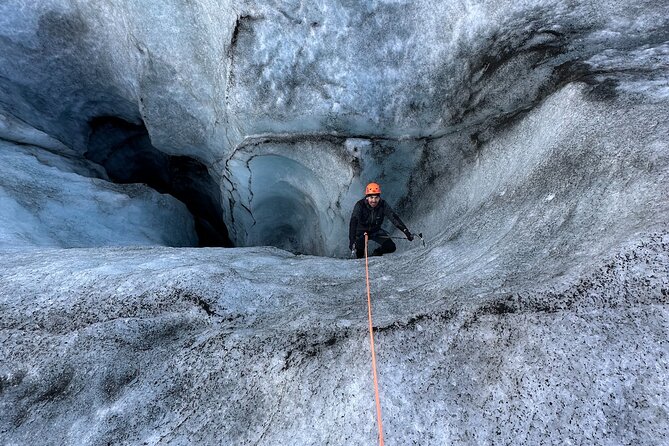
Sólheimajökull is the kind of glacier that feels close and intense at the same time. Instead of a smooth, postcard surface, you’re dealing with ice textures, cracks, and glacier features that can look wild from the ground. That’s why this tour focuses on technique and safety first—so you can move with confidence.
You’re not just walking around. You’ll cross crevasses and moulins as you make your way to a spot to climb. That matters because it turns the experience into practical glacier movement: stepping carefully, keeping balance, and understanding how your gear helps you on steep or uneven ice.
The session also includes climbing positioning. Once you find a suitable crevase or moulin area, you’ll start practicing climbing fundamentals from there. If you’re new, that structure helps. You start with guidance, then you apply it while you’re still near your instructor.
Starting at the Sólheimajökull Parking Lot and Gearing Up Fast
The day begins at Sólheimajökull, 871, Iceland, and the activity ends back at the meeting point. You’ll gather at the parking lot, then take a short 15-minute trek to the glacier tongue. That walk time is useful—it gets you warmed up and gets everyone together before the real ice time.
Right away, you’ll get a safety briefing. This isn’t the vague kind. The plan includes instruction and hands-on help getting geared up, so you can get to climbing without spending the first part of the tour fiddling with equipment.
Gear handling is a big deal on ice. Having the harness, climbing belt, crampons, and ice axes ready means you’re focused on movement rather than shopping at the last minute. Still, you’ll need to show up prepared with what the tour doesn’t provide.
Crossing Crevasses and Moulins Without Panic
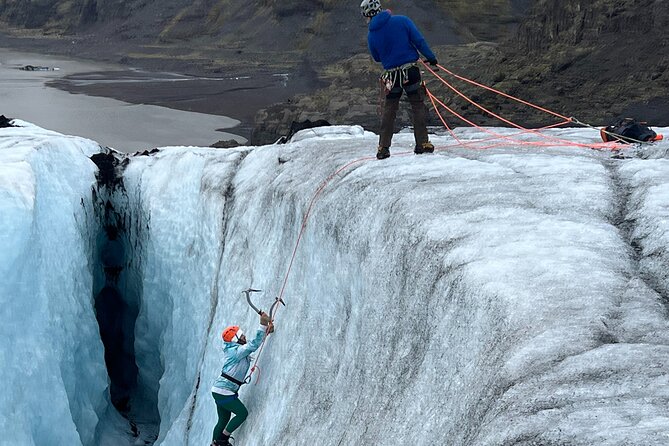
Crossing glacier features is where a lot of first-timers get nervous, and that’s normal. The good news here is that the route is taught as you go. You’ll move across crevasses and moulins to reach the climbing area, with the guide coaching your steps and positioning.
Think of it like learning to drive on real roads, not a parking lot. You’re going to encounter uncertainty—changes in ice surface, gaps, and shifting-looking terrain. The course approach helps you keep your footing and your attention where it belongs: on your technique and where your crampon points land.
One practical mindset shift helps a lot: don’t try to rush. Glacier walking rewards smooth movement. If you keep your steps controlled, your gear does its job, and you stay in sync with the group.
Technique Coaching: How You Move on Ice (and Why It Matters)
This experience stands out because it explicitly covers climbing techniques and how you should move on the ice again once you’re actually on it. That instruction is the difference between feeling like you’re copying a stance and actually understanding what to do with your body.
You’ll get guidance on moving, positioning, and using the climbing tools safely. That means you learn more than a single trick. You build a basic system for balance and movement, so when you adjust to different ice conditions during the day, you’re not stuck.
Because the tour is a micro group, the instructor can watch you closely and correct quickly. That’s huge for confidence. If you’ve ever had an activity where you can’t hear the guide or get only one glance, you’ll appreciate how the small size supports real feedback.
Trying Different Difficulty Levels During the 4 Hours
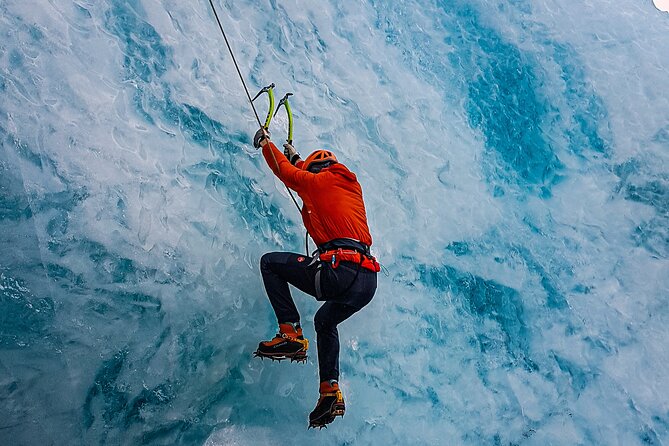
Your session isn’t one single, identical climb. The plan allows for exploring different locations during the day so you can try different levels of difficulty. That means you might start with simpler steps and then work up to steeper or more challenging sections, depending on conditions and how the group is doing.
This is good value for your time. You’re in the cold on purpose for a reason. If you only do one short practice area, the tour can feel like a long wait. Here, you get chances to vary the challenge, which makes the 4 hours feel like you’re building skills rather than repeating the same move.
Just be realistic: glacier climbing isn’t extreme if you’re following guidance, but it is physically engaging. You’ll use your legs, core, and attention. Even if you’re not sure you’ll ever feel confident, the structure gives you a pathway to get there.
What’s Included (and What You Must Bring for Iceland Cold)
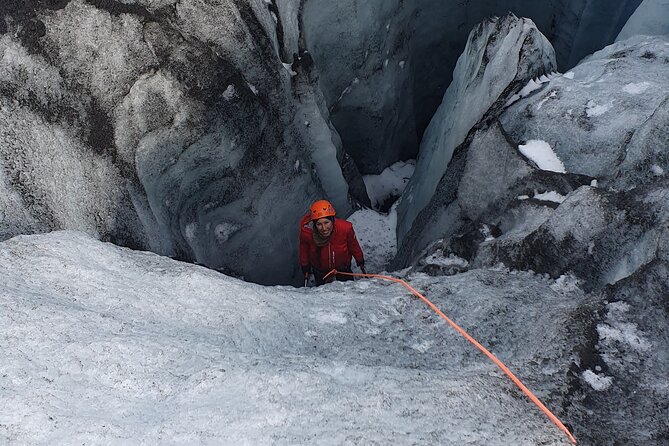
Included gear is a clear win here. You’ll be provided with:
- Climbing belt
- Ice axes
- Harness
- Crampons
This covers the essentials for both safety and movement. Without that gear, you’d either have to rent it in Vik or stress about getting the right fit. Getting it handled for you lowers the barrier for a first glacier experience.
What’s not included is just as important. Clothing and boots are not included. That means you should arrive ready to dress for cold, wind, and wet snow or ice conditions. Boots matter for crampon compatibility and for keeping your feet warm and steady.
If you’re thinking about booking, plan your wardrobe like this:
- Bring boots that can handle icy, wet ground
- Dress in layers so you can manage temperature changes
- Expect you’ll be outside for the full session, from gear-up to climbing practice
I’d rather you show up slightly over-prepared than under-dressed. Ice climbing punishes comfort mistakes fast.
Weather, Timing, and Your Best Shot at a Successful Day
This ice climbing activity requires good weather. If weather conditions cause cancellation, you’ll be offered a different date or a full refund. That’s a practical setup in Iceland, where conditions can shift quickly.
Because weather is a factor, I suggest you keep your schedule flexible around your booking window. If you’re locked into tight connections or a rigid itinerary, you’ll want a backup plan for how you’d handle a reschedule.
Timing also works well for a day trip. The activity runs about 4 hours, so you’re not committing an entire day to one glacier. After the session, you’re back at the meeting point, which makes it easier to plan your drive and meals in Vik.
Price and Value: Is $260 for 4 Hours Reasonable?
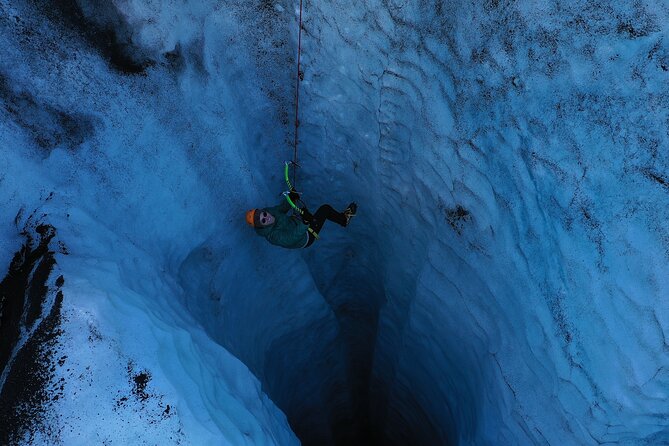
At $260 per person for roughly 4 hours, this is not a budget add-on. But it is priced like a guided skills activity on a real glacier, with safety gear and real instruction.
Here’s what you’re paying for:
- A micro group limited to 4 people
- Safety briefing and hands-on gearing help
- Provided climbing gear (axes, crampons, harness, belt)
- Technique instruction, plus the chance to try different difficulty spots
If you compare this to doing glacier activities on your own, the cost doesn’t look crazy. You’d need proper gear, training, and local know-how to handle crevasses and moulins responsibly. Even if you think you could figure it out, the glacier doesn’t care about bravery.
Also, the booking rhythm is a clue. On average, this is booked about 8 days in advance, which suggests it can fill up in peak periods. Booking early usually helps you avoid last-minute compromises.
Who This Sólheimajökull Climb Is Best For
This tour is listed for people with moderate physical fitness. If you can handle a few hours of cold outdoor movement and careful walking, you’re in the right zone.
You’ll especially enjoy it if:
- You want a guided first experience with clear technique coaching
- You like small groups where you can hear and get corrected
- You want more than a simple walk—this includes climbing practice
- You’re excited by real glacier terrain, not just views
If you’re the type who gets stressed by uncertainty, focus on the fact that the guide teaches you how to move on ice. The plan is built for learning, not for testing how quietly you can suffer.
If you’re hoping for a long hike or a scenic tour with minimal effort, this might feel too active. It’s ice climbing, so movement is the point.
Quick Practical Advice Before You Book
I’d treat this as a skills outing, not a casual stroll. Go in with a calm mindset: you’re there to learn the system, not to impress anyone.
A few practical tips based on how these glacier sessions run:
- Expect a safety briefing to be a real part of the experience
- Dress for cold and icy footing since clothing and boots aren’t included
- Bring patience for timing—ice travel and gearing take a bit of time
- Plan for weather uncertainty and keep your schedule flexible
And yes, bring your questions. A good instructor will turn questions into immediate corrections. That’s where the magic of a small group really shows.
Should You Book This Micro Group Ice Climbing on Sólheimajökull?
If you want a true ice climbing session near Vik with gear provided and close instruction, this is a strong choice. The micro group size (max 4 people) is the big deciding factor for me: you get more direct coaching, which makes it easier to learn safely and enjoy the climbing.
Book it if you’re comfortable dressing for cold and you’re aiming to try climbing techniques rather than just take photos. If your calendar is tight or you hate the idea of rescheduling for weather, then wait until you can build in flexibility.
For most people who want an unforgettable Iceland winter-style adventure without turning it into a logistics headache, Hyperborea Tours’ Sólheimajökull ice climb is the kind of plan that delivers real value.
FAQ
Where does the ice climbing meet and end?
The activity starts at Sólheimajökull, 871, Iceland, and it ends back at the same meeting point.
How long is the ice climbing experience?
It lasts about 4 hours.
What gear is included in the tour?
The tour includes a climbing belt, ice axes, harness, and crampons.
What should I bring since clothing and boots aren’t included?
You’ll need to bring your own clothing and boots. The tour provides the climbing gear listed above.
How many people are in the group?
The maximum group size is 4 travelers.
What fitness level do I need?
You should have a moderate physical fitness level.
What happens if weather is poor?
The experience requires good weather. If it’s canceled due to poor weather, you’ll be offered a different date or a full refund.
If you want, tell me your travel dates and whether you’ll have boots already. I can help you sanity-check what to pack for Iceland glacier cold.