REVIEW · REYKJAVIK
Reykjavik: Sightseeing Walking Tour with a Viking
Book on GetYourGuide →Bookable on GetYourGuide
Reykjavik clicks into place fast. This 2-hour walk mixes classic city sights with Viking-style stories, Icelandic mythology, and the kind of practical advice that helps you plan the rest of your trip. Guides such as Einar, Bjarni, Stephan I, and Jonina have led groups while bringing the city’s landmarks and local quirks to life. You’ll also get a small Icelandic language lesson and a few moments that feel like you’re walking with an old friend.
I love that you get real orientation in a compact route, not just photo stops. Two big wins: you’ll see the iconic Harpa Concert Hall and Hallgrímskirkja, plus you’ll pick up clear guidance on where to eat and drink, including happy hour deals and what to avoid.
One consideration: you spend a lot of time outside in Reykjavik, so weather can steal the comfort. Bring layers and plan for wind, rain, or cold, because that part is out of anyone’s control.
In This Review
- Key Highlights Worth Your Time
- Starting At Ingólfur Square: Get Your Bearings First
- Austurvöllur and Alþingi: The City’s Power Center in Walking Form
- Lake Tjornin and Ægisgarður 9: Old Reykjavik Atmosphere, Not Just Icons
- Harpa Concert Hall: Where Architecture Becomes a Story
- Laugavegur Street Walk: Food and Drink Intel You Can Use Immediately
- Hallgrímskirkja and Pronunciation Help: One of Reykjavik’s Best “Stand Back” Moments
- Viking Stories and the Icelandic Mini-Lesson: Why the Tour Feels Different
- Price and Value: How $51 Works for a 2-Hour City Orientation
- What to Bring and How to Make the Most of Reykjavik Weather
- Who This Tour Fits Best (And Who Might Want Something Else)
- Should You Book This Reykjavik Viking Walking Tour?
- FAQ
- Where does the tour start?
- How long is the Reykjavik walking tour?
- What major sights will I see?
- Is food or drink included?
- What languages is the live guide available in?
- Is this tour wheelchair accessible?
- Do I get help with Icelandic pronunciation?
- Can I book a private group?
- Can I cancel for a full refund?
- When should I take this tour during my trip?
Key Highlights Worth Your Time
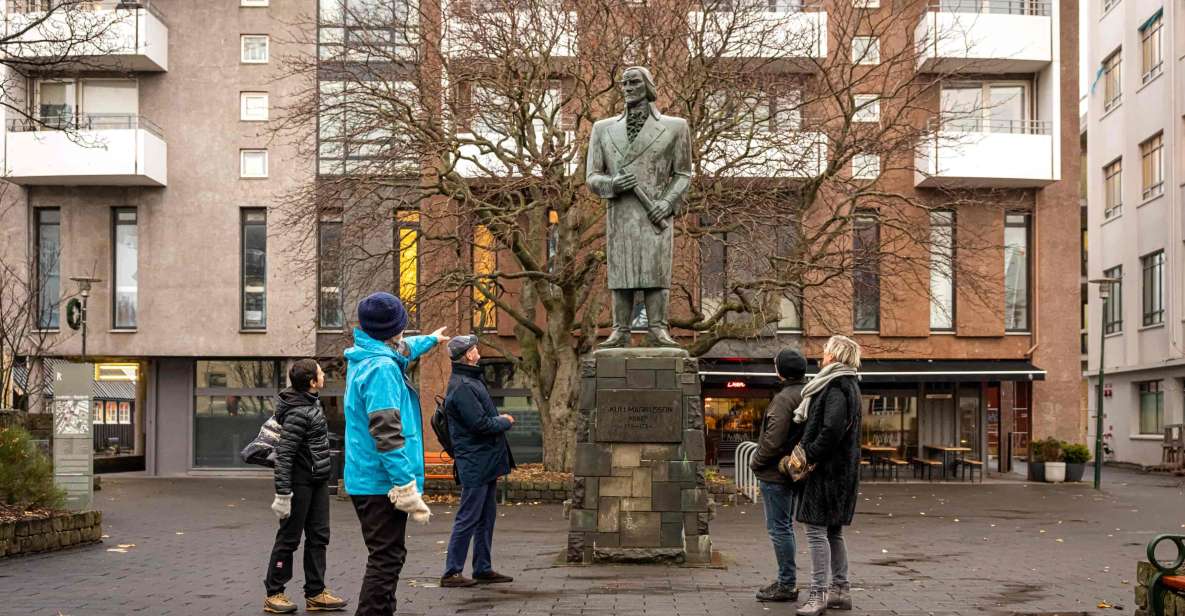
- Ingólfur Square start: meet at Ingolfstorg Square by the two stone seat pillars (over 2 meters tall) and get oriented immediately
- Big Reykjavik landmarks: Harpa Concert Hall, Alþingi (Parliament), Hallgrímskirkja, Reykjavík Harbour, and Reykjavík Pond
- Icelandic stories plus mythology: Viking-themed narration with Icelandic history brought to life
- Local-style detours: you’ll also visit less-obvious spots, including an elf home-type stop you’d likely miss on your own
- Language bite: a short Icelandic mini-lesson, plus help with pronunciation (yes, Hallgrímskirkja is on the list)
- Food and drink intelligence: guide recommendations for where to eat, drink, and find deals
Starting At Ingólfur Square: Get Your Bearings First
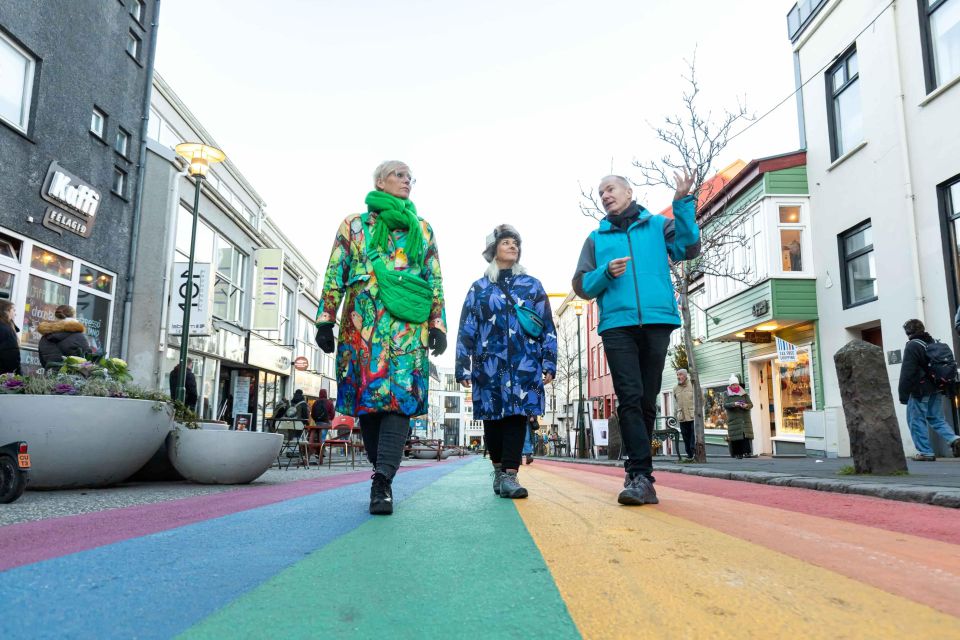
Most Reykjavik tours try to do too much. This one is smart because it starts right in the center: Ingólfur Square (Ingolfstorg Square) by the two tall stone seat pillars. It’s easy to find, too. If you’re coming down Laugavegur (the main shopping street), keep walking until you reach the square at the end, then head straight in.
What matters here is how fast you learn the city’s shape. In just a couple of hours, you’ll connect the dots between the old center, the harbor area, and the spots locals use every day. That pays off later when you’re deciding where to go next without feeling like you’re guessing.
And the tour doesn’t feel like a rigid checklist. The guide’s job is to point out landmarks, but also to help you understand how Reykjavik works: where the energy is, where things feel quieter, and how to avoid the tourist-trap version of Iceland.
Austurvöllur and Alþingi: The City’s Power Center in Walking Form
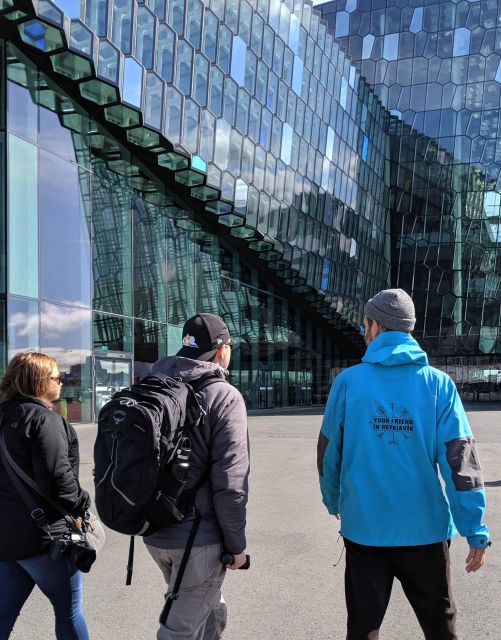
Next you head to Austurvöllur, an important central square that gives you a feel for how Reykjavik acts when it’s not about big sights. In many cities, government buildings feel remote. Here, politics sits inside daily life, and the walk style makes it easier to notice that.
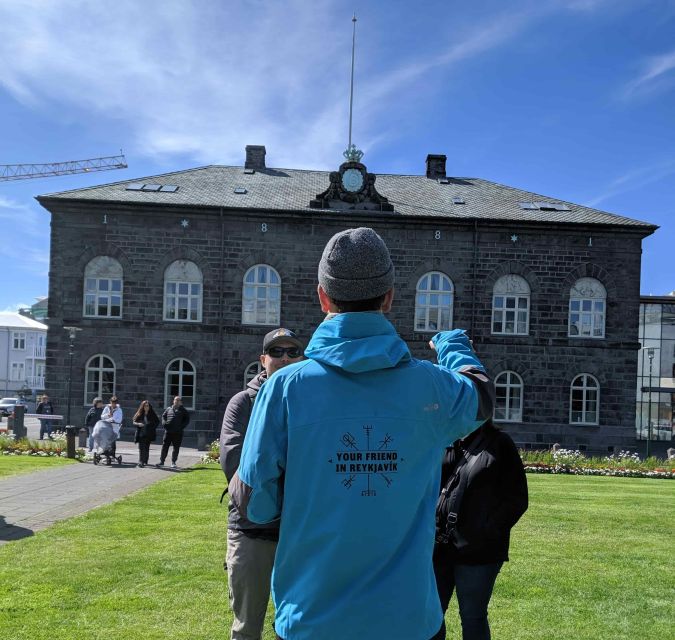
Then you reach Alþingi, Iceland’s Parliament building. You get a photo stop and the story behind what you’re seeing. This is one of those moments where a guide earns their fee. If you only glance and move on, you’ll remember the architecture but miss the human context. With a good Viking-style storyteller, the building turns into a snapshot of Iceland’s identity and priorities.
The practical value: after this stop, you understand what parts of Reykjavik are truly “center” and which ones are more about passing through.
Lake Tjornin and Ægisgarður 9: Old Reykjavik Atmosphere, Not Just Icons
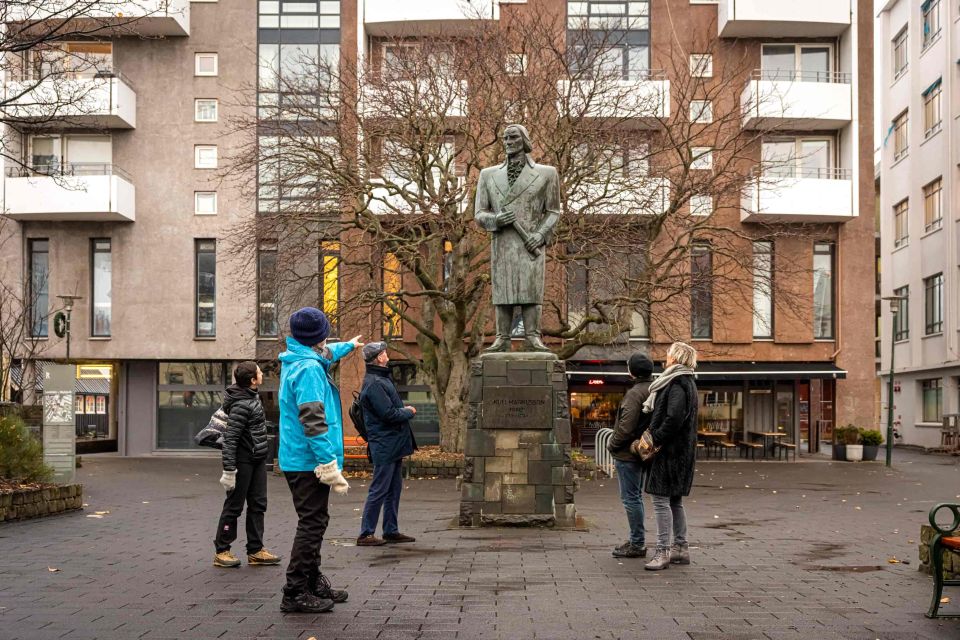
After the government stop, the tour shifts tone. You’ll make your way to Lake Tjornin, where the highlight isn’t a museum wall. It’s what you can sense outdoors: the birdlife and the relaxed tempo that can still exist in a busy capital.
This is also a nice breather. Reykjavik is compact, but you’re still outside for the full experience. A stop like Lake Tjornin breaks up the landmark rhythm and helps you absorb the city like a place, not like a photo album.
Then you’ll pass through a smaller local stop around Ægisgarður 9. The address doesn’t sound dramatic, but these are the moments that make your later exploring easier. The guide is training your eyes: you start noticing scale, street patterns, and the way older Reykjavik tucked into everyday neighborhoods.
It’s also where the tour’s “local friend” approach starts to feel real. You’re not only learning what’s famous. You’re learning what’s worth pausing for.
Harpa Concert Hall: Where Architecture Becomes a Story
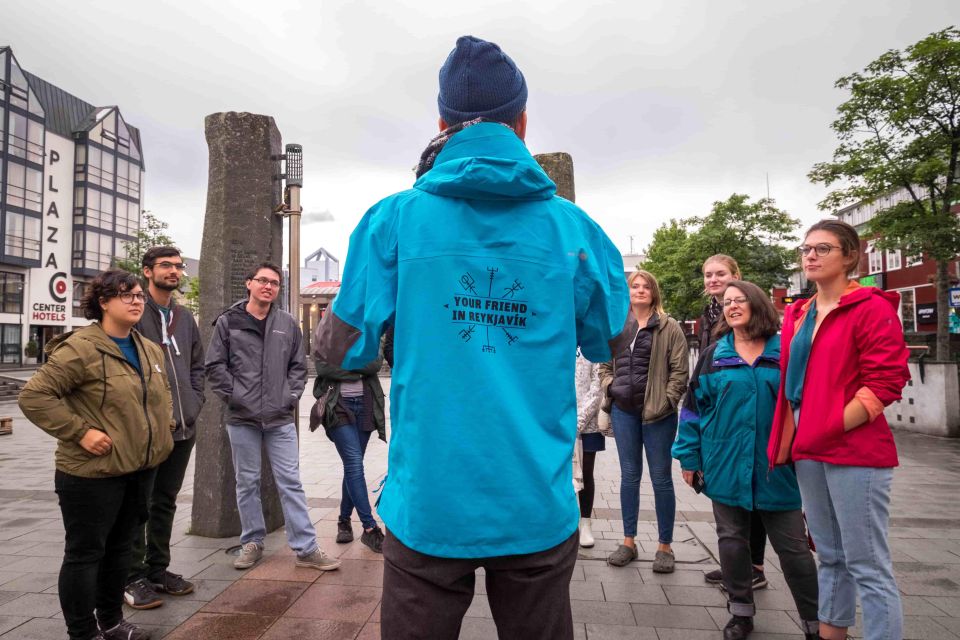
One of the tour’s biggest headline stops is Harpa Concert Hall. Even if you’ve seen photos, seeing Harpa in person is different because it’s so tied to the city’s light and motion. Here, the guide’s job is to connect the building to Iceland’s modern identity, not just point at shapes.
Harpa also gives you something practical: a place to reset. Reykjavik weather can turn fast, and the end-of-walk flow naturally works well with grabbing something warm or something comforting. The tour itself doesn’t include food or drinks, but the area is set up for that kind of stop if you need it.
This is also a good photo moment, but more importantly, it’s where your tour story starts to bridge the old and the new. You see that Reykjavik isn’t just a backdrop for dramatic scenery. It’s a living city with culture you can actually access.
Laugavegur Street Walk: Food and Drink Intel You Can Use Immediately
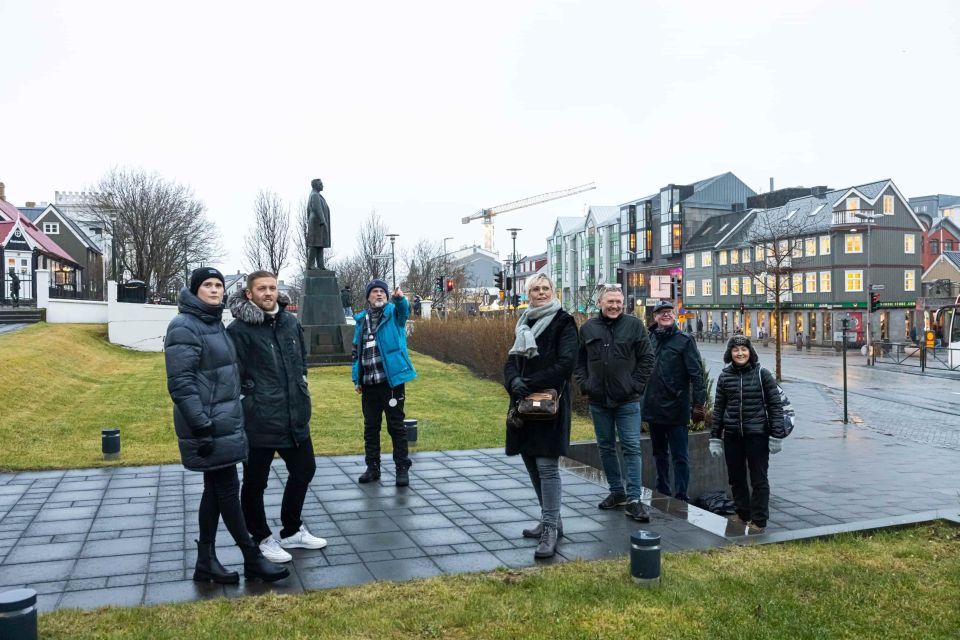
From Harpa, you’ll head along Laugavegur, Reykjavik’s main shopping street. On your own, Laugavegur can feel like any other tourist spine. With a Viking guide, it becomes more useful because you’re not just walking through it—you’re getting recommendations for how to use it.
This is one of the most praised parts of the tour style: the guide doesn’t only say what to see. They share where to eat, drink, and visit, including happy hour deals and spots to skip. That matters in Reykjavik, because the city’s small size means one wrong dinner choice can cost you precious time.
You’ll also hear a lot of candid guidance about planning. For example, people often appreciate that the guide checks in and keeps the group moving at a pace that works even when it’s windy. That kind of real-time adjustment makes a walking tour feel easier than you’d expect.
And because the tour includes stops you’d likely miss, Laugavegur becomes a navigation shortcut later. You’ll remember what you saw nearby and why it mattered.
Hallgrímskirkja and Pronunciation Help: One of Reykjavik’s Best “Stand Back” Moments
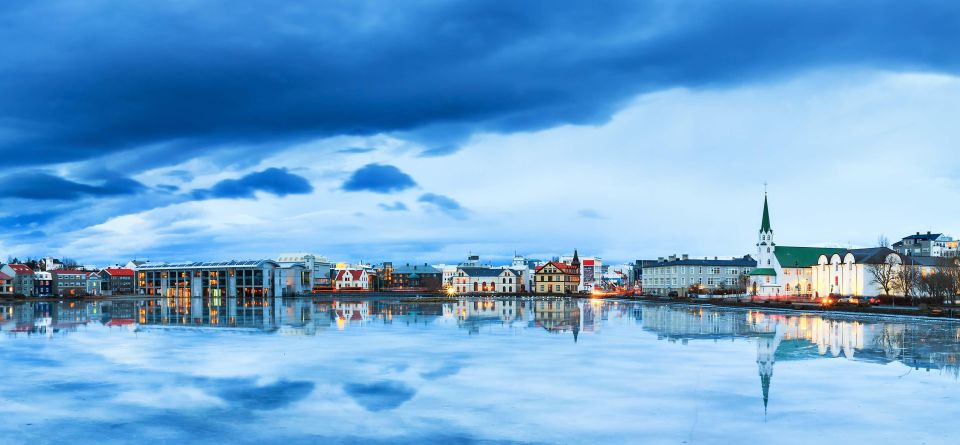
Next comes Hallgrímskirkja, the church that defines skylines in photos and at a distance. During the walk, the guide focuses on more than exterior views. They’ll also help you with pronunciation, so you can confidently say the name when you’re giving yourself directions or asking for hours.
What I like about this stop is that it’s iconic but not meaningless. When a guide ties it to the bigger Iceland story, the landmark stops being just a silhouette and becomes part of how Reykjavik thinks about identity and faith.
One caution from real-world conditions: the church interior isn’t guaranteed to be open at every visit. If you’re counting on seeing inside during your tour day, keep expectations flexible. Even if interior access is limited, the walk still works because you’re learning the broader city story as you go.
Viking Stories and the Icelandic Mini-Lesson: Why the Tour Feels Different
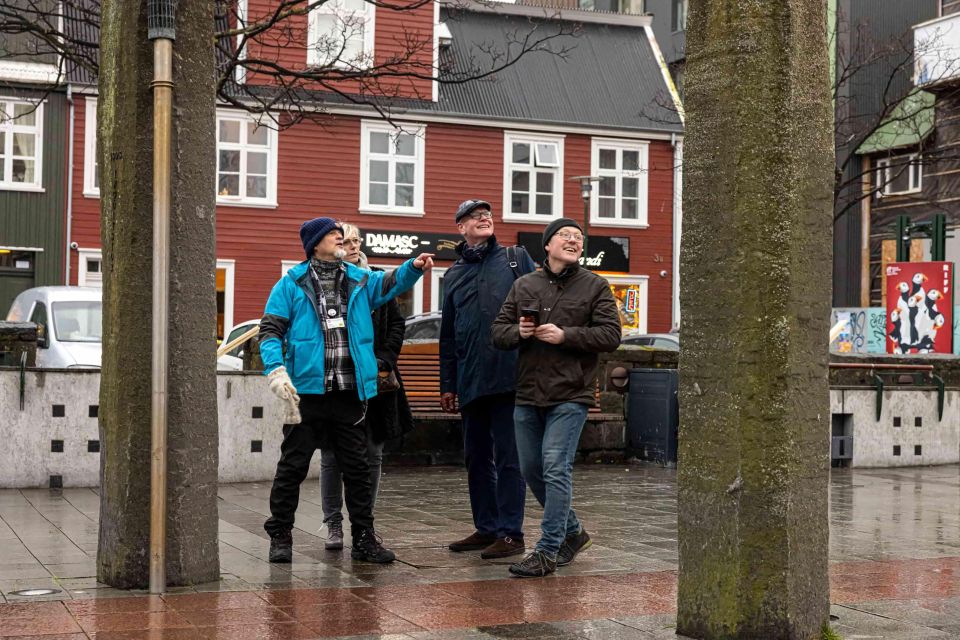
This isn’t a quiet, textbook walk. The tour is designed as a fun introduction to Icelandic culture, with Icelandic mythology and Viking-themed storytelling woven into the route. That’s exactly why it works on a first visit. It gives you context fast, and it makes the city feel more personal.
You’ll also get a small Icelandic language lesson, which is a practical reward. Even a quick lesson changes how you experience street signs, menus, and conversations later. Plus, the guide style tends to be question-friendly. People have praised guides who answer questions clearly and keep the mood light.
There’s also the “look closer” angle. A highlight is a local-style stop that can include an elf home. It sounds whimsical, but it’s actually clever. The point isn’t fantasy—it’s teaching you what to notice in Reykjavik’s details so you can spot meaning without a guide.
Price and Value: How $51 Works for a 2-Hour City Orientation
The price is listed at $51 per person for a 2-hour walking tour, and the big thing you’re paying for is the guide. The tour includes an expert guide, and the route covers multiple major landmarks that would take you longer to piece together solo.
Here’s why it can be strong value for first-timers:
- You get orientation in a compact loop, which can save you time later
- You get food and drink guidance (where to go, what deals to look for, and what to avoid)
- You get context for landmarks like Harpa and Alþingi, so they don’t become just photo props
- The storytelling and Icelandic mythology thread makes the information easier to remember
The tradeoff: food and drinks aren’t included. That’s not a negative, but it means you should plan to use your guide’s recommendations to make your next meal choice.
If you’re traveling with limited time in Reykjavik, this kind of paid orientation often beats spending that time trying to research neighborhoods on your phone while you’re already out in the cold.
What to Bring and How to Make the Most of Reykjavik Weather
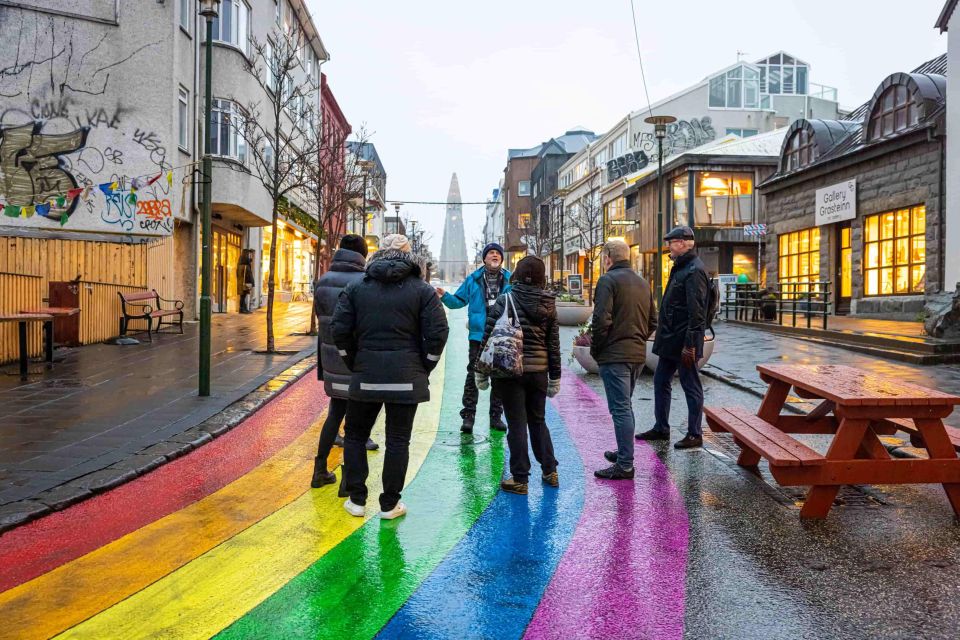
The tour is weather-dependent only in comfort, not in the goal. You should wear layers and bring weather-appropriate clothing. Reykjavik can be windy, and since you’re walking most of the time, you’ll feel it in your hands, face, and legs first.
A simple strategy:
- Wear a base layer you can keep dry
- Add a warm mid-layer
- Use an outer layer that handles wind or light rain
Also, bring patience. A guide will keep the group moving, but you’re outdoors for the full 2 hours. If you show up overdressed for mild weather or underdressed for cold wind, it’s harder to enjoy the stories.
Who This Tour Fits Best (And Who Might Want Something Else)
I think this tour is ideal if you:
- Are visiting Reykjavik for the first time and want a quick orientation
- Enjoy city walking tours that mix history and storytelling
- Want practical restaurant and drink tips, not just landmarks
- Like a family-friendly atmosphere and a guide who keeps things interactive
It may not be the best fit if you’re looking for a purely quiet, independent experience where you don’t want guidance or you prefer deep museum time. This tour is about understanding the city’s shape and vibe quickly.
Also, because it’s a walking tour, your comfort matters. If you need frequent breaks, you’ll want to plan with the reality of outdoor time.
Should You Book This Reykjavik Viking Walking Tour?
If you’re asking whether this is worth your limited hours in Reykjavik, my take is yes—especially if it’s your first day. You get major landmarks like Harpa, Alþingi, Hallgrímskirkja, and Lake Tjornin, plus you leave with practical advice for food, drink, and what to skip. The Viking-themed storytelling and Icelandic mythology thread make the facts stick, and the vibe is playful without feeling silly.
Book it if you want a smart start. If you’re already comfortable navigating Reykjavik and only care about one or two stops, you might prefer a shorter self-guided plan. But for most people, $51 for 2 hours with an expert guide is a solid way to make the city feel understandable fast.
FAQ
Where does the tour start?
It meets at Ingolfstorg Square in the center of Reykjavik, by the two stone-high seat pillars (over 2 meters high).
How long is the Reykjavik walking tour?
The tour lasts about 2 hours.
What major sights will I see?
You’ll visit landmarks in the city center such as Harpa Concert Hall, Reykjavik Harbour, Hallgrímskirkja Church, Reykjavík Pond (Lake Tjornin), and the Parliament building (Alþingi).
Is food or drink included?
No. Food or drinks are not included, though the guide provides recommendations for where to eat and drink.
What languages is the live guide available in?
The live guide is available in English, German, French, and Spanish.
Is this tour wheelchair accessible?
Yes, the tour is listed as wheelchair accessible.
Do I get help with Icelandic pronunciation?
Yes. The tour includes a small lesson and pronunciation help, including for Hallgrímskirkja.
Can I book a private group?
Yes. Private group options are available.
Can I cancel for a full refund?
Free cancellation is offered up to 24 hours in advance for a full refund.
When should I take this tour during my trip?
It’s recommended as one of your first stops in Reykjavik so you can get your bearings and plan the rest of your stay.