REVIEW · VIK
From Vik: Katla Ice Cave Small-Group Tour
Book on GetYourGuide →Operated by Gravel Travel · Bookable on GetYourGuide
Katla’s ice cave feels like another world. From Vík you ride in a Super Jeep into the highlands, then step onto crampons for a short walk that lands you inside the glacier. It’s built as a small-group outing, so you get real guide attention instead of just a quick stop.
Two things I really like are the exclusive cave access and the careful, gear-based safety. Guides like David, Gunnar, and Gunter tend to keep it practical too, mixing the science of Katla with Icelandic stories while making sure you’re steady on uneven ground.
One drawback to plan around: this is a natural cave, and it can feel dark and tight. It’s not for fear of darkness or claustrophobia, and ice caves also change as the season shifts, so the exact size you see can vary.
In This Review
- Key highlights that matter
- Super Jeep From Vík to Katla Glacier: the drive that sets the tone
- Katla Glacier in plain English: why there’s a volcano under the ice
- Gear up: helmets, crampons, and the short walk into the cave
- Inside Katla’s ice cave: blues, blacks, and the reality of change
- How the timing works: three hours total, with 30 minutes on ice
- Price and value: is $181 a fair deal for Katla?
- Who should book this Katla Ice Cave tour
- Should you book the Katla Ice Cave Small-Group Tour?
- FAQ
- How long is the Katla Ice Cave tour from Vík?
- Where do I meet for the tour?
- What’s included in the price?
- What should I bring?
- Is the ice cave visit suitable for kids?
- Is the tour okay if I feel uncomfortable in dark or enclosed spaces?
- What language will the tour be in?
Key highlights that matter
- Exclusive ice cave access with no other operators sharing the same cave space
- Super Jeep drive into the Icelandic Highlands from Vík, with the kind of off-road terrain that makes the trip feel like a movie set
- Helmet + crampons plus a safety briefing before you walk in
- Katla science made human, including how Katla sits under a subglacial volcano
- Blue and black ice colors shaped by glacier processes you can actually understand
- Small-group feel, where your guide can answer questions and help with photos
Super Jeep From Vík to Katla Glacier: the drive that sets the tone
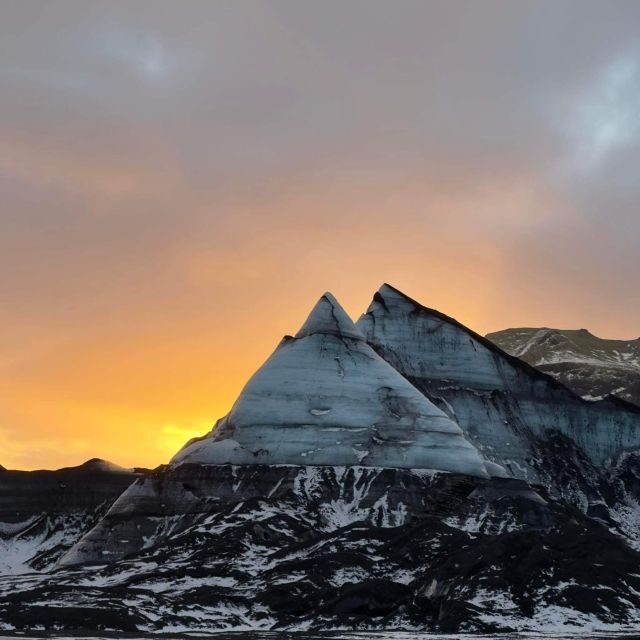
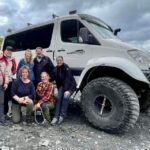
This tour starts in Vík and uses a 4×4 Super Jeep to reach Katla Glacier. You meet at the parking behind the IceWear store, and the vehicle and guide are marked Gravel Travel, so it’s pretty straightforward once you know where to look.
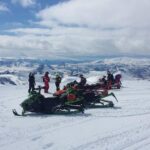
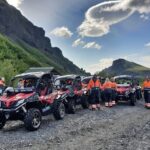
The drive is about an hour each way, and it’s not just “transport.” It’s the fun part that teaches you how Icelandic weather and terrain work. You’ll head onto rougher roads in the highlands area, where the ground can look lunar and the air feels sharper. If it’s windy or rainy in Vík, don’t worry too much; you may find the conditions shift once you’re closer to the glacier access points.
One thing I appreciate is that guides tend to explain what you’re seeing while you ride. That includes why the jeep needs the right setup for traction—some drivers lower tire pressure to improve grip on rough or uneven surfaces, then adjust it back for safer travel. It makes the off-road feel less random and more intentional.
It’s also the part where surprise moments can happen. On the way back, the drive may include passes by black sand areas, and some groups get treated to little extras like music during the return stretch. You might also see wildlife along the route, with arctic foxes and ravens showing up in some departures depending on conditions.
The bottom line: you’re not spending three hours mostly sitting. You’re moving, watching, listening, and building a sense of place before you ever step onto the ice.
You can also read our reviews of more tours and experiences in Vik.
Katla Glacier in plain English: why there’s a volcano under the ice
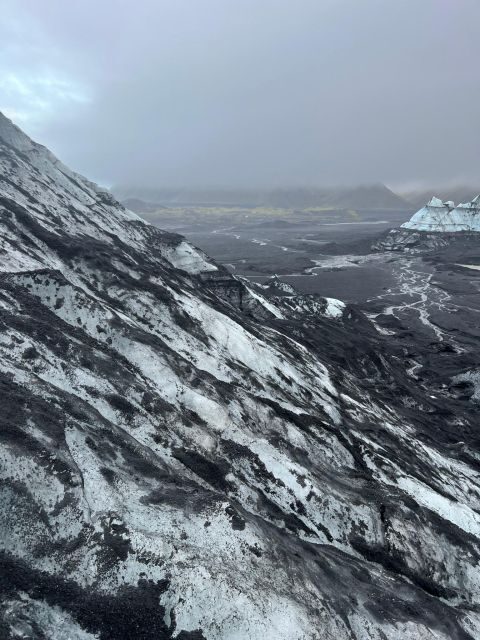
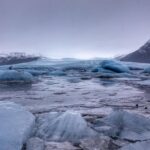
Katla is Iceland’s fourth-largest glacier, and the big idea your guide will keep returning to is that Katla Glacier is tied to a subglacial volcano. In other words, you’re not just looking at ice sitting on top of land—you’re looking at ice that covers a system doing its own underground work.
Your guide will set this up early, usually while you’re still traveling toward the glacier. Expect talk about Myrdalsjökull and how Katla’s outlet works within the wider glacier system. Then you’ll connect that to how ice caves form in the first place.
Ice caves are created by processes involving sunlight and surface conditions. The “cave depth” reality is important, too: ice caves here don’t typically go far into the glacier. What you get is a walk-in space with striking structure, not a long cave system like you’d see in show-cave settings.
Another detail I like: the guides don’t treat the explanation like a lecture. Guides such as David, Gunnar, and Teitur (names that show up in past departures) often mix science with myth and folklore. It gives you two lenses at once—one for the geology, one for how Icelanders talk about powerful natural forces.
Gear up: helmets, crampons, and the short walk into the cave
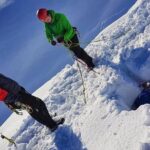
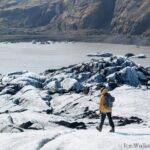
Before you go inside, you’ll get a safety briefing and be fitted with a helmet and crampons. The tour is designed around the idea that you’ll be walking on uneven ice and moving over slippery surfaces, so the gear is not optional window dressing—it’s part of what keeps the experience smooth.
Then comes the walk-in. You’ll typically spend about 2 to 8 minutes on foot before you enter the cave. That’s a short distance, but it’s enough to make good footwear matter. Bring hiking shoes (not flimsy sneakers) and dress for the weather you’ll actually face in southern Iceland—cold snaps and wet wind can happen fast.
You also need to be honest about how you feel in dark spaces. This tour is specifically not suitable for fear of darkness or claustrophobia. If either one affects you, this isn’t the place to “tough it out.” You’ll be happier (and safer) choosing a different type of glacier experience with open views.
From a comfort standpoint, this is also not a casual stroll. The ground around glacier access can be irregular, and inside the cave you’re dealing with natural ice conditions. It’s still approachable for most people who can handle a bit of uneven terrain, but it’s not built for wheelchairs, and it’s not listed for people with heart problems.
Inside Katla’s ice cave: blues, blacks, and the reality of change
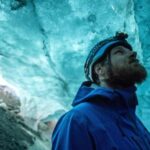
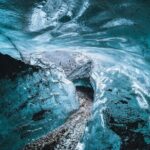
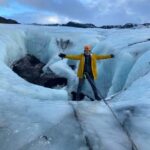
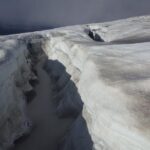
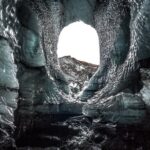
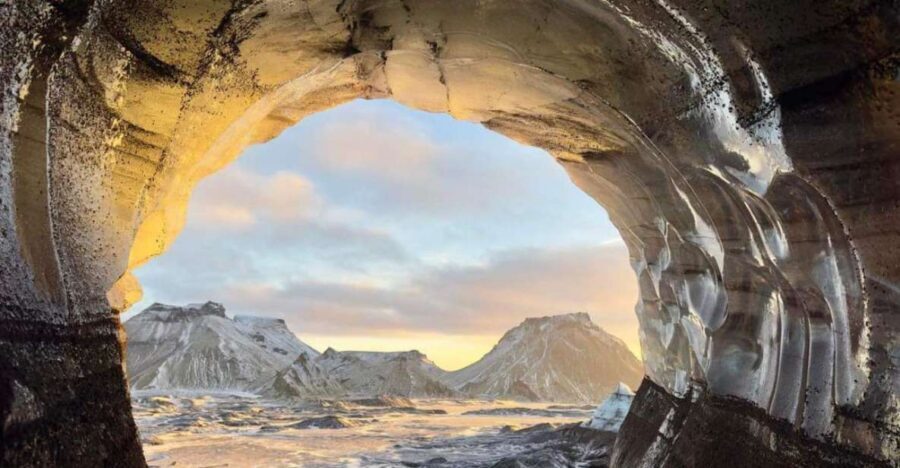
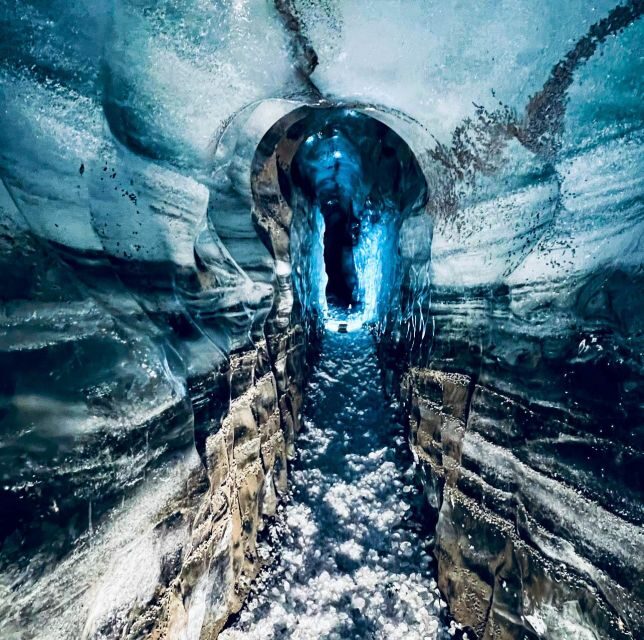
The moment you step into the cave is the main event. Expect dramatic shades of blue and black ice, with textures that look almost painted. The colors come from how light moves through ice and how the glacier structure formed over time, shaped by melting and refreezing cycles.
The cave visit is about 30 minutes. That timing works because it gives you time to walk, look up, and take photos without feeling like you’re stuck in cold air for ages. Some people also slow down once they’re inside—there’s a lot to notice—so a half-hour feels like a good fit for most bodies and attention spans.
Photo expectations are worth setting correctly. Ice caves shift constantly, and the exact shape you see can be different from day to day and season to season. Even the operator’s photo examples are meant to show the kind of experience you’ll get, not a real-time match of what you’ll see that day. So treat your camera like a tool for memories, not as a promise of a specific scene.
One more reality check: during certain times of the year, the cave can be smaller than you might expect. That doesn’t make it less impressive—it just means the experience is more about the ice colors and textures than about an epic length of tunnel. If you want huge, long cave passages, plan for the fact that this is a natural ice cave with a limited walk length.
Your guide matters here. Many guides help people with photos and keep you oriented inside so you don’t spend the whole visit staring at the ground. If you enjoy learning, you’ll also get context while you’re inside, like how the cave’s appearance ties back to glacier processes.
How the timing works: three hours total, with 30 minutes on ice
This tour runs for about 3 hours total. Practically, that means:
- Around 1 hour traveling to the glacier area
- A short walk in, then about 30 minutes inside the ice cave
- Around 1 hour returning to Vík
That balance is a big part of the value. You get the thrill of off-road access and the educational parts en route, then you get real time inside the ice without rushing.
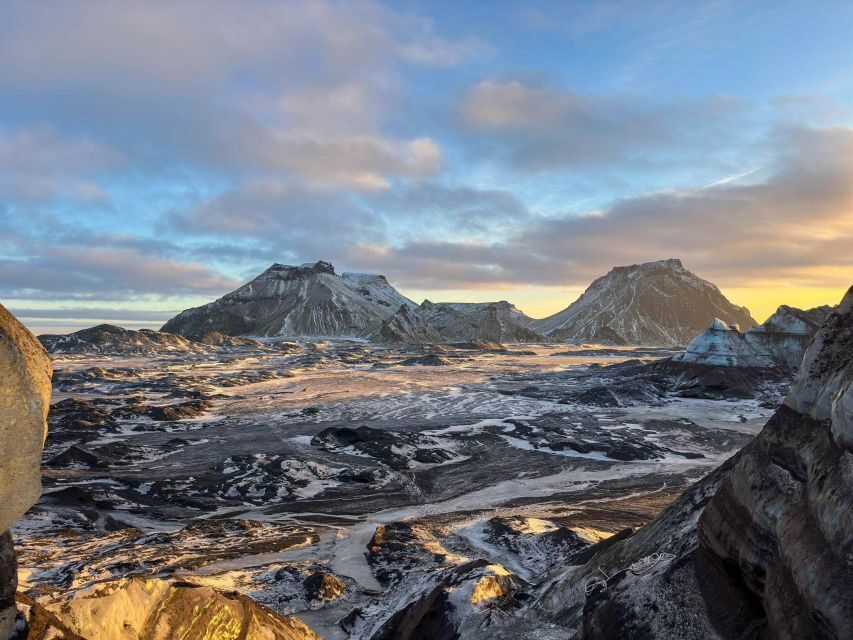
If your schedule allows, the start time can change the vibe. Some departures are timed so you can catch special light, including the possibility of sunrise if you book a morning session. Even on gray days, the cave colors can still look intense because ice turns light into its own lighting system.
Also, the tour moves at a pace that suits the setting. You’re not waiting around for long stretches, which helps when Iceland weather is doing its unpredictable thing.
Price and value: is $181 a fair deal for Katla?
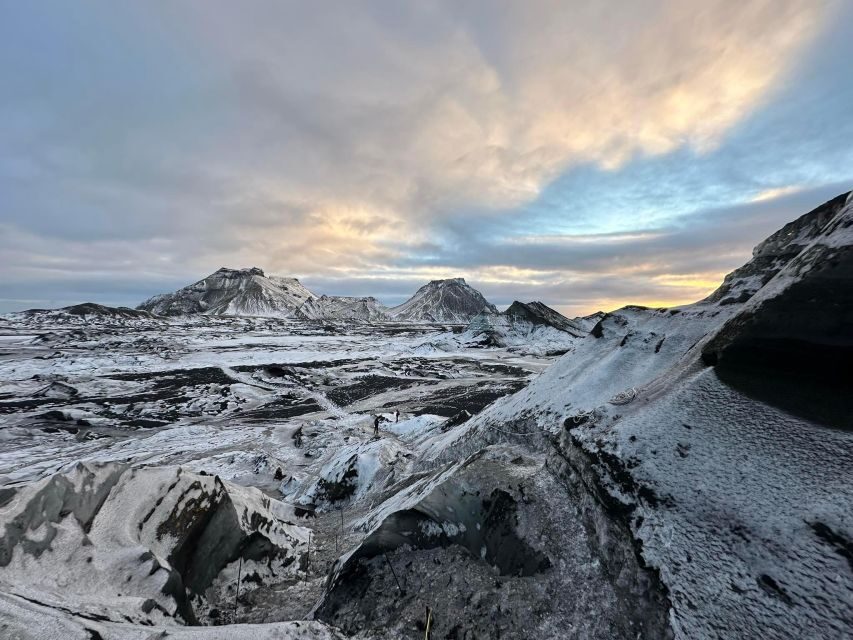
At $181 per person for a roughly three-hour outing, you’re paying for three things at once:
- Access and exclusivity
You’ll visit a Katla Ice Cave experience that’s described as exclusive to Gravel Travel guests, not shared with other operators in the cave.
- Special transportation
The Super Jeep ride isn’t a standard road shuttle. Off-road travel into the highlands takes the right vehicle and the right driving.
- On-ice gear and on-site guidance
Helmets and crampons are included, and you’ll have local guides guiding the safety side and the science/story side.
So where does that leave you? If your top goal is a meaningful ice cave visit in a small-group setting—with gear and guide help—you’re likely to feel this price is justified. The exclusivity piece alone matters because cave space is limited and sharing changes the experience.
If your goal is to spend hours exploring a long cave system, you might feel the price more sharply, since ice caves here can be shorter, especially later in the season. In that case, your “worth it” depends on whether you enjoy geology explanations, lighting, and the walk-in moment more than you need a long underground stroll.
Who should book this Katla Ice Cave tour
This is a great fit if you:
- Want a glacier visit from Vík without driving yourself
- Like learning how Iceland works—especially when the talk includes both science and folklore
- Enjoy small-group experiences where it’s easier to ask questions and get photo help
- Can handle crampons, cold conditions, and a short uneven walk
It’s not the right fit if you:
- Have claustrophobia or fear darkness
- Need wheelchair access
- Have heart problems (as listed)
- Are traveling with children under 8
If you’re doing your first ice cave outing, this one also has an advantage: it’s designed as a guided, gear-supported walk-in experience, not just ice walls behind a fence.
Should you book the Katla Ice Cave Small-Group Tour?
Yes, you should book if you want the Katla Ice Cave experience to feel personal, planned, and safe, with real guide context and a drive that builds excitement before you ever reach the ice. The $181 price makes sense when you value exclusivity, off-road access, and included safety gear.
Skip it if you know you’ll struggle in dark or tight spaces, or if you expect a long ice-cave hike. In that case, you’ll likely prefer a different type of glacier visit with open views.
FAQ
How long is the Katla Ice Cave tour from Vík?
The tour duration is about 3 hours.
Where do I meet for the tour?
Meet in the parking behind the IceWear store. The vehicle and driver-guide are marked Gravel Travel, and your guide will call the name on your booking when checking in.
What’s included in the price?
Included are 4×4 Super Jeep transportation to and from Vík, local guides for Katla Glacier exploration, helmets and crampons, and free WiFi.
What should I bring?
Bring appropriate shoes for hiking, since you’ll be walking on uneven ground and in cold weather.
Is the ice cave visit suitable for kids?
No. The tour is not suitable for children under 8.
Is the tour okay if I feel uncomfortable in dark or enclosed spaces?
It’s not suitable for individuals with a fear of darkness or claustrophobia.
What language will the tour be in?
The live tour guide provides the experience in English.