REVIEW · VIK
Ice Cave at Katla Volcano
Book on Viator →Operated by Marina Travel · Bookable on Viator
Fire and ice in one dark tunnel.
This Katla Volcano Ice Cave experience mixes volcanic forces and melting ice into a truly rare walk-through. You’ll ride out of Vík, head under Katla, and get that cool-but-eerie feeling of seeing a cave shape that changes as the ice shifts.
I especially like two things. First, the tour keeps it small, with a maximum of 14 people. Second, you get all the key safety gear for the ice—crampons, helmet, and headlamps—so you’re not hunting for winter climbing kit on the spot. One consideration: the tour is timed and depends on you being at the meeting point in Vík on schedule, so double-check your ticket details and location before you go.
Expect about 3 hours from start to finish, offered in English, with a Super Jeep ride off the beaten track. Good weather matters here, because the whole experience is built around safe travel on and around ice.
In This Review
- Key things to know before you go
- Katla Ice Cave: why fire and ice feels so unreal
- Getting to Vík (and why your schedule has to be tight)
- The Super Jeep ride: off-road access, not a sightseeing bus
- Entering the ice cave: crampons, headlamps, and careful steps
- Stop at Katla Volcano: what the guide actually helps you notice
- Comfort, crowd flow, and the reality check on timing
- What to bring: the stuff that isn’t included
- How much it costs, and whether it feels worth it
- Who this tour suits best
- Should you book the Ice Cave at Katla Volcano tour?
- FAQ
- How long is the Ice Cave at Katla Volcano tour?
- Where do I meet for the tour in Vík?
- Do I need my own transfer from Reykjavik?
- What safety gear is included?
- Is food included?
- Do I need to bring hiking or trekking shoes?
- Is the tour offered in English, and how big is the group?
- What happens if weather is poor, or I cancel?
Key things to know before you go
- Katla Volcano ice cave is the main event: you’re going for the fire-and-ice contrast inside a naturally forming, changing tunnel.
- Safety gear is included: crampons, helmet, and headlamp mean you can focus on the cave, not logistics.
- Super Jeep transport from Vík: this is not a city drive; expect rougher access roads to reach the cave area.
- Footing and narrow crossings are part of the walk: you may use narrow board bridges and move through a tunnel-style cave passage.
- Guides shape the experience with real geology talk: guides such as Stefan and Trym/Trim are noted for clear, interesting explanations.
- Comfort can vary with vehicle and timing: one account complained about seating and crowd flow, so confirm what vehicle you’re assigned when booking.
Katla Ice Cave: why fire and ice feels so unreal
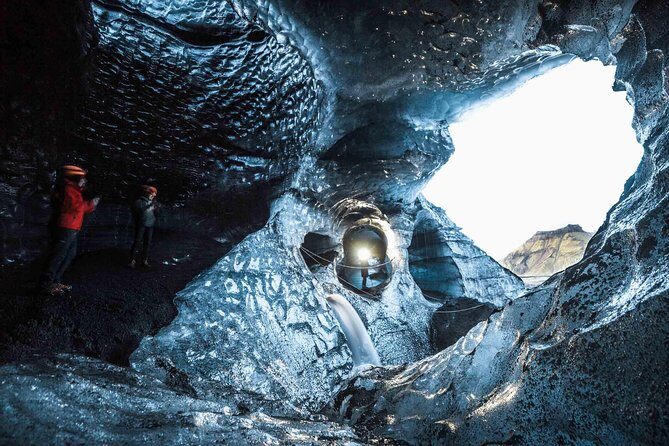
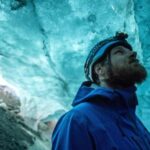
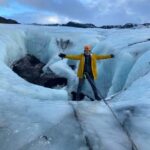
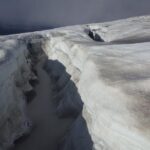
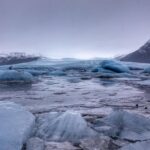
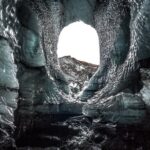
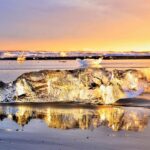
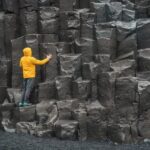
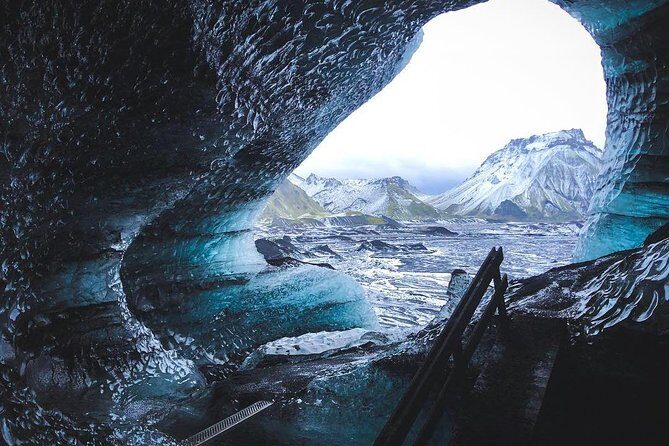
The best way I can describe this tour is as a controlled adventure into something that looks impossible. You’re not just walking on ice. You’re moving through a cave/tunnel formed by ice under—and shaped by—the volcanic system of Katla. The result is a mix of frozen textures, dark passages, and glowing highlights from your headlamp.
What makes this worth paying for is the combination of location and the “how.” The ice cave isn’t a museum set. It’s a living environment that changes as melting and movement progress. That’s why the guide’s safety instructions matter and why the experience can feel different day to day.
Inside, expect cool air, slick surfaces, and photo opportunities that can be awesome—or tricky—depending on your lighting. If you’re going later in the day and the entrance area is in low light, your photos might not have the same punch. That’s not a dealbreaker; just plan your expectations.
You can also read our reviews of more tours and experiences in Vik.
Getting to Vík (and why your schedule has to be tight)
This tour starts and ends in Vík, not Reykjavik. It’s about 250 km away, so you should plan a night (or at least solid timing) in Vík rather than trying to squeeze it into a day trip.
Your meeting point is The Soup Company, Víkurbraut 5, 870 Vík. You’ll end back at the same place. That simplicity is nice, but it also means you want to arrive early and be ready to go when the group is formed.
From Reykjavik, there’s bus help: bus 51 from Mjodd goes to Vík. The point isn’t just “yes you can get there.” The point is that Iceland timing is real. One unhappy experience reported missing departure due to ticket/address issues, so it’s smart to take two minutes to confirm exactly where you’re meeting and what time you should be there.
The Super Jeep ride: off-road access, not a sightseeing bus
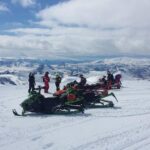
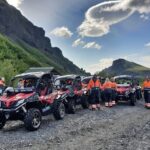
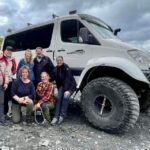
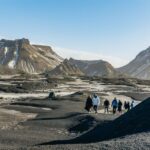
This experience is marketed as a Super Jeep ride from Vík to reach the ice cave area. In practice, you should treat it like an off-road transfer. One account described a bumpy gravel road drive lasting roughly 40 minutes. That’s a big part of the appeal: you’re getting out to the right terrain, not just getting transferred.
Small comfort note: you’ll want to dress for movement and cold. Even when the day is bright, the ride and the cave area can feel colder once you’re near the ice.
One report did complain about vehicle type and seating comfort, saying the ride didn’t match expectations and that the group was larger/less controlled than hoped. I can’t “fix” that from here, but you can reduce risk: when you book, confirm your vehicle details and get clarity on group size for your date. The tour says a maximum of 14 people, so you’re not bargaining with a huge crowd—but vehicle comfort is still worth checking.
Entering the ice cave: crampons, headlamps, and careful steps
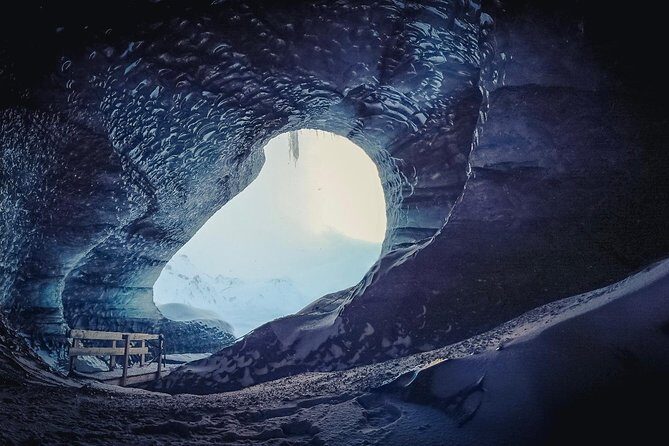
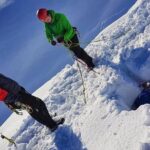
The big win here is that the tour includes safety gear. You should show up expecting to get fitted with crampons and a helmet, plus a headlamp so you can see inside the cave passage.
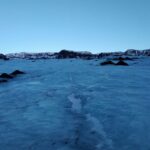
Once you’re geared up, the walking starts with the practical part: getting your footing right. Expect uneven ice surfaces and the need to move steadily. The crampons do the job, but they don’t replace good technique.
Inside the cave, you may cross narrow board bridges with a rope alongside for extra security. You’ll also move through a tunnel-like section where your guide controls the pace. The point is not speed. It’s spacing, safety, and avoiding slips in tight areas.
The cave itself can look different depending on weather. One warm-day account described water pouring off the ice and rain-like mix landing from glacier runoff, including a combination of water and volcanic ash. That’s a reminder to dress for wet slush conditions, not just for dry cold.
Practical photo tip: you’ll have time inside and time outside for pictures. But lighting can shift fast. Your best shots may come when the guide times you for views at the entrance/exit areas and when your headlamp catches the cave textures.
Stop at Katla Volcano: what the guide actually helps you notice
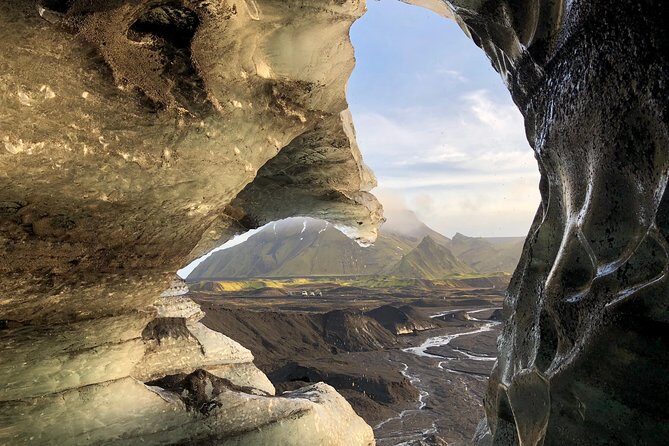
The core stop is the ice cave at Katla Volcano—that’s the “why” behind the tour. The guide’s job is to explain what you’re seeing in human terms: why the cave forms, how melting changes the tunnel, and what volcanic conditions have to do with the ice.
This is where I think the small-group format pays off. With fewer people, the guide can slow down, point, and make sure the group understands safety and terrain. Several guides named in accounts—like Stefan and Trym/Trim—were praised for knowing the place well and making the geology talk genuinely interesting.
You don’t need a geology degree to enjoy it. What you do need is a guide who can translate the visual clues: ice thickness, meltwater flow, how the cave structure shifts, and why certain routes are used inside.
If you like learning while you move, this tour is a good fit. It’s not just a walk with a few facts thrown in.
Comfort, crowd flow, and the reality check on timing
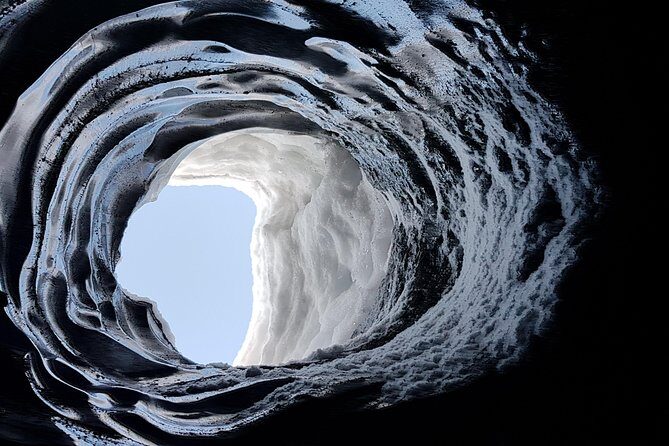
The tour says maximum 14 travelers, and that’s a good sign for a more personal experience. Short groups usually mean quicker gear fitting, easier navigation inside, and better control at narrow parts of the cave.
Still, one negative experience described an overcrowded vehicle and waiting caused by a larger group moving slower during photo stops. That report also said the timing wasn’t ideal for photos, because they arrived around sunset when light was poor.
Here’s how you protect yourself:
- Arrive early so you don’t create delays at the start.
- Keep your expectations realistic about pacing in tight passages.
- If photos matter a lot, aim for a time window that gives you stronger light (your booking date and departure time can affect this).
This doesn’t mean you’ll face long waits every time. It means you should know where the friction points can be: vehicle comfort, pacing in narrow cave sections, and photo timing.
What to bring: the stuff that isn’t included
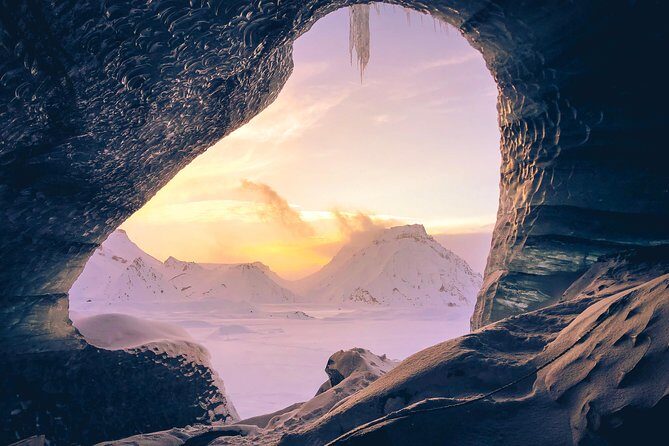
The tour includes the big safety items. It does not include food or hiking/trekking shoes.
So plan like this:
- Wear hiking/trekking shoes with good grip. If you’re currently in sneakers, swap them.
- Bring warm layers. You’re underground and near ice, even if Iceland is sunny.
- Expect wet conditions. If you have waterproof outer layers, that’s a smart move.
- Consider clothing color. One experience advised avoiding white, because water and volcanic ash can land near the entrance and along glacier-runoff areas.
Also, the tour is about walking on and around ice. That means you should bring clothing you won’t mind getting damp. Dry comfort is nice, but this is an outdoor, messy-nature event at the edge of a glacier environment.
How much it costs, and whether it feels worth it
At $348.81 per person for about 3 hours, this is not a budget “grab and go” activity. So you should look at value in terms of what you’re paying for:
You are paying for:
- Super Jeep access from Vík to the cave area
- All safety gear (crampons, helmet, headlamp)
- Guided time spent in a high-risk environment with controlled movement
- All fees and taxes included in the price
If you compare this to DIY travel, the gear and guided safety are the core expense. Ice caves aren’t places you casually freestyle. That’s where the price makes sense.
The one way the value can drop for some people is when comfort and pacing don’t meet expectations, like vehicle feel or waiting inside tight areas. That’s why confirming your experience details matters, especially if you’re sensitive to long sitting times or want maximum photo time.
Who this tour suits best
This works well if you want a rare Iceland nature moment without doing the heavy planning yourself. The tour notes that most travelers can participate, which usually means the route is manageable for a lot of people, as long as you can handle walking on cold, slippery surfaces with crampons.
It’s especially a good match if:
- You want a guided ice cave walk with proper gear
- You enjoy learning about geology while you move (guides like Stefan and Trym/Trim are highlighted for that)
- You’re based in or near Vík and don’t want to fight with long transfers
If you hate rough rides, cramped seating, or you get anxious in narrow spaces, you might want to ask for specifics about the vehicle and pacing when booking.
Should you book the Ice Cave at Katla Volcano tour?
I’d book it if you want the iconic fire-and-ice story under Katla—and you appreciate safety gear and a guided route more than you care about comfort in transit. The small-group size (max 14) and the included crampons/helmet/headlamp are the deal-makers.
I’d pause and double-check details if:
- You’re likely to arrive late or aren’t confident about the meeting point in Vík
- You’re very picky about vehicle comfort and timing for photos
- You’re expecting a long hike rather than a guided cave walk plus short exploration
If you do book, go in prepared: bring proper footwear, dress for wet slush conditions, avoid white, and arrive early at The Soup Company so you don’t stress the departure time.
FAQ
How long is the Ice Cave at Katla Volcano tour?
The tour lasts about 3 hours.
Where do I meet for the tour in Vík?
You meet at The Soup Company, Víkurbraut 5, 870 Vík, and the tour ends back at the same meeting point.
Do I need my own transfer from Reykjavik?
Yes. Transfer from Reykjavik isn’t included, and you’ll need to make your own way to Vík. Bus 51 from Mjodd goes to Vík.
What safety gear is included?
The tour includes crampons, a helmet, and headlamps.
Is food included?
No, food isn’t included.
Do I need to bring hiking or trekking shoes?
Yes. Hiking/trekking shoes aren’t included, so you should bring appropriate footwear for icy, uneven terrain.
Is the tour offered in English, and how big is the group?
The tour is offered in English, and it has a maximum group size of 14 travelers.
What happens if weather is poor, or I cancel?
This experience requires good weather. If it’s canceled due to poor weather, you’ll be offered a different date or a full refund. You can also cancel for a full refund up to 24 hours in advance of the experience start time.