REVIEW · VIK
Quad Bike Tour on Black Lava Sands from Mýrdalur
Book on Viator →Operated by Icelandic Mountain Guides · Bookable on Viator
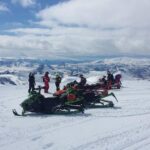
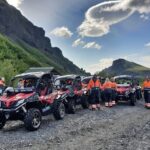
Black sand and big wheels. That’s the plan. From the Mýrdalsjökull base near Vík, you ride an ATV over Katla-born lava sands and make stops for glacier views and the abandoned aircraft wreck. I love how the route mixes beach, creeks, and river scenery in about two hours, and I also like that you’re kitted out with insulated cover-alls, helmet, and a balaclava so you’re not fighting the cold. One thing to consider: if you want to drive, you’ll need a valid driver’s license, and odd-number groups may pay extra locally for a solo ride.
This tour is an easy-level quad experience built for first-timers, with an English-speaking guide running the safety talk and keeping the ride moving. On the guide side, names like Hannis, Jordy, Remmy, Paul, Anthony, Gunnlaugur, and Bjarki show up again and again in guests’ stories, especially for fun explanations and helpful photo stops. Plan to arrive about 30 minutes early so you’re geared up and ready before departure.
In This Review
- Quick reasons this ATV ride earns near-universal thumbs up
- Quad Bikes on Black Lava Sands Near Vík: What’s so special?
- Price and what you get for the $206 per person
- Gear check: insulated cover-alls, helmet, and balaclava
- Driving basics: easy skill level, plus the license rule
- The route from the Mýrdalsjökull base: rivers, black sand, and Katla’s ground
- Glacier and coast views: why Dyrhólaey matters on this ride
- The aircraft wreck stop: the most iconic pause of the day
- River Jökulsá and the return climb: what happens after the big stops
- Guides, group size, and your ride pace
- What to pack: windproof warmth beats fashion
- Who this ATV tour from Mýrdalur is best for
- Should you book this quad bike tour from Vík on black lava sands?
- FAQ
- Where does the ATV tour start?
- How long is the quad bike experience?
- Do I need prior ATV experience?
- Can I drive the ATV without a driver’s license?
- What gear is included?
- Is the tour offered in English?
- What if I’m traveling alone or my group has an odd number of people?
- What should I bring since food and drinks aren’t included?
- Does the tour run in all weather?
- Is there a limit on how many people join the tour?
Quick reasons this ATV ride earns near-universal thumbs up
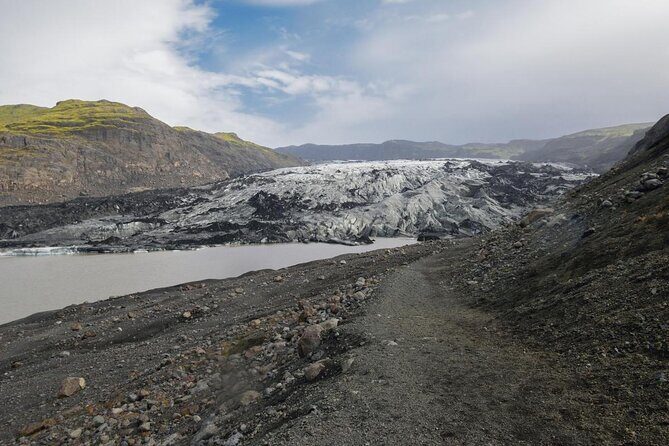
- Black lava sands from Katla: the ground texture feels totally unlike typical beach or dirt trails
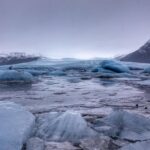
- Mýrdalsjökull viewpoints on the way: glacier views are part of the route, not a side quest
- Aircraft wreck stop: a famous, photogenic moment with time to stop and look
- Small-river crossings: you’ll pass creeks and water crossings that make the ride feel real and wild
- Gear included for cold weather: insulated cover-alls, helmet, and balaclava help you stay comfortable
Quad Bikes on Black Lava Sands Near Vík: What’s so special?
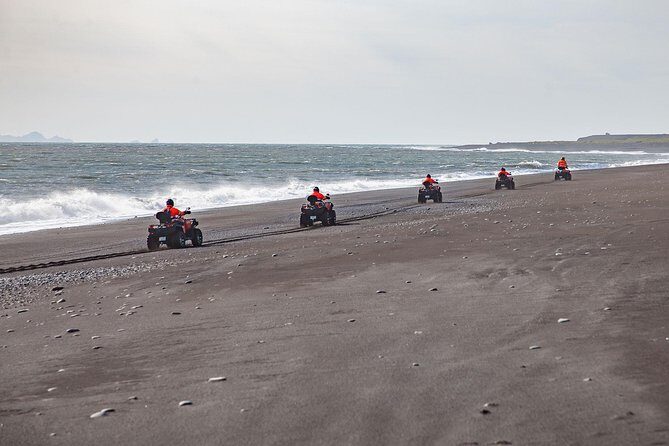
If you’ve seen Iceland from buses, you already know the big picture. This is the next step: the kind of ride where the terrain is close enough that you feel the wind, hear the engines on gravel, and get that slightly unreal sense that you’re driving through another planet’s weather system.
The starting point is near the Mýrdalsjökull glacier, and the route immediately swings you into South Iceland’s volcanic world. You head down toward black lava sands formed from a dormant volcano, Katla. That matters because the black sand and lava fields don’t just look dramatic. They change how your ATV handles. Expect sand that grabs, gravel that chatters under the tires, and stretches where the ground looks flat until you’re suddenly riding through it.
The route also builds in the kind of variety you want when time is tight. You’re not only “going to the beach.” You’re mixing coastlines, river areas, and mountain return roads in a single outing.
You can also read our reviews of more tours and experiences in Vik.
Price and what you get for the $206 per person
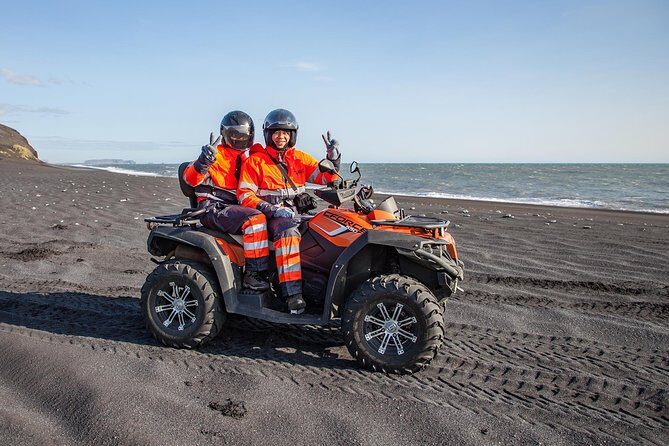
At $206 per person for a roughly 2-hour ATV experience, this sits in the midrange for South Iceland adventures. The value comes from what’s included, not from the sticker price.
Here’s what’s covered:
- ATV for two people per vehicle (one drives, one rides)
- English-speaking guide
- Insulated cover-all, helmet, and balaclava face mask
What isn’t covered:
- Food and drinks
- Hotel pickup/drop-off
So the value equation is simple: if you don’t want to hassle with gear rental and you want a guide to connect the scenery to what’s happening geologically, this price makes sense. If you’re traveling light, don’t want to add another tour stop, and you already plan to eat elsewhere, the lack of included food is normal for Iceland tours. Just bring a plan for when you’ll get a hot drink after the ride.
One more practical note: the tour is listed as having a maximum of 15 travelers. In general, that can mean a better-paced experience and less waiting between photo moments. If your group ends up feeling larger than expected, that can slow the flow at stops.
Gear check: insulated cover-alls, helmet, and balaclava
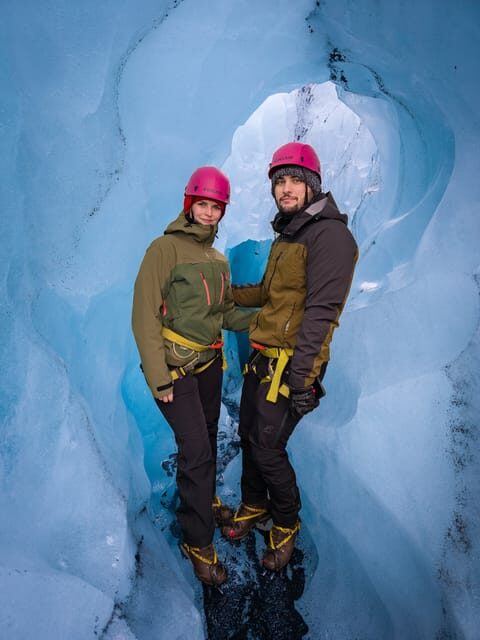
Cold weather is part of the deal here, so the kit matters. You’ll be provided with insulated cover-alls, a helmet, and a balaclava face mask. That combination is designed for wind and wet air, which is exactly what you’ll notice near black beaches.
Even with good gear, Iceland can still win. The best advice from real-world experience is to treat this like a weather sport:
- Wear warm layers under the cover-all
- Keep gloves warm enough for grabbing handlebars in wind
- Use the provided boots if you’re offered them and they fit well (they can be better suited to mud and water than your own)
A tour highlight is that you can ride in weather that would ruin most sightseeing plans. If conditions turn wet late in the ride, solid equipment makes the difference between “fun and fine” and “miserable.”
Driving basics: easy skill level, plus the license rule
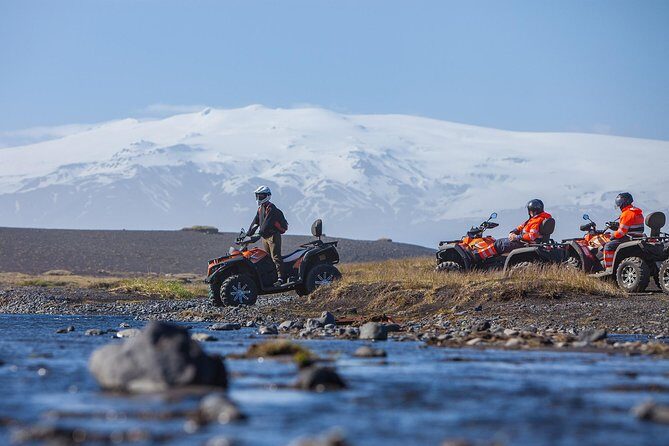
This ATV outing is rated easy, and you don’t need prior ATV experience to join. You’ll start with a plan and safety instructions at the base camp, then you’ll practice as you transition onto the route.
One rule is non-negotiable: you need a valid driver’s license to drive the ATV. If you don’t want to drive, you can ride as the passenger, but on the standard setup it’s two people per ATV: one driver and one passenger.
If you’re traveling solo or your group count is odd (3, 5, 7, etc.), there’s an additional charge payable locally for single riders. This affects budgeting, so if you’re coming with one other person, you typically avoid the extra cost.
Also think about how you want to spend your time. Reviews often point out the difference between riding behind versus driving yourself. If you care about controlling your speed and taking your own line through sand and water crossings, you’ll likely prefer driving.
The route from the Mýrdalsjökull base: rivers, black sand, and Katla’s ground
You’ll start at Icelandic Mountain Guides’ Mýrdalsjökull Base Camp by Icelandia in Vík. Aim to arrive 30 minutes early. That extra time isn’t for drama. It’s so you can get suited up, meet the group, and feel ready before the ride starts.
Once you’re out, the scenery starts stacking fast:
- You review the route plan and safety rules.
- You cross small rivers and move toward the black lava sands.
- You descend into the volcanic terrain connected to Katla.
- You stop at the black beach area for wide views.
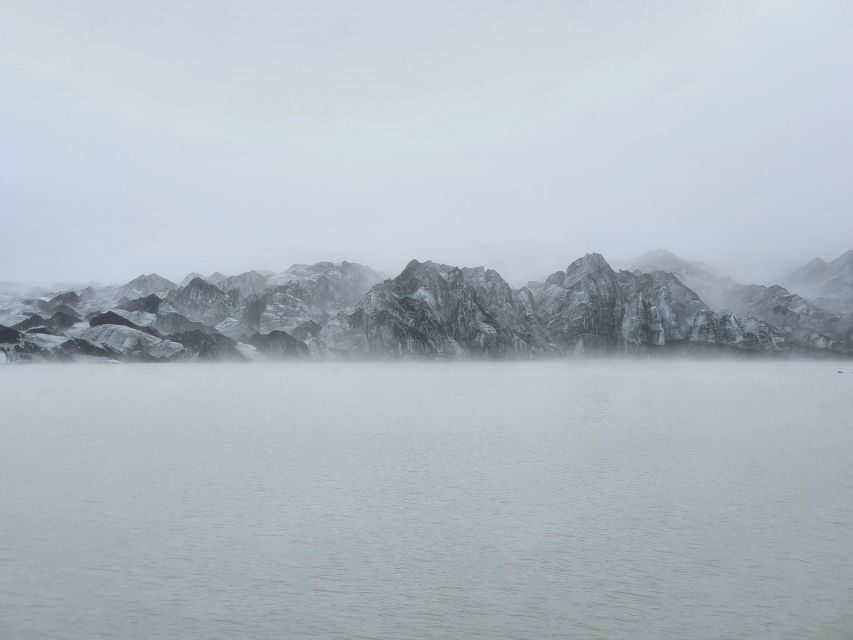
The black beach stop is a big part of why people remember this tour. You get the classic contrast: dark volcanic sand and the bright geometry of glacier and coastline in the distance. From there, you look along the coast toward Dyrhólaey, that small peninsula that’s famous for its dramatic shape and birdlife associations.
A practical drawback: on windy beach sections, hearing the guide can get tough. If you want every detail, keep your head gear snug and be ready to watch for quick cueing when you’re supposed to regroup.
Glacier and coast views: why Dyrhólaey matters on this ride
Dyrhólaey isn’t just a name. When the ride takes you along the coast long enough to actually see it, the shape becomes understandable. The peninsula pops against darker sea tones, and it gives you a sense of scale that you don’t always get from closer viewpoints.
This is also where your guide’s timing shows up. A good guide doesn’t just “tell you where to look.” They help you connect the dots between the ride route and the bigger geography.
Expect some explanation on what you’re seeing: volcanic formations, black sand origin, and why the route follows certain ridges and river bends. Even if you already know the basics, it’s the kind of info that turns photos into memories with context.
The aircraft wreck stop: the most iconic pause of the day
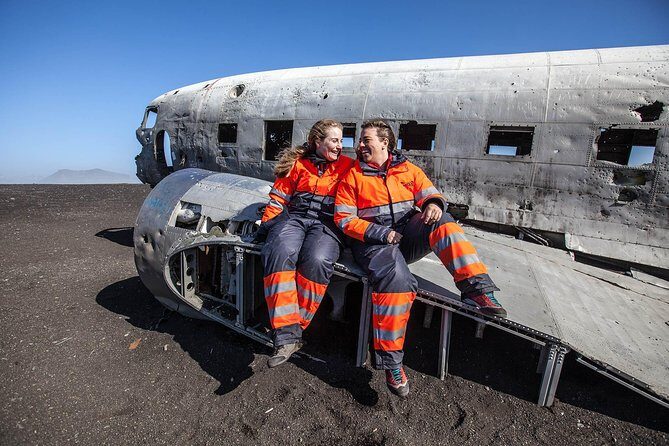
Every good Iceland ATV day needs a storytelling moment, and this one includes an aircraft wreck. You’ll reach it along the coastal stretch before heading toward the river area.
Why it works:
- It’s a clear landmark you can aim for.
- It gives your legs a break from riding.
- It creates that “I can’t believe we’re here” feeling.
Photo-wise, plan for a mix. If weather is good, you’ll likely get crisp, dramatic shots of the wreck and the surrounding terrain. If it’s crowded within your group at the moment you stop, time can feel tight. Your best strategy is simple: take your main shots quickly, then look around slowly before you move on.
This stop is also where you’ll hear some of the guide’s local interpretation. If you get a guide like Hannis, Jordy, Remmy, Paul, or Anthony, you can expect humor plus facts, and enough time to feel like you did more than just pose for a picture.
River Jökulsá and the return climb: what happens after the big stops
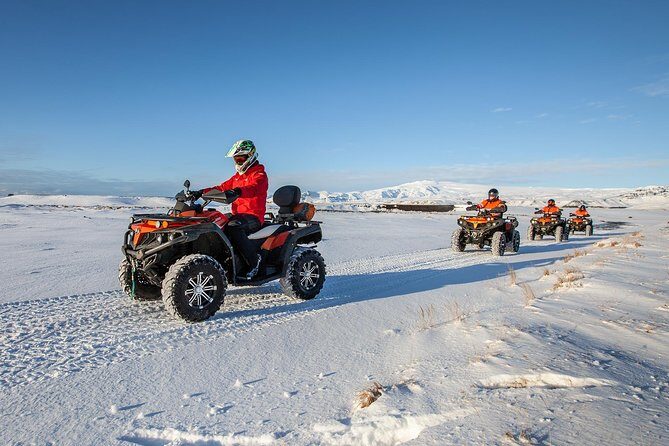
After the aircraft wreck, the route continues toward the river Jökulsá and up to the foot of the mountain. This is where the ride starts to feel like a complete loop: you’ve seen the beach drama, you’ve handled the iconic wreck moment, and now you’re moving through the terrain back toward the base.
The last stretch matters because it’s usually when riders stop thinking about the ride and start thinking about the views. You’re back near higher ground, so you often get better sightlines over the volcanic fields and the route you already traveled.
Then you follow the mountain back to the base. If you’re the driver, this can be the part where the ATV feels most responsive—sand patterns, track lines, and slight bends become easier to read. If you’re riding as the passenger, it’s a good moment to relax, enjoy the wind, and keep your balance as the terrain changes.
Guides, group size, and your ride pace
This tour is guided throughout, and the guides play a huge role in whether the day feels smooth or chaotic.
Across the guide names that show up often—Bjarki, Hannis, Jordy, Remmy, Paul, Anthony, and Gunnlaugur—the pattern is consistent: they focus on safety first, then layer on local information, then add helpful photo direction. That matters because ATV riding is physical. If your guide is organized, you’re less likely to feel rushed or unsure.
Group size is the one variable. The stated maximum is 15 travelers, which usually helps keep stop times reasonable. Still, you should mentally prepare for the possibility that if your group is larger than expected, you’ll spend more time waiting for everyone to line up for photos and regroup after instructions.
If you’re sensitive to crowd energy, consider choosing a smaller-group approach. A private tour can reduce waiting and also lets you ride with more independent rhythm—especially if you want the freedom of driving your own pace rather than staying close to the guide’s speed at every step.
What to pack: windproof warmth beats fashion
You’re going to get wind. You’re going to get sand. You might get wet. And you’ll likely get muddy, especially around river crossings and shaded or low areas.
Bring:
- Warm layers for under your cover-all
- Waterproof outer layer if you have it
- Warm gloves (even though you’ll be provided gear, glove warmth can be a limiter)
- Sunglasses or goggles if you hate sand in your eyes
- A camera you can secure (photo stops happen, and good weather helps)
Also think about footwear. You can wear your own shoes if allowed, but if you have an option, choose boots that handle mud and wet ground well. Mud isn’t a threat to your tour safety, but it affects comfort when you walk between stops.
If you’re planning what to do afterward, also plan for changing. Black sand clings, and your clothes will know it. A quick plan for swapping layers back into dry gear makes dinner later much more enjoyable.
Who this ATV tour from Mýrdalur is best for
This is a strong choice if you want:
- A hands-on way to see South Iceland, not just a drive-by viewpoint
- A beginner-friendly ATV experience (easy skill level)
- A short, focused outing that still hits multiple highlights
It’s especially good for couples and small groups who want to share the ATV and rotate driving. It also works well for families and mixed-skill groups because the route is set up for safe pacing and guided stops.
If you’re the kind of traveler who loves photos, you’ll appreciate the glacier view stop, the black beach section, and the aircraft wreck pause. If you’re less into photos and more into motion, you might still love it because the ride itself stays active most of the time—gravel, sand, creeks, and river scenery keep the day from feeling like a series of roadside moments.
Should you book this quad bike tour from Vík on black lava sands?
I’d book it if you want one of the most efficient ways to experience South Iceland’s raw terrain in a single afternoon window. The combination of Katla-born black sand, glacier viewpoints toward Mýrdalsjökull, and the aircraft wreck stop gives you both scenery and story. Add in the included insulated gear and helmet setup, and it’s a pretty solid value versus tours where you end up paying extra for equipment or spend the day doing less riding.
I would think twice if any of these apply:
- You don’t have a driver’s license and you really want to drive.
- You get uncomfortable in larger group settings where photo-stop waiting can happen.
- You’re very sound-sensitive on windy beach sections and you need every spoken detail.
If your goal is a memorable “I rode there” Iceland moment—wind in your face, black sand under the wheels, and a guide who makes stops feel worth it—this is one of the better bets out of Vík.
FAQ
Where does the ATV tour start?
It starts at Icelandic Mountain Guides by Icelandia – Mýrdalsjökull Base Camp in Vík, and it ends back at the same meeting point.
How long is the quad bike experience?
The ATV experience itself is about 2 hours (approx.).
Do I need prior ATV experience?
No. The skill level is considered easy, and no ATV experience is required.
Can I drive the ATV without a driver’s license?
No. A valid driver’s license is required to drive the ATV.
What gear is included?
You’ll be provided with an ATV for two persons, an English-speaking guide, insulated cover-alls, a helmet, and a balaclava face mask.
Is the tour offered in English?
Yes. The tour is offered in English, and you’ll have an English-speaking guide.
What if I’m traveling alone or my group has an odd number of people?
ATVs are set up for two people each. If you’re traveling alone or in an odd-numbered group, there is an additional charge payable locally for single riders.
What should I bring since food and drinks aren’t included?
Food and drinks aren’t included. Plan to bring your own or arrange meals elsewhere, and wear warm clothing for cold weather conditions.
Does the tour run in all weather?
It operates in cold weather conditions, but it requires good weather. If it’s canceled due to poor weather, you’ll be offered a different date or a full refund.
Is there a limit on how many people join the tour?
Yes. The tour/activity has a maximum of 15 travelers.