REVIEW · VIK
Skaftafell National Park: Falljokull Ice Climb and Hike
Book on GetYourGuide →Operated by Troll .is · Bookable on GetYourGuide
Gravity changes on ice walls.
Here, I love two things most: the small group limit (6 people) and the full glacier kit you get before stepping onto Falljökull. It is also a real physical challenge, so one drawback to plan for is that it is not suitable for children under 12, and you’ll need serious warm layers and dry gloves.
If you’ve been chasing that Game of Thrones ice vibe, this is the place. Skaftafell National Park sits near Iceland’s biggest ice engine, Vatnajökull, and you’ll spend time walking and climbing on an outlet glacier called Falljökull, with spires of ice-peaked mountains rising around 2,000 meters above you.
The biggest question most people ask is simple: will I be safe? The answer is: you’ll be taught, fitted, and tied in with proper systems before you climb or rappel into glacial features like crevasses and moulins.
In This Review
- Key points to know before you go to Falljökull
- Where Skaftafell meets Falljökull, and why it matters
- Getting fitted for a glacier: gear and guide-led safety training
- The full flow of the 4 hours: from meeting point to glacier time
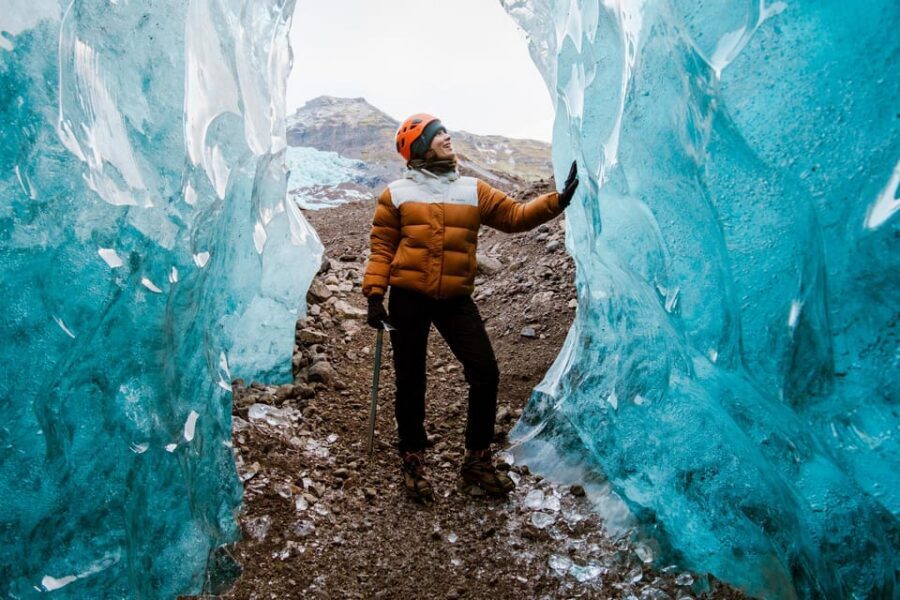
- Walking and climbing Falljökull: what you’ll do on the ice
- The ice science you’ll actually see: crevasses, moulins, and blue heart moments
- What to wear and pack: cold gear choices that prevent a miserable day
- Price of $259: is it worth it for a 4-hour glacier climb?
- Who should book this Falljökull tour, and who should pass
- Should you book the Falljökull ice climb from Skaftafell?
- FAQ
- How long is the Skaftafell Falljökull ice climb and hike tour?
- Where do I meet the tour?
- What is the group size?
- Is the tour guided in English?
- What gear is included?
- What should I bring with me?
- Is rain gear and gloves provided?
- Is the tour suitable for children?
- How much does it cost?
Key points to know before you go to Falljökull
- Small group of up to 6 means more attention and quicker learning on crampons.
- You get everything you need: boots, crampons, ice axe, helmet, harness, and ropes.
- Safety comes first with a briefing plus hands-on instruction at the glacier edge.
- Expect real glacier movement: shifting ice means the guide may scout and adjust your route.
- Blue-ice and moulin watching can happen when you pause to study the ice formations.
- Guides get named for a reason in past groups, including Lily, Jan, Diego, Adam, and Vincenzo.
Where Skaftafell meets Falljökull, and why it matters
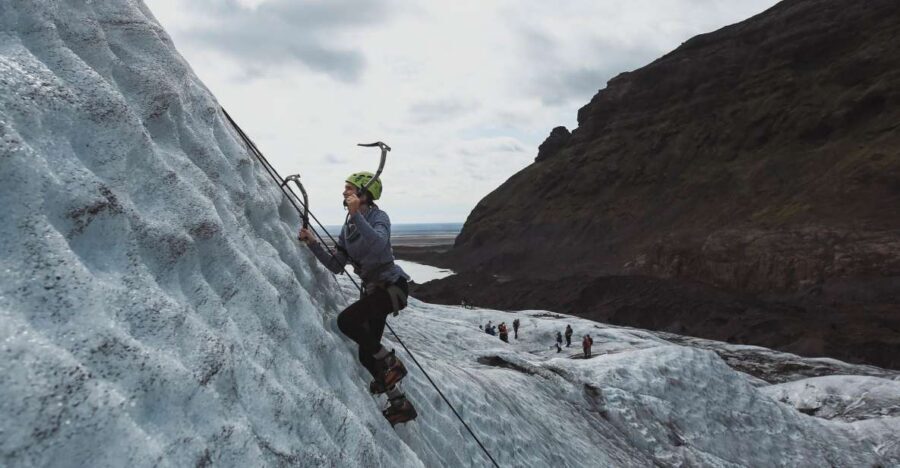
Skaftafell is one of those Iceland spots where “big” feels literal. You’re in a national-park setting where the scenery is mostly shaped by ice, wind, and distance. That’s exactly why this works so well: the glacier isn’t just a backdrop you drive past. You step onto it, learn how it behaves, and then move on top and up its features with a certified guide.
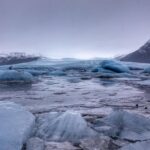
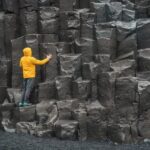
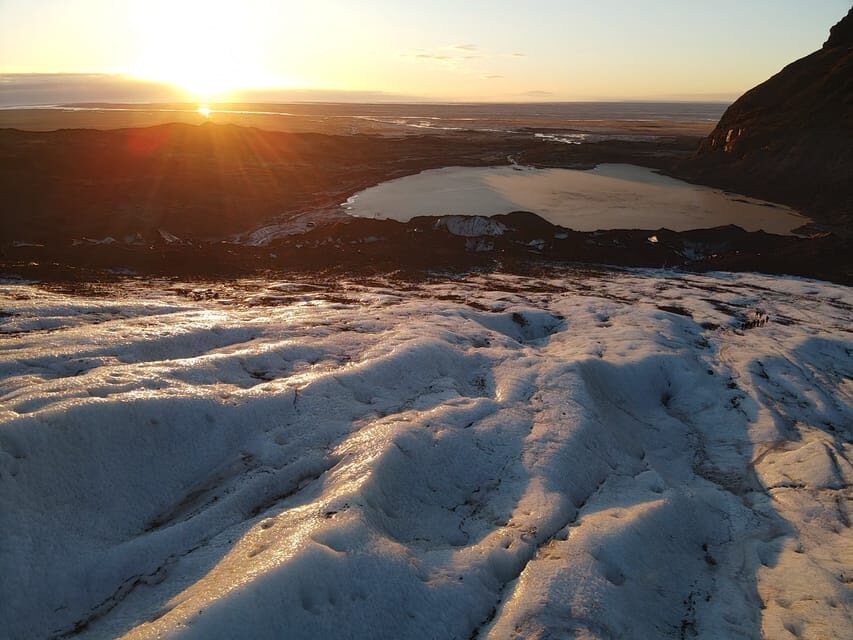
Falljökull is an outlet glacier of Vatnajökull, and that relationship is part of what makes this experience special. Vatnajökull is Europe’s largest glacier, and Falljökull is one of the places where that giant system shows its personality up close. You get that sense of height and scale when the ice-covered peaks soar more than 2,000 meters over your head, and you also feel it in how the glacier surface changes underfoot.
And yes, the Game of Thrones connection is real in the way you want it to be: you’ll be walking on glacier ice that’s been used in big-screen productions, which turns your photos into more than just a pretty view. It starts to look like a movie set, then you remember it’s the real thing—so you treat it with respect.
You can also read our reviews of more hiking tours in Vik
Getting fitted for a glacier: gear and guide-led safety training
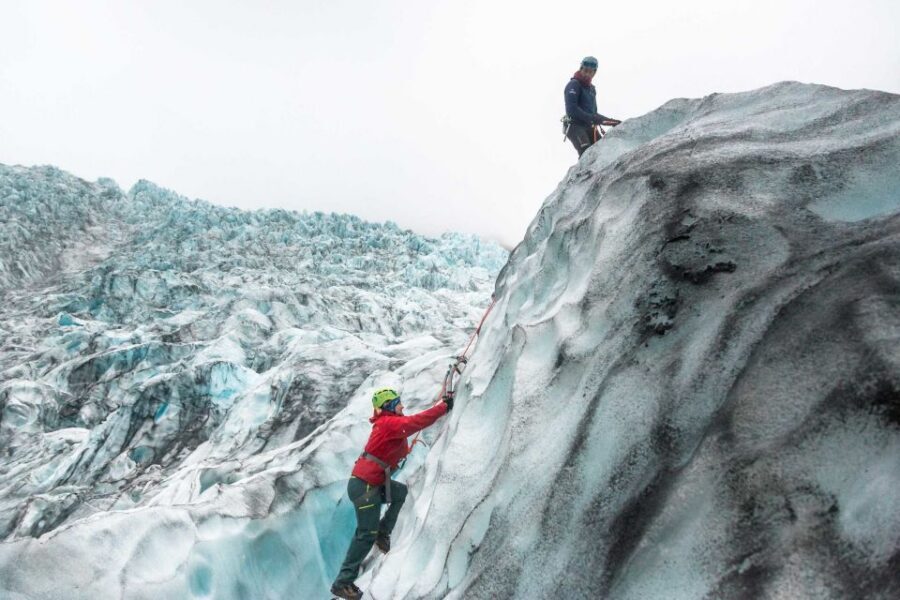
The tour’s tone is set before anyone climbs a thing. You meet up at Tröll Expeditions Skaftafell in Hof, get oriented, and then you’ll receive your gear. The included list is strong and specific, not vague: hiking boots, crampons, ice axe, harness, helmet, and ropes, plus boots sized for you.
That gear matters because glacier walking and climbing are not about brute strength. They’re about traction, balance, and control. You’ll be shown how to put on crampons and how to move on ice safely—especially if it’s your first time.
On the safety side, the guide uses systems that make the day feel structured. When you head upward or when the plan includes descending and ascending again, you’ll have protective setup such as an ice screw and a safety line. In plain terms: you are not free-soloing ice walls. You’re working inside a real safety framework.
Small group size also changes the experience. With a maximum of 6 participants, you’re less likely to feel like you’re waiting for instructions or trying to figure out crampon basics while the group stands around. That’s a big deal for first-timers.
The human factor is also clear in the way guides are described by past participants. Names that come up include Lily, Jan, Diego, Adam, and Vincenzo. What those notes share is the same theme: clear teaching, professional handling of safety, and enough calm energy to keep you focused.
The full flow of the 4 hours: from meeting point to glacier time
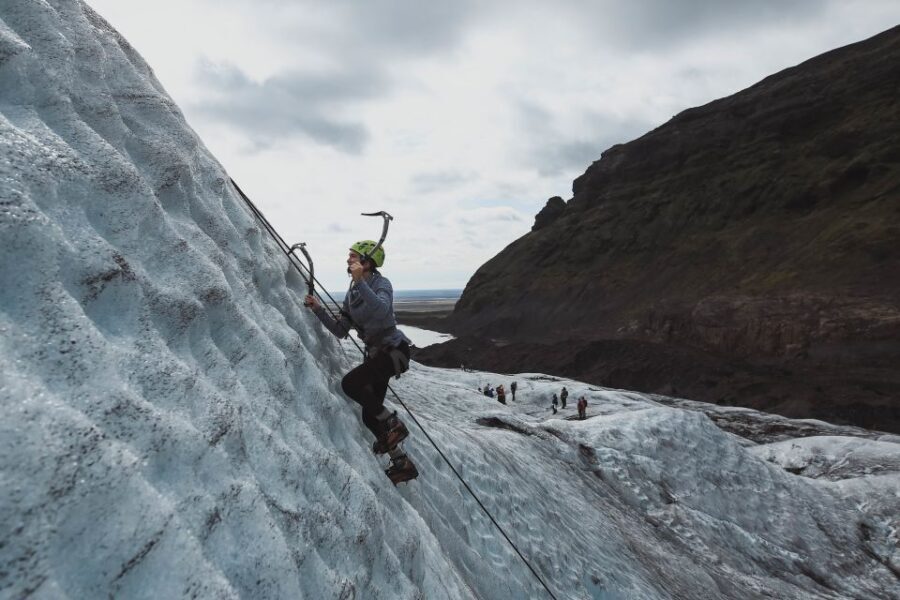
This is a compact day. The total duration is about 4 hours, which means every step on the schedule has a purpose: getting you ready, then putting you on the ice for long enough to feel the difference between a walk on snow and a walk on glacier ice.
Here’s how it typically unfolds:
1) Starting at Tröll Expeditions Skaftafell (Hof)
This is where you begin, and it’s also where your gear-and-prep mindset kicks in. From the moment you’re there, you should assume cold-weather discipline: layers, attention, and listening.
2) Short bus/coach transfer
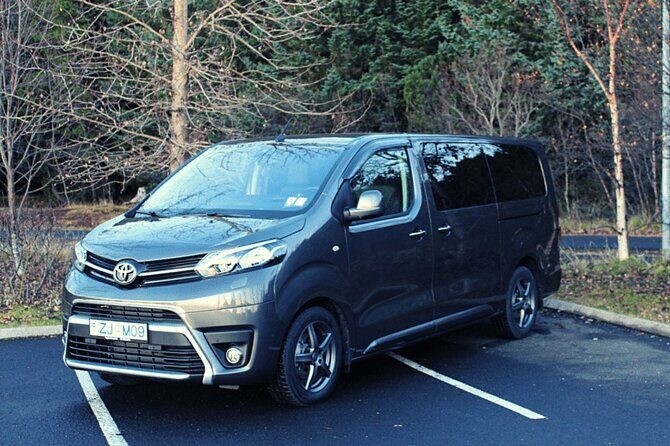
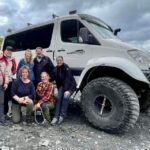
You’ll travel by coach/troll bus for roughly ten minutes to reach the glacier area (the day plan also shows about 30 minutes of bus/coach time, so expect a meaningful but not exhausting transfer).
3) Vatnajökull National Park safety briefing
You’ll get a 30-minute safety briefing. This is not the generic talk you hear and forget. It sets the rules for how the group stays spaced, how you move, and what you do if conditions shift.
4) Skaftafell walking and skill building
Two blocks happen around Skaftafell:
- about 1 hour of guided hiking, and
- about 1 hour that mixes guided hiking, a class, and safety briefing elements.
That combination is what makes the later climb less intimidating. You learn movement patterns and how to trust your footing before you’re on the ice wall.
5) Walking to the ice edge
Once you’re in position, you’ll walk to the glacier edge—around 15 minutes to reach the ice in the description, and about 30 minutes of walking in the day plan. Either way, you’re building a mental transition: from hiking ground to glacier ground.
6) Roughly 3 hours on the glacier
Then the action time starts. You’ll climb and/or rappel sections while also hiking on glacier terrain to observe ice formations. Plan on about three hours of actual glacier time, even though the whole tour is only four hours total.
The benefit of this structure is that the glacier session doesn’t feel rushed, but it also doesn’t eat your whole day. You get value fast.
Walking and climbing Falljökull: what you’ll do on the ice
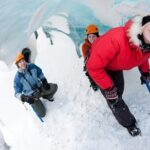
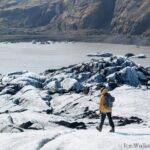
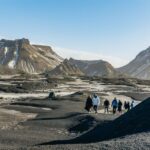
The star of the show is Falljökull itself, and it’s not just for showy photos. You’ll spend real time walking across the glacier with your crampons on, moving under your guide’s instruction.
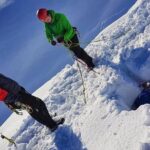
The experience is built around two skill phases: walking on glacier ice and climbing ice features. Since conditions on a living glacier aren’t static, your guide may adjust the approach—especially because the glacier is unstable and constantly shifting. That means your guide has to scout out safer routes and avoid hazards like unexpected openings.
When it’s time for the climbing session, you’ll work with a controlled setup. The general approach includes:
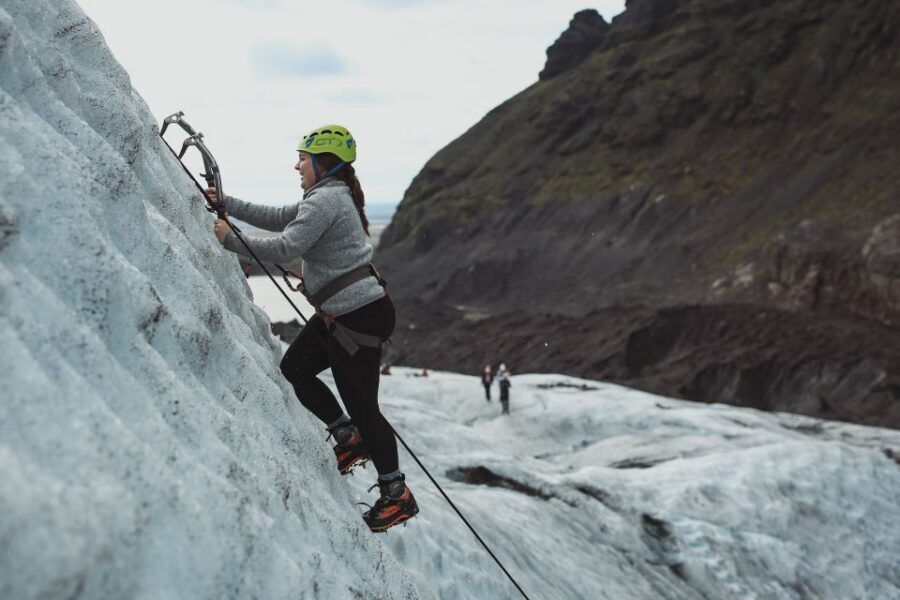
- ascending an ice wall, and/or
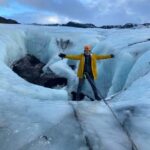
- descending (a rappel into a crevasse) and ascending again.
That rappel-and-climb idea sounds scary until it’s explained and practiced with a safety line and anchoring. Then it becomes one of those moments where your brain finally clicks: the ice isn’t trying to trick you—it’s just demanding that you follow the rules.
If you’re a first-timer, the route is described as doable even if you’ve never climbed before. Still, “doable” doesn’t mean “easy.” You’re moving on slick surfaces at glacier scale, and your legs and balance are working the whole time.
The ice science you’ll actually see: crevasses, moulins, and blue heart moments
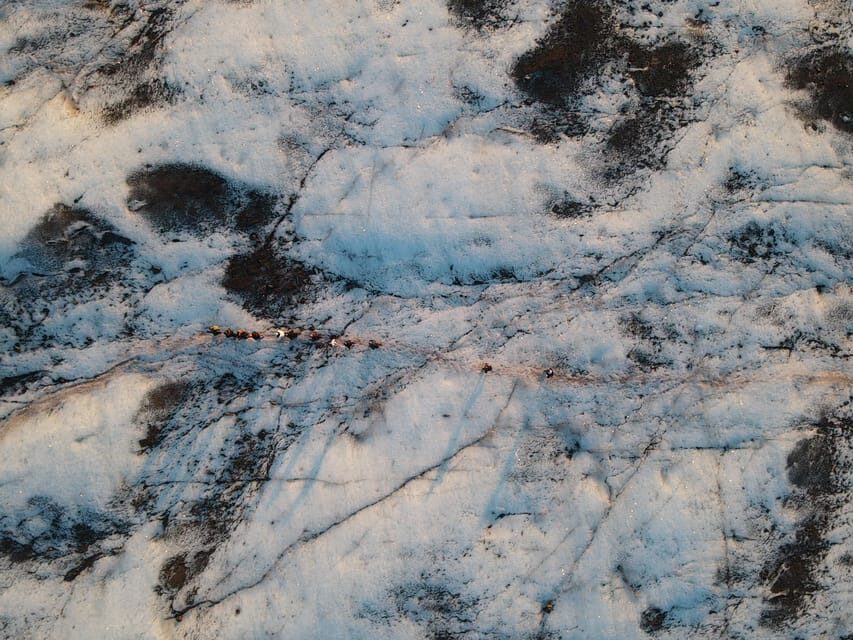
One reason I recommend this tour beyond the thrill is that you don’t just climb; you also learn how to look at the glacier.
You’ll hike on the glacier to observe features such as:
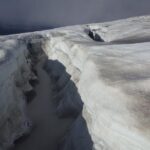
- crevasses and deep fissures,
- moulins, which are vertical shafts where melting water channels down through cracks, and
- ice formations where small details help you understand the whole system.
Here’s the fun part for photographers and science-lovers: the guide talks while you pause. That pause is when you spot things that you’d otherwise miss while focusing only on your next step.
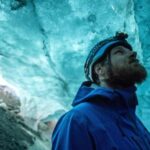
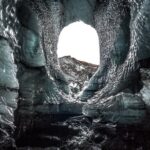
In winter conditions, there’s even a chance to see the blue heart of the ice by looking into tiny ice tunnels. The tour information frames this as something you may be able to spot, so don’t count on a miracle every day—but it’s exactly the kind of payoff that makes people remember glacier walking long after the crampons come off.
Also, because the glacier shifts, the guide’s ongoing scouting isn’t just busywork. It affects what you can safely explore and how close you get to specific features.
What to wear and pack: cold gear choices that prevent a miserable day
This tour is outdoors on a glacier, so your clothing choices matter. The tour data calls for:
- warm clothing
- a hat
- rain gear
- gloves
Two key points: rain gear and gloves are not included. If you show up with thin street gloves, you’ll feel it. Bring gloves you trust in wet cold.
Shoes matter too. You’ll get provided climbing boots, but you still need warm base layers and socks that play nice under the boot system. You’ll be standing, moving, and then doing short bursts of climbing effort.
If you run cold easily, dress like you expect the cold to win. This is one of those days where comfort keeps you calm, and calm keeps you safe.
Price of $259: is it worth it for a 4-hour glacier climb?
At $259 per person, this isn’t a budget activity. But it can still feel like good value if you compare it to what you’re actually buying.
You’re getting:
- a certified glacier guide,
- a small group limited to 6,
- full technical equipment (helmet, harness, crampons, ice axe, ropes, plus climbing boots),
- time for instruction (not just climbing), and
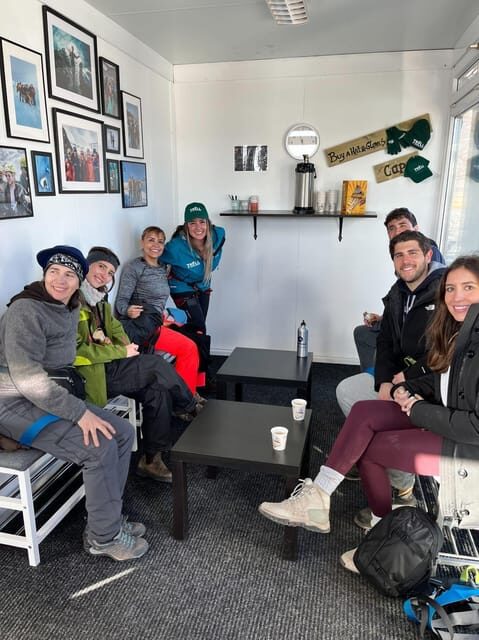
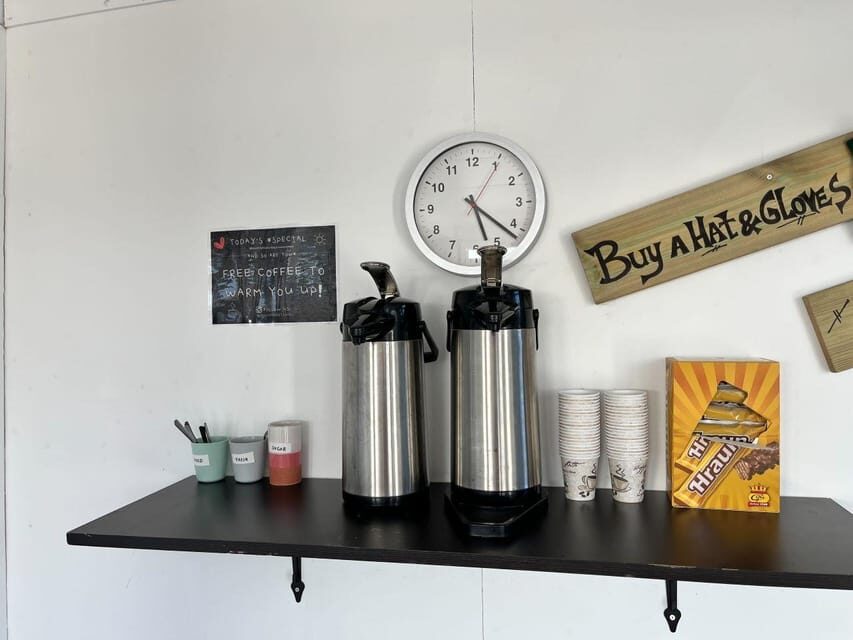
- included extras like coffee and chocolates.
In other words, you’re not paying only for access to a glacier view. You’re paying for skilled supervision, safety systems, and gear that makes the climb possible and safe for people without prior training.
You’re also buying a full “ice competence” experience: crampon basics, how to move, and the handling of a rope/ice-screw climbing setup. That education is part of the value. When you leave, you’re not just tired—you know what you did and why it was done that way.
Who should book this Falljökull tour, and who should pass
This is best for people who want a hands-on glacier experience and are okay with a guided challenge.
You’ll likely be a great match if:
- you’re comfortable hiking in cold weather and can handle a structured outdoors day,
- you want to try ice climbing even if it’s new, and
- you enjoy learning how a place works as much as you enjoy photos.
You should probably pass if:
- you’re traveling with children under 12 (the tour is not suitable), or
- you dislike the idea of cold gear, wet conditions, and climbing tasks that require focus.
Also, think about your expectations. This isn’t a leisurely walk with a view. It’s a 4-hour program where a lot of attention goes into safety, equipment, and controlled movement.
Should you book the Falljökull ice climb from Skaftafell?
Yes, if you want a glacier day that feels real and taught, not just scenic. I like that the experience gives you both the thrill of ice climbing and the calmer reward of learning to read crevasses, moulins, and deep fissures. The small group size also helps a lot, because you’re not blending into a crowd—you’re being watched, fitted, and guided.
Book it if you’re willing to dress warmly, bring gloves and rain gear, and follow instructions closely. The guide systems—ice screws, safety lines, and the planned climbing/rappel approach—are exactly what make a beginner feel supported.
I’d hesitate only if you’re not ready for a physical cold-weather activity, or if you’re bringing kids who don’t meet the age requirement. In that case, you’ll likely spend more effort fighting discomfort than enjoying the ice.
If you’re the type who loves Iceland when it’s hands-on—when you can feel the environment instead of just looking at it—this is a strong choice.
FAQ
How long is the Skaftafell Falljökull ice climb and hike tour?
The duration is about 4 hours, with roughly 3 hours spent on the glacier.
Where do I meet the tour?
Meet at Troll Expeditions Skaftafell, Hof.
What is the group size?
It’s a small group limited to 6 participants.
Is the tour guided in English?
Yes. The live tour guide is English.
What gear is included?
You’ll receive glacier equipment including hiking boots, crampons, an ice axe, a helmet, a harness, and ropes.
What should I bring with me?
Bring warm clothing, a hat, rain gear, and gloves.
Is rain gear and gloves provided?
No. Rain gear and gloves are not included.
Is the tour suitable for children?
No. It’s not suitable for children under 12.
How much does it cost?
The price is $259 per person.