REVIEW · VIK
Sólheimajökull Glacier Hike & Ice Climbing Intro – Small Group
Book on Viator →Operated by Arctic Adventures · Bookable on Viator
Sólheimajökull is a glacier you can walk on. This ice-climbing intro takes you onto real crevasses, ridges, and blue ice, with a safety-first guide and gear that turns a scary idea into a controlled, learnable adventure. I love that no prior ice-climbing experience is required, yet you still get hands-on instruction on the ice. One thing to consider: your shoe size matters, since the specialized crampons only fit EU sizes 35–50.
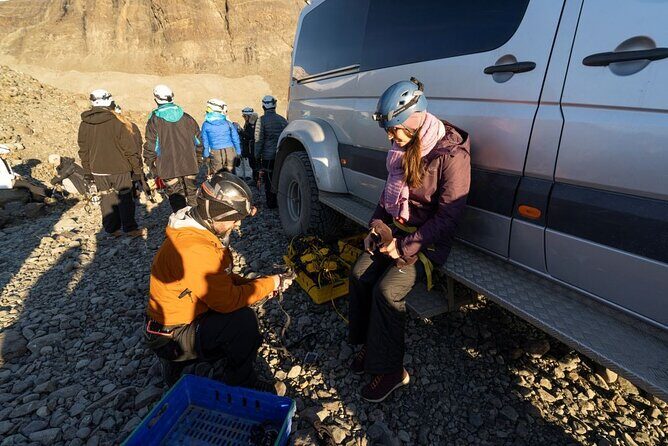
This is also one of those small-group tours where you’re not just watching. You’ll travel with a certified glacier guide, get fitted with harness, helmet, glacier crampons, and an ice axe, and move through the glacier for about 4 hours 30 minutes at a pace that keeps novices comfortable.
In This Review
- Key Highlights You’ll Actually Feel on the Ice
- Why Sólheimajökull Ice Climbing Feels Different From Typical Iceland Tours
- Price and Value: What $211.72 Covers (and Why It’s Not Just a Tour Ticket)
- Meeting the Yellow School Bus: Logistics That Can Make or Break Your Day
- Gear, Fit, and the Shoe Size Rule You Should Not Ignore
- On-Ice Safety: What the Guide Teaches Before You Ever Step Up
- The Walk-and-Climb Rhythm: How Hard It Really Is
- Sólheimajökull Glacier Up Close: Crevasses, Ridges, and Blue Ice Walls
- Waterfall Stops from Reykjavík: Seljalandsfoss and Skógarfoss Add Big Payoff
- What to Wear: A Simple Checklist That Matches the Rules
- Who Should Book This Sólheimajökull Glacier Hike & Ice Climbing Intro
- Should You Book This Ice Climbing Intro?
- FAQ
- How long is the Sólheimajökull Glacier Hike & Ice Climbing Intro?
- Where does the tour start and end?
- Is pickup offered?
- What do I need to do before meeting the guide?
- Do I need prior ice-climbing experience?
- What safety gear is included?
- Is food and drinks included?
- What fitness level do I need?
- What are the shoe and age requirements?
- What happens if weather is bad?
Key Highlights You’ll Actually Feel on the Ice
- Real ice climbing practice, not just a glacier walk
- Safety gear included: harness, helmet, crampons, and ice axe
- Small group limit (max 8) for more direct attention
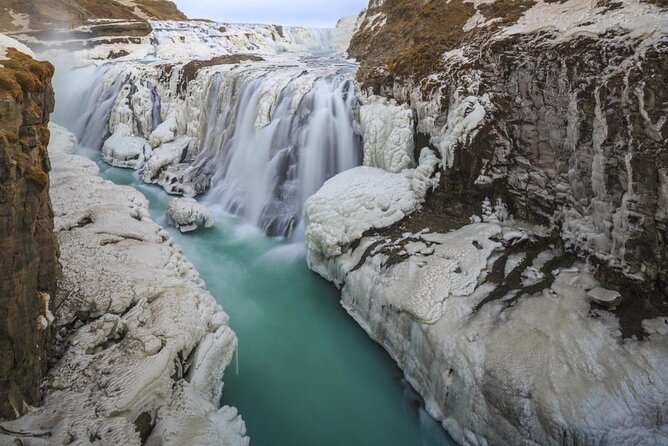
- Crevasses, caves, ridges, and sinkholes on Sólheimajökull
- Optional introductory ice-climbing if you want the extra challenge
- English-speaking certified glacier guides, with hands-on teaching
Why Sólheimajökull Ice Climbing Feels Different From Typical Iceland Tours
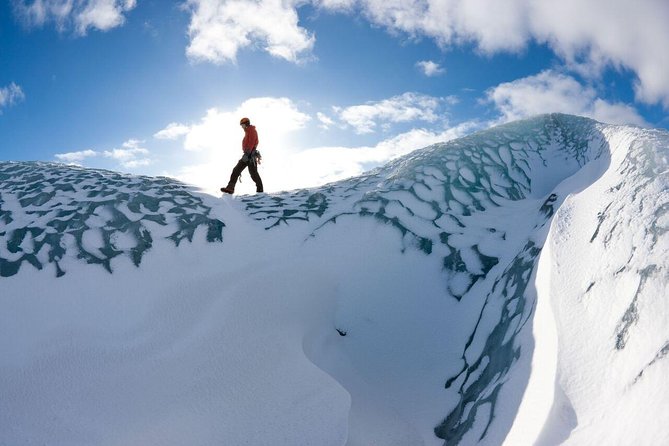
Sólheimajökull Glacier is famous because it’s accessible and dramatic. Instead of standing at a viewpoint, you’ll walk onto the ice surface and then learn how to move safely in a place that looks unreal up close. The guide also explains how the glacier forms and how it has changed over time, so you’re not just doing the activity—you’re understanding what you’re standing on.
Two details make this experience especially satisfying: first, you’re climbing actual ice walls, so the “wow” factor is physical, not just visual. Second, you get personalized coaching because the group is kept small, and the guide can correct your stance and pace as you go.
The main trade-off is that this is not a casual stroll. You need to be ready for uneven glacier terrain and some leg work, even though the tour is designed for beginners.
You can also read our reviews of more tours and experiences in Vik.
Price and Value: What $211.72 Covers (and Why It’s Not Just a Tour Ticket)
At $211.72 per person for about 4 hours 30 minutes, this can look like a splurge until you notice what’s included. You’re paying for a certified glacier guide plus full safety equipment: harness, helmet, glacier crampons, and an ice axe. That gear isn’t optional, and it’s a big part of what makes the experience work for novices.
You’re also getting instruction during the climbing portion (intro ice climbing is listed as optional). For a first-time experience, having a guide manage rope systems and movement on the ice is exactly the kind of cost that’s worth paying.
The one thing you should budget for separately is food and drinks—those aren’t included. Plan to eat before you go or bring something easy to grab nearby once you’re back at the meeting point.
Meeting the Yellow School Bus: Logistics That Can Make or Break Your Day
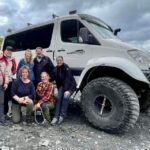
Your start point is the Sólheimajökull glacier parking lot (221, 871). You’ll meet your guide by the yellow school bus, then head into gear fitting and safety briefing. If you’re using pickup, note that the pickup process can take up to 30 minutes—so arrive early and don’t treat the start time like a loose suggestion.
If you selected Reykjavík pickup, you’re also asked to be ready at your pickup location at 8:00. That matters because Iceland weather can be fast-moving, and glacier activities run on tight timing once you’re at the ice.
The good news: the experience ends back at your original departure point at Solheimajökull Café area. That makes it easier to plan the rest of your day in South Iceland without guessing how transportation will work.
Gear, Fit, and the Shoe Size Rule You Should Not Ignore
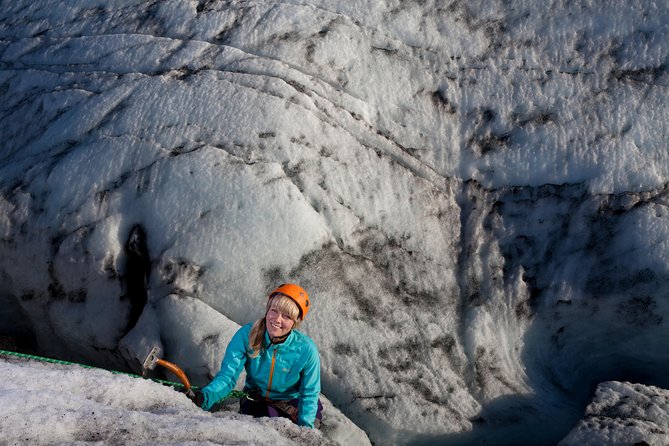
This tour is very clear about equipment requirements, and you’ll feel it once you arrive. Hiking boots with ankle support are mandatory. Sturdy shoes help you stay stable on uneven ground, and glacier crampons depend on a secure fit.
There are also minimum and maximum shoe-size limits:
- Minimum age is 14 years.
- Minimum shoe size is 35 EU.
- Specialized glacier crampons are available for shoe sizes 35–50 EU.
- If your shoe size is outside that range, you can’t participate.
If you don’t have the right footwear, you can rent sturdy hiking shoes with ankle support and waterproof layers are also available to rent (sturdy, waterproof jacket and pants). One practical note: at least some participants have reported being charged for required boots after arrival. So if you want to avoid surprise costs, confirm whether your booking includes the boot rental or if it’s an add-on.
On-Ice Safety: What the Guide Teaches Before You Ever Step Up
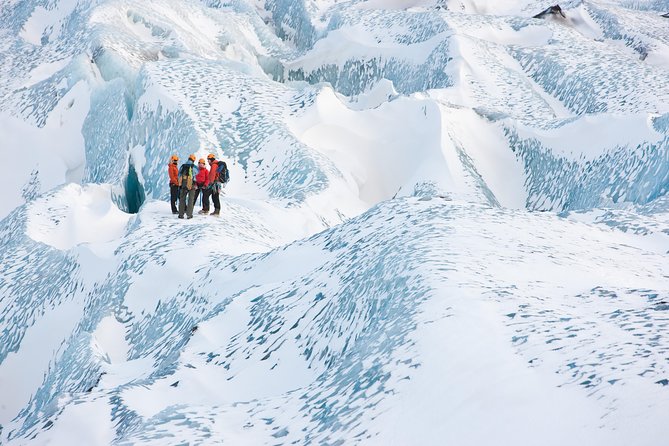
Glacier ice climbing is high-risk by nature, so what you should expect first is a thorough safety briefing. You’ll be fitted with a harness, helmet, glacier crampons, and an ice axe before you move onto the ice surface. That equipment is the baseline that lets the guide focus on technique instead of improvising.
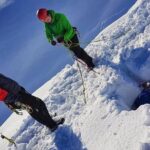
The tour is designed for beginners, and the instruction is hands-on. You’ll learn how to walk and climb on ice safely, which includes getting comfortable with how crampons bite and how your weight shifts when you’re on a slope or near uneven ice.
One useful mindset from experienced guides is patience. The best guides keep the group together, move everyone through skills in a calm order, and choose spots that work for novice abilities. Names you may hear associated with the experience include Daniel and Monica (including Monica described as an excellent belayer), plus other guides referenced by name such as Gaia, Alberto and Claudia, and Francesco and Steve. You shouldn’t expect the same guide every day, but you can expect the same teaching style: competent, safety-focused, and geared toward first-timers.
The Walk-and-Climb Rhythm: How Hard It Really Is
You’ll have a moderate fitness requirement. The key detail is that you should be comfortable walking 3–4 km on uneven terrain. On a glacier, that means you’ll use your legs more than you expect, and you may feel it the next day—especially in your calves. A lot of ice movement is about controlled steps, not speed.
In real terms, this is an adventure, but it’s structured. The guide manages pacing, and the group stays small (max 8 travelers per glacier guide). That’s what keeps the climb from turning into a “watch the strong people go first” situation.
If you’re debating between this and a longer or more advanced glacier day, this one is ideal as a first taste. You’ll still climb and explore features like crevasses and ridges, but you’re not being thrown into something that assumes you already know how to handle ice tools.
Sólheimajökull Glacier Up Close: Crevasses, Ridges, and Blue Ice Walls
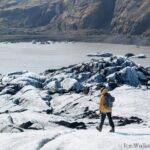
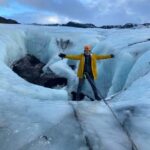
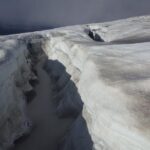
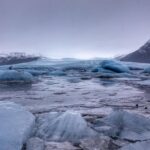
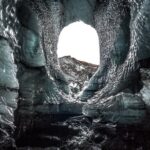
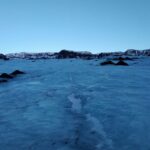
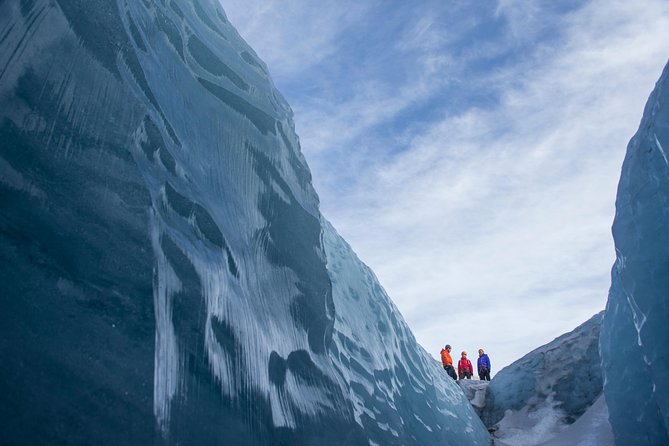
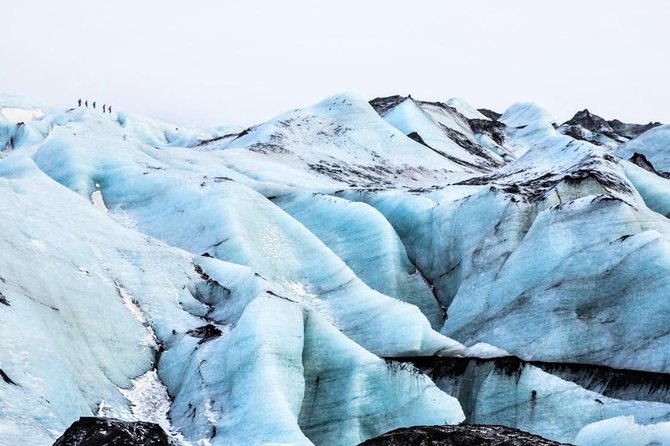
This is the heart of the tour. After the briefing and gear fitting, you’ll head out across the glacier to explore frozen features like crevasses, caves, and sinkholes. The glacier’s shape can look random from afar, but up close you’ll learn how the ice breaks and where routes are safer to move through.
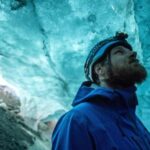
The experience highlights include climbing real ice walls and safely exploring those dramatic zones where the ice has shifted. You’ll maneuver over jagged ridges and see unique ice formations that are bright and blue in spots, depending on light and ice structure.
One practical value of having a guide: your route and climbing points aren’t just chosen for maximum drama. They’re selected for safe movement and for what’s visible in that moment. Even within the same area, the glacier surface can shift, and your guide will adjust so you’re getting the best mix of learning and spectacular sights.
You’ll also get some glacier education that helps the visuals make sense. The guide explains glacier creation and how the landscape has changed over time, including mentions of glacier recession in past years from guides with lots of field experience. That turns the day from entertainment into real understanding.
Waterfall Stops from Reykjavík: Seljalandsfoss and Skógarfoss Add Big Payoff
Not every start point includes the same extras. The tour lists Seljalandsfoss and Skógarfoss as included only when you’re departing from Reykjavík (and you’ll also have Reykjavík pickup and drop off if selected).
If you are doing the Reykjavík option, these waterfall stops make the overall trip feel more like a full South Iceland day. Both are iconic and visually strong, and the road scenery is part of the experience before you even reach the glacier.
The trade-off is time. If you’re trying to keep the day focused on one big activity, adding waterfall stops can make the schedule feel tighter. Still, if you want glacier climbing plus two of Iceland’s most famous falls in one go, this is a practical way to stack it.
If you’re starting from Vik without Reykjavík pickup, you may find the glacier portion gets more time and the day feels less compressed. The tour’s core value—the ice experience—stays the same.
What to Wear: A Simple Checklist That Matches the Rules
Here’s what you should plan for so you don’t end up cold, stuck, or unable to climb:
- Wear hiking boots with ankle support (mandatory).
- Bring a waterproof jacket and pants if you have them; these can be rented.
- Dress in warm layers. Glacier days can feel colder than you expect, and you’ll be standing around briefly during fitting and instruction.
- If your shoe size is near the edges of the crampon range, double-check it early. Crampons only fit EU 35–50, and that’s not a detail to gamble on.
One more practical tip: keep your phone accessible but not loose. You’ll want photos, but you’ll also want to focus on balance while you’re learning movements on ice.
Who Should Book This Sólheimajökull Glacier Hike & Ice Climbing Intro
This is a great fit if you want:
- A beginner-friendly ice-climbing intro with real instruction.
- A glacier experience with personal attention thanks to the small group size.
- Certified, safety-minded guidance where gear fitting and briefing are taken seriously.
- A day that mixes adrenaline with real learning about glacier conditions and formation.
It’s also a good match if you’re traveling from Reykjavík and want the added waterfall bonus. And because the tour is English-speaking, you won’t be left guessing during the safety moments.
But I wouldn’t book it if:
- Your shoe size falls outside the crampon range (EU 35–50).
- You can’t handle 3–4 km of uneven walking.
- You’re looking for a purely scenic, no-strain glacier visit. This one asks for movement and stamina, even if it’s beginner-rated.
Should You Book This Ice Climbing Intro?
Book it if you want the best first-time route into glacier climbing. The combination of real ice climbing, included safety gear, and a small group maximum makes it a strong value for the type of risk you’re safely managing with a certified team. If you’re a curious person who likes instruction, the guide-led explanations about glacier creation and change add real weight to the day.
Skip it (or be extra cautious) if boot fit is uncertain or you’re outside the required shoe-size range. Also be honest about your walking comfort on uneven terrain—this is where the experience either clicks or feels like work.
If you’re ready to suit up, learn the basics, and step onto Sólheimajökull in a controlled, teachable way, this is one of the Iceland glacier days worth making room for.
FAQ
How long is the Sólheimajökull Glacier Hike & Ice Climbing Intro?
It lasts about 4 hours 30 minutes.
Where does the tour start and end?
It starts at the Sólheimajökull glacier parking lot and ends back at the original departure point.
Is pickup offered?
Yes. Reykjavík pickup and drop off are offered if you select that option.
What do I need to do before meeting the guide?
You’ll make your own way to the Sólheimajökull glacier parking lot, then meet your guide by the yellow school bus.
Do I need prior ice-climbing experience?
No. The tour is designed so you can participate without prior ice-climbing experience.
What safety gear is included?
You’ll receive harness, helmet, glacier crampons, and an ice axe as part of the experience.
Is food and drinks included?
No. Food and drinks are not included.
What fitness level do I need?
You should have moderate physical fitness and be comfortable walking 3–4 km on uneven terrain.
What are the shoe and age requirements?
Minimum age is 14. Minimum shoe size is 35 EU, and glacier crampons are available for shoe sizes 35–50 EU.
What happens if weather is bad?
The experience requires good weather. If it’s canceled due to poor weather, you’ll be offered a different date or a full refund.