REVIEW · HVOLSVOLLUR
southern Iceland: Black beach riding tour
Book on GetYourGuide →Operated by FossTravel · Bookable on GetYourGuide
Black beaches by horseback is a great combo.
This southern Iceland ride puts you on Icelandic horses over ancient volcanic sand while the ocean breeze keeps everything real and wild. I especially like that the scenery has strong direction: calm waves one side, and big-sky volcano views on the other. You also get focused coaching from guides who are serious about this horse breed, not just the scenery.
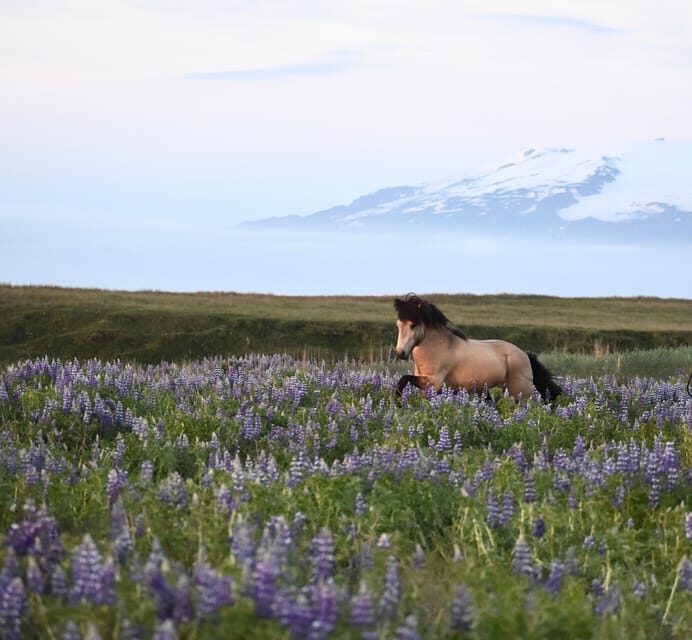
Two things I’d put at the top of your checklist are the tölt feel and the coastline sights. The horses’ smooth, comfortable gait is the whole point of riding Icelandic horses, and you’ll be guided into it at a pace that fits your group. The route also lines up memorable views, including the Westman islands and Eyjafjallajökull, depending on where you are along the coast.
One thing to plan for: conditions can be cold and windy even when skies look calm. You’ll want the right layers and waterproof boots, because you’re on black sand with sea air, not in a warm barn.
In This Review
- Key moments that matter most
- Southern Iceland Black Beach Riding: What You’re Really Booking
- Getting to Grímsstaðir: Meeting Point, Farm Arrival, and Timing
- Horses, Helmets, and First-Session Confidence
- Learning Tölt Without Overthinking It
- The Black Sand Coastline: Sea Air, Wave Sounds, and Big Views
- What to Wear: Your Real “Weather Ticket”
- Duration, Pace, and What “2 Hours” Feels Like
- Price and Value: Is $194 Worth It?
- Who This Tour Suits Best (and Who Should Skip It)
- Booking Checklist: The Stuff You Should Decide Before You Go
- Should You Book This Black Beach Riding Tour?
- FAQ
- FAQ
- How long is the black beach horseback riding tour?
- Where is the meeting point?
- Is transportation to the farm included?
- What are the age and weight limits?
- What should I bring for the ride?
- What’s included in the price?
Key moments that matter most
- Tölt practice with real coaching, not just a photo stop
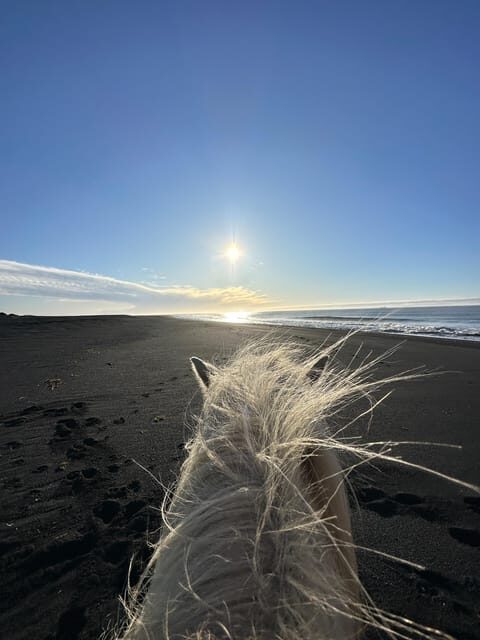
- Black sand coastline views with Westman islands and Eyjafjallajökull
- Small-group feel (limited to 5 participants, with a max of 6 riders)
- Safety and comfort included with helmets and rainwear
- Icelandic horse temperament focus, led by guides who love the breed
- Age 10+ and 110 kg/240 lbs weight limit, so know your fit early
Southern Iceland Black Beach Riding: What You’re Really Booking
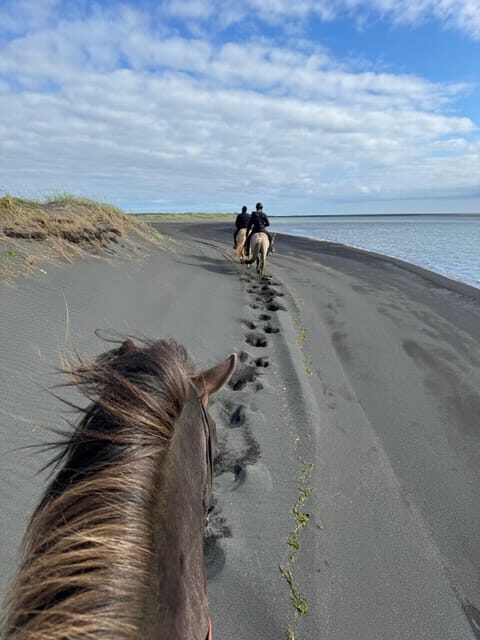
This is a short, high-impact ride: 2 hours on Iceland’s black sand beaches, in the south of the country. You’re not signing up for a long trek through fjords or a full day of transfers. Instead, the tour is built around one thing you can feel quickly: riding an Icelandic horse on volcanic beach sand, with the sea right there.
The location is about 1.5 hours from Reykjavík, and the operation is based at Grímsstaðir (between Hella and Hvolsvöllur). That matters because it means you’re spending your time outdoors where the action is, instead of burning hours on logistics.
You’ll also get the practical benefit of a small group. With a max of 5 participants (and 6 riders total), you’re more likely to get hands-on guidance and quicker adjustments if you’re new to riding. In other words, this is set up for learning, not just watching other riders.
You can also read our reviews of more tours and experiences in Hvolsvollur.
Getting to Grímsstaðir: Meeting Point, Farm Arrival, and Timing
You meet between Hella and Hvolsvöllur, on the road called Oddavegur. The key detail: look for the sign on the main road that says Oddi, turn there, then follow Oddavegur until you can’t drive straight anymore (first asphalt, then gravel). At the end, turn right, and the farm Grímsstaðir is on the right.
Because transportation to the farm is not included, you’ll want to plan your start time with drive time in mind. If you’re coming from Reykjavík, build in buffer for weather, especially if you’re also doing other southern stops that day.
Once you arrive, you’ll get set up on a farm. From there, the ride itself is what you’re here for: saddling up, getting safety guidance, and then moving out along the black sand coastline.
Horses, Helmets, and First-Session Confidence
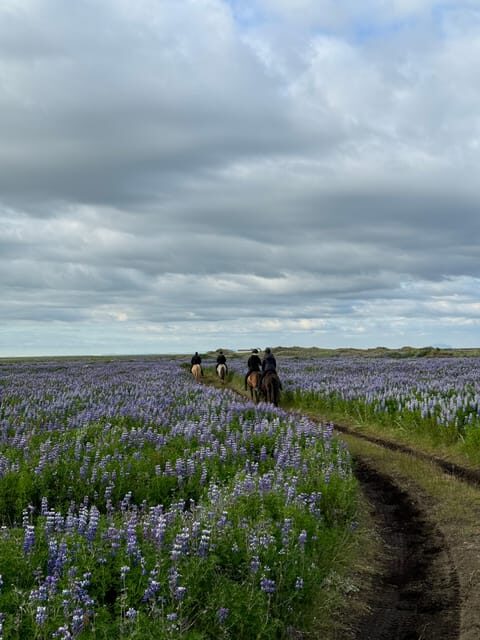
This tour includes riding equipment and safety helmets, plus rainwear. That’s not a minor detail. It reduces your gear stress in Iceland, where weather can switch from fine to windy fast, even over short distances.
The guides are the other big pillar here. The emphasis is on Icelandic horses as a special breed, known for a gentle nature and smooth gaits. That focus is what helps beginners feel steady and gives experienced riders something to work with beyond just “sit and go.”
If you like hearing real examples, guides like Jette and Helena show up in the feedback with the same theme: calm guidance, braver-than-expected horses, and riders matched to the moment. The common thread is that coaching stays active, not distant.
There’s also a reality check built into the rules. The tour says basic riding experiences are necessary, but guides will ensure you feel comfortable. So if you’ve never ridden before, you should be ready for learning quickly with instruction, and you should mentally budget for a few coaching moments.
Learning Tölt Without Overthinking It
The standout skill in this ride is getting the feel of tölt on an Icelandic horse. Tölt is one of the reasons people travel to Iceland to ride horses in the first place. Instead of a rough, bouncy walk, it’s designed to be smooth and comfortable, which is great when you’re riding across uneven volcanic sand with sea wind in your face.
You won’t be thrown into a technical riding lesson. The guides introduce the horse, talk you through safety, and help you settle into the gait. This is one of those experiences where good guidance turns “I’m nervous” into “Oh, this is actually manageable.”
If your riding level varies from person to person, that’s normal for this tour. The group size is small, and the guidance is set up to handle differences. You’ll likely notice that coaching is less about judging skill and more about getting you comfortable enough to enjoy the coast.
Age and body limits are also part of the “skill equation.” Riders must be 10 years old or older, and the weight limit is 110 kg / 240 lbs. That’s there for rider safety and horse handling, so it’s worth respecting those limits early rather than hoping for flexibility.
The Black Sand Coastline: Sea Air, Wave Sounds, and Big Views
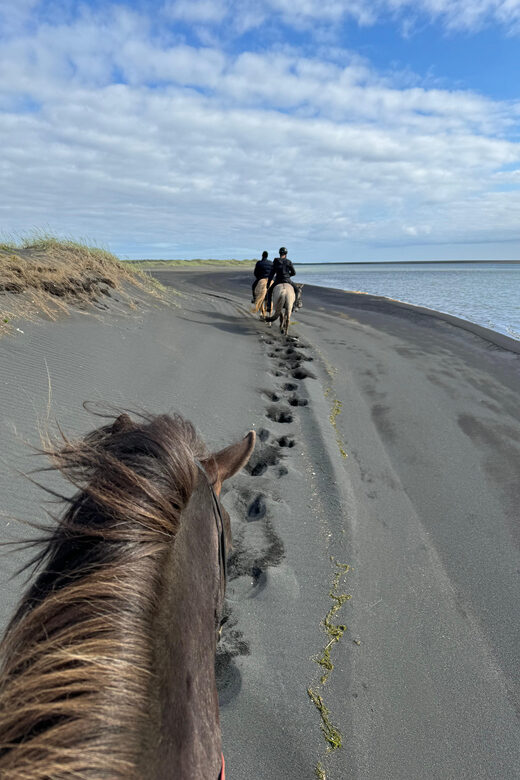
Once you’re out riding, this is pure Iceland-at-the-coast. You move along black sand beaches where the waves roll in and out against the shore. It’s not just scenery from the side window. You’re seated on the sand, with the motion of the horse and the rhythm of the ocean together.
The tour description is very specific about the view framing. Depending on where you ride along the coastline, you can spot:
- The Westman islands on one side
- Eyjafjallajökull on the other
That’s the kind of detail that makes a short ride feel longer. A lot of horse rides are pretty, but not all of them connect your route to named landmarks. Here, the coast has direction, so you can actually track what you’re seeing rather than just guessing.
And the sea breeze is part of the experience. Iceland can feel cold even when the temperature isn’t extreme, because wind hits differently. That ocean air is also why the clothing matters so much, which I’ll get to next.
What to Wear: Your Real “Weather Ticket”
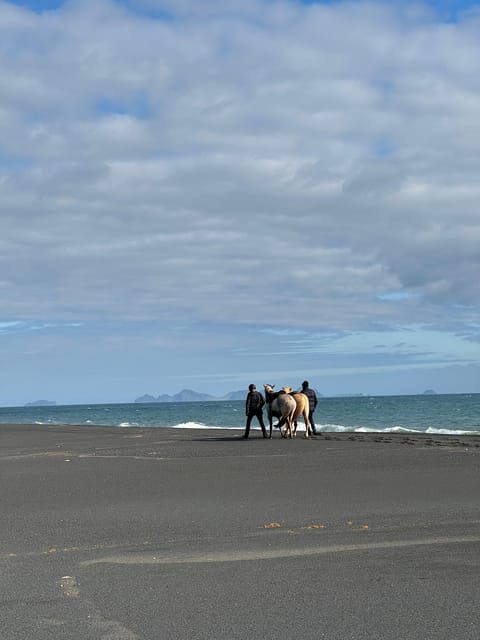
You’ll be outside for the full 2 hours, and the experience is directly shaped by wind, rain, and sand. The tour gives guidance on what to bring, and I agree with it because it’s practical for black-sand conditions:
- Layers, including long underwear
- Warm socks
- A woollen or fleece sweater
- A scarf (or something that covers your neck)
- A buff
- Unused gloves
- A windproof jacket
- Riding breeches or leggings
- Good waterproof or resistant boots
- Sunglasses and sunscreen
The included rainwear helps, but it’s not a substitute for warm layers and boots. If your feet stay cold and wet, the ride stops being relaxing fast. Also, black sand can feel gritty underfoot when you’re getting on and off the horse, so waterproof boots make life easier.
One more smart move: wear something you can adjust. Iceland weather loves surprises. If you arrive dressed for warm sun, you’ll feel it once the wind hits your cheeks. If you arrive overdressed, it’s still workable, but you want enough breathability to keep from soaking with sweat.
Duration, Pace, and What “2 Hours” Feels Like
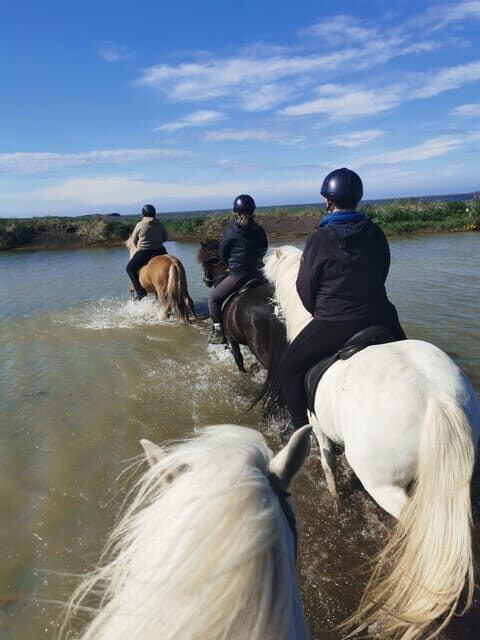
The tour runs for 2 hours. In practice, that usually means you’ll spend time at the farm getting prepared, then the riding time does the heavy lifting. You’re not looking at an all-day commitment, which is great if you’re also planning drives to waterfalls or viewpoints in southern Iceland.
Because the group is small, the pace tends to be controlled. You’re riding with other people, but it’s not a giant line where you feel rushed. The setup is meant to keep you stable while you settle into the horse and the gait.
Also, this ride has one clear constraint: the horses need space and time to carry riders confidently on volcanic sand. So if you’re expecting a “speed” adventure, this is more about comfort and control with a focus on trot-like motion and tölt feel, not racing.
Price and Value: Is $194 Worth It?
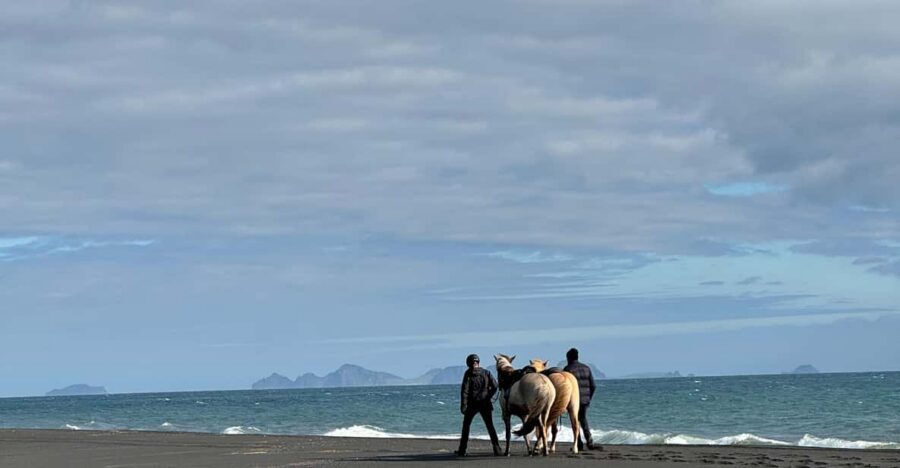
At $194 per person, the price isn’t low, but it’s not random either. Here’s where the value comes from for most riders:
- You’re paying for a trained operation, including safety helmets and riding equipment
- Rainwear is included, which saves you Iceland gear costs
- You get guided instruction focused on Icelandic horses and smooth gaits
- The group is small, which usually means more attention per rider
- You’re riding in one of Iceland’s most iconic settings, black sand with landmark views
The one cost that doesn’t show up in the $194 is transportation to the farm. If you’re self-driving, you’ll factor in gas and time. If you’re using buses or tours, you’ll want to coordinate schedules so you’re not late.
So who gets the best value? People who want an authentic, horse-based Iceland experience without committing to a full day. It’s also a good fit if you specifically want the Icelandic horse tölt feel rather than just a beach stroll.
Who This Tour Suits Best (and Who Should Skip It)
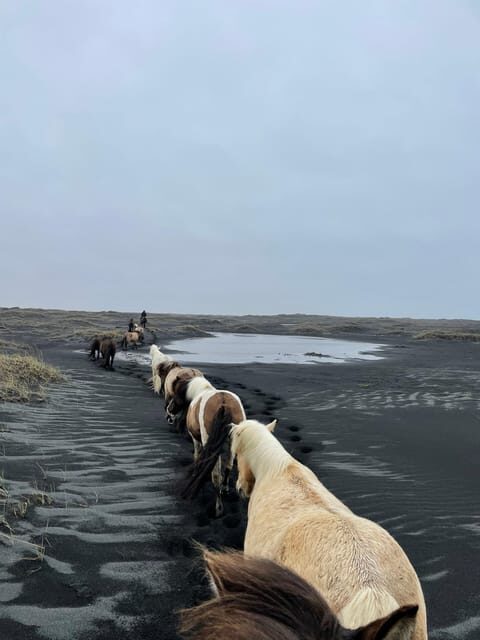
This ride is suitable for beginners and experienced riders, as long as you can handle basic riding requirements and follow guide instructions. The guides are there to make you comfortable, which is important when conditions are outdoors and the footing is sand.
It’s also a strong match if you want:
- A short outdoor activity in southern Iceland
- Coaching in riding Icelandic horses and tölt
- Named views, like Westman islands and Eyjafjallajökull
- A smaller group setting for more attention
It might be a weaker match if:
- You’re under 10 years old
- You’re over the 110 kg / 240 lbs limit
- You struggle with the physical parts of riding, including getting on and off the horse
The tour is clear about responsibility. You’re responsible for assessing whether you’re physically able to participate, including mounting and dismounting at your own accord.
Booking Checklist: The Stuff You Should Decide Before You Go
Before you book, I’d sort out three things.
First, decide if you’re truly ready for wind and cold beach conditions. Even with rainwear, your comfort depends on your layers and boots.
Second, check your riding comfort. If you’re brand new, think of this as a guided learning ride. If you already ride regularly, you’ll still enjoy the tölt focus, but your main challenge may be the sand-and-wind environment rather than the technique.
Third, confirm you’ll be able to reach Grímsstaðir on time since transportation isn’t included. That meeting-point drive is simple, but gravel roads plus Iceland weather is not the place for last-minute stress.
Should You Book This Black Beach Riding Tour?
If you want a two-hour dose of Iceland that mixes horses, black sand, and real coastal views, I’d say yes. This is the kind of activity that works well when you want something memorable without a full day commitment, and the small-group size plus included safety gear makes it feel well managed.
I’d especially book it if you’re chasing that Icelandic horse experience—tölt comfort and a gentle, confident ride—while also getting the landmark framing of Westman islands and Eyjafjallajökull.
You might pass if you hate cold wind, have trouble mounting a horse, or you’re not comfortable with basic riding expectations. In Iceland, the best tours are the ones where you bring the right gear and meet the conditions halfway.
FAQ
FAQ
How long is the black beach horseback riding tour?
The tour lasts 2 hours.
Where is the meeting point?
You meet at Grímsstaðir. You’ll turn onto Oddavegur from the main road at the sign for Oddi, drive until you can’t continue straight anymore (asphalt then gravel), turn right at the end, and the farm is on the right.
Is transportation to the farm included?
No. Transportation to the farm is not included.
What are the age and weight limits?
The minimum age to ride is 10 years old. The weight limit is 110 kg / 240 lbs.
What should I bring for the ride?
Bring layers (including long underwear), warm socks, a wool or fleece sweater, scarf/buff, unused gloves, and a windproof jacket. You should also wear riding breeches or leggings, waterproof or resistant boots, and bring sunglasses and sunscreen.
What’s included in the price?
Included are riding equipment and safety helmets, rainwear, and trained guides who speak multiple languages including English, Scandinavian, and German.