REVIEW · REYKJAVIK
From Reykjavík: Icelandic Horse Riding Tour in Lava Fields
Book on GetYourGuide →Operated by Íshestar Riding Tours · Bookable on GetYourGuide
Some places feel otherworldly fast.
This ride does it the moment you head out from Reykjavík: you’ll be on Icelandic horses moving over lava fields with green hills nearby, guided by staff who know the terrain and how to keep a mixed group together. I especially love the mix of great facilities and excellent horse handling, because it makes the whole thing feel calm even when the weather turns. I also like how the guide attention turns into real trail time, not just a quick loop. The possible drawback: your total outing can feel longer than you expect (pickup and drop-off), even though the main ride is about 1.5 hours.
What makes this tour genuinely useful is the way it fits Iceland’s “on the ground” reality. You’re not just looking at volcanic rock from a viewpoint; you’re experiencing the Icelandic horse gait, including tölt, a smooth, distinctive way these horses move. That’s a big reason the experience works for families and for first-timers. A consideration: you must be able to mount the horse on your own strength, and kids under 7 can’t join.
In This Review
- Key highlights worth your time
- Meet Íshestar Stables: Where the ride starts and the comfort kicks in
- From Reykjavík pickup to Hafnarfjörður stables: plan for short drives and real timing
- Icelandic horses and tölt: what you’ll feel in the saddle
- Riding through lava fields: the views are volcanic, but the details are human
- Itinerary reality: what each part adds (or doesn’t)
- The value question: is $141 worth it?
- Who should book this ride, and who should skip it
- Practical tips: stay warm, avoid bag trouble, and ride smarter
- Should you book the Lava Fields Horse Riding Tour from Reykjavík?
- FAQ
- How long is the horseback riding portion?
- Where do I meet for the tour?
- Is pickup from Reykjavík available?
- What gear is included?
- Are guides available in English?
- Can children ride?
- What is the weight limit?
- Do I need experience riding a horse?
- Are backpacks allowed on the ride?
- What is tölt?
- Should I expect the tour to be weather-dependent?
Key highlights worth your time
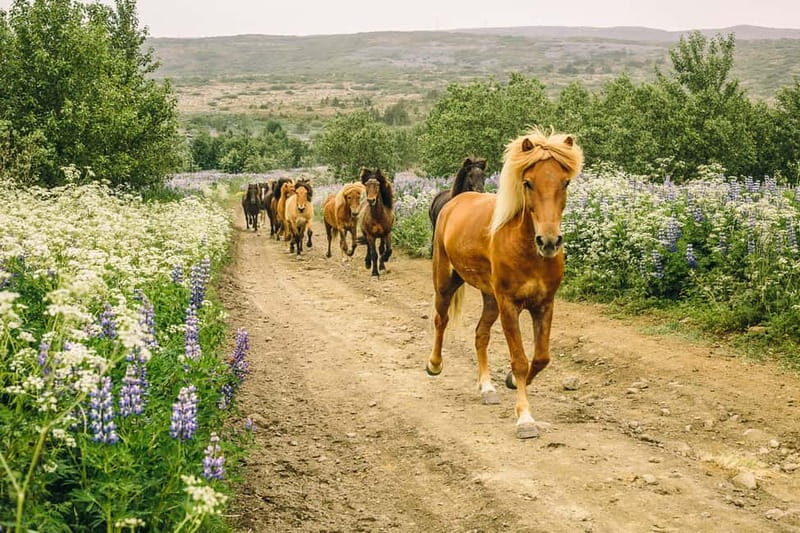
- Tölt on real Icelandic horses: expect the smooth gait on the trail, not just a brief demo
- Strong safety + beginner support: staff teach procedures and keep groups together
- Excellent stables and gear: overalls, rain gear, helmets, and rubber boots are provided
- Lava field riding close to Reykjavík: you’re outside the city quickly, then in the volcanic terrain
- Staff help with photos: you’ll get help capturing the moments without fighting your phone in gloves
- Many drop-off options: after the ride, you’re returned to a long list of Reykjavík-area stops
Meet Íshestar Stables: Where the ride starts and the comfort kicks in
The best part of a horse tour is when you stop worrying about logistics and start focusing on the trail. At Íshestar Riding Tours in Hafnarfjörður, you get set up in a place built for this work: clear facilities, an organized flow, and a team that makes gear feel like part of the fun.
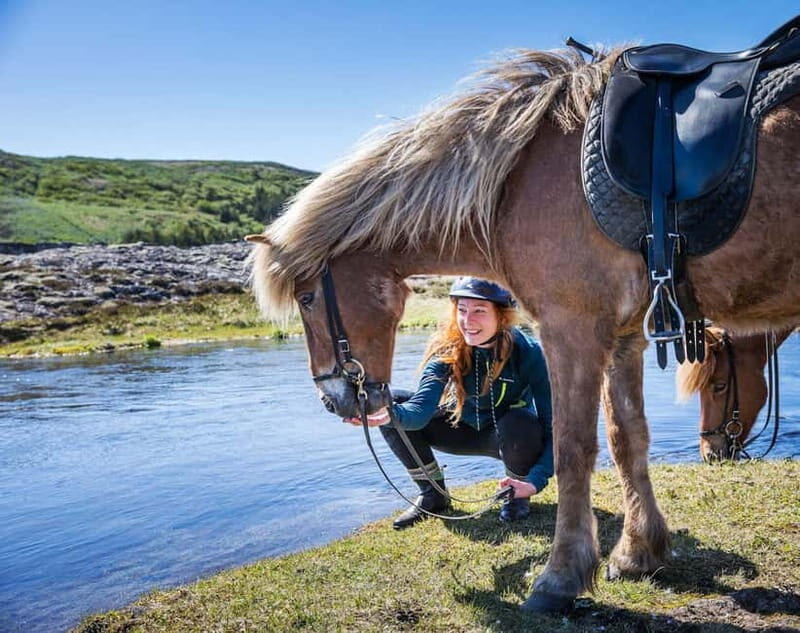
You’ll be provided with the essentials: warm overalls, rain gear when conditions call for it, and helmets in your size. You also get rubber boots. That matters more than people think. Iceland weather is unpredictable, and in riding, being slightly too cold or wet can turn a cool experience into a miserable one. This setup helps you stay comfortable while the tour timing moves forward.
There’s also a practical safety piece: you can’t take backpacks or bags with you on the ride. Good news—there are safety boxes at the Riding Centre for storing valuables. So you can bring what you need without trying to improvise a way to carry it.
You can also read our reviews of more tours and experiences in Reykjavik
From Reykjavík pickup to Hafnarfjörður stables: plan for short drives and real timing
This tour is designed to feel easy from central Reykjavík. Pickup is optional, and it typically starts about 60 minutes before departure—so for the 10:00 AM tour, pickup begins at 9:00 AM, and for the 2:00 PM tour, pickup begins at 1:00 PM. If you’re staying in a private flat, the closest pickup point is emailed to you ahead of time.
The stables are about a 20-minute drive from Reykjavík, though it can run closer to 30 minutes depending on where you’re picked up. That difference matters because horse riding schedules are tight once the group is formed. My advice: don’t treat pickup like a suggestion. Go with it early, and you’ll avoid any last-minute stress.
If you don’t want pickup, you can also meet at the stables. The activity ends back at the meeting point, after you’re dropped off in Reykjavík-area locations.
Icelandic horses and tölt: what you’ll feel in the saddle
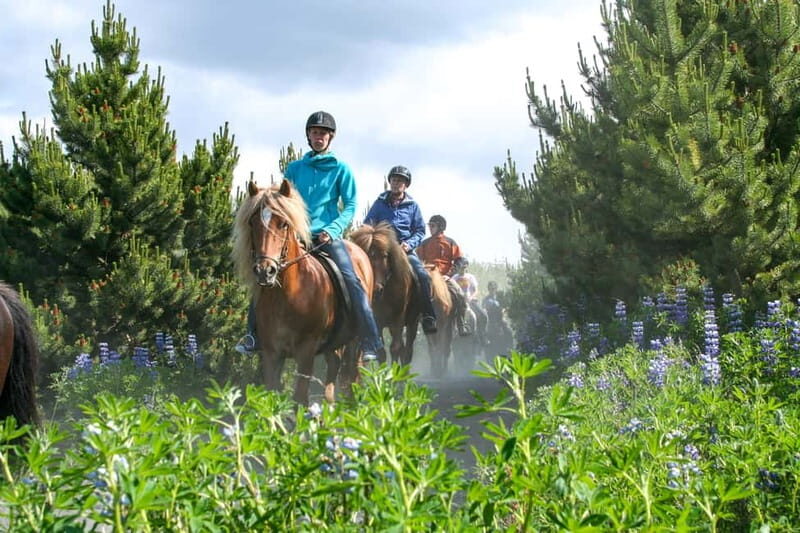
The ride is about Iceland’s horses, and these horses aren’t just cute. They have a special smooth gait called tölt—and that’s one of the tour’s main attractions. Instead of jarring movement the whole time, tölt is designed to feel controlled and steady. It’s the reason many first-timers walk away thinking, I can handle this.
In the real-world experience, the guides match you to a group based on comfort level. If you’re brand new, you’ll likely stay in a slower pace where learning the basics is the priority. If you’re comfortable riding, you may have chances to experience a faster gait. Some riders also mention being able to trot a bit if they felt like it, but the core experience stays guided and structured.
One small but meaningful detail: the guides aren’t there just to point horses forward. They help with procedures before you ride and keep the group together on the trail. In reviews, that support shows up repeatedly, especially for beginners who arrive nervous.
Riding through lava fields: the views are volcanic, but the details are human
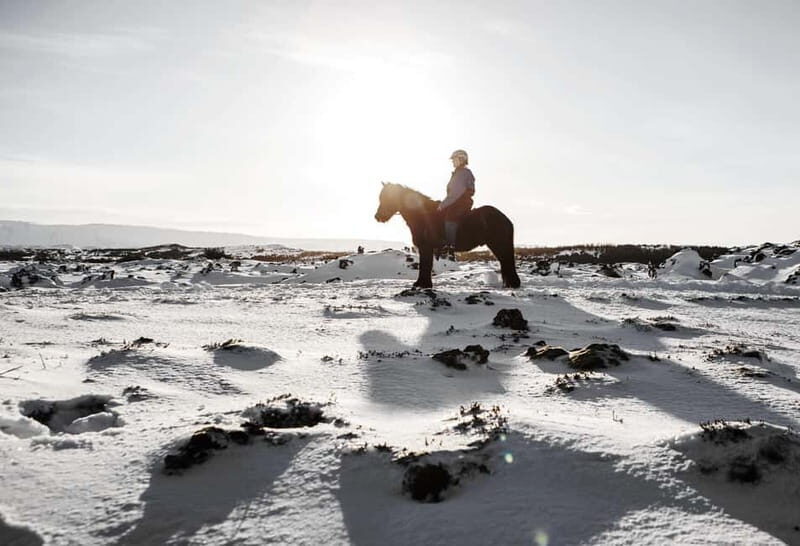
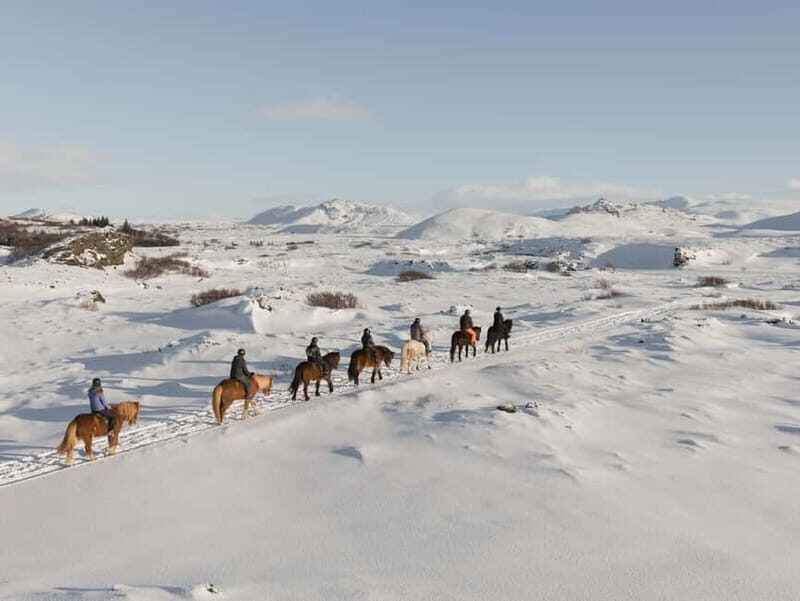
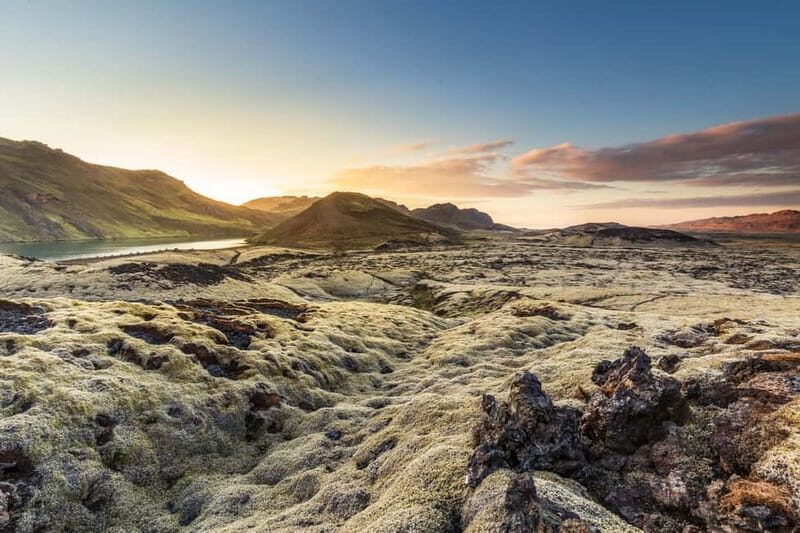
Once you’re mounted, you’re not just traveling through scenery. You’re moving through a living surface shaped by volcanic activity, then framed by green hillsides. Lava fields can look dramatic from a distance, but on horseback you notice the textures—the rock formations, the way paths thread through the terrain, and how the horse’s footing changes with the ground.
You’ll be guided to look for interesting rocks, flora, and signs of wildlife. Even if weather limits what you see clearly, the ride still works because the environment is close and tactile. You’re literally moving over ground that feels prehistoric, while your guide translates it into something understandable.
Photography is another hidden win. Staff can help with photos, so you’re not stuck trying to balance a camera while holding reins and adjusting gloves. Riders frequently mention this as a highlight because it’s hard to get a clean shot when you’re cold, tired, and riding at the same time.
And yes, weather can turn the session into a different story. You might ride in rain, wind, snow, or anything in between. The guides keep the experience moving safely, and the provided overalls and rain gear are the reason the tour stays enjoyable instead of miserable.
Itinerary reality: what each part adds (or doesn’t)
Stop 1: Starting and pickup
Where you start depends on your chosen option. If you have pickup, you’re collected from Reykjavík-area hotels or main guesthouses. If you’re in a private flat, you’ll receive the nearest pickup point by email. This matters because the best riding experience is the one that doesn’t start with confusion.
If you’re traveling with kids, make sure everyone uses the restroom before leaving the pickup point. Once you’re at the stables, there’s a rhythm to getting gear sorted and mounting organized.
Stop 2: The Hafnarfjörður riding time (about 1.5 hours)
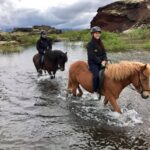
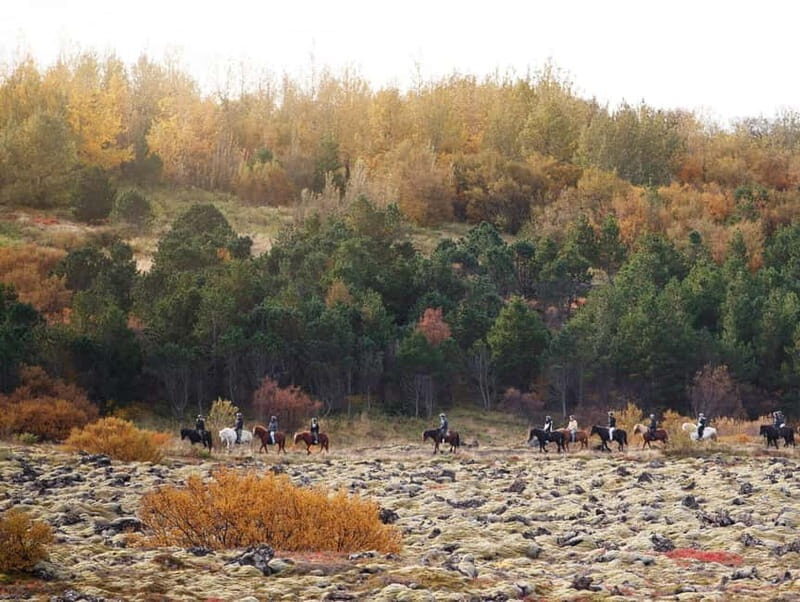
This is the heart of the tour. You ride through lava fields and along green hillsides with an expert guide. The time on horseback is long enough to feel like a real outing, not a quick photo stop. It also gives you time to settle into the horse’s gait and focus on the terrain.
The main drawback here is what you’d expect from Iceland: if conditions are bad, your best views may be partially limited. That said, the trail experience still delivers because it’s not dependent on one clear sightline.
Stop 3: Reykjavík-area drop-offs (many locations)
After the ride, you’re returned to a wide range of drop-off points across Reykjavík, including major hotel areas and bus stop locations. This reduces the need to line up taxis or figure out buses right after a muddy, cold horse adventure.
One practical thing to keep in mind: because there are many drop-off locations, your door-to-door time can vary. If you have evening plans, choose something flexible.

The value question: is $141 worth it?
$141 per person can feel like a “special activity” price, but the value is in what’s included and how long you’re actually riding.
You’re getting:
- A guided ride in Icelandic horse country just outside Reykjavík
- Helmets, rubber boots, and warm overalls/rain gear
- An English-speaking guide (German also available on request)
- A real riding block of about 1.5 hours, with the rest of the time covering arrival and transport
For Iceland, that package is meaningful. You’re not paying extra for the basics you’d otherwise need to buy or borrow. And because the guides help beginners learn mounting and trail behavior, the tour can save you time and uncertainty compared to figuring out horses on your own.
If you’re a confident rider already, you may still find value because the guide handles group movement and safety. If you’re a first-timer, you get the biggest return: equipment, structure, and a horse that’s well cared for and used to riders.
If you’re trying to squeeze this into a tight schedule, remember the total outing can stretch from about 2 to 4 hours depending on start times and pickup/drop-off routing.
Who should book this ride, and who should skip it
This tour is a strong fit for:
- Families with kids 7 and up (children 7 to 15 get a 25% discount)
- First-time riders who want a safe, guided introduction
- People who love nature and want it on horseback, not behind glass
- Travelers who specifically want Icelandic horses and the tölt gait
There are also clear limits:
- You must be able to mount the horse by your own strength
- It’s not suitable for children under 7
- The weight limit is 243 lbs (110 kg)
One more practical note that’s easy to miss: riding gear you bring needs to be washed at 40°C, dry cleaned, or disinfected before arriving in Iceland. Used leather gear may not be brought into the country. Since the tour provides key clothing and footwear, you may not need to bring much in the first place, but it’s worth checking if you’re tempted to pack your own boots or leather riding gear.
Practical tips: stay warm, avoid bag trouble, and ride smarter
Here’s how to make your experience smooth from start to finish.
- Wear what you can layer comfortably under the provided overalls. If it’s cold or wet, layers matter more than fancy outfits.
- Don’t bring a backpack on the ride. Use the safety boxes at the Riding Centre for valuables.
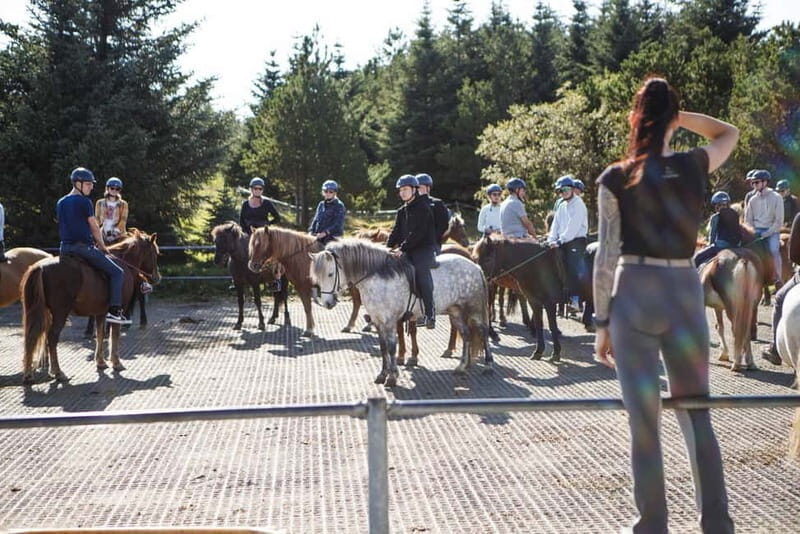
- Plan for a bit of waiting and switching gear at the stables. Go prepared to be patient while the team fits helmets and organizes groups.
- If you have questions about your group level, ask. Guides split riders by confidence and keep everyone supported, so you don’t have to guess.
- If you’re arriving with used gear, follow the Iceland requirement for washing or disinfection. That rule is real and can affect what you’re allowed to bring.
If you’re prone to cold hands, dress for it even with gloves. Gloves are typically part of the general riding setup, but you’ll still feel weather through the reins and your body temperature management.
Should you book the Lava Fields Horse Riding Tour from Reykjavík?
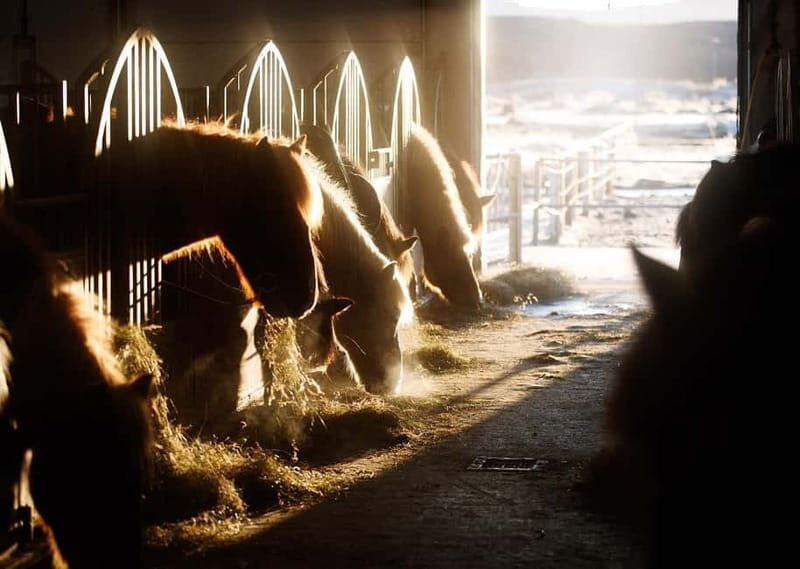
If you want a short Iceland adventure with a strong focus on animals and real volcanic terrain, I think it’s an easy yes. The tour has two big advantages: excellent horse care and calm, safety-first guidance, plus the inclusion of the gear you’ll actually need to stay comfortable. It’s also one of the rare activities where beginners can feel confident quickly, because the guides teach procedures and keep the pace manageable.
Skip it if mounting independently is a problem for you, if you fall outside the weight limit, or if your schedule is so tight you can’t handle pickup and multiple drop-off stops. Also, if you’re hoping for a single guaranteed panoramic view regardless of weather, manage expectations. Iceland weather can hide some sightlines, but the horseback experience stays the point.
FAQ
How long is the horseback riding portion?
The horse riding time in Hafnarfjörður is about 1.5 hours, and the full activity runs about 2 to 4 hours depending on your start time and pickup option.
Where do I meet for the tour?
Meet at Íshestar Riding Tours. The tour ends back at the meeting point.
Is pickup from Reykjavík available?
Pickup is optional. Pickup starts about 60 minutes before departure time, and pickup is available from hotels or main guesthouses. If you’re staying in a private flat, you’ll be given the closest pickup point by email.
What gear is included?
You’ll be provided with riding helmets, rubber boots, and rainwear or a warm outfit for the ride. There are also changing room facilities at the stables.
Are guides available in English?
Yes. The live tour guide speaks English, with German and Icelandic also available (German by request).
Can children ride?
Children 7 to 15 years old receive a 25% discount. The tour is not suitable for children under 7.
What is the weight limit?
The tour is not suitable for people over 243 lbs (110 kg).
Do I need experience riding a horse?
The tour includes guidance and is designed for people with different comfort levels. Riders must be able to mount the horse by their own strength.
Are backpacks allowed on the ride?
No. You cannot take backpacks or bags with you on the ride. There are safety boxes at the Riding Centre for valuables.
What is tölt?
Tölt is the special smooth gait of Icelandic horses, and the tour is designed to let you experience that movement while riding.
Should I expect the tour to be weather-dependent?
You should expect changing Iceland weather. The tour provides warm overalls and rain gear, and the ride continues in a guided, safety-focused way even when conditions are wet, windy, snowy, or cold.