REVIEW · REYKJAVIK
From Reykjavik: Best of Golden Circle Guided Tour
Book on GetYourGuide →Operated by BusTravel Iceland · Bookable on GetYourGuide
The Golden Circle hits in an afternoon. You get the big Iceland classics in one guided loop, with the action at Strokkur and the science at Þingvellir National Park. It’s a tight schedule, but it’s also the easiest way to do this route without doing the logistics yourself.
What I love most is how the tour hits both spectacle and meaning. You’ll see Strokkur erupting—up to about 30 meters—roughly every 8 minutes, and you’ll also get the story of why Þingvellir matters, with the North American and Eurasian plates pulling apart.
One possible drawback: you don’t get a long, slow day at each stop. Timings are built around seeing everything, so if you crave deep wandering (especially for photos and walks), you may want more time.
In This Review
- Key highlights worth planning around
- Golden Circle in One Afternoon: what you really get in 7–8.5 hours
- Reykjavik pickup and the bus ride: start calm, not chaotic
- Þingvellir National Park: where the plates meet (and why UNESCO labels it)
- Geysir area and Strokkur: watching eruptions like clockwork
- Gullfoss Waterfall: the best kind of chaos, on your terms
- Kerið Crater: a short stop that changes the mood
- Timing and how to manage short stop windows
- Guides, commentary, and the human touch
- Price and value: how $79 makes sense for this route
- Who should book this Golden Circle afternoon tour
- Should you book it: my practical call
- FAQ
- How long is the Golden Circle afternoon tour from Reykjavik?
- Where do you meet in Reykjavik?
- Which main sites are included?
- What can I expect at Strokkur?
- Is the tour guide available in English?
- Is pickup from my hotel offered?
- Is this tour suitable for young children?
Key highlights worth planning around
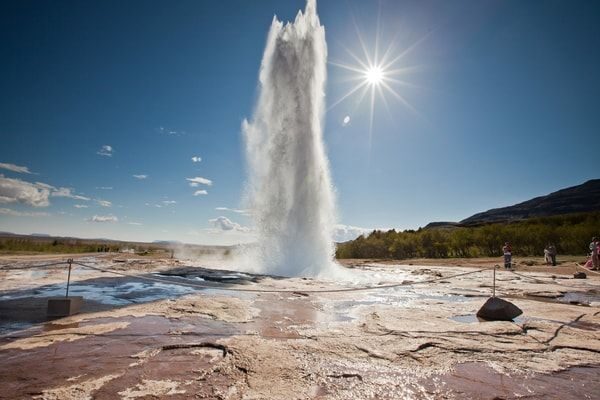
- Strokkur eruptions on a clock: expect spouts about every 8 minutes, rising around 30 meters
- Gullfoss scale and spray: the Hvítá River drops into a 32-meter crevice
- Þingvellir’s tectonic drama: North American and Eurasian plates separate by a few centimeters per year
- Kerið Crater as a change of pace: a quick crater-and-lake moment between the bigger sights
- Guides who talk and time well: you’ll likely get lots of commentary, tips, and humor from the driver-guide team
Golden Circle in One Afternoon: what you really get in 7–8.5 hours
This is a classic Golden Circle route, paced for an afternoon start from Reykjavik and wrapped up the same day. In a single day you’ll cover geothermal Iceland, big waterfall power, and tectonic science—the trifecta people come to Iceland for.
The real value here is efficiency. If you’re based in Reykjavik and don’t want to drive on icy roads or manage parking, this kind of guided loop turns “maybe I can see the Golden Circle” into “done, and I didn’t miss the headline stuff.”
You should also know the trade-off: it’s not built for lingering. The tour is designed around photo stops and short walks, so you’ll get your first look fast and then move on.
You can also read our reviews of more guided tours in Reykjavik
Reykjavik pickup and the bus ride: start calm, not chaotic
Pickup is central Reykjavik, with a common meeting point listed as Bus Stop 12, Höfðatorg, on the opposite side of the Storm Hotel. Pickup starts at 10:30 AM and can run a bit late, so I’d treat 10:30 as your “be ready to go” time rather than your “the bus must be here” time.
Once you’re rolling, the air-conditioned coach is a big quality-of-life win. Iceland weather can flip fast, and being in a warm vehicle between stops makes the whole day feel more manageable—especially if you’re dressed for cold but not for hours of wind exposure.
One practical note from experience-based feedback: some departures had minor friction points like cold waiting at the stop or cabin details like windows and onboard amenities not being perfect. None of that changes the route, but it does mean you should dress for being outside and keep your expectations realistic.
Þingvellir National Park: where the plates meet (and why UNESCO labels it)
Þingvellir is where the Golden Circle stops being just scenic and starts being explanatory. You’ll arrive for a photo stop and sightseeing, with a walk time built in.
The key idea: Þingvellir is where the North American and Eurasian tectonic plates are pulling apart, by a few centimeters per year. Seeing the area in person turns that fact from textbook trivia into something you can actually point at.
You’ll also hear why the place is UNESCO World Heritage (its cultural values were recognized in 2004). Even if you’re not an Iceland-history deep-dive person, UNESCO status here isn’t random. It reflects a real human connection to the land and landscape shaped by geological forces.
Practical tip: this is one of those stops where you benefit from calm footing. If it’s slick, take it slow on any paths and don’t rush your photos. You’re here to understand the setting, not to sprint through it.
Geysir area and Strokkur: watching eruptions like clockwork
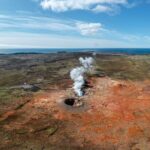
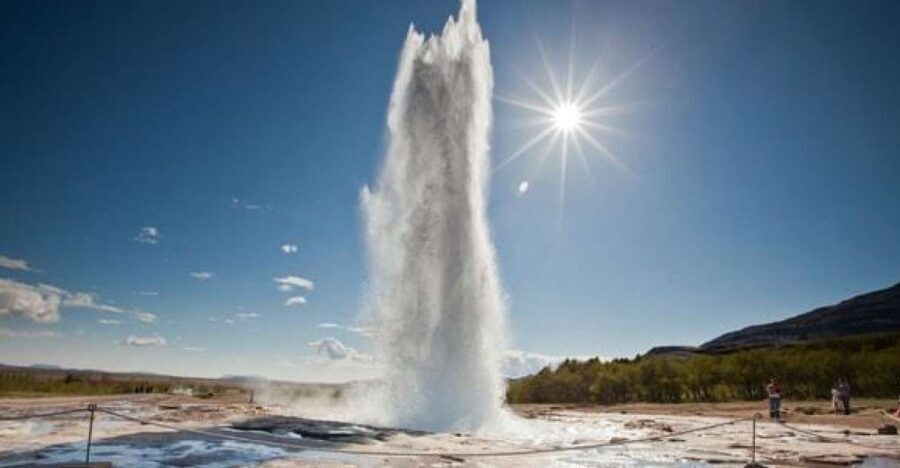
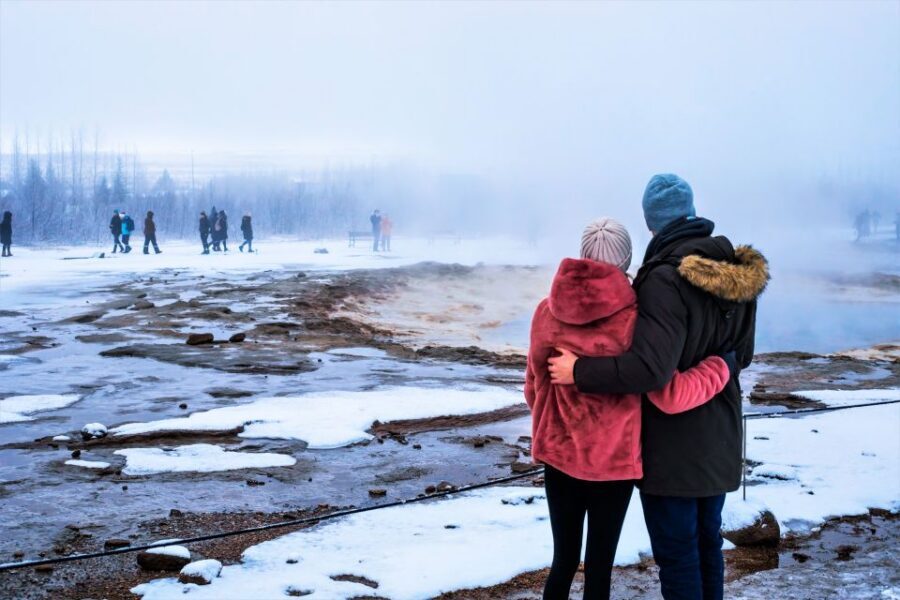
The geothermal zone is the adrenaline break in the middle of the day. You’ll head to the Geysir area for a photo stop and sightseeing, with time to walk around and take in steam, hot ground, and the changing colors of the site.
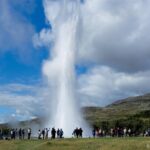
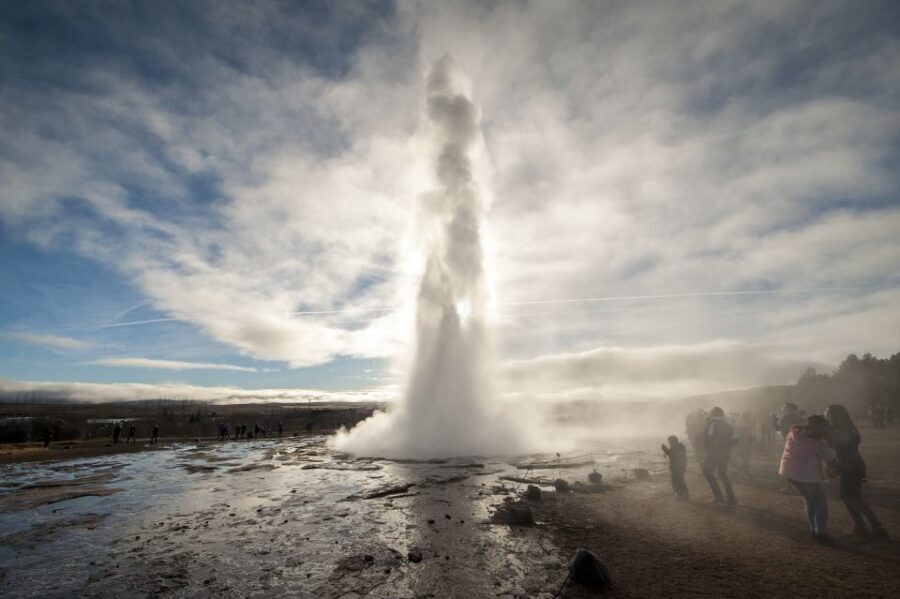
The star is Strokkur. Expect an active hot spring that spouts up to about 30 meters and erupts about every 8 minutes. That timing is what makes this stop work for most schedules: even if you miss one eruption, there’s usually another soon.
Here’s how to make this part feel worth it. Don’t just stand in one place and stare at the sky. Pick a spot with a clear view of the active area, keep your camera ready, and treat it like a live show with short intermissions. The goal is to catch at least one full cycle.
From what guides tend to do, you’ll probably get helpful explanations while you wait. People like Sunny and Ritchie are mentioned as examples of guides who keep commentary flowing and make the science feel human, not lecture-like. That matters here, because geysers look simple until someone explains what’s happening underground.
Gullfoss Waterfall: the best kind of chaos, on your terms
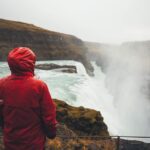
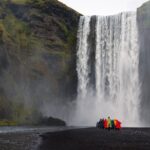
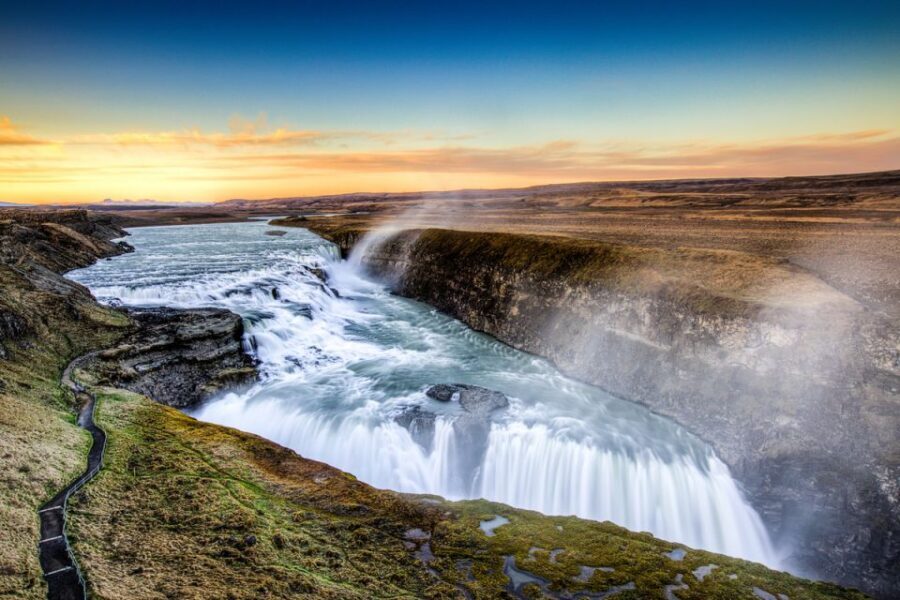
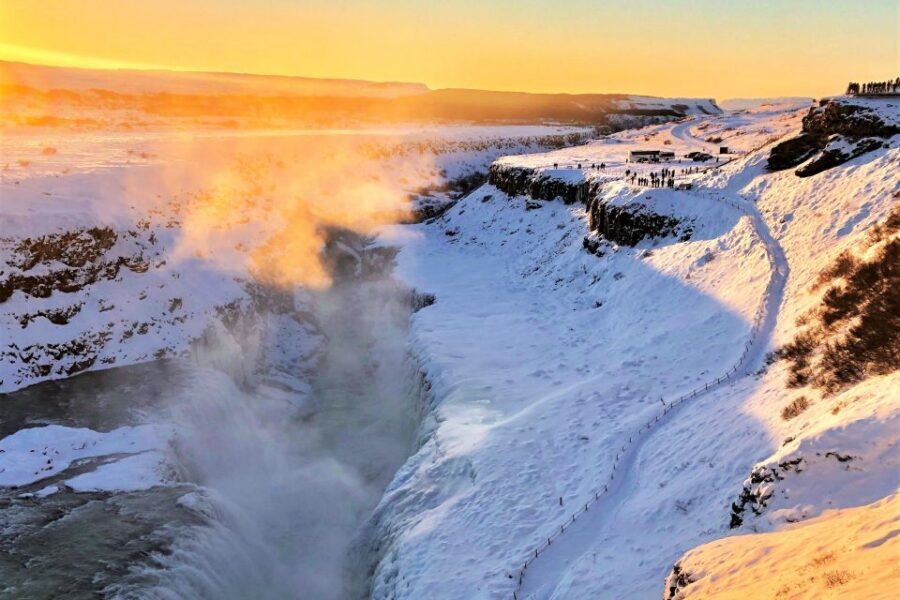
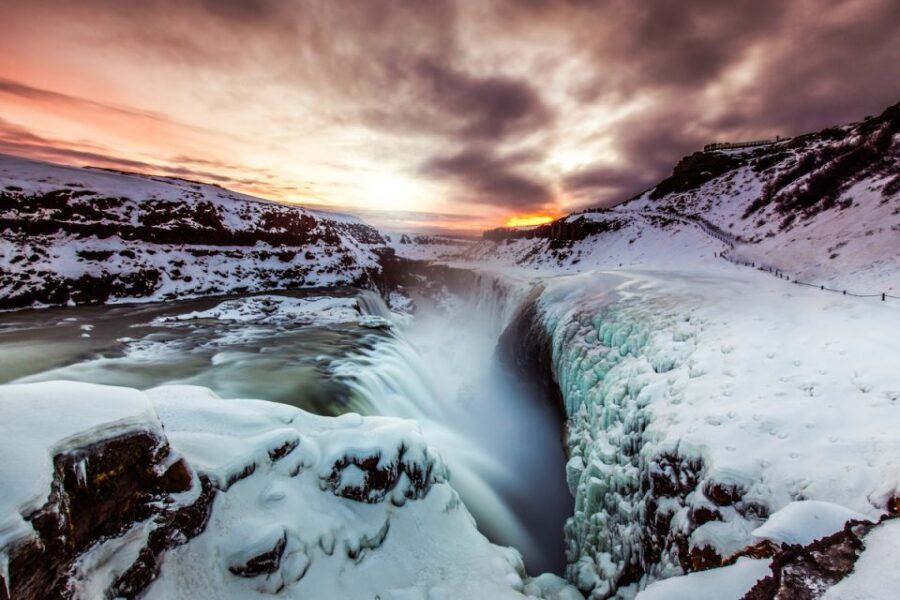
Gullfoss is the stop that most people remember after the trip. You’ll have time for a photo stop, sightseeing, and walk-about time near the falls, with the main focus on the power of the Hvítá River.
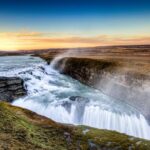
The detail that sells Gullfoss fast: the river plunges into a 32-meter deep crevice. When you’re standing near it, you understand why this waterfall is such a big deal in Iceland. It’s not just tall. It’s loud, forceful, and constantly in motion.
The key drawback is also obvious: the area can be wet and windy. Bring layers and water-resistant outerwear if you have it. If you’re only in light rain gear, plan on feeling damp anyway.
Photo strategy tip that’s saved me headaches: don’t chase the perfect angle first. Start with one safe viewpoint that works even if the wind knocks your hood around. Then spend your next minutes adjusting. This keeps you from wasting your walk time wrestling with weather.
Guides often use their in-vehicle time to teach you what you’re looking at, then they help you time the walk and re-boarding. That’s especially helpful at Gullfoss where spray can cut visibility and make people lose track of time.


Kerið Crater: a short stop that changes the mood
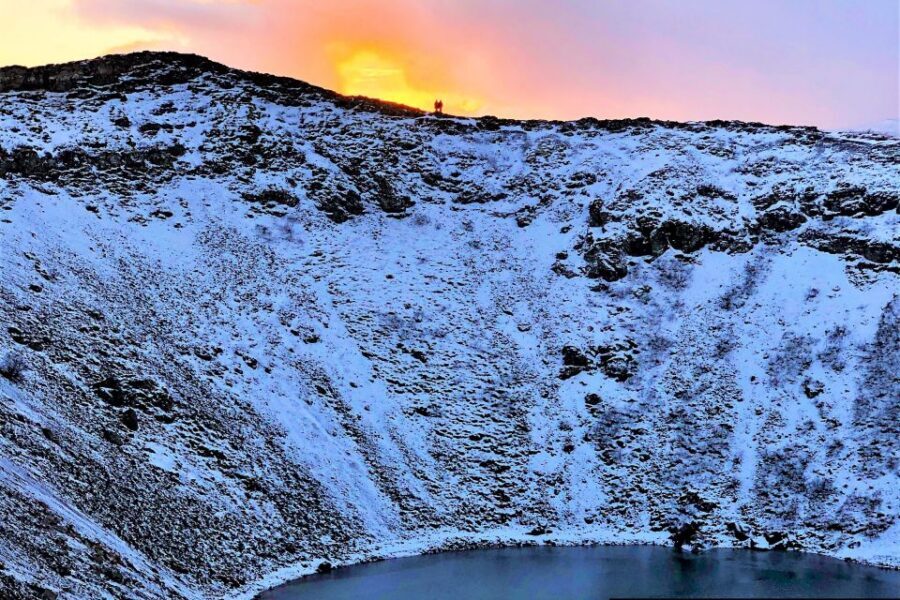
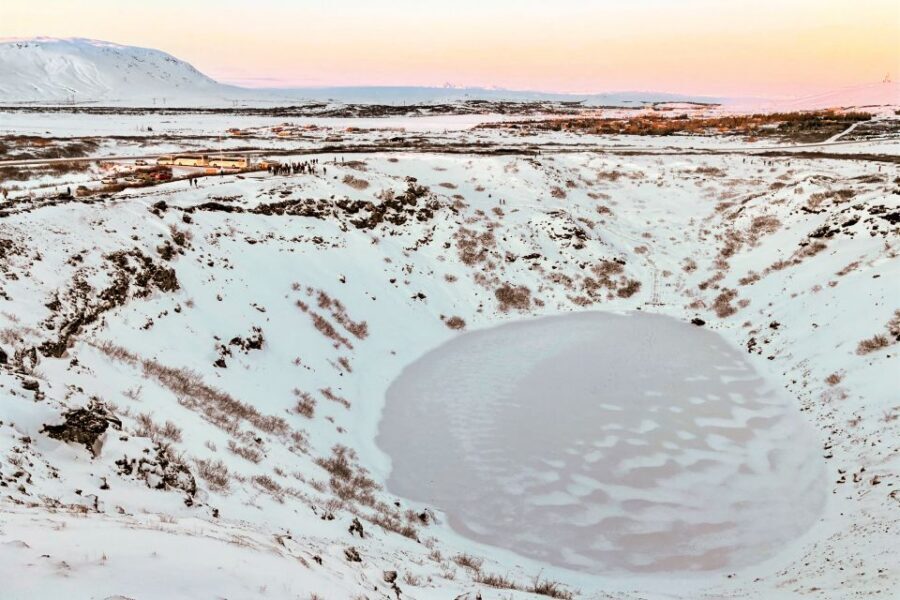
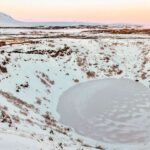
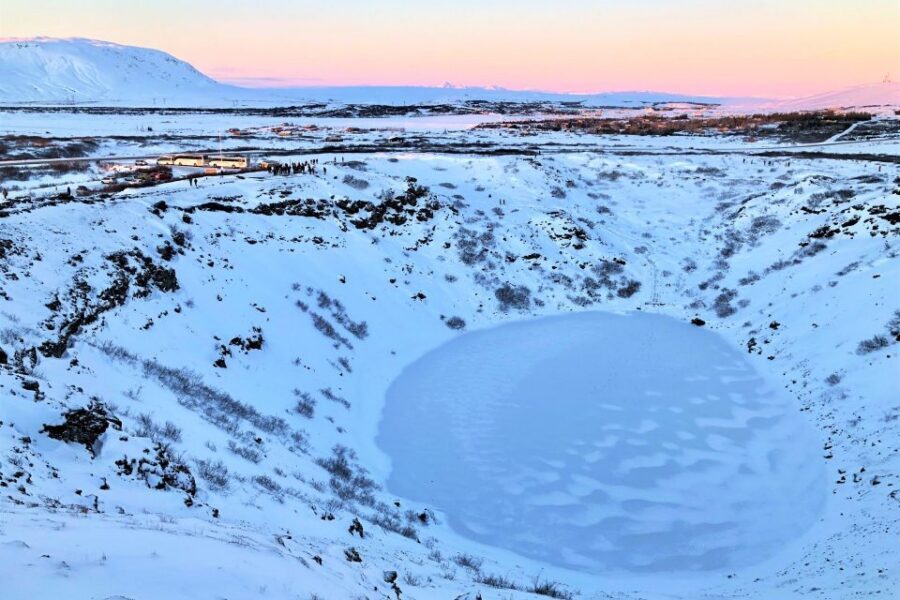
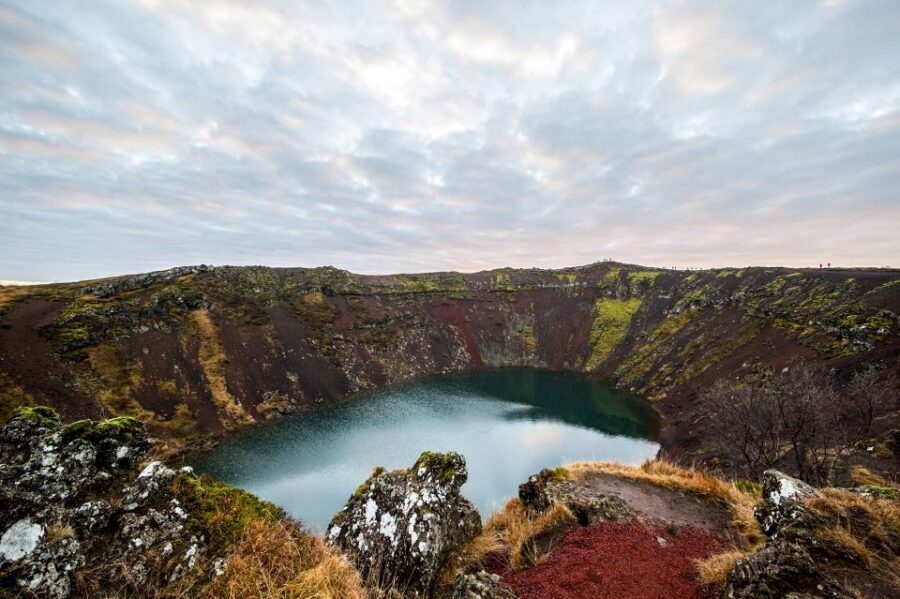
Kerið Crater is a nice contrast after Gullfoss. It’s shorter—about a half hour for visit, sightseeing, and getting your bearings—so it plays the role of a reset button.
You’ll be at a crater viewpoint, with a lake inside the crater. Even with limited time, it’s a visually different kind of Icelandic feature: not steam, not thunderwater, but a bowl-shaped volcanic relic with color and depth.
Because time is limited, you’ll want to keep your plan simple:
- take a few minutes to look from the main viewpoints
- decide whether you want to walk more or just photograph first
- then return so you don’t feel rushed when the bus time comes
This stop also helps because the afternoon has two big “big wow” moments already (geothermal and waterfall). Kerið is the moment where you can breathe, capture a different type of photo, and get ready for the return drive.
Timing and how to manage short stop windows
The schedule is built around multiple photo-and-walk moments plus transfer time in between. That means you’re not going to do long hikes. You’re going to see the headlines well, then move on.
In practice, the stops usually feel workable if you treat each one like a two-stage visit: quick arrival look, then a short walk or photo loop. Most guides run a tight ship and keep people returning on time, and that pacing is part of why the day works at all.
A common theme from real-world trip experiences is that the tour is well organized and the guides are generally good at timekeeping. Some departures had details like toilets onboard not being in use, and some had gaps like fewer options for charging devices. You can still enjoy the tour fully, but don’t rely on amenities that might not be there.
My advice: use the scheduled breaks when they happen, come prepared with snacks if you’re picky about food prices, and keep your phone battery topped up the night before. You’ll be happier when you’re not scrambling.
Guides, commentary, and the human touch
A guided day lives or dies by the person driving it. This tour is run with a live guide in English, and the best part is that commentary isn’t just facts read off a card.
You’ll likely hear plain-language explanations about the sights you’re seeing, plus context that makes Iceland feel less random. Names that come up in experiences include Heidi and Thor as a guide-driver team, Stoney for helpful direction, and Gary for extra Reykjavik tips. People also mention guides like Sara, Vic, and Noi for clear explanations and strong pacing.
If you want a day where you don’t have to think, that guide layer is what does it. You get told where to stand for the view, when to return to the bus, and what the key science or story is at each stop.
Price and value: how $79 makes sense for this route
At around $79 per person, this tour is priced for the value of not driving yourself. In Iceland, driving the Golden Circle on your own can cost time, fuel, and mental energy. Parking and admission can add up fast too, and you still have weather and road conditions to manage.
What you’re buying here is:
- transportation in a coach
- a live English guide
- a route that covers the big three: Þingvellir, Geysir/Strokkur, Gullfoss
- plus a bonus stop with Kerið Crater
- and optional hotel pickup for selected locations
Is it perfect value if you hate tight schedules? Not really. You pay for efficiency, which means some stops can feel just a bit short if you want long walks and slow photo time.
But if you want one afternoon that checks the Golden Circle boxes and you’d rather spend your energy on standing in the right places than figuring out routes, it’s strong value.
Who should book this Golden Circle afternoon tour
I’d book this if you:
- are short on time and want the core Golden Circle hits
- don’t have a car (or prefer not to drive)
- want guided context instead of reading signs in the wind
- like a clear plan that moves at a steady pace
I’d think twice if you’re the type who wants to linger for an hour at every viewpoint. This tour gives you enough time to see and photograph the main features, but it’s not a slow travel day. Also, be ready for the reality that the return drive can feel long, especially on a busy road day.
If you’re traveling in colder months, the bus between stops is a real comfort advantage. When weather flips, you’ll appreciate not being exposed the whole time.
Should you book it: my practical call
Yes, I think you should book this tour if your priority is seeing the Golden Circle’s big names in a guided, efficient way. The combination of Strokkur’s repeated eruptions, Gullfoss’s sheer drop, and Þingvellir’s plate-tectonics story is exactly what makes this route famous.
Book it with your eyes open about pacing. Bring layers, plan for short stops, and don’t count on extra time for slow wandering. If you do those things, you’ll get a satisfying afternoon that feels like Iceland, not just a checklist.
FAQ
How long is the Golden Circle afternoon tour from Reykjavik?
The tour duration is listed as 7 to 8.5 hours, depending on the starting time and selected option.
Where do you meet in Reykjavik?
The starting meeting point is Look for a blue/magenta sign saying Bus Stop 12, Höfðatorg (Þórunnartún 6, Reykjavík), on the opposite side of the Storm Hotel.
Which main sites are included?
You’ll visit Þingvellir National Park, the Geysir area (including Strokkur), Gullfoss Waterfall, and Kerið Crater as part of the afternoon loop.
What can I expect at Strokkur?
Strokkur is an active hot spring that spouts steaming water up to about 30 meters into the air and erupts roughly every 8 minutes.
Is the tour guide available in English?
Yes, the live tour guide language is English.
Is pickup from my hotel offered?
Hotel pickup is offered for selected hotels, and pickup is also available at official bus stops in central Reykjavik (and from the cruise port, if applicable). You’d indicate your pickup needs when booking.
Is this tour suitable for young children?
It is not suitable for children under 2 years.