REVIEW · REYKJAVIK
From Reykjavik: Golden Circle and Northern Lights Combo
Book on GetYourGuide →Operated by ICELANDIA · Bookable on GetYourGuide
Geothermal chaos by day, northern lights by night. This Reykjavík combo pairs the classic Golden Circle sights with a second, after-dark search for the Northern Lights, using guided stops and bus transport that keeps the “getting there” part from eating your whole day.
I love the raw, up-close energy at Strokkur in the geyser area, where you’re waiting for eruptions and learning how Iceland’s geothermal system actually behaves. I also love the way Þingvellir changes the mood, with the tectonic split between North America and Eurasia making the geology feel immediate, not textbook.
One drawback to plan for: the aurora hunt is weather dependent, and the evening can involve long, cold waiting with a crowd instead of a quiet, private viewing moment.
In This Review
- Key things I found most useful
- What This Reykjavik Golden Circle and Northern Lights Combo Really Delivers
- The Day Part: Geysir and Strokkur Hot Springs (and Why It Feels So Alive)
- Gullfoss Waterfall: The 32-Meter Drop That Changes Your Hearing
- Þingvellir National Park: Where the Earth Is Splitting (In Real Time)
- Reykjavik Break Between the Tours: How to Not Waste Time
- The Northern Lights Tour: What Aurora Hunting Feels Like in a Big Group
- Cold-Weather and Photo Tips That Actually Help
- Value: Is $165 Worth It for a 9-Hour Day and Night Combo?
- Who This Tour Fits Best (and Who Should Rethink)
- Should You Book This Reykjavik Golden Circle and Northern Lights Combo?
- FAQ
- Where is the meeting point in Reykjavik?
- How long is the tour from start to finish?
- Is food included during the day or the northern lights part?
- Is pickup and drop-off included?
- Will I definitely see the Northern Lights?
- What happens if I do not see the aurora?
- What should I wear for this tour?
Key things I found most useful
- Strokkur at Geysir gives you the best odds for an erupting geyser moment, right on the geothermal boardwalk area
- Gullfoss views come from multiple angles, including that intense plunge into a 32-meter crevice
- Þingvellir adds more than scenery: you can see the tectonic plates literally pulling apart
- A real break in the middle means you’ll be back in Reykjavík before the night tour starts
- No aurora guarantee means you should pack patience as well as layers
- Evening viewing is group-based, so expect multiple coaches and a parking-lot viewing setup
What This Reykjavik Golden Circle and Northern Lights Combo Really Delivers
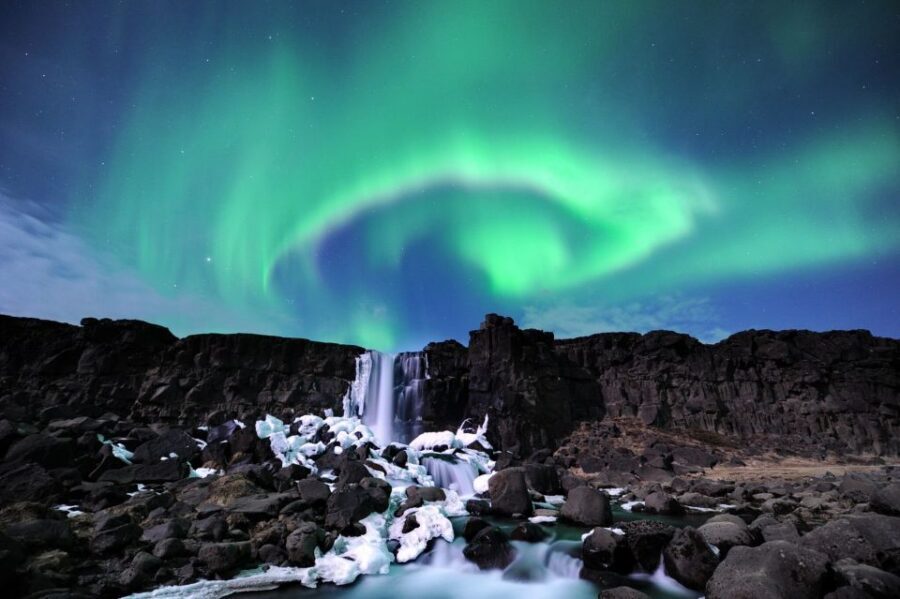
If your Iceland trip is short, this is a smart one-ticket way to cover two of the biggest hits in a single day: geothermal power by daylight and the aurora chance after dark. The tour runs 9 hours with a live English guide and transportation for the full flow, so you’re not stuck figuring out buses, timing, and winter driving yourself.
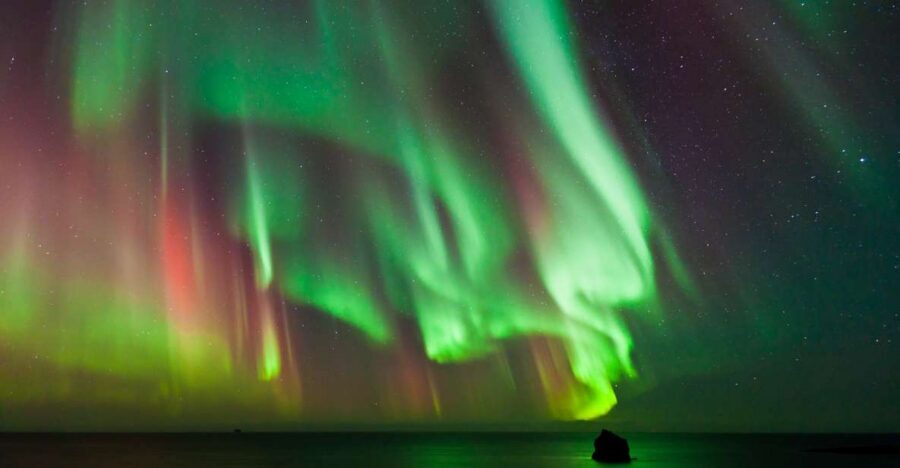
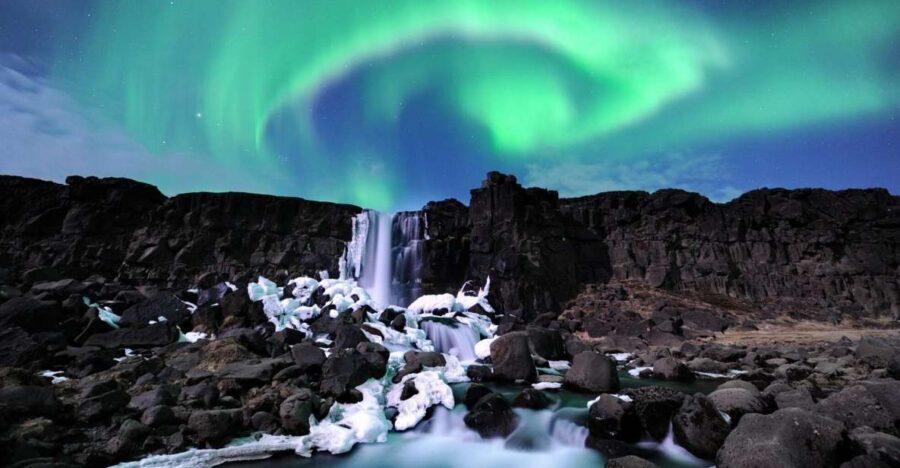
The day portion focuses on the Golden Circle core stops: the hot springs area of Geysir and Strokkur in the Haukadalur Valley, the roar of Gullfoss, and Þingvellir National Park. Then you return to Reykjavík for a few hours and go back out on a night bus tour to look for the Aurora Borealis, created when charged particles from the sun interact with the upper atmosphere.
In many departures, guides get high marks for storytelling and for turning geology into something you can picture. People have praised guides like Albert, Eric, Jonas, Niko, and Chris for explaining the Icelandic connections and for guiding you to good vantage points when the light changes.
You can also read our reviews of more tours and experiences in Reykjavik.

The Day Part: Geysir and Strokkur Hot Springs (and Why It Feels So Alive)
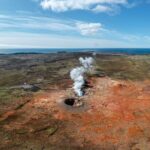
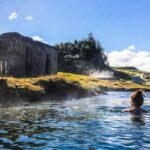
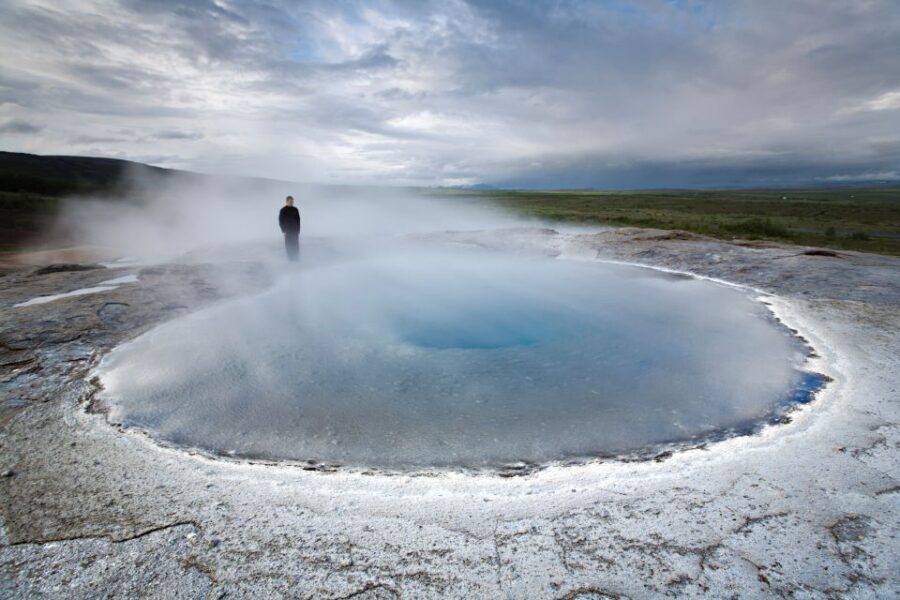
The geyser stop is where Iceland stops being a map and starts being a living machine. You’ll visit the Geysir and Strokkur area, and the big reason this part matters is simple: you’re in the middle of a geothermal zone where water, steam, and pressure cycles put on a show on their own schedule.
Here’s what you should expect in practice:
- You’ll spend time in the geothermal area around the hot springs and geyser fields, with places to stand and watch.
- You’re there mainly for the eruption moments. Strokkur is the one people look forward to because eruptions are more reliable than the original Geysir (which can be slower and more unpredictable).
- The air can smell strongly of sulfur, and the ground can feel steamy near vents. That’s normal. It’s part of the deal.
This is also one of the best stops for your camera and your senses at the same time. Even when photos look “cool but flat,” the sound and heat you feel right near the vents are what make it stick. Add a good guide, and you get the extra layer of meaning: how pressure and geothermal activity create the eruption rhythm.
Small reality check: it can be crowded and not very secluded. One recent run was described as having lots of coaches arriving for viewing, and you may see groups moving in sync around the same observation areas. You can still have an amazing experience here, but it’s not a private moment.
Gullfoss Waterfall: The 32-Meter Drop That Changes Your Hearing
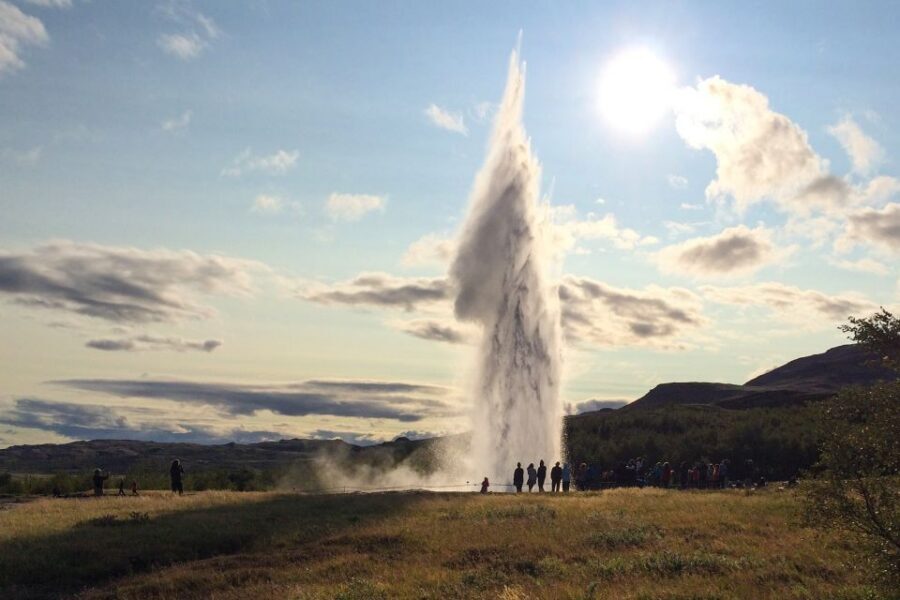
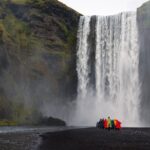
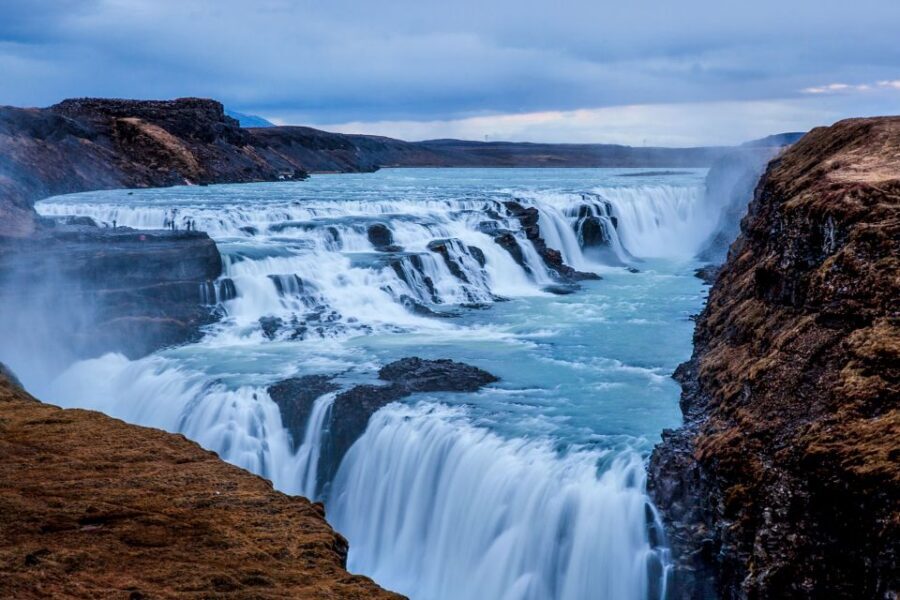
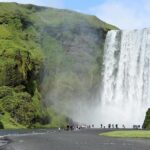
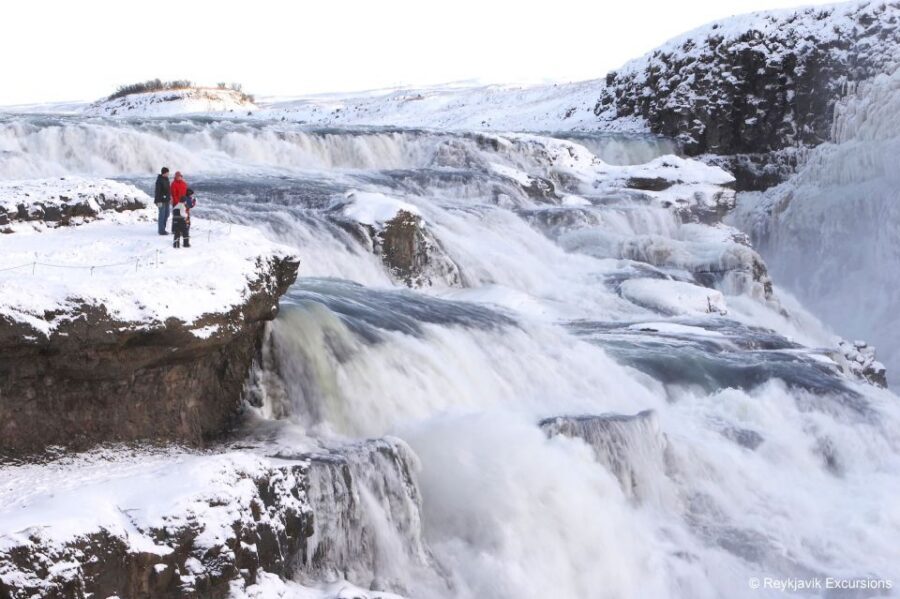
After the geothermal steam, Gullfoss hits you with something completely different: massive glacial-fed water power. You’ll hear the roar before you fully “see” it, then you’ll start noticing how the waterfall looks different depending on where you stand.
The key detail you should know before you go: Gullfoss is fed by glacial water from the Hvítá River, and the water plunges into a 32-meter deep crevice. That depth is part of why it feels so dramatic. It’s not just tall. It’s forcefully hidden and then released.
What I like about Gullfoss as a stop on this combo:
- Multiple viewing angles help you avoid the “one viewpoint and done” feeling.
- The soundscape makes the experience physical, not just visual.
- It works even when the day is cloudy or wintry, because the scale still reads clearly.
The practical side: bring warm layers and be ready for spray. Iceland weather can be moody, and even when it looks calm from the bus, the waterfall area can feel colder and wetter.
Þingvellir National Park: Where the Earth Is Splitting (In Real Time)
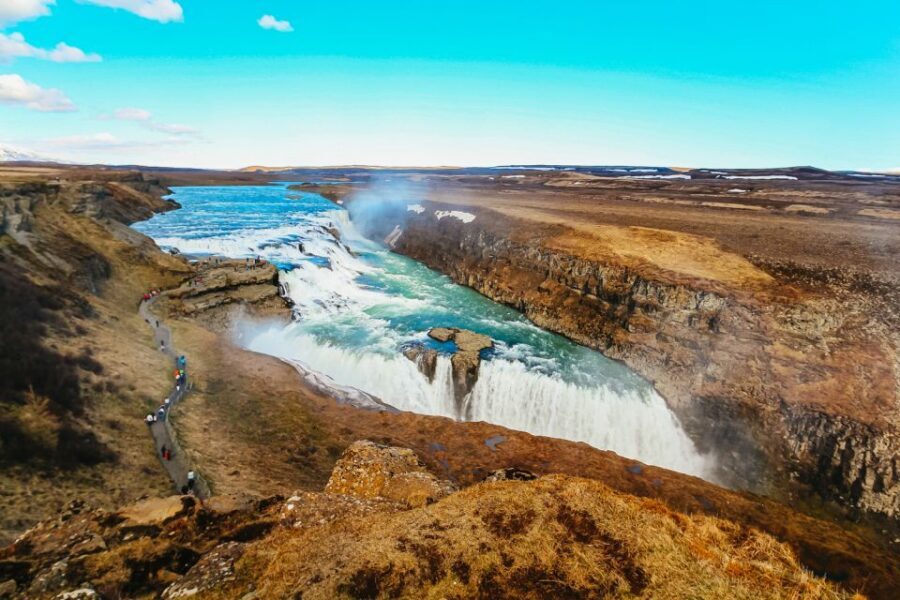
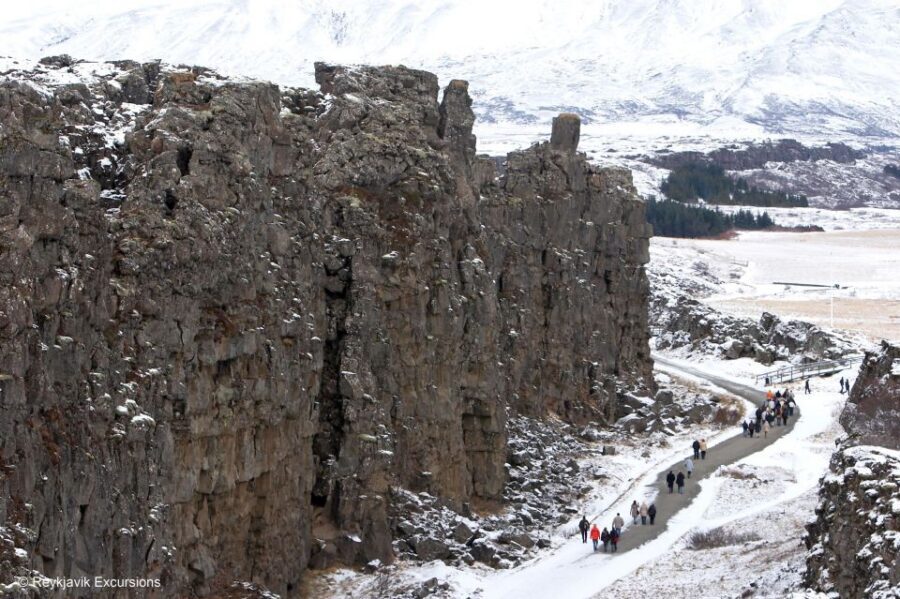
If you want your Golden Circle to be more than “pretty stops,” Þingvellir is the anchor. Here, you’re in a tectonic setting where the North American and Eurasian plates are pulling apart. That’s the kind of fact that would normally sound abstract, but the park makes it tangible.
In the day tour portion, you’ll spend time in Þingvellir National Park and learn what tectonic movement means for the landscape and the history of Icelandic settlement. The fissure setting is what turns the stop into a “wow, that’s why the ground is weird here” moment.
A couple of useful things to keep in mind:
- Expect wind. Þingvellir can feel colder than Reykjavik even on days that seem mild.
- Sturdy shoes matter. The ground can be uneven, and you’ll want secure footing for walking paths and viewpoints.
- This stop tends to be a favorite for people who like nature but also like explanations. You get both: the visuals and the why.
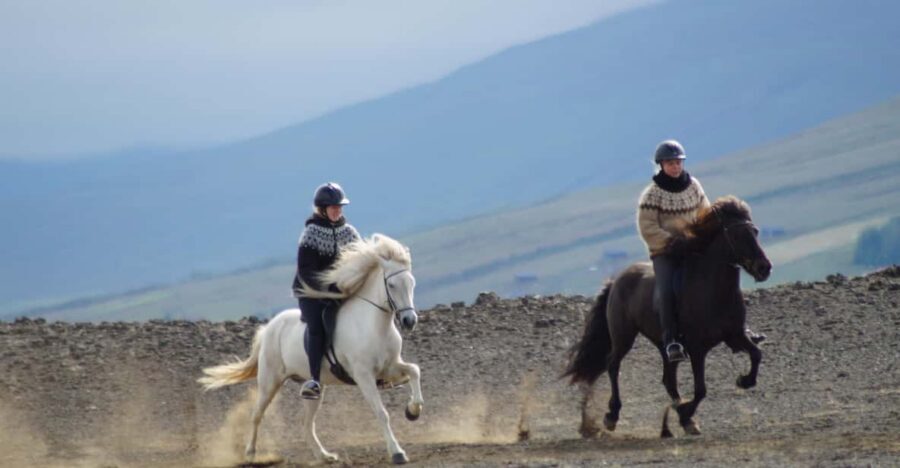
Some departures also include the lighter side of Iceland, like the occasional sight of horses in the broader area during the day portion. It’s not the headline attraction, but it can add a memorable, very Iceland feeling to your photos.
Reykjavik Break Between the Tours: How to Not Waste Time
This is the part that surprises people: you’re not constantly “on the move.” You’ll return to Reykjavík for a few hours at leisure before the northern lights portion starts.
That break can be a gift or a problem depending on your plan:
- If you plan ahead, you can eat something hot, recharge your phone, and warm up before the next bus ride.
- If you don’t, you may find food options near the meeting points are limited, pricier than you expect, and not very exciting.
One practical tip: pack a snack you’ll actually eat. This matters because the day stops can run long enough that you don’t always have ideal timing for meals between transfers. If you want a smoother day, bring something simple like nuts, a protein bar, or a sandwich you can tolerate cold.
Also, think battery. More than one person noted there weren’t USB chargers on the bus. That means your phone and camera battery should be treated like it’s precious cargo. Keep your phone power-saving mode on when you’re not actively using it, and don’t drain the battery hunting for Pokémon instead of the aurora.


The Northern Lights Tour: What Aurora Hunting Feels Like in a Big Group
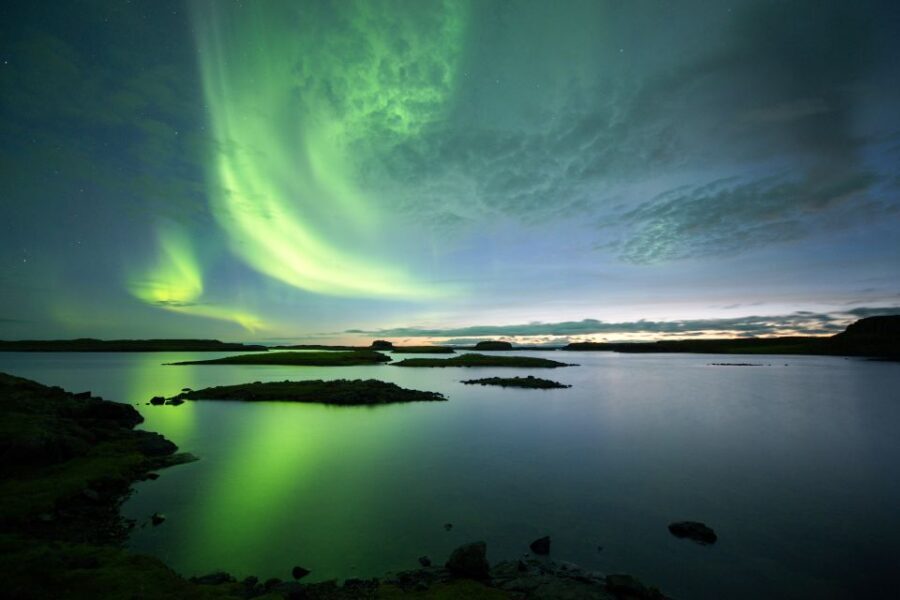
After dark, you head out again for the aurora search. The tour is weather dependent, and sightings can’t be guaranteed. The upside is that the company includes a no-lights remedy: if you don’t see the Aurora Borealis, you can join the tour again free of charge.
In terms of what the experience is like on the ground, here’s the realistic picture:
- You’ll likely drive away from Reykjavík toward darker skies, often around an hour outside the city.
- You’ll park in a viewing area and spend time outside waiting, sometimes for a couple of hours.
- The setup is group-based. One description mentioned the aurora tour working across several full coaches, so it’s not quiet or empty.
That’s where your mindset matters. If you treat it like a “we’ll stand here until it happens” situation, you’ll do fine. If you want constant action, you might feel bored. I’d call it patient tourism. Winter tourism. Layered patience.
What I found comforting in the way this tour is run is that guides use guidance like forecasting and cloud/sky conditions to plan. Some people appreciated improved aurora expectations and route choices, and in at least one case the guide made the call to continue the trip rather than assume failure. The goal is simple: maximize the chances without pretending you can control the sky.
When the lights do appear, even a weaker aurora can still look better on camera than with the naked eye. People have said the camera captured aurora that was faint to the eye, so bring your phone, but also bring your cold-weather gear.
Cold-Weather and Photo Tips That Actually Help
You’ll be outside for a significant portion of the day and again during the northern lights portion. That means clothing is not a suggestion. It’s your comfort plan.
What to wear:
- Sturdy shoes for walking and uneven ground at stops like Þingvellir
- Warm outdoor clothing in layers, including gloves and something for your ears
- A hat and a scarf, because Reykjavik wind can bite through “looks warm” outfits
One person reported getting down to about -16°C during the tours. Even if your day is milder, you don’t want your warm gear decision to be based on hope.
For photos:
- Expect that you may get better results from your camera than your eyes, especially with faint aurora.
- Manage battery. With no USB charging mentioned on board, your best friend is a charged device at pickup and power-saving when possible.
Value: Is $165 Worth It for a 9-Hour Day and Night Combo?
At $165 per person for 9 hours, this combo pricing makes sense because it bundles the hard parts:
- Transportation for both the Golden Circle loop and the after-dark aurora hunt
- A live English guide for interpretation and stop management
- The practical benefit of one organized day rather than splitting everything into multiple bookings and timing headaches
You’re also paying for odds, not certainty. The aurora is weather dependent, but you get a backup option if you don’t see it. That matters more than people think when Iceland is cloudy or foggy.
Where the value can feel less perfect:
- If you’re picky about having tons of time at each Golden Circle stop, this combo can feel tighter because it’s designed to fit a day tour plus an evening tour into one day.
- If you’re very food-focused, the middle Reykjavík gap can limit your meal options unless you plan for it.
Still, for many visitors, this is the sweet spot: you see the Golden Circle in daylight, and you don’t waste a separate night trying to coordinate everything.
Who This Tour Fits Best (and Who Should Rethink)
This is a great fit if:
- You’re on a first trip to Iceland and want the headline sights without self-driving
- You like guided explanations and want the “why” behind geysers and tectonics
- You can handle cold and waiting without getting grumpy
- You want one ticket that covers both day and aurora chances from Reykjavík
It might be less ideal if:
- You hate group logistics and would rather do a smaller, quieter aurora plan
- You want maximum daylight time at each Golden Circle stop and don’t want a mid-day rhythm break
- You’re the type who needs frequent bathroom stops and constant movement (the aurora portion involves waiting)
Should You Book This Reykjavik Golden Circle and Northern Lights Combo?
Yes, I’d book it if you’re trying to maximize time and you’re realistic about aurora conditions. The Golden Circle stops are built for first-timers and the interpretation is a major part of the payoff. The northern lights portion is the risk piece, but the tour offers a path to try again if you don’t see the lights.
If you’re going, do two things and you’ll feel prepared: dress for real winter temperatures and plan for downtime between the day and night parts. Then even a weak aurora night can still feel like a win, because Iceland isn’t about control. It’s about showing up, bundling up, and letting the sky do what it does.
FAQ
Where is the meeting point in Reykjavik?
You meet your guide at the main departure point for Reykjavík day excursions at the BSI bus terminal. Arrive 15 minutes early.
How long is the tour from start to finish?
The combined experience runs for 9 hours total.
Is food included during the day or the northern lights part?
No. Food and drinks are not included.
Is pickup and drop-off included?
Pickup and drop-off are not included. Optional pickup may be available if you choose it, and you should be at your pickup point at least 30 minutes before departure.
Will I definitely see the Northern Lights?
No. The northern lights tour is weather dependent and sightings cannot be guaranteed.
What happens if I do not see the aurora?
If you do not see the lights, you can join the northern lights tour again free of charge.
What should I wear for this tour?
Wear sturdy shoes and warm outdoor clothes in any season. Layers are important because you’ll spend time outside in winter conditions.