REVIEW · REYKJAVIK
From Reykjavik: Golden Circle and Northern Lights Tour
Book on GetYourGuide →Operated by Gray Line Iceland · Bookable on GetYourGuide
Golden Circle and the Northern Lights in one day sounds like a lot. And it is. The payoff is that you get the big-name Iceland sights by day (Thingvellir, geysers, Gullfoss) and then chase aurora magic at night with a guide who helps you work the sky, not just stare at it.
I like how the tour pairs two iconic seasons-long experiences into one organized rhythm. I also love the practical touches that make night chasing easier, like the Northern Lights guide, plus instructions for setting up your camera before you get out in the cold. One possible drawback: aurora hunting depends on weather, so you’re not buying a guaranteed show.
In This Review
- Key things to know before you go
- Why this Reykjavik combo tour feels like the best kind of chaos
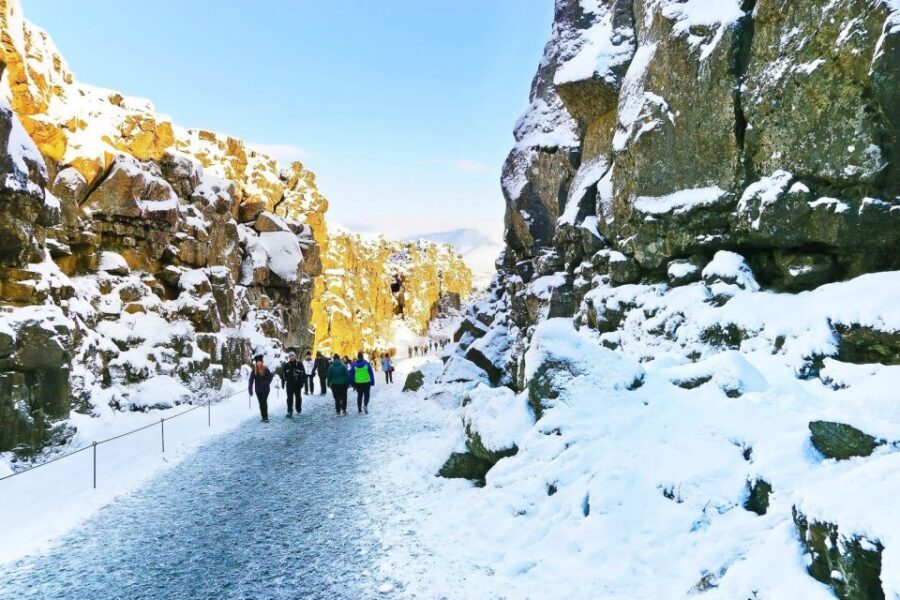
- Entering Þingvellir National Park: the rift you can actually walk through
- Geysir geothermal area: seeing hot spring action up close
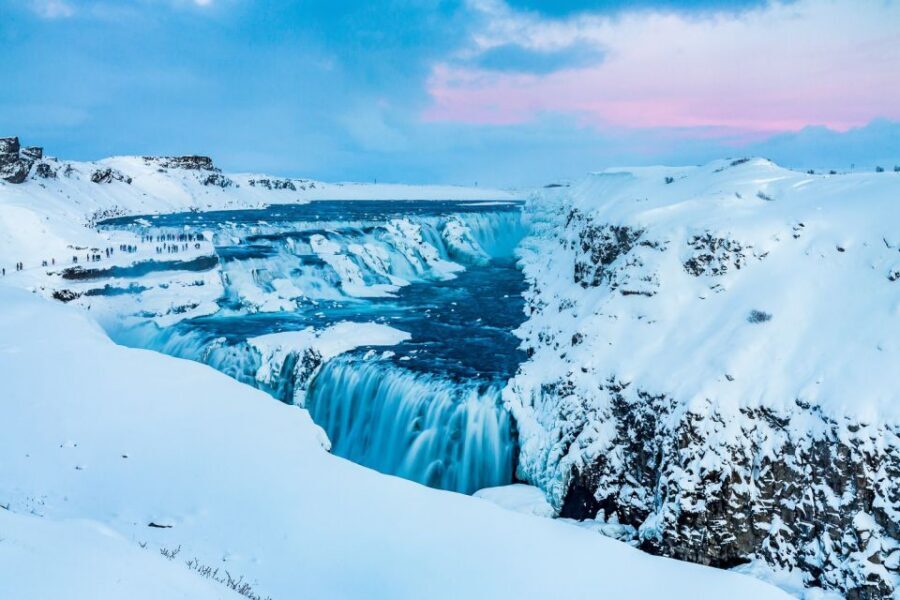
- Gullfoss waterfall: the 32-meter drop that steals your focus
- The in-between time in Reykjavik: why the schedule matters at night
- Northern Lights hunt: a trained guide, a real camera lesson, and patient waiting
- What the bus and seat setup gives you (and what it doesn’t)
- Price and value: is $153 fair for a day + night combo?
- What to wear and bring for winter aurora hunting
- Guide vibe: why personalities matter more than you think
- Small reality check: auroras can be faint or delayed
- Should you book the Golden Circle and Northern Lights combo from Reykjavik?
- FAQ
- Where does the tour start from in Reykjavik?
- Is hotel pickup included?
- How long is the tour?
- What do you visit during the Golden Circle portion?
- What time does the Northern Lights part run?
- Are the Northern Lights guaranteed?
- What’s included in the tour price?
- What should I bring for the audio guide and for the night?
Key things to know before you go
- Golden Circle sights on a tight, scenic loop: Þingvellir, Geysir geothermal area, and Gullfoss get real time for photos and walking.
- Northern Lights run in defined nighttime windows depending on the season, with a trained guide and camera help.
- Wi‑Fi and USB charging at your seat makes the long day easier than you’d think.
- The audio guide is multilingual, but you’ll need your own headphones.
- Expect real winter conditions: waterproof boots and warm layers aren’t optional.
Why this Reykjavik combo tour feels like the best kind of chaos
This is a two-part day: iconic geology by daylight, then a winter-night search for the Aurora Borealis. It works because the Golden Circle is the easy win in the morning (clear sights, planned stops), while the aurora part is the higher-stakes gamble at night. That mix means you’re not stuck with a day that depends entirely on clouds.
During the day, you’ll get the classic Iceland triangle: Þingvellir’s tectonic rift, the geothermal drama around Geysir, and Gullfoss’s thunder. At night, you switch gears to patience, darkness, and sky photography. Some guides bring humor and storytelling (I’ve seen names like PJ and Lauren show up in accounts of excellent vibes), and that matters on a long day when you need everyone to keep moving.
If your biggest goal is a relaxing, slow-paced nature walk, this tour might feel a bit busier than you want. But if you want high impact with solid guidance, it’s a strong format.
You can also read our reviews of more tours and experiences in Reykjavik.

Entering Þingvellir National Park: the rift you can actually walk through
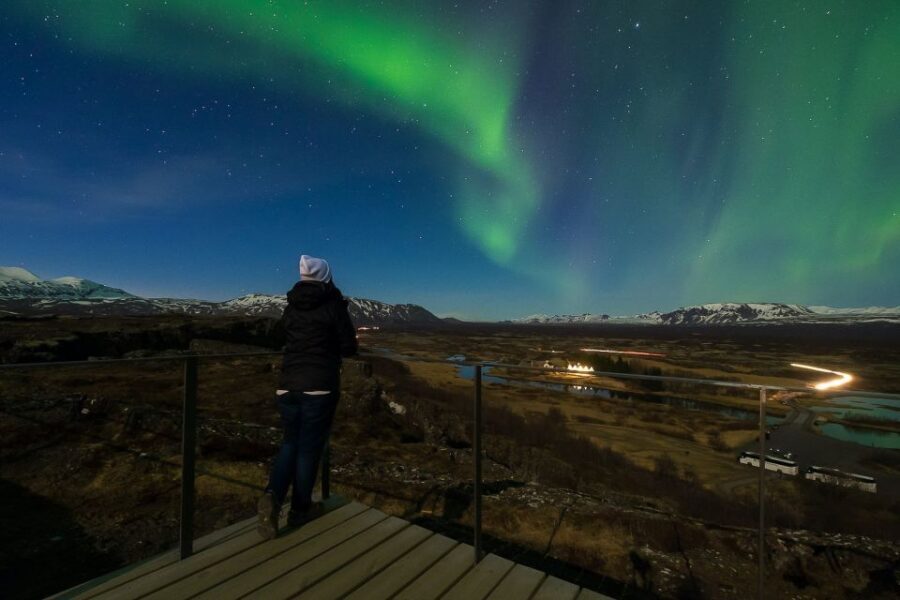
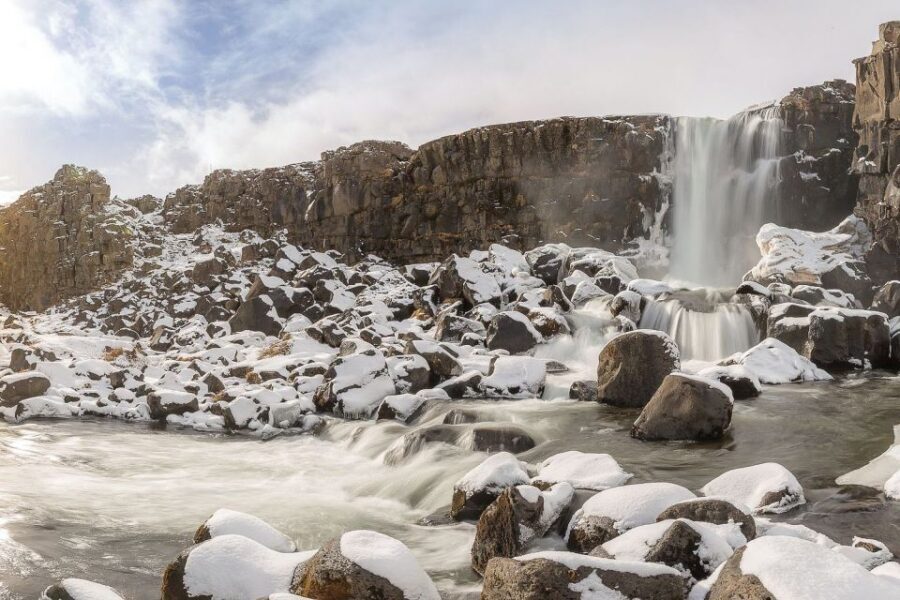
Þingvellir is one of those places where the scenery has an actual point. The tour focuses on the tectonic rift where the North American and Eurasian plates are being pulled apart. That’s not just a fun fact—it’s why Þingvellir feels different from a waterfall stop or a viewpoint stop.
You’ll make a photo stop and get sightseeing time (about 45 minutes at this stop). That’s long enough to get oriented, walk a bit, and take photos without feeling like you’re speed-walking through history. And because this is the “walk through the past” moment, it’s often where guides slow down the pace to explain what you’re seeing. In accounts of great guiding, names like Karen and Christina have come up, with guests describing clear explanations along the way.
Practical drawback: weather can make standing still uncomfortable fast. If it’s windy or wet, prioritize waterproof footwear and keep moving between viewpoints.
Geysir geothermal area: seeing hot spring action up close

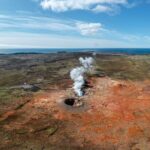
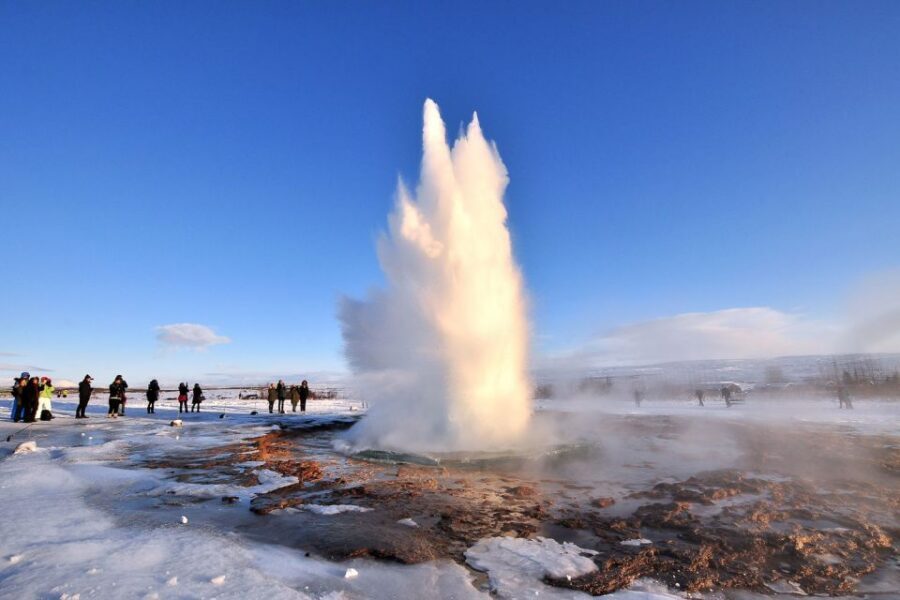
After Þingvellir, the tour heads to Geysir, with about an hour that includes a photo stop, sightseeing, and break time. This is your “watch the earth work” segment: geothermal steam and erupting hot spring activity.
One of the best moments people recall is seeing Stókkur erupt (in some cases described as every 6 to 8 minutes). Even if your timing isn’t perfect, the geothermal area is still visually intense—steam, bubbling ground features, and that unmistakable feeling that nature is running a different schedule than the rest of the world.
What I like here is that you’re not asked to do anything complicated. You look, you photograph, you breathe the air that smells like it means business, and you take the break when you can. One common complaint I’ve seen with Iceland day tours is not enough restroom time; this stop is structured with break time, so you’re less likely to feel stuck.
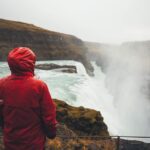
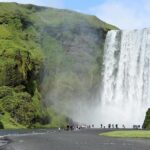
Gullfoss waterfall: the 32-meter drop that steals your focus
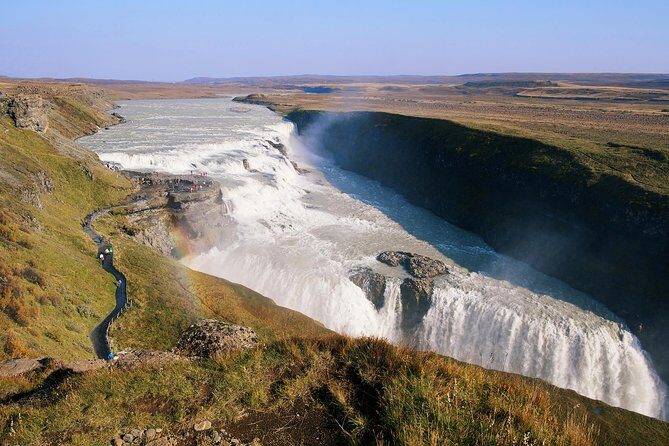
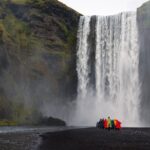
Then you get to Gullfoss—probably the most iconic single “turn your brain off and just watch” stop on the Golden Circle. The tour gives you about an hour for photo stops and sightseeing here.
The key detail: it’s fed by a glacial river, and it thunders about 32 meters into a canyon. That’s a big enough drop that your photos won’t capture the full roar. In person, you’ll feel the spray, and you’ll understand why Iceland tours keep coming back to this waterfall.
Balanced expectation: this is a popular stop, so plan on crowds and extra noise. If you want solitude, you may not find it here on a bus tour day. But if you want the moment everyone talks about, this is it.
The in-between time in Reykjavik: why the schedule matters at night
The tour includes time back in Reykjavik, including free time and a guided Reykjavik segment with sightseeing (a longer guided block is listed on the schedule, plus photo time). The overall structure is designed so you can eat before going out again at night.
This matters more than people think. Northern Lights hunting is easiest when you’re not hungry, not rushed, and not mentally drained. A combo tour like this tries to solve that with a break window (often 3 to 6 hours) so you can get dinner and regroup before the dark.
One smart tip from the way this tour is commonly run: treat the break as part of the experience. Charge your devices. Check your layers. Grab something warm to drink. Aurora nights reward people who prepared earlier, not people who panicked at 9:30 pm.


Northern Lights hunt: a trained guide, a real camera lesson, and patient waiting
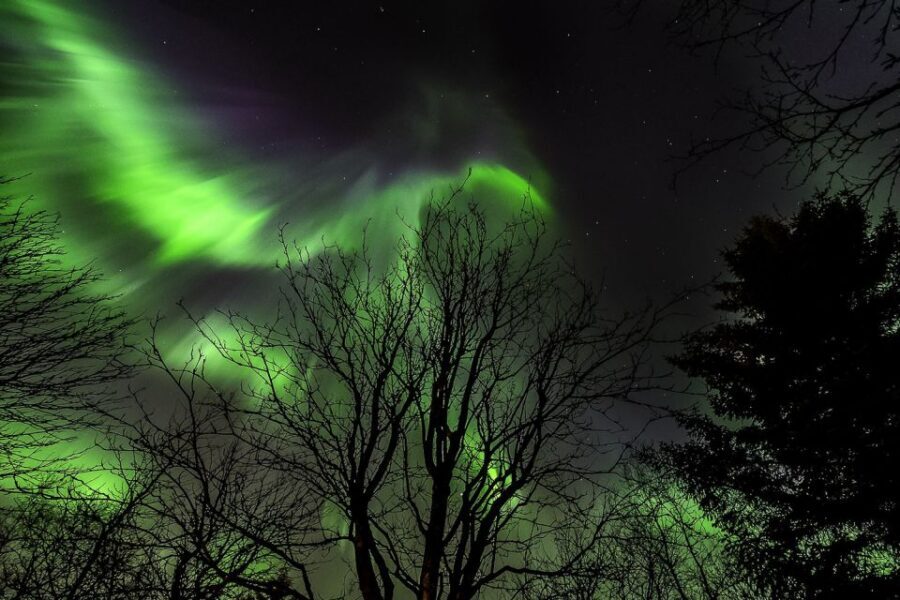
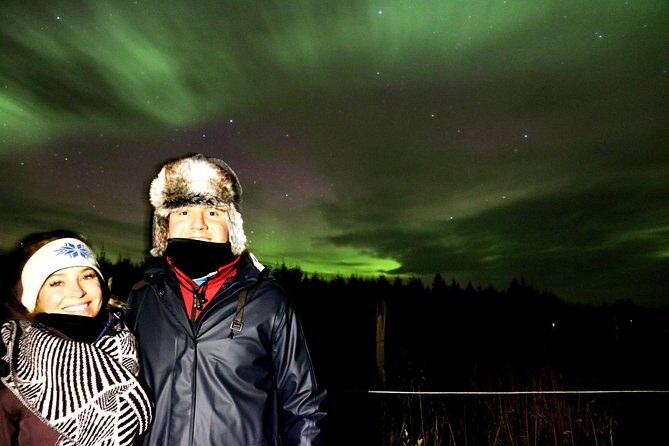
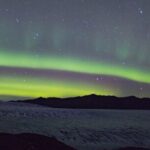
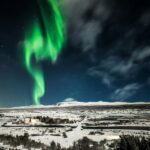
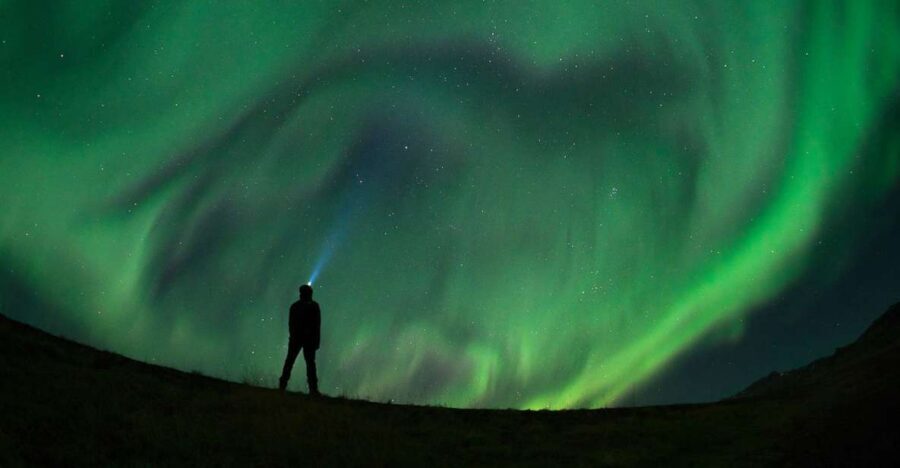
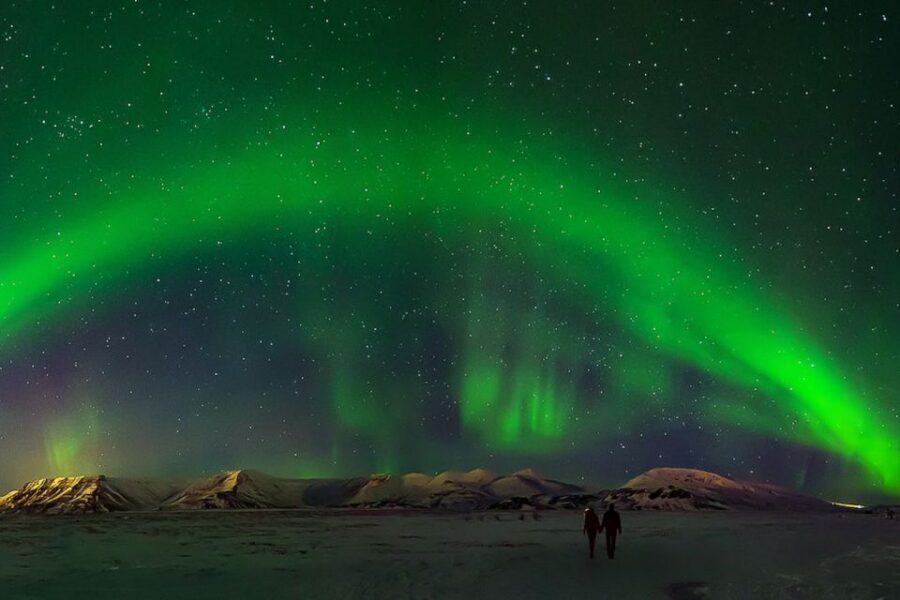
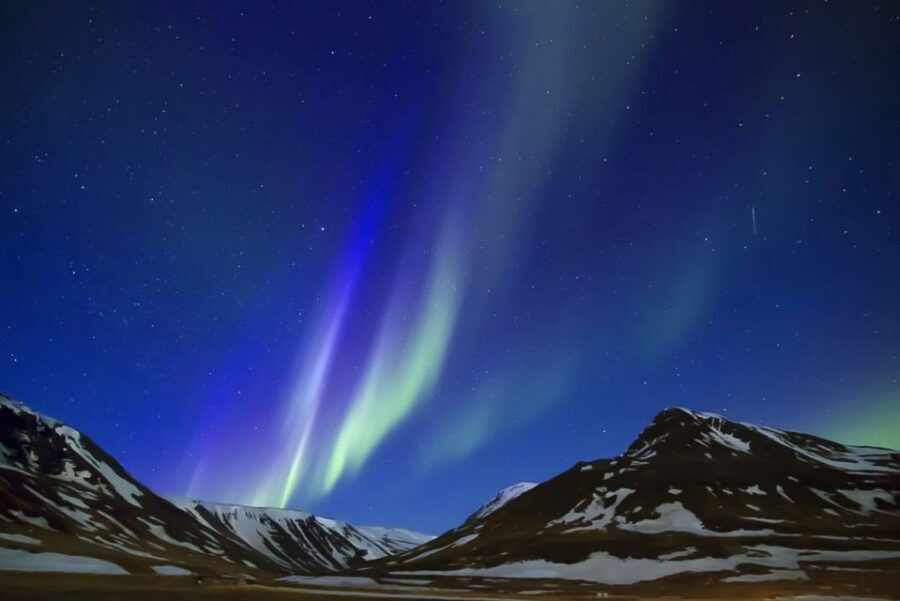
Night in Iceland is a different planet. The tour runs Northern Lights operations from 21:00 to 00:00 in the main winter season (October 1 to March 14), and from 22:00 to 01:00 in late summer/early fall and mid-March to mid-April ranges. The big point: you’re going out during proper darkness windows, and your guide is working off visibility and weather.
The guide component is not just narration. You get instructions on how to set up your camera to capture the night sky. That’s huge if you’ve never shot auroras before, because the difference between an okay photo and a strong one is often settings, not luck.
What the night feels like can vary. Some accounts describe nights where the group stays at a single viewing spot for a couple hours, while the guide scans the sky and calls everyone in when conditions shift. Other accounts mention success that came only after a longer wait—then the aurora shows up and suddenly everyone’s standing straighter, like someone turned the volume up on the universe.
A balanced truth: you might see aurora clearly, you might see it faintly, and you might not see it at all. Weather is the boss. I’ve seen stories where the first attempt was clouded over and then a later night worked, and I’ve also seen nights where the lights appeared near quitting time. That’s why patience is part of the ticket.
What the bus and seat setup gives you (and what it doesn’t)
This is a coach-based day, and comfort affects your whole experience in winter. Here’s what you’re getting that helps in practice:
- Wi‑Fi and a USB charger for each seat
- An audio guide available via an app in multiple languages (including English, French, German, Italian, Japanese, Korean, Spanish, and more)
- A guide for the Golden Circle portion, plus a specially-trained Northern Lights guide at night
Two practical notes. First, the audio guide needs headphones, and headphones are not included. Second, bringing good cold-weather habits helps more than you’d expect: keep layers accessible, use the restroom early, and keep your hands free so you can adjust gloves and camera straps quickly.
Also, bus temperature can matter. One account highlighted that the ride stayed comfortable rather than painfully hot. In Iceland winter, that kind of basic comfort can make the difference between enjoying the day and feeling drained.
Price and value: is $153 fair for a day + night combo?
At $153 per person, this combo isn’t cheap, but it’s also not trying to nickel-and-dime you with constant add-ons. The value case is simple:
1) You’re paying for organized transport between multiple major stops.
2) You’re paying for real-guided time in the morning and aurora expertise at night.
3) You’re saving stress versus renting a car and handling night logistics yourself.
One booking account noted that doing the combo saved money compared with buying two separate tours (about £30 each). Your exact savings will depend on what you price locally, but the logic holds: combining the itinerary often costs less than piecing it together.
When $153 is best value: if you want the Golden Circle without driving, and you still want to increase your odds for Northern Lights by using a guide and proper night timing. When it’s not: if you’re only interested in the aurora and you’re willing to accept solo driving risks and cold-weather equipment learning on your own.
What to wear and bring for winter aurora hunting
I’ll say it plainly: dress like you’re going to be outside for hours, because you might be. The tour explicitly asks you to wear warm, waterproof clothes, including a waterproof jacket and pants, plus headwear and gloves. Good outdoor shoes matter because you’ll be standing, walking between viewpoints, and likely waiting.
From real cold-weather accounts tied to this style of tour, temperatures at the viewing site can get very harsh (examples included around -17°C). That’s why you shouldn’t plan on staying comfortable in thin layers and optimism.
Bring:
- Waterproof boots with grip
- Gloves and a hat you won’t regret
- A warm outer layer you can keep on
- Your own headphones if you want audio guide help
For camera people, bring what you use and set it up early. The guide instructions help, but your gear setup still has to be doable with cold fingers.
Guide vibe: why personalities matter more than you think
This tour uses guides for both daytime and night segments, and that influences how the day feels. In real accounts, guides named PJ and Lauren show up for positive energy and humor. Other names like Karen, Christina, Kirsti, and August are also associated with good organization and strong communication.
So here’s the useful takeaway: you want a guide who manages the group without rushing the sights, especially at Golden Circle stops where photo moments tempt everyone to sprint ahead. And at night, you want someone who keeps the group patient, repositioning only when conditions shift. That kind of calm leadership shows up in the stories where auroras were found after a slow start.
Small reality check: auroras can be faint or delayed
Even with good timing and a trained guide, auroras are natural and unpredictable. Some nights bring strong, visible displays. Other nights bring faint color that’s easier in photos than to your naked eye.
There’s also the possibility of cancellation or rescheduling when clouds dominate. It’s not a promise problem—it’s just the sky behaving like the sky. If you’re on a tight schedule, consider building flexibility around winter weather.
Should you book the Golden Circle and Northern Lights combo from Reykjavik?
Book it if you want maximum structure, minimal planning, and you’re okay with the aurora being weather-dependent. This is especially worth it if you’re not renting a car and you want both the day’s geology and the night’s sky chase handled for you.
Skip this combo if you want a more intimate Northern Lights format with lots of short moves to new spots, or if you’d rather keep the day super relaxed and don’t like the idea of an all-in long schedule.
My “best fit” recommendation: couples, solo people, and small groups who want the big Iceland hits without driving—and who are excited to learn how to photograph the Northern Lights even if the sky tests your patience once or twice.
FAQ
Where does the tour start from in Reykjavik?
The meeting point is BSI Bus Terminal. You should arrive at least 15 minutes before departure.
Is hotel pickup included?
Hotel pickup is included if you select the pickup option. Otherwise, you’ll start from BSI Bus Terminal. Pickup points are spread across Reykjavik.
How long is the tour?
The duration is listed as 9 hours.
What do you visit during the Golden Circle portion?
You’ll visit Þingvellir National Park, the Geysir geothermal area, and Gullfoss Waterfall.
What time does the Northern Lights part run?
Northern Lights are operated from 21:00–00:00 (October 1–March 14) and 22:00–01:00 during other specified date ranges (late August–late September and March 15–April 15).
Are the Northern Lights guaranteed?
No. The tour searches for auroras depending on weather forecast and visibility conditions, so results can vary.
What’s included in the tour price?
Included items cover hotel pickup/drop-off if selected, a Golden Circle local guide, a specially-trained Northern Lights guide, Northern Lights camera setup instructions, Wi‑Fi and a USB charger at each seat, and a multilingual audio guide via an app.
What should I bring for the audio guide and for the night?
Headphones are not included for the audio guide, so bring your own. For the Northern Lights portion, wear warm, waterproof clothing and good outdoor shoes.