REVIEW · HUSAVIK
Húsavík: Big Whales and Puffin Island Speedboat Tour
Book on GetYourGuide →Operated by Husavik Adventures · Bookable on GetYourGuide
A fast boat in whale country changes everything. This Húsavík RIB speedboat tour gets you out into Skjálfandi Bay fast, so you can react quickly when a whale surfaces. I love how the guides focus on both excitement and marine-life respect, including safety and how close you can reasonably get.
You also get the best bird stop in the area when the season lines up: Lundey (Puffin Island). My other favorite part is the up-close feeling you get on a small boat, plus the guide’s stories that turn random sightings into real animal behavior. The main drawback to consider is simple: it’s cold and wet out there, and you’ll want real cold-weather clothing skills (and good gloves).
In This Review
- Key things to know before you go
- Why Húsavík and Skjálfandi Bay are prime whale territory
- Puffin Island timing: April 15 to August 20
- The RIB ride: speed, safety, and why close sightings happen
- What you actually do on the water: Skjálfandi, Lundey, and the fossil peninsula views
- 1) Departing Húsavík and the safety briefing
- 2) Skjálfandi Bay search: whales, dolphins, and photo moments
- 3) Lundey (Puffin Island): photo stop and a guided look at the birds
- 4) Tjörnes peninsula scenery and natural history context
- Warm gear and what to bring (because cold is real)
- Price and value: is $198 per person worth it?
- Who this tour is best for (and who should skip it)
- Booking tips that make a difference on the day
- Should you book the Húsavík Big Whales and Puffin Island Speedboat Tour?
- FAQ
- How long is the Húsavík Big Whales and Puffin Island Speedboat Tour?
- When can I see puffins on this tour?
- What’s included in the price?
- What should I bring with me?
- Is there a minimum age for this tour?
- What if the tour gets canceled due to weather?
Key things to know before you go
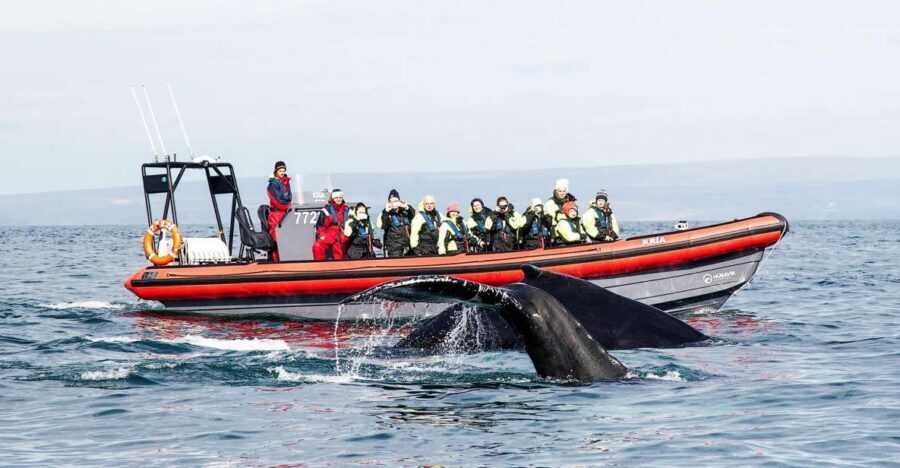
- Small-group RIB rides (up to 12 seats): easier sightlines and more chances to see whales from both sides of the boat.
- Skjálfandi Bay is a repeat hotspot: the area can host more than 10 marine species in the year.
- Lundey Island puffins are seasonal: ca. April 15 to August 20; outside that window you’ll do big whales only.
- Warm water-resistant overalls are provided: Iceland law requires them, and they make a huge difference.
- Guides help you spot and understand: many trips include close whale moments with strong safety routines.
- You must plan for real ocean conditions: bring hat and gloves, and expect choppy water at times.
Why Húsavík and Skjálfandi Bay are prime whale territory
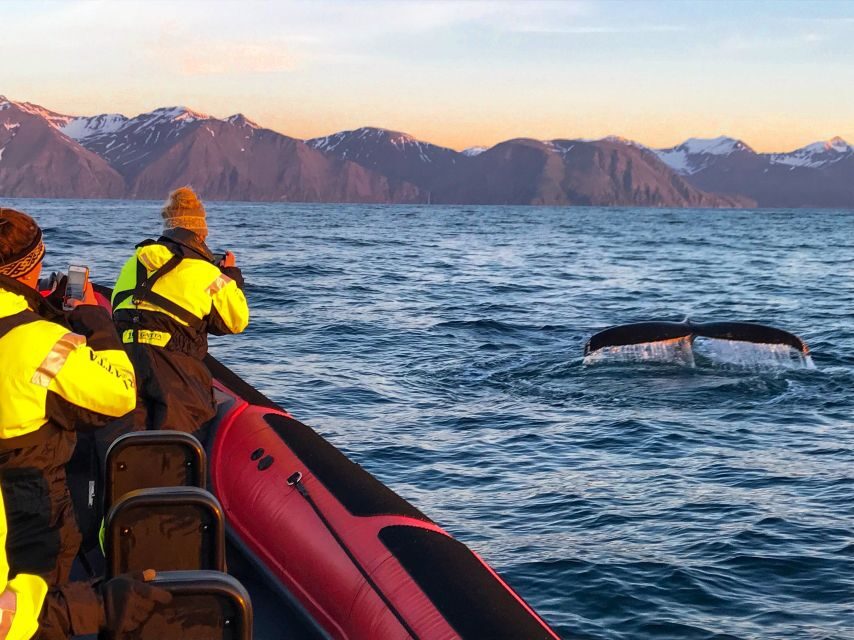
Húsavík is one of Iceland’s best places to chase whales, and the reason is local geography. You’ll work the waters around Skjálfandi Bay, a region known to host multiple whale and dolphin species during the year.
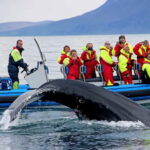
From the start, the tour’s format matches the reality of whale watching: animals move, and you need to move with them. That’s exactly why a rigid inflatable boat (RIB) matters. When a whale shows up somewhere else, the captain can reposition quickly, often faster than larger tour boats can.
You can also read our reviews of more whale watching tours in Husavik
Puffin Island timing: April 15 to August 20
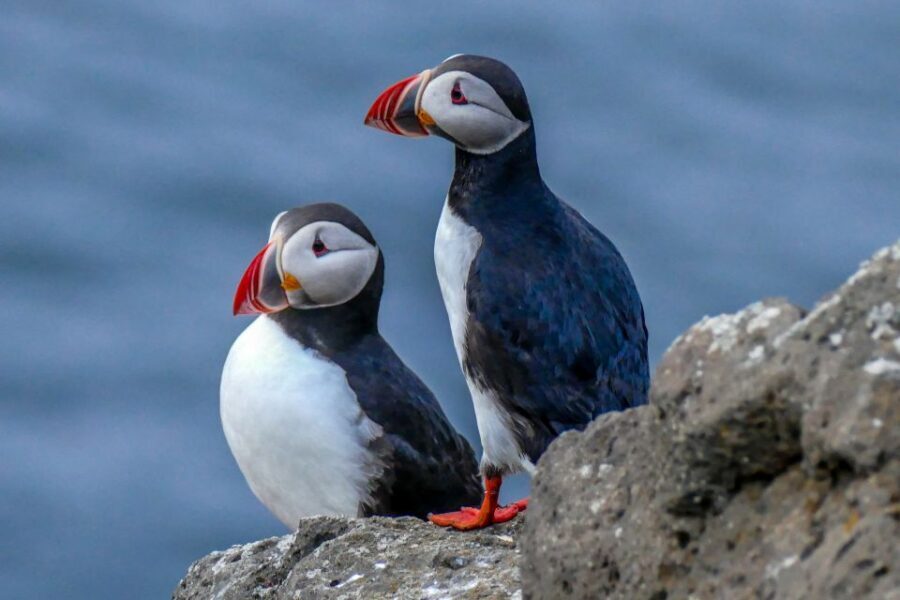
If you’re coming for puffins, the calendar is everything. Puffin season runs about April 15 through August 20, and when you’re in that window, your route includes Lundey (Puffin Island).
Lundey is famous for the sheer number of puffins you can see close to the island, and you’ll typically get a photo stop and a guided look there. Outside puffin season, you still go out on the water, but it becomes a big whales-only experience. In other words, you’re not wasting time if puffins aren’t available, but your bird expectations should match the date.
The RIB ride: speed, safety, and why close sightings happen
This tour is built around one idea: when whales surface, time matters. A faster boat means you can sometimes close the distance quickly, and it also helps the guides get you to the right spots without losing the moment.
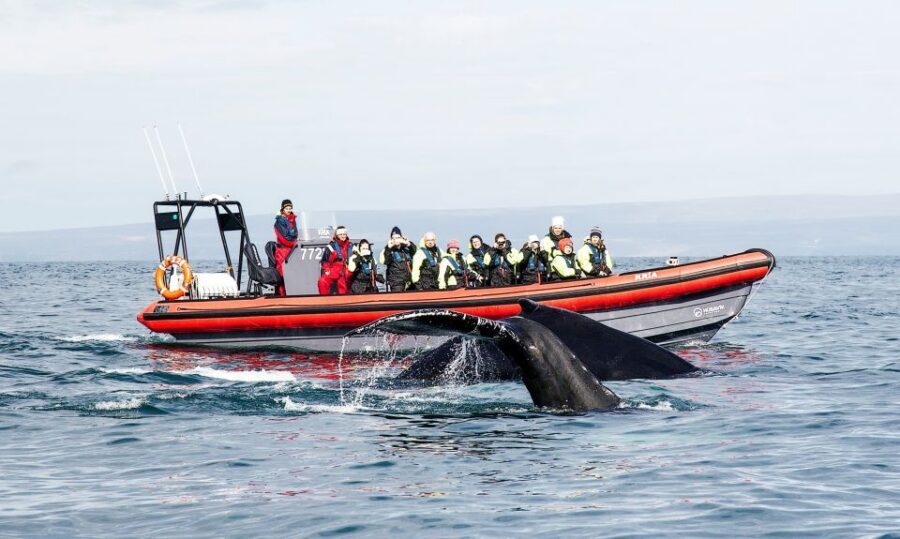
On several trips, guides have helped passengers get very close while still keeping a responsible distance. One account notes being within about 50 meters during feeding dives, with time alongside whales afterward. You’ll feel the thrill of motion and wind, but you also get structure: you’re not just tossed on a boat and told good luck.
Safety is a real part of the experience here. You’ll get a safety briefing before heading out, and you’ll wear a life vest plus the required cold-weather gear. Names you may hear in the field include guides like Austin, Ignacio, Zina, and Inaki (Iñaki), and many people highlight how professional the captain and crew were in steering and positioning.
What you actually do on the water: Skjálfandi, Lundey, and the fossil peninsula views
This is a 2-hour tour that packs a lot into a short window. You start in Húsavík at Hafnarstétt 11, with a briefing and gear check, then you head out across the bay in search of marine life.
1) Departing Húsavík and the safety briefing
Before anyone chases whales, you’ll do the practical stuff: fit, safety briefing, and getting everyone oriented. This matters because the ride can be choppy, and knowing how to handle cold wind and movement makes the whole trip more enjoyable.
If you’re the type who worries about weather conditions, this is where you’ll feel better. You’ll also learn what to do if visibility drops or if conditions force a change in route.
2) Skjálfandi Bay search: whales, dolphins, and photo moments
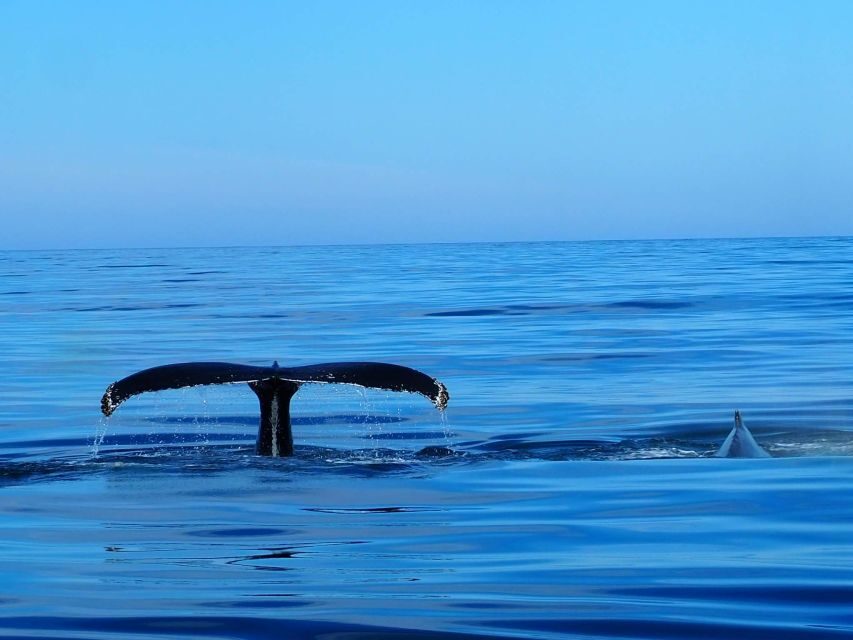
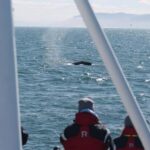
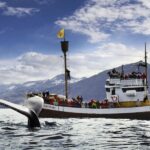
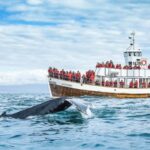
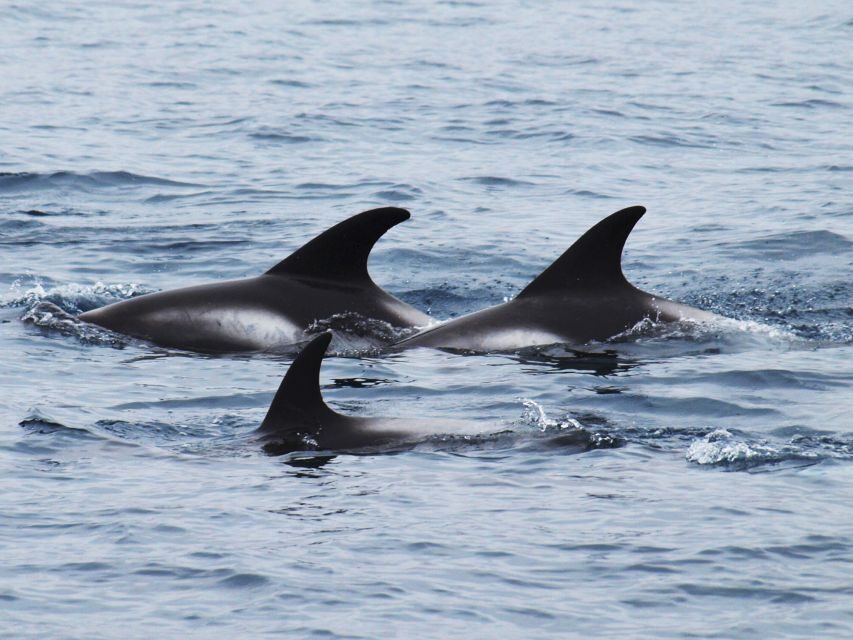
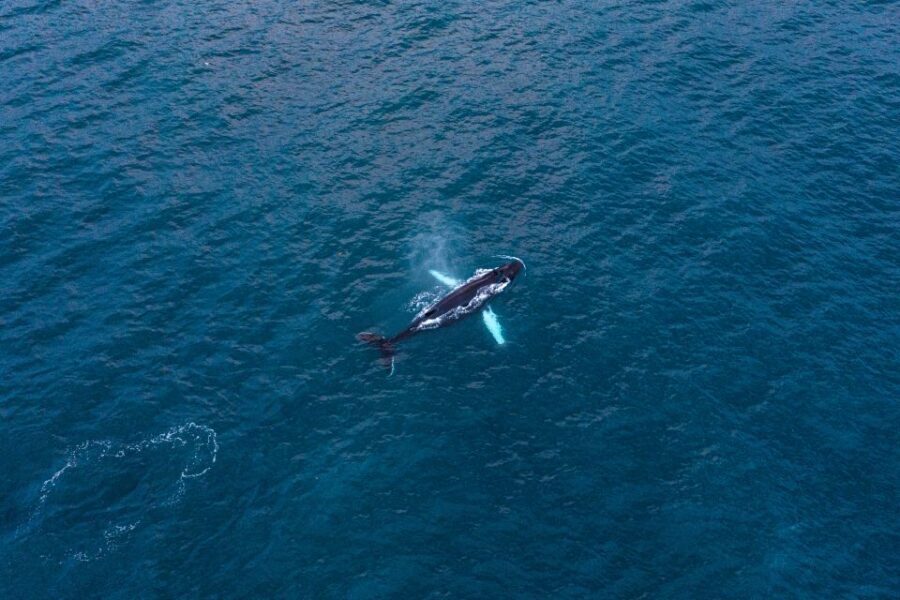
Once you’re out on Skjálfandi Bay, the crew starts scanning for surfaces and tells you what they’re looking for. Multiple species are known to show up in this area, including humpback whales, minke whales, white-beaked dolphins, and porpoises. People also report sightings that go beyond the usual suspects, like blue whales in some cases.
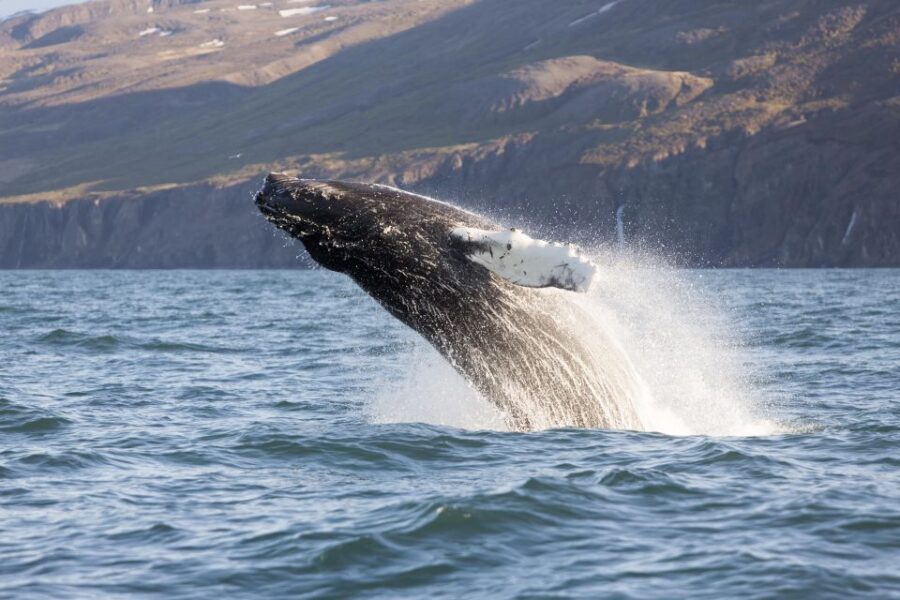
A big advantage of the speed is that when the guide spots action, you can often move fast enough to get better angles. In practical terms, that means more chances to photograph a blow, a tail slap, or a breach rather than just watching whales disappear into the distance.
3) Lundey (Puffin Island): photo stop and a guided look at the birds
When it’s puffin season, your route adds Lundey (Puffin Island). Expect a photo stop plus guided time where you learn what you’re seeing. Puffins can be everywhere, and having a guide help you make sense of their behavior makes the whole bird part feel more meaningful than just spotting dots on cliffs.
One nice touch is that you’re not stuck in a long slow cruise. The boat format lets you treat Lundey as one strong stop in a broader search plan, rather than the only thing you do.
4) Tjörnes peninsula scenery and natural history context
There’s also time for sightseeing along the way, including views of the Tjörnes peninsula, known for fossil layers. The most ancient layer is cited as about two million years old, which is a fun reminder that while you’re chasing whales, Iceland’s “background story” is geological and ancient too.
This isn’t the type of stop that dominates the trip, but it gives the ride texture. It also helps pass the in-between time while the crew keeps scanning.
Warm gear and what to bring (because cold is real)
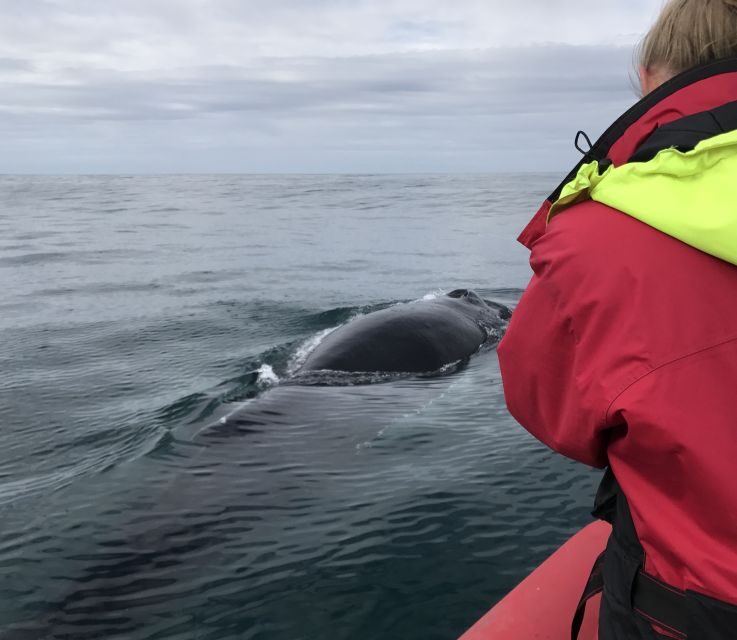
The tour provides warm water-resistant overalls, and Iceland law requires them for this type of boat activity. You also get life vests, and there’s a raincoat if needed.
But gear provided doesn’t cover everything. You should bring:
- Hat
- Gloves
- Comfortable shoes
- Warm layers under the overalls, since it can be cold even when you’re moving
Gloves are the one item people often underestimate. Several folks mention how hands freeze in cold weather, even when the rest of the clothing is fine. If you forget them, you might get help on the spot, but don’t count on last-minute solutions as your plan A.
Also, think about motion. Speed and open air can be easier for some people who get seasick, but conditions vary by day. If you’re sensitive, consider bringing what you normally use for motion sickness since the tour doesn’t include pills.
Price and value: is $198 per person worth it?
At $198 per person for a 2-hour guided RIB tour, you’re paying for two things: access to whale-rich water on a fast boat and the expertise to use that boat effectively.
Here’s how I’d judge the value for you:
- If you want the best shot at close encounters, you’re paying for a small, responsive platform. A larger ship can’t reposition as quickly when whales surface elsewhere.
- You’re also paying for the guide’s role in turning sightings into understanding, not just driving around until you feel something in the distance.
- Puffins (during season) add real variety. Lundey isn’t guaranteed every moment, but when it’s available, it’s a major win.
Could you find cheaper whale watching? Sure. But if you care about maximizing time with actual animals rather than time steaming slowly over empty water, this style of tour is a direct match for that goal.
Who this tour is best for (and who should skip it)
This one suits you best if you:
- Want fast, active whale watching rather than a calm cruise
- Enjoy photography and short, sharp moments (blows, breaches, flipper slaps)
- Are okay with cold wind and wet conditions
- Prefer small-group experiences with better sightlines
It may not be a fit if you:
- Are pregnant
- Have mobility issues or serious back problems
- Have a weak heart or epilepsy
- Have trouble staying warm in outdoor cold, since you’ll be outside much of the time on an open-air speedboat
There’s also a minimum age: the tour is set at 8 years old or 130 cm tall. If your child is slightly under that height, you’ll want to contact the provider first for approval.
Booking tips that make a difference on the day
A couple practical things help this tour feel smooth:
- Dress like you expect wind-chill, not like you expect sunshine. Layers under the overalls matter.
- Arrive early. You meet at Hafnarstétt 11, and it’s recommended to be at the ticket office 30 minutes before departure.
- Bring your hat and gloves even if you think the suit will be enough. It usually won’t be.
- If you’re picky about seeing puffins, match your travel dates to April 15 to August 20.
One more tip: if you’re traveling in a group, talk through who wants the window side vs. the best camera angles. A small boat helps, but planning your priorities makes it easier when the crew calls out a sighting.
Should you book the Húsavík Big Whales and Puffin Island Speedboat Tour?
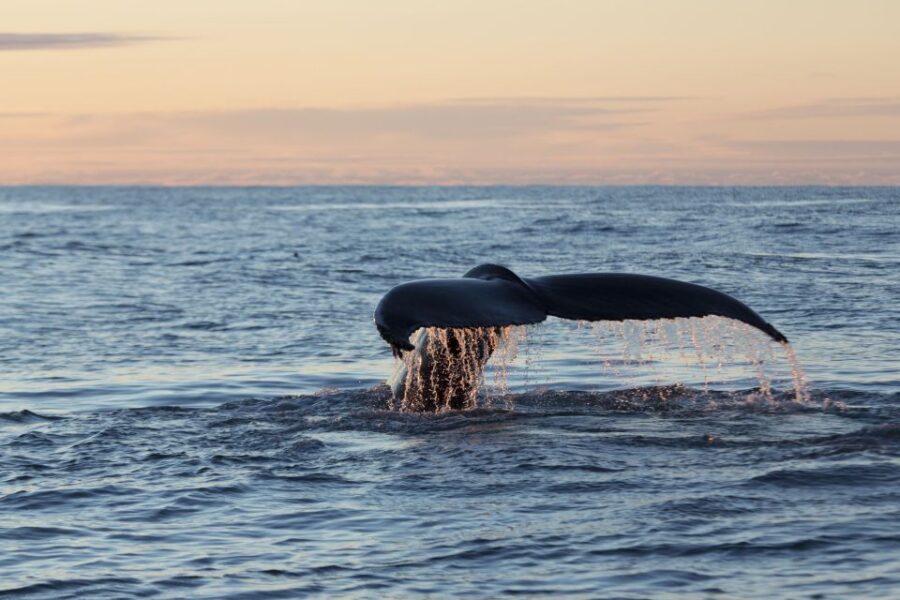
Book it if you want the most efficient way to hunt for whales in Skjálfandi Bay and you like the idea of a small RIB that can chase sightings quickly. The combination of speed, guided interpretation, and seasonal Lundey puffins is exactly the kind of Iceland day trip that feels like you actually did something in the time you had.
Skip or rethink if cold and wet conditions would stress you out, or if you have health concerns listed for the tour. Also, if your trip falls outside puffin season, go in ready for a whales-focused day rather than expecting Lundey.
If your goal is close wildlife moments with serious safety and real natural history context, this is one of the most direct choices from Húsavík.
FAQ
How long is the Húsavík Big Whales and Puffin Island Speedboat Tour?
The tour duration is 2 hours.
When can I see puffins on this tour?
Puffin season is about April 15 to August 20. Outside that time, the tour is big whales only.
What’s included in the price?
You get a guided tour in a 12-seat RIB, warm water-resistant overalls (required), a life vest, and a raincoat if needed.
What should I bring with me?
Bring warm clothing, comfortable shoes, a hat, and gloves.
Is there a minimum age for this tour?
Yes. The minimum age is 8 years old, or 130 cm in height. If your child is slightly under 130 cm, you should contact the provider beforehand.
What if the tour gets canceled due to weather?
The provider can cancel departures due to bad weather or other reasons. If that happens, you’ll be notified in advance and offered an alternative departure time or a full refund.