REVIEW · HUSAVIK
Húsavík: Original Big Whale Safari & Puffins by Speedboat
Book on GetYourGuide →Operated by Gentle Giants Whale Watching · Bookable on GetYourGuide
In Húsavík, the best way to hunt for whales is often the fastest way—this RIB speedboat tour covers more of Skjálfandi Bay in less time, with a guide up front calling the shots. I also like the built-in rhythm of the day: you start by heading toward Puffin Island, then you shift focus to whales on the wider bay, guided by people who know where to look (and how to explain it, from guides like Matteo to captains like Sarah).
Two things I especially like: the tour uses modern boats with room for only up to 12 passengers, so you get more personal attention and better chances to spot action; and you get warm safety overalls so your focus stays on the water, not shivering. One consideration: it’s an active, bouncy ride, and if you’re prone to sea sickness, this one can feel intense.
In This Review
- Key things to know before you go
- RIB speed in Húsavík: why it matters for whales
- Where your 2 hours goes: Puffin Island to Skjálfandi Bay
- Stop 1: Meeting at Gentle Giants
- Stop 2: Safety briefing in Húsavík
- Stop 3: Puffin Island during nesting season
- Stop 4: Skjálfandi Bay big-whale search
- Stop 5: Return to Gentle Giants
- The guides and how they shape what you see
- Puffins, whales, and dolphins: what you can realistically expect
- Dress like you mean it: staying warm on a fast, bouncy ride
- Price and value: is $159 worth it?
- Who this whale safari suits best
- Practical tips to get more out of your spotting
- Should you book this RIB whale safari from Húsavík?
- FAQ
- How long is the Húsavík Original Big Whale Safari & Puffins by Speedboat?
- Where do I meet the tour?
- What’s included in the price?
- Is hotel pickup included?
- Will there be puffins?
- What should I bring?
- Is the tour wheelchair accessible?
- What happens if no whales are seen?
- Is it canceled if the weather is bad?
Key things to know before you go
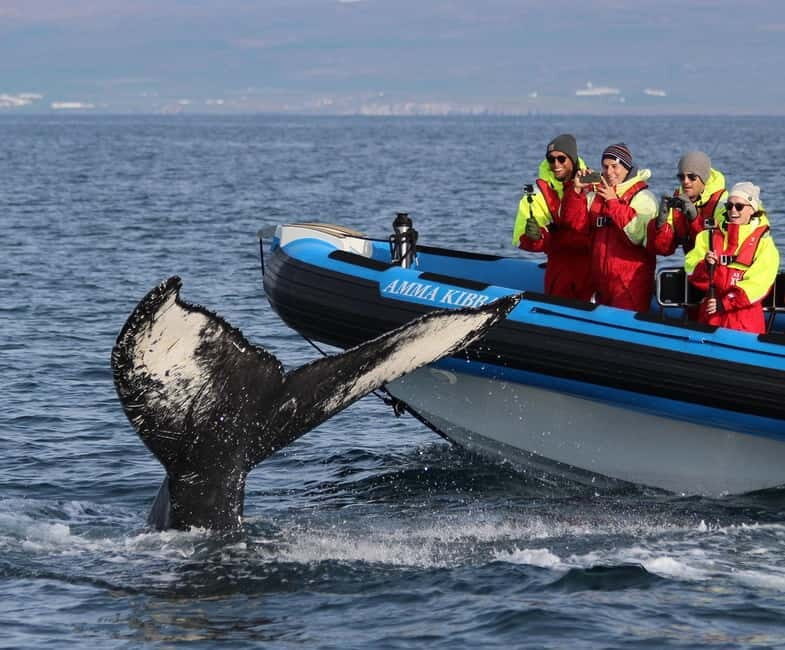
- RIB speedboat coverage: You cruise a larger area of Skjálfandi Bay to boost your spotting odds.
- Puffin Island first: During the nesting season (about April 15–Aug 15), you can see thousands of puffins.
- Big-whale focus: Higher speed helps you reach sightings quickly and improves chances for blue and humpback whales.
- Small group feel: Up to 12 passengers keeps it more personal than crowded tours.
- Warm overalls are part of the deal: You’ll be equipped for the cold before you get moving.
RIB speed in Húsavík: why it matters for whales
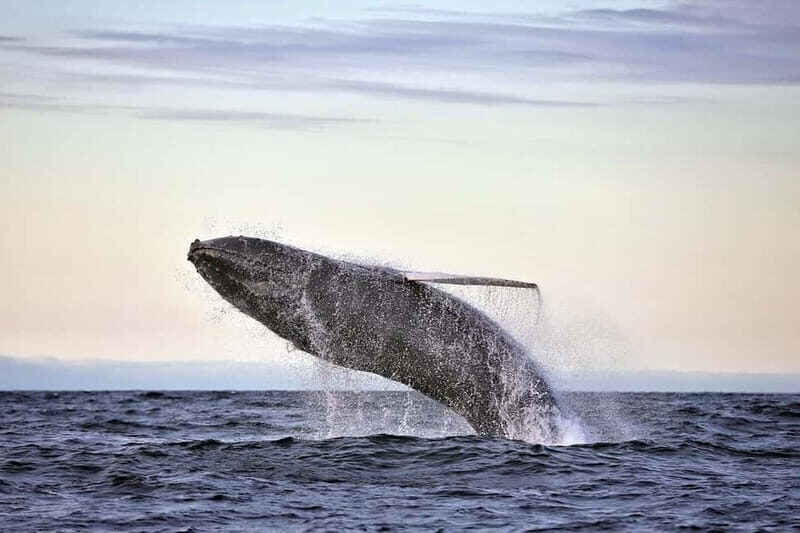
Húsavík is often called Iceland’s whale capital, and with good reason. But here’s the reality: whales don’t hang around on a schedule. They move. They surface unpredictably. So the practical question becomes timing and reach.
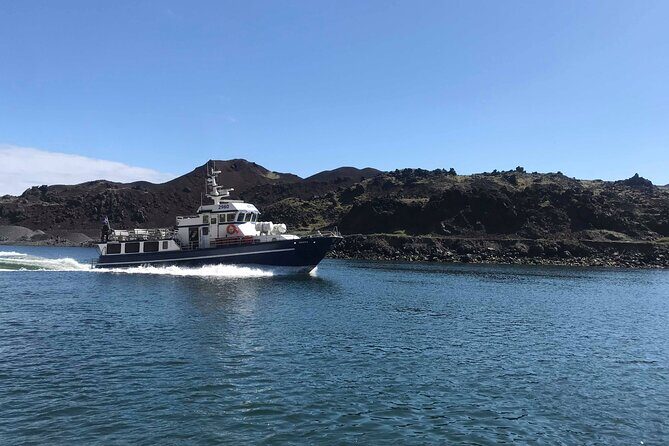
This tour is built around a RIB format—short for rigid inflatable boat. The big advantage is straightforward: speed. When a whale surfaces, the team can try to reach it quickly and position the boat for viewing. That matters even when you’re not guaranteed a sighting, because the “hunt” is part of the experience. In a calm, slow boat, you can lose that precious window while everyone waits for the boat to catch up.
You’ll also feel the benefit of comfort rules that look small but add up. The boat is described as more spacious than most others in the area, and the group size caps at 12 passengers. That translates to less elbow-to-elbow spotting, less time spent craning your neck around strangers, and more chance you’ll actually track what the guide is pointing out.
And yes, there’s a trade-off: speed can mean a bumpier ride. Some people handle it fine; others really notice it. If you’re the type who needs a plan for rough water, bring it.
You can also read our reviews of more tours and experiences in Husavik.
Where your 2 hours goes: Puffin Island to Skjálfandi Bay
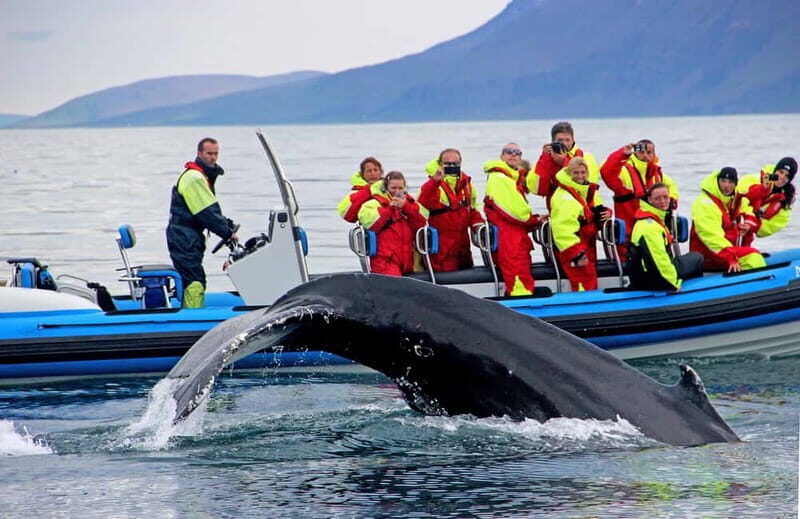
This is a tight, focused experience—about 2 hours on the water—so the day doesn’t drag. The flow works like this:
Stop 1: Meeting at Gentle Giants
You’ll meet your guide at the Gentle Giants Ticket Center and look for the big blue flags. There’s no hotel pickup, so you’re doing this as a quick out-and-back from town. Once everyone is gathered, the team gets you ready for the water instead of doing a long preamble on land.
The practical upside for you: you can arrive, get your bearings, and be on the boat while the best light and conditions still line up.
Stop 2: Safety briefing in Húsavík
Before you push off, there’s a safety briefing. This isn’t just formalities. On a RIB, you want everyone moving in sync—where to sit, how to handle life jackets and overalls, and what to expect as the boat changes speed.
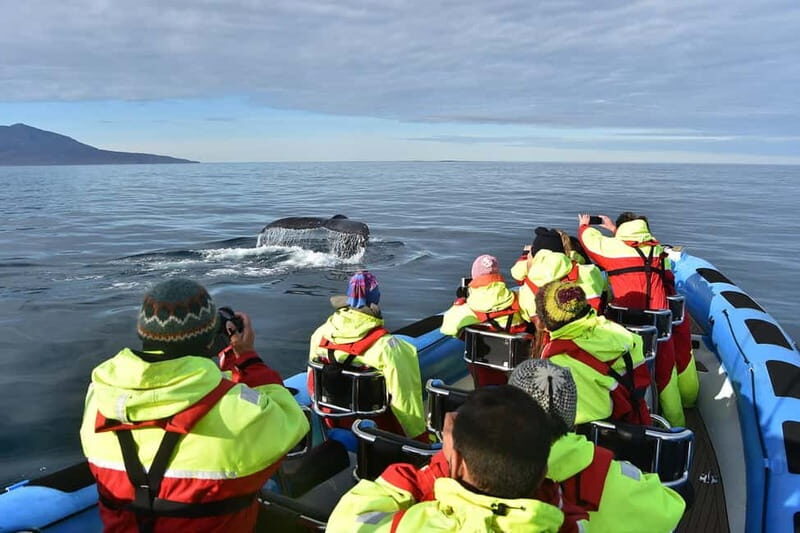
They also emphasize staying warm. The tour includes warm safety overalls (mandatory) and may add rain jackets if needed. That’s not just comfort—it helps you stay alert during long stretches of scanning the water.
Stop 3: Puffin Island during nesting season
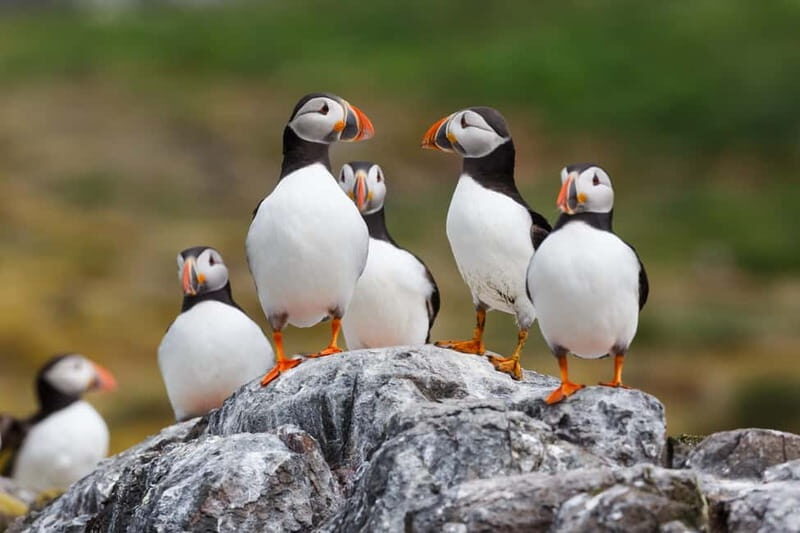
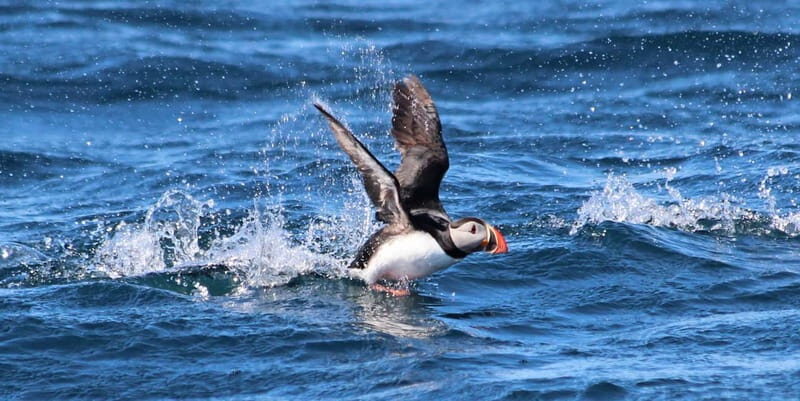
Next comes Puffin Island. This part is especially strong if you’re visiting between about April 15 and August 15. That’s when puffins are nesting, and the island can host thousands of them. They’re often called the Clowns of the Ocean, and you’ll see why when there are so many bright beaks moving around in groups.
What I like about making Puffin Island the first stop is momentum. You start with something that feels almost “guaranteed” compared to whale watching. Birds are more predictable: they’re on the island, and you can enjoy the scene even if whale encounters are quieter on the day.
If you’re going outside puffin season, don’t expect that same bird-heavy payoff. The tour description notes there’s more focus on whales outside the puffin season.
You can also read our reviews of more whale watching tours in Husavik
Stop 4: Skjálfandi Bay big-whale search
After Puffin Island, the route shifts out into Skjálfandi Bay for the main whale-and-dolphin work. This is where the RIB format shines. You’re not just going somewhere and waiting—you’re cruising, positioning, and reacting to sightings.
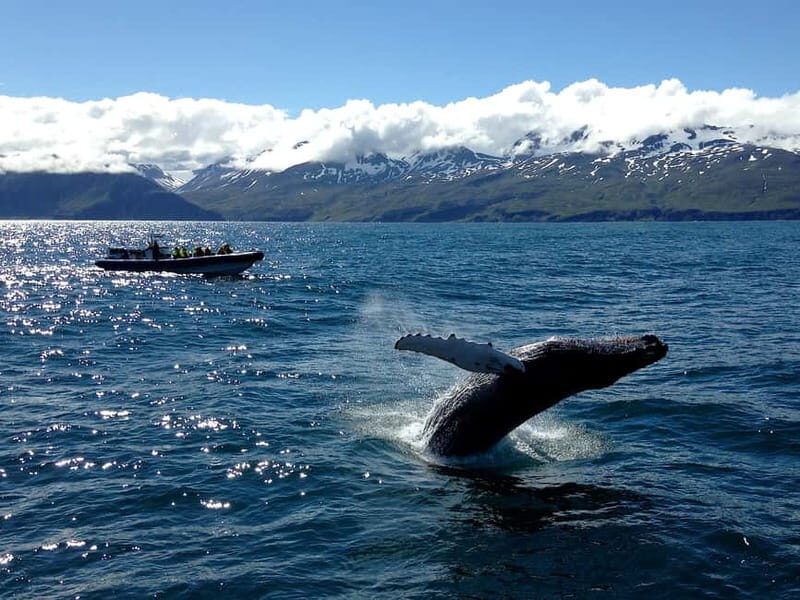
The kinds of whales you might spot include blue whales and humpback whales. You’ll also have chances for dolphins along the way. The boat’s speed and maneuvering help you reach sightings quickly and spend time with animals once you’re in the right spot.
You’ll get live commentary on-board, and the team is there for the “how” and “why,” not just the “what.” When a guide explains whale behavior, you start noticing things like how often they surface, the patterns behind movement, and what to watch for after a sighting.
Stop 5: Return to Gentle Giants
You head back to the Gentle Giants meeting point at the end of your run. The return feels efficient—this tour is designed to use time on the water wisely, not pad the schedule.
The guides and how they shape what you see
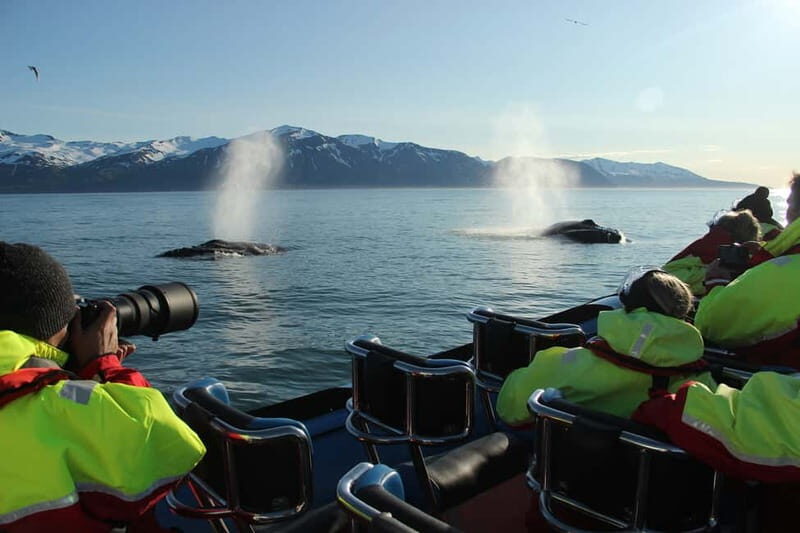
A whale tour can be either inspiring or confusing. This one aims for inspiring. You’ll travel with a live guide who offers on-board interpretation in English and provides safety guidance as you go.
The best part is the way guides work the scan. In the accounts provided, you see marine-biologist-type expertise showing up through names like Matteo and Zara. That doesn’t mean you’ll understand everything instantly, but it does mean you’re getting real context. For example, guides talk about whale behavior and how they find the right spot. You feel that shift from random looking to targeted spotting.
There’s also a “heads up” culture on-board—like checking on essentials (people even mention the guide checking pockets for phones). And captains are active in positioning so more than one side of the boat might get a clean view during a whale encounter, helping your photos and your eyes track the action instead of just one angle.
If you care about learning while you’re out there, this tour’s format supports it. You’re moving, but the commentary keeps you connected.
Puffins, whales, and dolphins: what you can realistically expect
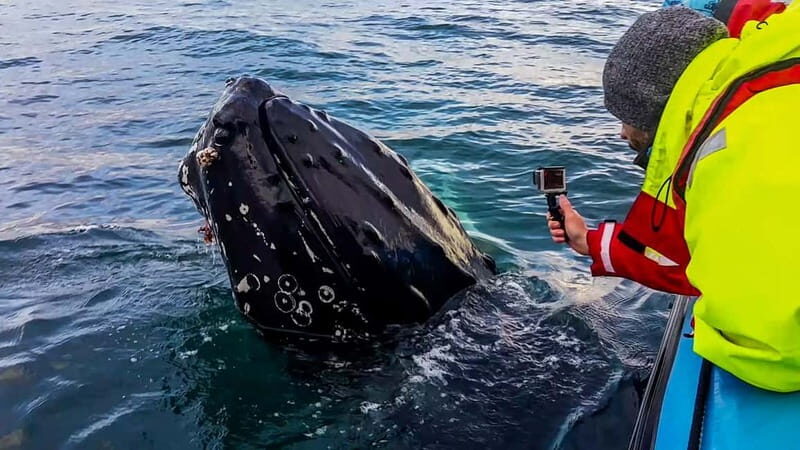
Let’s be blunt (and helpful): nature is nature. You might see whales, you might see dolphins, and you might see more of one group than another. That said, this tour is built to maximize your odds.
During puffin season, you should expect a strong bird component. The island visit can mean big clusters—so even if whales don’t cooperate, you’re likely to leave with memorable sights and photos.
For whales and dolphins, the tour’s “boost” comes from:
- More area covered in Skjálfandi Bay
- Higher speed so the boat can reposition faster
- A guided hunt instead of passive waiting
One more important note for your planning mindset: if you don’t see whales (dolphins included), the tour offers a voucher for a traditional whale watching tour on oak boats for free—but there’s no refund. That voucher detail matters if you’re booking as a one-time-only stop with a tight schedule. On the flip side, the fact they offer the voucher shows they take the animal-spotting goal seriously.
Dress like you mean it: staying warm on a fast, bouncy ride
Cold is the big enemy on Iceland boats. This tour solves part of that for you by requiring warm safety overalls and including them in the experience. Still, you’ll want to bring warm layers under them.
From the practical tips people share: if it’s very cold, do extra. Hats and scarves come up often. One useful reminder is about staying ready even when the air feels brutal.
Also, this is a RIB speedboat. Expect movement. In at least one account, the ride is described as feeling like a roller coaster, and people mention sea sickness risk being real. If you’re prone to motion sickness, consider taking your own preventive steps before you board (ask your doctor or pharmacy for advice if you’re unsure what’s safe).
What I’d do in your place:
- wear layers you can breathe in (not just thick clothing that traps sweat)
- use warm accessories you’ll actually keep on your head and neck
- bring comfortable shoes for standing and changing your position
Price and value: is $159 worth it?
At $159 per person for about 2 hours, this isn’t a bargain. But it’s also not trying to be one. The value is in the approach: you’re paying for a faster boat, a crew actively hunting, live commentary, and a small-group experience.
Here’s how I judge value on whale tours:
- More active search time usually means a better chance at sightings.
- Smaller groups mean better viewing and less stress.
- Equipment matters. The included warm overalls reduce the chance you’ll ruin the day by being cold.
- Your odds depend on behavior, not luck alone. Speed helps you react.
If your main priority is maximizing the probability of seeing whales quickly once a surface event happens, the RIB format is the logic behind the cost. If you’re someone who hates bumpy rides, you might find this price harder to justify—because discomfort becomes part of what you’re buying.
Who this whale safari suits best
This tour fits best if you:
- want a whale-and-bird combo day in about two hours
- like a more energetic boat experience than the slow-and-steady style
- want guided wildlife interpretation in English
- prefer small-group travel (up to 12 passengers)
It’s listed as not suitable for:
- children under 8
- pregnant women
- people with back problems
- people with heart problems
- wheelchair users
- people under 4 ft 3 in (130 cm)
If any of those apply to you, it’s worth finding a different style of boat tour that matches your body and safety needs.
Practical tips to get more out of your spotting
Even when the boat is fast, your eyes still have to work. A few habits make a difference:
- Listen to the guide’s positioning cues. When they say where to look, they’re usually responding to what they’ve spotted through scanning.
- Bring your phone/camera, but use it strategically. Notes like the guide checking pockets hint that people take photos constantly—just don’t let filming stop you from actually seeing.
- Dress for standing and shifting. You may change posture and location for better views as the boat reacts.
- Accept that weather can change the plan. The tour is subject to favorable weather. If conditions are bad, the operator will cancel and offer another date or a full refund.
Also, because the tour focuses on whales more outside puffin season, your expectations should shift. You’re not just visiting Puffin Island; you’re using that first stop to get you warmed up for the main search.
Should you book this RIB whale safari from Húsavík?
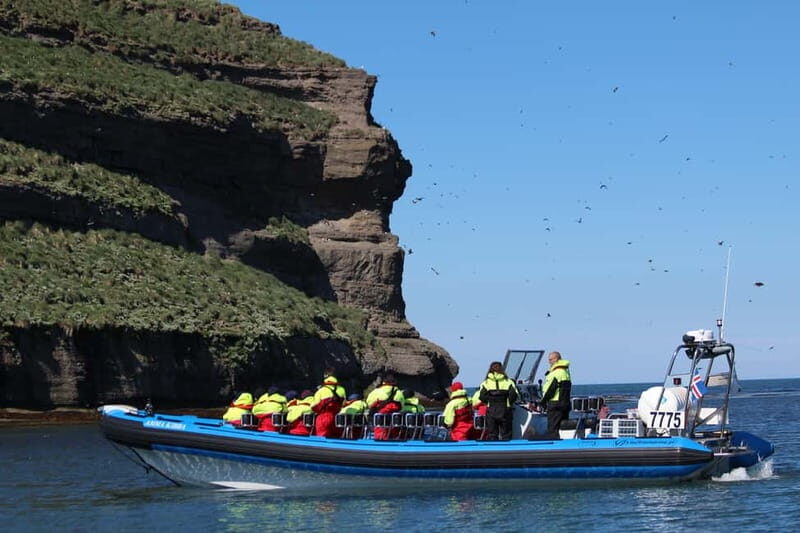
I’d book it if your goal is to maximize whale odds using speed, you’re comfortable with a lively boat ride, and you want a short, organized wildlife day from a major departure point in town. The combination of Puffin Island (especially in-season), active RIB cruising in Skjálfandi Bay, and expert live guidance is a strong recipe for a memorable two hours.
Skip it or think hard first if you:
- are very likely to feel sea sick on bumpy water
- need a gentler pace due to medical limits
- only travel with a schedule buffer too tight to handle weather-related changes
If you match the right profile, this is one of the most efficient ways to chase big marine wildlife in Iceland—fast enough to matter, guided enough to learn, and warm enough to enjoy the ride.
FAQ
How long is the Húsavík Original Big Whale Safari & Puffins by Speedboat?
The tour duration is 2 hours.
Where do I meet the tour?
Meet your guide at the Gentle Giants Ticket Center, and look for big blue flags.
What’s included in the price?
Included are the round-trip RIB speedboat cruise, a specialized guide, live commentary on-board, and warm safety overalls (obligatory). Rain jackets are included if needed.
Is hotel pickup included?
No. Hotel pickup and drop-off are not included.
Will there be puffins?
You’ll visit Puffin Island during the nesting period, which is approximately April 15–August 15. Outside puffin season, the tour has more focus on whales.
What should I bring?
Bring comfortable shoes and warm outdoor clothing.
Is the tour wheelchair accessible?
No. It is not suitable for wheelchair users.
What happens if no whales are seen?
If no whales (including dolphins) are seen, you’re offered a voucher for a traditional whale watching tour on oak boats free of charge. No refund is given.
Is it canceled if the weather is bad?
Yes. The tour is subject to favorable weather conditions. If canceled due to bad weather, you’ll be offered another date or a full refund.