REVIEW · REYKJAVIK
Reykjavik City Card 48 hours
Book on Viator →Operated by Visit Reykjavik · Bookable on Viator
Two days in Reykjavik sounds short. This card helps you pack in a lot without constant ticket math. It’s built around free public bus rides and museum admissions, and it even throws in the ferry to Viðey so you can see more than just the downtown core. One thing to plan around: you’ll need to swap your digital voucher for a physical card, and some pickup points don’t open early.
What I like most is the sheer usefulness of the public transport part—Reykjavik buses are easy to use when you’re not guessing—and the way the included sites cover different moods. You can jump from art to history to nature, then end the day in geothermal pools. The only real drawback is that the pass is selective: some attractions you may be excited about might be only discounted or not included at all, so check your must-dos before you commit.
If you’re traveling as a couple, solo, or a small group and you want an efficient plan that still leaves room to wander, this is a strong fit. If you’re going to do just one museum and then call it a day, it might not pay off.
In This Review
- Key highlights to notice before you buy
- Reykjavik City Card: the simple idea that saves real money
- Price and value: when $58.63 is a smart deal
- Getting your physical card and using buses without stress
- The art-and-history core: National Museum to Hafnarhús
- How to do this without rushing
- Sculpture gardens and modern Nordic light: Ásmundarsafn and Kjarvalsstadir
- Harbor stories that make Iceland make sense: Reykjavik Maritime Museum
- Settlement Exhibition and photography: Reykjavik 871±2 to the Image of Iceland
- A good combo move
- The Culture House and small specialist museums for when you want variety
- Viðey Island ferry: included travel with a weather reality check
- Pools day that feels like the real Reykjavík ritual
- Laugardalslaug, Sundhollin, and the classic downtown options
- Smaller or more “set aside time” pools
- Newer and bigger complexes farther out
- Outside the center: Árbær Open Air Museum and Kópavogur museums
- Family-friendly fun: Zoo and Reykjavik Family Park
- A realistic 48-hour plan you can actually follow
- Discounts and what they mean for your “extra stops”
- Should you book the Reykjavik City Card 48 Hours?
Key highlights to notice before you buy
- 48 hours of free bus rides that make museum-to-museum hopping realistic
- Ferry access to Viðey included, with birdlife and modern art waiting on the island
- Free admission to major public museums like the National Museum and key art venues
- Thermal pool access across Reykjavík’s sundlaugar, great for a post-walking reset
- Open-air and family-friendly options like Árbær Open Air Museum and the Zoo
- Discounts on extra stops (restaurants and entertainment), so your card can keep paying off
Reykjavik City Card: the simple idea that saves real money
The Reykjavík City Card is essentially a time-saver and a budget tool. For 48 hours, you get free transportation within Reykjavík (including the public bus network) and free or included admission to a wide set of museums, pools, and one family attraction. On top of that, you also get discounts for some other places run by private operators.
This works especially well in Reykjavik because the city is compact, and the bus system covers most areas you’d want to see. You can keep your day fluid: if you’re tired, you shift to a pool; if the weather turns, you switch to an indoor museum.
The card won’t replace your entire trip planning. It’s more like a solid base plan. You still need to decide what day you want art versus history, and you’ll want a weather-aware approach for the ferry.
You can also read our reviews of more city tours in Reykjavik



Price and value: when $58.63 is a smart deal
At $58.63 per person for the 48-hour card, the value isn’t automatic. It becomes obvious when you do the basics plus one or two extras.
Here’s the practical math I’d use: a single bus ride can cost around €5, and many museum admissions are often around the €10–€15 range (based on real experiences from travelers who used this pass hard). If you’re taking multiple bus rides and paying for even a couple of included places, you’re already in the green.
This is also why people who get good value tend to do a mix:
- one or two museums (often more)
- at least one thermal pool session
- the included ferry to Viðey, if weather allows
One caution: if you only visit one museum, or your top “must-see” attractions are not included (or only discounted), you may find you paid more than you needed. The card can be a great deal, but it’s not a universal ticket.
Getting your physical card and using buses without stress
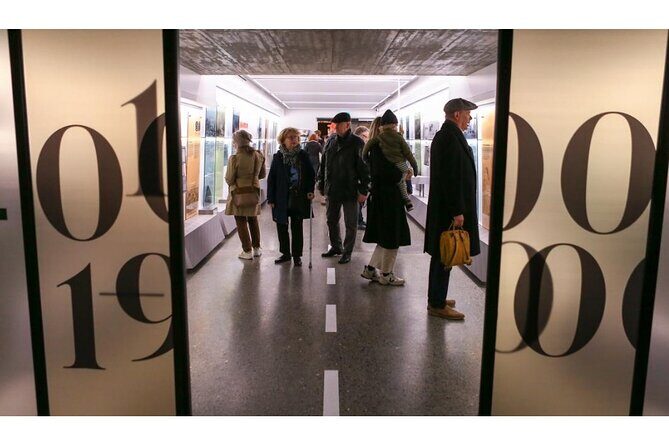
You don’t just scan your phone. You swap your digital voucher for the actual City Card at designated pickup points in the city. The info you have says the card is near public transportation, which matters because you’ll likely use buses during your 48 hours anyway.
Two practical tips:
- Plan for a later start on day one. Some pickup locations don’t open until 10a, so if you’re the type who wants to be out early (breakfast at 8 and museum doors by 9), you’ll need to time that start or pick up sooner if your schedule allows.
- Use the bus route planning tools. One traveler specifically recommended using Straeto to plug in your start and end points, then follow the map and live tracking. Most bus stops also show electronic arrival info, which helps you avoid that Reykjavik version of “Where is it, already?”
Also, keep an eye on your timing. Many sites you’ll want are short-and-sweet visits (40 minutes to 2 hours), so you don’t want to arrive mid-rush and feel stuck.
The art-and-history core: National Museum to Hafnarhús
Reykjavik’s art and museum circuit is one of the best ways to use the City Card, because the card gives you real entry—not just a small discount.
Start with the National Museum of Iceland (about 2 hours). It’s where Icelandic cultural history gets connected across time—past, present, and future. If you want context before you stare at modern buildings and public art, this is a strong first stop.
Next, the National Gallery of Iceland (Listasafn Íslands) (about 2 hours) leans into 19th and 20th century Icelandic art, plus international names in the mix, including Pablo Picasso, Edward Munch, and more. If you care about art with a museum-sized perspective (not just a single room), this stop is a big payoff.
Then head to Reykjavík Art Museum Hafnarhús (about 2 hours). This is a favorite style of museum for many visitors: contemporary work in a historic setting. The old harbor warehouse gives you a sense of place, and the exhibition program blends local and international contemporary artists in multiple galleries. You may also see works by Erró, an important figure in the international pop art scene.
How to do this without rushing
Try to group these by energy:
- If you’re fresh, do National Museum + National Gallery first.
- If you’re museum-cured after that, move into Hafnarhús for a more modern, rotating feel.
If you’re reading exhibit labels and placards slowly, build extra time. Dark or hard-to-read descriptions can make some museums feel longer than you expect.



Sculpture gardens and modern Nordic light: Ásmundarsafn and Kjarvalsstadir
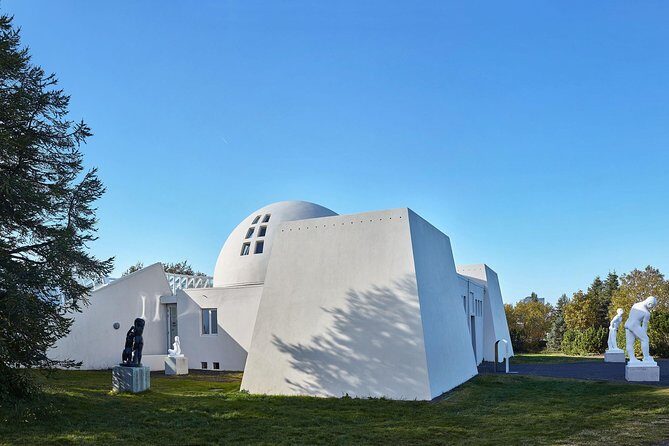
Ásmundarsafn is where you slow down. The white dome building holds the work and spirit of sculptor Ásmundur Sveinsson, who designed, worked, and lived there. Outside, sculptures sit in the garden, with everything from massive earlier figures to lighter abstract compositions. Indoors, the artist’s architecture inspiration (including Mediterranean vernacular influence) makes the building itself part of the show. Budget about 40 minutes, but give yourself permission to linger.
Then go to Reykjavík Art Museum Kjarvalsstadir (about 1 hour). This is a more focused experience built around artist Jóhannes S. Kjarval. The building is a nice example of Nordic modernism, and the floor-to-ceiling windows look onto Klambratún Park—so you get art plus a real view.
If you love modern sculpture and Nordic architecture, this pair is a solid “art day” anchor. If you’re not an art person, these can still work because the spaces are so specific and physical.
Harbor stories that make Iceland make sense: Reykjavik Maritime Museum
The Reykjavík Maritime Museum (about 1 hour) is practical history you can walk around. The Fish & folk exhibit covers about 150 years of fisheries—from rowing boats to larger fishing vessels—and it explains the story from the perspective of Reykjavík as the biggest fishing port.
This museum also has a built-in advantage: the setting used to house a fish factory. So the building supports the topic, not just the other way around.
If you’re the type who wants one museum that feels almost instantly relevant, this is a great candidate.
Settlement Exhibition and photography: Reykjavik 871±2 to the Image of Iceland
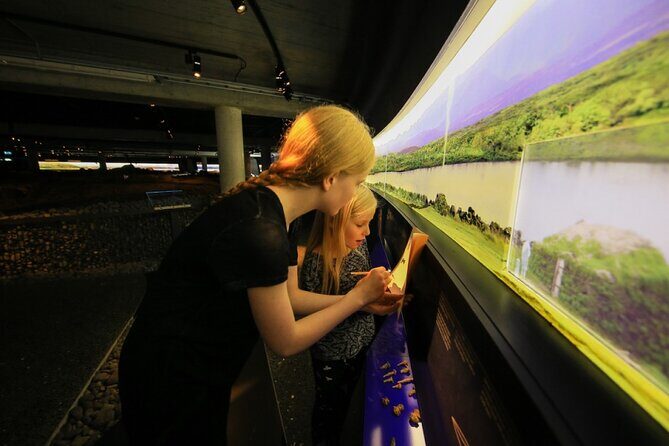
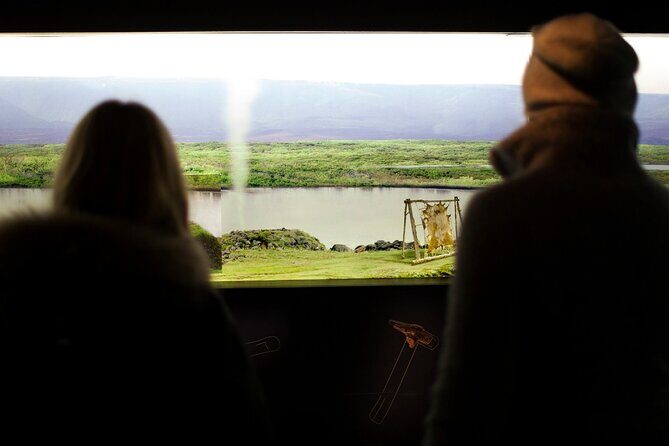
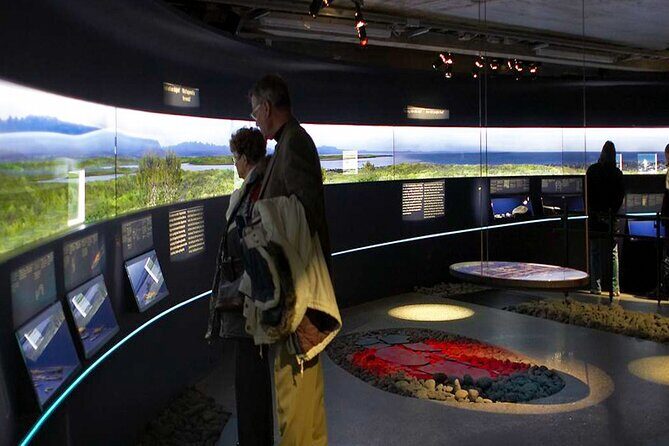
The Settlement Exhibition – Reykjavík 871±2 (about 40 minutes) is a short stop with heavy meaning. It deals with the settlement of Reykjavík and uses scholars’ ideas to connect what archaeologists found with early life. The star of the show is the remains of a hall from the Settlement Age, inhabited from 930 to 1000. You can also see turf pieces north of the hall—remnants of wall built shortly before 871—and they’re described as among the oldest man-made structures found in Iceland.
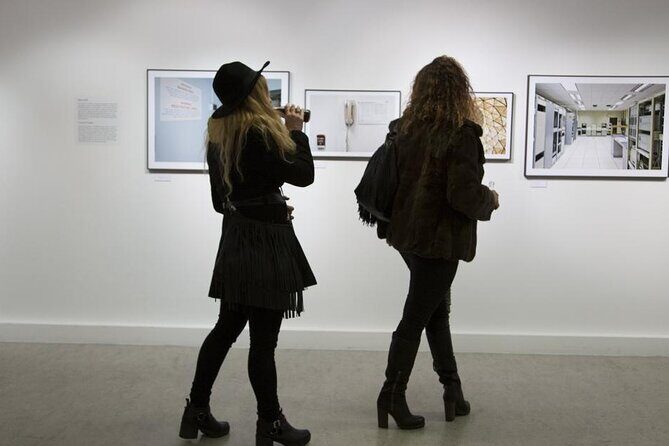
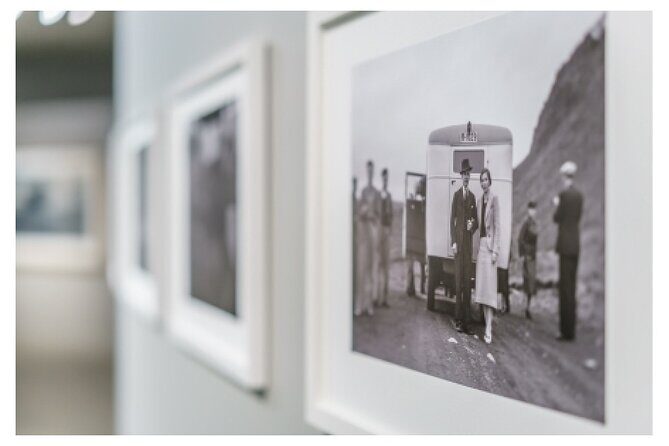
Next, Reykjavík Museum of Photography (about 40 minutes) brings things back to the present. Exhibitions focus on Icelandic photography plus works by foreign photographers, mixing historical and contemporary images in an artistic and social context.
A good combo move
If you do Settlement 871±2 and then photography, you get a strong “time travel” arc:
- early Reykjavík through excavation
- Icelandic identity through images
That pairing helps a lot when you’re trying to understand what you’re seeing around you.
The Culture House and small specialist museums for when you want variety
If you like museums that don’t feel huge, try these included stops.
- The Culture House (about 2 hours) has a permanent exhibition called Points of View – a journey through the visual world of Iceland. It shows collections from six major Icelandic cultural institutions, mixing artworks with museum objects and archival materials like books and maps. It’s a nice way to connect culture across different formats.
- Aðalstræti 10 (about 30 minutes) is part of Reykjavík City Museum, spread across five locations. It’s an exhibition space, so think of it as a quick “pop in and see what’s on” option.
- Sigurjón Ólafsson Museum (about 50 minutes) is dedicated to sculptor Sigurjón Ólafsson, founded in 1984 by his widow. The museum uses the artist’s studio at Laugarnes converted into the exhibition space, so it feels personal rather than generic.
If your brain gets tired from only one category of museum, these stops are good breathing rooms.
Viðey Island ferry: included travel with a weather reality check
The card includes a free ferry ride to Viðey plus admission to the island experience (about 2 hours). Viðey is described as unspoiled nature with birdlife, and it also has modern art works. It’s a different side of Reykjavik than you get in the city streets.
One important planning note from real-world use: wind can cancel the ferry on the day you’re hoping to go. So build a backup plan. If the ferry cancels, you’ll still want a day that has indoor options ready (museums or pools), so you don’t lose your whole itinerary.
Pools day that feels like the real Reykjavík ritual
Reykjavík’s geothermal pools are not an optional “nice-to-have.” They’re part of how locals reset and how visitors experience the city’s geothermal identity. With the City Card, you get admission to several thermal pools (sundlaugar), and each pool setup can feel different.
Plan pools like you’d plan meals: pick one as your anchor, then choose a second only if you have time and energy.
Laugardalslaug, Sundhollin, and the classic downtown options
- Laugardalslaug (about 2 hours): a city-run pool with steam baths, saunas, hot tubs, and jacuzzis.
- Sundhollin Public Baths (about 2 hours): also includes steam baths, saunas, hot tubs, and jacuzzis.
- Vesturbaejarlaug (about 2 hours): another city-run sundlaug with the same geothermal “hot/cold rhythm” idea.
- Arbaejarlaug swimming pool (about 2 hours): another option in the city’s pool network.
Smaller or more “set aside time” pools
Some pools feel like they fit a specific mood and neighborhood.
- Íþróttamiðstöðin á Klébergi – Klébergslaug (about 1 hour): includes an outdoor pool with surroundings, steam bath, a gym, two hot tubs, and a kiddie slide. It’s also described as a small, intimate outdoor pool near Mount Esja—good if you want quieter vibes.
- Breiðholtslaug (about 2 hours): larger facility with indoor/outdoor pools, slides, sauna, and hot tubs.
Newer and bigger complexes farther out
- Dalslaug (about 1 hour): opened in December 2021, described as the latest addition.
- Grafarvogslaug (about 1 hour): in the Grafarvogur suburb with outdoor/indoor pools, outdoor children’s pool, paddling pool, two water slides, three hot tubs, and a steam bath.
A real-world caution: one user found a thermal pool location too far. So don’t assume every pool will be easy from where you’re staying. Use the free bus rides to manage this, and choose pools based on where your museums land that day.
Outside the center: Árbær Open Air Museum and Kópavogur museums
If you want Reykjavik to feel more like a living place than a museum cluster, these stops help.
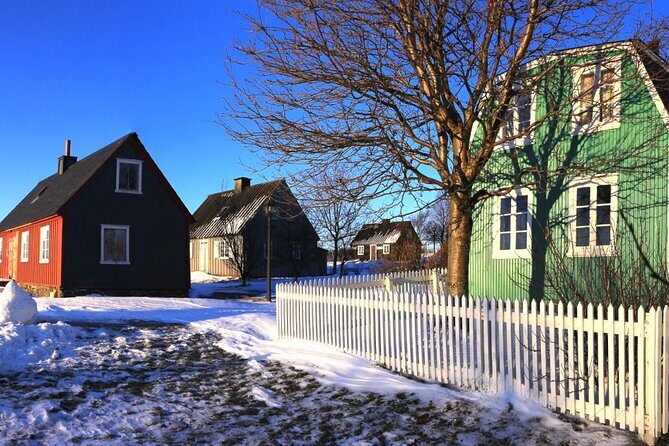
Árbær Open Air Museum (about 2 hours) is a full-on farm-to-town feeling. It was an established farm well into the 20th century, and the museum opened in 1957. Today it includes more than 20 buildings forming a town square, village, and farm, with many structures relocated from central Reykjavik. It’s one of the best “slow stroll” stops on the card.
Then head toward Kópavogur for art and science.
- Gerðarsafn Kopavogur Art Museum (about 1 hour): progressive contemporary art, with temporary exhibitions and museum collection displays. The museum is noted as built in honor of a female artist, and that identity shows up in the style and program you’ll see.
- Natural History Museum of Kopavogur (about 1 hour): split into geological and zoological parts. Geology covers Iceland’s formation and types of rocks and minerals. Zoology focuses mainly on Icelandic birds, mammals, fish, and invertebrates. Staff guidance is free if you request it, and guidance can be adapted to your interests and language.
If you’re traveling with kids or you like museums that teach, Natural History is a solid choice.
Family-friendly fun: Zoo and Reykjavik Family Park
Reykjavik Family park and Zoo (about 2 hours) is billed as more than farm animals—and that’s the point. The zoo includes Icelandic farm animals, mammals from Iceland’s wildlife, plus a small exhibition of reptiles, amphibians, and insects.
It’s also built for different seasons. Playgrounds are open in summer, and on weekends during winter weather permitting. There are castles, zip-lines, and other equipment described as always open, which makes it feel like a place to spend real time even if you’re not just focused on animals.
If your day includes wind or rain, this can work well because you’ll still have plenty to do outside.
A realistic 48-hour plan you can actually follow
Here’s a balanced way to use the card without sprinting:
Day 1: Art + history + one pool
- National Museum of Iceland (start)
- National Gallery (Listasafn Íslands)
- Reykjavík Art Museum Hafnarhús
- Evening: choose one of the central pools like Laugardalslaug or Sundhollin
Day 2: Sculpture + settlement + a bigger “place” stop
- Ásmundarsafn (sculpture garden dome)
- Kjarvalsstadir (art + park views)
- Settlement Exhibition – Reykjavík 871±2
- Then either Reykjavík Maritime Museum or Reykjavík Museum of Photography
- If the weather is right, slot in the Viðey ferry. If it’s not, switch to museums and pools and keep the day calm.
If you want to add Árbær Open Air Museum, I’d treat it as your big day-out addition, since it’s the kind of place that takes space in your day.
Discounts and what they mean for your “extra stops”
The City Card isn’t only about free admissions. It also gives discounts on restaurants, entertainment, and some private-company admissions. The exact discounts aren’t listed here in detail, but one traveler noted a discount on Perlan after using the card.
That matters because you can use the card as a base, then stretch it with a couple of smart add-ons you’d already want anyway. If you plan to eat out at least once or do one entertainment-ticket type activity, the discounts can quietly help your total budget.
Should you book the Reykjavik City Card 48 Hours?
Book it if:
- You plan to hit multiple museums and more than one thermal pool.
- You don’t want to manage separate tickets and you’ll use buses a lot.
- You want the included ferry option to Viðey (and you’re okay with a backup plan if weather cancels it).
- You’re traveling with someone who will definitely use it, since the card is especially worth it when you stack free entries.
Skip it (or at least double-check) if:
- You only care about one or two attractions and everything else is optional.
- Your must-see list includes big-ticket sites not covered here, or only discounted rather than free.
- You’re starting day one before 10a and don’t want to deal with card pickup timing.
If you fall somewhere in the middle, do this quick check: list the 4–6 things you’d most likely do in two days. If at least 2 are strong included stops (museum or pool), and you expect several bus rides, the card will feel like a win. If not, you’re probably better paying as you go.