REVIEW · REYKJAVIK
Reykjavik: the Original 3-Hour Whale Watching Tour
Book on GetYourGuide →Operated by Elding Adventure at Sea · Bookable on GetYourGuide
Cold air, warm gear, big whales.
This is the kind of Reykjavik tour that turns the whole bay into a live classroom. You sail out of the Old Harbor toward Faxaflói bay to look for humpback whales, minke whales, dolphins, porpoises, and birds, with a trained marine biologist speaking up as sightings change.
I like the clear focus on responsible watching: the boat follows a code of conduct, keeps distance, and avoids habits that can stress animals. I also love the practical “show up ready” setup, including warm overalls and a warm onboard area so the trip stays enjoyable even when the wind bites.
One drawback to plan around: the best views often come from the open deck, and in winter that means cold hands, cold ears, and sometimes tougher audio when the wind is loud.
In This Review
- Key takeaways before you go
- Faxaflói Bay: why this Reykjavik whale watch feels like real wildlife time
- Where to meet at Old Harbour (and what to do before you board)
- Warm overalls, WiFi onboard, and the gear that actually helps
- The cruise flow: how you move from harbour to whale zone
- Wildlife spotting you can plan for: what whales and dolphins look like from the deck
- Humpback whales
- Minke whales
- White-beaked dolphins and harbour porpoises
- Birds and seals
- The live marine biologist guide: why the commentary changes everything
- Deck strategy: where to stand, when to go inside, and how to stay sane
- Responsible whale watching in practice (not just on paper)
- Price and value: what $108 buys you in the real world
- Seasonal expectations: winter cold vs summer light
- Who should book this tour (and who might skip it)
- Should you book this Reykjavík 3-hour whale watch?
- FAQ
- Where is the meeting point?
- How long is the whale watching tour?
- What kinds of marine animals can you see?
- Are warm overalls provided?
- Is there WiFi onboard?
- Is food included?
- What happens if you don’t see whales?
Key takeaways before you go
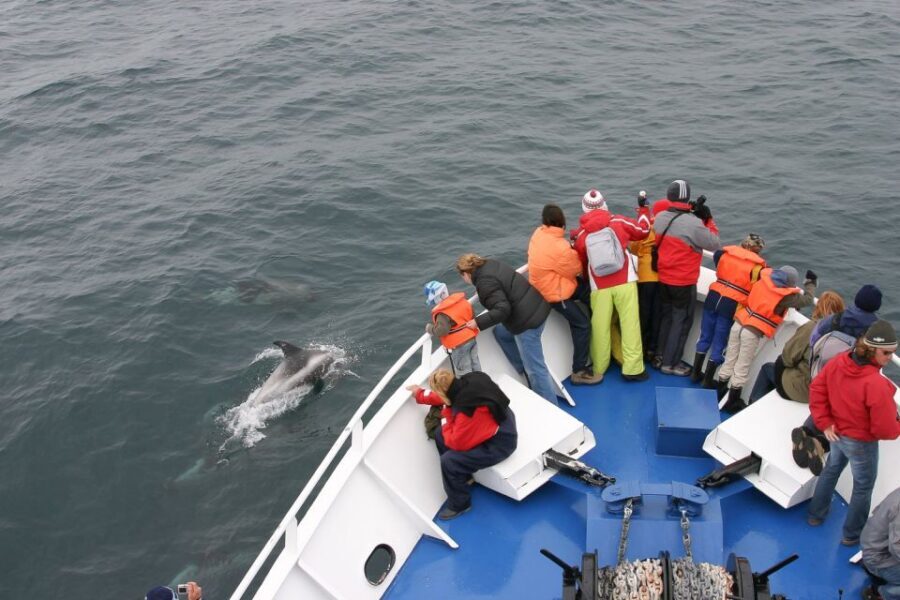
- 90%+ whale sighting success with frequent close surfacing when conditions line up
- Live marine biologist commentary that helps you understand what you’re actually seeing
- Online Whale Diary updates so you can track sightings before you board
- Warm overalls and gear that make winter trips realistic
- Sighting guarantee (try again for free) if you miss whales
- Multiple decks and viewing levels plus a warm indoor refuge
Faxaflói Bay: why this Reykjavik whale watch feels like real wildlife time
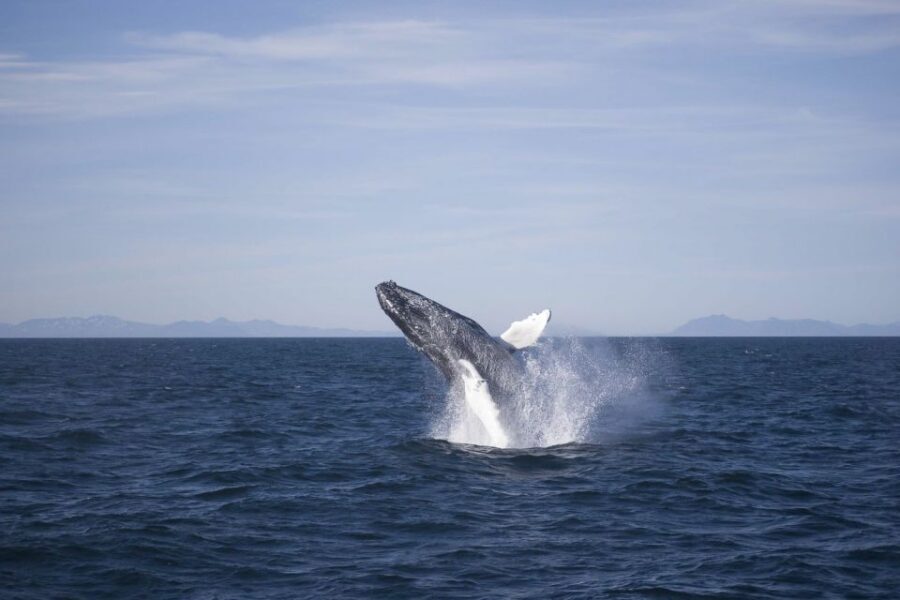
Reykjavik is small enough that you can go from city streets to open ocean fast. That’s a big reason this cruise works so well: you’re not spending hours just getting to the water. Instead, you start right by the harbor and head out into Faxaflói bay, where ocean currents help concentrate marine life. The result is a trip that can feel less like a checklist and more like a moving search, with the crew actively tracking what’s in front of you.
The other thing I appreciate is the emphasis on animal respect. The tour operates with an environmental certification and follows a code of responsible whale watching. In plain terms: the boat aims to see whales without harassing them, and that makes the whole experience feel better, not just busier.
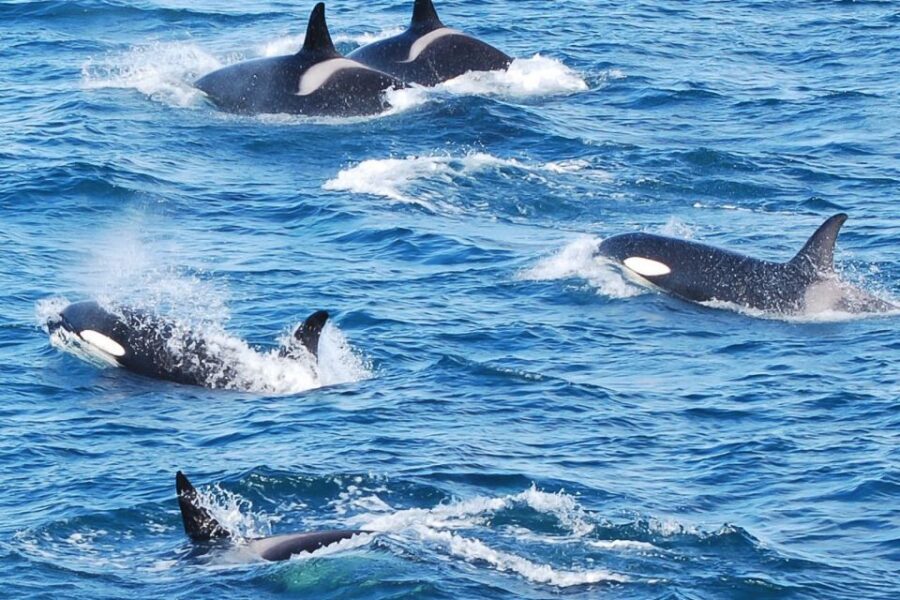
You’ll have a real chance at more than one species in a single outing. Depending on the day and the season, you can find humpback whales, minke whales, white-beaked dolphins, harbour porpoises, plus seals and plenty of seabirds. And if you’re lucky, you may even spot larger surprises like killer whales or orcas, though you should think of that as a bonus, not the expectation.
You can also read our reviews of more whale watching tours in Reykjavik

Where to meet at Old Harbour (and what to do before you board)
This tour starts at Reykjavík’s Old Harbor. When you arrive, check in at the red Elding ticket office. That red sign matters when you’re cold and trying to find your group.
Once you’re at the harbor, take a little time in the whale-watching centre before your cruise. You can watch videos, look around at information boards, and even see skeletons and related exhibits. It’s not a “museum marathon,” but it’s useful. It helps you connect names to shapes—especially when you’re about to see whales that can be hard to interpret at first glance.
You’ll also see gifts and souvenirs if you want something small to remind you of the day. Plus, having time inside before the boat leaves helps you manage winter wind and keep your focus on the water.
Warm overalls, WiFi onboard, and the gear that actually helps
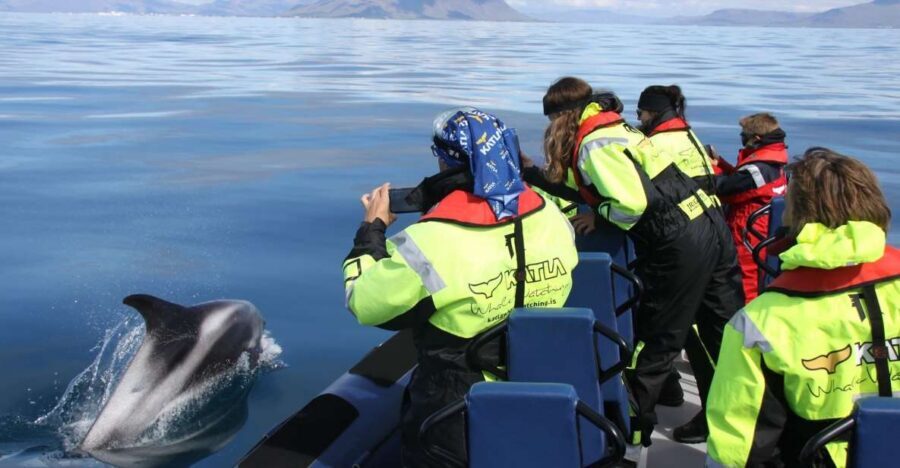
This tour includes warm overalls, and that matters more than people think. On the open deck, cold isn’t just uncomfortable—it can make you stop paying attention. The right gear keeps you outside long enough to notice the details: a blow you almost missed, a fin that appears and disappears, birds reacting as whales move through the water.
You’ll also find WiFi onboard, which is handy if you want to check updates or message home while you’re waiting for the next sighting. And the tour includes a guide, plus access to the activity provider’s whale-watching centre, so you’re not only paying for motion—you’re paying for context.
A few extra comfort touches show up in how people talk about the experience. Many mention hot drinks available for purchase onboard, and some note sea sickness tablets being handed out. If you’re sensitive to motion, it’s smart to take that seriously and come prepared. The bay can be calm or choppy depending on the day.
The cruise flow: how you move from harbour to whale zone
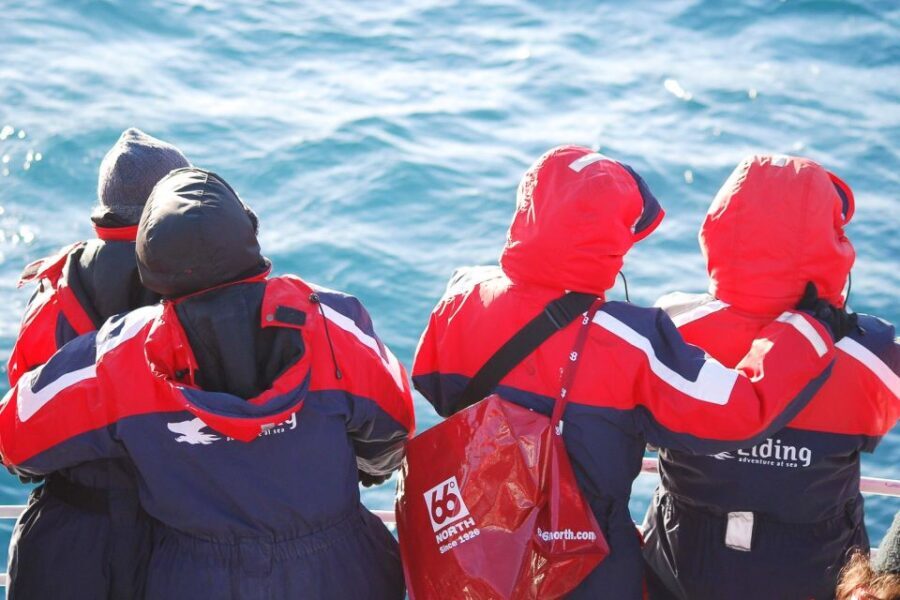
After you set sail, the itinerary follows a simple logic: get out into the southern part of Faxaflói bay off Reykjavik’s Old Harbor and keep searching where whales are likely to be. The tour isn’t just you sitting still and hoping. Crew and guide coordinate as they scan the water and update you on what’s developing.
You’re also not locked into one single straight route all the time. When whales are around, the boat may pause long enough for you to enjoy sightings without rushing past the moment. When whales move on, the crew shifts to new chances. People love this because it balances two needs: animal time and passenger time.
A key detail: the tour claims a high success rate with whales seen on more than 90% of tours throughout the year. That doesn’t mean you’ll see whales instantly every time, but it does mean the company is consistently finding the right areas and adjusting when conditions change.
Wildlife spotting you can plan for: what whales and dolphins look like from the deck
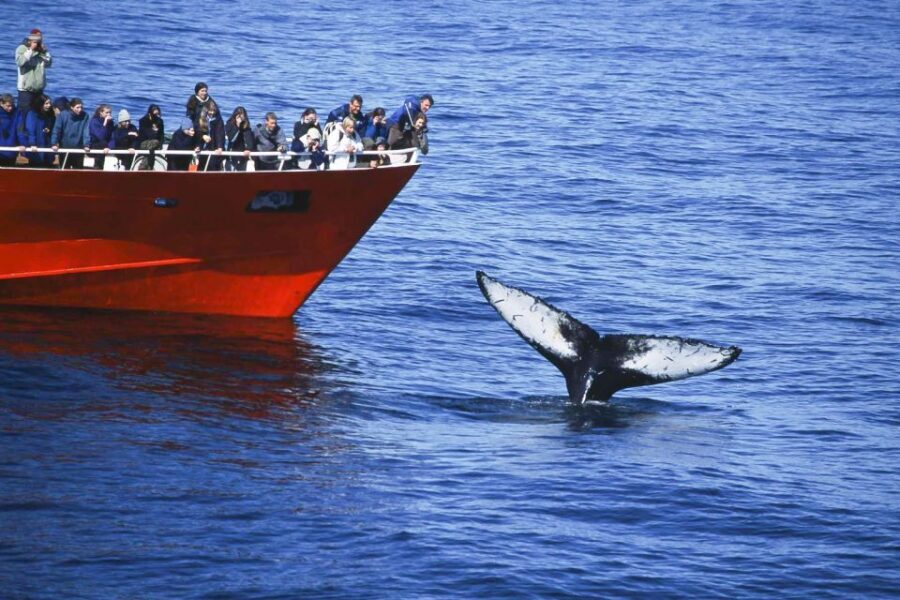
Let’s talk about what you’re likely to spot, and what it means when you do.
You can also read our reviews of more tours and experiences in Reykjavik





Humpback whales
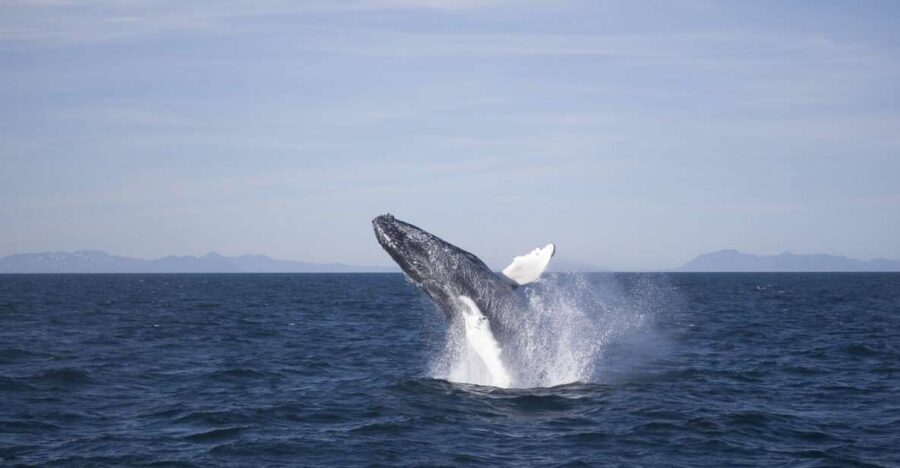
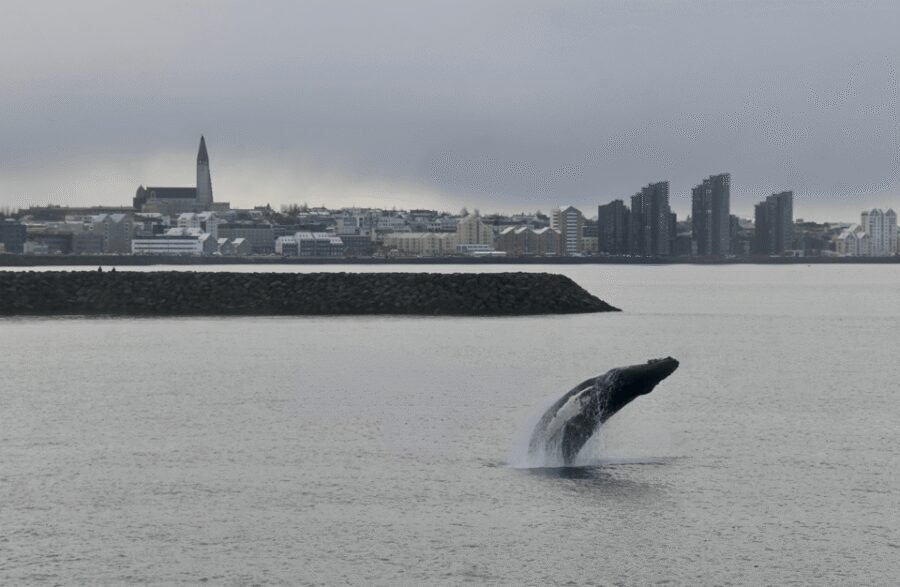
Humpbacks are the stars of many trips. You might see them repeatedly as they surface, then dive again. Some days you get close enough for your brain to go quiet for a second—because it’s one thing to watch whales on a screen, and another to see them right there, moving like slow weather.
Minke whales
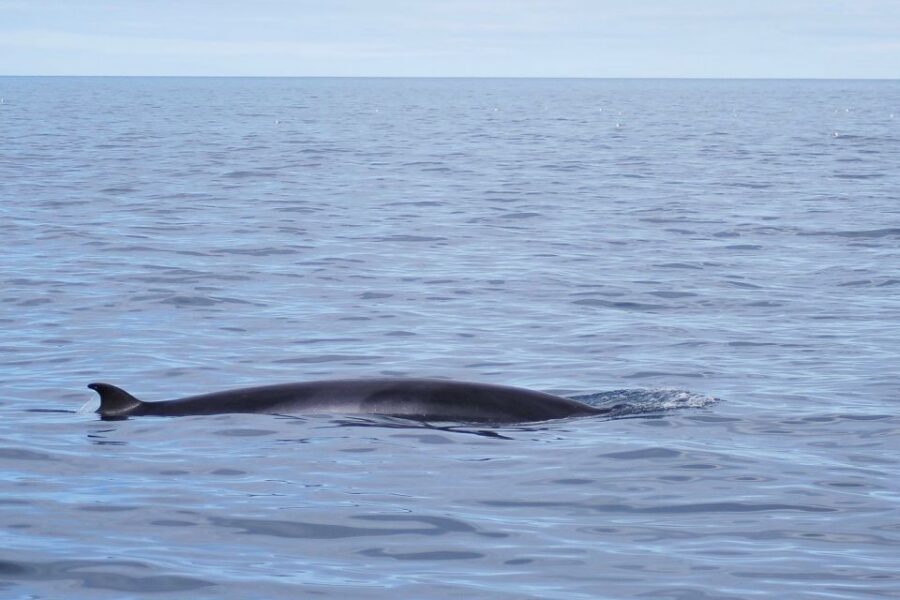
Minke whales are smaller, which can make them easier to miss if you only watch one spot. The guide’s job is to help you read the signs—blows, movement patterns, and where the crew expects the next surfacing.
White-beaked dolphins and harbour porpoises
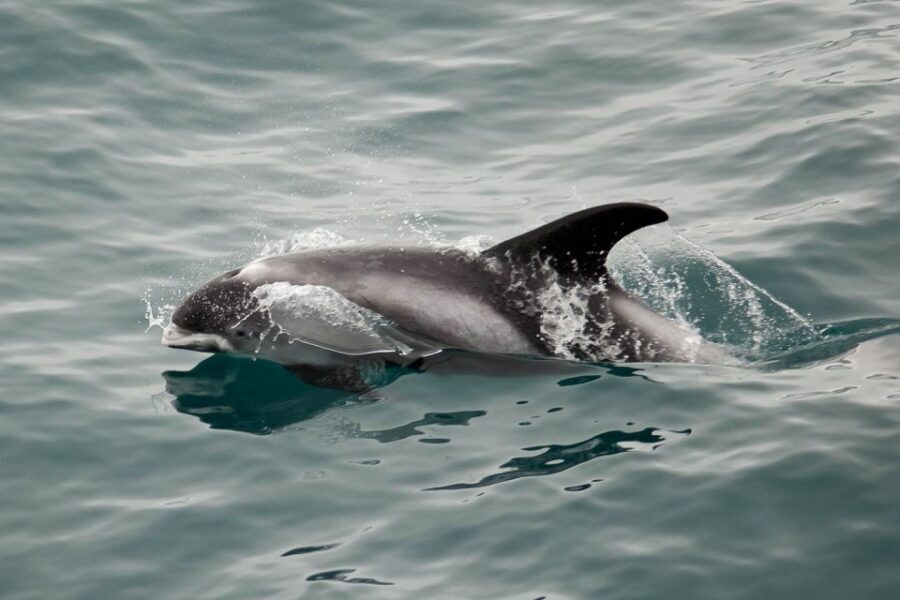
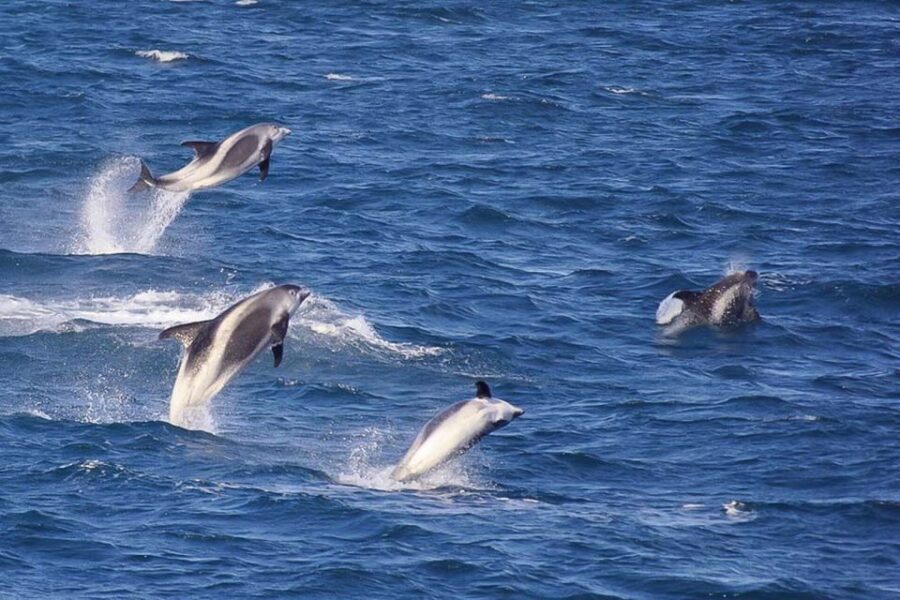
Dolphins and porpoises often create a different energy than whales. They can be faster and more playful. White-beaked dolphins may show up in short bursts—so you’ll want to keep your eyes up, not only on the waterline but also on where the guide directs attention.
Harbour porpoises can be trickier because they’re quick and less obvious at the surface. When you do get a sighting, it feels like the tour found a hidden page in the ocean.
Birds and seals
Even when whales are scarce at a given moment, seabirds and seals can confirm you’re in a productive area. Birds are often a clue that food is present nearby, and that ties directly back to why your tour is structured around searching the bay rather than just passing through it.
The live marine biologist guide: why the commentary changes everything
One of the most praised parts of this tour is the live commentary by a specially trained marine biologist guide. This isn’t generic narration. It’s the kind of guide-led explanation that helps you make sense of what you’re seeing in real time.
You’ll hear about whale behavior, why certain animals surface where they do, and what the crew is doing as they reposition. This is also where the trip becomes more than a photo hunt.
Guide names that show up in firsthand feedback include Emily, Sam, Pedro, Lasse, and Mila. If you’re lucky enough to get one of these guides, you’ll likely notice the same pattern: they stay engaged, communicate clearly, and help you spot what to look for before it disappears.
And yes, the audio experience can vary with weather and deck position. Some people prefer the open front viewing area for the best angle, while others duck inside for clearer hearing and warmth. Either way, you’ll get the information you need—you just get it in different comfort levels.
Deck strategy: where to stand, when to go inside, and how to stay sane
This is the part I tell friends about before they go. You can’t control where whales surface, but you can control how ready you are to see them when they do.
- If you want the best views, the top front deck is a strong choice. It’s also cold, and wind can make the tour guide harder to hear.
- If you want better comfort and audio, spend some time inside the warm area between sightings.
- If the boat angles so whales are on one side, move when the guide tells you. This is one tour where listening to the instructions pays off.
Because the tour is about 3 hours, you’ll likely alternate. That’s normal. The goal is to stay warm enough that you can keep watching, not to “tough it out” until your attention fades.
If you’re coming in winter, treat this like a full cold-weather outing. You’ll be outside for long stretches, then inside to reset. The warm overalls help you do that without turning it into a misery contest.
Responsible whale watching in practice (not just on paper)
I care about this for one simple reason: animals aren’t props. This tour follows responsible whale watching rules designed to avoid disturbing wildlife. The company also states that it doesn’t use sonar to locate whales.
That matters because whale watching can go wrong fast when boats rush closer or sit too aggressively. When the crew respects distance and timing, you tend to get better behavior from the whales—and you also get a more satisfying experience.
You can feel it in the way the crew works. When whales are present, the boat doesn’t act like a bulldozer. It adjusts. It pauses. It keeps things calm enough that the animals keep doing their thing rather than reacting to the crowd.
Price and value: what $108 buys you in the real world
$108 for a 3-hour whale watch is not a bargain on paper. But when you look at what’s included, it starts to make sense.
You get:
- A guided cruise designed for whale sightings in a known productive area
- A trained marine biologist guide with live commentary
- Warm overalls to make the outing comfortable
- WiFi onboard
- Access to the whale-watching centre before you sail
- A sighting guarantee (try again for free) if whales aren’t seen
That sighting guarantee is the biggest “value lever” here. Whale watching is nature. Sometimes nature does what it wants. When a company backs the experience with a try-again option, you’re paying less for a promise and more for a system that gives you multiple shots at the goal.
There are also small bonuses that help justify the price. Some people mention receiving a link to professional-quality photos after the tour, plus a short summary report. Even if you don’t care about pictures, the report gives you a clearer sense of what you saw and when—like a souvenir with information.
Seasonal expectations: winter cold vs summer light
This tour runs in both summer and winter, and that changes how it feels.
In winter, you’ll work harder to stay warm. The overalls help a lot, but plan to dress for wind. You’ll likely spend more time inside and then pop outside during surfacing windows.
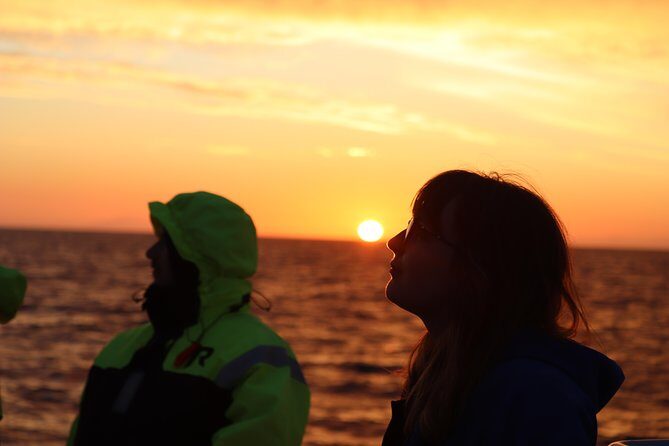
In summer, daylight can stretch. People mention evening trips where the sun stays up late, which turns whale watching into a longer, gentler mood shift. The water can also feel more forgiving if you get a calm day.
Whale sightings still depend on conditions. The good news is the tour’s whale success record is strong across the year, so you’re not signing up for a one-day lottery ticket.
Who should book this tour (and who might skip it)
Book it if you:
- Want a whale-focused outing with serious marine guidance
- Like the idea of a high chance of whales, not just hope
- Are fine doing a cold-weather activity with the provided gear
- Prefer a tour that prioritizes animal space and responsible conduct
You might skip it (or reconsider timing) if:
- You hate cold and don’t want to bundle up for deck time
- You get motion sick easily and don’t plan for it (bring your meds; consider the tablets the crew offers)
Families can enjoy it too. People note the boat setup with multiple viewing spots and a warm indoor space, plus the general friendly help onboard.
Should you book this Reykjavík 3-hour whale watch?
Yes, if you want the best shot at real wildlife time with guidance that actually helps you understand what you’re seeing. The combination of warm overalls, a marine biologist guide, and a 90%+ whale success rate makes this feel like a well-run experience rather than a roll-the-dice outing.
If your top priority is comfort and you fear cold deck time, plan to balance inside warm breaks with outside watching, and position yourself smartly when the guide cues you. With that approach, this tour gives you a good mix of education, respect for wildlife, and the kind of sightings that stick with you long after you’re back in the city.
FAQ
Where is the meeting point?
You meet at Reykjavík’s Old Harbor at the red Elding ticket office.
How long is the whale watching tour?
The tour lasts about 3 hours.
What kinds of marine animals can you see?
You’re looking for whales such as humpback and minke whales, plus white-beaked dolphins, harbour porpoises, and seabirds. Seals can also be seen.
Are warm overalls provided?
Yes. The tour includes the use of warm overalls.
Is there WiFi onboard?
Yes, WiFi is included onboard.
Is food included?
No. Food and drink are available to purchase on board, but they’re not included.
What happens if you don’t see whales?
The tour offers a sighting guarantee, meaning you can try again for free.