REVIEW · REYKJAVIK
Icelandic Cooking Class in Downtown Reykjavik with Musical Hosts
Book on Viator →Bookable on Viator
Stepping into a local home beats tours.
This private cooking class puts you right in the kitchen of Iris and Nonni, a welcoming Reykjavik couple who walk you through making two Icelandic dishes you can actually repeat later. Choose lunch or dinner, and if you upgrade, you’ll also visit a nearby market first to learn what’s grown, raised, and sold locally.
What I really like is the hands-on pace: you’re not just watching. You’re chopping, assembling, tasting, and getting practical guidance in an open, roomy kitchen that feels more like visiting friends than doing an activity.
Two big wins for me: you get to learn two dishes (not a vague tasting menu), and you’re fed in a comfortable sit-down setting with local drinks. One possible drawback to think about: it’s in their home, so it’s less “handsome view sightseeing” and more “real kitchen time,” which won’t be everyone’s idea of a perfect evening.
In This Review
- Key Takeaways Before You Go
- A Reykjavik Cooking Class That Feels Like a Real Dinner
- Where You Start: Nóatún 21 and a Home-Hosted Schedule
- The Optional Market Tour: Why It’s Worth the Upgrade
- Cooking in Iris and Nonni’s Open Kitchen: Hands-On Without the Stress
- Choosing Lunch or Dinner: How to Pick the Best Time
- What You’ll Learn: Two Dishes Designed for Home Cooking
- What You’ll Eat: Lamb, Atlantic Salmon, Potatoes, and Fresh Greens
- Local Bites and Small Icelandic Moments (Including Fermented Shark)
- Dietary Needs: Vegetarian and Gluten-Free Options with Advance Notice
- Who This Experience Is For (and Who Should Skip It)
- Price and Value: Is $314 Per Person Fair?
- A Practical Plan: How to Get the Best Evening
- Should You Book This Reykjavik Cooking Class?
- FAQ
- How long is the Icelandic Cooking Class in downtown Reykjavik?
- Is lunch or dinner available?
- Does the market tour come with the class?
- What kind of dishes will I learn?
- Are vegetarian or gluten-free options available?
- What’s included in the price?
- Where do I meet, and do I return there?
- Is hotel pickup and drop-off included?
- Can I get a refund if my plans change?
Key Takeaways Before You Go

- Meet Iris and Nonni at their downtown home and cook together in a spacious, open kitchen.
- Market + cooking upgrade lets you see local produce and pick ingredients for your meal.
- You learn two Icelandic dishes designed to be easy to recreate back home.
- The menu shifts by season, but expect classics like lamb, Atlantic salmon, potatoes, and fresh greens.
- Dietary options exist (vegetarian and gluten-free) with advance notice.
- Local drinks and gratuities are included, so there’s less to juggle at the end.
A Reykjavik Cooking Class That Feels Like a Real Dinner
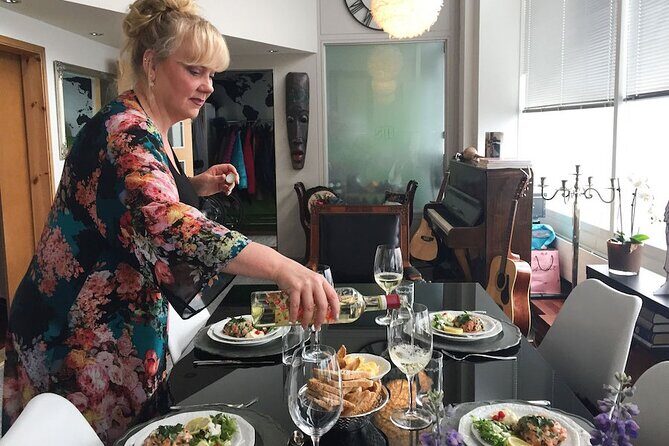
Reykjavik can be a whirlwind. You can easily end up doing the standard checklist—church, harbor, waterfall tour, repeat. This experience is different because the main event is food, made in a home setting, with hosts who clearly care about what’s on the plate.
I like that the class is anchored around Icelandic quality ingredients. Iceland’s cuisine isn’t built on complicated tricks. It’s built on good stuff—fish, pasture-raised meat, potatoes, and vegetables that actually taste like something. Iris and Nonni don’t treat cooking like a performance. They treat it like a skill you can learn, step by step, even if you’re not the kind of person who knows the difference between whisking and vigorous mixing.
And there’s a “downside-proof” ingredient here: your experience ends with you eating what you helped make. That matters. A lot of cooking classes feel like work followed by a small snack. This one is set up as a full meal.
You can also read our reviews of more tours and experiences in Reykjavik.



Where You Start: Nóatún 21 and a Home-Hosted Schedule
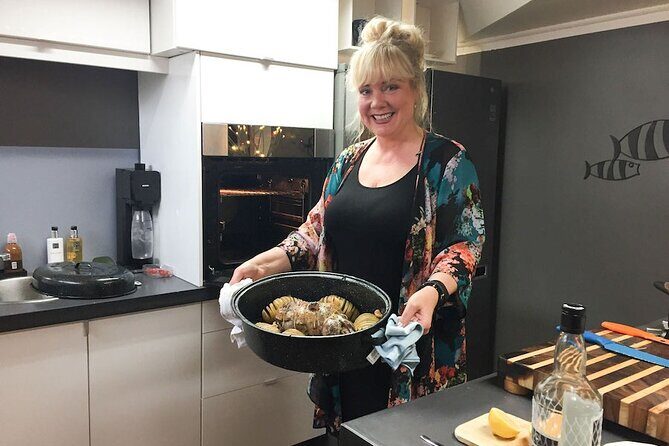
The experience begins at Nóatún 21, 105 Reykjavík, in downtown. Your tour ends back at the same meeting point, so you’re not spending your evening trying to figure out transportation at the last minute.
Timing is also refreshingly straightforward. Expect around 4 hours, give or take. That’s enough time to do meaningful cooking without it turning into a half-day mission.
One more practical note: hotel pickup and drop-off is not included. So you’ll want to plan to get to the meeting spot yourself. The good news is it’s described as being near public transportation, which usually makes Reykjavik logistics easier than you’d think.
The Optional Market Tour: Why It’s Worth the Upgrade
If you choose the market + cooking option, you’ll start with a short drive to a nearby market. This part is about more than shopping. It’s a quick education in how Iceland gets its food.
You’ll be introduced to some of Iris and Nonni’s favorite Icelandic products. You’ll learn about local agriculture and what’s available, and you may pick up a few ingredients for your meal while you browse.
Here’s why I think this matters: when you’re cooking at home later, you’ll remember the “why,” not just the “how.” You’ll know what those ingredients are, where they come from, and what you’re trying to recreate. In other words, the market stops you from turning dinner into a sad substitution game.
Also, if you’re the type who likes to buy food to take back—jam, spices, or special ingredients—this is the moment you’ll likely get the best context for what’s worth seeking out.
If you don’t upgrade, no problem. Your class begins with the cooking portion instead, still taught in the same home-kitchen setup.
Cooking in Iris and Nonni’s Open Kitchen: Hands-On Without the Stress
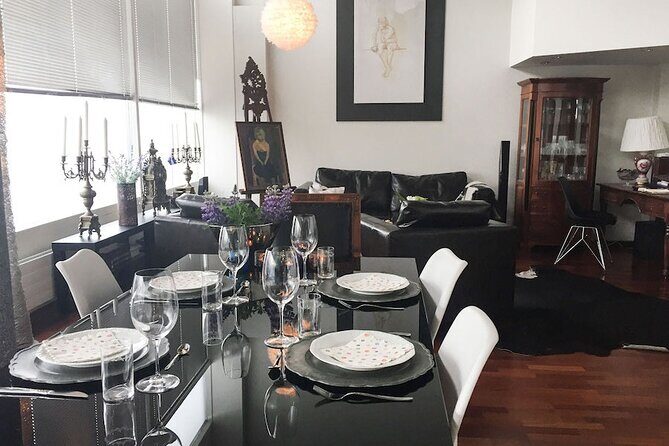
After the market (or at the start of the experience if you skip it), you head back to their home and get into the kitchen.
This is a key difference from many cooking classes. Their kitchen is described as large and open, which makes a real-world difference if you’re sharing space with other people. Instead of being packed into a tiny corner, you can actually work.
I like the format: you’ll prepare two dishes taught by Iris. That means you’re not just “helping” in the way where someone else does the real work. You’ll have chances to try your hand at tasks like assembling elements for things such as salmon salad, preparing fresh greens, and making dessert.
The hosts don’t just toss recipes at you. They explain how Icelandic food comes together—especially the way flavors balance with simple ingredients. And they keep it relaxed, not stiff. It’s educational, but it doesn’t feel like homework.
Choosing Lunch or Dinner: How to Pick the Best Time
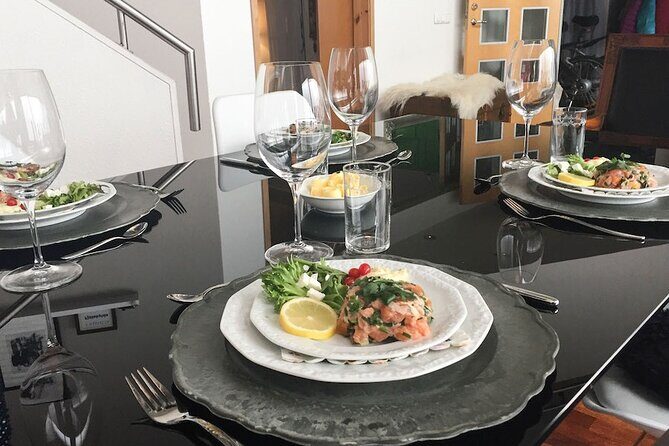
You can choose between lunch or dinner. That might sound like a small detail, but it affects your whole day.
If you’ve got a more packed morning—Golden Circle plans, museum time, a whale boat trip—lunch can fit neatly as an “anchor meal” that doesn’t eat your night. If you’re out and about in Reykjavik for the evening anyway, dinner keeps the day flowing into a sit-down meal.
Either way, you’ll end up with the same core experience: hands-on cooking, then you eat what you made.
If you’re sensitive to meal timing (or you just hate late dinners), pick lunch. You’ll feel it the next day when you’re deciding whether to chase northern lights or sleep in.
You can also read our reviews of more tours and experiences in Reykjavik

What You’ll Learn: Two Dishes Designed for Home Cooking
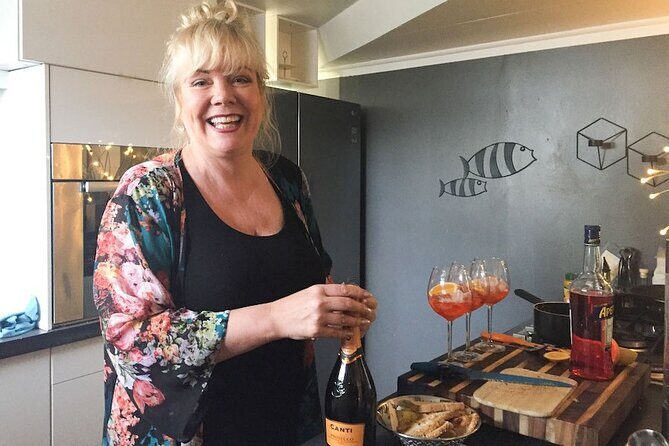
The promise here is not just learning Icelandic recipes. It’s learning two dishes that are easy to replicate at home. That’s a big deal, because most cooking classes fail at the “repeatability” test.
You’ll likely work with ingredients and techniques that match Icelandic everyday cooking: fish prep, building salads and greens, cooking potatoes, and putting together a dessert. The exact menu can vary based on the season, but the teaching goals stay consistent.
Your hosts also set you up with a table-friendly workflow. You’ll be involved in prep and assembly, so you’re not left standing around. And because it’s private and personalized for your group, Iris and Nonni can pace things in a way that fits your comfort level.
Practical tip: when you’re in the kitchen, ask about substitutions. Icelandic cooking often depends on what’s available. If you tell them what you can get locally, they’ll usually help you translate the recipe to your real-life grocery store.
What You’ll Eat: Lamb, Atlantic Salmon, Potatoes, and Fresh Greens
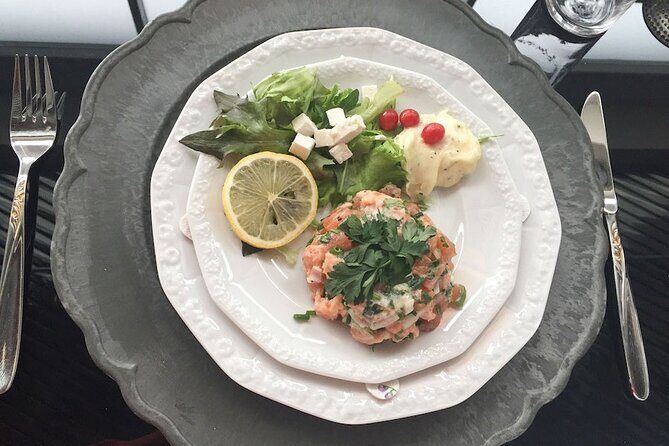
A typical meal at their table includes a mix of comforting and bright flavors. Often you’ll see slow-roasted meat, with Icelandic lamb described as organic and exclusively pasture-raised.
You’ll also get local fish like Atlantic salmon, served raw, smoked, or baked. The exact approach depends on the menu for that season and what Iris and Nonni feel like teaching that day.
Then there are the classic sides: potato dishes and bright, fresh vegetables. This combo is why Icelandic food can feel both hearty and surprisingly clean on the palate. Potatoes bring the comfort. Fresh greens bring the snap.
One more thing: there’s a sense of variety. The meal isn’t built on one flavor lane. You’ll likely move from something meaty and slow-cooked to something fish-forward, plus sides and dessert. That gives you a better mental map of Icelandic cuisine than a single-item tasting.
And yes, you’ll drink too—alcoholic beverages are included. That can make the meal feel more like a long evening at home instead of a short class with a stopwatch.
Local Bites and Small Icelandic Moments (Including Fermented Shark)
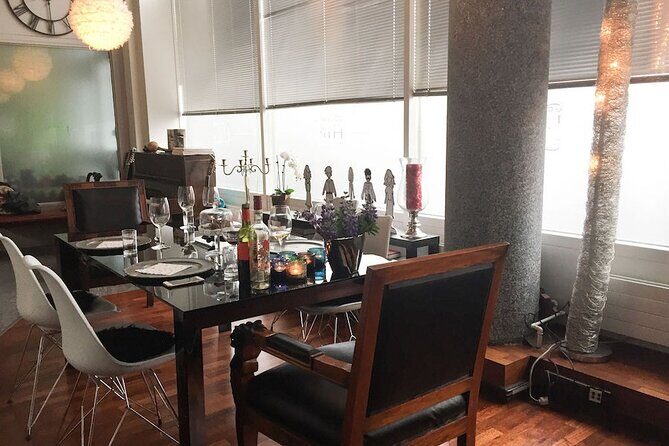
Food culture is more than recipes. It’s also the small, unexpected choices hosts make for the table.
In one highlight from the experience, Iris even purchases fermented shark so you can try it. This doesn’t mean you have to force it down. But it does show the spirit of the evening: Iris and Nonni aren’t just presenting Iceland—they’re sharing Iceland in a way that’s approachable.
Fermented shark is one of those Iceland foods people talk about with big opinions. Here, it’s treated like a casual option at the table, not a dare. If you’re curious, it’s a great way to understand how locals think about tradition and taste.
Even if you skip it, you’ll still get a sense of how the meal connects to everyday Icelandic identity.
Dietary Needs: Vegetarian and Gluten-Free Options with Advance Notice
This is one of the more important practical points. You can request vegetarian or gluten-free options, but you need to advise at booking.
If you have allergies or any dietary restrictions, let them know when you book. The experience notes that if anyone in your party has allergies, dietary restrictions, or cooking preferences, you should advise at time of booking.
I appreciate this because Icelandic meals can be fish-and-meat heavy by default. It’s reassuring that the hosts specifically support at least vegetarian and gluten-free needs, rather than shrugging and offering plain sides.
If you’re gluten-free, also keep in mind that cross-contact can be a real issue in many home kitchens. The data here doesn’t spell out kitchen protocols, so I’d recommend being very clear about what you need so Iris can plan accordingly.
Who This Experience Is For (and Who Should Skip It)
This cooking class fits best if you want an authentic slice of Reykjavik life and you like learning by doing.
You’ll probably love it if:
- You enjoy hands-on cooking and want real skills, not just photos.
- You want a break from the “stand outside” style tours.
- You like eating what you cook with local drinks included.
- You travel in a small group and want the “private, only your group participates” vibe.
It may not be your best match if:
- You want lots of outdoor sightseeing and scenic viewpoints as the main event.
- You prefer structured, restaurant-style dining where everything is preplanned and hands-off.
- You’re on a super tight schedule with no flexibility for a home start.
Price and Value: Is $314 Per Person Fair?
At $314 per person, this isn’t a bargain. It’s closer to a premium “do it right” experience. But when I look at what’s included, the value starts making sense.
Included elements:
- A private cooking class with Iris
- A home-based cooking setup where you actively participate
- A full meal you sit down to enjoy
- Alcoholic beverages included
- All fees and taxes and gratuities included
- Optional market tour if you choose the higher-grade option
- A mobile ticket
So you’re not paying only for the cooking lesson. You’re paying for a hosted evening: shopping context (if you upgrade), instruction, ingredients, drinks, and the hosts’ time in their home kitchen.
It’s also booked fairly far in advance on average (about 86 days). That tells me this class has a limited schedule and a strong demand pattern—another sign to plan ahead if you’re visiting during peak season.
If you’re traveling solo, the price can feel steep. If you’re a couple or small family group, it becomes more reasonable because it’s private and personalized. If you’re comparing, look at what you’d pay for a nice dinner plus a cooking workshop plus drinks—and ask whether you’d rather learn and eat in one place.
A Practical Plan: How to Get the Best Evening
You can make this experience smoother with a little prep on your end.
- Decide whether you want lunch or dinner based on your day, not just the vibe.
- If you care about dietary needs, tell them at booking and be specific.
- If you upgrade for the market, be ready to bring back a few ingredients or at least note what you want to buy later.
- Ask questions while you cook. The kitchen is the time to clarify techniques and substitutions.
And when it comes time to eat, give yourself permission to slow down. The point is not to rush through a course and leave. You’re learning Icelandic food culture by living the rhythm of a real meal.
Should You Book This Reykjavik Cooking Class?
I’d book it if you want an Iceland experience that’s less about ticking landmarks and more about understanding how people cook and eat at home. The combination of hands-on instruction, learning two repeatable dishes, and a sit-down meal with local drinks included makes it a strong value for the right traveler.
Skip it if you expect a sightseeing-heavy itinerary or you’re not interested in kitchen work. It’s a home-cooking experience first. The view is the kitchen counter, the ingredients, and the table.
If you’re the kind of traveler who loves real food, real hosts, and practical skills you can bring home, this one is hard to beat.
FAQ
How long is the Icelandic Cooking Class in downtown Reykjavik?
The experience lasts about 4 hours.
Is lunch or dinner available?
Yes. You can choose either lunch or dinner.
Does the market tour come with the class?
It depends on the option you choose. The market + cooking grade includes a market tour, while the cooking-only option starts with the cooking class.
What kind of dishes will I learn?
You’ll learn how to prepare 2 dishes. The menu can vary by season, but the experience is designed around Icelandic favorites like salmon-based dishes, fresh greens, and dessert.
Are vegetarian or gluten-free options available?
Yes, but you need to request them in advance. You can also mention dietary restrictions and allergies at booking.
What’s included in the price?
Included are the private cooking class with host Iris, all fees and taxes, gratuities, and alcoholic beverages. If you choose the market + cooking option, the market tour is included too.
Where do I meet, and do I return there?
You start at Nóatún 21, 105 Reykjavík and the activity ends back at the meeting point.
Is hotel pickup and drop-off included?
No. Hotel pickup and drop-off is not included.
Can I get a refund if my plans change?
You can cancel up to 2 days in advance of the experience for a full refund.