REVIEW · REYKJAVIK
Silfra: Snorkeling Between Tectonic Plates – Meet on Location
Book on Viator →Operated by DIVE.IS - The Sport Diving School of Iceland · Bookable on Viator
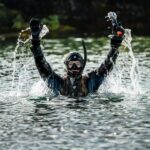
Silfra is Iceland’s rare underwater geography lesson. You’re snorkeling in water that flows between the North American and Eurasian plates, with crystal-clear views of rock, cracks, and the rift itself. It’s not about fish. It’s about being in a place that feels scientifically unreal.
What I really like is the hands-on approach: you get fully fitted drysuit gear, a real safety talk, and a short coaching period so you can focus on floating and looking. Another win is the post-snorkel warmth—hot chocolate and cookies—so the experience doesn’t end the moment you step out.
One thing to plan for: it’s cold water, and the drysuit can feel tight. You also have some real participation rules, including age minimum, a medical form, and a swim-comfort requirement.
In This Review
- Key highlights you’ll care about
- Silfra Between Plates: The Iceland Stop You Can Feel
- Your 2.5 Hours: Prep That Builds Comfort (Not Stress)
- Silfra Hall, Cathedral, and Lagoon: What You’ll Actually See
- Staying Warm: Drysuit Fit, Layers, and the Cold-Water “Culture Shock”
- Thingvellir National Park on Land: Why the Briefing Isn’t Extra
- Guide Quality: Why PADI Coaching Makes the Difference
- Hot Chocolate, Photos, and the “Wait, That Was Real” Moment
- Price and Value: What Your $154 Actually Buys
- Who This Fits Best (And Who Should Skip)
- Should You Book Silfra Snorkeling?
- FAQ
- How long is the Silfra snorkeling tour?
- Where is the meeting point?
- What’s included in the price?
- Do I need to bring snorkeling gear or a wetsuit?
- Is the water too cold for beginners?
- What are the age and size requirements?
- Do I need to fill out any forms?
- Is this tour suitable for pregnant women?
- What happens if the weather is poor or I need to cancel?
Key highlights you’ll care about
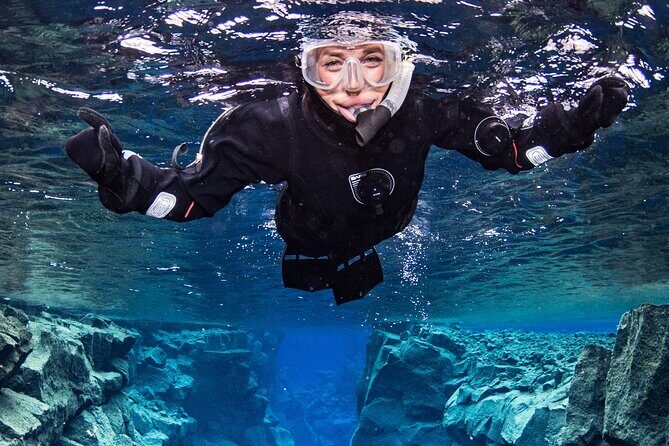
- Swim between two tectonic plates in Silfra’s rift water, with views that are more rock-scapes than reefs
- Small groups (max 6) so the guide can watch you and keep things calm and controlled
- Heated changing van plus hot cocoa and cookies after, so you’re not freezing your way out
- All equipment included: drysuit, warm undersuit, snorkel gear, and an entrance fee
- PADI instructor guiding with practical safety and comfort tips, not just a quick explanation
- Short snorkel time (about 30–45 minutes) that’s long enough for the sights without dragging
Silfra Between Plates: The Iceland Stop You Can Feel
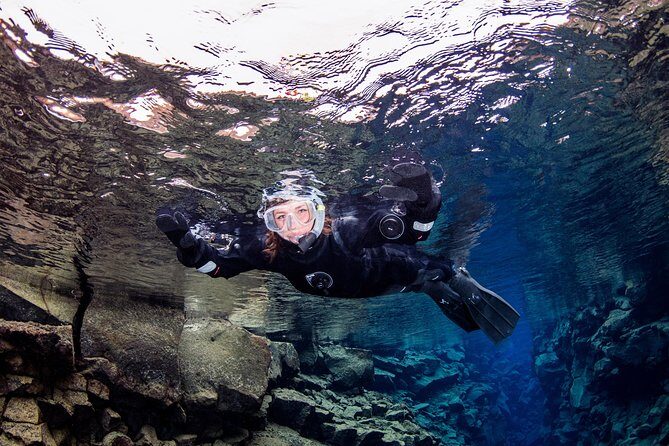
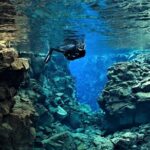
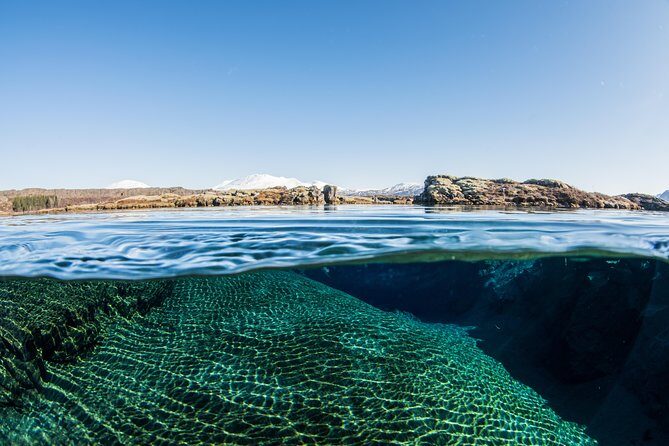
Silfra is famous because it’s not theater. You’re actually in the fissure where plates move, and the water is glacial meltwater filtering through cracks in the ground. The result is that strong “how is this so clear?” look, with deep blue water and sharp, clean rock lines.
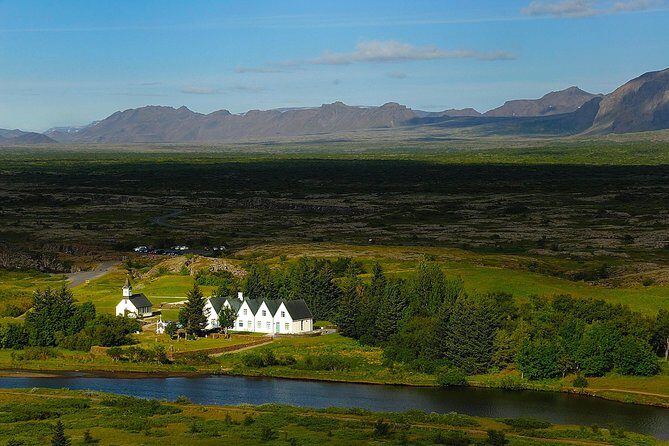
Your guide also connects it to what you’re seeing above ground at Thingvellir National Park. The whole point is to turn a familiar Iceland road-trip stop into something physical. You’ll start with a briefing, then you’ll go straight underwater and experience the rift for yourself.
You can also read our reviews of more snorkeling tours in Reykjavik
Your 2.5 Hours: Prep That Builds Comfort (Not Stress)
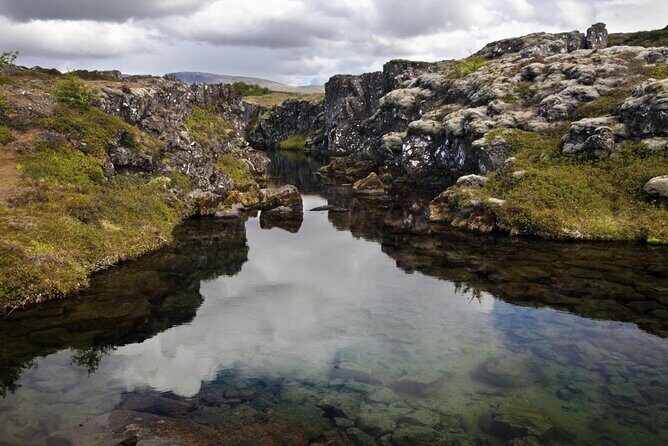
Plan on arriving about 15 minutes early. When you check in, your group gets formed (up to 6), then the real work starts: getting fitted with your gear.
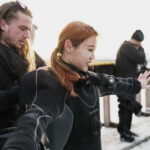
Gear time runs about an hour because it’s not just handing you a drysuit. The guide explains how to wear it, how to manage your snorkel equipment, and how to stay warm while you’re floating. This is where the experience earns its reputation—good coaching means less panic, more looking around.
You’ll use a heated changing van to change into layers. After that, you’ll walk about 5 minutes to the Silfra water. Then you get your snorkel run—around 30 to 45 minutes—through the main areas.
After you’re out, you warm up again with hot cocoa and cookies. You’ll also have a chance to chat with your guide, ask questions, and review photos taken during the tour.
Silfra Hall, Cathedral, and Lagoon: What You’ll Actually See
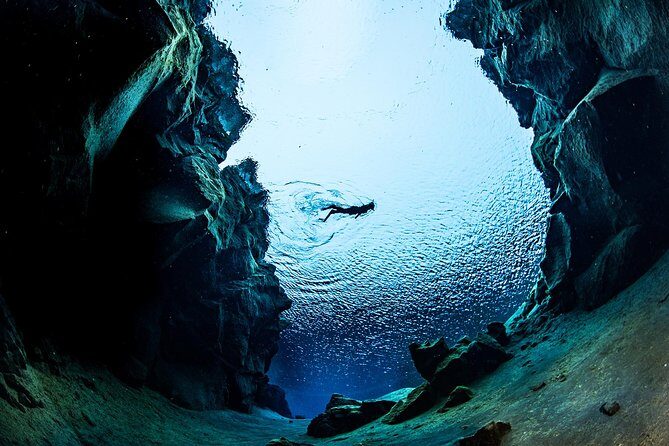
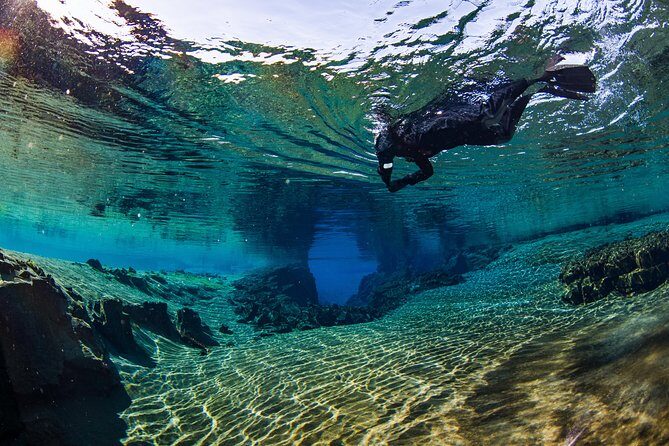
This is not a coral reef snorkeling day. You won’t be swimming through schools of colorful fish. Instead, you’ll see geology up close: rock faces, narrow openings, and the scale of the rift under you.
The three named spots help you picture the route:
- Silfra Hall is where the space feels bigger and more open, so you can get comfortable with floating and breathing.
- Silfra Cathedral tends to feel more dramatic, with that “standing inside a stone chamber” vibe from the underwater walls and openings.
- Silfra Lagoon gives you time to take it all in from a slightly different angle, before the tour ends and you head back to warm up.
One practical note: people often assume you can place your hands right on the plates. You can’t just reach across and touch the boundary like it’s a museum wall. What you can do is swim in the rift area itself, which is the key experience. The rift is wider than it looks from the top, and the underwater rock you swim past is part of that system.
Staying Warm: Drysuit Fit, Layers, and the Cold-Water “Culture Shock”
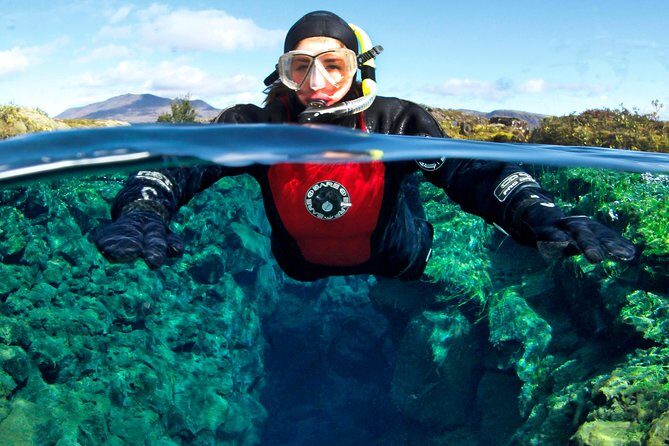
Yes, the water is cold. That matters. But the tour is built around cold-water reality with the right gear and habits.
You’ll wear a drysuit over your own clothing, plus a warm undersuit. Your face and hands are the only parts that get wet, which is why the experience feels doable even when you’re shivering during the initial gearing up.
Here’s what I’d tell you to wear before you arrive, based on the tour guidance:
- Long thermal underwear as a base layer
- Thick wool socks
- Plan for layers that you can move in while a suit is on top of them
Drysuits can feel tight and constricting, especially at first. That feeling doesn’t mean you’re doing it wrong. It’s just how drysuits work. The guide will help you adjust your fit. If you’re nervous about the tightness, focus on what you’ll feel later: once you’re suited and in the water, many people find it’s less brutal than that first minute out of the van.
Also, don’t rely on a regular snorkel mindset. You’re not racing around. You’re floating, listening to the guide, and looking. The warmth comes from the gear and the rhythm of the tour, not from brute toughness.
Thingvellir National Park on Land: Why the Briefing Isn’t Extra
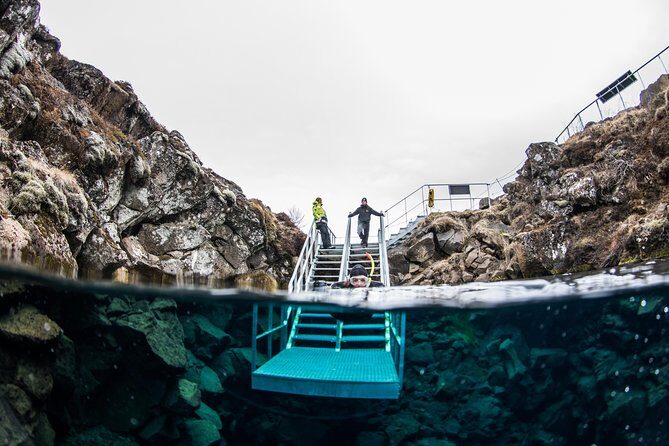
You’ll have time with your guide to learn what you’re seeing at Thingvellir National Park and how it connects to what’s happening underwater. This is where the “tectonic plate” topic becomes more than trivia.
The guide explains the basics of the rift and the continents involved. You’ll also get safety guidance for the water. It’s a quick path from classroom to action: stand, listen, then step into a setup designed for comfort and control.
This matters because your best viewing happens when you’re calm. When you understand the plan—where you’re going and what the underwater features mean—you spend less time wondering and more time looking.
If you’re someone who likes to connect places to bigger ideas (plates shifting, landscapes shaped over time), this land briefing turns the snorkeling into a full story, not a standalone stunt.


Guide Quality: Why PADI Coaching Makes the Difference
A lot of tours say they’re “educational.” This one actually trains you for success in the water.
The tour includes a live guide who is a PADI instructor, and that shows in the style: instructions are practical, safety is clear, and comfort is treated as part of the job. You’ll also be supported during the gearing-up stage, where the biggest frustration points usually happen—getting your suit on, managing your snorkel fit, and dealing with cold anticipation.
The names you might hear depend on your group, but I’ve seen the pattern of excellence again and again in guides like Boris, Hugo, Diogo, and Wilfred. People consistently highlight how the guide stays close, explains what you’re seeing, and keeps the mood upbeat. Even when someone feels nervous, the guide’s job is to make you feel secure—often by swimming alongside rather than pulling ahead.
Small groups help here too. With a maximum of 6 travelers, you’re less likely to get lost in a crowd. The guide can check how you’re doing and adjust the pace.
Hot Chocolate, Photos, and the “Wait, That Was Real” Moment
After the water, you get hot cocoa and cookies. It’s a small thing, but it’s smart. Cold water can make you lightheaded or just cranky. Warm drinks help you reset fast.
You’ll also get photo coverage from the tour. Souvenir photos are available to purchase, and some people mention downloadable photos after the tour for their group. If you want to bring your own camera, be aware that extreme cold can cause camera issues fast—so consider relying on the tour’s photo service.
This is one of those tours where the “souvenir” value isn’t only the pictures. It’s the mental image: you swimming in a place that usually stays theoretical.
Price and Value: What Your $154 Actually Buys
At $154 per person, the price can look like a splurge until you break down what’s included.
You’re getting:
- The guided snorkeling tour
- All snorkeling equipment, plus the drysuit and warm undersuit
- A heated changing van
- Hot chocolate and cookies
- Silfra entrance fee (ISK 1,500)
That combo is the value engine. If you had to rent a drysuit yourself, buy snorkel gear, pay entry, and then find a qualified guide, the total would usually swell quickly.
So for me, this is one of those Iceland experiences where the price reflects the real cost of safety gear and trained instruction. The tour isn’t just a walk to a viewpoint—it’s an equipment-heavy activity built for cold water.
Who This Fits Best (And Who Should Skip)
This works best if you can handle cold water and you’re comfortable in the water. You don’t need years of scuba experience, but you do need to meet basic participation requirements.
Good fit if you:
- Can swim and feel comfortable in water
- Want something unique that’s more geology than marine-life snorkeling
- Like small groups and clear coaching
- Don’t mind cold anticipation if you trust the gear setup
Not a fit if you:
- Are pregnant (the tour states it’s not suitable)
- Have trouble meeting the basic medical paperwork requirements
- Don’t meet the age and size rules
Important limits include:
- Minimum age: 12 years old
- Medical form: everyone fills out one online
- If you’re 60 or older, a doctor must sign the approval form
- Minimum height 150 cm (4 ft 11 in) and minimum weight 45 kg (100 lbs)
- Maximum height 200 cm (6 ft 7 in) and maximum weight 120 kg (264 lbs)
- Must be able to communicate in English
One more practical reality: drysuits can feel tight. If you have a strong claustrophobia issue, you should think hard before booking.
Should You Book Silfra Snorkeling?
Book it if you want a once-in-a-lifetime Iceland moment that’s not just a scenic stop. The core value is the combination of between-plates access, PADI-style coaching, and the fact that you’re provided for—gear, warm undersuit, heated van, and a warm drink after.
Skip it if you know cold water and tight gear will stress you out. This tour isn’t designed as “relax and float” in a warm pool. It’s designed as a controlled, safe experience where warmth is managed by equipment and good guidance.
If you’re on the fence, here’s the simple decision rule: if you can swim and you can tolerate a chilly start for the reward of impossible clarity underwater, this is one of the best bets in Reykjavik-area planning.
FAQ
How long is the Silfra snorkeling tour?
The overall duration is about 2 hours 30 minutes (approx.). The gearing-up and briefing take around 1 hour, then you snorkel for about 30–45 minutes.
Where is the meeting point?
The meeting point is the DIVE.IS meeting point for Silfra snorkeling and diving tours, at 806 Thingvellir, Iceland. The tour ends back at the same meeting point.
What’s included in the price?
Your tour includes the guided snorkeling, hot chocolate and cookies, all snorkeling equipment, the drysuit and warm undersuit, a heated changing van, and the Silfra entrance fee (ISK 1,500).
Do I need to bring snorkeling gear or a wetsuit?
No. You’ll be provided with the snorkeling equipment plus a drysuit and warm undersuit. You should bring your own base layers—long thermal underwear and thick wool socks are recommended.
Is the water too cold for beginners?
The water is cold, but the tour is set up to keep you comfortable using the drysuit and warm undersuit. You’ll get a safety briefing and gear instructions, and you should feel confident in the water and able to swim.
What are the age and size requirements?
Minimum age is 12 years old. Height minimum is 150 cm (4 ft 11 in) and weight minimum is 45 kg (100 lbs). Maximum height is 200 cm (6 ft 7 in) and maximum weight is 120 kg (264 lbs).
Do I need to fill out any forms?
Yes. You’ll need to fill out a medical form, which can be completed online. If you are 60 or older, your doctor must sign the approval form.
Is this tour suitable for pregnant women?
No. The tour states it is not suitable for pregnant women.
What happens if the weather is poor or I need to cancel?
The experience requires good weather. If it’s canceled due to poor weather, you’ll be offered a different date or a full refund. You can cancel up to 24 hours in advance for a full refund.