REVIEW · VATNAJOKULL NATIONAL PARK
Skaftafell: Blue Ice Glacier Hike on Vatnajökull
Book on GetYourGuide →Operated by Arctic Adventures · Bookable on GetYourGuide
Blue ice has a way of grabbing you fast. On this Skaftafell glacier hike you step onto Falljökull, one of the outlet tongues of Vatnajökull, Europe’s giant ice sheet. You’ll see deep crevasses, dramatic ice shapes, and learn how guides read the ice so you can enjoy it without fuss.
I especially like two things. First, the experience is built for first-timers: crampons, harnesses, and a clear warm-up so you feel in control. Second, the guiding quality is consistently strong—people rave about guides like Lucy and James for being safety-focused and fun, which matters a lot when you’re walking on something that’s constantly moving.
The main thing to consider is that “easy” still means uneven, icy ground and short uphill sections. If you show up in the wrong footwear or under-dress, you’ll work harder than you expect, even with the gear and the guide.
In This Review
- Key moments you’ll remember
- Getting started at Skaftafell Base Camp: where the tour becomes real
- The 4×4 hop to the glacier edge: short ride, big payoff
- On the ice in Falljökull: crampons, crevasses, and what “easy” really means
- Why the ice looks blue: a quick, useful way to understand what you’re seeing
- Group size and guide quality: the safety factor you can feel
- What’s included: the full safety kit (and what you still must handle)
- Packing for ice: clothes, shoes, and how to avoid the cold surprise
- Timing the day: the flow that keeps it manageable
- Who this hike is perfect for (and who should reconsider)
- Should you book the Skaftafell Blue Ice Glacier Hike?
- FAQ
- How long is the Skaftafell Blue Ice Glacier Hike on Vatnajökull?
- Where do I meet for the tour?
- Is this hike beginner-friendly?
- What kind of gear is included?
- Are hiking boots provided?
- What should I wear and bring?
- How much walking is involved?
- What is the minimum age?
- What language is the guide?
- How long is the transfer to the glacier edge?
Key moments you’ll remember
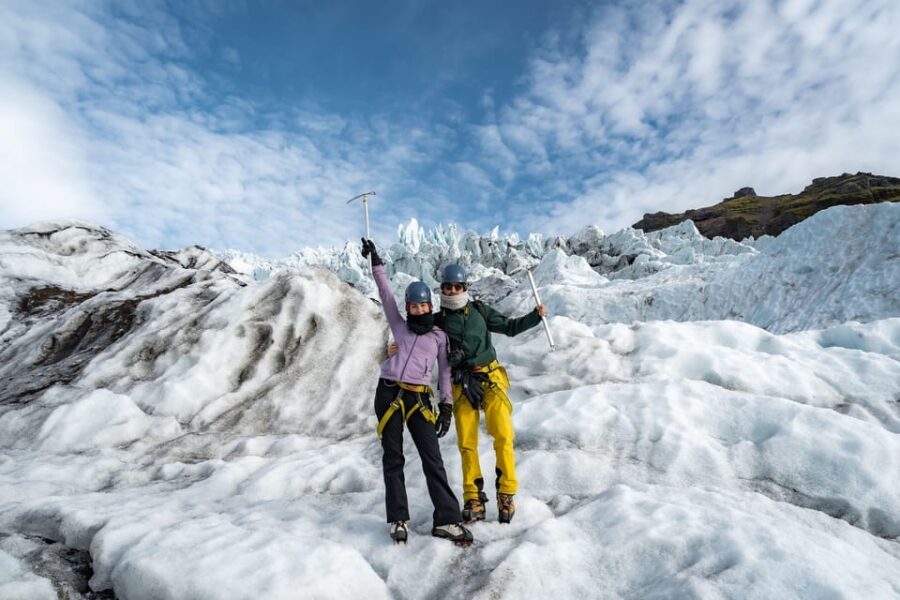
- Blue ice + crevasses up close on Falljökull, not just a distant view
- Crampon practice before you go so you know how to walk before you’re fully on the ice
- Certified glacier guide in small-group style, with safety checks along the way
- All the core safety gear included: crampons, ice pick, helmet, and harness
- Falljökull icefall moments, including why it’s nicknamed the Falling Glacier
- Skaftafell base-to-glacier transfers by 4×4 to save time and keep things smooth
Getting started at Skaftafell Base Camp: where the tour becomes real
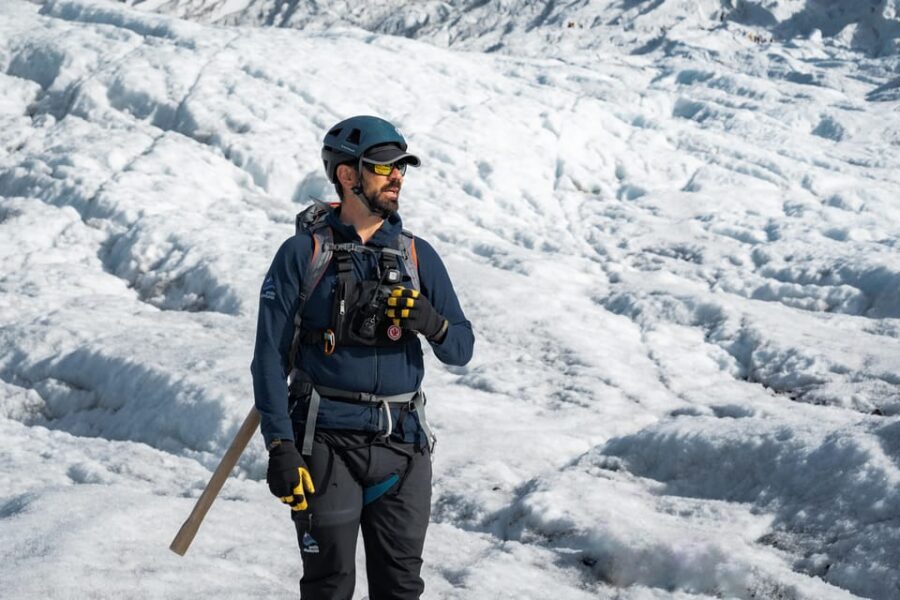
Most glacier hikes feel like a science lesson until you actually see the ice. This one starts at the Arctic Adventures base hut in Skaftafell National Park, where the day shifts from imagination to traction.
You meet, get checked in, and then you move straight to the practical part: fitting and using glacier gear. That matters because the “magic” of blue ice is great, but it’s only fun if you can walk steadily. The staff helps you get sorted with the right kit—especially the parts that affect your balance—before you ever step onto the glacier surface.
One important detail: you need sturdy hiking boots with ankle support. This isn’t the moment to wear your soft trail shoes or anything that flops when you step. If you don’t have the right boots, you can rent boots on site (listed at 1500 ISK). Also note that the provided crampons fit shoe sizes 35–50 EU. If your shoe size is outside that range, plan ahead so you don’t lose time at the fit-check.
You can also read our reviews of more hiking tours in Vatnajokull National Park
The 4×4 hop to the glacier edge: short ride, big payoff
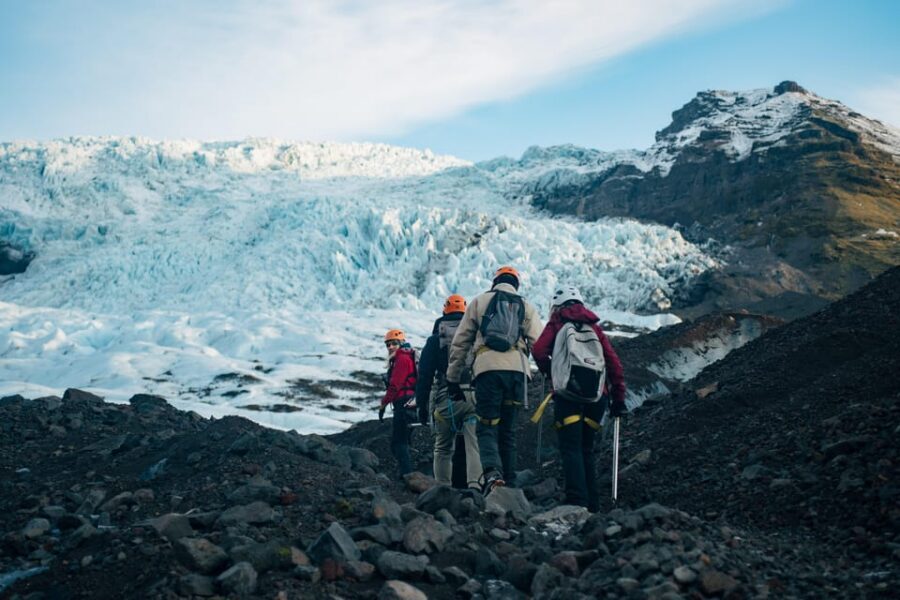
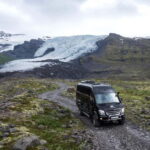
After gear time, you board a 4×4 bus/coach for a drive to the edge of Falljökull. It’s listed as about 15–20 minutes, which is perfect for two reasons.
First, it gets you onto the ice without wasting your whole morning on transfers. Second, Skaftafell is far from Reykjavík—about 327 km (203 miles) away, roughly 4.5 hours by car in good conditions—so doing a tight, organized day like this helps you use your time well.
Expect the drive to feel like a transition: views open up, the air sharpens, and you start noticing how the glacier shapes the terrain. It’s the calm setup before the moment you hear your first steps crunch on ice.
On the ice in Falljökull: crampons, crevasses, and what “easy” really means
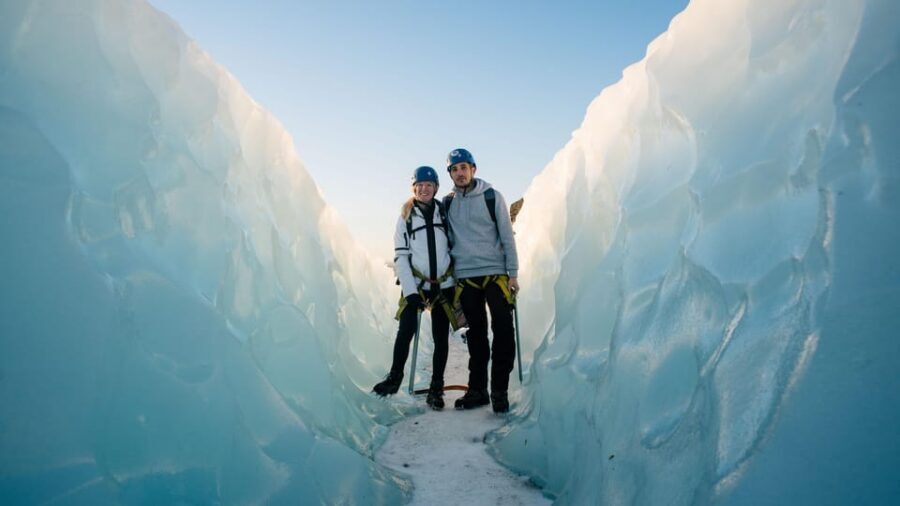
Now you’re on Falljökull, the glacier tongue nicknamed the Falling Glacier because of the visible icefall processes. This is where the tour earns its “blue ice” reputation.
Before you go far, your guide teaches you the basics of walking with crampons. That step is more important than people think. Crampons aren’t just “extra grip.” They change how your foot lands, how you balance on small slopes, and how you move around small ice changes. The guides also show you how to stay comfortable when the ground isn’t flat.
Your hike includes about 3 km (1.8 miles) total over uneven terrain, with some short uphill walking. That’s why the tour is rated easy, but it’s not a stroll. You don’t need to be a hardcore hiker, but you do need steady legs and decent stamina for walking on ice for a few hours.
What makes it special is what you do with that time:
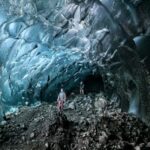
- You’ll see deep crevasses and learn how guides navigate around them
- You’ll notice blue ice formations that look different as the light shifts
- You’ll get an explanation of glacier movement and transformation—how this living ice changes over time
A big part of why these hikes work well for beginners is that you’re not left guessing. Guides keep the route safe and explain what you’re looking at so it feels more like a guided discovery and less like a survival test.
Why the ice looks blue: a quick, useful way to understand what you’re seeing
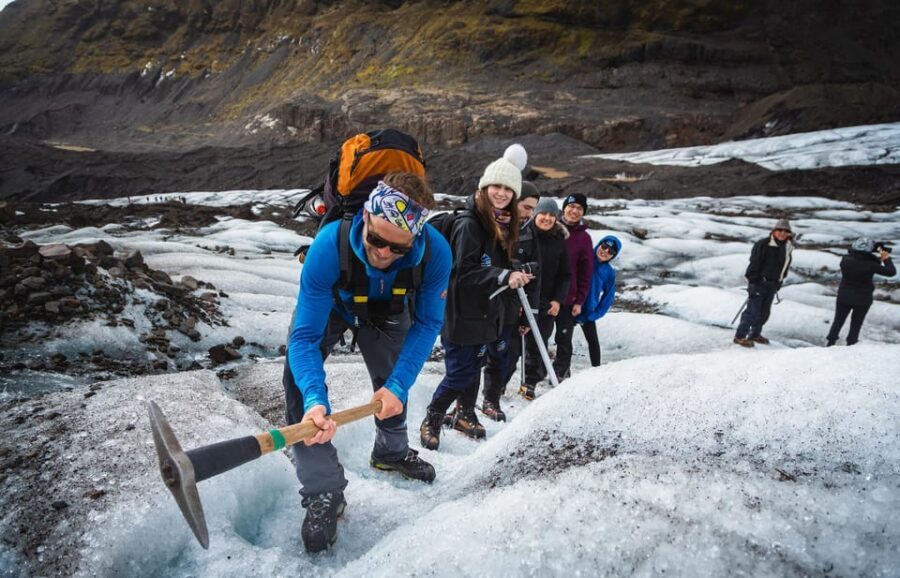
Ice on glaciers isn’t just “white.” On Falljökull you’ll see tones of blue that come from how the ice has been compacted and how light travels through it. You’ll also spot darker areas where ice looks more layered or fractured.
Here’s the practical takeaway: if you want great photos and a deeper appreciation, pay attention to angles and light. On glacier walks, the ice texture changes fast—especially near crevasse edges and icefalls—so your best shots often come when you pause, look up, and then take a few steps to catch the next view.
Your guide’s commentary connects the look with the process: how ice breaks, how formations shift, and why what you see today isn’t frozen in time. Even if you don’t remember every scientific detail, you’ll walk away understanding one thing clearly: glacier hiking is time travel of a sort, just not in a way you can hold still.
Group size and guide quality: the safety factor you can feel
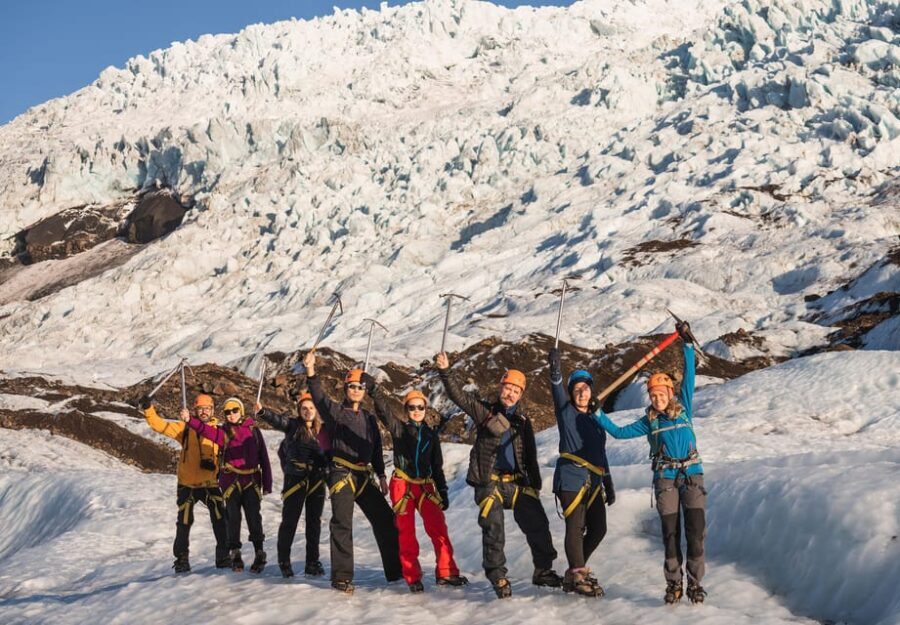
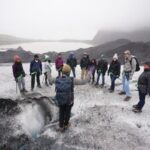
Safety is the real star of any glacier tour, and this one is built around having a certified glacier guide leading you with the proper gear.
Many participants talk about guides who keep the pace comfortable and watch the group constantly. Names that come up in feedback include James, Jan, Anna, Nil, Guillaume, Kira, Ohla, Dragon, and Christian, with people praising how the guides balance instruction with good energy.
A practical note on group size: you might start with a larger group for the transfer, then split into smaller walking groups. One review mentioned a big initial group that got divided into two. Either way, the goal stays the same—small enough that the guide can manage the icy terrain and keep everyone together safely.
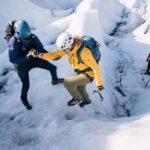
If you’re anxious about your first crampon steps, this is the part to care about. The guides don’t just keep you safe; they teach you how to walk so you stop fighting the ice.
What’s included: the full safety kit (and what you still must handle)
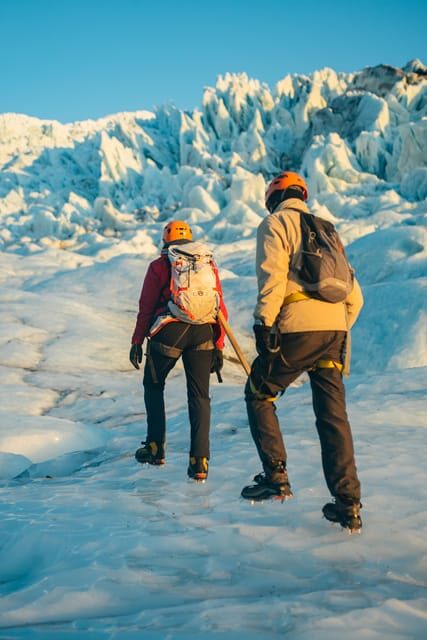
This tour includes the glacier essentials:
- Glacier crampons
- Ice pick
- Helmet
- Harness
- Certified glacier guide
- 4×4 transfer from Skaftafell to the glacier edge
- Vatnajökull National Park fee
That’s a big value point. A lot of the cost of glacier activities is tied up in professional instruction and gear—things you can’t really DIY safely. When you’re paying $116 per person for a 4-hour outing, the best way to judge value is to count what you’re getting: gear, guide expertise, park fee, and the transfer that gets you onto the right part of the glacier without wasting time.
What is not included is also clear:
- Boots with ankle support (you can rent for 1500 ISK)
- Food and drinks
So plan like an outdoor day. Bring water if you need it, and plan simple snacks if that helps you keep energy up.
Packing for ice: clothes, shoes, and how to avoid the cold surprise
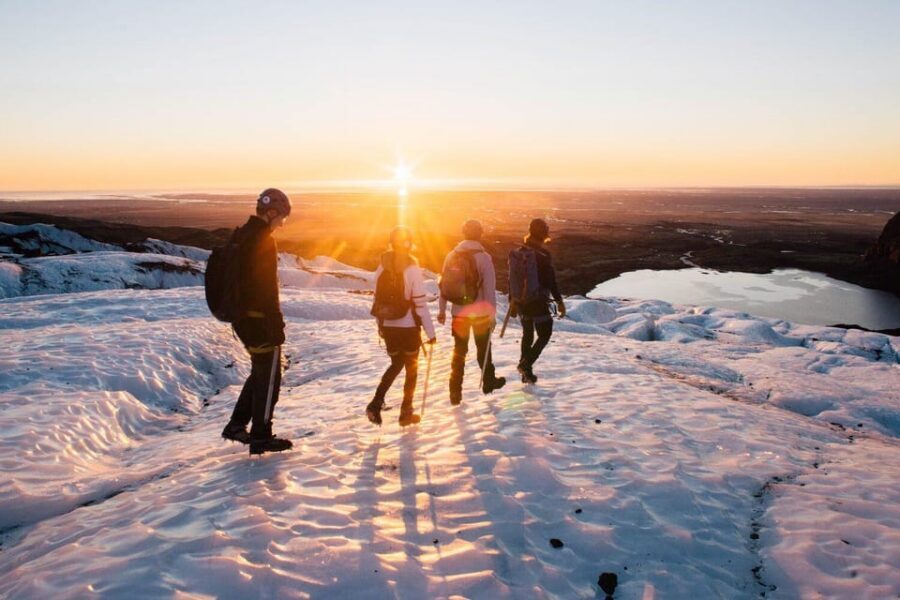
Glacier weather can be deceptive. Even when conditions look calm, you’re in cold air and walking on ice that steals warmth.
The tour lists what to bring:
- Warm clothing
- Hat
- Gloves
- Hiking shoes (no sandals, no flip-flops)
- Sturdy, ankle-support boots are mandatory
From real experiences, I’d add this practical rule: dress in layers you can vent or add. One person noted waterproof gear didn’t fully protect them during a storm, and they ended soaked. That’s a reminder that weather can turn fast, and glacier walking means you’re outdoors longer than you think—because gear time and safety checks slow nothing down, but they do make the day feel longer.
Also bring gloves even if you think you won’t need them. Ice can be sharp, and gripping your gear with bare fingers isn’t a fun plan.
Timing the day: the flow that keeps it manageable
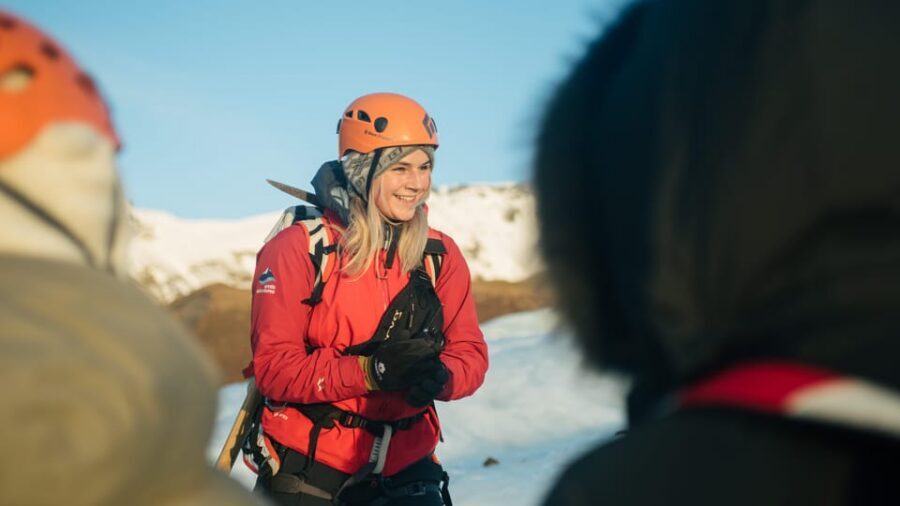
The tour runs about 4 hours total. The structure is simple and works well for first-timers:
- Start at the base camp
- Gear up and get instructions
- Short 4×4 transfer
- A guided walk on Falljökull with time to look and take photos
- Return to the base camp
The walk time is about 1.5 hours on the ice, plus short walking segments before and after. That length is a sweet spot: long enough to feel like you really did glacier hiking, not so long that it becomes a test of endurance.
If you’re doing other Iceland highlights the same day, you’ll appreciate how contained this activity stays. It’s not a full-day glacier expedition. It’s a focused chunk of “wow” that you can stack smartly with other Skaftafell or South Coast stops.
Who this hike is perfect for (and who should reconsider)
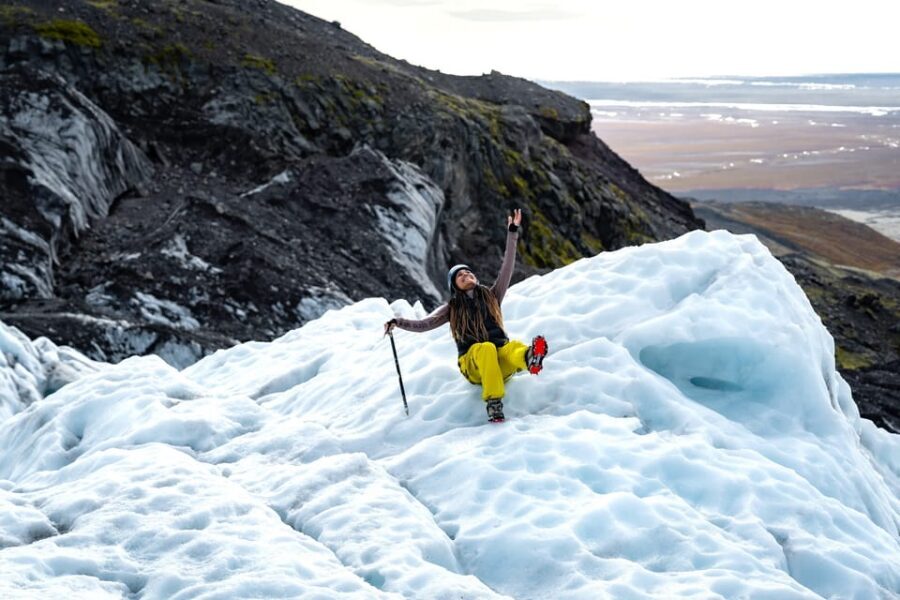
This is a beginner-friendly glacier hike. The minimum age is 8 years, and you don’t need prior glacier experience.
It’s a great match if:
- You want your first glacier walk and want to learn the basics safely
- You’re comfortable walking on uneven ground for a few kilometers
- You want real ice formations, not just a viewpoint
It might be less ideal if:
- You have very limited mobility or struggle with uneven terrain
- You don’t have the right shoes and don’t want to rent
- You dislike cold weather or don’t want to layer
And if you’re thinking about doing an intermediate or extreme tour later, this is still a strong first step because it teaches you how to move on ice with a guide watching your foot placement and pace.
Should you book the Skaftafell Blue Ice Glacier Hike?
Book it if you want a first glacier experience that’s structured, safe, and genuinely scenic. The value is strong because the tour includes full glacier safety gear, a certified guide, and the transfer from Skaftafell to the glacier edge—plus the ice time is long enough to feel real.
Pass or reconsider if you can’t meet the footwear requirement. The crampons depend on compatibility, and the guide can only do so much if you show up unprepared.
If your dream is to stand next to blue ice, see crevasses from up close, and walk away with a better sense of how glaciers change, this one is hard to beat. Just plan for cold, wear proper boots, and let the guide do the hard safety work while you focus on the ice in front of you.
FAQ
How long is the Skaftafell Blue Ice Glacier Hike on Vatnajökull?
The duration is listed as about 4 hours.
Where do I meet for the tour?
You meet at the Arctic Adventures Booking Hut in Skaftafell National Park.
Is this hike beginner-friendly?
Yes. It’s rated as easy and designed for beginners, with instructions and certified guidance throughout. You still walk about 3 km over uneven terrain.
What kind of gear is included?
The tour includes glacier safety gear: glacier crampons, ice pick, helmet, and harness.
Are hiking boots provided?
No. Sturdy hiking boots with ankle support are mandatory. Boot rentals are available for 1500 ISK if you don’t have the right footwear.
What should I wear and bring?
Bring warm clothing, a hat, gloves, and hiking shoes. Sandals and flip-flops aren’t allowed.
How much walking is involved?
You can expect to walk about 3 km (1.8 miles) total on uneven terrain.
What is the minimum age?
The minimum age is 8 years.
What language is the guide?
The live guide is English.
How long is the transfer to the glacier edge?
The transfer by 4×4 bus/coach is listed as about 15–20 minutes.