Snæfellsnes has a way of stunning you fast. This 12-hour small-group tour strings together Iceland’s coast, lava fields, and iconic photo stops into one smooth day, with time to actually get out and look. It also has a strong storytelling vibe, and the guides you’ll see named in recent feedback (like Tania, Elias, and David) focus on geology, folklore, and what to watch for at each stop.
Two things I really like: you get real “walk-around” moments at multiple sites (not just pull up, snap a pic, and leave), and the day includes both the famous scenes and the slightly weirder ones, like the seal colony at Ytri-Tunga and the Hellnar Arch area at Gatklettur. The tour also finishes with Kirkjufell, where the reflection at the lake can feel like a cheat code for great photos.
One consideration: this is a long day, and some stops are outdoors on rocky ground in wind and rain. If the weather is rough, you’ll want good waterproof layers and shoes you trust on uneven surfaces.
In This Review
- Key things to know before you go
- A 12-hour Snæfellsnes loop that feels like more than a day trip
- Borgarnes fjord drive: the warm-up with real Iceland drama
- Ytri-Tunga seal viewing: a simple stop that steals the show
- Búðir lava fields and the Black Church of Búðir (Búðakirkja)
- Arnarstapi area: cliffs, coastal stories, and the troll factor
- Gatklettur and Hellnar Arch: when the rock does the talking
- Djúpalónssandur black sand beach: shipwreck echoes and sea-worn stones
- Lóndrangar basalt pinnacles: the 75-meter “wow” stop
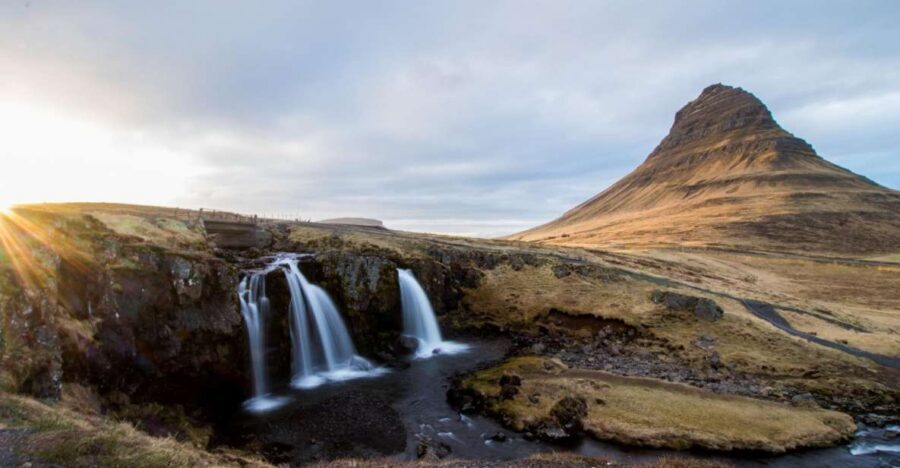
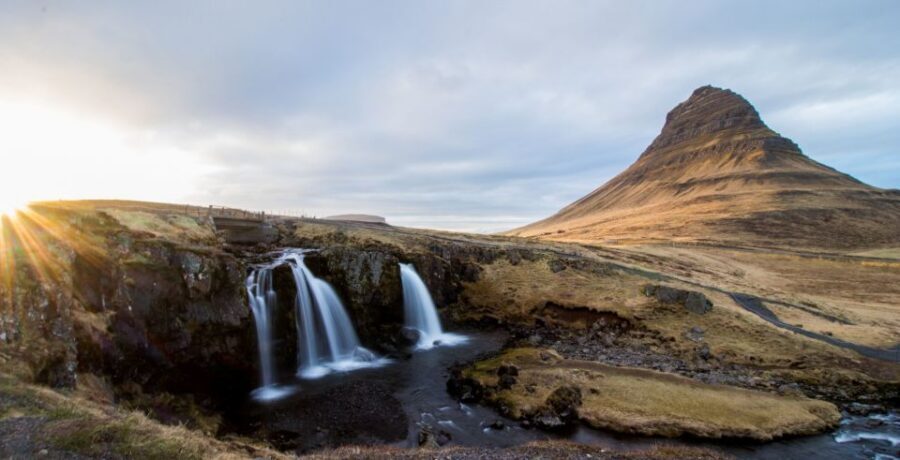
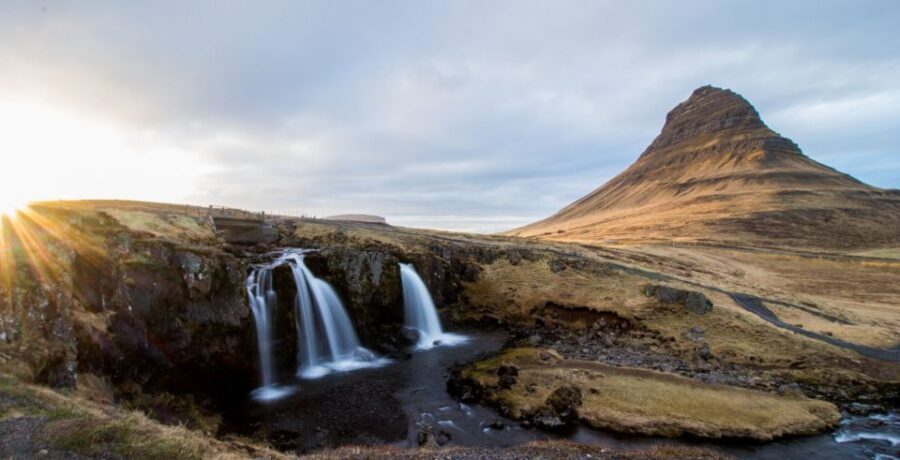
- Kirkjufell at the end: the iconic mountain plus a mirror finish
- What makes the guide role matter on this specific route
- Weather and comfort: how to plan so the day feels good
- How to judge the $159 value for yourself
- Who this tour suits best
- Should you book Snæfellsnes: Small-Group Hidden Treasures of the West Tour?
- FAQ
- How long is the Snæfellsnes small-group tour?
- Where is pickup located?
- What are the main stops during the day?
- Is the guide available in English?
- What’s included on the bus besides the guide?
- What should I bring for this tour?
- Is there time for walking and photos at the stops?
- Can I cancel for a full refund?
- Is pay later an option?
Key things to know before you go
- Ytri-Tunga seals: friendly, curious animals often climb up on the rocks for viewing
- Borgarnes approach: a fjord drive with scenic mountains to set the mood early
- Black Church of Búðir: a tiny wooden church in lava country, plus a modern hotel nearby
- Djúpalónssandur mood: black sand, volcanic pebbles, shipwreck remains, and ancient lifting stones
- Lóndrangar pinnacles: towering basalt rock formations (about 75 meters) with seabirds in season
- Kirkjufell payoff: a classic Iceland shape with a lake reflection waiting at the bottom
A 12-hour Snæfellsnes loop that feels like more than a day trip
This tour is built for one goal: pack in Snæfellsnes without rushing the good bits. You start early from central Reykjavik (pickup is at selected central locations, and you’re asked to be ready at 8:00 AM). Then you head west on a day that mixes driving time with short breaks for photos and short walks.
At $159 per person, it’s not the cheapest way to do the peninsula. But the value comes from what you don’t have to manage: driving a long circuit yourself, figuring out the timing between stops, and learning what you’re looking at. You’re paying for an English-speaking guide plus the schedule that keeps the day from turning into chaos.
Also, this is a place where the details matter. Seals are easier to spot when you know where to look. Basalt formations make more sense when someone connects them to volcanic history. And Kirkjufell becomes way more impressive when you know why it looks the way it does.
You can also read our reviews of more tours and experiences in Reykjavik.

Borgarnes fjord drive: the warm-up with real Iceland drama
Before you even reach Snæfellsnes, you get a notable detour-style drive through Borgarnes. The day’s described as passing a little town and then heading through a fjord with scenic mountain views along the way.
Then you get a break in Borgarnes for time to shop and reset your legs. That small pause matters because after Borgarnes you’re back in “look and stop” mode. If you’ve only seen Reykjavik-style city driving, this stretch is a good taste of western Iceland road scenery.
Practical tip: if you tend to get car-sick, this is the kind of day where it helps to eat light and keep water handy early. The day has multiple drive segments, so you’ll feel better if you’re not starting hungry.
Ytri-Tunga seal viewing: a simple stop that steals the show
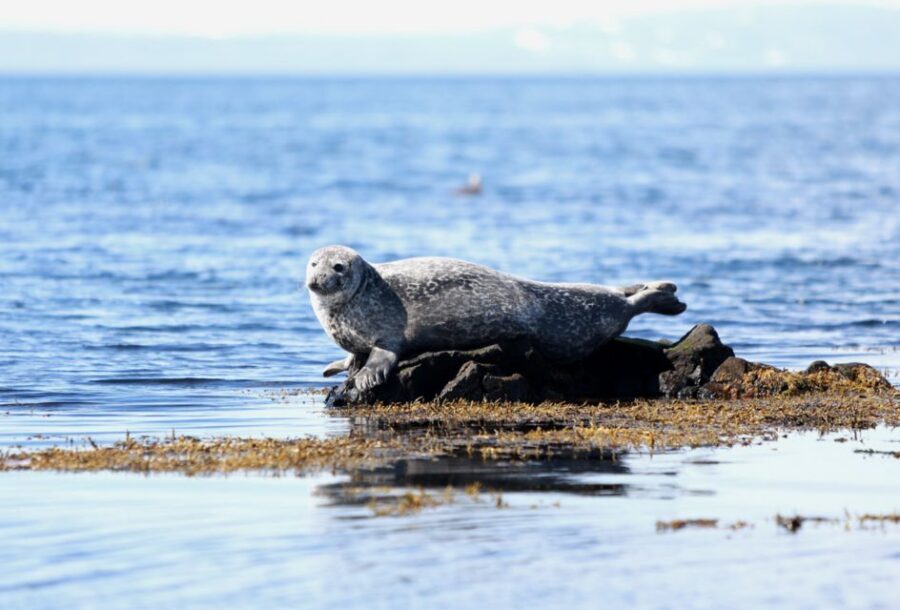
Your first proper Snæfellsnes stop is a sandy beach called Ytri-Tunga, known for its seal colony. Here’s what makes this stop different: you’re not just watching from far away. The seals are described as friendly and curious, and they often climb up on the rocks, which gives you a better chance to spot them without needing special equipment.
The tour notes a historical shift too. In the past, seals were killed for food or even fashion. Today, the attitude is more protective and visitors are encouraged to come and watch responsibly.
Drawback to plan for: you’ll be outdoors on a beach. Bring rain gear even if the morning looks decent, and wear shoes that won’t hate wet sand or slick rocks.
Búðir lava fields and the Black Church of Búðir (Búðakirkja)
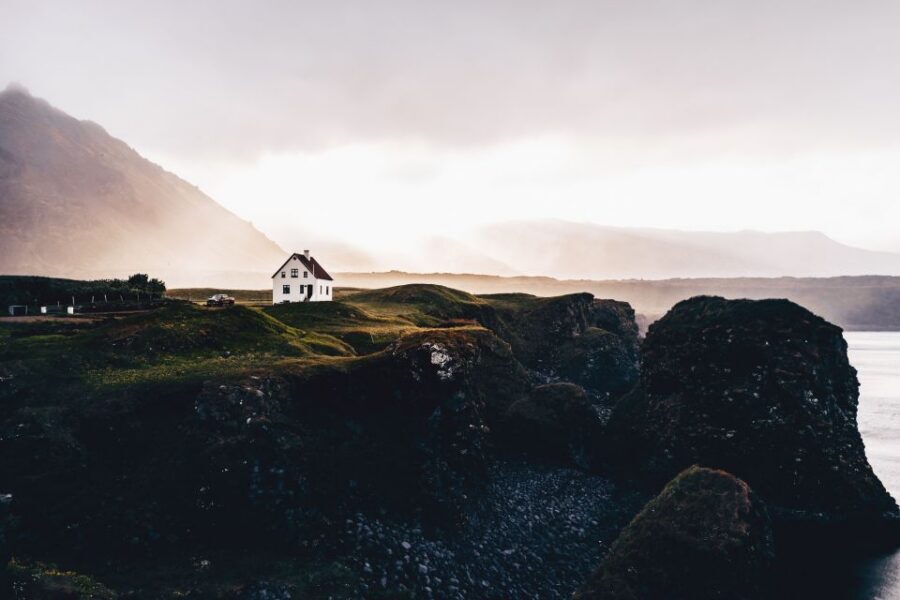
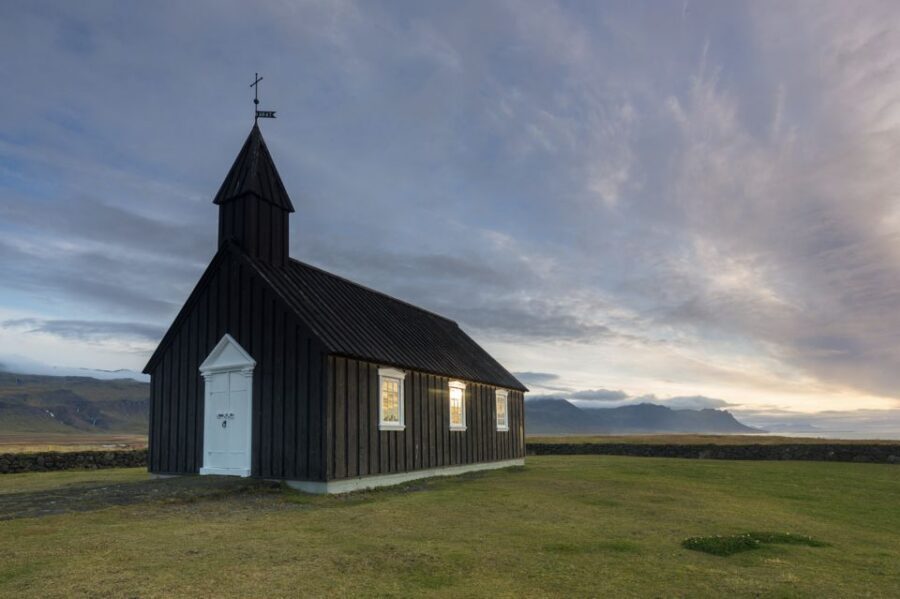
Next is Búðir, an old village site sitting in lava country. The story here is the old name Hraunhofn, meaning harbor of lava. It’s one of those places where the setting does half the storytelling—vast rock, sparse buildings, and the feeling that nature is the main character.
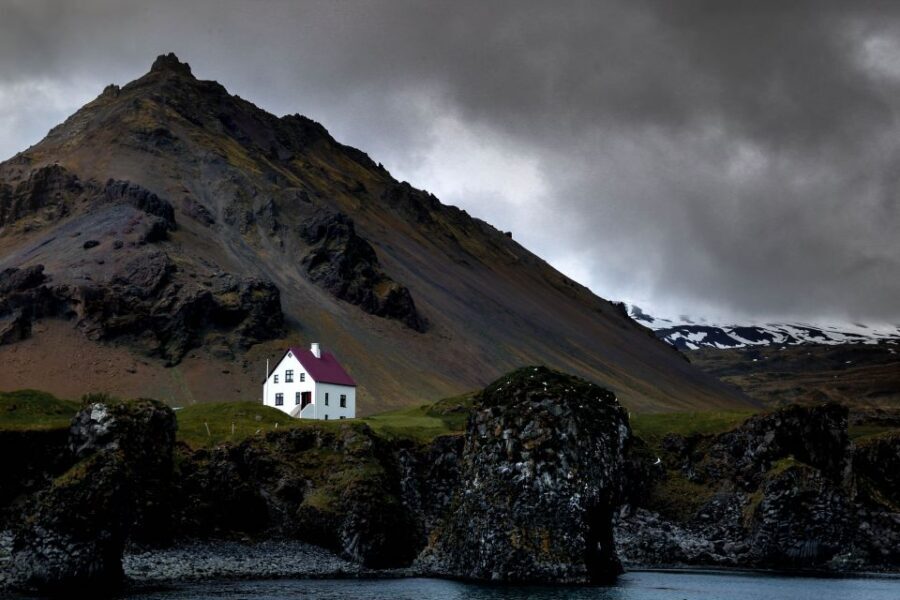
What you’ll see is Búðakirkja, a small wooden black church. It’s tiny, so don’t expect a big church stop like you might know from elsewhere in Iceland. It’s more about atmosphere. There’s also a modern Hotel Búðir nearby, which helps explain why people visit the area today.
This is a quick stop, but it’s a good “mood reset” after Ytri-Tunga. If you love Iceland for its stark textures and contrast—black lava, pale sea, and dark buildings—this stop lands.
Arnarstapi area: cliffs, coastal stories, and the troll factor
As the day continues, you’ll shift toward the coastal cliffs and fishing-village vibe around Arnarstapi. The tour includes time in the village area for sightseeing and photos, and it’s positioned as a scenic coastal walk rather than a single landmark sprint.
One especially memorable element described is the way the guide shares folklore while you’re in the right stretches of coastline. You’ll hear stories about Bárður, a half-man half-troll tied to local legends. That’s the kind of detail that makes a coastline feel less like a photo backdrop and more like a place with memory.
Practical tip: coastal cliffs can be windy and uneven. If you’re traveling in shoulder seasons or during storms, this kind of walk is where footwear matters most.

Gatklettur and Hellnar Arch: when the rock does the talking
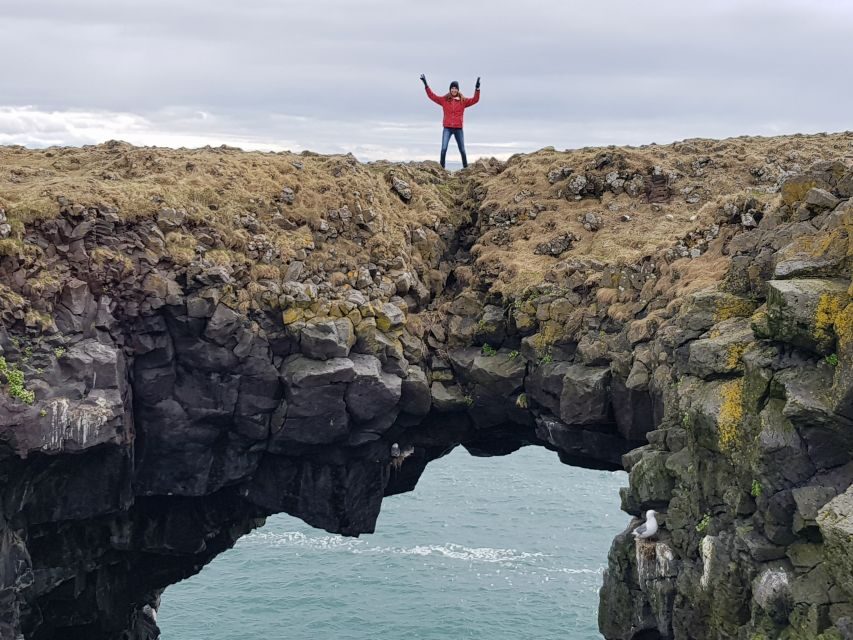
A dedicated stop along the way is Gatklettur, also known as Hellnar Arch. This is a naturally formed stone arch, and it’s a strong photo choice because the arch shape stands out against the Atlantic.
The tour description leans into the photographer side: it’s a “spectacular” place for video and still shots. If you’re the type who likes framing your own shots instead of only grabbing a single wide angle, this stop gives you that time.
Consideration: it’s another outdoor location with views that can be affected by wind-driven rain. If your camera gear isn’t rain-proof, plan to protect it with a bag or cover.
Djúpalónssandur black sand beach: shipwreck echoes and sea-worn stones
Then you reach Djúpalónssandur, one of the peninsula’s most striking coastal scenes. This is a black sand beach with volcanic pebble shoreline, and the atmosphere gets “mysterious” fast because of the mix of natural power and human history.
What you’ll have time to take in:
- shipwreck remains along the shore
- ancient lifting stones near the area
- strong sea views and a rugged feel
The stop is paired with Dritvík Cove as part of the view context, and it’s noted as good for birdwatching. If you like spotting seabirds while you wait for the light to change, this is a great stretch to slow down.
Drawback: black sand and pebbles can be wet and sharp underfoot. Bring shoes you’re okay getting dusty and a jacket you can keep on even when you think it will calm down.
Lóndrangar basalt pinnacles: the 75-meter “wow” stop
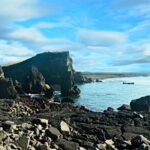
Next are the Lóndrangar formations. These are paired basalt pinnacles rising to about 75 meters, created by volcanic activity long ago. The description says they can be seen emerging along the southern coastline, which means they’re often part of the wider scenery before you even reach them.
This stop is also where wildlife can show up. The day notes a chance for seabirds like northern fulmars and Iceland’s beloved puffins. Puffins depend on season and timing, so don’t assume you’ll see them—but you’ll be in an area where seabirds make sense.
Time here is shorter than the bigger walk-stop locations, so focus your energy. Pick a few viewpoints, take your photos, and then do one calm walk rather than trying to cover every angle.
Kirkjufell at the end: the iconic mountain plus a mirror finish
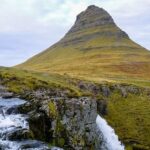
Your final big “Iceland card” stop is Kirkjufell, often called the most famous mountain in Iceland. The day even notes it appeared in Game of Thrones multiple times, but the real value here is the setting.
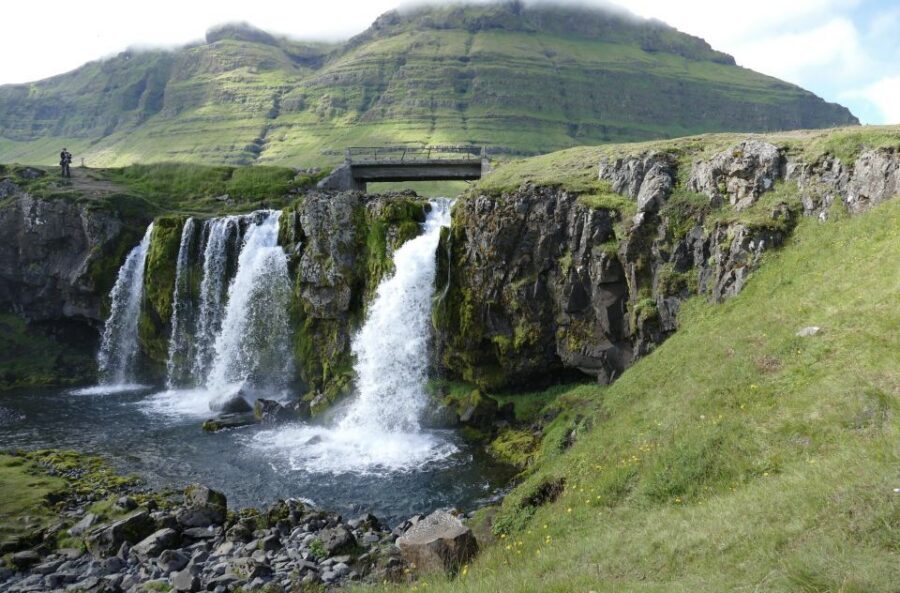
You’ll be guided to time for photos and a self-guided look. At the bottom of the mountain, there’s a lake that reflects Kirkjufell, and that reflection is the moment people chase.
Two reasons this ending works well on a tour:
1) You’ve saved the most recognizable silhouette for last, when you’re fresh enough to enjoy it.
2) The lake reflection means your “best photo” might not require perfect lighting, just a calm moment and a steady tripod-free stance.
If weather is bad, you might not get a clean mirror reflection. Still, the mountain shape and waterfall-adjacent vibe can be stunning even in gray skies.
What makes the guide role matter on this specific route
A day like this lives or dies on pacing and storytelling. In recent feedback, guides have been praised for humor and history lessons, and you’ll likely experience something similar: a guide who explains the geology and folklore as you pass the right spots.
Names that have come up include:
- Tania, known for entertaining commentary
- Elias, described as kind and story-focused
- David and Gill, praised for safety and clear explanations
- Korinna/Corinna, for giving good opportunities to see places
- Jacob and Ronan, for strong geology and engaging guiding
Even if your guide is different, that pattern is a clue. This tour isn’t only about driving from point A to point B. It’s designed so you understand what you’re looking at while you’re looking at it.
Weather and comfort: how to plan so the day feels good
Snæfellsnes can throw anything at you. The information given stresses warm clothing, hiking shoes, and rain gear. That’s not overkill.
Here’s what I’d personally prioritize for comfort on this route:
- Layers you can keep on without overheating
- Waterproof outerwear with a hood
- Shoes with grip for pebble beaches and rocky coastline
- A small towel or dry socks for the beach stops, if you tend to get cold
Also, the day includes multiple short breaks. You’ll want your layers ready at the time you stop, not ten minutes later while the wind rolls in.
How to judge the $159 value for yourself
Let’s put the price in perspective. For $159, you get:
- an English-speaking guide
- a full day organized around major coastal and geology points
- Wi‑Fi and Icelandic music on the bus
- pickup from central Reykjavik
If you rented a car, you’d still need to drive the loop, navigate timing, decide where to stop, and figure out the best short walks. That costs money, effort, and stress. If you’re not comfortable with long day driving, the guide saves you energy.
Where it might not feel worth it is if you already know Iceland well and you only want one or two iconic stops. In that case, you might prefer a simpler self-drive plan. But if you want the peninsula’s variety—seals, lava fields, black sand, basalt pinnacles, and Kirkjufell—in one day, this format is a strong deal.
Who this tour suits best
This is a great fit if you:
- want a single-day sampler of Snæfellsnes with several standout stops
- like short walks and photo time instead of nonstop driving
- want folklore and geology explained while you’re there
- prefer a small-group setting for a more human pace
It’s also good for couples and solo travelers who don’t want to plan the route alone.
If you have mobility issues that make rocky coastal walking hard, you might find some stops challenging. The tour mentions walks at several stops, so choose this type of day only if you’re comfortable on uneven ground and in changing weather.
Should you book Snæfellsnes: Small-Group Hidden Treasures of the West Tour?
Yes, I’d book it if your goal is to see Snæfellsnes without turning your day into a logistics puzzle. The combination of Ytri-Tunga seals, Djúpalónssandur black sand, the dramatic Lóndrangar pinnacles, and the Kirkjufell reflection finish gives you a balanced mix of animals, geology, and classic Iceland silhouettes.
Book it especially if:
- you want a guide who helps you understand what you’re looking at
- you like having enough stop time to enjoy, not just rush
- you’re okay with a long day outdoors
Skip it or reconsider if:
- you strongly dislike long drives and multiple outdoor stops
- you’re hoping for a relaxed, minimal-walking day
- you’re only after one single landmark
If you’re planning your Iceland trip and want one western-day “greatest hits plus extras” run, this route makes a lot of sense.
FAQ
How long is the Snæfellsnes small-group tour?
It runs for 12 hours.
Where is pickup located?
Pickup is from selected locations in central Reykjavik. You should provide your accommodation address so the provider can tell you the closest pickup point. Miðborg is listed as the pickup location.
What are the main stops during the day?
You’ll visit places such as Borgarnes, Ytri Tunga, Búðir (including Búðakirkja), the Gatklettur/Hellnar Arch area, Djúpalónssandur, Lóndrangar, Arnarstapi, and finish at Kirkjufell, with additional time at other scenic viewpoints along the way.
Is the guide available in English?
Yes, the tour includes an English-speaking guide.
What’s included on the bus besides the guide?
Wi‑Fi and Icelandic music are included.
What should I bring for this tour?
Bring warm clothing, hiking shoes, and rain gear.
Is there time for walking and photos at the stops?
Yes. The schedule includes photo stops and self-guided walk time at multiple locations.
Can I cancel for a full refund?
Yes. Free cancellation is available up to 24 hours in advance for a full refund.
Is pay later an option?
Yes. Reserve now & pay later is offered, with the ability to book and pay nothing today.