REVIEW · REYKJAVIK
4 Day Blue Ice Cave, South Coast, Golden Circle, Snæfellsnes & Northern Lights
Book on Viator →Operated by Troll Expeditions · Bookable on Viator
A cold-weather checklist can still feel personal. This 4-day winter route stitches together Snæfellsnes, the Golden Circle, and the South Coast, then adds glacier walking and a blue ice cave visit that only runs on winter tours. I really like that the days are packed but not rushed between stops, and I also like the small-group vibe with pickup plus accommodation and breakfast handled. One thing to plan for: you’re dealing with Iceland weather, and ice conditions can shift the schedule.
The best part for me is the structure. You get multiple days of driving and viewing, which gives you more chances for the kind of dark, clear conditions that help with northern lights viewing. Another big plus is that you’re not left to figure everything out: the guide manages the route, and even when you’re on your own at night, you get forecast guidance.
In This Review
- Key things to know before you go
- The Big Picture: A winter “hits-and-ice” route across Iceland
- Day 1 in Snæfellsnes: Kirkjufell photos, seals at Ytri Tunga, and volcanic history
- Day 2 Golden Circle: Geysir, Gullfoss, and Thingvellir’s tectonic split
- Day 3 South Coast: waterfall walks, then glacier gear for the blue ice cave
- Day 4 Jökulsárlón and the South Coast: icebergs, black sand, and another super jeep cave run
- Why the blue ice cave + glacier hike is the value center
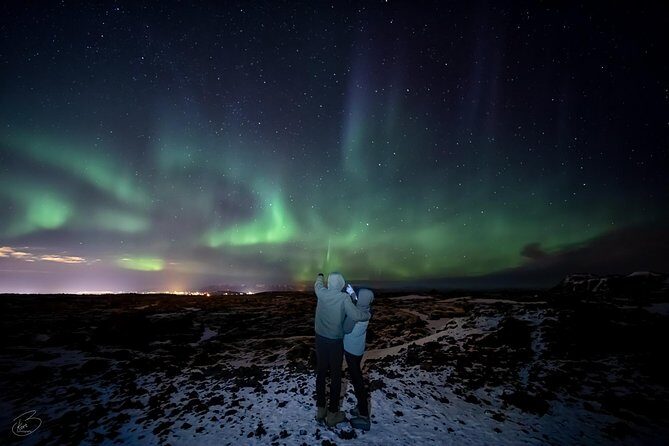
- Northern Lights: better odds, plus guide tips you can actually use
- Comfort, pacing, and what the small group really changes
- Price and value: what $1,523.81 includes (and what you should budget for)
- Who should book this winter tour (and who should skip it)
- Should you book Troll Expeditions for this 4-day ice-cave route?
- FAQ
- How long is the tour?
- What time does the tour start?
- Where is the tour based?
- Does the price include accommodation?
- Are meals included?
- Is pickup included?
- What winter activities are included?
- Do I need to rent hiking boots and waterproof gear?
- How many people are in the group?
- Is northern lights viewing guaranteed?
Key things to know before you go
- Small group (max 18) means quicker photo stops and less crowd friction
- 3 nights of lodging + 3 breakfasts makes the price feel more “all-in”
- Glacier hike and blue ice cave access in winter with safety gear included
- Snæfellsnes + Golden Circle + South Coast avoids the “just drive past it” problem
- Northern lights odds improve with extra nights, and you’ll get tips from your guide
The Big Picture: A winter “hits-and-ice” route across Iceland
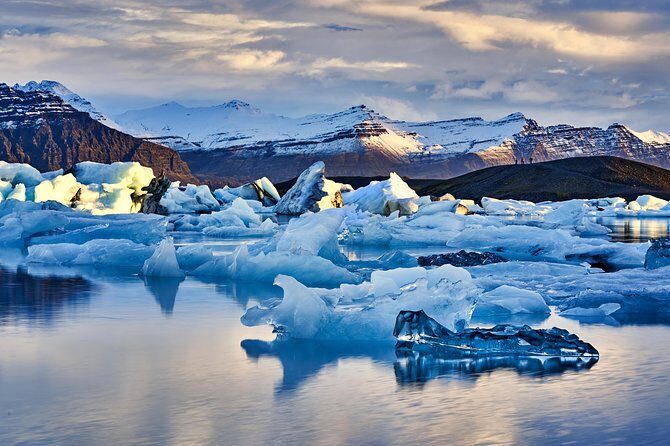
This tour is designed for winter, when Iceland looks harsher, quieter, and more sculpted by ice. In one trip, you cover three of the most famous regions: Snæfellsnes, the Golden Circle, and Iceland’s South Coast. If this is your first winter visit, it’s a strong way to see a lot without needing to rent a car and play logistics roulette.
I like how the itinerary mixes icons with variety. You’ll see dramatic waterfall country, geothermal steam, black-sand beaches, and volcanic edges, then you’ll switch gears to an actual glacier walk and ice cave time. That combination matters because it keeps the trip from feeling like a long slideshow.
The only real “watch out” is weather. This is a winter adventure that depends on safe conditions, especially for glacier gear and ice cave access.
You can also read our reviews of more tours and experiences in Reykjavik
Day 1 in Snæfellsnes: Kirkjufell photos, seals at Ytri Tunga, and volcanic history
Your first day is built around sharp, photogenic stops and classic Snæfellsnes coastal scenes.
At Kirkjufell Mountain, you’ll get the landmark views that Iceland became famous for in photos and pop culture. You’ll also catch the waterfall Kirkjufellsfoss right nearby, which helps you build that classic mountain-plus-water framing. The stop is short, but it’s timed for getting photos in without lingering in crowds.
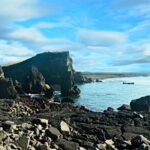
Then you shift to the coast at Ytri Tunga Beach, where the tone turns from mountain drama to ocean moods. This is one of those places where your walk along the shoreline can turn into a small wildlife bonus: the area is known for a seal colony, and you’ll have a chance to spot them from the rocks at a distance. It’s a gentle contrast after Kirkjufell.
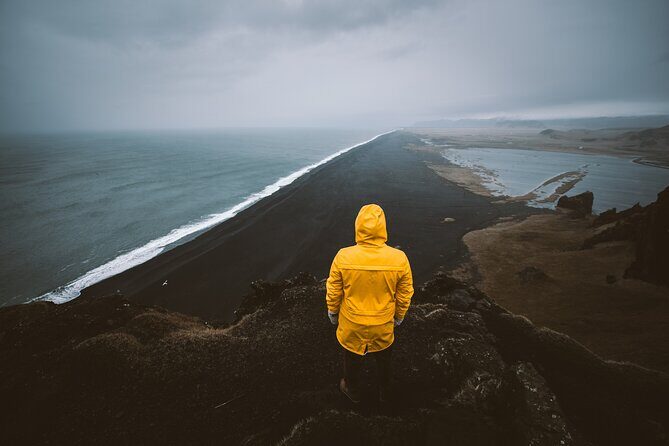
Next comes Djúpálónssandur and Dritvík, a black-sand beach with a strong shipwreck story and fishing history. You can even try the so-called “lifting stones,” which fishermen used as strength tests. It’s not just scenery; it’s the kind of stop that gives you a human reason to care about the place.
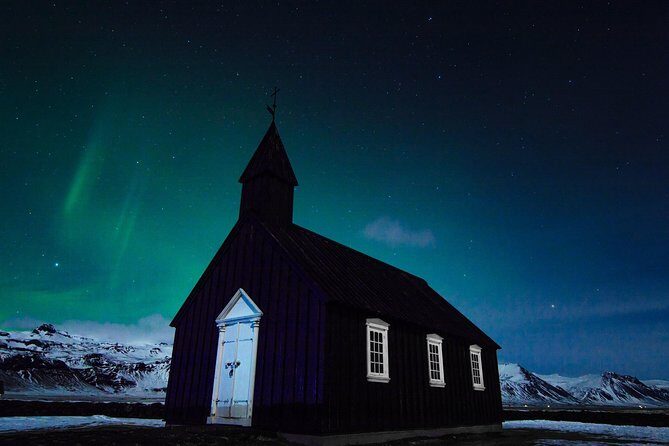
Búðakirkja adds a different kind of Iceland drama: a small church painted in striking black, isolated in its setting, with historical graveyard elements. If you like architecture that looks like it belongs in a winter film, this works.
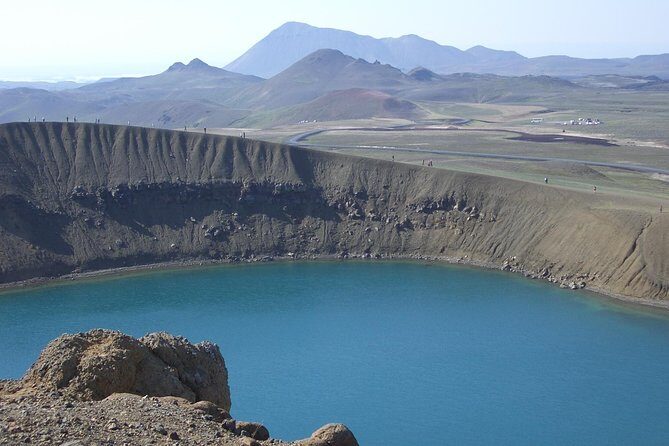
You end Day 1 at Saxholl Crater, which you can hike up via stairs for a 360-degree view over the fields and toward Snæfellsjökull glacier. The climb isn’t framed as extreme, but it’s enough to make the view feel earned.
A practical note: many of these stops are about quick viewing windows. Wear layers and keep moving smartly between photo spots.
Day 2 Golden Circle: Geysir, Gullfoss, and Thingvellir’s tectonic split
Day 2 is the “greatest hits” Iceland day, and the order makes sense.
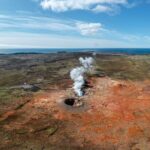
At Geysir, you’ll see geothermal activity with both the older Geysir and the more reliable Strokkur, which erupts frequently. Even if the older one doesn’t fire the moment you arrive, the area gives you ongoing geothermal color—steam, hot springs, and that electric feeling of Earth working underfoot.
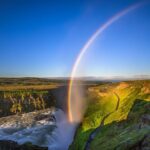
Then you get Gullfoss Waterfall, where the water drops into a canyon that feels powerful in winter light. On sunnier days, you might catch rainbows in mist, and you can also see Langjökull glacier in the distance. This is one of those stops where the weather changes everything, including how dramatic the mist looks.
The day finishes at Þingvellir National Park, and this is more than a photo stop. You’re standing in a place where two tectonic plates are parting, and it’s one of the clearest ways to understand the geology behind Iceland. You also visit the historical parliament plains tied to Iceland’s national meeting traditions around the year 930.
What I like about this day is that it pairs “wow” with context. You get steam, thunder-water, and then the big Earth story in a single arc.
Day 3 South Coast: waterfall walks, then glacier gear for the blue ice cave
Day 3 starts with two iconic waterfalls.
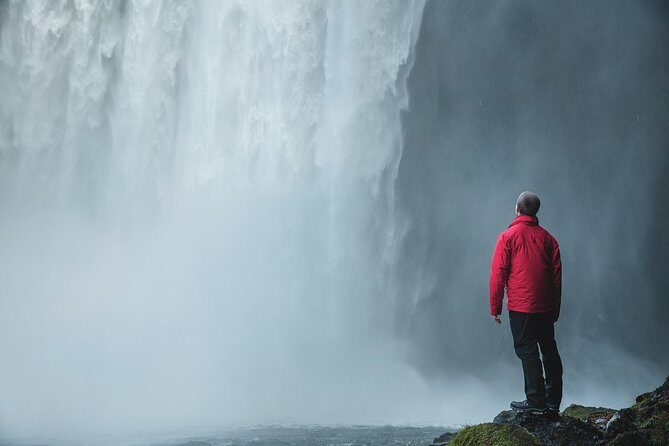
Seljalandsfoss is the one where you can walk behind the waterfall when conditions allow. It’s a good short adventure in winter because the ground can be slick, but the payoff is a different perspective than you get from the front. Bring a raincoat idea seriously—mist is the real weather here.
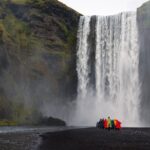
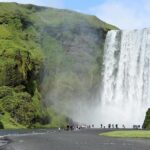
Then Skógafoss brings the gorge-and-staircase view. You can climb stairs above the waterfall for angles that feel elevated even when the weather is cold. It’s a stop built for both the quick photo and the short “count your steps” challenge.
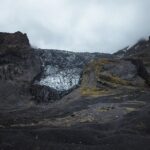
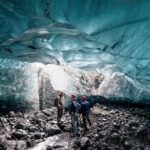
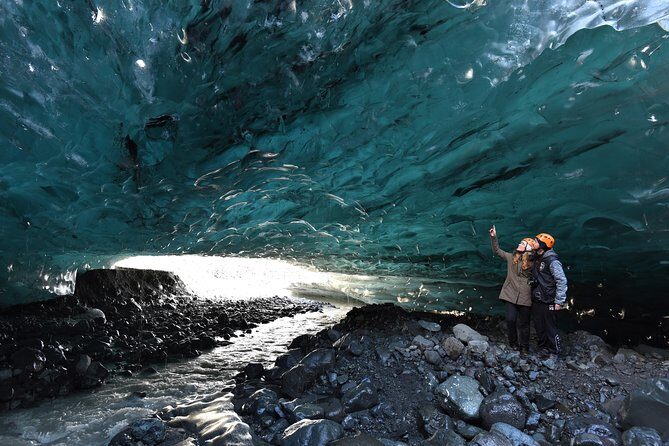
The real pivot is the Skaftafell National Park glacier activity. After meeting the glacier guides and getting safety gear—helmets, harnesses, crampons, and ice axes—you’ll do a hike on the ice. This is not a casual stroll. It’s built for guided, equipment-supported winter travel, which is exactly what you want if you’re not experienced in glacier walking.
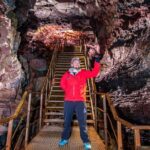
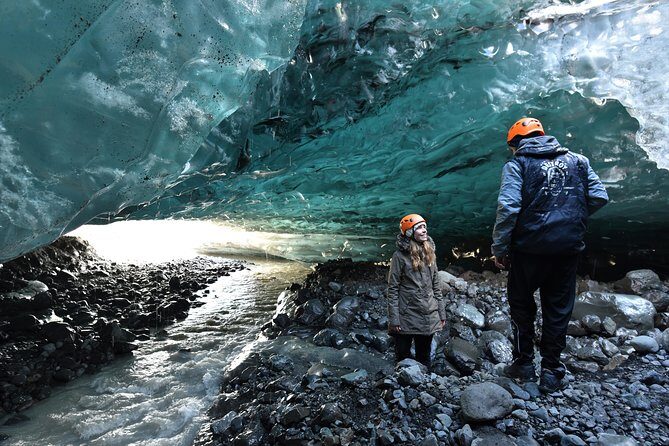
Then comes the signature experience: the blue ice cave exploration. The hike to reach the cave is described as only a few minutes, but the reason you do it with a certified guide is safety and access. This is also where you’ll learn how the ice cave looks and why it’s often described as blue in winter light.
If you’re the type who worries about doing the “hard-sounding” things wrong, this day is reassuring. Gear and guidance are included, and you’re set up for correct movement on ice.
Day 4 Jökulsárlón and the South Coast: icebergs, black sand, and another super jeep cave run
Day 4 focuses on glacier lagoon views and the coastline.
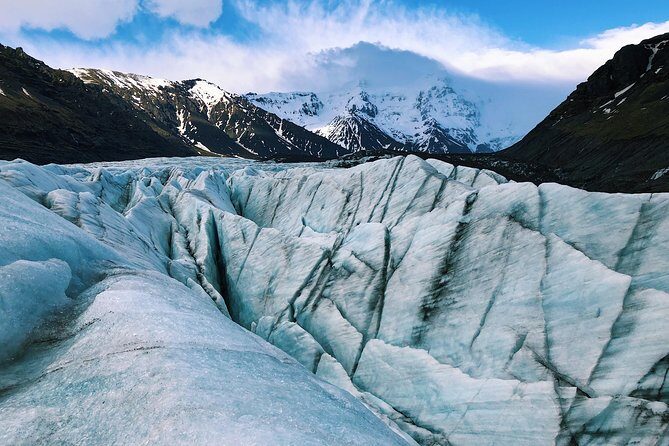
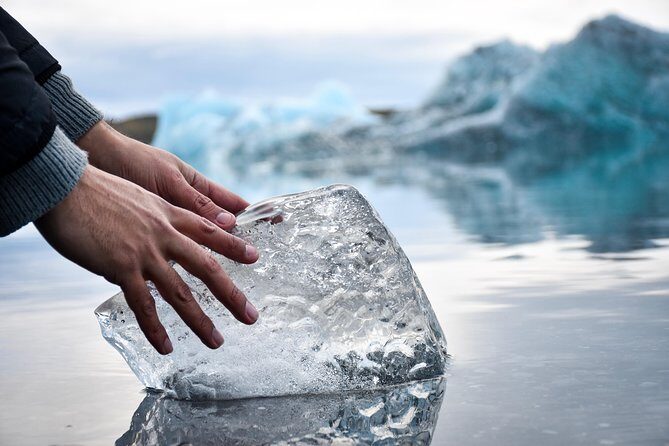
At Jökulsárlón Glacier Lagoon, you’ll see a deep glacial lagoon fed by Breiðamerkurjökull. Icebergs float south into the water, and the tour describes an experience where you can walk alongside the lagoon with huge views and that calm, quiet feeling Iceland does so well. The stop is one hour, so you’ll want to pick your viewpoint and move efficiently.
Then you go by super jeep to a blue ice cave from Jökulsárlón before heading back. This matters for two reasons: first, it gives you a second ice-cave moment in a different location, and second, it reduces the “how do we get there” stress you’d have with DIY planning.
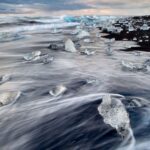
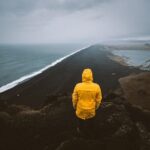
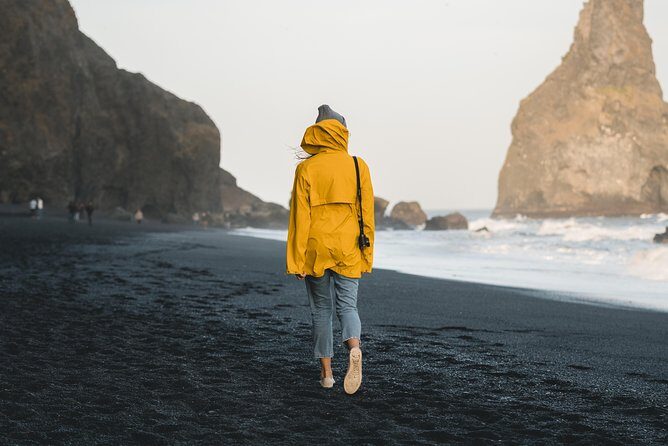
You also stop at Fellsfjara, the black sand shore across the road, where smaller ice rocks sparkle like diamonds among the darker sand. The contrast is striking: black volcanic ground against pale ice shapes.
Finally, you reach Reynisfjara Beach, another black sand beach where waves crash over basalt columns. You may also see cliffs and Dýrhólaey in the distance. The stop isn’t long, but it’s a big-scene ending that matches the mood from the ice lagoon.
If you’re thinking about timing your photos, Day 4 is where the light can surprise you. Even short stops can become memorable if you give yourself a minute to slow down and look across the full frame.

Why the blue ice cave + glacier hike is the value center
This isn’t just a tour that includes a couple of pretty stops. The itinerary is built around two winter experiences that are expensive and complicated to do safely on your own: the glacier hike and the ice cave tour (via super jeep).
You get safety equipment included—helmets, harnesses, crampons, and ice axes—plus the guide-led instruction that makes glacier time possible in winter. That’s the kind of included value that’s hard to replicate at the same quality if you plan it independently.
It also makes the whole trip feel more “real Iceland” than a driving checklist. Driving days show you Iceland’s variety, but glacier and cave time is the part you’ll remember as a shift in scale—ice thickness, movement, and color.
One more detail I appreciate: the tour keeps the ice cave experience tied to certified guidance. That reduces the guesswork you’d otherwise deal with in winter conditions.
Northern Lights: better odds, plus guide tips you can actually use
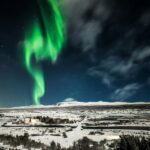
This tour runs for 4 days, and the multi-day format improves your chances compared with a one-night plan. That’s simple math: more time under winter skies can mean more opportunities for clear viewing windows.
But here’s the balanced reality. The tour doesn’t frame northern lights as guaranteed. Instead, you get practical guidance: your guide provides tips on where to go and gives forecast info, and then you plan your own evening viewing from Reykjavík.
If you want to maximize your odds, use the forecast info seriously rather than treating lights as an afterthought. A night can be cloudy in Iceland and still feel “fine” for sightseeing—until you realize the sky never cleared. Having a plan based on forecast guidance is the difference between wandering and aiming.
Some people also choose to book a separate lights tour from the city for a more guided night. If northern lights are your top priority, that’s a reasonable option to consider alongside this itinerary.
Comfort, pacing, and what the small group really changes
This is a small group experience with a maximum of 18 travelers, and that affects your day in noticeable ways.
First, photo stops get easier. Feedback on this kind of route often highlights the value of being among the first arrivals at sites, so you can take pictures with fewer people crowding your frame. Even if that’s not guaranteed every day, smaller groups generally mean less chaos at the start of the stop.
Second, you’re not just sitting on a bus all day. The stops are frequent enough that you’re moving through the scenery, not stuck waiting for one long viewpoint. That makes cold weather feel more manageable because you have regular brief breaks and defined windows.
Third, restroom planning gets mentioned for a reason. In winter, regular stops matter more than you think, especially when you’re layering up. A guide who keeps the schedule and handles breaks can make the experience feel smoother.
Where the tour really shines is the combination of control and flexibility. You’re guided, but you still have time to step away, look around, and take your own pace for short moments.
Price and value: what $1,523.81 includes (and what you should budget for)
At $1,523.81 per person, this is not a bargain-basement trip. But the price is built to include the expensive parts and the planning stress.
What’s included:
- Pickup and drop-off from designated stops
- 3 nights accommodation
- Breakfast (3)
- Professional English-speaking guide
- Ice cave tour via super jeep with safety equipment
- Glacier hike with safety equipment
- Wi‑Fi and Icelandic music on board
- Mobile ticket
- Small group experience
What’s not included:
Lunch and dinner, plus optional rentals for winter gear like hiking boots, waterproof jacket and pants, and hat/gloves bundles.
So how do I judge the value? If you tried to replicate the included glacier-and-cave access independently, you’d pay for guided ice safety, specialized equipment, and transportation. You’d also still need lodging and breakfast. This package takes those big ticket items and wraps them into one decision.
Also, the lodging is a real quality-of-life perk on a multi-day Iceland winter trip. Staying in small towns and having breakfast included means you’re spending your energy on the scenery, not on hunting for food in stormy weather.
If you’re traveling with minimal gear, budget a bit for rentals. If you already own winter-ready boots and waterproof layers, you may spend less.
Who should book this winter tour (and who should skip it)
This is a good fit if:
- You want a first-timer-friendly sweep across Iceland’s big regions without renting a car
- You care about winter activities, especially glacier walking and blue ice caves
- You like the security of pickup, lodging, breakfast, and guide-led safety
- You want help planning for northern lights, even if you’ll view from the Reykjavík area on your own at night
You might skip it if:
- You only want city-style comfort and short sightseeing. The days involve real driving time and cold-weather walking.
- You don’t handle winter conditions well, especially around icy ground and weather-dependent cave access.
Should you book Troll Expeditions for this 4-day ice-cave route?
I’d book it if you want the best kind of winter Iceland: fewer decisions, more structure, and two ice experiences that are hard to match without expert guidance. The inclusion of safety gear, 3 nights of lodging, and breakfast makes the price feel more rational than it looks at first glance.
My final advice is simple: pack like you mean it for winter, and treat forecast info for the northern lights as part of the plan. If you do that, you’ll get a trip that’s not just scenic—it’s ice-level Iceland, with enough variety to keep every day feeling different.
FAQ
How long is the tour?
It runs for about 4 days.
What time does the tour start?
The start time is 8:00 am. Pickup can begin at 8:00 and might take up to 30 minutes.
Where is the tour based?
It’s based in Reykjavík, Iceland.
Does the price include accommodation?
Yes. It includes 3 night accommodation.
Are meals included?
Breakfast is included for 3 days. Lunch and dinner are not included.
Is pickup included?
Yes. Pickup and drop-off are included from designated bus stops.
What winter activities are included?
The tour includes a glacier hike and a blue ice cave tour, with safety equipment included. The ice cave experience also uses a super jeep.
Do I need to rent hiking boots and waterproof gear?
Boot and waterproof gear rentals are listed as optional add-ons with set prices. The tour recommends wearing boots that cover your ankles and have hard soles.
How many people are in the group?
The group maximum is 18 travelers.
Is northern lights viewing guaranteed?
No. The tour says the multi-day format improves your chances, and your guide provides tips and forecast information, but you handle your own viewing in the evenings.