REVIEW · REYKJAVIK
5-Day Northern Lights Hunt & Glacier Lagoon Tour
Book on Viator →Operated by Snaeland Travel · Bookable on Viator
Iceland’s ice and lights share the spotlight here. I like how the route packs major classics into a clear, efficient rhythm, and you also get a true nature payoff at Jökulsárlón Glacier Lagoon. My other favorite is the geothermal Friðheimar stop, where you see tomatoes and cucumbers grown year-round using Iceland’s heat.
There is one catch to plan for: the Northern Lights are never guaranteed. The tour is set up to maximize your chances, but winter skies still play the boss, and early mornings plus cold nights mean you’ll want to dress for real weather, not wishful thinking.
In This Review
- Quick highlights to know before you go
- Why this Northern Lights plus glacier lagoon route makes sense
- Reykjavik Day 1: your “land legs” day before the big circuit
- Golden Circle power day: Þingvellir, Geysir, Friðheimar, and Gullfoss
- Þingvellir National Park: where geology is the story
- Geysir hot spring area: repeated eruptions at Strokkur
- Friðheimar Geothermal Farm: tomatoes, geothermal heat, and Icelandic horses
- Gullfoss: the waterfall that hits like a drum
- From Vík to the aurora hunt: how the tour tries to maximize your chances
- Jökulsárlón Glacier Lagoon and Diamond Beach: icebergs in milky white and bright blue
- Jökulsárlón: why the lagoon is so special
- Diamond Beach: black sand and ice sparkle photo reality
- Skaftafell in Vatnajökull National Park: legs, trails, and Svartifoss views
- South Coast day: Reynisfjara black sand, Skógafoss, and Seljalandsfoss behind the falls
- Reynisfjara Beach: geology and a serious safety lesson
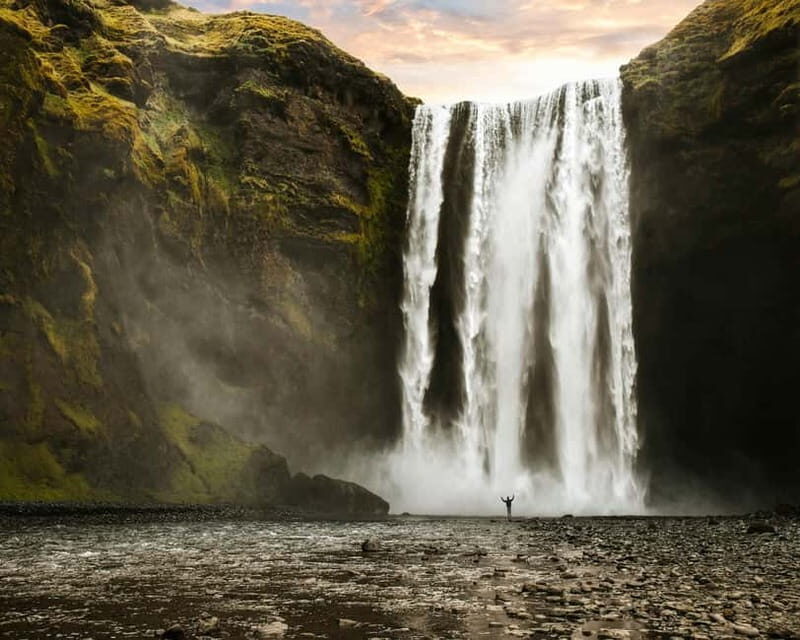
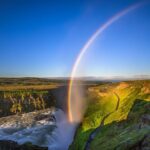
- Skógafoss: 60 meters down, with rainbow potential
- Seljalandsfoss: walking behind, then drying off
- Blue Lagoon: optional, not included, and easy to add late in the day
- Hotels, breakfast, and how meals fit the real-world schedule
- Price and value: what $1,059.21 actually covers
- Who this group tour fits best
- Should you book this Northern Lights Hunt & Glacier Lagoon Tour?
- FAQ
- How much does the 5-day tour cost?
- How long is the tour?
- Where does the tour start in Reykjavik?
- What does the tour include?
- What is not included?
- Is Blue Lagoon included?
- Is Northern Lights hunting included?
- How many people are in the group?
- Do I need to worry about luggage limits?
- What happens on the last day after Keflavík?
Quick highlights to know before you go
- Friðheimar geothermal farm: year-round tomato and cucumber growing plus stables to meet Icelandic horses
- Geysir/Strokkur timing: Strokkur erupts every few minutes, so you have repeated chances to catch it
- Jökulsárlón ice color: icebergs show milky white and bright blue tones as light hits the crystals
- Diamond Beach contrast: black sand and sparkling icebergs make a simple but unforgettable photo scene
- Seljalandsfoss walk: you can go behind the waterfall, but the mist can soak you fast
- Max 25 people on a spacious bus: full-sized bus, roomier feel, and no listed luggage limits
Why this Northern Lights plus glacier lagoon route makes sense
This tour works because it balances two kinds of Iceland magic. One is the big, visible stuff: geysers, massive waterfalls, and black-sand beaches. The other is the night gamble: the aurora hunt.
You spend real time at the places that actually take your breath away. The glacier lagoon is not just a quick stop. And the south coast isn’t treated like a drive-by either. That matters, because in Iceland, travel time is only half the story. The other half is weather, light, and whether you get to see what you came for.
Also, it’s designed for groups without feeling like a cattle call. You’re on a full-sized bus, and the group size is capped at 25. That usually translates to less chaos at stops and more breathing room on the ride. In a place where roads can be slick and windy, that comfort helps your whole trip feel calmer.
You can also read our reviews of more tours and experiences in Reykjavik
Reykjavik Day 1: your “land legs” day before the big circuit
Day 1 is intentionally simple. You make your own way into Reykjavik and check in to included accommodation with a private bathroom. It’s a smart setup because it gives you a buffer to handle jet lag, grab a hot drink, and get your bearings fast—especially if you arrive late afternoon like many winter visitors do.
There’s also a practical advantage: you don’t start the packed driving immediately. Instead, you’re ready when the schedule tightens on Day 2. If you’re aiming for the Northern Lights at all, that first night in Reykjavik can help psychologically too. You’re already in Iceland. Now you can relax and watch the sky instead of sprinting across it.
One small thing to note: meeting details can vary by day. The tour lists a starting meeting point in Reykjavik at 9:00 am, and then Day 2 includes an 08:45 hotel-lobby meeting. Your confirmation should clarify the exact timing for your day-to-day.
Golden Circle power day: Þingvellir, Geysir, Friðheimar, and Gullfoss
Day 2 is built around Iceland’s famous loop, with a few excellent twists that make it feel less like a highlight checklist.
Þingvellir National Park: where geology is the story
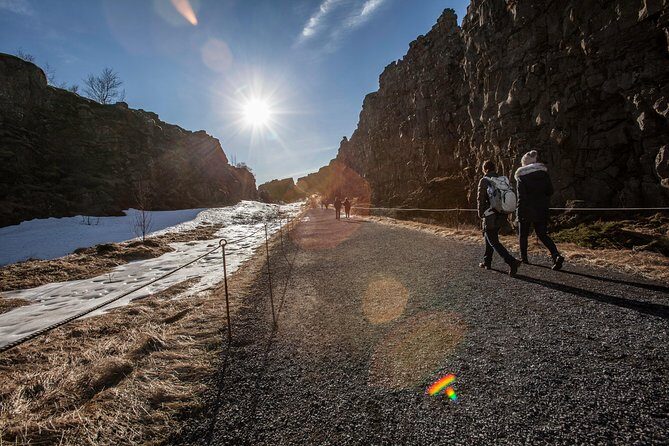
You start at Þingvellir (UNESCO), a place where tectonic plates meet. Expect a guided visit that mixes history with the way the land is physically shaped. This stop is valuable even if you’ve seen other Iceland parks, because it gives you a clear “why this island looks like this” explanation.
Geysir hot spring area: repeated eruptions at Strokkur
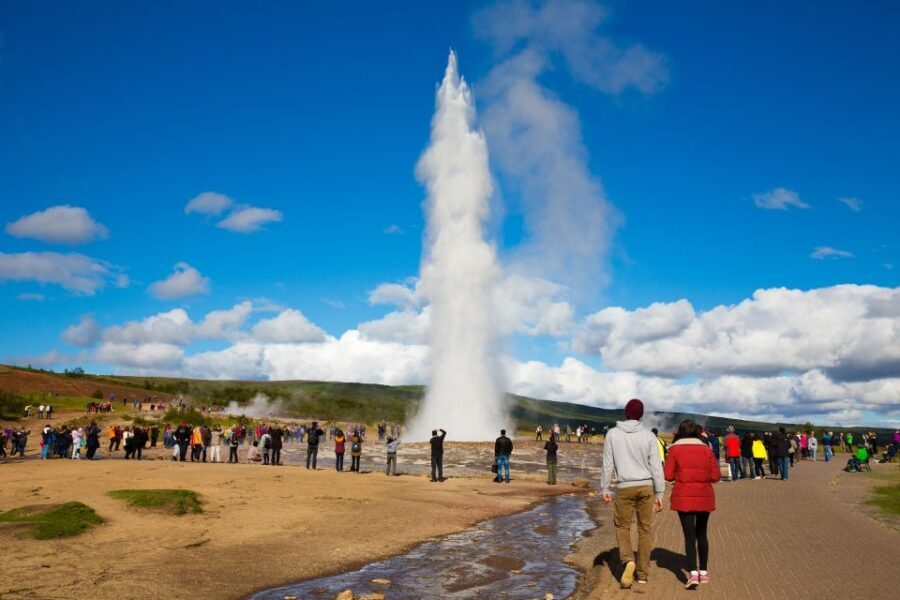
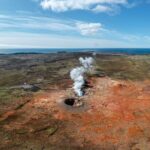
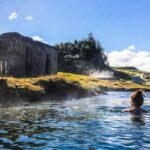
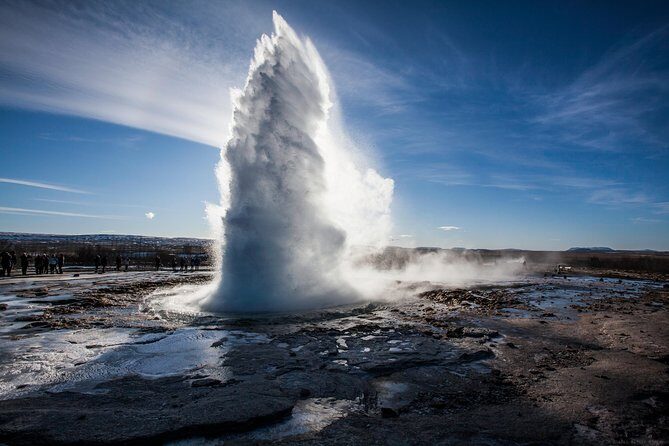
Then you head to the Geysir hot spring area. The big reason to go here is Strokkur, the active geyser that erupts every few minutes. That frequency is a gift. You’re not relying on one lucky blast; you can time your photos and settle in.

Friðheimar Geothermal Farm: tomatoes, geothermal heat, and Icelandic horses
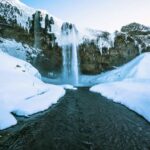
After the geothermal action outdoors, you switch to geothermal science in action at Friðheimar. This is the stop I especially like on this day. The greenhouses use geothermal energy to grow tomatoes and cucumbers year-round, and the visit includes access to the stables.
If you’ve never watched Icelandic horses in person, it’s worth it just for how they move. Even within the short time you’re there, it’s a real reminder that Iceland’s animal culture is its own thing, not an add-on.
Gullfoss: the waterfall that hits like a drum
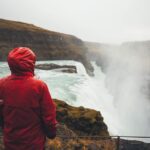
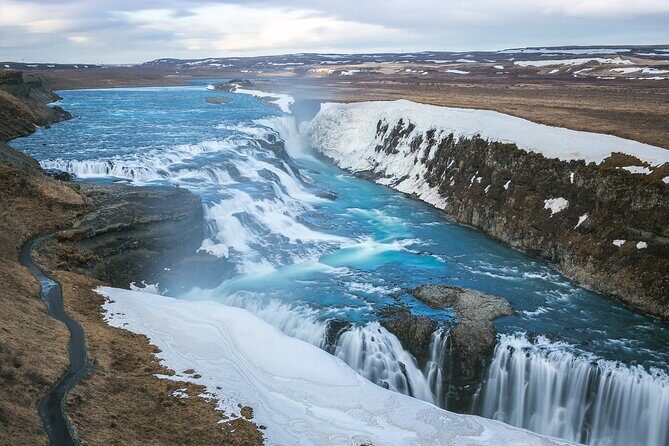
Next is Gullfoss, the majestic golden waterfall. It’s one of those places where the scale is the point. Whether you’re there in mist, spray, or clearer light, you’ll understand why people build whole trips around it.
From Vík to the aurora hunt: how the tour tries to maximize your chances
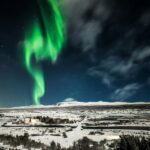
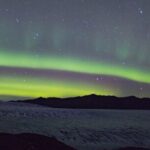
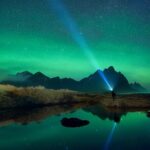
One of the tour’s stated goals is to increase your odds for the Northern Lights, and the timing supports that. On Day 2, after reaching the Vík area for accommodation, the schedule includes a weather-dependent search for the lights.
Here’s the practical truth: aurora hunting is about patience, not control. Clouds, moonlight, and auroral activity all matter. What you can control is your readiness. Dress in layers you can move in. Keep gloves on. If you’re out at night, bring something for warmth even if you think you’re only going to stand still for a short while.
If you’re traveling in winter, also give yourself a realistic mindset. This tour can put you in the right places and at the right times for a better chance, but Iceland still reserves the right to do Iceland things.
Jökulsárlón Glacier Lagoon and Diamond Beach: icebergs in milky white and bright blue
Day 3 is the “send me to the edge of the world” day. You head east to Jökulsárlón Glacier Lagoon and the nearby Diamond Beach.
Jökulsárlón: why the lagoon is so special
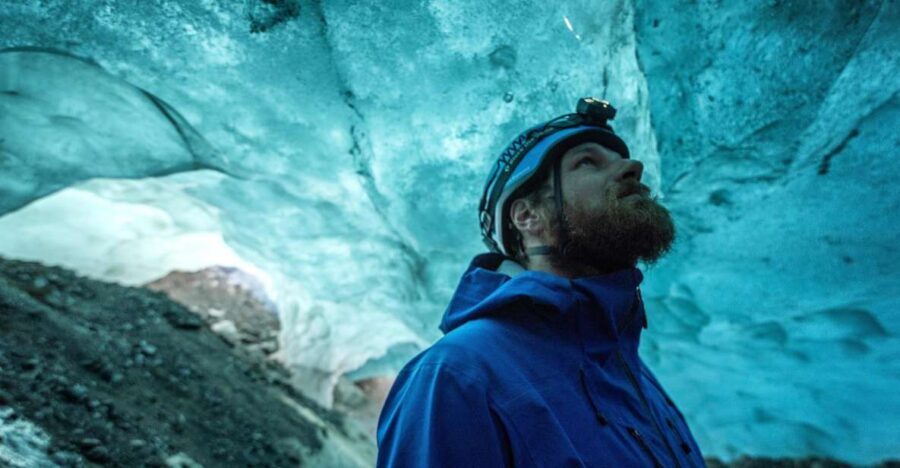
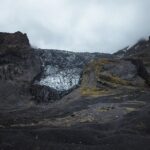
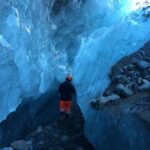
The lagoon’s icebergs are created through ongoing calving from the glacier tongue, Breiðamerkurjökull. That constant process is why the views keep changing. You might see ice that looks milky white in one light and bright blue in another, which is really the star of the show here.
It also adds a natural layer to what you’re seeing: fish drift in with the tides, and seals gather at the mouth of the lagoon in winter. Even if you’re not a wildlife person, the combination of ice and living activity makes the place feel alive, not staged.
Diamond Beach: black sand and ice sparkle photo reality
Then you go to Diamond Beach, where black sand meets icebergs washed ashore. The contrast is intense. The ice can look like scattered glass, and as you walk along, the scene keeps shifting with each wave and breeze.
There’s one warning worth keeping front-of-mind: conditions can be harsh. If you feel the ground under you is slick or unstable, don’t force the perfect shot. In Iceland, the “best angle” is often the one you can reach safely.
Skaftafell in Vatnajökull National Park: legs, trails, and Svartifoss views
On the way back, the tour stops at Skaftafell, part of Vatnajökull National Park. This is a great pacing reset after long driving and big-picture sights.
Skaftafell is known for diverse scenery: glaciers, waterfalls, and vegetation that looks almost surprising in how it fits together. The highlight mentioned here is Svartifoss, a waterfall framed by dark basalt columns.
Even if you don’t plan to do a major hike, the area is set up with trails that help you move at your own pace. It’s the kind of stop where you can slow down, breathe, and let your trip absorb instead of constantly moving to the next photo spot.
South Coast day: Reynisfjara black sand, Skógafoss, and Seljalandsfoss behind the falls
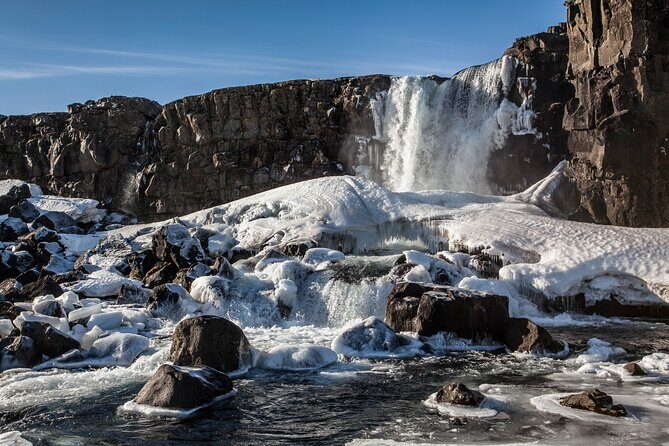
Day 4 follows the south coast, with a chain of stops that each have a different personality.
Reynisfjara Beach: geology and a serious safety lesson
At Reynisfjara, you’re there for black sand and dramatic wave action, plus the geological formations around the area. The warning is clear: don’t step too close to the water. These waves can be dangerous, and no photo is worth ignoring local safety advice.
Skógafoss: 60 meters down, with rainbow potential
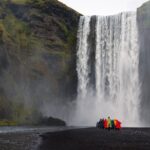
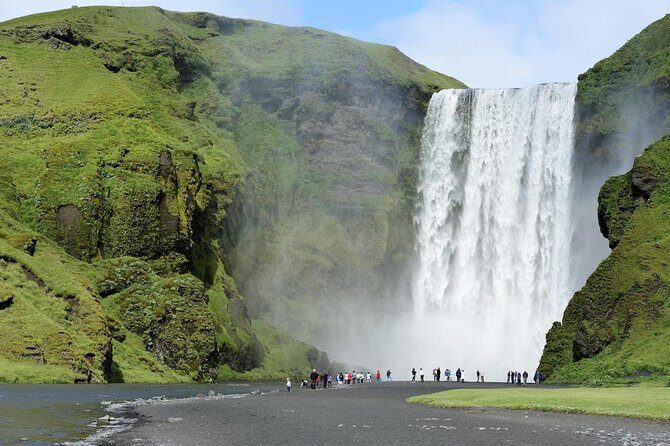
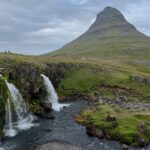
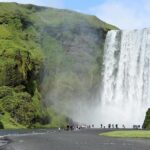
Next is Skógafoss, a 60-meter (197-foot) waterfall and about 25 meters (82 feet) wide. Mist often creates rainbows on sunny days. It’s one of those practical “bring your luck” moments. If the light cooperates, great. If not, you still get the power.
Skógafoss also comes with local legend about hidden treasure behind the waterfall. Even if you treat it as folklore, it adds a fun layer to what you’re standing in front of.
Seljalandsfoss: walking behind, then drying off
Then you reach Seljalandsfoss, where you can walk behind the waterfall. The mist can soak you, so dress with that in mind. I’d treat this stop like a planned rain situation, even if the rest of the day looks clear.
Blue Lagoon: optional, not included, and easy to add late in the day
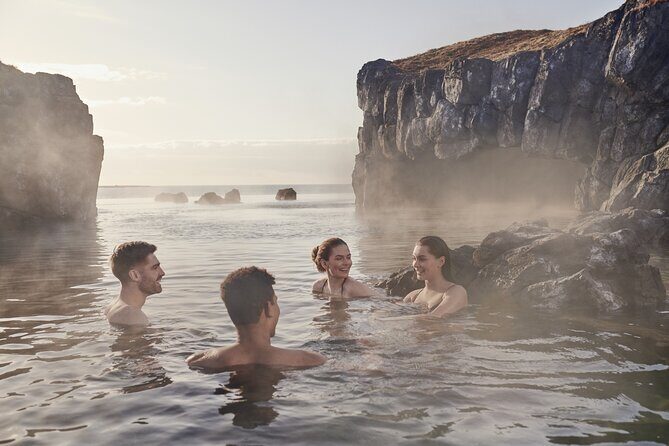
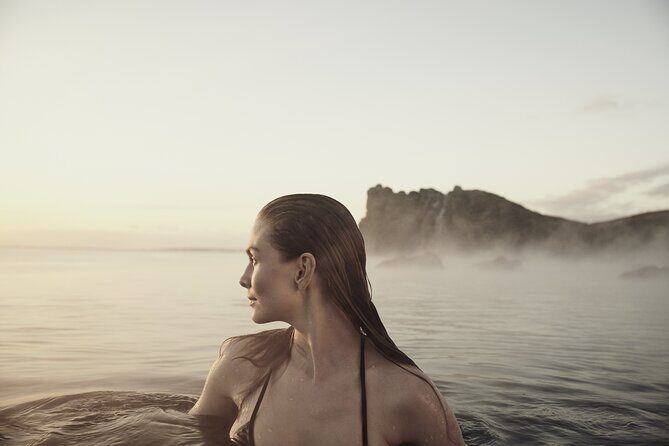
Before returning to Reykjavik, the tour offers the Blue Lagoon as an optional extra. Admission isn’t included, but you can soak in mineral-rich geothermal water and use the fine silica mud experience if you choose.
Is it worth it? For many people, yes, because it’s a warm reset after colder outdoor days. Just don’t assume it’s the same “Iceland experience” as the waterfalls and glacier ice. It’s more of a comfort and spa stop.
Hotels, breakfast, and how meals fit the real-world schedule
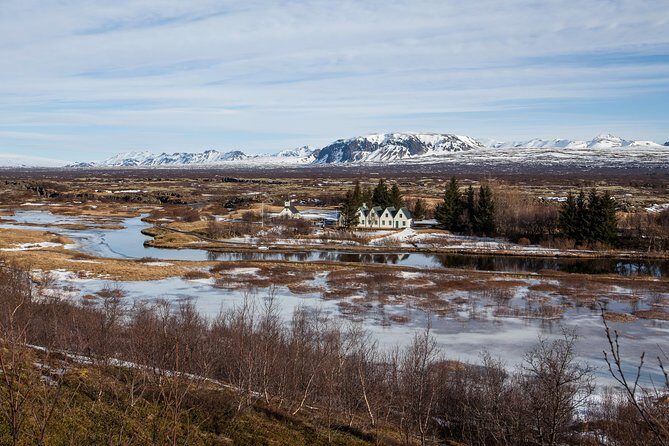
You get 4 nights of accommodation with private bathrooms, plus breakfast at the hotel. That’s important in winter, because breakfast is predictable fuel before long days outside.
The tour also includes the kind of hotel support you want on a group trip. In past experiences connected to this operator, guests have mentioned rooms that were clean and comfortable, and one named stay (Hotel Katla/Kayla) was called out for solid food and a dinner buffet. You shouldn’t expect a five-star spread every night, but you’re not left scrambling for meals either.
Lunch and dinner are on you. That’s common on Iceland tours, but it does affect value. If you plan to eat out, it helps to budget ahead and consider supermarket snacks for stop days—especially when weather delays happen and you’re glad you brought something.
Price and value: what $1,059.21 actually covers
At $1,059.21 per person, you’re paying for a lot of the heavy lifting: guided transport, multiple days of scenery, and lodging.
What you should feel good about:
- The trip includes bus transport for the itinerary and expert local guidance.
- Accommodation for 4 nights comes with private bathrooms.
- Friðheimar is included (greenhouse and stables).
- Many of the major stops are listed with free admission, which helps keep costs predictable.
- The bus is full-sized, and the tour notes no limits on luggage allowance, which matters if you pack winter gear.
What’s extra:
- Blue Lagoon admission is not included.
- Meals other than breakfast aren’t included.
So is it good value? I think it is if you want a structured route without driving stress. If you love spontaneity and you’re comfortable renting a car and handling Icelandic road conditions, you could theoretically do it cheaper. But this price buys you time and reduced mental load, plus a guide to turn each stop into something more than scenery.
Who this group tour fits best
This tour is ideal if you:
- Want a packed winter route that mixes glaciers, waterfalls, and aurora hunting
- Prefer guided logistics over driving yourself
- Like comfort in transit, thanks to a spacious bus and a 25-person cap
- Are excited by geothermal Iceland beyond just hot springs (Friðheimar proves it)
It may be less ideal if you:
- Hate early mornings and long days
- Need full control of your schedule and lighting options for photos
- Expect the Northern Lights to be guaranteed like a museum exhibit
Should you book this Northern Lights Hunt & Glacier Lagoon Tour?
I’d book it if your priority is a well-planned Iceland circuit that hits the big names—plus the ice-and-lagoon experience that makes winter feel magical. The combination of Jökulsárlón and Diamond Beach, paired with Golden Circle classics and a south-coast sequence, creates a trip that feels full without feeling like nonstop panic.
It’s also a smart call if you value local know-how in bad-weather conditions. Even when plans change, good guides and drivers keep things moving and keep everyone informed. One past experience connected to this operator highlighted driver Pall and guide Petur for helpful, friendly commentary, plus clear communication when last-minute changes came up due to strikes in Reykjavik.
If you’re okay with aurora uncertainty and you dress for cold nights, this tour gives you a strong shot at both Iceland’s biggest visual hits: ice by day and lights by night.
FAQ
How much does the 5-day tour cost?
The price is $1,059.21 per person.
How long is the tour?
It’s listed as 5 days (approx.).
Where does the tour start in Reykjavik?
The meeting point listed is Hotel KletturMjolnisholt 12-14, Reykjavik 105, Iceland, with a start time of 9:00 am.
What does the tour include?
Included features are the bus tour per the itinerary, expert local guidance, accommodation for 4 nights with private bathrooms, breakfast at the hotel, and a visit to Friðheimar Geothermal Farm including the greenhouse and stables.
What is not included?
Blue Lagoon admission is not included (it’s optional at extra cost). Meals other than breakfast at the hotel are also not included.
Is Blue Lagoon included?
No. It’s listed as optional and not included, though you can soak in the mineral-rich water if you pay for admission.
Is Northern Lights hunting included?
The tour aims to maximize your chances. Weather permitting, there is a Northern Lights search planned around the Vík area.
How many people are in the group?
The maximum group size is 25 travelers.
Do I need to worry about luggage limits?
The tour notes no limits on luggage allowance.
What happens on the last day after Keflavík?
On Day 5, you make your own way to Keflavík Airport. The tour lists a Keflavík stop duration of 2 hours.