REVIEW · REYKJAVIK
6-day Ultimate Iceland Tour: Photography and Northern Lights
Book on Viator →Operated by Luke EM · Bookable on Viator
Iceland feels cinematic on purpose. This 6-day private tour from Reykjavík pairs photography services with a route packed with Iceland’s best visual storytelling, from tectonic drama at the Bridge Between Continents to lava fields and classic waterfalls. I like that you’re not just rushing through stops—you get time to look, frame, and reset.
Two things I really appreciated: I love the way the guide works as a photo helper, not just a driver and facts guy, so you can actually come away with stronger images. And I love the flexibility—Luke (the guide name I saw repeatedly) is known for adjusting on the fly, steering you toward quieter viewpoints, and using his on-the-ground local knowledge to keep the day feeling personal.
One consideration: you’re paying for a private, photo-focused experience, and accommodation and meals are not included, so you’ll need to budget for where you stay and what you eat.
In This Review
- Key highlights worth planning for
- Entering Iceland Through Photography, Not Just Checklists
- Price and Value: What You’re Really Paying For
- Day 1: Reykjanes Peninsula From Tectonics to Volcanic Shorelines
- Day 2: Þingvellir, Geysir, Gullfoss, Kerið, and the Secret Lagoon
- Day 3: Mineral Water, Seal Beach, Elf Craters, and Kirkjufell’s Famous Frame
- Day 4: Waterfall Windows From Seljalandsfoss to Skógafoss and Vik
- Day 5: Skaftafell, Svartifoss Basalt Columns, and Jökulsárlón Icebergs
- Day 6: Vestrahorn, Sea Stacks, Glacier Choices, and Sólheimasandur
- Who This Tour Fits Best
- Final verdict: Should you book it?
- FAQ
- What’s the group size for this private tour?
- What time does the tour start?
- Is pickup included?
- Are photography services included?
- Are accommodation and meals included?
- Are entrance fees included for the main sights?
- What happens if the weather is poor?
- What language is the tour offered in?
Key highlights worth planning for
- Photo support built in: Photography services are included, so you’ll get more than a scenic tour stop-and-go.
- Private group up to 8: Your time is shared only with your group, which helps you move on your own pace.
- Geology is the star: From tectonic plates to basalt columns and lava fields, the science makes the views more meaningful.
- Most entrance fees are simple or free: Many stops list free admission, and a few key sites are marked as included.
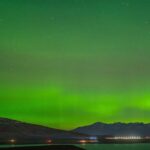
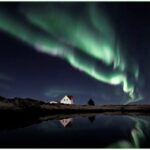
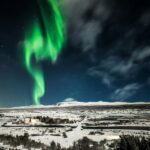
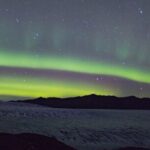
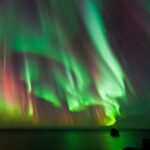
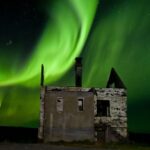
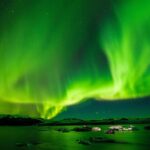
- Northern lights are part of the promise: The tour title targets aurora photography, but clear skies are always the real factor in Iceland.
- Long days, big variety: You’ll hit lighthouses, hot springs, craters, glaciers, and black sand beaches—often in one day.
Entering Iceland Through Photography, Not Just Checklists
If you love photos, Iceland can spoil you for anywhere else. It’s one of the few places where your camera actually has a lot to work with even when the sky is gray, because geology and weather do the heavy lifting.
This tour is built around that. You’re on private transportation, starting at 9:00 am, and the route is packed with scenes that naturally lend themselves to composition: contrast (black sand vs. pale ice), textures (basalt columns), and color (geothermal mud pools). Add in the photography services, and you’re nudged toward the “wait—this angle matters” moments instead of treating each stop like a quick selfie.
Also, Iceland is famous for its extremes. One hour you’re staring at steam rising from a geothermal field; the next you’re near roaring waterfalls. That variety is the point. It keeps the trip from feeling repetitive, and it gives you lots of different lighting and foreground options for your shots.
You can also read our reviews of more photography tours in Reykjavik
Price and Value: What You’re Really Paying For
The price is $9,299 per group (up to 8). That’s a private-tour budget. If you travel as a full group of 8, that’s roughly $1,162 per person before you add lodging and meals. If you’re fewer people, the per-person cost rises fast—so this option makes the most sense when you can fill the group space.
What you’re buying for that money is time and attention:
- Private logistics instead of joining a large coach.
- Photo guidance included, not just “here’s the viewpoint.”
- A guide who can respond to what Iceland throws at you—weather, visibility, and crowd levels—so your day doesn’t get wasted.
And since accommodation and meals aren’t included, you should think of this as a high-touch service for the driving, guiding, and photo time, not an all-inclusive package. If you’re the kind of traveler who wants everything handled (rooms, tickets, meals), you might find yourself booking extra pieces on your own. If you’d rather choose your own hotel style and restaurants, this can feel more flexible—and often better value—than a fully bundled deal.
Day 1: Reykjanes Peninsula From Tectonics to Volcanic Shorelines
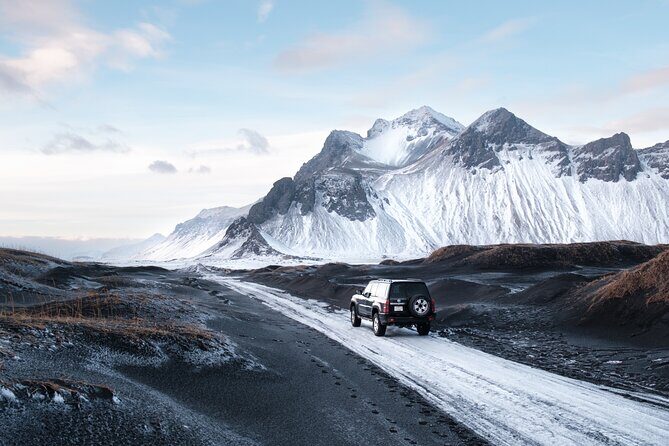
Day 1 is a fast introduction to Iceland’s “why” behind the scenery—plates, fissures, heat, and lava. It’s also a great photo day because you get coastline drama plus geothermal color within the same stretch.
You start at the Bridge Between Continents—a simple footbridge, but the idea is big: a symbolic marker of the North American and European tectonic plate separation. For photography, this stop is useful because it gives you scale and a clean focal point, especially if the weather is cooperative.
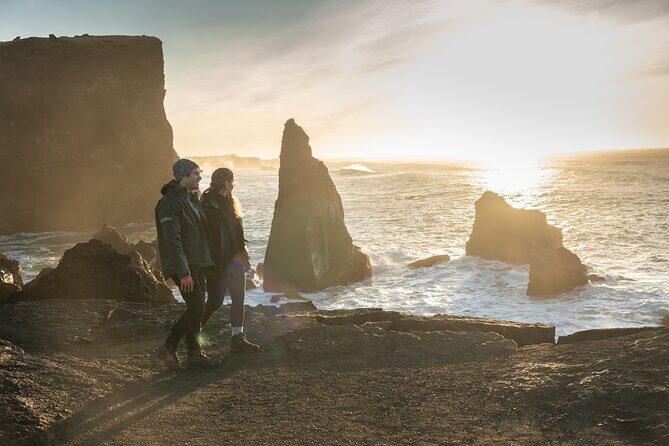
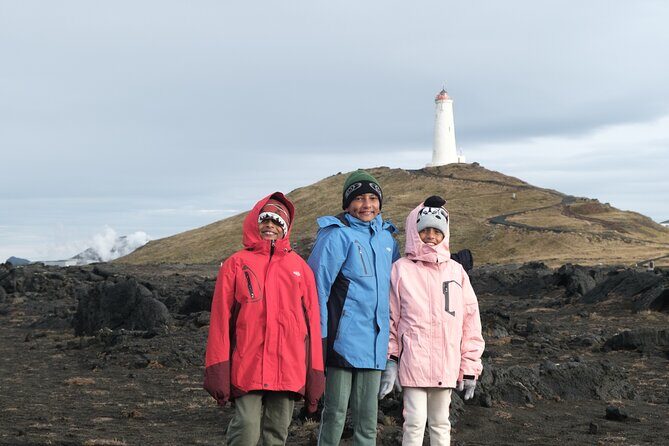
Next comes the Reykjanes Lighthouse, perched above cliffs with ocean energy all around. Then you move into the Valahnúkamöl cliffs, where the rock looks permanently weathered—like the ocean has been editing the shoreline for millennia.
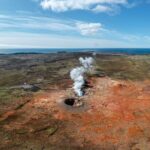
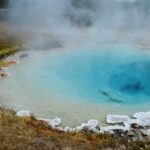
After that, you shift from cold ocean to underground heat at Gunnuhver Hot Springs and Krýsuvík. These geothermal fields bring the classic Iceland palette: steaming vents, bubbling mud pools, and color-toned ground. You’re also given cultural texture here, including the folklore tied to harsh life and supernatural tales (including the dark “ghosts and curses” side, plus stories of Christianity’s saving power). That background helps your photos too—because you’re not just shooting weird holes in the ground; you’re capturing a living story.
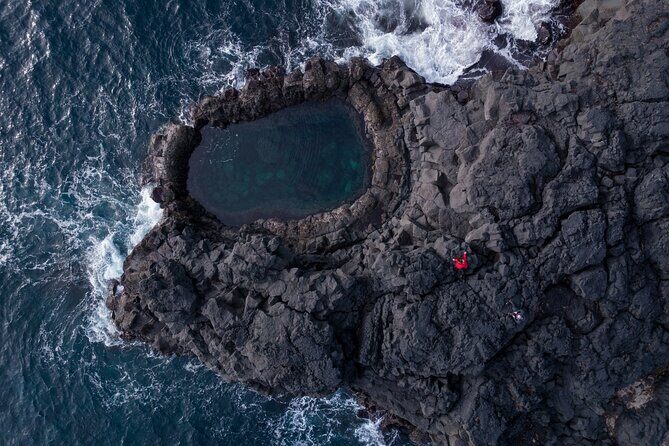
Then you end the day with water and lava edges: Kleifarvatn Lake (large and deep for the region), a stop at Fagradalsfjall Volcano (fresh dried lava valley from the last eruption), and Brimketill near the lava shore at Grindavík. If you enjoy “textures of danger,” the lava-meets-sea vibe is strong here.
The late-day coastline stops—Grindavík and Hafnaberg—also matter. You get calmer time for a break, and Hafnaberg’s sheer sea cliffs help you reset before the next day’s classic circuit.
Photo tip: Day 1 works well for wide shots early, then switch to tighter details (steam curls, mineral colors, and shoreline rock patterns).
Day 2: Þingvellir, Geysir, Gullfoss, Kerið, and the Secret Lagoon
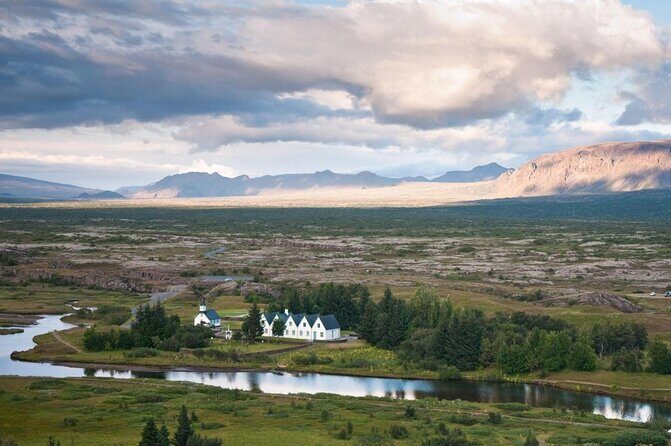
Day 2 is your Golden Circle day, but with more emotional variety than a simple “top three sights.” It starts at Þingvellir National Park (Þingvellir), a UNESCO World Heritage Site where the tectonic plates meet again in a way you can literally stand near.
This is also a historic place: it’s tied to the year 930 AD and Iceland’s early parliament tradition. Even if you don’t care about politics, that sense of sacred importance changes how you stand there. It’s one of those stops where wide shots feel almost inevitable, because the setting itself is a centerpiece.
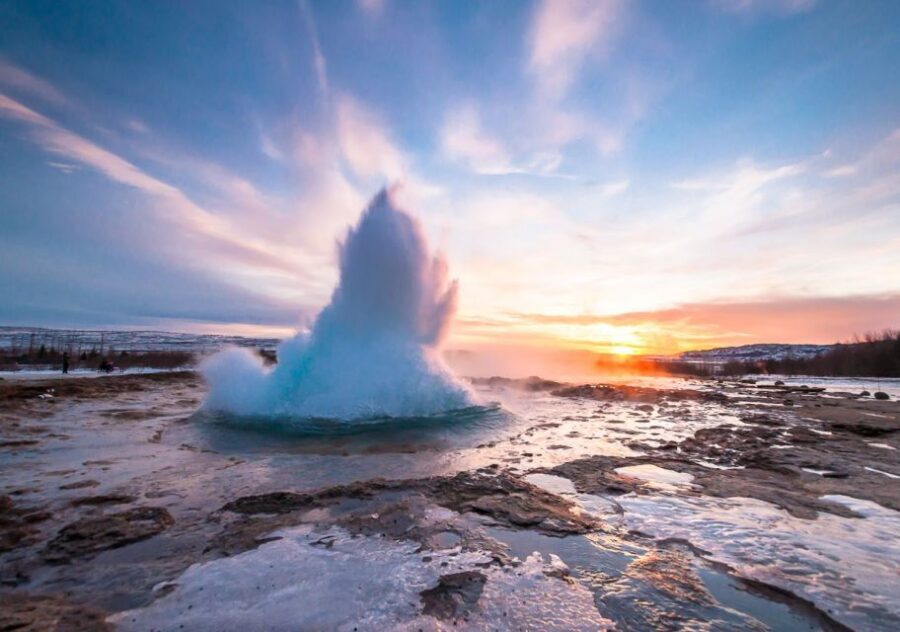
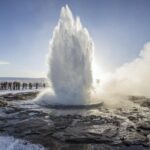
From plates to geysers at Geysir. The area is full of steam vents and sizzling pits, but the star is Strokkur, the active geyser that throws water up roughly every 5–10 minutes (often to around 20 meters). For photography, this is a timing stop. You’ll want your camera ready before the eruption, then watch your framing while you anticipate the plume.
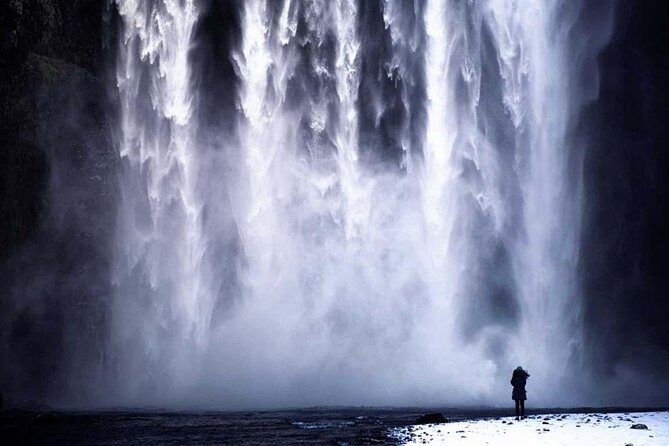
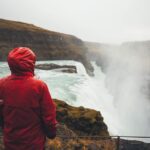
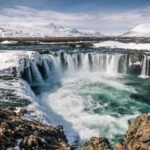
Then comes Gullfoss, Iceland’s waterfall theater. You get a long, roaring cascade, a wide drop, and mist that can create rainbows if the sun and spray align. Gullfoss is famous for scale, but the mist adds a photographic layer: it softens everything and creates that “white fog curtain” look you can’t fake.
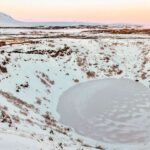
After that you slow down for crater color at Kerið, a volcanic crater lake formed about 3,000 years ago. The contrast is the key—maroon sediments, dark lava rocks, and blueish water.
Next you have a geothermal culture break at Fridheimar, where a tomato soup experience is part of the stop. The good value angle here is simple: it’s an easy way to refuel in the middle of a packed day without losing time driving.
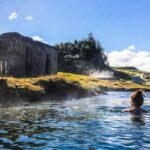
Finally, the day ends with soak-and-slow at the Secret Lagoon (Gamla Laugin) near Flúðir. This is Iceland’s oldest swimming pool (made in 1891), and it’s geothermal warmth with a gentler feel than the wild geothermal chaos earlier.
Day 3: Mineral Water, Seal Beach, Elf Craters, and Kirkjufell’s Famous Frame
Day 3 leans more cinematic and coastal, with a mix of small stops and a few “wow” photo anchors.
You start at Olkelda Mineral Spring, where a public tap gives you water that’s said to have health benefits. The ground around it gets stained red, which gives you a rare kind of photo: a human-scale detail next to intense natural color.
Then you head to Ytri Tunga Beach, where the point is ocean scenery plus a seal colony. It’s one of those stops where you can shoot both action (movement) and still life (rock lines and horizons).
Budakirkja (the black-wood church rebuilt in 1987) is a short stop that works surprisingly well on camera because the surroundings do the heavy lifting. If you need lunch, there’s a restaurant nearby, so you can plan for food without turning it into a detour.
You also visit Sönghellir Cave, the “singing cave.” The reason it matters is acoustics—plus there are centuries-old graffiti names of travelers. For photos, caves are a challenge, but even without perfect lighting, the texture and scale can still deliver.
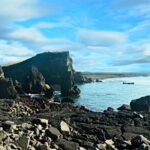
Then the day goes full “Iceland mythology meets geology” at the Londrangar Basalt Cliffs, where local stories say the hill belongs to elves. Whether you believe the tale or not, the cliff structure is dramatic, and those basalt forms can look almost architectural.
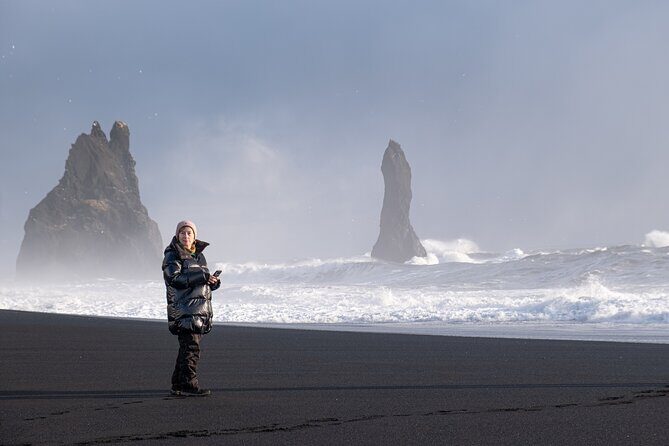
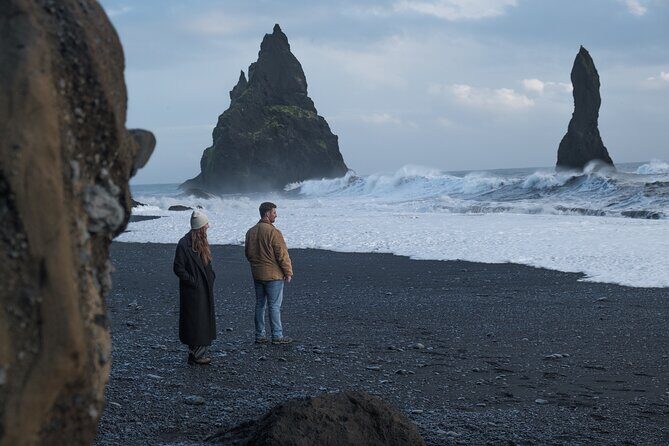
Next you hit Djúpilonssandur Beach, with black lava pebbles and an arched bay feel. You’ll then be close to the wider black-sand world of Reynisfjara—famous for wild wave energy and the sea stacks called Reynisdrangar.
After that, you climb slightly at Saxhólar Crater, a 109-meter crater with a short staircase to protect the area. Even a brief crater climb gives you a new angle over lava fields, mountains, and sea.
Finally, you arrive at the day’s big “photo magnet”: Kirkjufellsfoss and Kirkjufell. This waterfall-to-mountain pairing is one of Iceland’s most photographed scenes, partly because it looks good even when you’re not trying. The mountain’s distinctive shape is famous from popular TV, and even if you’re not following that connection, the frame holds up because it’s built by nature, not sets.
Practical note: Day 3 can feel like a “repeatable” theme of coast + cliffs + black textures, so if you want variety, focus your shots differently: use wide frames for horizons, then switch to basalt/rock close-ups.
You can also read our reviews of more tours and experiences in Reykjavik
Day 4: Waterfall Windows From Seljalandsfoss to Skógafoss and Vik
Day 4 is built for waterfall lovers, with the added benefit that several stops let you change your viewpoint, not just look from the roadside.
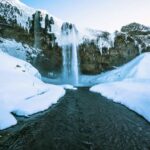
At Seljalandsfoss, the standout feature is that you can walk behind the falls. That transforms the photos. Instead of a single front view, you can frame from the back curtain, catch mist at different angles, and build layers (water in the foreground, sky behind). Even if the day is overcast, the motion and droplets still create strong results.
Then you visit Gljúfrabúi, a quieter waterfall off the main road. It’s labeled as a hidden gem, but the bigger point for you is this: it gives you a break from the same “big waterfall” look and adds a more intimate, tucked-away feeling.
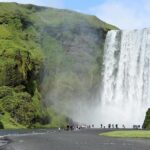
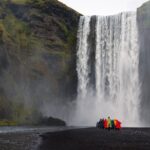
Skógafoss is your big classic. It drops about 60 meters and you can walk right up to it, meaning you get that overpowering scale that’s hard to capture unless you’re close enough for mist. Bring a light rain layer even when the forecast looks fine. Waterfalls in Iceland don’t care about your wardrobe plans.
You also stop for Gluggafoss/Merkjarfoss, which has a unique split-drop look (two-step fall and channels). It’s shorter and less famous than Skógafoss, but that’s exactly why it’s useful—your photo lineup stays varied.
Back to the black-sand story at Reynisfjara Beach again, then you finish with Dyrhólaey, a peninsula known for a large black arch and bird life. If conditions are right, it’s a great place for high viewpoints and long shots with that coast arch as a focal point.
Then you reach Vik, the southernmost village of Iceland and a practical base for food and rest. It’s also where puffins can show up in summer, so timing matters if you’re hoping for wildlife moments.
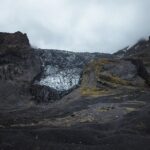
You end the day with Sólheimajökull Glacier, a striking glacier location between Katla and Eyjafjallökull. It’s a good “transition” stop: you go from sea cliffs and waterfalls into ice-and-mass thinking.
Day 5: Skaftafell, Svartifoss Basalt Columns, and Jökulsárlón Icebergs
Day 5 is the Vatnajökull region. The main theme: ice made visible in multiple ways, plus hiking into basalt forms.
You start at Skeiðarársandur and Kirkjubæjarklaustur area, where the drive crosses vast black sandy deserts shaped by glacial rivers. Even if you don’t get out much, you’re setting your eyes up for the glacier scenery that’s coming.
At Skaftafell National Park, the value is that you can do a walk and see the interaction of fire and ice. The stop includes time at the visitors area, and it’s a smart transition point between pure driving and longer walks.
Then you hike to Svartifoss, famous for basalt columns around the waterfall. This is one of Iceland’s most teachable stops for photography because the columns give you natural “frame lines.” Your images will look structured, not random.
You also stop for Fjaðrárgljúfur, another waterfall hike area known for basalt columns. Even when you don’t have time for a huge trek, these short hiking breaks help you escape the roadside sameness and get photos with some depth.
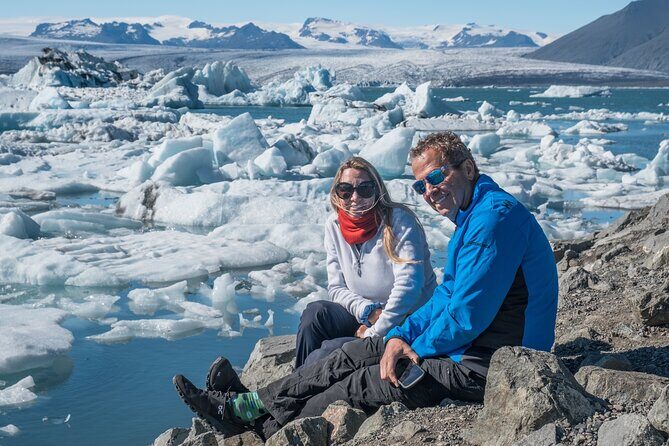
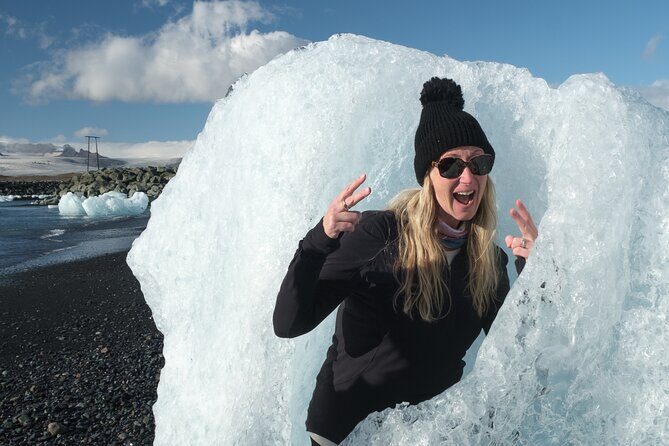
The day’s big showpiece is Jökulsárlón (Glacial Lagoon). Icebergs float and grind in deep water, and seals are frequently seen. If you want your photos to look like Iceland postcards, this is where they come from.
Then you add Diamond Beach, the black-sand beach where icebergs collect. It’s a simple idea—ice + black sand—but the results can be stunning because the colors contrast hard in bright light and still look dramatic in overcast skies.
You overnight in Höfn, which is a practical choice: you’re closer to the next day’s coastal surprises, and the town is known for food and harbor time.
Day 6: Vestrahorn, Sea Stacks, Glacier Choices, and Sólheimasandur
Day 6 continues the coast-to-ice theme with a stronger focus on “last day” photo targets.
You start at Vestrahorn, nicknamed Batman mountain for its look. The combination of sea view, black beach, and steep mountain silhouettes gives you a classic Iceland photo recipe. It’s also the kind of place that makes you stop saying wow every 10 minutes and start thinking about angles.
Then you visit Heimaey, specifically a viewpoint over an archipelago and rock stacks. This area also connects to puffins in summer and has its own history, but for you the photo payoff is the layered shapes: islands, stacks, and sea lines.
You take in Kvernufoss, a half-hidden waterfall in a gorge near the ring road. It’s close enough to fit in without turning the day into a long hike, but still gives you a “hidden within the bigger scene” moment.
Next is Eldhraun Lava Field, the 1783 eruption lava field from the Laki fissure eruption. It’s huge, and the scale matters. When you look at lava fields, you’re not just seeing rocks—you’re seeing time made physical, and it helps explain how Iceland can look both barren and strangely alive.
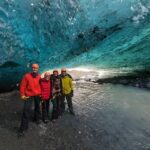
Then you reach a key decision point: Svinafellsjökull Glacier. This is an outlet glacier, and glacier hiking is listed as a popular activity here. The important note for you is that it’s marked as not included, so if you’re interested, plan for extra cost and check what the hike involves when you book. Even if you skip it, the glacier area still sets the tone.
You finish with Sólheimasandur, the black sand beach tied to a U.S. Navy DC plane crash in 1973. This is one of those stops where the “story” gives your photo a subject beyond scenery. Expect it to be a striking contrast: man-made wreck against empty sand.
Who This Tour Fits Best
This tour makes the most sense if you want:
- Private attention with a guide who can handle the driving and keep the plan moving.
- Serious time for photos, not just a quick stop.
- A route that’s heavy on geology and visual contrasts (steam, basalt, black sand, ice).
It can also work well for families with different energy levels because a flexible guide can adjust pacing and choose viewpoints that still feel worth it.
Where it may not fit:
- If you hate long days and prefer to wander independently.
- If you want accommodation and meals fully handled, since those aren’t included.
- If you’re mainly chasing guaranteed northern lights in a specific way. The tour targets aurora photography, but Iceland nights depend on actual weather and sky clarity.
One more subtle point: the best experience comes from bringing the mindset that you’re here to look closely. Iceland rewards patience. If you come armed with a camera and the willingness to wait 10 extra minutes for conditions to improve, the photos and memories will feel better than a rushed checklist.
Final verdict: Should you book it?
If your top priority is photos plus expert guidance, and you’re open to paying for privacy and included photo support, I’d book this. The mix of geothermal color, waterfall viewpoint variety, and ice-and-black-sand contrast is exactly the kind of route that pays off on camera and in your long-term memory.
I’d only hesitate if budget tightness around lodging and meals would stress you out, because this is not an all-in-one stay-and-eat package. Also keep your expectations realistic about northern lights: Iceland can be dramatic, but clear sky is still the boss.
If you want a trip that feels personal—more like a guided photo walk with logistics handled than a crowded bus tour—this is the right kind of Iceland plan.
FAQ
What’s the group size for this private tour?
It’s a private tour/activity, and the group size is up to 8.
What time does the tour start?
The start time is 9:00 am.
Is pickup included?
Pickup is offered.
Are photography services included?
Yes, photography services are included.
Are accommodation and meals included?
No. Accommodation and meals are not included.
Are entrance fees included for the main sights?
Many stops are listed as admission ticket free, and a few key sites are listed as included (for example Þingvellir, Kerið, Secret Lagoon, and Skaftafell).
What happens if the weather is poor?
This experience requires good weather. If it’s canceled due to poor weather, you’ll be offered a different date or a full refund.
What language is the tour offered in?
It’s offered in English.