REVIEW · REYKJAVIK
7 Day Around Iceland Tour- PRIVATE TOUR
Book on Viator →Operated by Travelling Iceland · Bookable on Viator
Seven days, and Iceland finally clicks.
This private Iceland ring tour is interesting because you’re moving fast across the island, but still getting real context for what you’re seeing—politics at Thingvellir, geothermal power at Geysir, and glacier geology at Jökulsárlón. I especially like two things: the private guide who can shape the day around your pace, and the no-rental-car setup thanks to private transportation and pickup. One drawback to consider: it’s a lot of driving and a lot of stops, so if you want slow, laid-back days, this plan may feel busy.
The good news is that the itinerary mixes big-name sights with quieter, sensory moments. You’ll walk, peer, and relax—think a close-up waterfall behind the falls, a tomato lunch grown with geothermal heat, and time soaking in a natural geothermal lagoon. You’ll also sleep in local hotels and guesthouses with daily breakfast, which helps you keep energy up when weather shifts and mornings start early.
If you’re the type who wants the island loop, not just a few highlights, this is a clean way to do it. And yes, the price is premium—$11,101.77 per person—but you’re paying for daily guided touring, door-to-door transport, and entrance fees bundled into the trip.
In This Review
- Key things I’d pay attention to before booking
- The big picture: a private ring trip that’s built for “see it all”
- Golden Circle days: Thingvellir walking, Geysir timing, Gullfoss power, and Friðheimar
- South Coast: Seljalandsfoss and Skógafoss, Sólheimajökull, Dyrhólaey, and Reynisfjara’s basalt cliffs
- The glacier-lagoon highlight run: Skaftafell, Fjaðrárgljúfur, Jökulsárlón, Fjallsárlón, and ice exploration
- East to North: Djúpivogur, Hengifoss, Mývatn, Dettifoss, Námaskarð, Krafla, and Dimmuborgir
- Akureyri, Godafoss, and the north’s signature photo spots
- Snæfellsnes: black pebbles, lava caves, basalt cliffs, and Arnarstapi legends
- Langjökull summer ice tunnel and Borgarfjörður waterfalls on the way back
- What the itinerary pacing means for you (and what to plan around)
- Price and value: paying for private touring, not just driving
- Should you book this private Iceland ring tour?
- FAQ
- How long is the private tour, and what time does it start?
- Is this tour private?
- What’s included in the price?
- Is lunch and dinner included?
- Are entrance fees included for the stops?
- Are the glacier and ice activities seasonal?
- What happens if the tour is canceled due to poor weather?
- If I cancel, can I get my money back?
Key things I’d pay attention to before booking
- You get daily private time with your guide, not just a drive-by bus tour
- Six nights with breakfast means fewer meals to plan and fewer logistics headaches
- Most stops are walk-and-view focused, so you can see a lot without hiking all day
- Geothermal shows up again and again, from Geysir to Secret Lagoon to Námaskarð
- Glacier activities change by season, with natural ice caves in winter and a Langjökull ice tunnel in summer
- You’ll cover the island’s full arc, from the Golden Circle to Snæfellsnes and back toward Reykjavík
The big picture: a private ring trip that’s built for “see it all”
This tour is designed for one main goal: getting you around Iceland in about a week without renting a car, navigating roads, or worrying about timing. When you go private, the schedule still moves, but you can ask questions in the moment and adjust your pace during walks and viewpoints.
The route is also built on good variety. One day you’re in parliament-country at Thingvellir, the next you’re standing in the spray at waterfalls like Seljalandsfoss and Skógafoss, and then you’re staring at icebergs at glacier lagoons that look unreal. In between, you get pauses that feel local rather than touristy—like a tomato greenhouse lunch at Friðheimar and soaking at Secret Lagoon.
And the guide factor matters. Past groups have been led by people like Dr. Helga Bára, Addy, and Sigrún, who are known for explaining what’s behind the scenery (and not just pointing at it). That’s the difference between collecting photos and actually understanding the places you’re standing.
You can also read our reviews of more private tours in Reykjavik
Golden Circle days: Thingvellir walking, Geysir timing, Gullfoss power, and Friðheimar
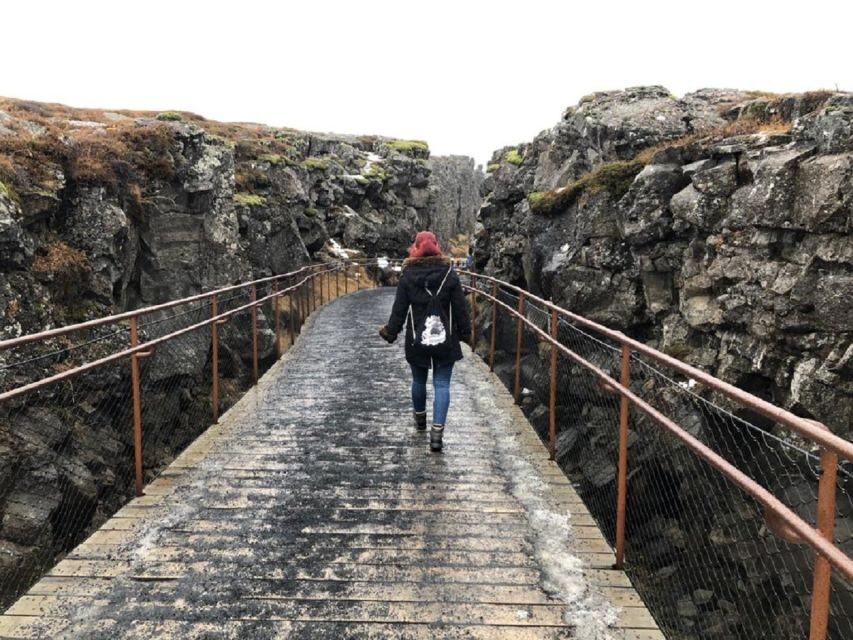
Your Iceland week starts with Thingvellir (Öxarárfoss walk included). This is more than a scenic stop: Thingvellir is tied to the Icelandic Parliament and early democracy, and it’s also a UNESCO World Heritage Site. You’ll spend around 1 hour 30 minutes, with time to walk to Öxarárfoss waterfall. Practical note: wear waterproof shoes if the ground’s slick—waterfall areas can be damp.
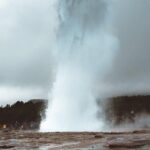
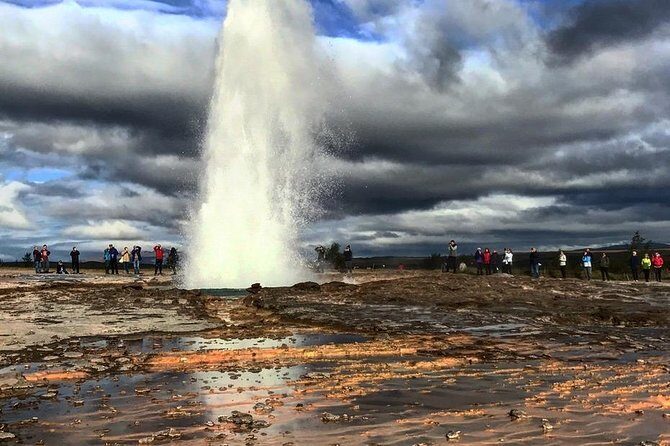
Next comes Geysir. The big headline is that Geysir itself is mostly quiet, while Strokkur erupts frequently—about every 4 minutes on average. You don’t need to guess when it will go; the guide can help you time it and position you for the best view. Expect about 1 hour here.
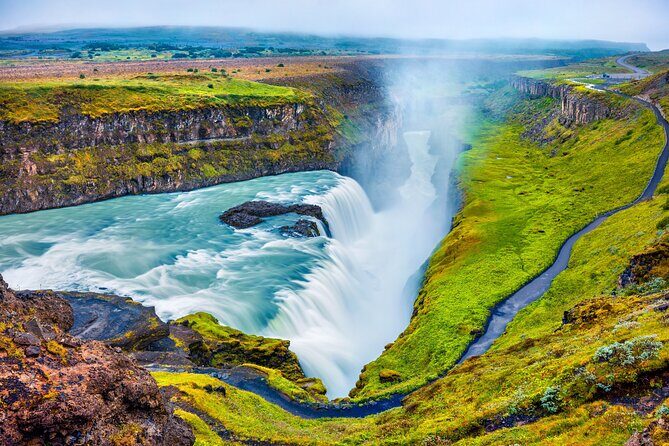
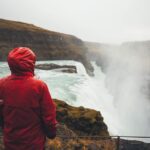
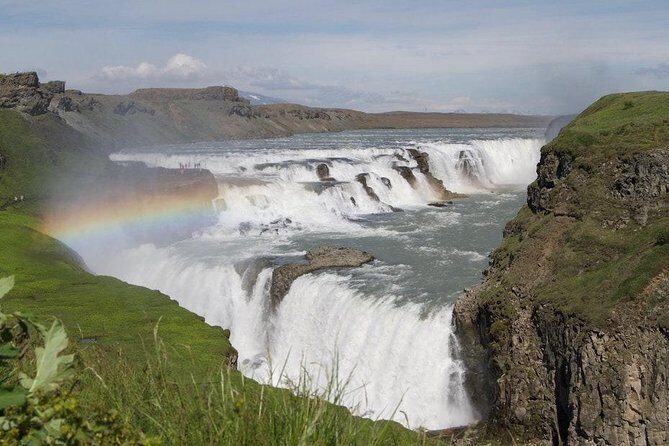
Then you’ll hit Gullfoss, one of Iceland’s showpiece waterfalls. You’ll get a view from above, then the chance to walk down closer along the path for more intensity. It’s listed at about 1 hour, and that’s a good length—enough time to absorb it without rushing out before your eyes adjust to the mist.
One of the stops I’d call out for “this is Iceland, but also a story about Iceland” is Friðheimar. Tomatoes are grown using geothermal heat and geothermally generated electricity, which means your lunch isn’t just food—it’s the point. You’ll spend about 1 hour 30 minutes and eat with the greenhouse as the setting, so it feels like you’re watching how Iceland works rather than just passing through. If you like food that has a reason behind it, this is the kind of lunch you’ll remember.
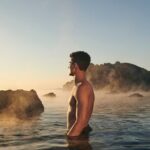
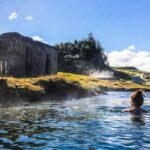
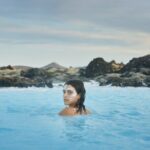
Finally, the tour slows down with Secret Lagoon – Gamla Laugin. This is a natural geothermal bath where you relax in raw nature. You’ll likely spend around 1 hour 30 minutes and then overnight near Hvolsvöllur, which helps you reset before the south coast driving starts in earnest.
South Coast: Seljalandsfoss and Skógafoss, Sólheimajökull, Dyrhólaey, and Reynisfjara’s basalt cliffs
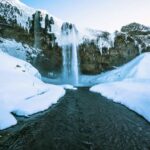
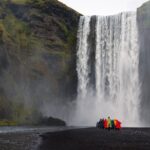
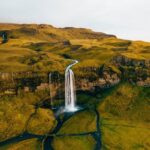
After the Golden Circle, the tour leans into waterfall drama and ocean geology. Seljalandsfoss is one of the most memorable ways to experience Iceland’s power: it’s about 60 m high, and it’s one of the few where you can walk behind the falls. Plan about 1 hour. Bring a rain layer even if the sky looks decent—being behind a waterfall can mean instant wet clothes.
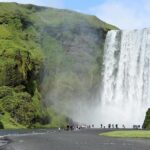
Then comes Skógafoss, listed at about 1 hour. This is described as Iceland’s most famous waterfall, and it feeds from glacier rivers tied to meltwater from Eyjafjallajökull and Mýrdalsjökull. If you’re the type who likes to understand causes, this is a great spot for that. The guide can connect the dots between glaciers, meltwater, and the thunder you’re hearing.
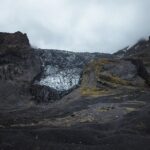
Next is Sólheimajökull, around 1 hour 30 minutes. This outlet glacier flows out of the ice cap Mýrdalsjökull, and under that ice cap sits the volcano Katla. Even if you don’t go far on foot, just seeing the glacier’s presence next to volcanic terrain helps you grasp how “fire and ice” shows up in real life.
You then move to the coast at Dyrhólaey (about 1 hour). It’s a 120-metre promontory eroded by the sea, with views over the south coast and black beach areas. Iceland is great for looking for birds and natural cues, and this is the kind of viewpoint where you can slow down and actually scan.
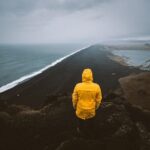
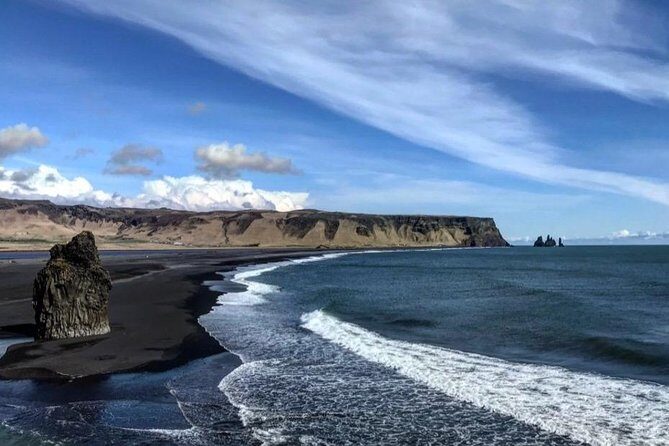
The big coastal finale in this stretch is Reynisfjara Beach at about 1 hour. This is black beach country—basaltic rock with column shapes—and it also includes Reynisdrangar, described as a sea stack formed by wave erosion. There’s also a note that in 1991 it was ranked among the ten most beautiful non-tropical beaches in the world. Practical reality: coastal conditions can shift fast, so keep windproof clothing and a steady grip on your camera.
Overnight near Vík keeps the tour moving efficiently while you position yourself for the glacier lagoon zone.
The glacier-lagoon highlight run: Skaftafell, Fjaðrárgljúfur, Jökulsárlón, Fjallsárlón, and ice exploration
Once you reach Skaftafell (about 2 hours), you’re in Vatnajökull National Park territory. The key idea here is scale: Vatnajökull is the largest glacier in Europe, and Skaftafell acts as a wilderness gateway. You’ll feel it as soon as you look around—huge ice country with dramatic weather.
Then comes Fjaðrárgljúfur canyon (about 1 hour). It was carved by a glacial river during the last ice age and is about 100 m deep and 2 km long. The interesting fun fact here is that it became world famous after appearing in Justin Bieber’s music video. Even if pop culture isn’t your thing, the canyon’s shape is still worth it.
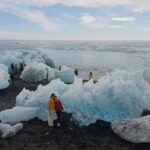
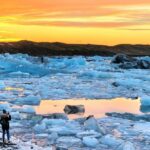
After that, you move into the lagoon cluster. The tour includes Jökulsárlón (about 1 hour) and also Fjallsárlón (about 1 hour). You also have a shorter stop at Fellsfjara (listed at 30 minutes). The core experience across them is similar: calving glaciers feed icebergs into the lagoon, and you get time to see—and in some stops walk between—floating ice pieces. The black beach is sometimes called Diamond Beach, which is a useful description because the contrast really pops.
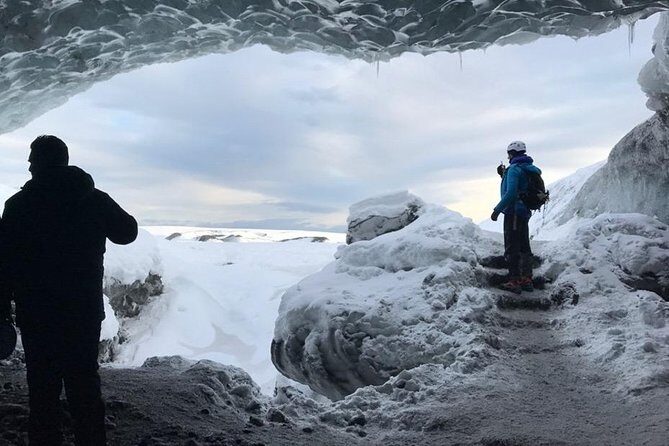
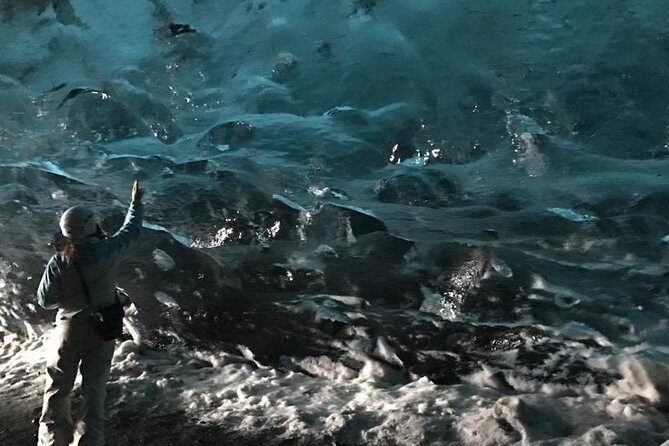
Now, the ice experience depends on season. If you’re traveling in winter (November–March), the tour includes ice cave exploration into natural ice caves (listed as about 3 hours) with an overnight near Höfn. If you’re going in summer (April–October), the plan shifts toward Into the Glacier on Langjökull: a man-made ice tunnel, reached by pickup in Húsafell, using a monster truck transport, and typically 4 hours total in good weather. This seasonal swap matters because it changes what kind of ice access you get—natural cave versus engineered tunnel.
Either way, you’ll come away with the same lesson: Iceland’s ice isn’t just scenery. It’s moving, breaking, forming, and shaping travel routes.
East to North: Djúpivogur, Hengifoss, Mývatn, Dettifoss, Námaskarð, Krafla, and Dimmuborgir
As the route heads toward the north, you get a mix of quieter village time and high-energy geology.
Djúpivogur is the first listed stop in this direction (about 1 hour). It’s described as a picturesque fishing village known for art and views. This is a good reset stop: you can break up the car time with something more human-scale before the geothermal zones start again.
Next is Hengifoss Track (about 2 hours), including Litlanesfoss. Hengifoss is described as one of the highest waterfalls in Iceland, set in a striking geological setting. Litlanesfoss is noted for being surrounded by basalt columns. Even without a long hike, this is the type of stop where the geology becomes part of the waterfall story.
Then you move into Mývatn country. The itinerary includes Lake Mývatn (about 1 hour), plus overnight at Mývatn. The lake is described as home to migrating birds in summer. You’ll also see Skútustaðagígar pseudocraters around the southwestern corner of the lake, which are a reminder that Iceland’s “ice and fire” is also about lava-water interactions.
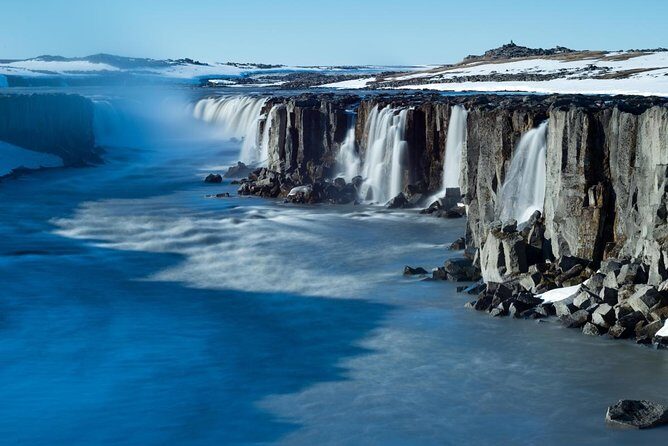
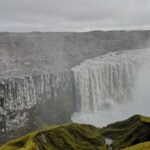
The tour then hits Dettifoss (about 1 hour). Dettifoss is listed as Iceland’s largest and most powerful waterfall, falling about 100 m into Jökulsárgljúfur canyon. This is not a delicate waterfall moment. It’s force and noise, and it makes a strong case for why Iceland river systems matter.
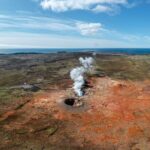
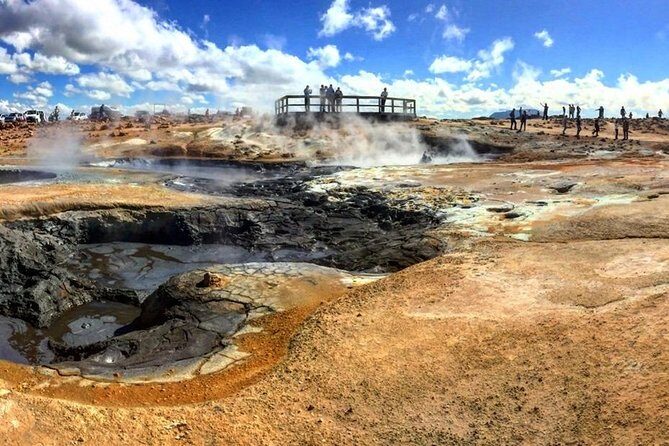
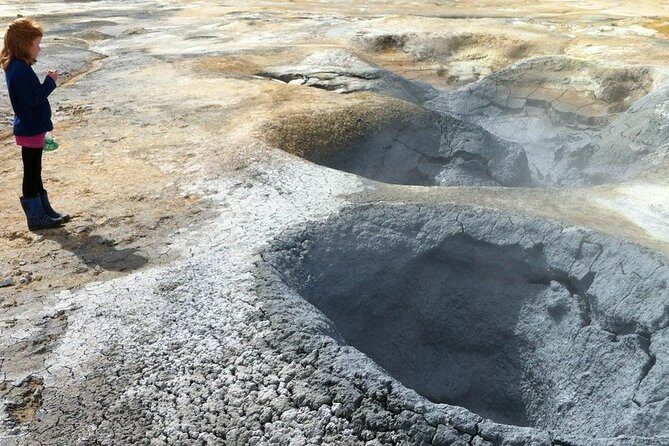
After that, you get the geothermal drama at Námaskarð (often referred to as Hverarönd), about 1 hour. You’ll see thermal springs, mud pots, boiling mud, and colorful fumaroles and solfataras. The colors are attributed to sulfur and deposited compounds. This is one of the best “eyes-on” stops on the whole trip because it changes as you watch.
Nearby is Krafla Lava Fields (about 1 hour), tied to the central volcano. Then comes Dimmuborgir (about 1 hour). Dimmuborgir is explained as lava tubes formed about 2,300 years ago, when lava flowed over a small lake, boiled the water, and created vapor pathways through the lava. It’s also noted as home to the Icelandic jule lads, which gives the place a myth layer you might not expect to matter—until you hear how the local stories frame the rocks.
The geothermal finish is Myvatn Nature Baths (Jardbodin vid Myvatn) (about 2 hours). This is a naturally heated man-made lagoon with mineral-rich waters. If you’re starting to feel the days pile up, this is where you come back to your body.
You can also read our reviews of more tours and experiences in Reykjavik
Akureyri, Godafoss, and the north’s signature photo spots
On the way to Akureyri, you stop at Goðafoss (about 1 hour), the Waterfall of the Gods. Then you arrive in Akureyri for a city tour and dinner on your own, with an overnight in town (listed at about 1 hour for the city portion).
This is a practical shift: earlier in the trip, your schedule is timed to sights and viewpoints. Here, you get a bit more room to breathe and eat how you like.
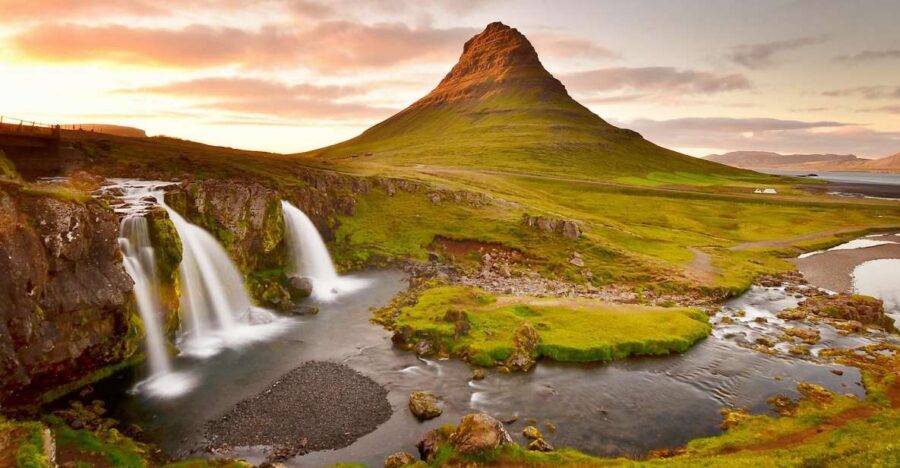
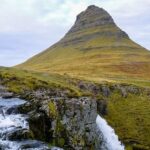
For scenery, the itinerary includes Kirkjufell and nearby Kirkjufellsfoss. You’ll spend about 1 hour at Kirkjufell and 30 minutes at Kirkjufellsfoss. This is the kind of pairing where the mountain is the anchor and the waterfall gives you motion.
Snæfellsnes: black pebbles, lava caves, basalt cliffs, and Arnarstapi legends
The tour then pivots into Snæfellsnes Peninsula territory, which gives you variety beyond the south. You’ll hit Djúpalónssandur Beach (about 1 hour 30 minutes), a bay of black pebbles smoothed by ocean waves, with rusty remnants from a shipwreck stranded there in 1948. That detail matters because it turns a “pretty black beach” into a place with human history layered on top of volcanic geology.
Next is Hellnar (about 45 minutes). It’s described as a small ancient fishing village, and the stop emphasizes rock formations on the beach.
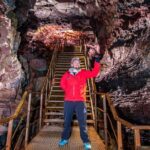
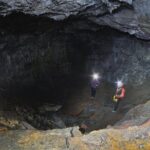
Then you go underground at Vatnshellir Cave (about 1 hour 30 minutes), a lava tube in an 8000-year lava field. The explanation here is simple and useful: lava flowed while the surface cooled, leaving a hollow tube. If you like places where you can see the shape of past eruptions, this cave is a strong move.
After the cave, you reach Arnarstapi (about 1 hour). This fishing village is tied to the legend of Bárðr, described as half human and half ogre, along with family and mythic connections to the nearby area and Snæfellsjökull. You’re not going there for a lecture, but the legend gives the rock formations a meaning beyond their shape.
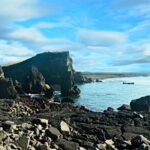
Then it’s Lóndrangar Basalt Cliffs (about 45 minutes). These are volcanic plugs of basalt shaped by erosion, listed at 75 m and 61 m tall. It’s a short stop, but it’s the kind where you look longer than you planned because the geometry is so clean.
Langjökull summer ice tunnel and Borgarfjörður waterfalls on the way back
This part depends on season again. In summer (April–October), the itinerary includes Into the Glacier on Langjökull (about 4 hours). You’ll be transported on a monster truck upon the glacier, and there’s a guide who welcomes you for the ice tunnel trip. The itinerary also notes the view from the glacier top is spectacular in good weather, which is key: Iceland can change, so build flexibility into your expectations.
For the less-visited west side, you’ll then stop at Hraunfossar (about 1 hour). Water streams out of porous lava into the Hvítá river across roughly 900 m, out of the Hallmundarhraun lava field. Close by is Barnafoss (about 30 minutes), named after children in a local story. Whether or not you care about folklore, these two waterfalls are a nice contrast to the bigger, more famous cascades.
Finally, there’s a stop in Borgarnes (about 45 minutes) before returning toward Reykjavík.
What the itinerary pacing means for you (and what to plan around)
Because this is private and fully routed, you won’t be making daily decisions about where to go. That’s the point. Still, you should expect a day rhythm that includes: leaving early, short walks, viewpoint time, and repeat.
That can be great if you want maximum coverage. You’ll see Golden Circle signatures, then get the south coast’s waterfall-and-coast combo, then spend real time in glacier lagoon country, and finally finish with north and west variety including geothermal, caves, and Snæfellsnes beaches.
Where the tour asks more from you is stamina and weather flexibility. You’ll do many outdoor stops, and some activities are explicitly seasonal (winter ice caves versus summer ice tunnel). If you’re traveling in winter, plan for shorter daylight and colder conditions around ice exploration. If you’re traveling in summer, plan around the fact that glacier activities depend on good weather.
Also, meals aren’t all included the way some tours do it. Lunch is included on day 1, and later lunches are available to buy on the trip. Dinner is not included, so you’ll need a simple plan for what you want to do with evenings in places like Akureyri and at other overnight stops.
Price and value: paying for private touring, not just driving
At $11,101.77 per person, this is clearly priced as a premium private experience. What justifies it in practical terms is what’s bundled:
- A tour guide
- Hotels or guesthouses (six nights) with daily breakfast
- Private transportation
- Entrance for all sights and activities (with extras labeled separately)
- All fees and taxes
When you add up private guide time plus dedicated transport plus entrances across dozens of major stops, the number starts to make more sense. The tradeoff is you’re paying for convenience and interpretation. If you don’t care about having someone explain the geology and history as you go, you may not get full value from the cost.
I’d also think about group fit. This is private, and private tours can become a smart value if you’re traveling with people who share the cost and enjoy the same pace.
Should you book this private Iceland ring tour?
Book it if you want a week-long island loop with a guide, you hate car rental logistics, and you’d rather spend your energy looking at waterfalls, geothermal sites, and glacier lagoons than planning roads. The Friðheimar tomato lunch and repeated geothermal stops are exactly the kind of Iceland details that make the trip feel more like a guided education than a checklist.
Hold off if you’re sensitive to packed days, long drives, and weather-dependent ice experiences. This route is built for coverage, not for slowing down every time the light gets good.
If you match the style, you’ll likely come away feeling like Iceland wasn’t just pretty—it was explainable. And that’s the best souvenir there is.
FAQ
How long is the private tour, and what time does it start?
The tour is listed as 7 days (approx.) and starts at 9:00 am.
Is this tour private?
Yes. This is described as a private tour/activity, so only your group will participate.
What’s included in the price?
Included items are a tour guide, hotels or guesthouse and breakfast, private transportation, entrance for all sights and activities (except extras), and all fees and taxes.
Is lunch and dinner included?
Dinner is not included. Lunch on day 1 is included, and lunch for other days can be bought on the trip.
Are entrance fees included for the stops?
Yes. The tour includes entrance for all sights and activities, with the note that extras are not included.
Are the glacier and ice activities seasonal?
Yes. The itinerary includes ice cave exploration in winter (November–March). In summer (April–October), it includes Into the Glacier on Langjökull with an ice tunnel experience.
What happens if the tour is canceled due to poor weather?
It’s stated that the tour requires good weather. If it’s canceled due to poor weather, you’ll be offered a different date or a full refund.
If I cancel, can I get my money back?
No. This experience is listed as non-refundable and cannot be changed for any reason; the paid amount is not refunded if you cancel or ask for an amendment.