REVIEW · REYKJAVIK
7-Day Small Group Journey Around Iceland
Book on Viator →Operated by Snaeland Travel · Bookable on Viator
A great Iceland trip is mostly about pacing. This 7-day small-group Ring Road plan does the heavy lifting for you, so you spend your energy on the views and not on renting, routing, and parking. I like that it’s structured with an English-speaking local guide and frequent stops, which is how you actually make sense of Iceland’s geology and culture.
I also love the two big included experiences: the amphibian boat ride on Jökulsárlón Glacier Lagoon and a stop at Glaumbær Folk Museum. And you get six nights of hotel stays (private bathroom rooms) plus breakfast, which helps keep the budget from spiraling mid-trip. One consideration: the tour doesn’t really cover Reykjavik downtown, so plan a little extra time in the city before or after if you care about cafés, museums, and city life.
In This Review
- Key highlights worth clocking
- Why this Ring Road tour beats driving yourself
- Reykjavik arrival: you set the pace, and the tour sets the route
- North Iceland starts with geology and farming life
- Akureyri onward: Lake Mývatn’s geothermal weirdness (the good kind)
- Dettifoss and the route east: waterfalls with weight
- Eastfjords to Höfn: remote fishing villages and wild reindeer
- The real showpiece: Jökulsárlón by amphibian boat
- South Coast power stops: Reynisfjara, puffins, and the waterfall double feature
- Golden Circle basics, with breathing room: Gullfoss, Geysir, and Þingvellir
- Final day: a relaxed morning, then Keflavík on your own
- Price and value: what you really get for $2,221.59
- Who should book this tour (and who might not love it)
- Should you book this 7-day Iceland Ring Road small-group tour?
- FAQ
- What is the tour start time and meeting point?
- How many people are in the group?
- How long is the trip?
- What’s included in the price?
- Are airport transfers included?
- What kind of hotel rooms are included?
- What language is the tour offered in?
- Do I get time in Reykjavik on the last day?
Key highlights worth clocking
- Small-group size (max 25) keeps the experience flexible and easier to manage on long drives.
- Included amphibian boat at Jökulsárlón gets you out on the water without needing extra bookings.
- Lake Mývatn region stops focus on volcanic shapes, geothermal energy, and waterfall variety.
- Eastfjords to Höfn timing gives you remote fishing-village scenery plus a chance to see the wild reindeer area.
- Golden Circle without rushing includes Gullfoss, Geysir, and Þingvellir in a logical route.
- Hotel nights with private bathrooms plus breakfast means mornings start clean and simple.
Why this Ring Road tour beats driving yourself
Iceland is amazing, but driving is a full-time job. On a Ring Road loop, you’re constantly switching between tunnels, ferries (if used on other routes), long stretches of road, and sudden weather changes. This tour keeps you off that stress by handling the transport in a spacious small-group vehicle with no luggage worries.
What you’re really buying here is time. You get guided context for the places you stop, and you don’t have to figure out parking lots, road closures, or which viewpoint is worth the extra 2-minute walk. In practice, that means you can watch the details—steam vents at Námaskarð, the peculiar forms around Dimmuborgir, or the way waterfalls change from one canyon to the next—without bouncing between apps.
And yes, weather can still happen. That’s Iceland. The difference is you’re not making last-minute decisions alone when roads turn icy or wind ramps up.
You can also read our reviews of more tours and experiences in Reykjavik
Reykjavik arrival: you set the pace, and the tour sets the route
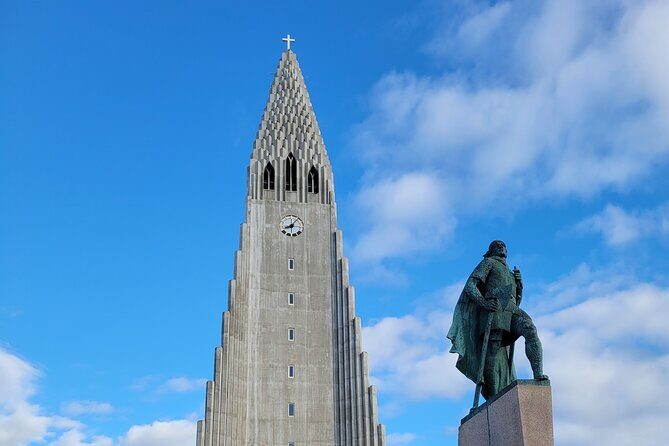
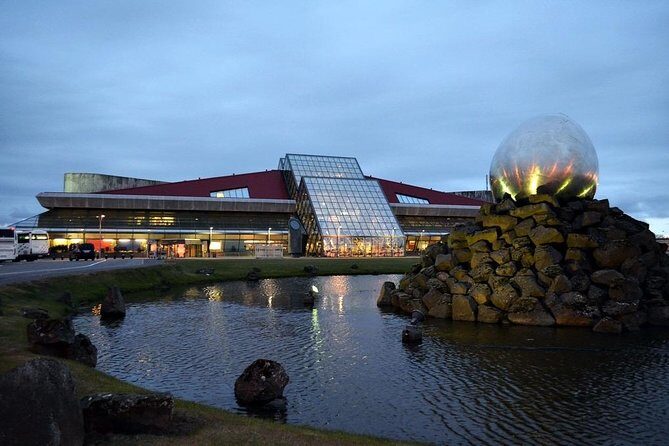
Day one is mostly about settling in. You fly into Keflavík International Airport and make your own way to Reykjavik, where you get a hotel start and time to reset. The tour meets at Reykjavík Natura – Berjaya Iceland Hotels (Nauthólsvegur 52) with a 9:00 am start, so you’ll want to get comfortable the night before.
Here’s the main Reykjavik catch: the touring route gives you a final night back in the city, but it doesn’t really build in downtown sightseeing time. You’ll be close to things, but you won’t get a full Reykjavik day the way you would on a longer city stay. If you love museums, Harpa, or just walking neighborhoods at your own speed, I’d add at least a night downtown before the tour begins—or after it ends.
One small practical win: the hotel breakfast is included, which means you’re not trying to hunt for a calm early meal on a rushed morning.
North Iceland starts with geology and farming life
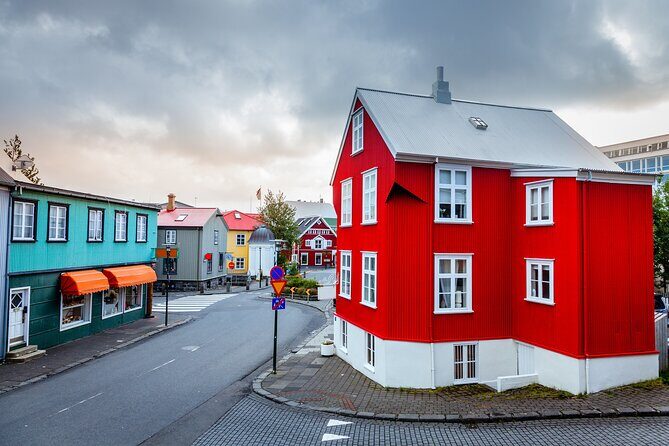
Your first real driving day heads north through Hvalfjörður via tunnel country and toward Borgarnes. Near there you’ll stop at Grábrók, a volcanic fissure site that erupted about 3,000 years ago. This is the kind of stop that’s short but useful: it gives you a quick mental model for how Iceland’s heat and rock shapes the whole country.
Then you’re in Skagafjörður, a prosperous farming region known for dairy, sheep, and horse breeding. One neat detail I like from this region is that horses outnumber people here—so when the countryside opens up, you’ll understand why you keep noticing equestrian life on the road.
Later you visit Glaumbær Folk Museum, a turf farm with preserved turf houses dating to the 18th and 19th centuries. This stop matters because it shows Iceland wasn’t just built by volcanos—people adapted to it. You get an authentic feel for how homes were shaped for harsh conditions, with a museum setup that’s made for visitors rather than passing by quickly.
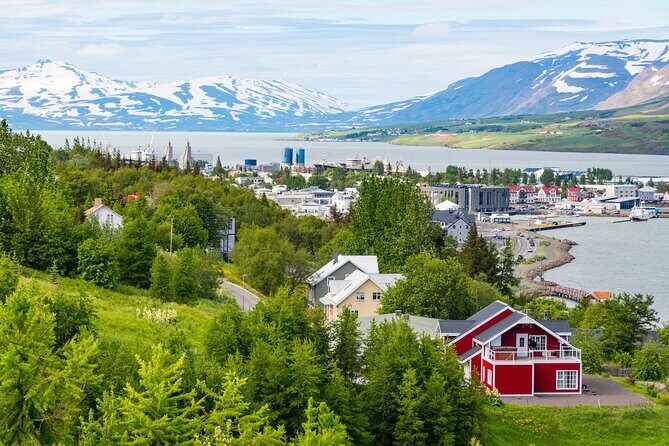
By the end of the day you reach Akureyri, often called the capital of north Iceland. It’s a good base town for starting the next set of geothermal and waterfall days.
Akureyri onward: Lake Mývatn’s geothermal weirdness (the good kind)
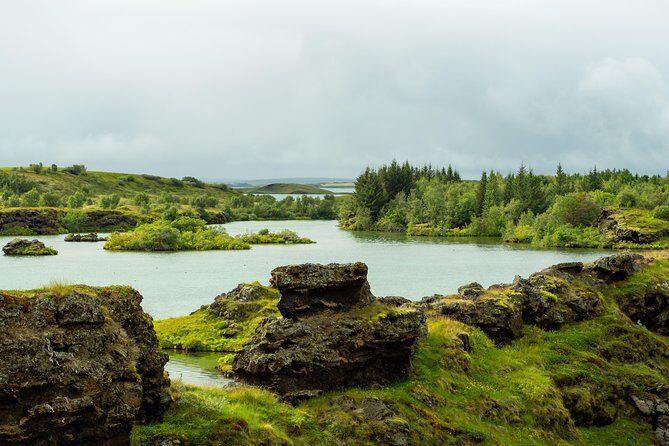
If Iceland has a character, it’s that geothermal energy. The tour spends a full block of time around Lake Mývatn, and it’s not just a single viewpoint kind of day.
You start with the lake area itself, which sits in active volcanic territory. The biological activity here is part of the story, but the bigger hook is how the ground looks alive—steam, heat, and strange formations that don’t behave like normal rocks.
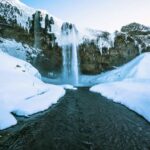
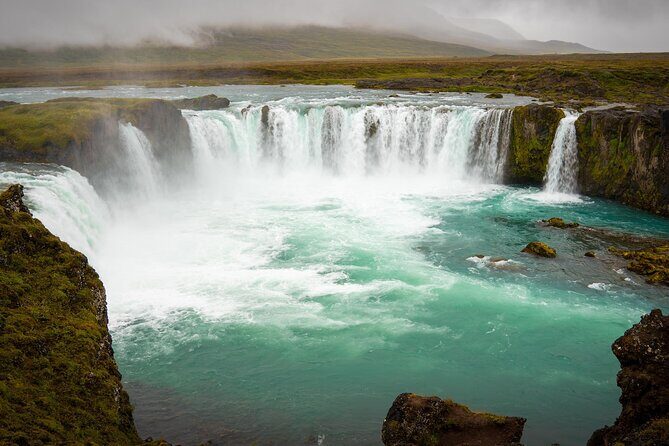
Next up is Goðafoss, the waterfall nicknamed waterfall of the gods. It’s more than a photo stop because it’s connected to Iceland’s layered history, and your guide can tie the symbolism to the wider Iceland story in a way you’d miss without explanations.
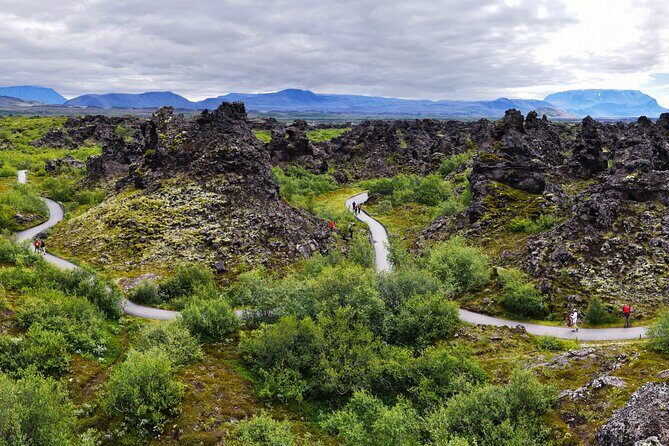
Then you explore Dimmuborgir, the Dark Castles, formed by volcanic activity long ago. The name fits once you see the shapes: you get a maze-like mix of rock and lava that feels otherworldly, yet it’s still grounded in real geology.
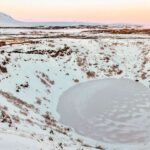
A walk through Skútustaðagígar gives you pseudo-craters formed by steam explosions—so they look like craters, but they’re not true volcanoes. That distinction is exactly the kind of thing a guide can explain clearly, and it makes the region more meaningful.
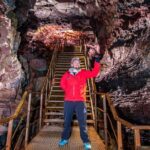
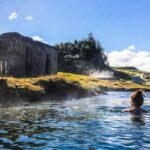
You can also visit Grjótagjá, a small lava cave with a thermal spring. Historically, it was used as a bathing spot, but conditions can change depending on temperature fluctuations. Either way, it’s the kind of place that feels quiet and still, even when the area is busy.
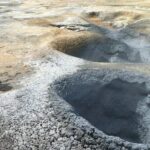
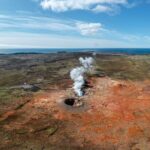
Finally, you get the geothermal zone at Námaskarð, where bubbling mud pools and steaming fumaroles create a surreal surface you can’t really fake in a photo. You feel like you’re walking on the edge of something powerful.
Dettifoss and the route east: waterfalls with weight
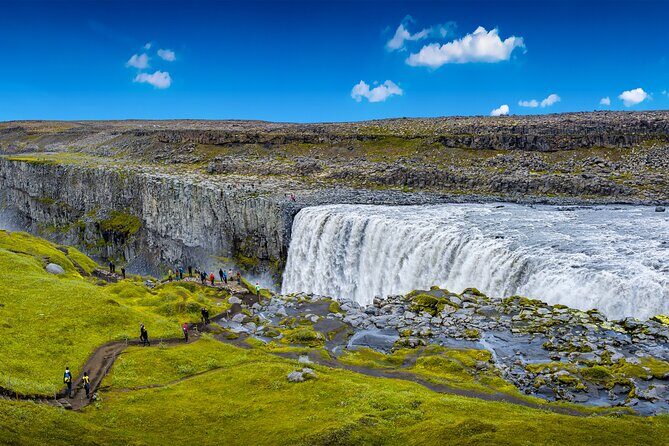
From Akureyri and Mývatn, you work east toward Egilsstaðir. On the way, Dettifoss stops you in your tracks. It’s described as the second most powerful waterfall in Europe after the Rhine Falls, and the practical takeaway is simple: it’s loud, it’s forceful, and it’s not a delicate waterfall. This stop is for people who want intensity over prettiness.
After Dettifoss, the road crosses highland deserts through regions like Jökuldalur, and that shift matters. The scenery starts to feel emptier and harsher, and you really appreciate why Iceland’s population patterns are what they are.
Then you continue on to Egilsstaðir for the overnight base (with the tour moving you through the country’s interior and into the east coast rhythm).

Eastfjords to Höfn: remote fishing villages and wild reindeer
The next segment is one of my favorite styles of travel: being shown the parts of Iceland that many people rush past. You drive through the Eastfjords, where narrow fjords cut into steep cliffs and small fishing villages cling to the shore.
This area is also described as the sunniest part of the county in summer, but in winter it can sit under dense fog. Either way, it feels remote. The emotional effect is real: you stop thinking of Iceland as a list of attractions and start seeing it as a living coastline of communities.
A specific detail worth knowing: this is the only part of Iceland where herds of wild reindeer live. The story is that reindeer were brought here for farming experiments, but it didn’t become profitable, and the reindeer remained. That means you might see them roaming free in areas where you wouldn’t expect them.
You overnight in Höfn í Hornafirði, a town that works well as a springboard to the glaciers and the famous south-east ice country.
The real showpiece: Jökulsárlón by amphibian boat
This is the day you plan for. You drive from Höfn along the southeast coast and start at Jökulsárlón Glacier Lagoon.
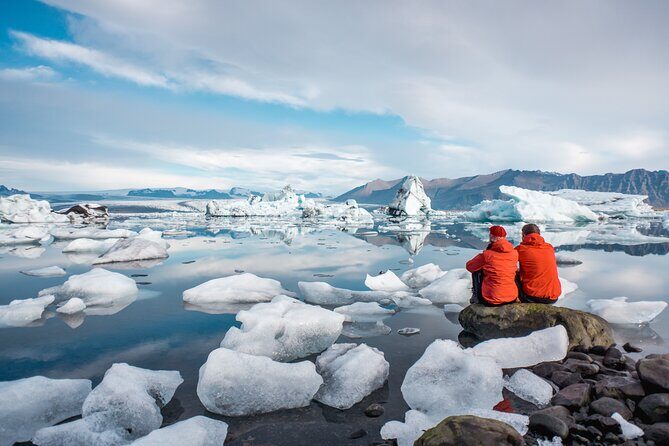
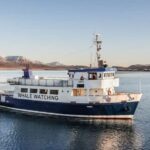
The included amphibian boat tour is a big value piece here, not just a nice bonus. It typically lasts about 3 hours, and you’ll be out close enough to understand how calving reshapes the lagoon constantly. Icebergs here come in shades of milky white and bright blue, and the changing light is part of why it feels magical even when you’ve seen photos before.
Then you head to Diamond Beach, the shoreline where ice washes ashore as sparkling shards and orbs on the sand. It’s named for the sparkle, and the best part is how different it looks from one moment to the next as waves shift pieces around.
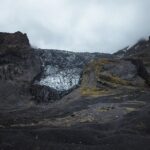
From there, the tour passes through Vatnajökull National Park, with sights along the way tied to Iceland’s ice and volcanic base. You also travel over Eldhraun lava fields and Mýrdalssandur, black glacial plains. Even if you can’t name every formation in the moment, you’ll come away understanding why Iceland’s ice sits above active geology.
South Coast power stops: Reynisfjara, puffins, and the waterfall double feature
After the lagoon and glacier country, you continue along the south coast toward Vík and the black sand wonderland.
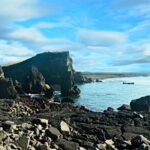
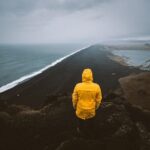
At Reynisfjara, you’ll see black sand beaches with a puffin colony in the right season, plus unusual rock formations and tidal waves that can be dangerous. This is one of those places where “close enough for a photo” can still be too close. The practical advice is to stay where you’re supposed to and watch the water, because waves can arrive with force.
Next is Dyrhólaey, a promontory viewpoint where the sea has carved an enormous hole through the rock. This is the kind of stop that helps you connect the cliff geology to the coastline shapes you saw earlier.
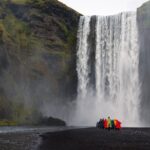
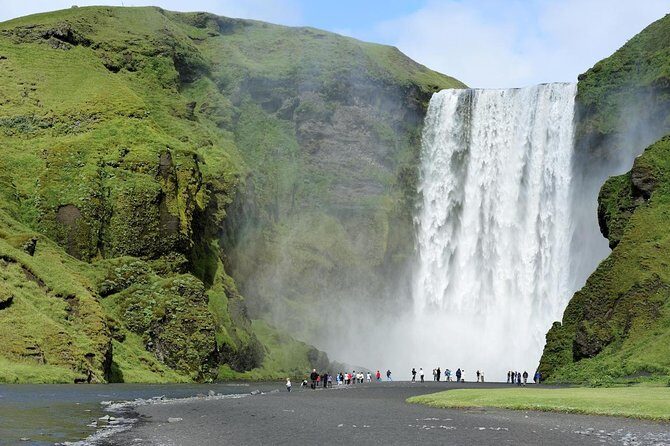
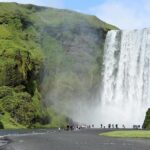
Then comes Skógafoss, one of Iceland’s most iconic waterfalls, with a 60-meter drop and mist that creates rainbows when the sun cooperates. It’s photogenic, yes, but it’s also a great “scale” lesson after the glacier lagoon: Iceland moves water and ice differently across regions, and you feel that contrast.
Right after, Seljalandsfoss gives you a classic option: you can walk behind the waterfall. You’ll want decent outerwear, since the mist can soak you if you’re underdressed.
Golden Circle basics, with breathing room: Gullfoss, Geysir, and Þingvellir
The tour transitions into the Golden Circle on day six. You start with Gullfoss, the Golden Falls, a two-tiered waterfall in the Hvítá canyon. It’s powerful in a way you feel in your chest more than your eyes, and your guide can help translate the why behind the spectacle.
Then you visit the Geysir geothermal area. Geysir itself isn’t currently active, but Strokkur erupts every few minutes. This makes the stop more reliable than you might expect from a natural feature. It also helps you understand how geothermal systems behave: it’s not one “hot spot,” it’s a whole connected system.
Next is Þingvellir National Park, where the North American and European tectonic plates drift apart and create a rift valley. You also learn about the Alþingi, the ancient Icelandic parliament established in 930. The point here isn’t just that it’s historical—it’s that the ground itself is part of the story of how people organized, governed, and lived.
After Þingvellir, you return to Reykjavik for the final night. There may be an option to visit the Blue Lagoon if you choose it, but the tour still aims to get you to your hotel at a reasonable time.
Final day: a relaxed morning, then Keflavík on your own
After breakfast, you get some free time depending on your flight. Then you make your own way from your Reykjavik hotel to Keflavík airport.
This ending style is worth planning for. You’ll want to keep your departure day simple, with a buffer for local traffic and airport security. The tour does not include your airport transfer, so it’s on you to arrange it.
If you skipped Reykjavik downtown earlier, this final window can help. But if your flight is early, treat this as a quick reset day, not a city sightseeing marathon.
Price and value: what you really get for $2,221.59
At $2,221.59 per person, this isn’t a bargain-basement deal. The value comes from what’s bundled: transportation in a small-group vehicle, six nights of private-bathroom hotel accommodation, breakfast each morning, and key paid experiences like Glaumbær Folk Museum and the Jökulsárlón amphibian boat tour.
You also gain a guide who can interpret what you’re seeing, plus fewer decisions for you to make. In Iceland, every extra ticket, every ad-hoc transfer, and every late-night dinner can add up quickly. Even if you’re the kind of traveler who likes planning, this tour can still be cost-smart because it reduces the number of separate components you’d otherwise have to book one by one.
Two things not included are big to note: airport transfers and meals beyond hotel breakfasts. If you’re budgeting, plan for meals and arrange Keflavík transport separately.
Who should book this tour (and who might not love it)
This tour fits you if you want to see the Ring Road’s headline nature—waterfalls, volcano terrain, geothermal zones, and ice lagoon country—without steering the car all week. It’s also a good match if you like learning in plain language as you go, not just collecting photos.
You might want a different plan if you strongly prefer lots of time in Reykjavik downtown, or if glacier access is a top priority for you in a way that must be guaranteed by your itinerary. This tour focuses on classic Ring Road sights and core geography, with optional add-ons available depending on season and choices.
Also consider your tolerance for long driving days. Even with frequent stops, Iceland days can feel packed. The trade is you see a lot, which is great, as long as you’re okay with the rhythm.
Should you book this 7-day Iceland Ring Road small-group tour?
If you want an efficient, guide-led Ring Road that includes real standout experiences—especially the Jökulsárlón amphibian boat—this is a strong yes. The private-bathroom hotel setup, included breakfasts, and small-group size make it easier to keep your energy for the outdoors.
Book it if you’re happy to handle Keflavík transport on your own and you can live with a limited downtown Reykjavik focus. If you want a lot of city time, add a couple of nights around the tour so Reykjavik gets its share. For most people chasing Iceland’s big nature moments, this is the kind of trip that turns the logistics into a non-issue and leaves you free to enjoy the country.
FAQ
What is the tour start time and meeting point?
The tour starts at 9:00 am, and it meets at Reykjavík Natura – Berjaya Iceland Hotels on Nauthólsvegur 52, 101 Reykjavík.
How many people are in the group?
This tour has a maximum of 25 travelers.
How long is the trip?
It’s listed as a 7-day journey (approx.).
What’s included in the price?
Included are the small group tour in a spacious vehicle, free Wi-Fi on board, expert English guidance, accommodation for 6 nights with private bathrooms, breakfast at the hotels, a visit to Glaumbær Folk Museum, and the amphibian boat tour on Jökulsárlón Glacier Lagoon.
Are airport transfers included?
No. Airport transfers are not included, and you’ll make your own way from Keflavík and to Keflavík at the start and end.
What kind of hotel rooms are included?
Accommodation is included for six nights with private bathrooms.
What language is the tour offered in?
The tour is offered in English.
Do I get time in Reykjavik on the last day?
Yes. On the last day, after breakfast you get free time depending on your flight time, before heading to Keflavík on your own.