REVIEW · SKAFTAFELL
Airplane Sightseeing flight over Laki craters and highland
Book on Viator →Operated by Atlantsflug/Flightseeing · Bookable on Viator
Up in the air, Iceland gets huge. This small, round-trip flight from Skaftafell is built for seeing the Lakagígar crater chain stretch like a scar across the land, then watching the ice of Vatnajökull take over the view. I love how fast you go from ground-level scenery to true scale, with volcanic features and glacial outlets laid out clearly beneath you.
My other favorite part is how much the flight makes Skeiðarárjökull feel real. From the plane, the outlet glacier looks like moving structure, not just a distant white shape, and the whole ride turns into a nonstop panorama. The main drawback to plan around is weather: you’re flying in Iceland, so wind and cloud can change routes or timing, even if you came for one specific overhead view.
In This Review
- Key highlights you’ll care about
- Skaftafell Airport: Why this start makes the flight feel efficient
- Lakagígar craters: Seeing a volcanic line in one glance
- Vatnajökull National Park from the wing: What changes when you’re above the ice
- Skeiðarárjökull outlet glacier: The scale moment
- Coffee, timing, and the short-ride advantage (about 50 minutes)
- Motion, windows, and taking photos without turning it into a project
- When weather shifts your route: staying flexible is part of the deal
- Pricing and value: what $440.47 buys you, and why it can be worth it
- Who should book this flight from Skaftafell?
- Should you book this flight over Laki craters and the highlands?
- FAQ
- How long is the sightseeing flight?
- Where do we meet for the tour?
- Is hotel pickup or drop-off included?
- What language is the tour offered in?
- What’s included in the price?
- How big is the group?
- What happens if the weather is poor?
- What is the cancellation window?
Key highlights you’ll care about
- Small group flight (max 5), so the experience feels personal and the cockpit attention tends to be better.
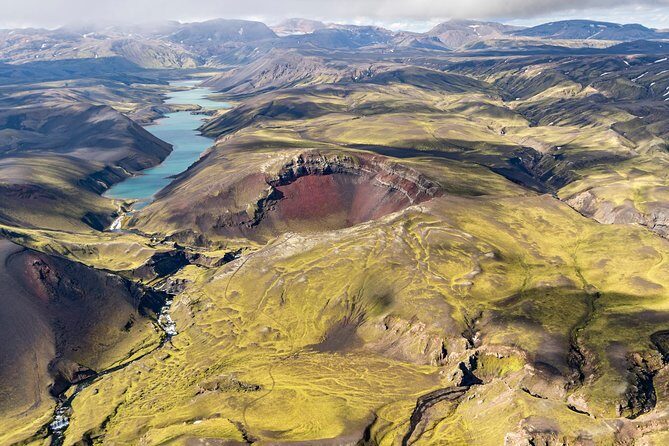
- Lakagígar crater chain from above, easy to grasp in one pass because the craters line up in a long, continuous row.
- Vatnajökull National Park views, with the flight aimed over major ice terrain rather than just hopping between distant points.
- Skeiðarárjökull outlet glacier perspective, which is where the scale really clicks once you see it from the air.
- Coffee and/or tea included, a small comfort that helps you start relaxed at the terminal.
Skaftafell Airport: Why this start makes the flight feel efficient
Skaftafell is the kind of place where you feel like the landscape is already doing the work for you. Instead of spending most of the day driving to viewpoints, you get a short hop that puts you directly over the science-sized features Iceland is known for: big volcanic systems and major glacial ice.
You meet at the Skaftafell Terminal, the tour center at Flugvallarvegur 5, in Öræfi. Then you’re set up for a round-trip sightseeing flight from Skaftafell Airport, with the tour ending back where you started. That loop matters for value. When your day is limited, this is the model that gives you air-time without turning your trip into a transportation project.
The operation is run by Atlantsflug/Flightseeing. The flight is offered in English, and it’s designed for most travelers to participate. Group size is capped at 5, which usually means fewer timing headaches and a more relaxed vibe around the small aircraft.
I also like that you get coffee and/or tea included. It’s not a tour-maker, but it keeps the preflight wait comfortable, especially if you’re taking this as one of your big experiences in the middle of a longer drive day.
You can also read our reviews of more tours and experiences in Skaftafell.
Lakagígar craters: Seeing a volcanic line in one glance
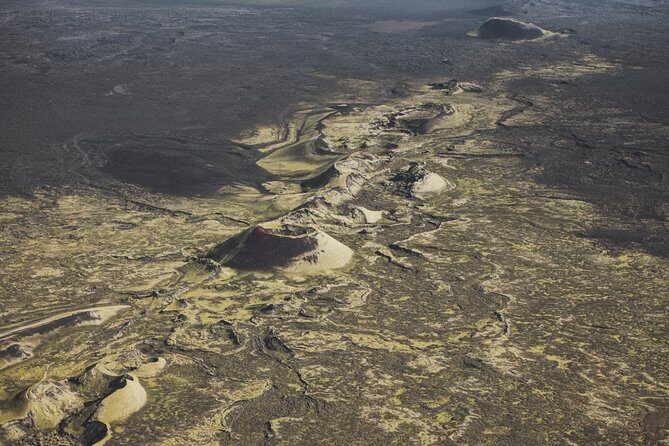
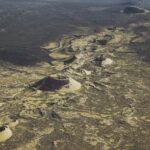
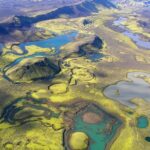
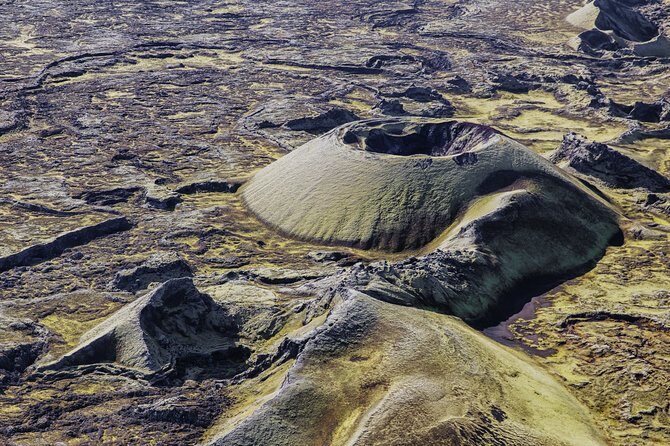
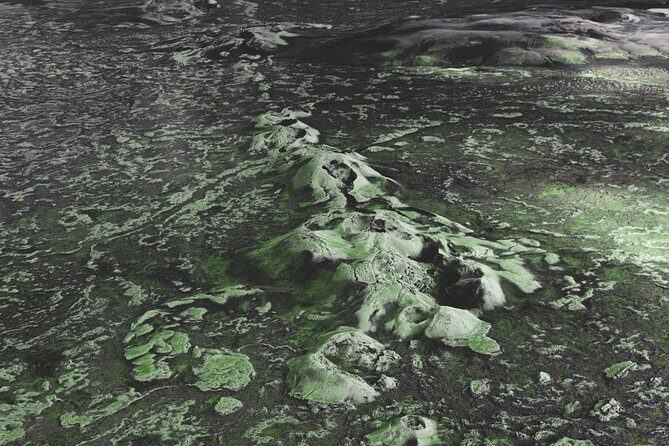
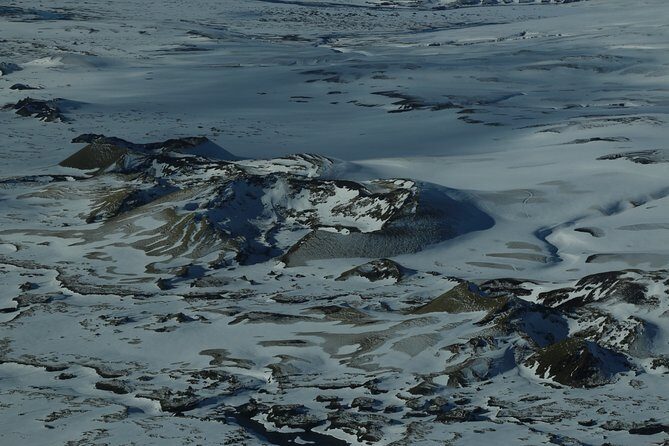
The Lakagígar crater chain is the kind of natural feature that’s hard to understand from the ground. From above, it’s different. You get the full pattern quickly: a massive row of volcanic craters stretching as long as you can see, laid out like a roadmap.
On the flight, Lakagígar gives you a clear “before and after” moment. You might be used to volcanic areas as scattered cones or a few obvious landmarks. Here, the point is the line—the way the craters spread and repeat, creating a long corridor of volcanic structure. That makes it easier to appreciate the scale of what happened and why the terrain looks the way it does.
A practical note: aerial viewpoints change with seating and wind, and small aircraft can mean you’ll feel the difference between left and right sides. If craters are your top priority, it helps to stay attentive at check-in and ask what side often gets the best view for the route. You can’t control weather, but you can often improve your odds for a satisfying angle.
The best part is that Lakagígar isn’t just pretty from the air. It’s educational in a “you can read this from the sky” way. You leave with a mental image that sticks, because the geometry is obvious at a glance.
Vatnajökull National Park from the wing: What changes when you’re above the ice
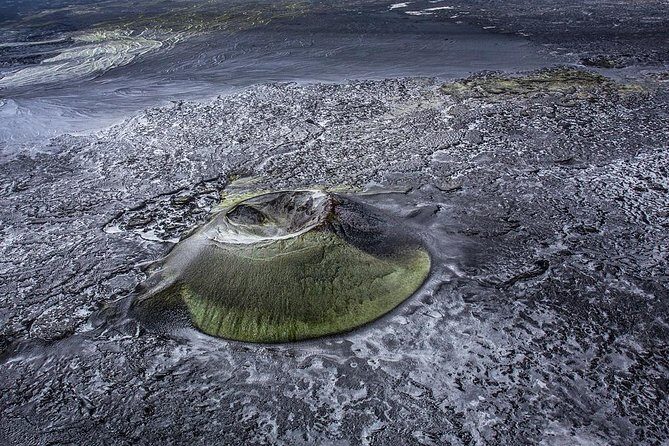
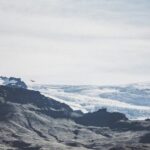
After the crater views, the flight shifts into the big ice story: Vatnajökull National Park. The plan is to fly west of the national park over the vast ice sheet of Skeiðarárjökull, an outlet glacier of Vatnajökull, Europe’s largest glacier.
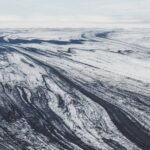
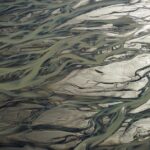
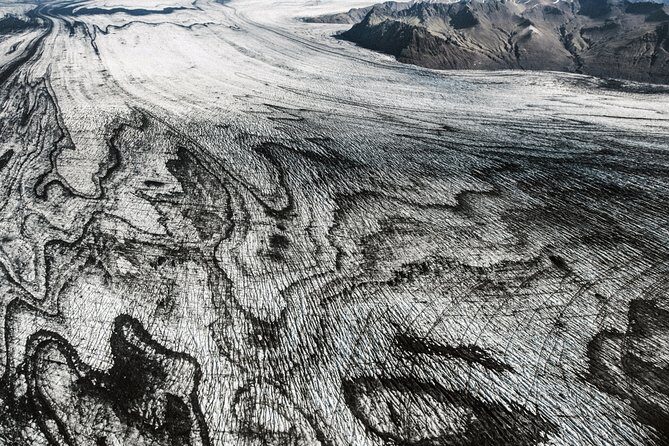
This is where the flight becomes more than scenery. From ground viewpoints, glaciers can read as distant white fields. From the air, you see structure: the way ice flows outward, the way outlets shape the surface, and the way the ice interacts with surrounding volcanic terrain. It’s the kind of view that turns vague impressions into something you can actually picture.
I love how the aerial perspective explains why Iceland’s ice and fire are so close together. You’re not looking at two separate worlds. You’re watching the same region where volcanic landforms set the stage and the glacier system responds with its own gravity-driven patterns.
The time over the ice also tends to be the moment when people say they finally understand what they were seeing on the ground. Even if you’ve heard descriptions on previous stops, glacier scale is hard to absorb without distance and angle. This flight is built for that.
And yes, you’ll likely get more than one angle. The pilot’s job is to guide the aircraft so you get views worth photographing and worth noticing. On calm-weather days, that often means smooth cruising with clear overhead looks. If conditions demand it, the flight can still deliver, just with a different rhythm.
Skeiðarárjökull outlet glacier: The scale moment
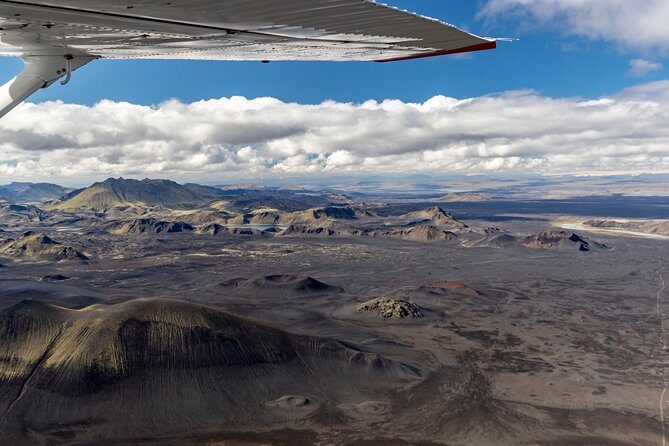
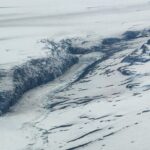
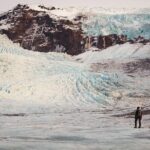
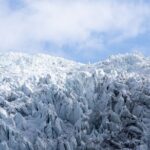
If there’s one image that defines this experience, it’s the ice sheet and outlet glacier beneath you. Skeiðarárjökull is part of the bigger Vatnajökull system, but from the plane it feels like its own character: wide, textured, and clearly shaped by movement.
This is the reason the flight is so popular for first-timers and repeat Iceland fans alike. The glacier is the feature, but the experience is how your brain updates. You’re used to objects staying in proportion. Here, the scale flips: what you thought was impressive on land becomes almost hard to comprehend when you’re looking down over kilometers of ice.
One more thing I’d call out: the best photo moments usually come when you’re not rushing. Even though the whole flight is short (about 50 minutes), you want to treat it like a sequence, not one snapshot. Watch for the pass where the ice is most visible and your window angle feels steady. Then take your time. You don’t need to shoot every second to get something great.
Also, don’t be surprised if the flight includes some sharper turns or banks during the route planning. That’s not a problem by itself—aircraft can do it to give better sightlines—but it does mean you should be ready for motion.
Coffee, timing, and the short-ride advantage (about 50 minutes)
This is a 50-minute flight approximation. That duration is meaningful. Iceland has a lot of attractions that compete for your day. This one is designed to fit in without consuming hours of your schedule.
Because you’re starting and ending back at Skaftafell Terminal, you don’t lose time to hotel transfers or long pickup windows. Hotel pickup and drop-off are not included, so you should already be set up to reach the terminal on your own. The payoff is that the experience stays compact and focused: you’re paying for time in the air over the target scenery.
The included coffee and/or tea is the kind of touch that keeps the preflight period from feeling like dead time. It also helps if you’re traveling in cooler weather and want something warm while you wait for the final go-ahead.
Group size maxes at 5, which usually means you’ll spend less time waiting around. It’s still a weather-dependent activity, so there can be variability in how quickly things move, but you’re not dealing with a large crowd.
If you’re wondering whether the short time is enough: it is. The big glacial and volcanic features are the stars, and the flight is planned to put you over them rather than orbiting between random stops.
Motion, windows, and taking photos without turning it into a project
This kind of flight lives or dies on one thing: view clarity. In practice, that comes down to window choice, weather, and how the pilot manages sightlines.
From the accounts people share after flying, the ride tends to feel smooth when conditions allow, and the pilots can keep it from turning into a chaotic ride. You may still feel motion, especially during banks that bring you closer to the best viewing angles. If you’re prone to motion sickness, it’s worth planning carefully and staying seated the way crew recommends.
For photos, I’d use a simple plan:
- Keep your camera/phone ready before the best pass starts.
- Don’t fight the glass; use steady pressure and clean the lens if needed.
- Shoot in short bursts, then pause to enjoy the view.
If you’re traveling with family or you’re trying to make the experience work for younger passengers, the short flight length helps. You’re not stuck in an all-day tour. You get the wow moment, then you’re back.
When weather shifts your route: staying flexible is part of the deal
This experience requires good weather. That isn’t just fine print—it’s the core reality of flying in Iceland. Even when you book for a specific route, wind, cloud, or visibility can push the plan in a different direction.
What this can look like in real life:
- Your flight may land on the same general area but shift the main emphasis from one target to another.
- If conditions are especially rough, the provider may use an alternate approach rather than forcing a poor visibility flight.
In short: go in with one priority and a backup mindset. If you came specifically for Lakagígar, understand that your glacier views may become the star if conditions favor ice terrain visibility. If your main interest is the glacier, know you’re still in the right place. The flight is set up around Vatnajökull’s region, so even when the exact moment changes, you’re still getting high-value aerial scenery.
Also, the operator can adjust the schedule due to conditions. That means you should build some breathing room into your day around flight time.
Pricing and value: what $440.47 buys you, and why it can be worth it
At $440.47 per person, this isn’t a budget activity. You should ask yourself what you’re actually buying.
You’re buying:
- Short, high-impact air time over specific Icelandic targets (Lakagígar and Skeiðarárjökull).
- A small group cap (max 5), which usually means fewer people between you and the view.
- The ability to grasp scale fast, especially with the glacier.
If you’re comparing this to spending the same money on ground tours, the key difference is perspective. You can visit crater areas and glacier viewpoints on land, sure. But a glacier’s true size is hard to translate without aerial distance and angle. This flight gives you that “I finally get it” feeling quickly, and that’s a real form of value.
This is also a good choice if your trip timing is tight. Iceland is amazing, but driving from one far-off point to another can swallow half a day. Here, the target features are the reason you’re flying, and the activity is compact.
One caution: because the experience is weather-dependent, check your schedule tolerance. If you’re on a hard deadline (like a fixed departure time later that day), choose flight timing wisely and keep a buffer if possible.
Who should book this flight from Skaftafell?
I’d book this if you want your Iceland to include one experience that is truly different from the ground—especially if you care about volcanic structure and glacier scale in the same trip.
It’s a strong fit for:
- First-time Iceland visitors who want a “wow” moment that you can’t easily replace on land.
- People who love photography and want clear overhead angles.
- Families who want a short, focused adventure rather than a long day.
- Travelers who already plan to spend time around Skaftafell and Vatnajökull National Park and want to add an aerial perspective.
It might be less ideal if:
- You hate uncertainty and would be upset if weather causes route changes.
- You need the flight to happen at one rigid time with no flexibility at all.
Should you book this flight over Laki craters and the highlands?
Yes, I’d lean toward booking if you’re in the Skaftafell area and you want the fastest possible way to understand Iceland’s volcanic-and-ice scale. The combination of Lakagígar’s long row of craters and the glacier views over Skeiðarárjökull is exactly the kind of pairing that makes flying pay off.
Just go in with the right expectations: weather is the boss here, and the plan may flex. If you can handle that, you’ll get a small-group, high-impact ride with real sightlines and a short enough timeline to fit your day.
FAQ
How long is the sightseeing flight?
The flight is about 50 minutes, approximately.
Where do we meet for the tour?
You meet at the Skaftafell Terminal, Tour Center (Flugvallarvegur 5, 785 Öræfi, Iceland). The activity ends back at the meeting point.
Is hotel pickup or drop-off included?
No. Hotel pickup and drop-off are not included.
What language is the tour offered in?
The experience is offered in English.
What’s included in the price?
The price includes all taxes, fees, and handling charges, plus coffee and/or tea.
How big is the group?
This activity has a maximum of 5 travelers.
What happens if the weather is poor?
The experience requires good weather. If it’s canceled due to poor weather, you’ll be offered a different date or a full refund.
What is the cancellation window?
You can cancel for a full refund up to 24 hours before the experience’s start time. Canceling less than 24 hours before does not get a refund.