REVIEW · SKAFTAFELL
Skaftafell Glacier Hike 3-Hour Small Group Tour
Book on Viator →Operated by Troll Expeditions · Bookable on Viator
Your boots meet real glacier ice.
This Skaftafell Glacier Hike is a guided walk on Vatnajökull, where the ice isn’t just pretty. You’ll learn how glaciers change, spot features like moulins, and move through crevasse terrain with your guide’s safety coaching front and center.
I especially like the hands-on glacier equipment setup and clear instructions. You get helmets, a harness system, and an ice tool, plus the small-group pace helps you feel watched (in a good way) without feeling herded.
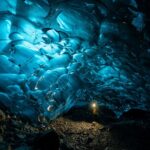
One thing to plan for: not all of your 3 hours is spent on the ice. There can be a longer trek from the bus to the glacier area, and on some days wind can make the experience feel more about positioning and safety than about “exploring caves for ages.”
In This Review
- Key things I’d plan around
- Vatnajökull’s ice walk: why it feels way more serious than a stroll
- From Troll Expeditions to the ice: your 3 hours and where it goes
- Skaftafell National Park: the first taste of the setting
- Getting fitted: safety gear that actually matters on ice
- Walking Vatnajökull: crevasses, moulins, and real glacier physics
- Coffee and chocolates: the small finish that keeps momentum
- Who this glacier hike suits best (and who should look elsewhere)
- Value check: is $117.30 worth it?
- Packing and rentals: what you should bring vs what you can rent
- Booking fit: quick tips for choosing this exact hike
- Should you book Skaftafell Glacier Hike 3-Hour Small Group Tour?
- FAQ
- How long is the Skaftafell Glacier hike?
- What’s included in the price?
- What language is the tour in?
- What gear should I bring, and can I rent it?
- What if the weather is bad?
- What’s the minimum age?
- How big is the group?
Key things I’d plan around
- Small group (about a dozen): easier to manage crampon/gear fit and spacing on the glacier
- Certified guide + safety gear: helmets, harness, and ice tool so you’re not guessing
- Ice features you’ll be taught to look for: crevasses, moulins, and how ice evolves
- Realistic timing: prep and walking time can eat up a big chunk of your clock
- Comfort touches included: coffee and chocolates to help you cool down without going cold and cranky
Vatnajökull’s ice walk: why it feels way more serious than a stroll
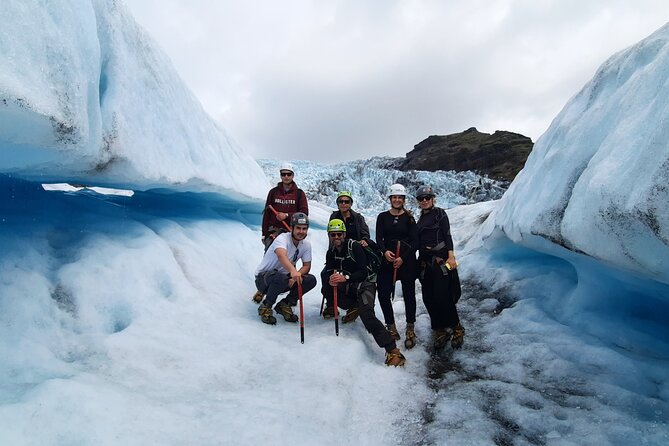
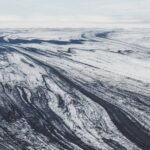
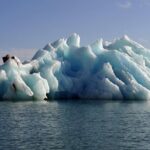
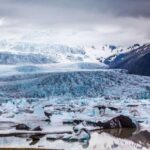
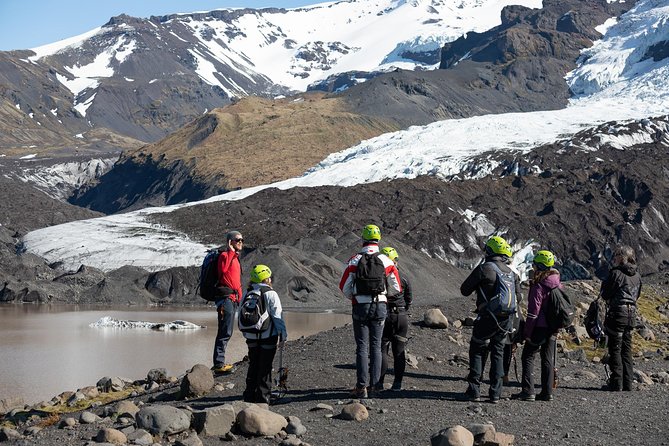
Vatnajökull is Europe’s biggest glacier, and it’s also wrapped around Iceland’s high country. The tour focuses on what that means on the ground: you’re walking on ice that’s actively changing, not a frozen museum piece.
During the hike, your guide will point out hazards and explain what you’re seeing. Crevasses can make the route look harmless from a distance, then feel different up close. The goal isn’t to scare you—it’s to help you understand why glacier walking requires attention, spacing, and correct footing.
You also get a chance to see the glacier as a system. That shows up in how guides explain ice formation and the way water routes through the ice (moulins). Even if you’re not a science person, the guide’s explanations tend to make the views click into place fast.
You can also read our reviews of more tours and experiences in Skaftafell.
From Troll Expeditions to the ice: your 3 hours and where it goes
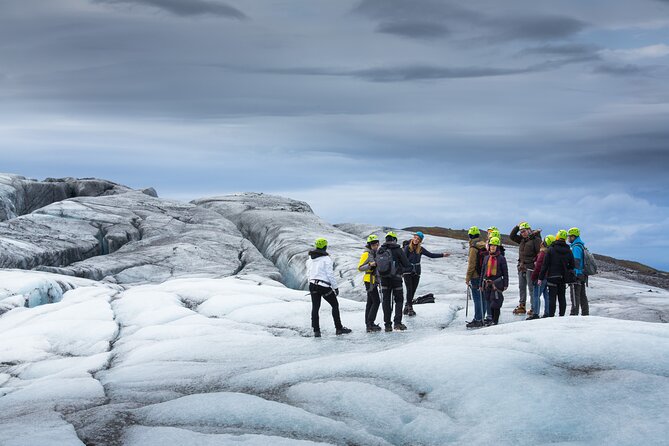
This tour runs about 3 hours total, and that includes more than just the walking on the glacier. Expect time for meeting, gear fitting, and a short drive to the glacier outlet area. Then there’s the walk from the bus to the start point.
A few practical points to set expectations:
- There can be a longer walk to reach the glacier than you’d hope, especially if a bus can’t park as close as smaller vehicles.
- Because it’s a small-group hike, the guide will pause for safety checks and gear adjustments, which takes minutes you don’t always think about until you’re there.
- The glacier time can feel compressed if you’re picturing a long “cave-hunting” expedition.
The good news: even with that timing reality, you still get a proper glacier experience—gear, instruction, and enough ice time to feel like you truly stepped onto Vatnajökull.
Skaftafell National Park: the first taste of the setting
The experience starts at Skaftafell National Park. Think of this part as your “settle in” moment. You’re building context before you hit the ice: the terrain changes, the air can feel sharper, and suddenly the glacier stops being a distant idea.
Even if you’re mostly there for the ice, this stop helps you read the environment. You’ll learn what to watch for and why the area around the glacier matters. It also sets the tone for the guide style—calm, clear, and focused on what you need to do next.
Getting fitted: safety gear that actually matters on ice
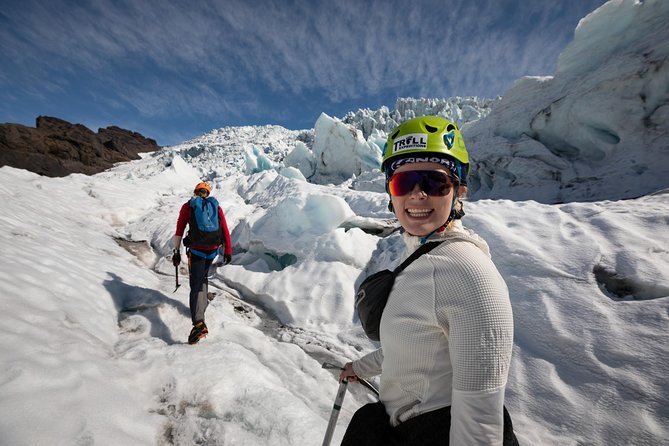
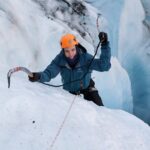
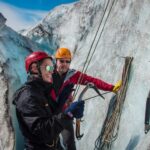
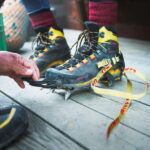
This tour is strong on the basics of glacier safety. You get a certified glacier guide, and you’re issued the core gear: helmets, harness, and an ice tool. Reviews also mention crampons and an ice pick-style setup as part of the practical walk-in system, so you should expect to be fitted so you can stand, step, and stop securely.
What you’ll feel in the group:
- You’ll spend time learning how your footwear and ice tool work together.
- Your guide will check that everyone is comfortable with the basics before moving onto more demanding sections.
- If you struggle with gear fit, that’s not treated like a nuisance. Guides like Maria and Martin are repeatedly praised for patience and careful attention.
Guide personality varies day to day, but safety coaching is consistent. You might meet guides such as Erin, Maria, Atilla, Elle, Martin, Paula, Luis, Sun, or Lily—people specifically named for being patient, friendly, and focused on keeping the group steady.
Walking Vatnajökull: crevasses, moulins, and real glacier physics
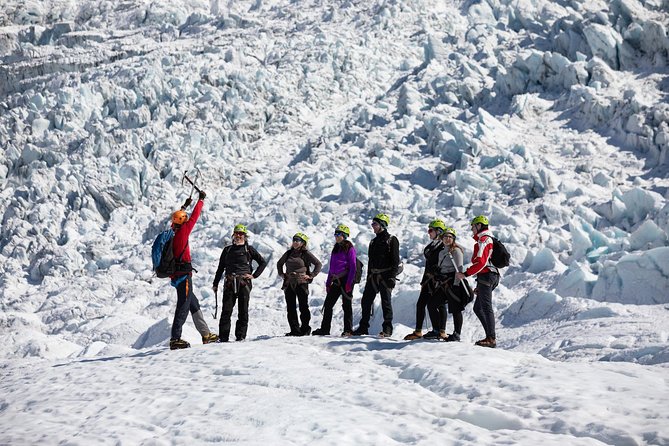
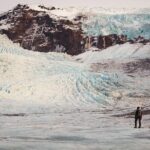
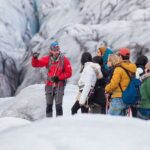
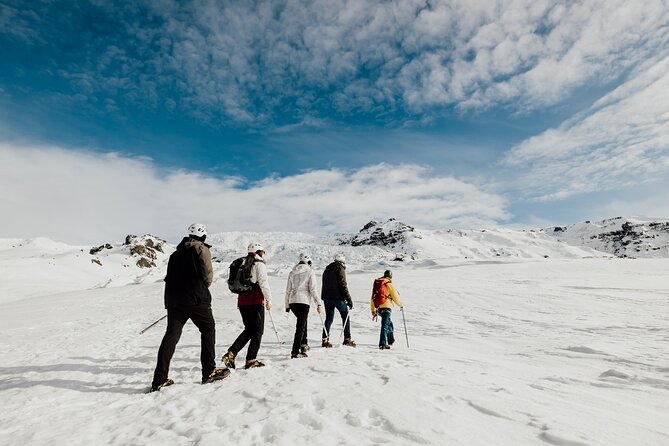
This is the heart of the day. You’ll hike across the glacier surface while learning what glaciers do and how they change. The guide will point out features like moulins—openings and pathways where meltwater can work its way down through the ice.
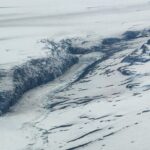
Crevasses are the big reason glacier walking isn’t casual. Even when you’re not on the most dramatic sections, you’ll be taught where to step and why route choices matter. That’s also why the guide keeps your spacing and attention tight.
The hike is usually described as beginner-friendly or at least manageable, but not “no-effort.” Some reviews call it easy to moderate climbing. A few also note that the pace and route feel more suitable for mixed fitness levels than for thrill-seekers looking for a hard workout.
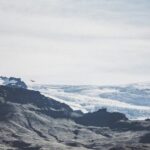
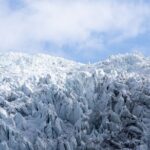
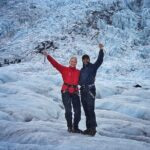
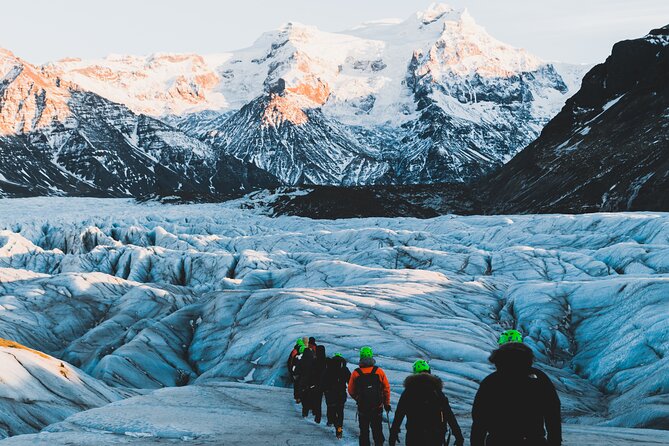
Photo-wise, you’ll get sweeping views of ice formations and rugged terrain, but you’ll also learn that the best shots come from following the guide’s route—not from sprinting away for one perfect angle.
One important reality check: if you want to spend hours deep in ice caves or doing intense scrambling, this 3-hour format is more of a taster than a full-on ice expedition. It’s designed to fit real safety rules and real group timing.
Coffee and chocolates: the small finish that keeps momentum
At the end, you’re not sent away hungry or left freezing in your damp clothes. Coffee and chocolates are included. It sounds small, but it changes the mood.
After fitting gear, walking to the glacier, stepping on ice, and listening to safety and glacier lessons, that warm drink matters. You’ll also get that sense of closure: you did the hard part, and the guide staff helps you wind down before heading back.
Who this glacier hike suits best (and who should look elsewhere)
This is a good match if you want:
- A guided introduction to glacier walking with equipment and safety instruction
- A small group experience where the guide can help with gear and spacing
- Beginner-friendly hiking that still feels like a serious adventure
You also need to be okay with the “time trade.” Some people feel the hike itself is shorter than they expected because of walking to and from the ice. If that bothers you, you’ll want to compare formats that spend more time on the glacier.
Two groups to think about:
- Families with kids (minimum age is 8): multiple reviews mention kids doing well, and guides are praised for caring and patient support (especially for younger hikers).
- People who hate waiting on wind or cold: there are also notes about standing around more than expected on certain days, including windier conditions.
If you’re expecting a lot of caves or long ice exploration, this one may feel a bit too quick. On the other hand, if you want your first glacier walk to be safe and doable, this format hits the sweet spot.
Value check: is $117.30 worth it?
At $117.30 per person, you’re paying for more than “access to ice.” You’re paying for:
- A certified guide who manages hazards like crevasses
- Full safety gear (helmets, harness, ice tool), not just casual walking shoes
- Small-group attention, which matters on ice when everyone needs spacing and correct technique
- Included extras like coffee and chocolates
So the value is strongest when you treat this as a safety-first experience and a first “real glacier” moment. The price also becomes easier to justify when you compare it to what you’d need to self-organize—guide expertise, equipment, and the risk management that keeps a glacier hike from turning into a bad idea.
Where value can feel weaker is when the day’s timing means less ice time than you expected. That’s not a hidden cost, it’s just how the schedule works. Plan for the walk in and the walk out.
Packing and rentals: what you should bring vs what you can rent
The tour operates in all weather conditions, so dress for cold and wet. You might find you’re comfortable with layers, but also remember Iceland weather can change quickly.
Rentals are available and listed as extra costs, including:
- Hiking boots rental (1,750 ISK)
- Waterproof jacket rental (1,750 ISK)
- Waterproof pants rental (1,750 ISK)
- Hat and gloves combo (3,000 ISK)
- Neck warmer (500 ISK)
- Summer cap (1,500 ISK)
My practical advice:
- Bring ankle-support hiking boots if you have them. Several reviews mention the need for proper support.
- Pack layers you can vent. A glacier hike can feel colder than you expect, but you can also heat up while moving.
- If you don’t own waterproof outerwear, rent it. Wet clothes on ice make everything feel harder.
Also plan for a glacier mood: focus more on comfort and stability than on looking “fashion ready” for photos.
Booking fit: quick tips for choosing this exact hike
If you’re deciding whether to book, here’s how I’d weigh it:
- Choose it if you want a safe, guided introduction to Vatnajökull in a small group.
- Choose it if you value learning as you go—glacier formation, how ice changes, and what features mean.
- Think twice if your top priority is maximum time on the ice or intense technical routes. This is a structured 3-hour experience, not a multi-hour, all-caves adventure.
Also, if you’re sensitive to guide energy, pick your comfort style. Most guides are praised for enthusiasm and patience (Erin, Maria, Atilla, Martin, Paula), but there are a couple of notes about guides who felt less engaged or less warm. That’s not common, but it’s good to keep in mind.
Should you book Skaftafell Glacier Hike 3-Hour Small Group Tour?
Yes, if you want a real glacier walk with real safety gear, a certified guide, and a group kept small enough for guidance to be practical. The included coffee and chocolates are a nice finishing touch, and the glacier education makes the views more meaningful.
Don’t book it expecting the majority of your 3 hours to be spent on dramatic ice exploration. The timing includes setup and a walk to the glacier area, which can cut into glacier time. If you go in with that mindset, you’ll feel the value more clearly.
FAQ
How long is the Skaftafell Glacier hike?
The tour runs about 3 hours.
What’s included in the price?
A certified glacier guide, a short drive to the glacier outlet, glacier equipment (helmets, harness, ice axe), small group time (maximum 12 travelers), and coffee and chocolates.
What language is the tour in?
The tour is offered in English.
What gear should I bring, and can I rent it?
The tour says you should dress appropriately for all weather. Hiking boots, waterproof jacket, and waterproof pants can be rented for an additional fee. Helmet, harness, and ice axe are provided.
What if the weather is bad?
The experience operates in all weather conditions, and it requires good weather. If it’s canceled due to poor weather, you’ll be offered a different date or a full refund.
What’s the minimum age?
The minimum age is 8 years.
How big is the group?
This tour has a maximum of 12 travelers.