REVIEW · REYKJAVIK
Aurora Reykjavík, The Northern Lights Center Museum Visit
Book on Viator →Operated by Aurora Reykjavik, The Northern Lights Center · Bookable on Viator
The sky might not cooperate.
Aurora Reykjavik is an indoor Northern Lights Center in Reykjavik that turns that disappointment into something useful: you learn how auroras form, how people interpret them across cultures, and what your eyes actually do when the lights appear. I really liked that the exhibits mix story, science, and hands-on tips instead of only showing pretty pictures.
My favorite part is the chance to see the aurora even when the real one is missing. The 360° VR experience puts you under projected skies, and it pairs well with the photo help so you leave with more than memories. One thing to keep in mind: the museum is compact, and the VR setup can feel more like a seated experience than full free-roam 360 viewing.
In This Review
- Key highlights worth planning around
- Aurora Reykjavik in one hour: what you really get
- Entering the Northern Lights Center: first impressions and pacing
- The 7-meter screen and 4K timelapse theater: seeing aurora patterns
- 360° VR: the aurora above you (and what to expect)
- QR audioguides and self-paced learning: useful, not overwhelming
- Practical aurora photography help: forecast reading and camera tips
- The photo moment: free aurora snapshot and email delivery
- Location and getting there: central Reykjavik, easy to fit in
- Price and value: $33 as an aurora insurance policy
- Who should book Aurora Reykjavik?
- Staff and the small details that matter
- Quick logistics checklist (so nothing slows you down)
- Should you book Aurora Reykjavik?
- FAQ
- How long is the Aurora Reykjavík museum visit?
- What is the price per person?
- Is the tour offered in English?
- What’s included with the ticket?
- Do I need headphones for the QR audioguides?
- What will I see in the museum?
- Does the experience include learning about aurora science and folklore?
- Is there a photo option during the visit?
- What are the opening hours?
- What is the cancellation policy?
Key highlights worth planning around
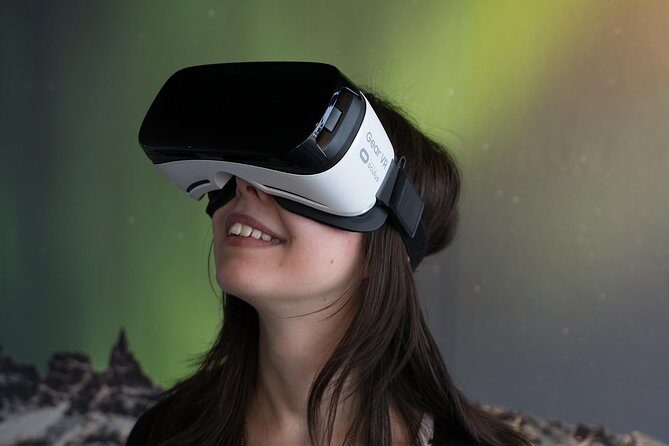
- 360° aurora VR that feels like the lights are right above you
- 7-meter screen projections plus a 4K timelapse movie (30 minutes)
- Myths and folklore to science: from cultural stories to how auroras originate
- Photo simulator time: forecast reading and camera settings guidance
- QR audioguides: you’ll want your own headphones ready
- Staff help: Sebastian has been known to run reception and the gift shop area
Aurora Reykjavik in one hour: what you really get
Plan on about one hour. That’s short enough to fit into a tight Reykjavik day, but long enough to leave you feeling like you learned something. This is not a long guided tour where you’re marched through rooms. Instead, it’s a ticketed museum visit where you move through exhibits, movie viewing, and the VR experience, with QR audioguides along the way.
The biggest value here is mental. When you’re chasing the northern lights outside, you’re trading control for luck: weather, cloud cover, solar activity, and timing. At Aurora Reykjavik, you’re not gambling for entertainment. You get a curated aurora experience that uses projections, timelapse footage, and VR to give you a clear understanding of what the lights look like and why they happen.
That also makes this a smart option if you’re visiting in warmer months. In summer, Iceland’s natural aurora chances are slim, but you can still learn the science and see convincing light displays indoors.
You can also read our reviews of more museum experiences in Reykjavik
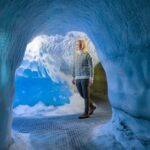


Entering the Northern Lights Center: first impressions and pacing
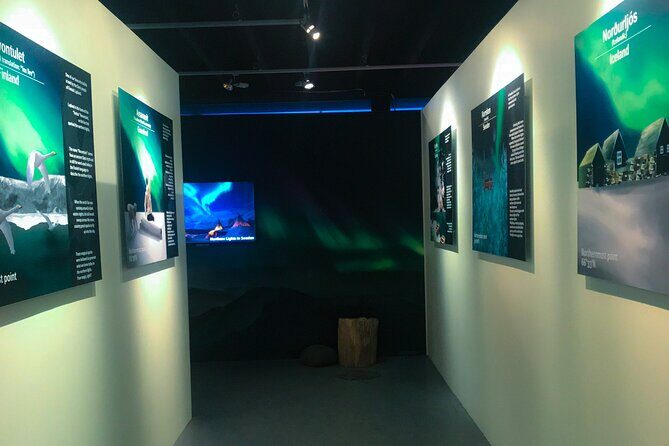
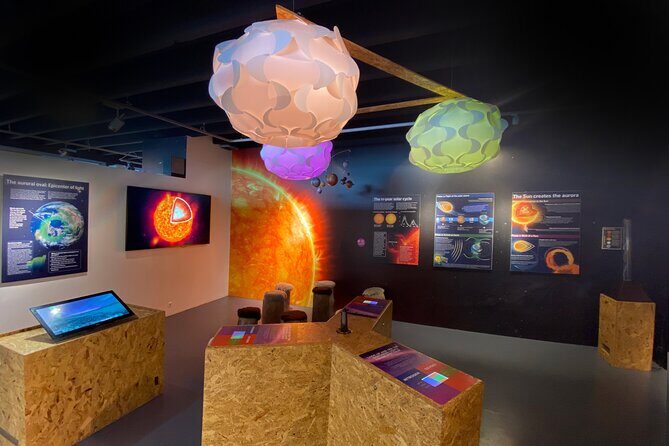
The museum experience starts with education that’s easy to follow. You’ll see exhibits that connect the aurora to Arctic cultures, including northern lights myths and folklore from around the world. This matters because it helps you understand how people explained the sky before modern instruments.
Then you move into the science side: where auroras originate and how the phenomenon works end-to-end. The presentation also covers something practical that many people miss. The museum explains the way the human eye perceives aurora light, which is useful if you’re trying to judge what you see from the ground versus what a camera can capture.
A helpful detail is the mix of video and interactive elements, so you’re not stuck reading signs the whole time. I found it more engaging than a typical science museum stop because it aims at both wonder and real-world interpretation.
The 7-meter screen and 4K timelapse theater: seeing aurora patterns
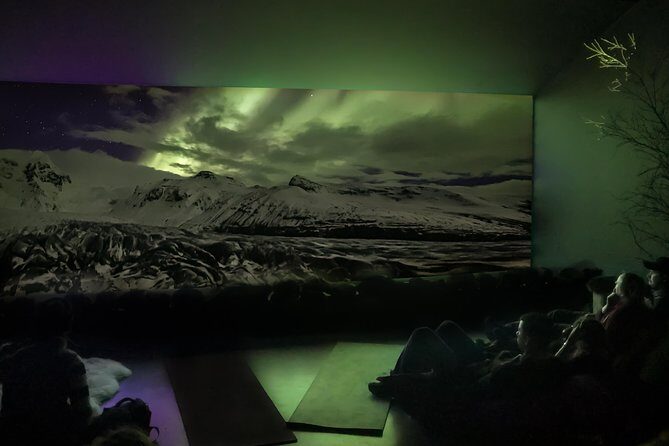
One of the highlights is the projected viewing in the theater area. You’ll watch aurora visuals on a 7-meter screen, and then you relax for a 4K timelapse movie showing roughly 30 minutes of aurora displays seen over Iceland.
This part is more than a “nice show.” Timelapse helps you understand movement and structure that you might not catch when the lights are faint or when you’re busy trying to photograph them. The 4K presentation also helps you notice shapes and color shifts that can be hard to spot in real time.
If your aurora hopes are already on your mind, this theater section does a good job of setting expectations. You start learning what to look for, how the curtains and arcs can form, and why intensity can change quickly.
360° VR: the aurora above you (and what to expect)
Next comes the star attraction: the world’s first 360° northern lights virtual reality experience. In the VR segment, you watch the lights dance right above you while the scene places you in Icelandic wilderness conditions.
This is the part most people come for, and it’s easy to see why. VR doesn’t replace the real sky, but it gives you something the real experience can’t guarantee: a clear, dramatic view without waiting for the aurora to show up.
A realistic note from experience: some setups feel more like you’re sitting inside a screen world than standing under a fully navigable panorama. If you were hoping to walk around inside VR like you’re on a tiny helicopter deck, you might find it less expansive than your imagination. Still, the effect can be genuinely convincing, especially when the colors and motion are strong.
QR audioguides and self-paced learning: useful, not overwhelming
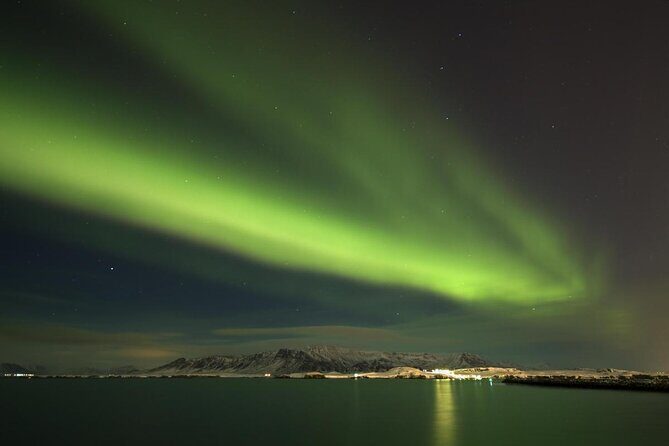
As you move through the museum, you use QR audioguides. This is practical because it keeps the pace in your hands. You can spend more time on the mythology section if you’re curious about the cultural side, then speed through the technical visuals if your interest is mostly photography.
Headphones are the one key detail that affects your comfort. The museum notes that headphones for the QR audioguides are not included. You can bring your own or purchase them at the desk for an additional fee. I’d treat this like a must-do item on your Reykjavik packing list. Even if you can read descriptions, the audioguides add context and make the exhibit flow make more sense.


Practical aurora photography help: forecast reading and camera tips
Not everyone thinks about this when they buy an indoor aurora ticket. But Aurora Reykjavik makes photography a real part of the program.
You’ll get:
- How to read the aurora forecast (so you understand what those green numbers and notifications mean)
- Guidance on camera settings
- A northern lights photo simulator to practice the look and tune your approach
This is valuable because aurora photos are tricky. Long exposures, focus issues, and wrong settings can turn a great night into a blurry mess. Even if you don’t end up shooting anything outside, the simulator section can help you understand why your results might differ from what you expected to see with your own eyes.
If you’re the type who wants to be ready before you stand in the cold, this photo coaching is one of the most “use it later” parts of the experience.
The photo moment: free aurora snapshot and email delivery
There’s also a photo option in the center that can give you a quick keepsake. The idea is simple: you can take a photo in front of an aurora display, and you may receive it by email.
It’s a nice emotional safety net. If you spent the evening outside and the sky stayed gray, you still leave with something tangible. And even if you do catch auroras in nature, it’s fun to compare how the indoor displays and your outdoor shots differ.
Location and getting there: central Reykjavik, easy to fit in
The museum is in Reykjavik city center and it’s near public transportation. Multiple people point out it’s a short walk from the center, which is ideal when you’re juggling a few Reykjavik “small-but-worth-it” stops.
Because the visit is around one hour, I like it as a daytime plan. You can do it before your night hunt, then come back if you want to refresh your understanding of forecasting and photo settings.
Price and value: $33 as an aurora insurance policy
At $33 per person, the price isn’t pocket-change, but it can be worth it when you compare what you’re buying: indoor learning, projections, a 30-minute 4K timelapse film, and a 360° VR aurora experience.
Here’s the way I think about the value:
- If the aurora shows in the sky, you’ll still benefit from the forecasting and photo simulator tips.
- If the aurora doesn’t show, you’re not stuck with a day that feels wasted. You get a credible aurora “stand-in” that also teaches you what you missed.
It’s also less stressful than night tours where timing and weather can leave you disappointed. Aurora Reykjavik gives you control over at least part of your aurora story: you show up, you learn, and you experience simulated lights.
Who should book Aurora Reykjavik?
This is a strong fit if you want:
- A high-confidence aurora experience without betting everything on weather
- A mix of myth, science, and practical photography tips
- A short activity that doesn’t swallow your whole day in Reykjavik
It may not be the best match if you’re expecting a large museum with lots of walking between major spaces. The museum is fairly small, and the VR setup can feel limited compared with the idea of a fully free 360 experience.
For families: it can work well for older kids who enjoy science or space themes. For very young children, the overall structure can feel like too much learning and not enough action.
Staff and the small details that matter
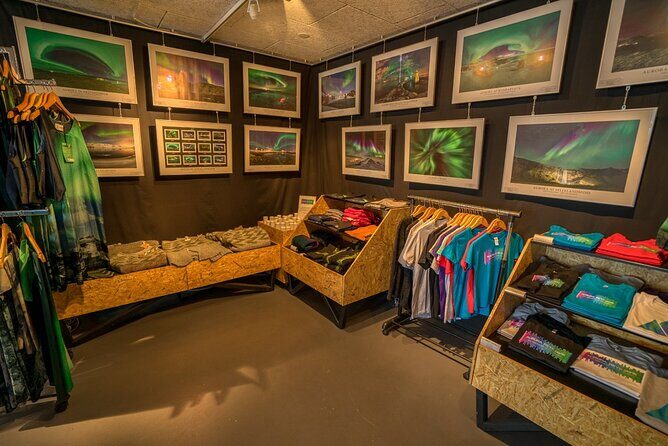
The staff help can be a real plus. One name that has shown up clearly is Sebastian, who has been known to run reception and the gift shop area. If you like browsing after you learn, the gift shop is part of the fun. People have picked up aurora-themed apparel and souvenirs, including a Blu-Ray disc recorded in Iceland.
Also, there’s a viewing area where you can take in visuals comfortably. If you want to watch without standing the whole time, that kind of space makes a difference during a one-hour visit.
Quick logistics checklist (so nothing slows you down)
Bring:
- Your own headphones for the QR audioguides (or plan to buy at the desk)
- A little curiosity about both folklore and science
- Your camera interest mindset, especially if you plan to shoot auroras outside
Plan:
- About one hour
- A time when you can comfortably slow down and read the sections that interest you
Note:
- The center runs Monday through Sunday, 10:00 AM to 7:00 PM during its listed operating period.
- Service animals are allowed.
- The experience can handle up to 500 travelers, so it’s not a tiny one-person show, but it still feels like a contained attraction.
Should you book Aurora Reykjavik?
If you’re going to Reykjavik hoping to see the northern lights, I’d consider booking Aurora Reykjavik if you fall into any of these buckets:
- You want aurora education plus practical photo help, not only sightseeing.
- You’re traveling in a season where the aurora is less likely outdoors.
- You’d rather be prepared than furious at the sky when clouds roll in.
Skip it if:
- You only want the real night sky and you’re confident you’ll catch it.
- You expect a huge museum with lots of walking and a VR setup that lets you roam freely like a full-motion ride.
For most people, though, Aurora Reykjavik hits a sweet spot: it’s short, it’s focused, and it turns uncertainty into something you can learn and enjoy.
FAQ
How long is the Aurora Reykjavík museum visit?
The experience lasts about 1 hour.
What is the price per person?
It costs $33.00 per person.
Is the tour offered in English?
Yes, it’s offered in English.
What’s included with the ticket?
Your admission ticket includes the museum experience and all taxes, fees, and handling charges.
Do I need headphones for the QR audioguides?
Yes. Headphones for the QR audioguides are not included. You can bring your own or purchase them at the desk for an additional fee.
What will I see in the museum?
You’ll see a 4K timelapse movie, aurora projections, a 360° VR northern lights experience, and an aurora photo simulator with guidance on forecasts and camera settings.
Does the experience include learning about aurora science and folklore?
Yes. You’ll learn about myths and folklore from around the world and also the science behind how auroras occur and how the eye perceives them.
Is there a photo option during the visit?
There is a photo opportunity in front of an aurora display, and it can be sent to your email.
What are the opening hours?
The center operates Monday through Sunday from 10:00 AM to 7:00 PM during the listed date range.
What is the cancellation policy?
You can cancel up to 24 hours in advance for a full refund. If you cancel less than 24 hours before the start time, it’s not refunded.