
REVIEW · REYKJAVIK
Reykjavík: National Museum of Iceland Entry Ticket
Book on GetYourGuide →Operated by National Museum of Iceland · Bookable on GetYourGuide
Iceland’s past is built into one building. The National Museum of Iceland turns a big, hard-to-picture story into a clear time track, from the first settlers to modern life. I like that it’s grounded in real Viking-era objects and then expands forward to modern Iceland, so you’re not stuck in one time period.
Two things I particularly like: you get a strong Viking and Settlement-Age focus with standout items like the Thor figure dated to around year 1000, plus a staggering collection that totals about 2,000 artifacts. You also get a practical audio guide in 10 languages and WiFi, so you can go at your own pace instead of trying to read everything at once.
One thing to consider: the museum layout can feel a bit spread out, so if you like a perfectly sequential route, you might need to slow down and let the audio guide help you connect the dots.
In This Review
- Key takeaways before you go
- Reykjavík’s National Museum ticket: what you actually get for $20
- Inside the National Museum: the permanent exhibition’s timeline
- Thor around year 1000 and other standouts you shouldn’t miss
- How long to plan: a realistic route through the galleries
- Temporary exhibitions included: how to use them without getting lost
- Museum shop replicas: why they’re worth the stop
- Audio guide in 10 languages and why it helps more than you think
- Value and logistics: when this ticket makes sense
- Best-fit travelers
- Who should pair this museum with next
- Quick practical tips before you go
- Should you book the National Museum of Iceland entry ticket?
- FAQ
- How long is the National Museum ticket valid?
- What’s included with the entry ticket?
- Does the ticket cover temporary exhibitions?
- Which audio guide languages are available?
- Are luggage or large bags allowed in the museum?
- Is transportation included with the ticket?
- What is the cancellation policy?
Key takeaways before you go
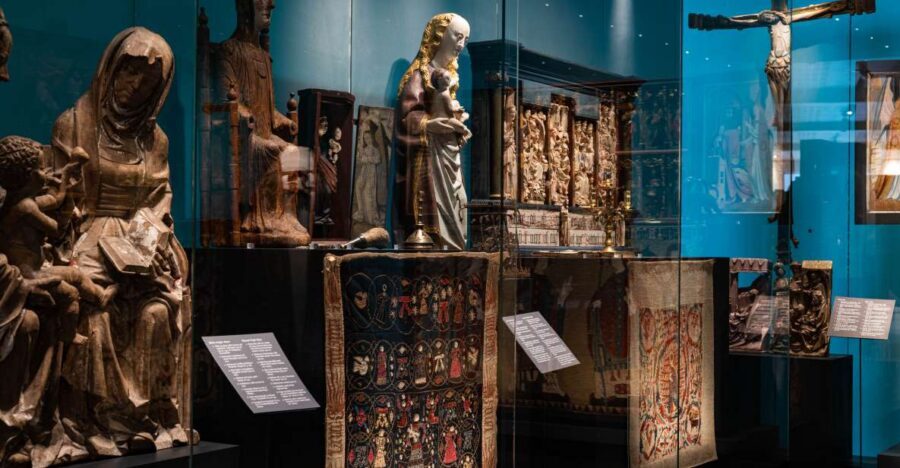
- A time-travel permanent exhibit: From the ship era to a modern airport theme
- Thor and other “dated” finds: Including a Thor object around year 1000
- About 2,000 artifacts across eras: Settlement Age through the present
- Temporary shows are included too: Content changes over time
- A shop worth a look: Replicas of archaeological finds
- Plan on about 90 minutes: Enough time for the main galleries at a comfortable pace
Reykjavík’s National Museum ticket: what you actually get for $20
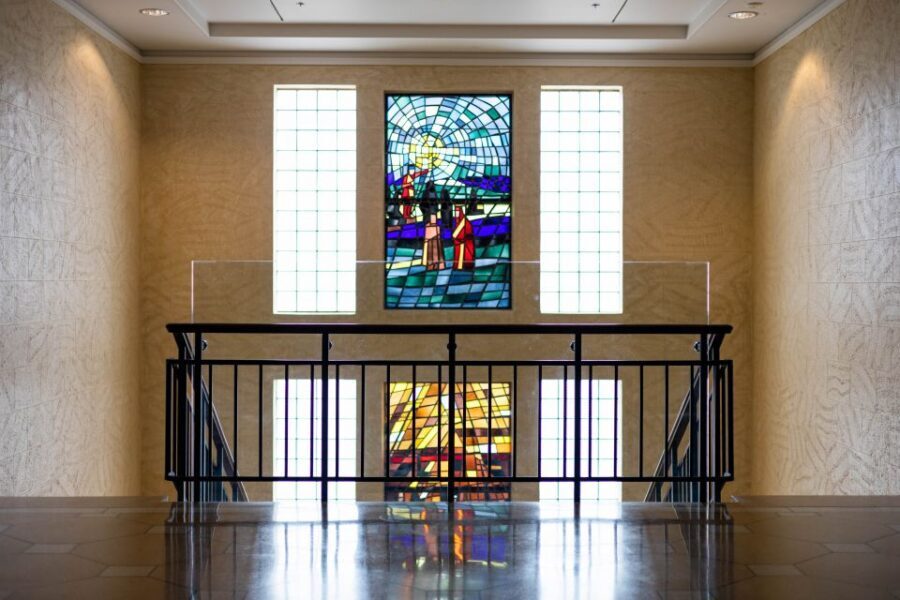
This ticket is a straightforward way to experience one of Reykjavík’s best history stops without guessing. You show your entry ticket at the reception desk, and then you’re in. It’s also designed to be low-stress: the ticket includes an audio guide in 10 languages and WiFi, and it’s set up so you can skip the ticket line.
The $20 price point is worth thinking about, because museum value depends on how much you want to read and look. If you’re even moderately interested in Iceland’s story—settlement, religion, daily life, and how the country connects to the wider world—this is a good “one-and-done” museum. If you only want a quick peek at a few Viking artifacts, you may feel the price more than you’d like, since the museum expects you to spend real time.
One practical detail: don’t plan on bringing luggage or large bags. The museum specifically doesn’t allow luggage or large bags, so keep your kit light. If you’re traveling with a backpack, you’ll probably be fine, but if you’re rolling deep with extra gear, this is the wrong stop for that.
You can also read our reviews of more tours and experiences in Reykjavik



Inside the National Museum: the permanent exhibition’s timeline

The permanent exhibition is built around a guiding question: What makes a nation? Instead of listing dates like a textbook, the museum frames Iceland’s identity as something that gets shaped over time. The story starts with the ship and medieval settlers crossing the ocean, and it ends with a modern airport, pictured as Icelanders’ gateway to the world.
That design matters. Iceland’s history can feel disconnected if you only see Viking stuff on one day and modern Reykjavík on another. In here, the museum helps you see continuity: people arrive, build society, develop beliefs, and eventually plug into global life. Even if you don’t obsess over every detail, you start to understand why Iceland feels both isolated and deeply connected.
The permanent exhibit includes about 2,000 artifacts spanning from the Settlement Age to the present day. It also includes photographs from the 20th century, which helps bridge the gap between “old objects” and how Icelanders actually lived more recently. That photo layer is one of the best ways to avoid the museum feeling stuck in the distant past.
Thor around year 1000 and other standouts you shouldn’t miss
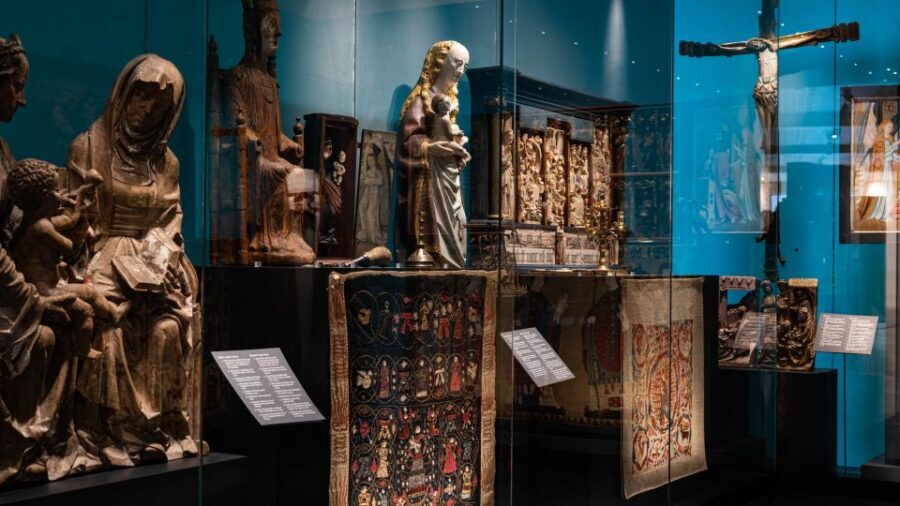
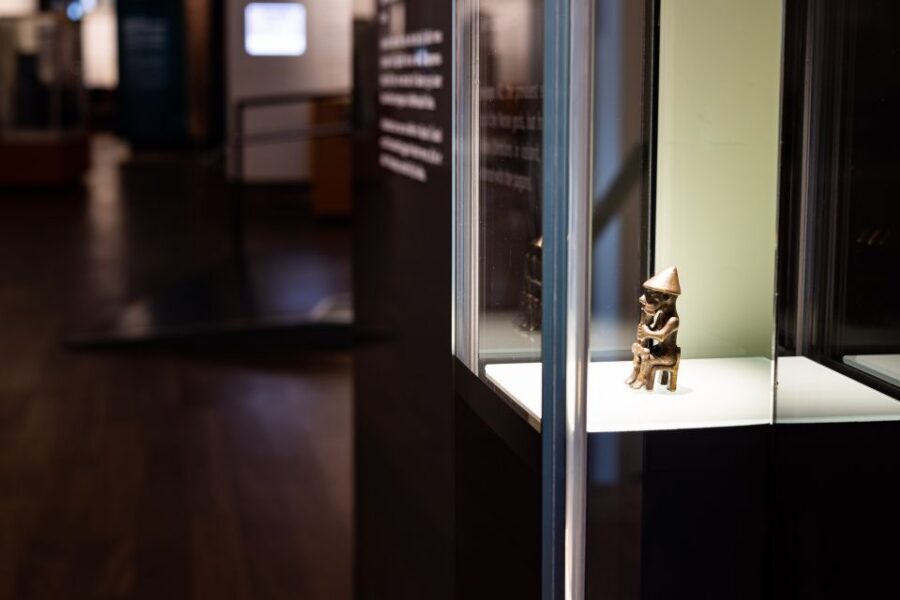
Iceland’s Viking-era artifacts are the headline here, and a few items are true anchor points for your visit. The museum includes the famous Thor figure dated to around the year 1000, which is the kind of object that gives you a fast answer to the question: what did people actually believe and carry with them?
Another must-see is the first Bible printed in Iceland in the 16th century, which is still considered one of the most beautiful prints in Icelandic. Even if you’re not the type who reads religious history, seeing that kind of artifact puts a face on how ideas spread and how culture becomes official over time.
You’ll also find medieval church-related artifacts. The museum description points to artifacts from medieval churches, and one review specifically called out triptychs—so if you like Christian art or early “visual storytelling,” this is a great moment to slow down and look closely at how the pieces were made and used. When the museum places religious objects next to daily-life artifacts, it helps you see that faith wasn’t separate from society—it was part of how the community functioned.
How long to plan: a realistic route through the galleries
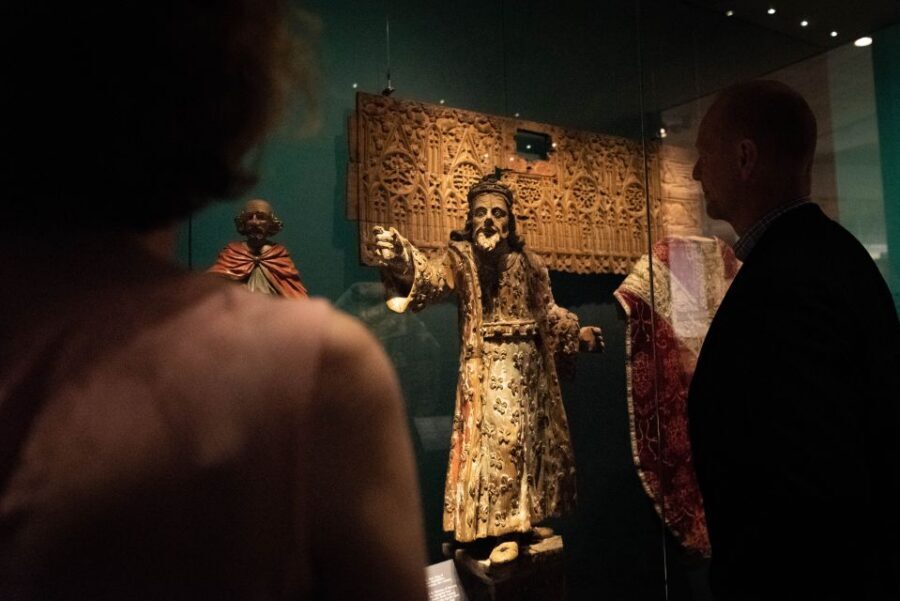
Most people don’t need to treat this as a marathon. One review clocked the museum at about 1.5 hours, and that’s a sensible baseline if you want the highlights and a few deeper looks. If you’re a history buff who reads labels carefully, you can stretch it out, but I wouldn’t count on seeing every object in full detail.
One thing to know: the museum can feel not perfectly sequential. A review noted that exhibit flow and numbering could be hard to follow, with items feeling a bit spread out. The fix is simple. Use the audio guide as your “main thread,” and don’t try to force a strict left-to-right path if your interests pull you elsewhere.
If you’re the type who loves structure, go in with a plan:
- Spend your first 20–30 minutes locating the big timeline points (settlement-era themes, the key dated objects, and then the later sections).
- Use the audio guide to connect what you’re seeing rather than reading every label.
- Leave room for the temporary exhibition area so it doesn’t feel like an afterthought.
Also, if you visit on a day when the museum has extra local activity, you may catch something special. One review mentioned seeing a group of locals in traditional dress on a Sunday. That’s not guaranteed, but it’s the kind of moment that makes museum visits feel more alive than a quiet walk through glass cases.
Temporary exhibitions included: how to use them without getting lost
Your entry ticket includes not just the permanent exhibition, but also temporary exhibitions. The exact content changes over time, and most temporary shows focus on Icelandic culture. That matters because Iceland’s cultural identity isn’t only “Vikings and saga stories.” It also includes later traditions, art, and how people lived beyond the settlement story.
Because temporary exhibits vary, I suggest you treat them like the optional bonus module. Don’t force yourself to see every temporary display in full if you’re already committed to the permanent timeline. Instead, use temporary exhibits to follow your curiosity: if the topic matches your current interests—religion, everyday life, art, or modern identity—you’ll get the most out of it.
If you’re visiting on a rainy day (and Reykjavík often offers those), the museum’s combination of permanent and temporary exhibits makes it a strong shelter option. You can walk out with a real understanding of Iceland, not just a couple photos of Viking helmets.
You can also read our reviews of more museum experiences in Reykjavik





Museum shop replicas: why they’re worth the stop
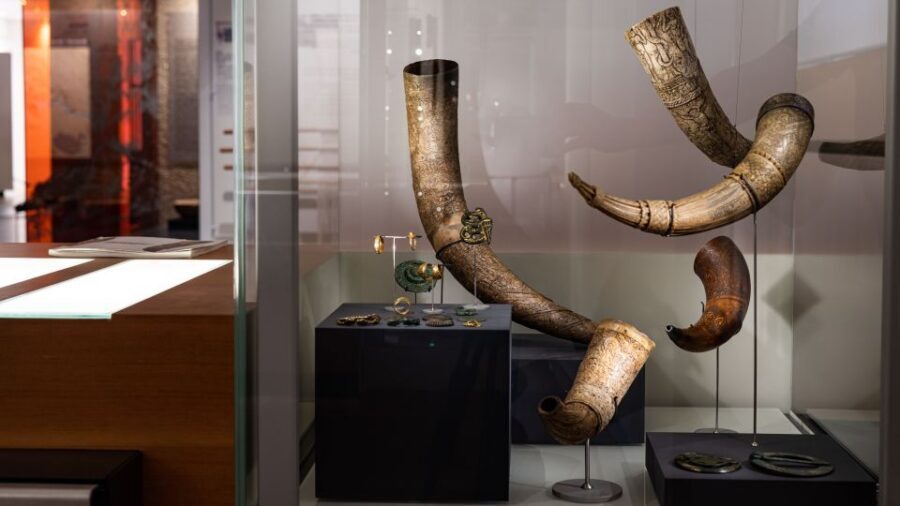
The museum shop is more than a place to buy a souvenir you’ll never use. The shop sells exclusive replicas of archaeological finds, which is a neat way to bring the museum’s themes home. If you like collecting small artifacts or want a gift that feels tied to the story, these replicas can be more meaningful than generic t-shirts.
One tip: if you care about design, take time here near the end. Once you’ve seen the real objects upstairs, it’s easier to understand what you’re buying and why it matters. You’ll also leave with a clearer mental map of the eras—replicas work best as “memory anchors.”
Audio guide in 10 languages and why it helps more than you think
The ticket includes an audio guide in 10 languages, which you can use to tie the timeline together. The languages listed are English, Danish, French, Polish, Spanish, Dutch, Swedish, Icelandic, Italian, and Chinese. If you’re an audio person, you’ll probably find yourself using it constantly, not just occasionally.
Even if you read signs well, the audio guide helps when you feel the exhibition layout isn’t perfectly linear. It gives you the narrative thread so you don’t have to guess how a church artifact connects to earlier settlement life, or how later modern life connects back to identity questions.
That said, the museum isn’t only for audio users. If you happen to connect with a staff member and ask about an exhibit, the explanation can make the story click. One account highlighted that speaking with a knowledgeable staff member about specific artifacts felt more engaging than relying on audio alone. You don’t need that kind of interaction to enjoy the museum, but it’s a reminder: museums become better when you turn one label into a conversation.
Value and logistics: when this ticket makes sense
Let’s talk money honestly. At $20 per person, you’re paying for a full museum experience: permanent exhibition, temporary exhibition access, an audio guide, and WiFi. That’s good value for adults who want to understand Iceland in one visit.
But it’s also a ticket that favors a certain kind of traveler. If you like hands-on learning, you may enjoy the museum’s interactive elements. If you prefer pure “event-based” sightseeing—short, high-energy stops—this might feel slow.
Also consider timing. Ticket validity is 365 days, so you aren’t stuck with a single day plan. That flexibility can help you build a smoother Reykjavík itinerary, especially if weather or road conditions change.
Best-fit travelers
This is a great match if you:
- Want to connect Viking-era Iceland to modern life in one building
- Enjoy museums where objects have dates and context
- Are visiting on a rainy day
- Like history that explains daily life, not just battles
It’s possibly less ideal if you’re traveling with very small kids who need nonstop action. One review specifically suggested it might not be the best fit for small children, even though others found it enjoyable for kids who can handle museum time.
Who should pair this museum with next
If you’re building a multi-museum Reykjavík day, the National Museum works best as the “identity and timeline” base. It covers settlement through modern life, so it gives you context that makes other topics easier to understand.
One review suggested pairing it with the Maritime Museum or the Settlements exhibit depending on what you’re after—Viking-era settlement focus if you’re into the early story, and a more modern angle if you want later history themes. The big idea for you: pair based on the timeline you want to emphasize.
Quick practical tips before you go
- Leave large bags and luggage at home or plan a different stop. This museum does not allow them.
- Budget around 90 minutes for the main galleries if you want a complete-feeling visit.
- If you think the layout may feel spread out, don’t fight it. Use the audio guide as your guide rail.
- Plan to spend time in the shop only after you’ve seen the exhibits, so the replicas make sense.
Should you book the National Museum of Iceland entry ticket?
Book it if you want Iceland’s story in one place, especially if you care about the Settlement Age and the way early Iceland connects to later culture. At $20, the combination of permanent + temporary access, the multilingual audio guide, and the “what makes a nation” framing is strong value for the time it takes.
Don’t book if you only want a fast highlight tour or you strongly prefer low-reading sightseeing. And if you’re traveling with very small children who need constant motion, you may want to choose a different activity that matches their attention span.
If you’re the kind of traveler who enjoys looking closely at real objects and understanding how society forms, this ticket is an easy yes.
FAQ
How long is the National Museum ticket valid?
Your ticket is valid for 365 days, so you can choose a day that fits your schedule.
What’s included with the entry ticket?
The ticket includes entry to the National Museum of Iceland, an audio guide in 10 languages, and WiFi.
Does the ticket cover temporary exhibitions?
Yes. Your entry ticket grants access to the museum’s temporary exhibitions as well as the permanent collection.
Which audio guide languages are available?
The audio guide is available in English, Danish, French, Polish, Spanish, Dutch, Swedish, Icelandic, Italian, and Chinese.
Are luggage or large bags allowed in the museum?
No. Luggage or large bags are not allowed.
Is transportation included with the ticket?
No. Transportation is not included.
What is the cancellation policy?
There is free cancellation up to 24 hours in advance for a full refund.