REVIEW · REYKJAVIK
From Reykjavík: Iceland South Coast Small-Group Adventure
Book on GetYourGuide →Operated by Arctic Adventures · Bookable on GetYourGuide
That first stop hits hard.
This south-coast tour is built around Iceland’s biggest hits—waterfalls, glacier ice, and black-sand drama—without you needing to drive or plan. I especially like how the day is guided by real storytelling and local context, with guides such as Magga and Kjartan sharing folklore and practical notes so you know where to go and what you’re seeing. You’ll also get the small-group feel, which makes it easier to move with the plan instead of getting swallowed by a bus crowd.
Two things I really like: first, the pacing gives you time to actually look, not just stop for a photo and vanish. Skógafoss is a great example, because you have a chance to enjoy the falls from the ground and also use the stairs for a higher view. Second, the guides tend to be on top of details—several people noted extra help like staying ahead of larger coaches, answering questions, and even grabbing photos when someone is traveling solo. The main consideration is simple: it’s a long day, and some stops can feel a bit short if you want maximum walking time at every location.
In This Review
- Quick hits before you go
- The South Coast in one 10-hour rhythm
- Pickup and road timing from Reykjavík
- Seljalandsfoss: the waterfall you can walk behind
- Skógafoss: power, stairs, and that photo angle
- Reynisfjara black sand beach and the puffin gamble
- Vík: the quick stop that gives you the right coast view
- Sólheimajökull glacier walk: blue ice with real effort
- Back to Reykjavík: stories, timing, and a smoother ending
- What makes the guides matter (and why small-group helps)
- How to get the best experience out of limited stop time
- Value check: is $140 a good deal?
- What to pack for a south-coast day that runs on weather
- Who should book this tour
- Should you book the Reykjavík to South Coast small-group adventure?
- FAQ
- How long is the tour?
- What’s included in the price?
- Is lunch included?
- Do I get pick-up from my hotel?
- Is the tour wheelchair accessible?
- What should I bring?
Quick hits before you go
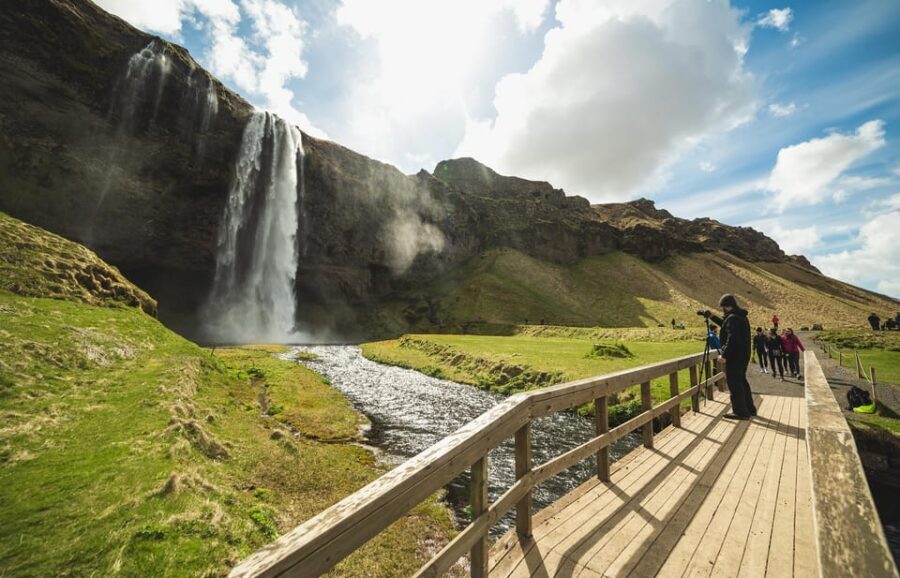
- Seljalandsfoss (walk behind the waterfall): plan for mist and raingear.
- Skógafoss (stairs viewpoint): you get both the roar at street level and a higher perspective.
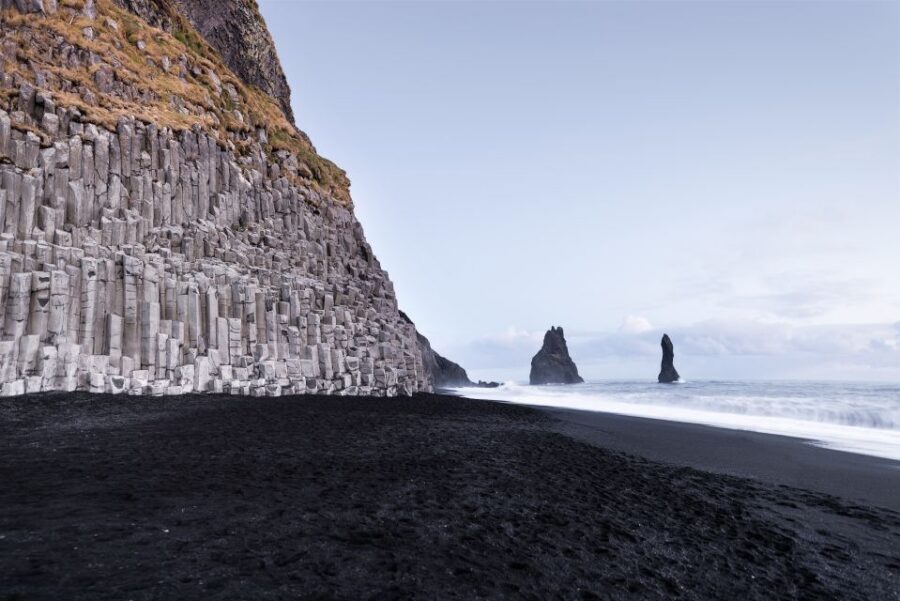
- Reynisfjara black sand: basalt columns, sea stacks, and a real chance of puffins in summer.
- Vík photo stop: quick but useful for views from the red-roof church area.
- Sólheimajökull glacier walk: a short hike toward vivid blue ice and crevasses (you’ll wear traction if it’s icy).
- Guides do more than talk: from folklore to weather-aware adjustments, you’ll feel looked after.
The South Coast in one 10-hour rhythm
If your time in Reykjavík is tight, this tour is a smart way to see what people mean when they say the south coast is the “real” Iceland. You’ll cover a lot of ground in one day, but it doesn’t feel like a blur because the stops are spaced to let you get your bearings and actually enjoy each place. The goal is simple: iconic natural sites, plus enough context to make them click.
The tour runs about 10 hours, with pickup in Reykjavík and drop-off back in the city in the early evening. That means you still keep your night free—use it to eat in town, chase northern lights if that’s your plan, or just crash with minimal logistics stress.
You can also read our reviews of more tours and experiences in Reykjavik.

Pickup and road timing from Reykjavík
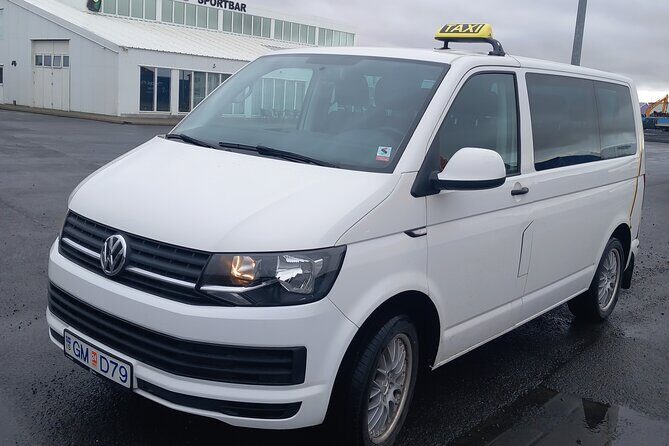
Pickup is offered from a long list of Reykjavík locations, including major hotels and transport hubs. Depending on where you’re picked up, you might start a little later if you’re outside the city center, but inside Reykjavík the experience is designed to be straightforward: you show up, you get on the bus, and your guide takes it from there.
One practical note: you’re working with Iceland weather. If it’s stormy or icy, the day can shift. Some guides have been praised for adapting plans to conditions, which matters on the south coast where wind can shut down access to certain spots (especially exposed beaches).
Once you’re moving, expect frequent guidance. Guides point out what you’ll see from the road and then explain the “when and where” at each stop—how to get the best photos, where the walking routes usually are, and what to watch for underfoot.
Seljalandsfoss: the waterfall you can walk behind
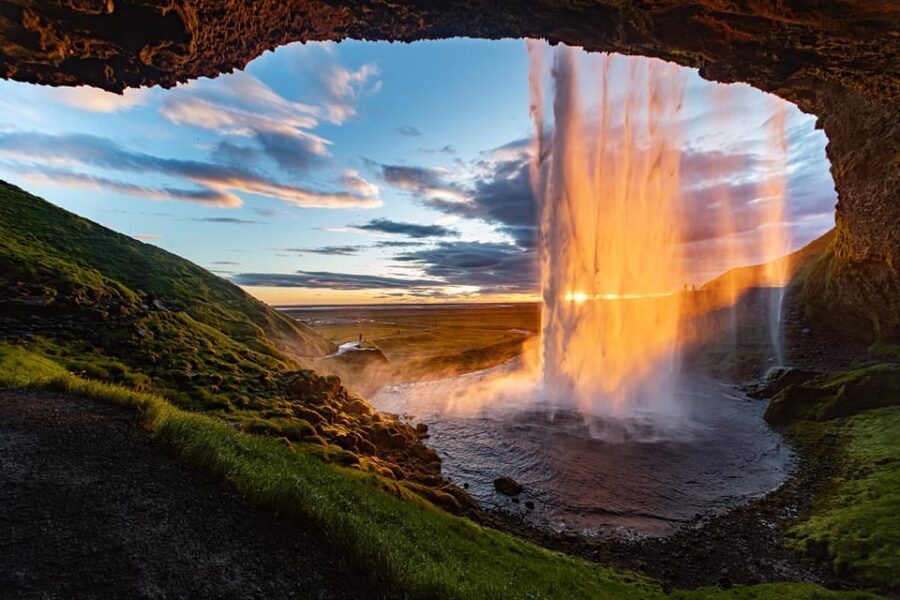
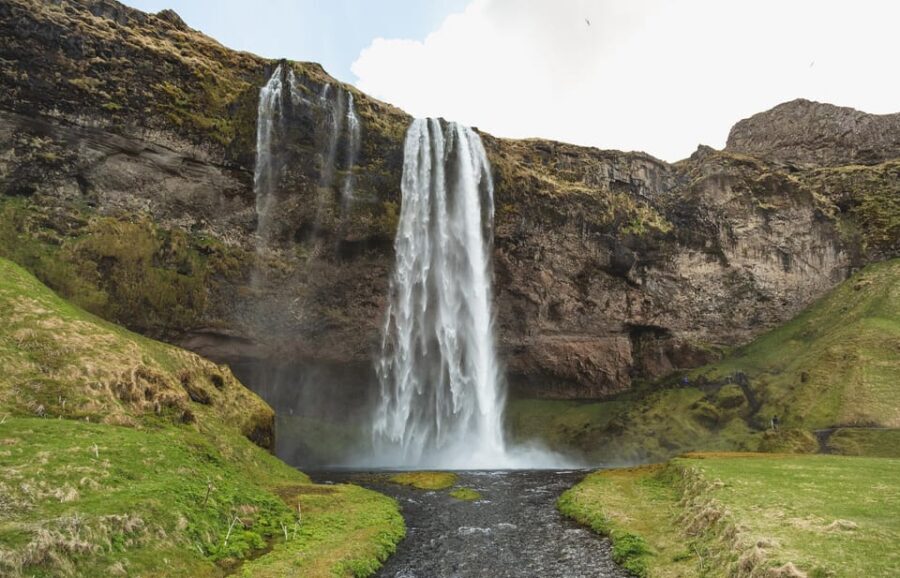
Seljalandsfoss is one of those places where the first sight sets the tone for the whole day. It drops about 65 meters, and the big feature is the path that lets you walk behind the curtain of water. You don’t just look at it—you get inside the sound and mist.
Here’s what I’d plan for: the ground is damp, the air gets cool fast, and you’ll likely feel rain even when the weather looks fine from afar. Bring the rain layer you actually like wearing. If you’re trying to keep your camera safe, use a small dry bag or keep gear inside your jacket until you’re ready to shoot.
This stop tends to be a favorite because it turns a classic viewpoint into a personal experience. You’ll also come away with photos that feel different from the usual waterfall shots.
Skógafoss: power, stairs, and that photo angle
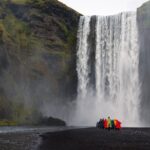
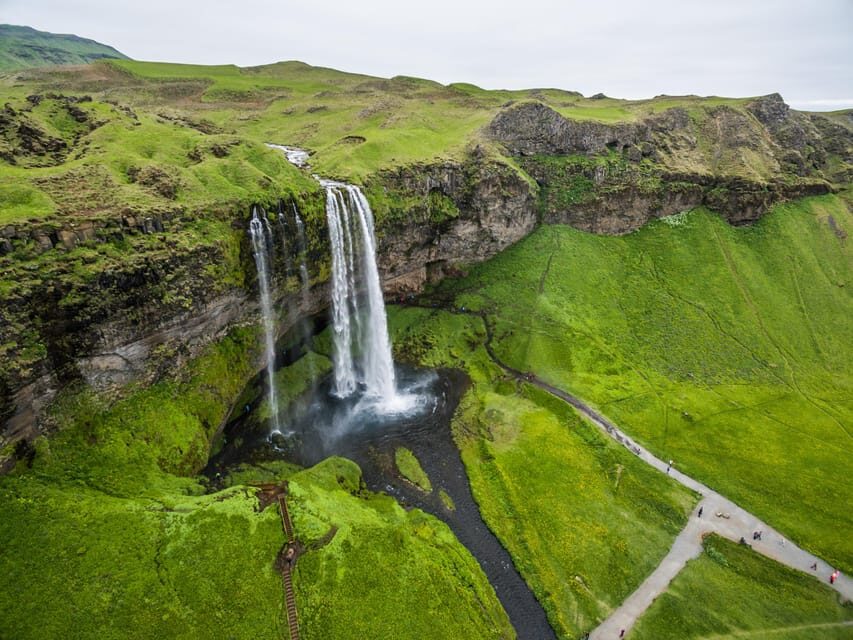
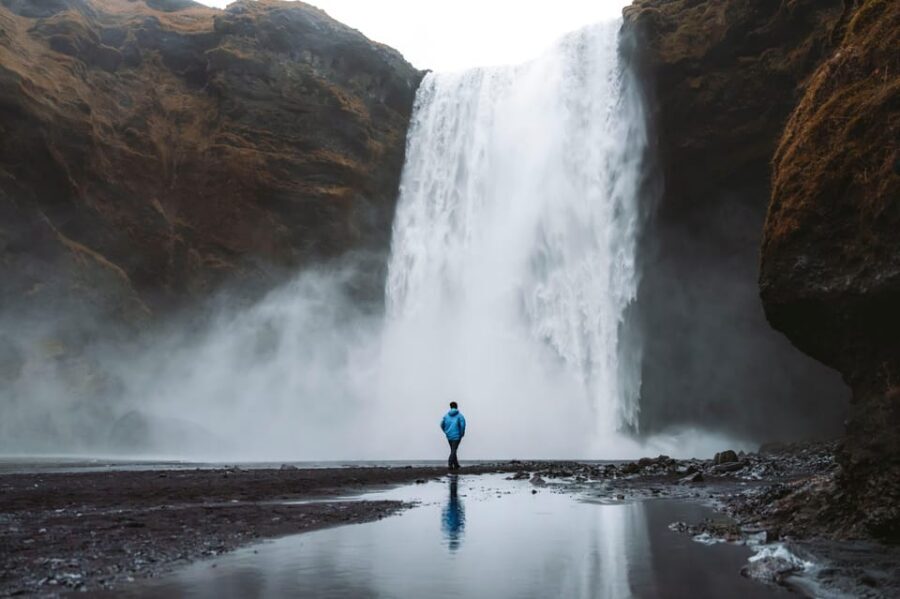
Skógafoss is big in every way that counts. It’s roughly 25 meters wide with a 60-meter drop, and the roar hits even before you get a clear view. This is where the tour shines for photographers and first-timers alike: you get a main view, plus the option to use the stairs to reach a platform above the falls.
That upper viewpoint is useful for a couple reasons. First, you see more of the south-coast background, not just the water wall. Second, it helps you frame the falls with the coastline and nearby terrain, which makes your photos look less “postcard flat.”
A fun bonus detail: there’s a cave behind the falls that people link to local legend about hidden treasure. Whether you believe in treasure maps or not, that kind of story makes the stop feel more alive.
Reynisfjara black sand beach and the puffin gamble
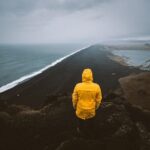
Reynisfjara is a lesson in dramatic Iceland geology. It’s known for black sand, basalt columns, and sea stacks that look like they were designed for movies. Waves crash hard here, and it’s the kind of place where wind can change how safe it feels in minutes.
You’ll get time to walk the area, take photos, and absorb the full “otherworldly” vibe. In summer, puffins may be around the cliffs—no guarantee, but it’s one of those chances that makes this stop more than just a scenic break.
The main consideration is safety and footing. Beach edges can be slippery and chaotic with surf spray. If conditions are icy in winter, people have specifically recommended traction like spikes/crampons for the easier parts of walking.


Vík: the quick stop that gives you the right coast view
Vík is the southernmost village vibe you’re looking for. It’s not a long hangout, but the time you do get is used for a photo stop around the red-roofed church perched on a hill. From there, you get strong views over the surrounding coastline and mountains.
I like this stop for two reasons. It’s a visual reset between heavier stops. And it also helps you connect the geography—when you’ve seen waterfalls and glaciers all morning, the town view gives your brain something to anchor to.
If you’re the type who wants one “base” photo from your day, this is that moment.
Sólheimajökull glacier walk: blue ice with real effort
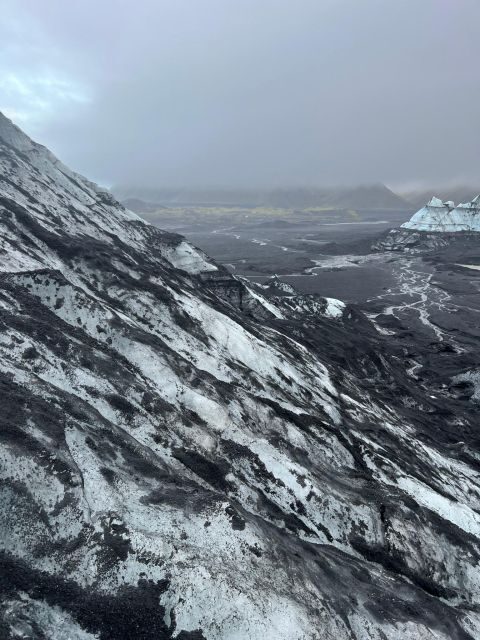
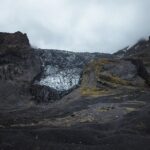
The glacier stop is one of the most memorable parts of the day. Sólheimajökull is an outlet glacier from the larger Mýrdalsjökull system, and it’s located between Katla and Eyjafjallajökull. The ice here can look stunningly blue, with crevasses and sharp formations that remind you the glacier is moving and changing.
Important: you don’t get dropped onto the glacier like it’s a theme park. You park, then take a 15–20 minute walk to reach the glacier area. That’s usually a comfortable warm-up hike, but it can feel more intense if the ground is icy or if the wind is strong.
This is also the point where you’ll be happiest you brought the right footwear. Some people found the glacier walk a bit demanding depending on age and conditions, so if you’re traveling with mobility concerns, think carefully about your comfort level walking on uneven, weathered ground.
Back to Reykjavík: stories, timing, and a smoother ending
On the drive back, the tour shifts into “relax and absorb.” Guides often share more Iceland folklore—troll tales and elf-like stories tied to rocks and places—so the day feels connected, not just chopped into photo stops.
You generally return to Reykjavík around 6:00 PM, which I think is a strong choice. You’re not stuck arriving at midnight, and you avoid the “all-day misery” that can happen with longer, faster tours.
What makes the guides matter (and why small-group helps)
The tour’s biggest strength is how it’s handled by the people running it. Guides like Guna, Isabella, Daria, Rebecca, Colin, Al, and Franklin came up again and again for being friendly, organized, and helpful about what to do at each stop. Even when the day was weather-challenged, guides have been praised for keeping the experience high-quality.
Small-group touring matters here. With fewer people, you’re more likely to get clear instructions, quicker regrouping, and less time waiting around. It also helps guides manage timing better—like telling you the best way to move efficiently at busy viewpoints or pointing out which angle will give you that waterfall drama.
There are a couple watch-outs. A few people noted the mini-bus can feel tight, especially for taller guests. Also, if you rely on onboard comfort like WiFi or air cooling, it’s worth knowing those can vary by vehicle condition. Most of the time it’s fine, but one bad day of comfort doesn’t change the fact that the route and stops are the main event.
How to get the best experience out of limited stop time
This tour covers a lot, which means you won’t spend all day at one site. Some reviews described certain stops as a bit short, and that’s the trade. The fix is to arrive ready.
Here’s how I’d do it:
- At each stop, decide your must-do first: waterfall viewpoint, glacier walk path, or beach photo angle.
- Keep layers on. If you wait until you’re already cold to start bundling up, you’ll spend time fighting the weather.
- Use the guide’s direction to move faster. The best guides make it easy to do things in the right order.
One useful trick: if you’re traveling solo, it’s worth asking your guide for photo help. Some guides have been willing to help solo travelers get photos they’d otherwise miss.
Value check: is $140 a good deal?
At $140 per person for a roughly 10-hour guided day, the value comes from three places.
First, you’re paying for logistics. Driving the south coast yourself means rental-car costs, fuel, parking hassle, and figuring out timing when weather changes. Here, pickup and drop-off are handled and you get a full day of structured stops.
Second, you’re paying for the “high hit-rate” itinerary. You get Seljalandsfoss, Skógafoss, Reynisfjara, Vík, and Sólheimajökull in one shot. That’s a lot of major landmarks for one price point.
Third, the guide experience turns “places” into “understanding.” When someone like Kjartan or Magga explains what you’re looking at—geology, rivers fed by glaciers, and the folklore tied to the terrain—you spend less time guessing and more time enjoying.
The only reason I’d hesitate is if you’re the kind of traveler who wants long, slow immersion at just one or two stops. If that’s you, a self-drive day might feel better. If you want maximum return on time, this is a solid buy.
What to pack for a south-coast day that runs on weather
I always pack for Iceland like the weather is in charge. For this tour, you’ll want:
- Comfortable shoes you trust on wet or uneven ground
- Warm clothing (layers beat one bulky item)
- Sunglasses (glare off ice and water can be intense)
- A camera plan (bring something that works in mist)
- A daypack
- A packed lunch, since lunch isn’t included (there’s typically purchase available)
Also, think traction in cold months. People have specifically warned that icy conditions can make some areas slippy, so bring crampons/spikes if you’re visiting in winter.
Who should book this tour
This tour is a great fit if you:
- Want an organized south-coast day without car planning
- Like guided context and short, efficient hikes
- Want a mix of waterfalls, beach geology, and glacier ice in one day
- Are okay with a long day and stop times that keep things moving
It may be less ideal if you:
- Need lots of time at each location for mobility or photography
- Hate cramped seating and plan to be in a vehicle for hours
- Expect a long glacier hike (this one is a walk, but it still takes effort)
Should you book the Reykjavík to South Coast small-group adventure?
Yes—if your priority is seeing the south coast’s big icons in one day and you want a guide to handle the timing and teach you what you’re looking at. The best part isn’t just the list of stops. It’s how the day is managed: helpful guiding, practical directions, and stories that make the scenery feel less random.
If you’re flexible and dress for Iceland weather, you’ll get a day that feels full in the right way. And if conditions turn ugly, the guide quality becomes even more important—which is exactly where this tour has earned its high marks.
FAQ
How long is the tour?
The tour duration is listed as 10 hours.
What’s included in the price?
The price includes pick-up and drop-off from Reykjavík, a guided visit to South Shore highlights, an English-speaking tour guide, free WiFi on board, and the small-group tour.
Is lunch included?
Lunch is not included, but lunch is available for purchase.
Do I get pick-up from my hotel?
Yes. Pick-up is included from your selected location in Reykjavík, with many pickup options available. If your pickup is outside Reykjavík, your pickup time is later than the tour start time.
Is the tour wheelchair accessible?
Yes, the tour is listed as wheelchair accessible.
What should I bring?
Bring comfortable shoes, warm clothing, sunglasses, a camera, a packed lunch, weather-appropriate clothing, and a daypack.