REVIEW · REYKJAVIK
Glacier lagoon tour
Book on Viator →Operated by ArcticShots · Bookable on Viator
Glacier photos get serious with a pro. I love the private tour feel and the way the guide supports both camera owners and beginners, including phone-friendly coaching. I also like that you’ll get professional photos from the trip, not just whatever your hands catch in a storm. One consideration: accommodations aren’t included, so you’ll need to plan where you sleep during the night(s) near the glacier lagoon.
This is a 3-day, Reykjavik-to-glacier-lagoon experience built around light, weather, and time. You drive down the south coast with stops at famous and lesser-known photo spots, then base yourself for one or more nights while aiming at Glacier Lagoon shots, Diamond Beach ice, and the dramatic Vestrahorn area.
In This Review
- Key points that make this tour worth a look
- Glacier Lagoon Photo Tour: what makes it different from a basic van ride
- The drive from Reykjavik: why the journey matters for your photos
- Timing in winter: what you need to know about weather and road changes
- Glacier Lagoon and Diamond Beach: the core photo targets
- Vestrahorn and the surrounding stops: building variety on the same day
- Northern lights season: portraits when the sky is unpredictable
- Ice caves in winter: optional add-on if you want more than the lagoon
- Staying near the lagoon: how the one-night versus two-night choice changes your odds
- Price and value: what $3,550 per group really buys you
- What’s included (and what’s not) so you can plan your day
- Who should book this glacier lagoon tour (and who might not)
- Should you book ArcticShots’ Glacier Lagoon tour?
- FAQ
- What is the total group price for this tour?
- How long is the glacier lagoon tour?
- Is pickup included, and what time does the tour start?
- Is the tour private or shared with other people?
- What is included in the price?
- What is not included?
- Can I add an ice cave tour in winter?
Key points that make this tour worth a look
- Private, small-group feel (up to 4 people) means more attention and less time wasted sorting people out.
- Professional photographer guidance works for beginners too, including teaching shot basics if you’re using only a phone.
- Photo support even in bad weather comes through in how the schedule is handled when roads or conditions change.
- Northern-lights season portraits are part of the plan, so the experience stays memorable even if the sky doesn’t cooperate.
- You can extend the trip by adding nights for more time chasing the right weather window.
Glacier Lagoon Photo Tour: what makes it different from a basic van ride
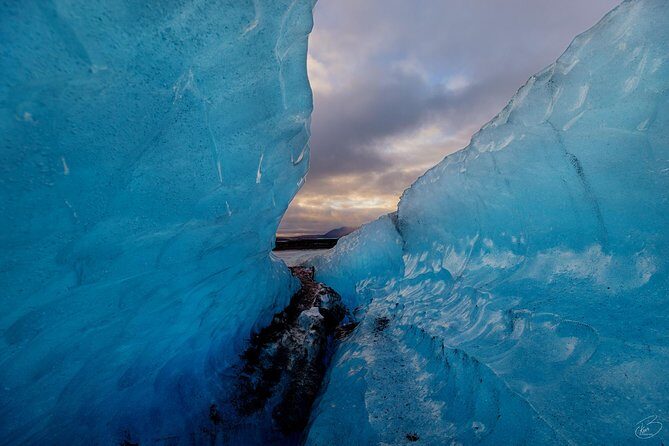
The big difference here is the mindset: this tour treats photography like a skill you can practice, not a “show up and hope” activity. The tour is guided by a professional photographer who knows the area well, and they adjust their teaching based on your level. If you’re a fellow professional, you’ll have room to swap experience. If you’re new, you’ll get help dialing in focus, framing, and timing.
I also like the promise that you don’t have to bring your whole camera lab to get great results. Even if you only have a phone, you’re welcomed—and you’ll have professional pictures shared from the trip. That takes a lot of pressure off when the weather turns Iceland-random.
The tone stays practical: you’re there for real-world conditions. Snow can mean gusty wind, road closures, and changing light fast. One past group described horrible weather, thick snow with strong gusts, and even fewer aurora chances. The way the guide kept finding angles and making the most of the day is the kind of value you can’t measure until you’re standing in cold white wind.
You can also read our reviews of more tours and experiences in Reykjavik.

The drive from Reykjavik: why the journey matters for your photos
You start at 9:00 am, with pickup offered. You’ll be in a vehicle with WiFi on board, which helps when you’re traveling with maps, checking weather, or keeping your gear plans straight. The meeting point is near public transportation, so it’s not a “locked to a specific hotel” situation.
Then comes the long part most tours rush. The route down toward the glacier lagoon includes stops at well-known photogenic places and also a few spots that aren’t on every postcard. That matters because the Iceland south coast route changes character as you go: light is often dramatic, skies can shift quickly, and roadside compositions can look better than you expect once you know where to stand.
A practical tip: treat the drive as part of the photographic assignment. If you only think about the final destination, you’ll miss the chance to practice and build confidence. A steady plan—stop, shoot, reset—makes the whole day less stressful.
Timing in winter: what you need to know about weather and road changes
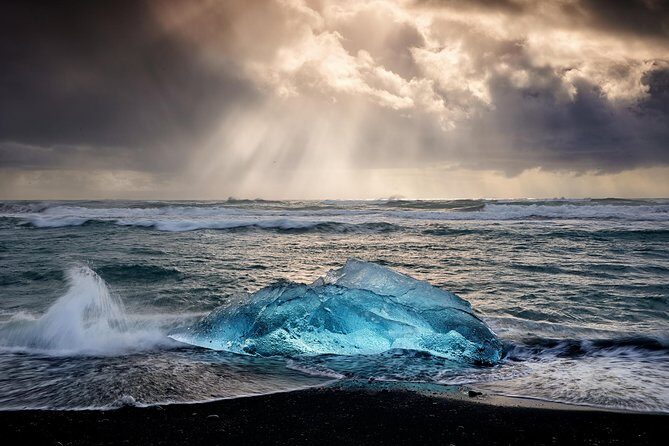
During winter (mid November to mid March), conditions can flip hard. Expect that the plan may need to shift when weather hits. One group shared that they faced multiple road closures and thick snow with strong gusts, with auroras not showing the way they hoped.
What I find valuable is the way the guide responds to that reality instead of pretending it won’t happen. In another example, the guide suggested an early start so the group could get in as much as possible before rain moved in later. That kind of early-thinking is a big deal when daylight and clouds control everything.
Also note the tour’s weather dependence. If the experience is canceled due to poor weather, you’ll be offered a different date or a full refund. That keeps the risk under control, which matters a lot for winter travel.
Glacier Lagoon and Diamond Beach: the core photo targets
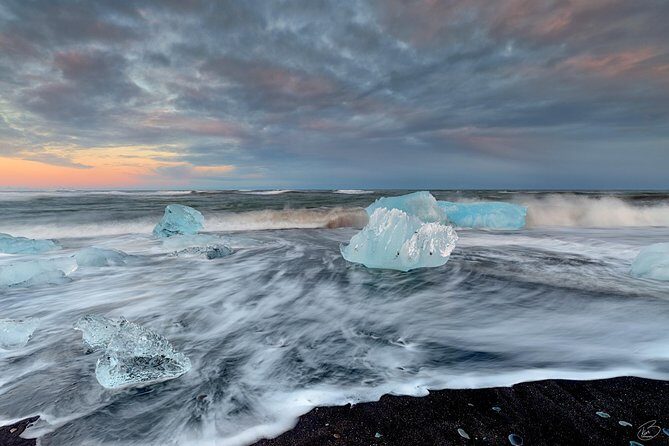
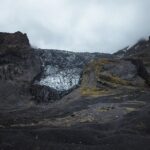
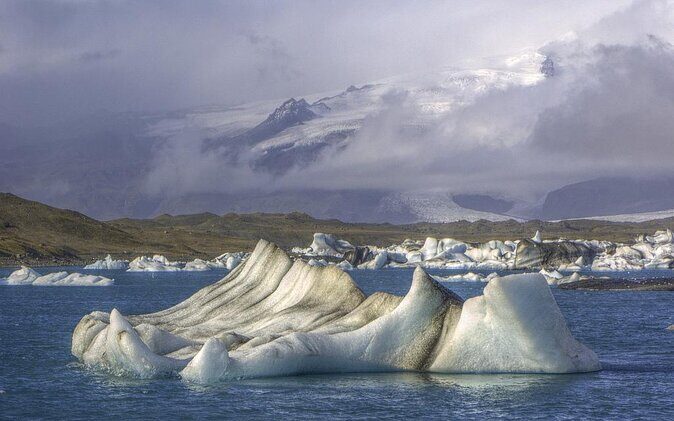
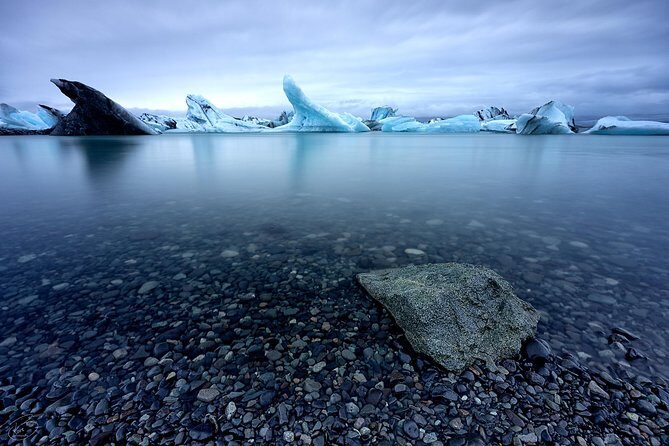
This tour’s main focus is photographing the area around the glacier lagoon and the nearby ice scenes. You’ll spend time around the lagoon itself, plus the famous Diamond Beach area. These aren’t just “nice places.” They’re photo challenges.
At the lagoon, what you’re chasing is often the mix of texture (ice shapes, water edges) and sky conditions. If clouds break, you can get strong contrast and reflected light. If it’s fully overcast, you’ll still get mood and clean tones, but you may lean more on silhouette and ice detail.
Diamond Beach is more about ice appearance and access. The ice can look completely different depending on what’s been deposited and what the current weather is doing. In one account, the ice situation wasn’t at its best. Even so, the group still ended up with memorable results because the guide aimed for angles and timing that worked with what was actually there.
Bottom line: you don’t book this only for a perfect forecast. You book it for someone who can work a plan when the scene changes.
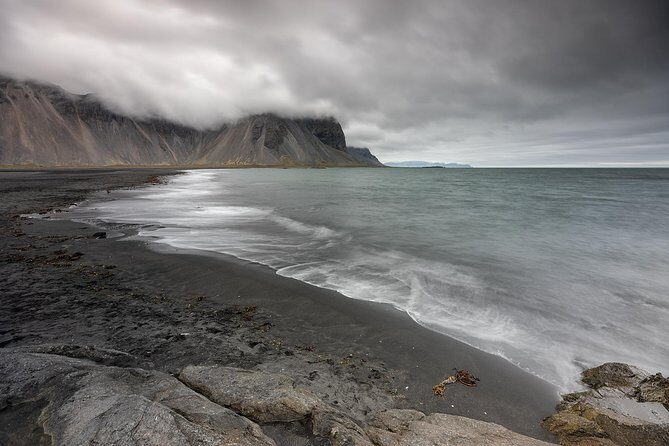
Vestrahorn and the surrounding stops: building variety on the same day
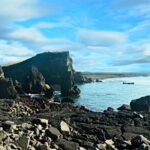
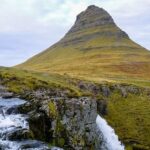
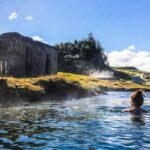
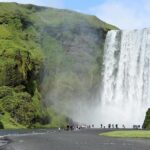
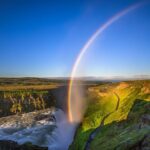
Another key target is Vestrahorn. It’s the kind of place that benefits from patience and a sharp eye, especially if conditions are mixed. The guide also stops at other photogenic points along the way, including places that are less well known.
Why that matters: variety helps your photos feel like a story, not a checklist. You get more than one type of scene—ice, glacier surroundings, dramatic coastal features—and you’re not stuck waiting in one spot for hours.
If you’re the type who likes composition and doesn’t mind walking a bit for better angles, you’ll likely enjoy how the stops are used. If you’re the type who wants maximum comfort and minimum movement, you may find the winter pace demanding. The upside is that it’s still private, so you can adjust with your guide rather than being trapped in a rigid van schedule.

Northern lights season: portraits when the sky is unpredictable
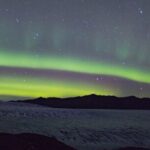
In the northern light season, the tour includes northern-lights photo moments to make the experience more memorable. That’s a smart approach because auroras are not guaranteed on any given night. Even groups who ended up with stormy conditions and no auroras still felt the experience was worth it, and the photos helped carry that magic even when the sky didn’t cooperate.
So what should you expect in practical terms? You can plan for a plan-B kind of experience. You’ll also have time for photos during the trip itself, so even a cloudy day doesn’t feel like a total loss.
One extra detail I appreciate: the guide doesn’t treat northern lights as a lottery you’re forced to wait for in silence. Instead, you get an experience that still feels Iceland-unique even on rough nights.
Ice caves in winter: optional add-on if you want more than the lagoon
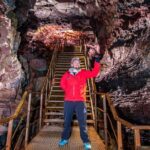
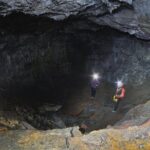
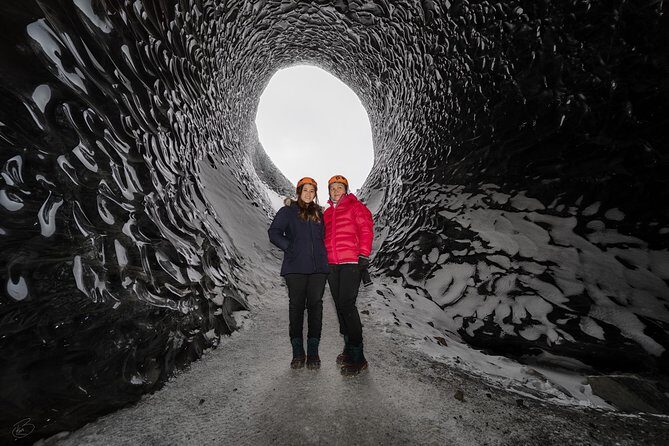
From mid November to mid March, you can arrange an ice cave tour with a local guide if you’re interested. This is an additional cost, separate from the main glacier lagoon photography focus.
I can’t promise which exact cave experience you’ll get from the information here, but I can say what this option changes for your trip: it gives you a second kind of ice subject beyond the lagoon and beach. If you love texture, scale, and that enclosed, blue-white feeling, it’s a strong add-on. If you’re mainly after wide scenic shots and coastline drama, you might skip it to protect time for Diamond Beach and Vestrahorn in better conditions.
Staying near the lagoon: how the one-night versus two-night choice changes your odds
Accommodations are not included, but the tour does include the plan to drive to the glacier lagoon area and stay there for one or more nights. The standard duration is about 3 days, and you can also choose an optional longer trip.
More nights usually means more chances. Iceland weather doesn’t care about calendars, so extra time can help you work around cloud cover, wind, and timing. The tour can be extended to a 2-day trip or as many days as you like with extra cost.
If you’re traveling in peak winter months, I’d lean toward at least two nights if your schedule allows. You’ll spend less of your trip “arriving and hoping” and more of it actually hunting the conditions you want.
Price and value: what $3,550 per group really buys you
The price is $3,550.00 per group, up to 4 people. That sounds steep until you look at what’s included and what’s being handled.
You’re paying for:
- a private photography-focused guide setup
- local area knowledge and driving between photo targets
- time management designed around weather changes
- WiFi on board
- photo support through professional pictures from your trip
Food is not included. Lunch, dinner, bottled water, coffee/tea, and snacks are excluded. So you should budget for meals separately. If you’re used to tours that include food, this will take some planning.
Still, if you split the cost among up to four people, it can start to look like value—especially compared to packed group tours where you might get limited time per stop. One key piece of feedback emphasized exactly that: doing this as a private experience means you’re not herded through the same scenic points for short photo windows.
What’s included (and what’s not) so you can plan your day
Included:
- WiFi on board
Not included:
- Lunch
- Dinner
- Bottled water
- Coffee and/or Tea
- Snacks
- Accommodations
This is the part people often underestimate. In cold weather, you don’t want to run out of warm snacks or water, and hunger can ruin your patience fast. Even if you don’t know what you’ll feel like eating each day, bring or plan for quick-to-buy options and keep yourself fueled between stops.
Also, because you might be outside a lot, think about how you’ll manage hands, cameras/phones, and batteries in winter. The tour isn’t described as providing gear, so you’ll want to arrive ready with what you use to shoot and share images.
Who should book this glacier lagoon tour (and who might not)
This tour fits best if:
- you want a photography-first experience
- you’re traveling with up to 4 people and prefer private attention
- you’re a beginner who wants instruction, or an advanced shooter who wants local shot guidance
- you want help even if only a phone is in your hands
It might not be your best fit if:
- you’re trying to keep costs very low
- you don’t like winter weather uncertainty and don’t want to be flexible
- you prefer a tour where meals and lodging are handled end-to-end
The best approach is to be honest about what you want: if the goal is photos and you’re okay planning meals and lodging yourself, this style of trip makes sense.
Should you book ArcticShots’ Glacier Lagoon tour?
I’d book this if you care about photo results and you want a guide who can teach while working in real conditions. The private setup, the emphasis on coaching for all levels, and the way the plan adjusts when weather is harsh are exactly what you want in Iceland winter.
I’d think twice if you can’t handle the fact that meals and accommodations aren’t included, or if you want a very fixed, never-changes schedule. This is a winter environment first, itinerary second. If that matches your travel style, you’re likely to love what you get.
FAQ
What is the total group price for this tour?
The price is $3,550.00 per group, up to 4 people.
How long is the glacier lagoon tour?
It runs for about 3 days (approx.), with the option to extend for more nights.
Is pickup included, and what time does the tour start?
Pickup is offered, and the start time is 9:00 am.
Is the tour private or shared with other people?
It’s private. Only your group will participate.
What is included in the price?
WiFi on board is included. Professional photography support is part of the experience, and confirmation is received at booking.
What is not included?
Accommodations are not included, and all food is excluded (lunch, dinner, bottled water, coffee/tea, and snacks).
Can I add an ice cave tour in winter?
Yes. During mid November to mid March, an ice cave tour can be arranged with a local guide if you’re interested, and it’s an additional cost.