REVIEW · SKAFTAFELL
Half-Day Vatnajokull Glacier Small Group Tour from Skaftafell
Book on Viator →Operated by Melrakki Adventures · Bookable on Viator
You don’t need ice legs to enjoy this. The half-day hike onto Vatnajökull is built for real glacier time, with instruction and a guide leading every step toward the dramatic Falljökull ice fall. Expect crevasses, moulins, and all the glacier science you can handle—served in a paced, human way.
What I like most is the focus on going far enough to feel the glacier up close, not just skimming the surface. You’ll also get specialist gear like crampons and an ice axe, plus hands-on practice before you’re walking on steep, uneven ice. One consideration: you’re still outdoors in Iceland, so plan for weather swings and bring what the tour asks for (layers, boots, and the basics).
In This Review
- Key highlights you’ll feel on the ice
- Vatnajökull and Falljökull: why this half-day feels worth it
- Getting ready on site: crampons, ice axe, and how you’re kept safe
- The glacier walk itself: crevasses, moulins, and why the guide’s pacing matters
- Learning glacier formation while you walk (so it actually sticks)
- The logistics that make the day feel smooth
- Gear, clothing, and the stuff you should pack (for real comfort)
- Price and value for a 4.5-hour glacier trek from Skaftafell
- Who should book this (and who should think twice)
- Should you book Melrakki Adventures’ half-day Vatnajökull tour from Skaftafell?
- FAQ
- How long is the half-day Vatnajökull Glacier small group tour from Skaftafell?
- Where does the tour start?
- What time does the tour depart?
- What’s included in the price?
- What should I bring?
- What fitness level do I need?
- How many people are in the group?
- What happens if the weather is poor?
Key highlights you’ll feel on the ice
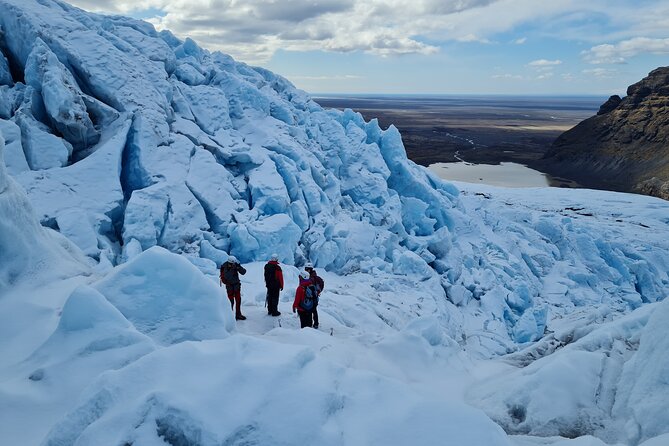
- Real practice first: you’re taught how to put on crampons and how to use an ice axe before you move toward the ice fall
- More ice time, less travel time: you’re driven to the glacier so the hike is mostly on the glacier itself
- Pushing closer than typical tours: the goal is to get near the Falljökull outlet area and see crevasses up close
- Science with stops, not lectures: glacier formation, local history around Skaftafell, and Örævi are explained along the route
- Small group size: capped at 8 travelers, so the guide can actually adjust pace and attention
- Photo moments built in: the guide stops for photos throughout the trek
Vatnajökull and Falljökull: why this half-day feels worth it
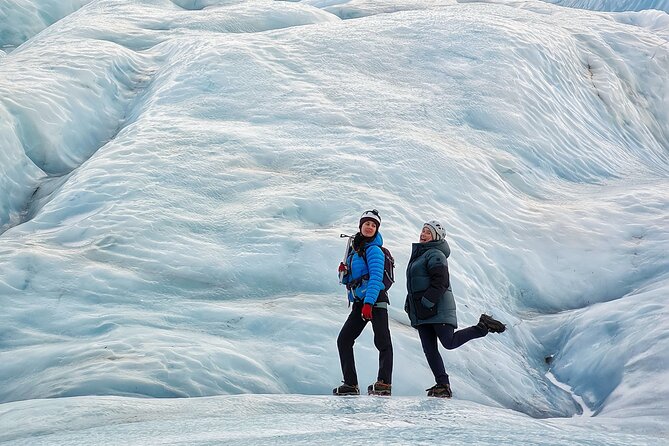
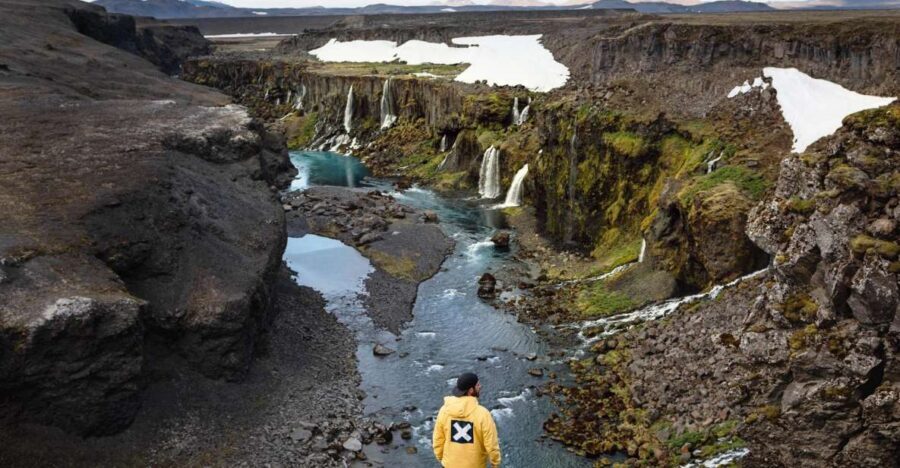
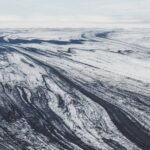
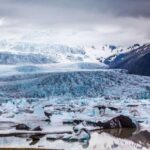
Vatnajökull is one of Europe’s big glacier players, and this tour gives you a chance to experience it the way most people don’t: with time on ice that actually changes how you see the place. You’re not just looking at the glacier from a safe distance. You’re stepping into a world of pressure, fractures, and moving ice structure—crevasses and meltwater routes that look impossible until you’re standing there.
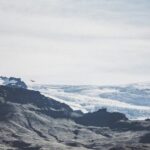
The key target is the Falljökull area. That’s an outlet glacier connected to Vatnajökull, and the closer you get to the ice fall zone, the more you notice the glacier’s textures: cracks that open and close with the season, shadows that hide depths, and the weird geometry of melt streams. Guides build the route so you don’t rush your first minutes on crampons. You start learning how to walk on ice before you’re asked to go higher or farther.
This tour is also practical for people with limited time in Skaftafell. At around 4 hours 30 minutes (and focused on one main stop), it’s short enough for a busy day, but long enough that you get past the quick-look stage. If you want a glacier experience that feels physical, not just scenic, this is the kind of tour you’d plan around.
You can also read our reviews of more tours and experiences in Skaftafell.
Getting ready on site: crampons, ice axe, and how you’re kept safe
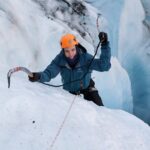
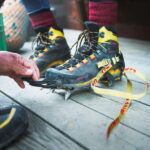
The biggest advantage here is that the glacier hike starts with instruction, not with a leap of faith. You’ll be taught how to put on crampons correctly and how to use an ice axe, and the guide stays with you through the learning phase. That matters because crampons change your balance instantly. One wrong step and you can feel awkward fast—especially on sloped or uneven ice.
A good part of the experience is that the guide doesn’t treat the first gear-up minutes like a checkbox. You’ll have time to get used to walking on crampons before you push toward the more dramatic sections. The goal is confidence. Not speed.
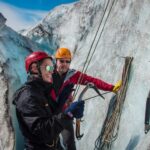
You’ll also be provided with the safety setup: helmets, harness, crampons, and ice axe. That gear choice tells you the tour isn’t trying to be a casual nature walk. It’s designed to handle real glacier terrain and the risk that comes with it—crevasses, slick surfaces, and the way ice can look calm while still being complex underneath.
If you’ve never done a glacier trek, this setup is especially comforting. Several groups have described their first hike feeling manageable because the guide explained what was happening and why, while staying firm about safe technique.
The glacier walk itself: crevasses, moulins, and why the guide’s pacing matters
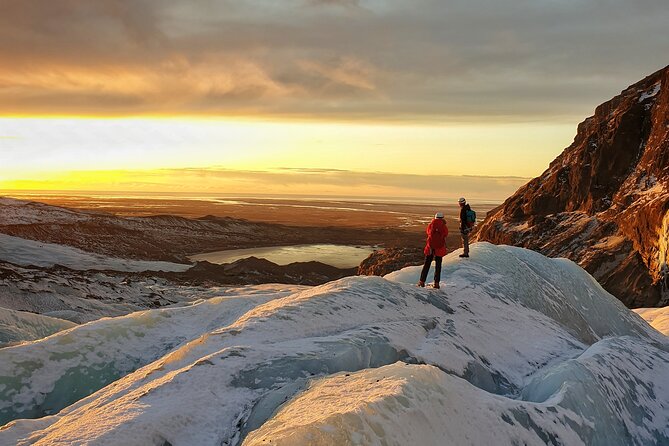
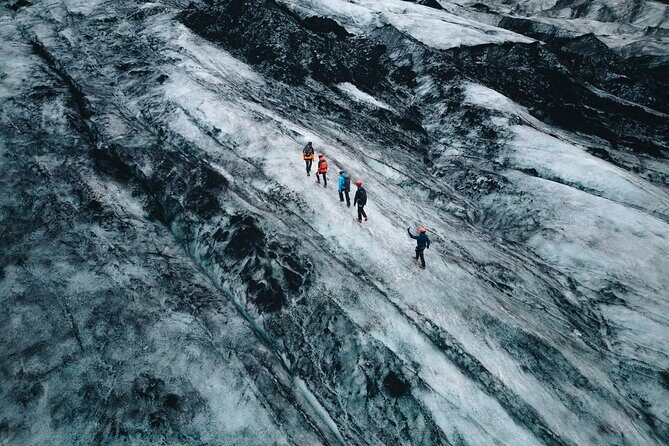
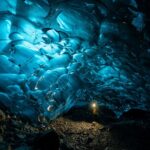
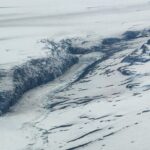
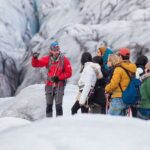
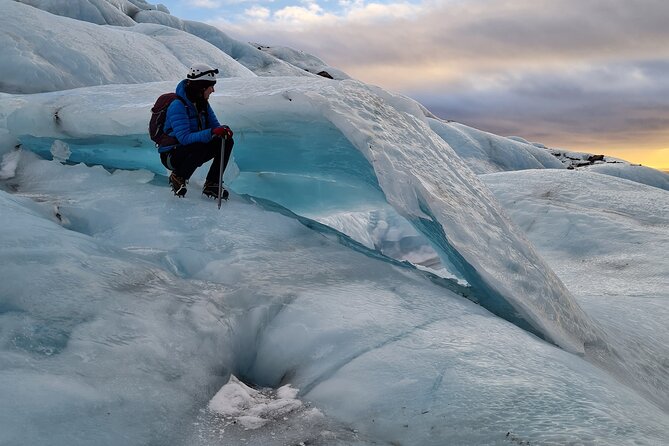
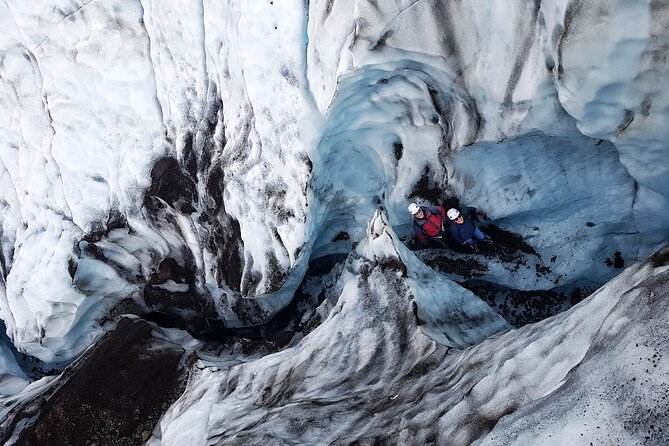
Once you’re on the ice, the tour becomes a guided route through glacial features. You’re taken through a maze-like mix of crevasses, moulins, and water streams. It sounds like a science poster. In real life, it’s more like walking through the evidence of slow motion chaos.
Here’s what you’ll notice:
- Crevasses: long splits and jagged openings that make the glacier feel alive with stress.
- Moulins: places where meltwater can funnel down through the ice, making the surface look solid while something active happens below.
- Water streams: channels that remind you the glacier isn’t frozen forever—it’s constantly moving, cracking, and reworking itself.
The guide’s job is to manage your movement through these zones safely. That includes timing. You won’t be rushed toward the ice fall. Instead, you’ll make multiple stops so you can adjust to the rhythm of crampon walking and absorb what you’re seeing. You also get assistance with photos, which sounds small until you’re standing at the right angle to capture crevasses without stopping the whole group or fumbling with gloves.
It also helps that the trek is structured as one main stop. When you aren’t hopping between lots of brief roadside views, your brain settles into the day. You stop thinking about logistics and start thinking about the ice.
And yes, it can feel intense—some parts of a glacier walk are more effort than you expect. But the pacing plus the instruction makes that effort feel productive, not scary.
Learning glacier formation while you walk (so it actually sticks)
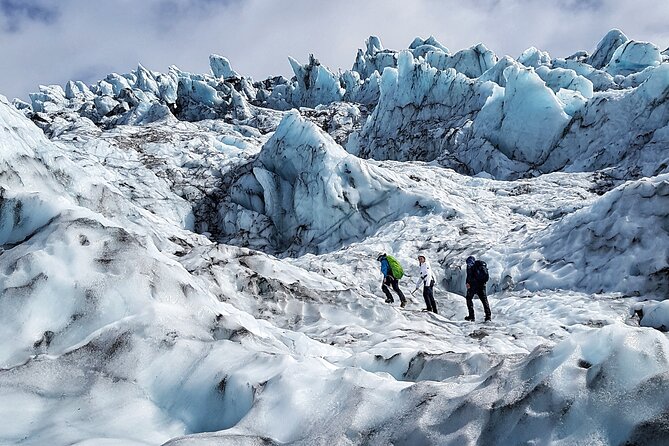
One of the most useful parts of this tour is that the explanations happen while you’re looking at the real thing. You’ll get information about how glaciers form, plus how the area around Skaftafell and Örævi fits into the bigger story. Instead of a dry lecture, it’s built into the pauses along the route.
That approach helps in two ways:
- You connect terms like outlet glacier, ice fall, crevasse, and meltwater pathways to actual shapes and textures you can point at.
- You get historical and regional context without losing time on the ice.
Guides have been praised for mixing facts with a friendly tone. You might be led by someone like Javier, Kate, Jose, Antoine, or Otto—each of whom has been associated with clear explanations and confident safety handling. You’ll likely also pick up small, practical travel notes about Iceland from the guide, since they’re usually local to the region and happy to share what to do next.
If you like your nature experiences to come with meaning, this tour hits the sweet spot: awe plus understanding. And that’s when glacier time really becomes memorable.
The logistics that make the day feel smooth
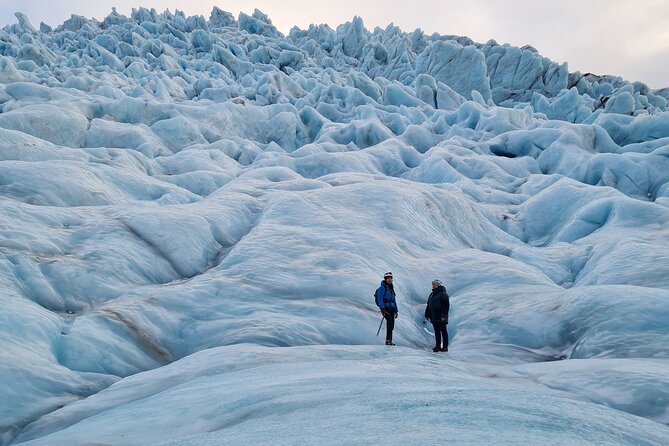
This tour meets at Skaftafell Terminal – Tour Center, Flugvallarvegur 5, 785 Öræfi, Iceland. The start time is 10:00 am, and the tour ends back at the meeting point. It’s built as a half-day block, which helps you plan the rest of your Skaftafell day.
One thing that matters a lot on glacier tours is how much time you spend getting to the ice versus being on the ice. Here, you’re driven up close to the glacier, and that translates into more minutes on crampons and less time in transit mode. Multiple guides and operators in this area know the game: the best tours maximize glacier time because that’s the whole point.
The maximum group size is 8 travelers. That’s not just a comfort detail. Smaller groups mean the guide can slow down for someone who needs a second, speed up for those who are comfortable, and still keep the line moving safely. It also makes the day feel more like a small team exploration than a production with a dozen people trying to fit into the same photos.
If you want a glacier hike that feels like a real experience rather than a rushed stop on a schedule, the timing and small-group setup help a lot.
Gear, clothing, and the stuff you should pack (for real comfort)
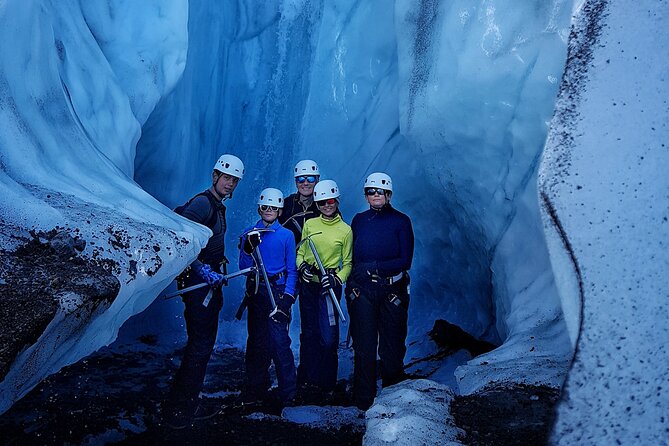
Gear is provided: helmets, harness, crampons, and ice axe. That’s a big value plus, because specialist glacier equipment isn’t cheap to rent separately, and it’s annoying to guess sizes on.
What you must bring (or arrange) is the human stuff:
- Weather-dependent clothing
- Hiking boots (not included)
- A small backpack with extra clothing layers, bottle of water, and small snacks
- Sunglasses (not included)
That clothing line is important. Iceland weather can flip quickly. You want layers you can adjust as you warm up walking on crampons, then cool down when you pause for photos and instruction. Sunglasses are also smart because glare can be harsh on snow and ice.
One more practical note: bring a backpack that’s easy to carry while you’re wearing glacier gear. You’ll likely be managing hands, gloves, and equipment, so keep it simple—water and a little fuel, then stop thinking about it.
Price and value for a 4.5-hour glacier trek from Skaftafell
At $199 per person for roughly 4 hours 30 minutes, this isn’t a budget “see a glacier” activity. But it also isn’t overpriced when you look at what’s included and what you actually get.
Here’s the value math:
- You get a guide for the full time on the ice.
- You get specialist safety gear (helmets, harness, crampons, ice axe).
- You get instruction on crampons and ice axe use, which makes your hike safer and more confident.
- You’re focused on one major glacier stop, aiming close to Falljökull instead of staying at the far edge.
In practical terms, the price is paying for time on the glacier with proper handling of technical terrain. If you compare it to doing a self-guided glacier day, you’d quickly run into equipment costs, safety issues, and the risk of not knowing where to go (or how to move). This tour turns that unknown into a controlled experience with a clear route.
Also, small group size is part of the value. More space and more attention during gear-up, instruction, and stops often matters more than a big “tour bus” discount.
Who should book this (and who should think twice)
This tour is best for you if you:
- Want maximum time on the glacier in a short window
- Are comfortable with a moderate fitness level
- Want a guided experience that includes safety equipment and real technique practice
- Like learning while you’re moving—glacier formation explanations included
You should think twice if you:
- Don’t feel steady walking on uneven surfaces
- Are expecting a casual, family-style stroll on flat snow
- Forget to pack proper boots and layered clothing for Iceland weather (comfort matters a lot on ice)
The “moderate physical fitness” guidance is real. Even with a guide controlling pace, a crampon hike asks your legs and balance to work. It’s not a couch-to-glacier shuffle, but many first-timers do fine when they follow instructions and take it easy during gear practice.
Should you book Melrakki Adventures’ half-day Vatnajökull tour from Skaftafell?
Book it if you want a glacier experience that’s built around getting close and staying on the ice. The combination of guided technique training, specialist equipment provided, and a route aimed toward the Falljökull ice-fall zone makes this a strong match for people who want more than a distant photo.
Skip it (or choose another style) if you’re looking for an easy walk with minimal physical demand. This is technical outdoor time, and the payoff is that you really get to see what a glacier is doing—up close.
If you’re on the Skaftafell side of Iceland and you have at least a half day to spare, this is one of the easiest decisions to justify. It’s focused, small-group, and designed so you leave feeling like you spent your minutes on actual glacier, not just getting there.
FAQ
How long is the half-day Vatnajökull Glacier small group tour from Skaftafell?
The tour runs for about 4 hours 30 minutes.
Where does the tour start?
It starts at Skaftafell Terminal – Tour Center, Flugvallarvegur 5, 785 Öræfi, Iceland.
What time does the tour depart?
The start time is 10:00 am.
What’s included in the price?
The included items are helmets, harness, crampons, ice axe, and a guide. Admission ticket is free.
What should I bring?
You should plan for weather-dependent clothing, hiking boots, and a small backpack with extra clothing layers, a bottle of water, and small snacks. Sunglasses are also recommended because they are not included.
What fitness level do I need?
Moderate physical fitness is recommended.
How many people are in the group?
The maximum group size is 8 travelers.
What happens if the weather is poor?
This experience requires good weather. If it’s canceled due to poor weather, you’ll be offered a different date or a full refund.
If you tell me your travel dates and whether this is your first glacier hike, I can help you judge if this timing and fitness level will fit your plan.