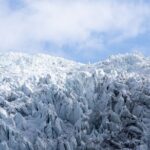
Blue ice, real crampons, and big glacier power. This Vatnajökull ice cave and glacier exploration runs from the Jökulsárlón area and gets you onto the ice at Breiðamerkurjökull, where guides like Evan and Guillermo (or Iga, Holt, Diego, and David) focus hard on safety while still making the day feel fun. What I like most is the chance to see the cave colors shift from gray ash at the surface to startling black and electric blue underneath, plus the fact you’re not doing this blind—helmets and crampons come with the tour.
The main drawback is that it’s cold and the glacier doesn’t care about your comfort. On windy or rainy days, you can’t show up in the wrong gear. If you’re not properly dressed, you may have to rent boots and waterproof layers at the meeting point—or in extreme cases you can be denied for safety. Plan for a more active hike than you might expect, and this one isn’t for kids under 15 or anyone with limited mobility needs, since you’ll be walking on icy ground in traction.
In This Review
- Key things I’d mark on your map
- Vatnajökull ice caves start with a simple idea
- Start at Jökulsárlón and keep your afternoon open
- The super-jeep ride: less waiting, more glacier time
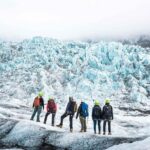
- Breiðamerkurjökull: what the glacier walk actually asks of you
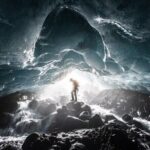
- The ice cave experience: colors, textures, and controlled access
- Gear check: what’s provided vs. what you must bring
- Provided by the tour
- What you should bring
- What you can rent at the meeting point
- Weather rules: why this tour can run on rain and wind
- The guide factor: safety talks you can follow
- Small-group size: why max 8 matters on ice
- Price and value: what you’re paying for at $273
- Who should book, and who should skip this one
- You should book if…
- You should think twice if…
- Booking smart: timing and how fast it fills
- Photo and memory tips that won’t get you yelled at
- Should you book Ice Explorers’ Ice Cave and Glacier Exploration?
- FAQ
- How long is the Ice Cave and Glacier Exploration tour?
- What time does the tour start, and where does it meet?
- What gear is included for the ice cave and glacier walk?
- What should I wear for this glacier tour?
- Is this tour suitable for children?
- What happens if weather is poor on the day?
Key things I’d mark on your map
- Small-group feel (max 8 travelers): you’ll get more attention on the glacier walk and in the ice cave.
- Super-jeep access: about 30 minutes off-road to get you to Breiðamerkurjökull efficiently.
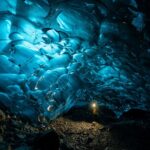
- Ice cave color show: gray ash on top, with pitch-black and bright blue ice layers you can actually see up close.
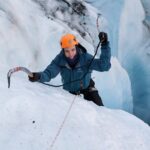
- Safety gear included: crampons, a helmet, and a safety harness are part of the package.
- Built for the morning: it starts at 10:00 am, leaving your afternoon free to explore.
- Cold-weather reality: windy and rainy days still run; bring waterproof boots and layers, or rent them on-site.
Vatnajökull ice caves start with a simple idea
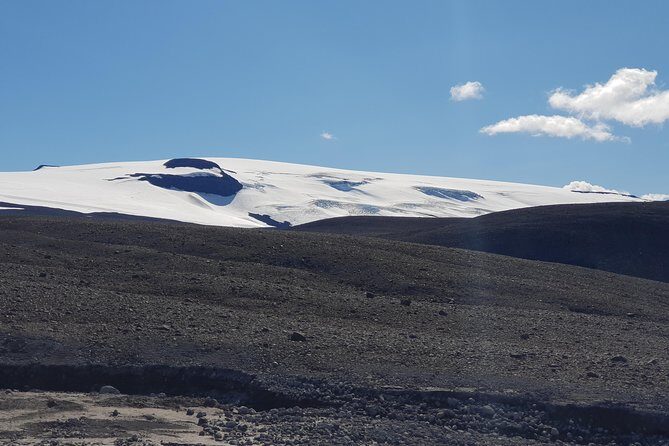
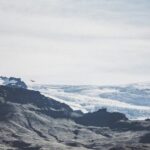
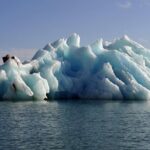
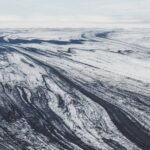
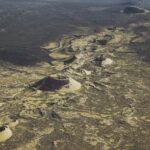
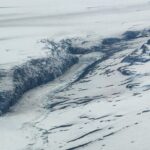
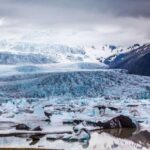
Vatnajökull is Iceland’s huge glacier, and the ice here tells a story. On the surface you can see gray tones from volcanic ash mixing into the snow and ice. Then, once you step into an ice cave, the colors flip. You get darker pockets of ice and bright blue tones where the light hits differently through dense layers. It’s the kind of contrast that makes you look up, then look again, because your eyes keep trying to figure out how something this blue can exist inside a chunk of ice.
The tour’s value isn’t just the visuals. It’s the way you get to experience them safely and with enough structure that you’re not standing around wondering what you’re supposed to do. The day is built around traction and movement: you walk on the glacier, you enter the ice cave, and you do it with the right gear strapped on.
You can also read our reviews of more tours and experiences in Skaftafell.
Start at Jökulsárlón and keep your afternoon open
This tour begins at 10:00 am from the meeting point at Jökulsárlón (the address listed is Jökulsárlón 781). It ends back at the same place, so you’re not left playing logistics roulette at the end of a cold day.
Duration is about 5 to 6 hours. That matters because it gives you time for the rest of your day around the lagoon and the Skaftafell/Vatnajökull area without rushing into a second big activity. If you’re doing the Ring Road, this kind of morning slot is a smart match: you get your glacier moment early, then you still have daylight hours later for flexible exploring.
The super-jeep ride: less waiting, more glacier time
Before you’re on foot, you ride out by super jeep. You’ll spend about 30 minutes off-road getting to Breiðamerkurjökull. That might sound like a small detail, but it changes the feel of the day. You lose less time commuting and you’re on the ice sooner, which helps because the cold adds up quickly.
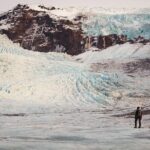
The terrain here also explains why the tour is guided. The glacier is not just pretty. It’s moving, uneven, and slippery. You need someone showing you where to step, when to stop, and how to keep your balance.
Breiðamerkurjökull: what the glacier walk actually asks of you
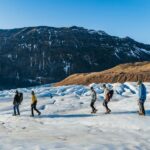
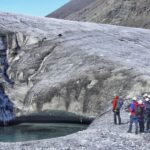
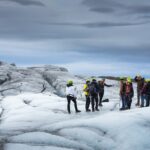
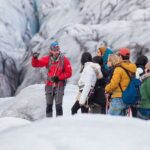
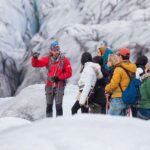
The tour pairs an ice cave visit with a glacier walk. Expect a hike that can feel tougher than you might picture from photos. You’re on icy ground with traction gear, and you’ll be adjusting your footing as the surface changes. The moderate physical fitness requirement is real. If you’re the type who’s comfortable walking hills and uneven trails, you’ll likely be fine. If you’re nursing an injury or you hate slipping sensations, take that seriously.
What’s nice is that the pacing is tied to safety. In the best moments, you get time to look without feeling like you’re being rushed. When the group follows directions, the flow stays smooth, and you can spend your energy on the experience instead of worrying about your footing.
The ice cave experience: colors, textures, and controlled access
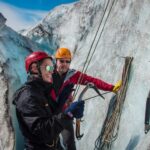
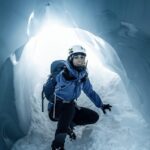
The ice cave is the headline, but it’s also the part where safety and instruction matter most. You’ll get fitted with your helmet and crampons before going out, then you’ll move as the guide directs.
Inside, you’ll be looking at ice that’s shaped and layered over time. You might notice how volcanic ash affects the outer tones. Then, deeper in, the ice can look darker or streaked with bright blue sections as light passes through different thicknesses. This is where the tour earns its money: the cave isn’t a quick photo stop. You’re there long enough to see the ice shift as you move.
Also, the harness is part of the kit. In some conditions, you may actually use it. In others, you might not need it for the walking sections. Either way, it’s there as part of the safety plan when conditions call for extra security.
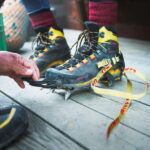
Gear check: what’s provided vs. what you must bring
Here’s the practical breakdown.
Provided by the tour
- Crampons
- Helmet
- Safety harness
Crampons are designed to fit EU shoe sizes 35–48 (about 22.5–31 cm). That matters for kids too: children must have feet within that size range to participate.
Harness fit is adjustable up to a maximum of 126 cm. If you’re booking for anyone smaller or larger, it’s worth thinking about fit ahead of time.
What you should bring
The tour data is very clear: bring warm, waterproof, breathable clothing and hiking boots. Choose boots that:
- cover your ankles
- offer good ankle support
You also want hiking boots that you don’t mind getting cold and damp. On a glacier, wet weather is not a rare event—it’s part of the package.
What you can rent at the meeting point
If you show up underdressed, you can rent rain pants, rain jackets, and hiking boots at the meeting point. The key is that the tour also has a safety rule: if you’re not properly dressed, you may be required to rent gear or, in extreme cases, be denied participation.
So my advice is simple: pack for the glacier, then treat rental gear as backup, not your first plan.
Weather rules: why this tour can run on rain and wind
Glacier days depend on weather, but they don’t stop just because it’s miserable on the ground. This tour operates on windy and rainy days because that’s the reality of Iceland in glacier season. That means layers matter more than optimism.
Wear waterproof outer layers. Keep your body warm without turning your clothing into a sweaty sauna. Bring the kind of socks and boots that stay warm even when damp.
And yes, they mention no refunds if you come unprepared. That’s not just a money rule. It’s a safety rule. Cold bodies make for slower movement, and slow movement can affect group pacing and time in the cave.
The guide factor: safety talks you can follow
The standout repeated theme here is how seriously guides take safety while staying friendly and human. You might end up with guides like Evan or Guillermo, Iga, Holt or Diego, or David. The best part is that the communication is clear enough that everyone can follow directions. When you do, the tour runs smoother and you get more time in the good spots.
On a glacier, people make mistakes fast: standing too close, shifting weight suddenly, forgetting how to walk with traction. A good guide fixes that early with straightforward instructions. That’s where a professional team adds real value beyond just handing out equipment.
Small-group size: why max 8 matters on ice
The tour caps at 8 travelers. That’s not just a comfort perk. On a glacier, small groups help you:
- keep your spacing under control
- get attention when something feels off
- move at a safe pace in the ice cave area
If you prefer tours where you don’t feel like a number, this is the right style. The day doesn’t feel like a conveyor belt. It feels like a guided walk with time for questions.
Price and value: what you’re paying for at $273
At $273 per person, this isn’t a budget activity. But you’re not just paying for access to a pretty spot. You’re paying for:
- trained guidance on glacier terrain
- safety gear (crampons, helmet, harness)
- a super-jeep ride to Breiðamerkurjökull
- a structured ice cave and glacier walk experience
- multilingual support in English
Also, the tour notes the admission ticket is free for the included portion. That helps tighten value because you’re not stacking add-on fees on top.
In Iceland terms, glacier tours can vary wildly. For this one, the best argument for the price is the safety infrastructure and the fact the day is built around movement and instruction, not just watching from the edge.
Who should book, and who should skip this one
You should book if…
- you’re comfortable walking on uneven terrain
- you’re ready for a cold, wet day and you can dress for it
- you want the ice cave experience as more than a quick stop
- you value a small group and clear guide direction
You should think twice if…
- you have trouble walking for several hours
- you can’t handle cold, windy weather well
- you’re booking for anyone under 15
- you can’t meet the crampon size requirement (EU 35–48, about 22.5–31 cm)
The “not recommended for children younger than 15” isn’t just a formality. Glacier walking has real demands, and the provided gear is size-specific.
Booking smart: timing and how fast it fills
This tour is typically booked about 27 days in advance on average. That’s a decent lead time. If you’re traveling in peak season or around popular Ring Road dates, you’ll want to plan early so you don’t end up with glacier days that don’t match your schedule.
The tour uses a mobile ticket, which is convenient once you’re already in Iceland and moving daily.
Photo and memory tips that won’t get you yelled at
Glacier photography can be tricky because everything is cold and your hands don’t want to cooperate. Keep these simple rules in mind:
- Keep your camera/phone in your pocket until the guide gives you a safe moment.
- If you’re adjusting straps or taking gear out while moving, pause and wait.
- Focus on one or two angles instead of sprinting for every shot. The cave and the ice colors look best when you’re steady and paying attention.
The best memories here come from slow looking—watching how the ice changes as you move and how the cave feels when you’re inside it, not just outside with a wide shot.
Should you book Ice Explorers’ Ice Cave and Glacier Exploration?
If you want a genuine Vatnajökull experience with structured safety, this is a strong pick. The combination of an ice cave walk plus glacier walking gives you more than a viewpoint. The included traction and head protection matter, and the guide teams listed here show up repeatedly as a highlight because they explain what to do and keep the group calm on ice.
I’d especially recommend it if you’re visiting in the Skaftafell/Jökulsárlón area and you want one big glacier day that starts in the morning and leaves your afternoon free.
Just don’t treat the weather as optional. Bring the right boots and waterproof layers. If you’re properly dressed and physically able to walk, you’ll get one of Iceland’s most memorable ice experiences—blue tones, dark ice, and the kind of glacier adventure that feels real, not staged.
FAQ
How long is the Ice Cave and Glacier Exploration tour?
It runs about 5 to 6 hours.
What time does the tour start, and where does it meet?
It starts at 10:00 am, and the meeting point is Jökulsárlón (Jökulsárlón 781, Iceland). The tour ends back at the same meeting point.
What gear is included for the ice cave and glacier walk?
You get crampons, a helmet, and a safety harness.
What should I wear for this glacier tour?
Wear warm, comfortable, waterproof, breathable clothing and hiking boots that cover your ankles and support your ankles. Rain pants and rain jackets and hiking boots are available for rental at the meeting point if needed.
Is this tour suitable for children?
The tour is not recommended for children younger than 15. Crampons are designed to fit EU shoe sizes 35–48 (about 22.5–31 cm), and children must fall within that range to participate.
What happens if weather is poor on the day?
The tour requires good weather. If it’s canceled due to poor weather, you’ll be offered a different date or a full refund.