REVIEW · REYKJAVIK
Iceland Volcanic Eruption Area Helicopter Tour from Reykjavík
Book on Viator →Operated by GlacierHeli · Bookable on Viator
Volcano day, from a bird’s-eye seat. This Iceland helicopter tour is built for people who want real geology up close, fast. You fly over the Reykjanes Peninsula volcano area near Reykjavík and then see the city from above, with pilot commentary that helps the sights make sense.
I love two things: the chance for landing on a lava field when conditions allow, and the way the pilot explains Iceland’s eruptions in plain language (I’ve seen names like Laura, Aleksander, Oliver, and Robert tied to great flights). The cabin is small too, so you’re not stuck watching from the back like it’s a museum.
One thing to consider: Iceland weather can shut the whole day down, and timing matters. Even when you do fly, the volcano may not look like the most dramatic photos if activity has paused.
In This Review
- Key highlights I’d plan around
- Reykjanes and Reykjavík in one compact flight
- The Reykjanes Peninsula stop: what you’re really looking for
- Reykjavík from above: aerial views you can’t fake
- Why the pilot talk makes the flight worth it
- The “landing on lava” question (and how to think about it)
- Group size: small cabin, fewer “wait your turn” moments
- Timing, weather, and why you should schedule this early
- Price and value: $592.82 is steep, so decide what you’re buying
- Getting there: the meeting point is the whole game
- Safety, limits, and who this is best for
- Should you book this helicopter tour?
- FAQ
- How long is the Iceland Volcanic Eruption Area Helicopter Tour?
- Where does the tour start and end?
- What’s included in the price?
- Is food or drinks included?
- What’s the group size and seat situation?
- Is there a weight limit and what’s the weather requirement?
Key highlights I’d plan around
- 5–6 seat helicopter: everyone gets a good view without feeling packed in
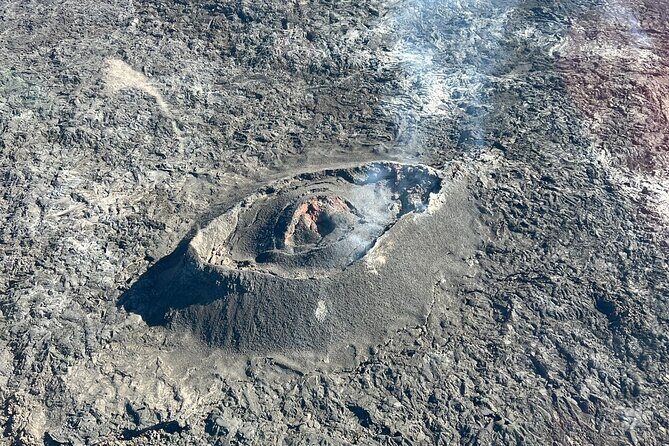
- Reykjanes volcanic zone near Reykjavík: geologically active area just 30 km from town
- Pilot geology insights: explanations of what you’re seeing and why it changes
- Aerial Reykjavík + bay views: city rooftops against Faxaflói Bay from above
- Possible lava-field landing: some flights can include short time on solidified lava
- Weather-driven flexibility: multiple departure times, with rescheduling or refunds if needed
Reykjanes and Reykjavík in one compact flight
This tour is short on purpose: plan for about 35–45 minutes in the air. That’s a big deal in Iceland, where weather can change hour to hour, and where you don’t always want to burn half a day waiting.
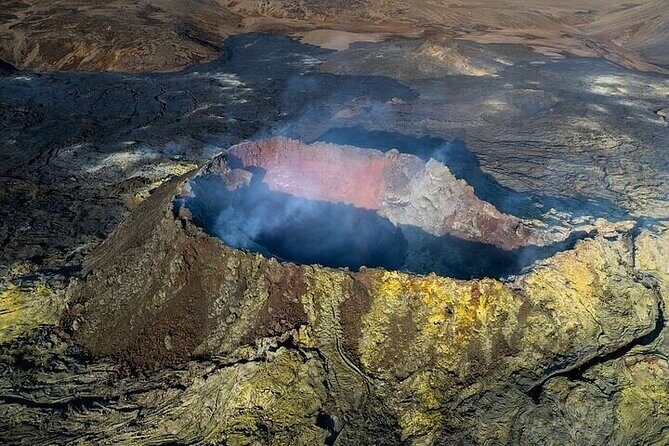
The core value is flying over two different types of Iceland scenery in one go. First, you get the volcanic engine room on the Reykjanes Peninsula, where fresh lava and ongoing tectonic movement shape what you’ll see below. Then you switch to Reykjavík itself, with the color of the city and the cold blue edge of Faxaflói Bay visible from above.
You can also read our reviews of more tours and experiences in Reykjavik
The Reykjanes Peninsula stop: what you’re really looking for
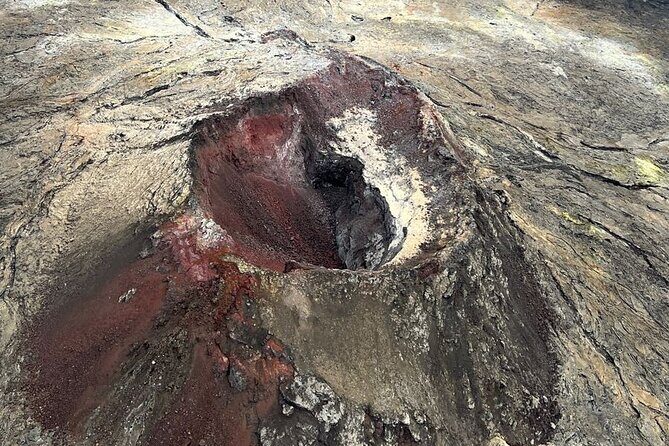
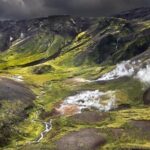
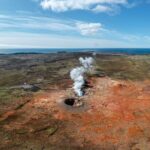
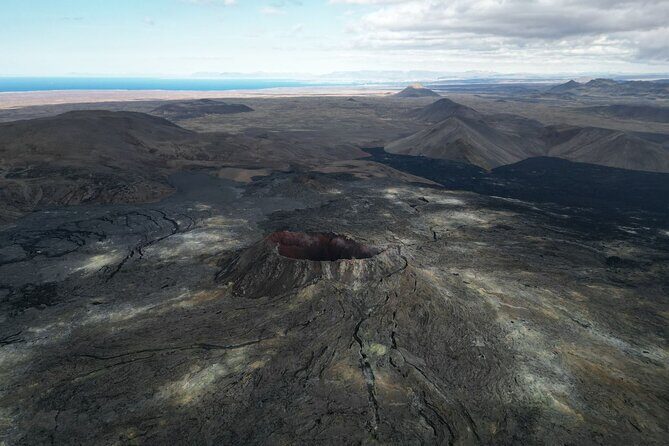
The volcanic part of the experience centers on Reykjanes Peninsula, one of Iceland’s most geologically active regions. It’s close to Reykjavík—about 30 km (19 miles)—so you spend your time in the air looking downward instead of traveling for ages.
The area has seen multiple eruptions since 2021, and the big reason this tour is popular for photo lovers is that volcanic terrain changes fast. You’re not just looking at old rock; you can see how lava flows leave patterns and how the land reflects recent activity. One detail that helps you understand the scale: the region has recorded over 50,000 earthquakes in recent years, which is a reminder that the ground is busy even when you’re not seeing dramatic lava in that moment.
What you might notice from the air:
- Newer lava fields with rougher, sharper texture compared to older surfaces
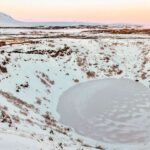
- Crater areas and fissure lines—the “cracks” where eruptions can travel
- Geothermal impact in the way the terrain is broken up, not just in color
A possible drawback here is the one you already suspect: eruptions aren’t scheduled on your vacation clock. Some flights may be timed when activity has paused, so you might see craters, lava fields, and geological evidence rather than active lava shooting at that exact moment.
Reykjavík from above: aerial views you can’t fake
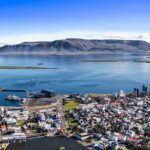
After the volcanic segment, you’ll shift to Reykjavík views from the helicopter. From above, the city becomes a patchwork of roofs and streets meeting the open water of Faxaflói Bay. It’s a rare angle that makes Reykjavík feel both familiar and alien—like you’re looking at a map that’s been slightly tilted by the Arctic wind.
This part of the flight matters because it gives you context. When you later look at Iceland photos on the ground, you’ll understand how close the city really sits to volcanic country. In other words, it’s not just “a volcano tour.” You also get a fast geography lesson in where Reykjavík sits on the edge of big natural forces.
Why the pilot talk makes the flight worth it
Helicopter rides can be breathtaking. But what turns this into something more is the pilot’s insights into Icelandic geology. In the best flights, you’re not just staring at rock—you’re learning what you’re seeing and how to read it.
In past experiences, pilots named Laura, Aleksander, Oliver, and Robert have been praised for staying in touch during weather shifts and for pointing out eruption features and time frames. Even when your volcano visuals don’t match the most dramatic pictures online, the explanations help you appreciate what you did see: fissures, craters, and the way older flows sit within newer terrain.
Practical photo tip: when the pilot offers a route that loops back around a feature, take it. Those extra passes can mean the difference between a blurry “cool blob” shot and a clear shape you can recognize later.
The “landing on lava” question (and how to think about it)
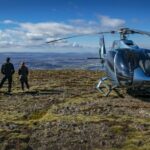
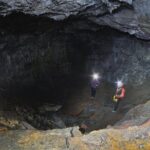
One of the most highly praised moments in this experience is the chance to land on a lava field and walk on solidified lava. This has shown up in multiple accounts, and it’s exactly the kind of thing that makes a helicopter tour feel less like a drive-by.
But here’s the balanced way to plan: landing capability isn’t guaranteed. Your ability to land depends on conditions and what the pilot considers safe. When it works, though, the reward is huge—up close you can see how rough and broken volcanic rock feels under your feet, and you get a perspective the air alone can’t deliver.
One extra detail that’s been mentioned during strong-weather days: solidified lava can still vent sulfuric gas. That means you should expect a real-world volcanic environment, not a paved theme park version of it.

Group size: small cabin, fewer “wait your turn” moments
The tour caps the group at a maximum of 5 people. That keeps things personal, and it also matters for views and photos—fewer passengers means fewer tradeoffs over where the best angles are from.
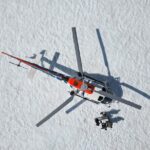
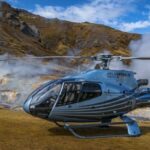
The helicopter itself is described as having about 5–6 seats, which is part of why people feel they can see what’s happening without constantly leaning around strangers. For photography, this can be a relief: you can frame with less obstruction and spend less time negotiating arm position.
Timing, weather, and why you should schedule this early
This is a good-weather-dependent experience. Even if you’ve booked it, conditions can force cancellation or rescheduling. The upside is that operators typically try to offer another departure time when weather doesn’t cooperate. In some cases, cancellations lead to a full refund.
How I’d handle it on your trip:
- Try to book this near the beginning of your Reykjavík days if you can
- Leave at least one flexible block of time (because weather in Iceland isn’t polite)
- Keep expectations grounded: you’re touring volcanic terrain, not controlling it
Also, this tour is booked on average 36 days in advance, which is a hint that popular departure times can go quickly. If you know you want the flight, don’t wait for the last week just to feel brave.
Price and value: $592.82 is steep, so decide what you’re buying
At $592.82 per person, this isn’t a casual add-on. So I look at the price in terms of what you get that you can’t get any other way.
You’re paying for:
- A helicopter flight time window (35–45 minutes) that includes both volcanic terrain and Reykjavík city views
- Small scale (max 5 passengers) for better viewing odds
- Pilot interpretation that turns the scenery into something you can actually understand
- The possibility of a special bonus: landing on a lava field (when conditions allow)
- Fuel surcharge included
If your priority is “see Iceland from above,” you could spend money elsewhere. But if your priority is the rare mix of aerial geography plus the potential to stand on volcanic rock, this price starts to make sense. Think of it as paying for access—both to views and to the type of on-the-ground moment that’s hard to recreate.
Getting there: the meeting point is the whole game
The meeting point is Glacier HeliACE FBO Reykjavik, Nauthólsvegur 101, 105 Reykjavík, Iceland. The tour also ends back at this same place.
The listing notes it’s near public transportation, which is useful if you’re not driving. Also, there’s no hotel pickup or drop-off, so plan your own route to the airport-area hangar-style meeting.
What to bring (simple, practical):
- Warm layers. Even on a clear day, helicopter air can feel colder than you expect.
- A way to keep your phone/camera secure. You’ll be leaning, adjusting, and shooting fast.
- Patience for schedule changes if the pilot needs to manage winds or visibility.
Safety, limits, and who this is best for
The tour includes a total weight per passenger limit of 243 lbs. There’s also a note that most people can participate, but the key real-world factor is that helicopter flying depends on operational and safety requirements.
Who I think this tour suits best:
- You’re a photography fan who wants clear overhead angles and a small-group setup
- You’re into Iceland geology and want the story explained, not just pointed at
- You want an experience that’s short enough to fit into a Reykjavík-focused itinerary
- Your group can handle weather pivots without melting down
Who might want to reconsider:
- You’re hoping for guaranteed active lava at the exact moment you fly
- You’re uncomfortable with the idea of rescheduling due to good-weather requirements
Should you book this helicopter tour?
If you want a high-impact Iceland experience that combines the Reykjanes volcanic zone with Reykjavík from the air, this is one of the stronger ways to do it in a short window. The value hinges on weather, but even when activity looks quieter than expected, you can still walk away understanding the volcanic landscape and seeing the city’s position relative to it.
Book it if you:
- Can schedule it early and stay flexible
- Care about small group dynamics and pilot-led storytelling
- Would be thrilled by the chance of landing on lava, not just viewing it
Skip it or think twice if:
- Your day is locked tight with no room for weather changes
- You need the tour to match a specific “active lava” photo
FAQ
How long is the Iceland Volcanic Eruption Area Helicopter Tour?
The flight time is about 35 to 45 minutes.
Where does the tour start and end?
It starts at Glacier HeliACE FBO Reykjavik, Nauthólsvegur 101, 105 Reykjavík, Iceland, and it ends back at the same meeting point.
What’s included in the price?
Included are the helicopter tour of the new volcanic area in Iceland and the fuel surcharge.
Is food or drinks included?
No. Food and drinks are not included.
What’s the group size and seat situation?
The maximum group size is 5 people, and the helicopter is described as having 5–6 seats.
Is there a weight limit and what’s the weather requirement?
There is a total weight per passenger limit of 243 lbs. The experience requires good weather, and if it’s canceled due to poor weather you’ll be offered a different date or a full refund.