REVIEW · REYKJAVIK
From Reykjavik: New Volcanic Area Helicopter Tour
Book on GetYourGuide →Operated by GlacierHeli · Bookable on GetYourGuide
A new volcano view from above is hard to beat. This short helicopter tour targets Iceland’s Reykjanes Peninsula, where fresh lava fields and active-looking terrain can sit surprisingly close to the capital. I especially like the small-group setup and the way the route is built around multiple eruption areas, not just one quick pass. My other big plus: you get air-level angles on features like lava streams and crater areas, plus famous backdrop views like Mount Esja and Faxafloi Bay.
One consideration: this is a weather-dependent flight, and eruptions aren’t guaranteed to be visibly active on the day you go. Still, even when you miss the most dramatic glowing moment, you can usually make sense of the volcanic terrain from above.
You’ll take off from Ace FBO in the Reykjavik area, fly a tight loop over several named volcanic zones, and then come back for a finish that feels very “Iceland, but make it immediate.” And the pilots tend to be practical about viewing angles, so most seats get a fair look.
In This Review
- Key things to know before you book
- The big idea: why this helicopter tour feels different
- Ace FBO Reykjavík: where the experience really starts
- Fly-over 1: Litli Hrutur Volcano and the value of an early viewpoint
- Geldingadalir Volcano: where “volcanic terrain” becomes understandable
- Fagradalsfjall Volcano: photo time, crater angles, and the “new lava” feeling
- Grindavík and the Reykjavik-area viewpoint: iconic Iceland from above
- About that word active: what you can and can’t guarantee
- Flying time and seat strategy in a 5- or 6-seater
- Safety and the professionalism factor (what you should look for)
- Value check: is $577 for 40 minutes actually worth it?
- Who this tour fits best
- Should you book the From Reykjavik: New Volcanic Area Helicopter Tour?
- FAQ
- How long is the helicopter tour from Reykjavik?
- Where is the meeting point?
- What does the price include?
- Is there a guide during the flight?
- Is it guaranteed that I’ll see active lava or a crater?
- What should I know about weather?
- How many people are in the group, and are there weight considerations?
Key things to know before you book
- 40 minutes in the air but packed with multiple volcanic lookouts from above, not just one viewpoint
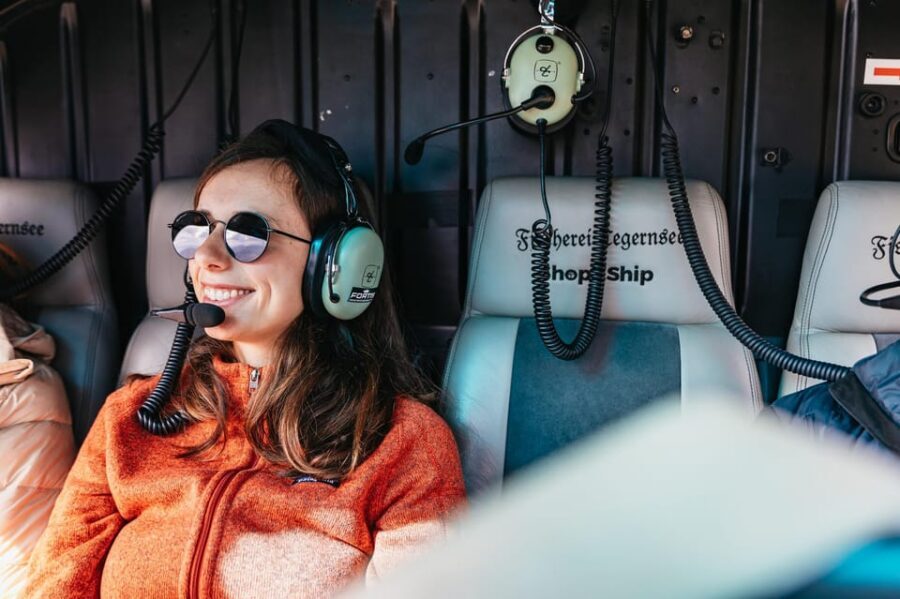
- Small group (up to 6) on a compact 5- or 6-seater helicopter—less crowding in tight space
- Reykjanes Peninsula focus: lava fields, crater areas, and the feel of a newly formed volcanic region
- Great “from the sky” context: Mount Esja and Faxafloi Bay show up as real landmarks, not just scenery
- Acknowledge the main risk: you’re flying over a living system, so visibility and activity vary day to day
- Photo-friendly flying: pilots often adjust flight paths to help everyone see and shoot
The big idea: why this helicopter tour feels different
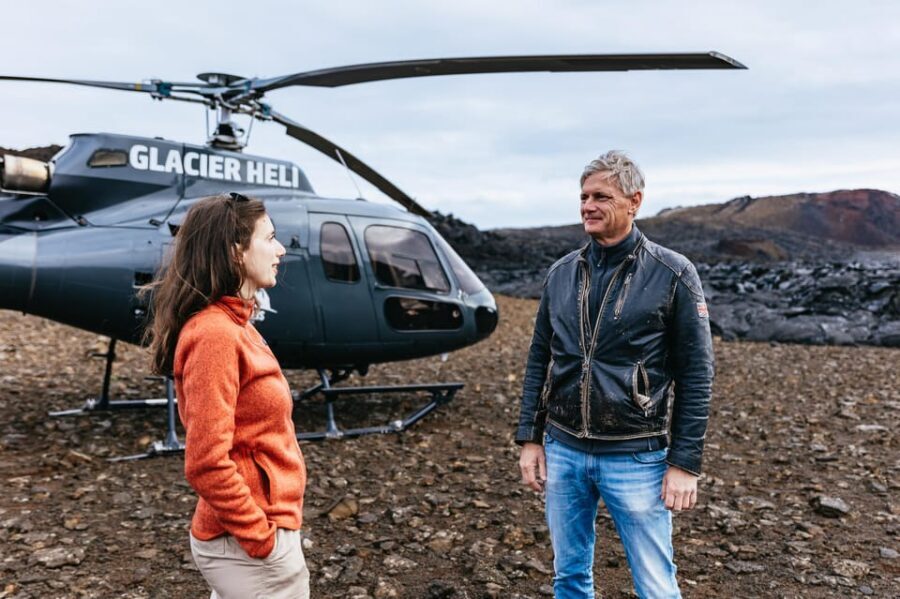
Most Iceland sightseeing is about getting to a place on the ground. This one is about understanding the place from above—where lava flows look like puzzle pieces and craters make sense as shapes, not rumors.
What makes this tour stand out in a practical way is the mix of geography and volcanic “storytelling.” You’re flying over the Reykjanes Peninsula’s relatively new volcanic activity area, an area that has seen a lot of eruptions in recent years. That matters because the terrain isn’t old and eroded into sameness; you can read the changes and the flow paths more easily.
Also, the time window is short. Forty minutes sounds brief—until you realize you’re paying for access to airspace and a direct route to fresh volcanic zones close to Reykjavik. In a country where land access to some active zones can be limited, this gives you an efficient, high-impact view.
You can also read our reviews of more tours and experiences in Reykjavik
Ace FBO Reykjavík: where the experience really starts
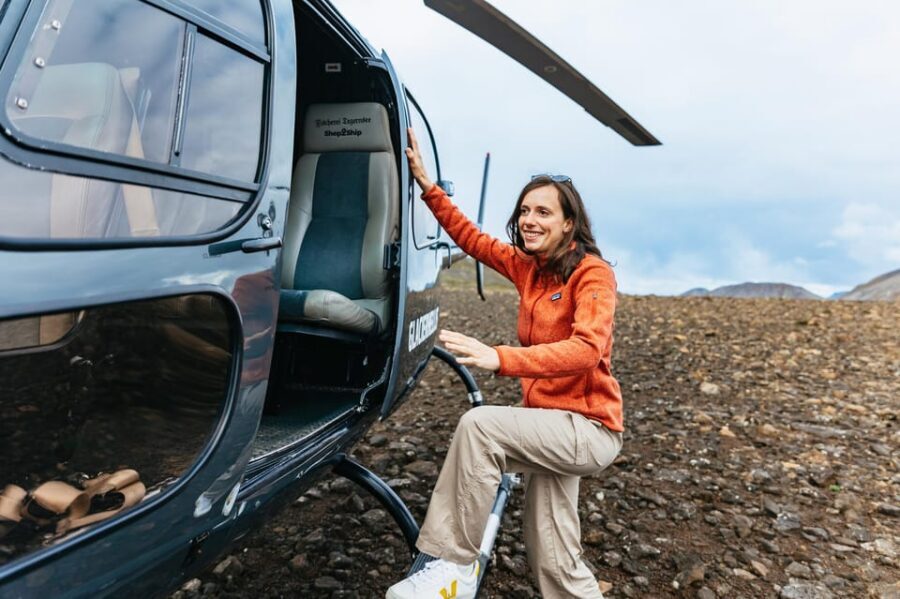
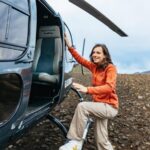
Your departure point is Ace FBO Reykjavík, located just behind Reykjavik Hotel Natura, with operations at the ACE FBO building. This matters because it’s one of those Iceland details that saves time and stress—less wandering around the capital’s streets and more time for the weather check.
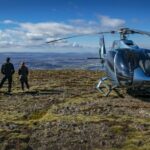
Before lift-off, you’ll get organized for a compact flight. The helicopter seats are limited (it’s a 5- or 6-seater), and the group is capped at 6 participants, so you’re not trading your view for a crush of people. You’ll also have a pilot in the cockpit doing the real work, plus English narration provided during the flight.
From a comfort standpoint, pay attention to the “small aircraft” reality: you’ll want to listen closely to the briefing and be ready when the pilot changes angle. Small groups often feel calmer, because there’s less jostling for position when the good sightlines open up.
Fly-over 1: Litli Hrutur Volcano and the value of an early viewpoint
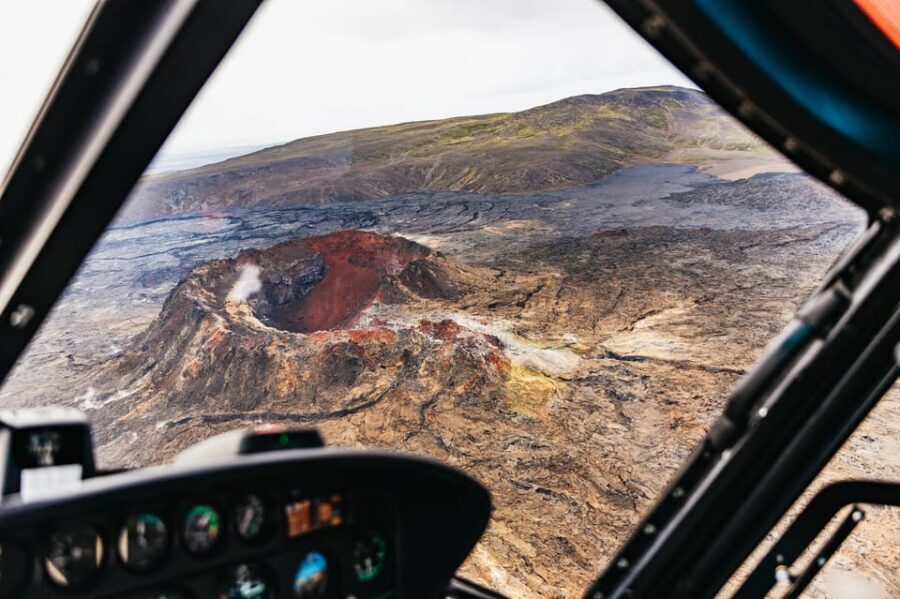
After you set off from Ace FBO, you’re moving quickly into the volcanic area. One of the first fly-over segments is Litli Hrutur Volcano, with a short sightseeing stretch built into the flight plan.
Here’s why an early stop helps you as a visitor: it gives you a reference point. Once you’ve got one eruption feature in view, the rest of the route becomes easier to “read” from the air. Crater rims, broken lava surfaces, and flow channels start to look like a map rather than isolated landmarks.
There’s also a psychological benefit. Your first minutes in the helicopter often decide whether the whole experience feels thrilling or intimidating. With a route that begins promptly and keeps moving, you get to the main visuals before you’ve had time to overthink the sound of the rotors.
Geldingadalir Volcano: where “volcanic terrain” becomes understandable
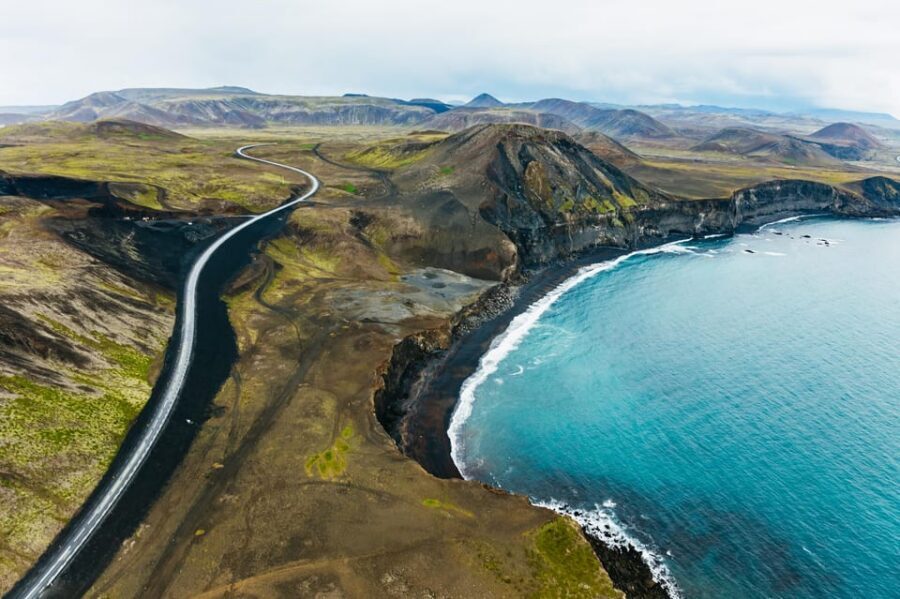
Next comes Geldingadalir Volcano. Again, it’s a short sightseeing segment, but it’s long enough to notice how different parts of a volcanic zone can look.
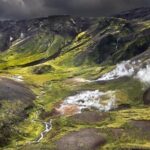
On the ground, lava fields can be messy to interpret. From the air, the shapes do you a favor. You can see how terrain breaks into bands and ridges, and you start noticing patterns in how the ground changes direction. That’s the kind of context that helps the tour feel like more than a ride with scenery.
Also, this is where the tour’s small-group format starts paying off. When there are fewer people in the aircraft, pilots can often manage the flight path so everyone gets a meaningful look. In real life, that’s the difference between a few passengers photographing and the rest mostly watching the back of other cameras.
Fagradalsfjall Volcano: photo time, crater angles, and the “new lava” feeling
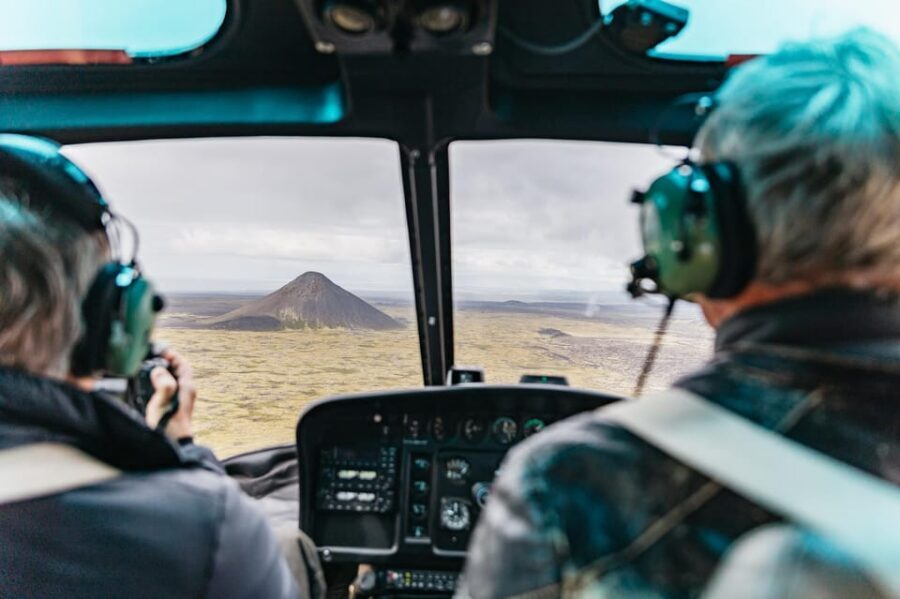
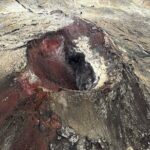
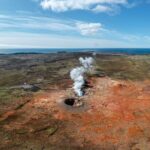
The biggest visual segment on the route is Fagradalsfjall Volcano, with a longer sightseeing portion. This is where you’re most likely to spot crater areas, lava fields, and—depending on conditions—activity that looks like simmering or recently active ground.
Even if you’re not seeing dramatic, movie-style lava, you’re still likely to see something valuable: texture and color differences that hint at fresh heat, altered rock surfaces, and flow paths. In Iceland, that contrast is one of the easiest ways to tell “newer ground” from older terrain.
If you like photos, this is the part of the flight where you should be ready to work fast. Helicopter windows and vibrations can make fine shots tricky, so the best strategy is to shoot in bursts and keep your camera position stable. Also, don’t just aim at the biggest feature; try a few shots that include the coastline or bay in the frame so you get scale. A volcano without context can feel like a dot. A volcano with the surrounding land and water becomes a story.

Grindavík and the Reykjavik-area viewpoint: iconic Iceland from above
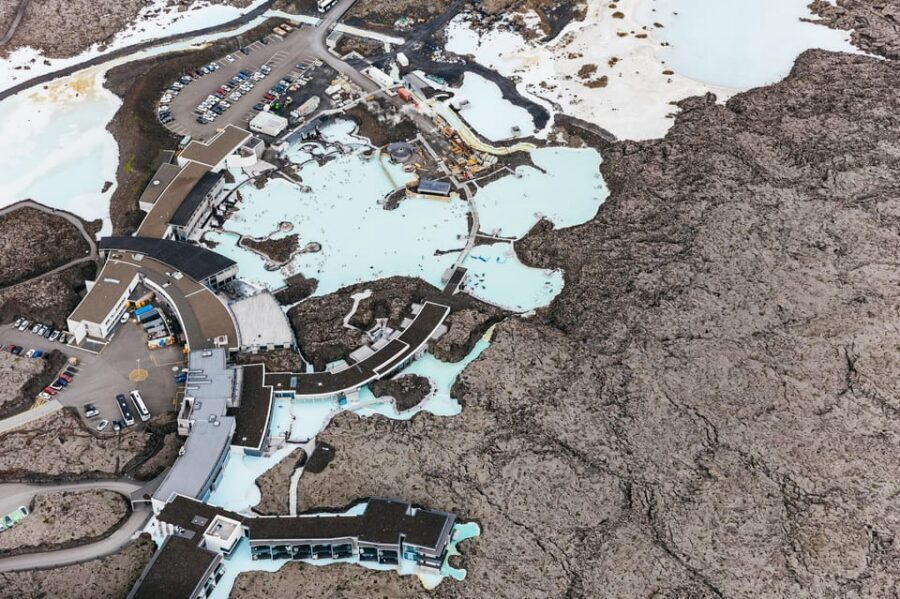
One of the stops you’ll circle is Grindavík, then you return toward Reykjavik. This part of the tour matters because the volcanic zone isn’t an isolated science exhibit. You’re seeing how eruption territory relates to real towns, ocean, and the capital’s broader setting.
From the air, you can also catch standout landmarks like Mount Esja and Faxafloi Bay. Those aren’t just pretty backdrops. They anchor the whole experience in something you can recognize on a map later. You’ll leave with a mental image of where everything sits relative to Reykjavik.
And there’s another practical angle: flying this section helps you understand “distance.” Iceland can make everything feel far apart. From above, scale becomes more obvious, and you start realizing how close some eruption zones are to the places you can actually reach on a normal itinerary.
About that word active: what you can and can’t guarantee
Here’s the honest part: eruptions are natural occurrences and they may or may not be active during your flight. The tour is designed to show you the new volcanic area, and you might see lava streams or a simmering crater area from above—but there’s no guarantee you’ll get the exact glowing moment you’ve imagined.
Weather is the other major variable. Flights are weather-dependent, and they have to follow the rules of the Department of Civil Protection and Emergency Management for safety. So if visibility is poor, the operation won’t take chances.
What I like about this framing is that it sets expectations correctly. You’re not buying a promise of lava fireworks. You’re buying access to a unique aerial perspective of an active or recently active volcanic region—something you generally can’t replicate with normal driving and walking.
Flying time and seat strategy in a 5- or 6-seater
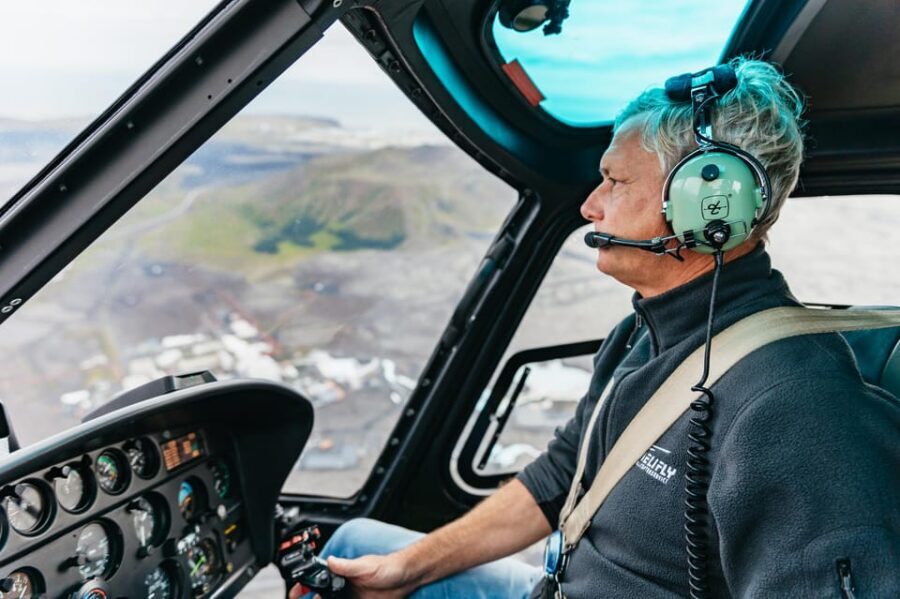
The helicopter ride is listed as 30–40 minutes, and the full experience is 40 minutes. In practice, you’re looking at short segments between fly-overs, not a long, lazy hour where everything blends together.
With only up to 6 people aboard, you should expect a more personal experience than you’d get on a bigger sightseeing aircraft. The trade-off is that your seat matters more. If you’re serious about photos, choose a seat that gives you a clear line toward the volcanic features on the pilot’s planned route.
Also, listen when the pilot checks in with passengers and when they explain what you’re looking at. Many pilots adjust their flight paths so both sides of the helicopter have a good chance at key views. That’s the kind of practical flying that turns a “passive ride” into something you actively enjoy.
Safety and the professionalism factor (what you should look for)
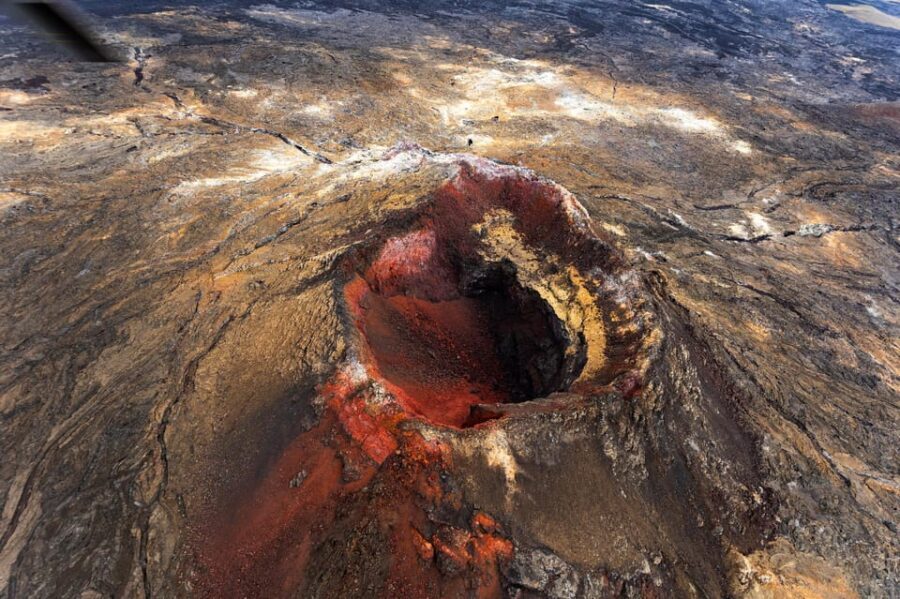
This tour includes a modern and safe helicopter operation with experienced staff and a pilot who provides guidance during the flight. You’ll also get an English tour experience, including a live guide and an English audio component.
Safety in a helicopter isn’t just a matter of takeoff and landing. It’s also how the pilot manages airspace and weather conditions, and how smoothly they handle changes in direction to provide viewpoints. The best sign is confidence paired with calm explanations—especially if you’re someone who feels nervous about flying.
Value check: is $577 for 40 minutes actually worth it?
At $577 per person for a short helicopter ride, this is not a budget activity. The value comes from access and perspective.
On the ground, you may be limited by distance, safety zones, and changing access rules around active volcanic terrain. From the air, you sidestep a lot of that constraint and get a clear, wide view of the Reykjanes Peninsula’s fresh volcanic layout.
Now, the drawback: you’re paying a premium for a limited duration. If you’re hoping for a long, immersive tour on foot with multiple stops and extended time at each place, this won’t be that.
So I’d frame it like this: buy it if volcanic terrain and aerial context are your priority. Skip it if you mostly want a scenic ride and you’d rather spend the money on a full-day drive with longer ground time.
Who this tour fits best
This tour is a strong match if you:
- want the closest possible viewpoint you can get to new volcanic terrain near Reykjavik
- care about photos with context (craters, lava fields, ocean, and mountains in one frame)
- like small-group experiences with active pilots who manage sightlines
- are comfortable with short, high-impact activities
It may not be ideal if you:
- need a guarantee of visible lava on the day you fly
- dislike weather-related uncertainty (though you can plan around it)
- prefer long tours with lots of time on the ground
One more practical note: if you’re over 120 kgs, you may need to book an additional seat. That’s worth checking early so you don’t get stuck at the last minute.
Should you book the From Reykjavik: New Volcanic Area Helicopter Tour?
If you’re on the fence, here’s my straight answer: book it if you want the best chance to understand Iceland’s newest volcanic landscape from above and you’re okay with weather being part of the deal.
I’d especially recommend booking earlier in your trip if you can, because rescheduling is often the only way to beat bad visibility. If seeing multiple volcanic zones—like Litli Hrutur, Geldingadalir, and Fagradalsfjall—on a single flight is your goal, this route is efficient and photo-friendly.
On the other hand, if your dream is a long hike or you’re expecting a guaranteed crater glow, you’ll likely feel disappointed. This is a helicopter tour of a living volcanic system, not a guaranteed lava show.
My bottom line: it’s expensive, but it’s one of those rare Iceland experiences where the aerial viewpoint is the whole point.
FAQ
How long is the helicopter tour from Reykjavik?
The tour duration is about 40 minutes, with the helicopter flight time listed as 30–40 minutes depending on conditions and schedule.
Where is the meeting point?
You’ll meet at Ace FBO Reykjavík, located just behind Reykjavik Hotel Natura, and the activity provider operates from the ACE FBO building.
What does the price include?
The price includes the helicopter tour and the pilot.
Is there a guide during the flight?
Yes. The tour includes a live tour guide in English, and there is also an English audio guide included.
Is it guaranteed that I’ll see active lava or a crater?
No. Eruptions are natural and may or may not be active during your visit, so there is no guarantee of visible lava during the flight.
What should I know about weather?
Flights are weather-dependent and must follow safety rules set by the Department of Civil Protection and Emergency Management.
How many people are in the group, and are there weight considerations?
The group is limited to 6 participants. A minimum of 4 passengers is required to operate the flight, and if you’re over 120 kgs you’ll have to book an additional seat.