REVIEW · ICELAND
North Iceland: Horseback Riding Tour
Book on GetYourGuide →Operated by Lava Horses · Bookable on GetYourGuide
North Iceland moves fast, and so does this ride. You’ll be on a tölt-capable Icelandic horse, then spending your two hours crossing black sand and volcanic rock—a mix that feels like a greatest-hits tour of northeast Iceland. I also like that the setup is beginner-friendly, but one catch is logistics: there’s no hotel pickup, so you’ll need your own transport to the farm.
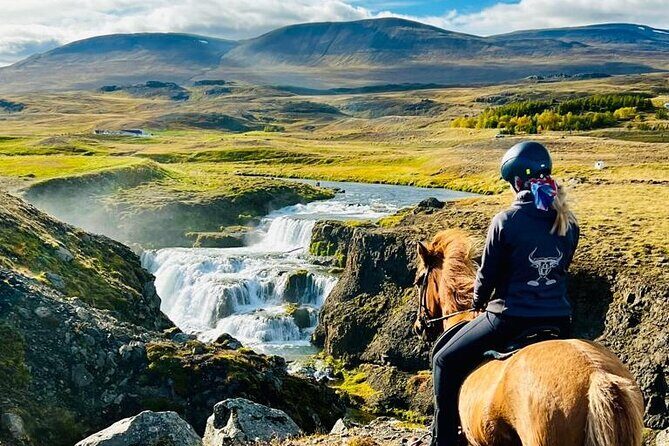
The route is simple and physical in the best way. You start at the farm, head down toward a river, pass grazing fields (cows in summer, sheep in autumn), and then follow the water before crossing a small lake. The guide keeps things flowing in English, and you’re in a small group capped at 7—so you actually get help when you need it. Guides like Audrey and Anna come up in the experiences I read, and the common theme is patience with riders who are new.
This is a real horseback ride, not a slow carriage. Expect about two hours in the saddle, with time for you to practice the Icelandic horse’s special gait (the tölt). It’s suitable for both beginners and advanced riders if you have a basic physical shape, but it’s not for everyone—pregnancy, back problems, and animal allergies are all deal-breakers for this activity.
In This Review
- Key highlights worth planning around
- Two hours through northeast Iceland, one saddle at a time
- The Icelandic horse and the tölt: what you’ll actually do
- Birch forest, black sand, and volcanic rocks: the route meaning
- From the farm to the river to a small lake crossing
- Who this ride suits best (and who should skip it)
- Gear and clothing: what to wear so you enjoy it
- Price and value: what $141 buys you here
- Guides and small-group energy: why it feels personal
- Timing and practical logistics: what to plan around
- Should you book this North Iceland horseback tour?
- FAQ
- How long is the horseback riding tour?
- Is the tour guide English-speaking?
- What is the group size?
- What’s included in the price?
- What should I bring?
- Is hotel pickup and drop-off included?
- Is this tour suitable for beginners?
Key highlights worth planning around
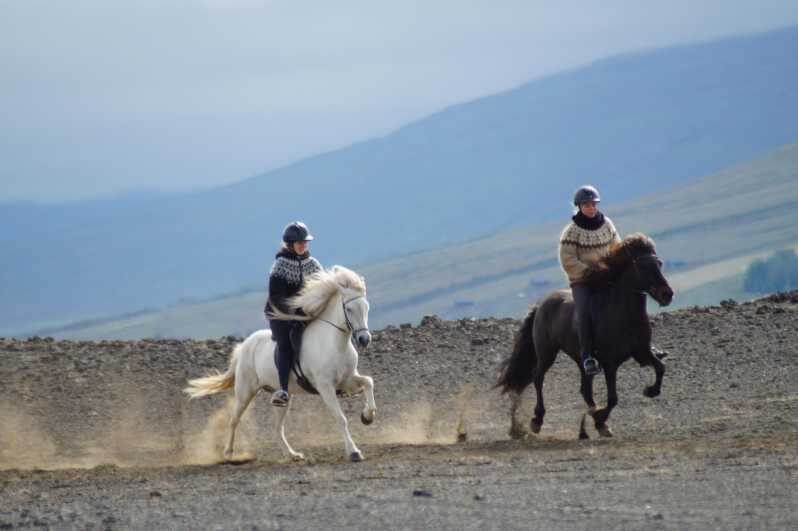
- Try the tölt on Iceland’s iconic horse, with an experienced guide
- Multi-terrain route: birch forest, black sand plain, and volcanic rocks
- Water crossings: you’ll cross a small lake and ride alongside a river
- Seasonal animals: cows in summer, sheep in autumn along the route
- Small group size with a limit of 7 participants
- Beginner-to-advanced pacing, as long as you’re in basic physical shape
Two hours through northeast Iceland, one saddle at a time
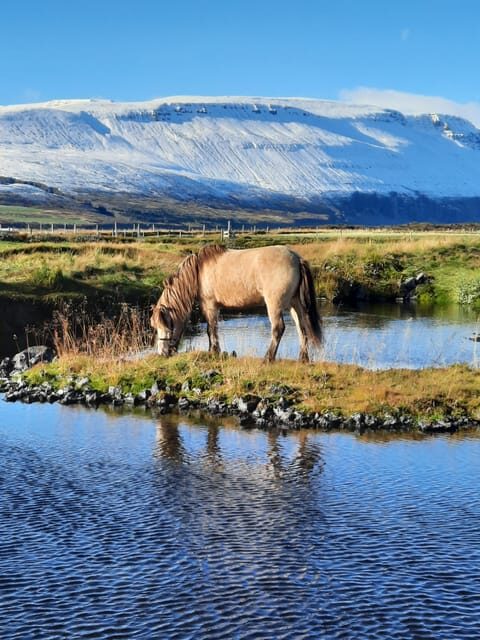
If you want a riding experience that doesn’t feel like one-note pasture time, this is a good bet. In just two hours, you get a real shift in scenery: fields near the farm, a river corridor, a black sand plain, and a return through a birch forest. It’s the kind of route that makes Iceland feel close-up instead of distant.
The pace is built around having fun and staying safe. You’re not spending hours waiting for long transfers between different stops. Instead, you spend the time where it matters: in motion on horseback, with the guide steering you through the changing ground.
And yes, the horses are the point. This tour is designed around Icelandic horses that are friendly and used to riders with different levels of experience. You’ll wear a helmet and use provided riding equipment, which helps you keep your focus on riding instead of chasing gear at the last minute.
You can also read our reviews of more tours and experiences in Iceland.
The Icelandic horse and the tölt: what you’ll actually do
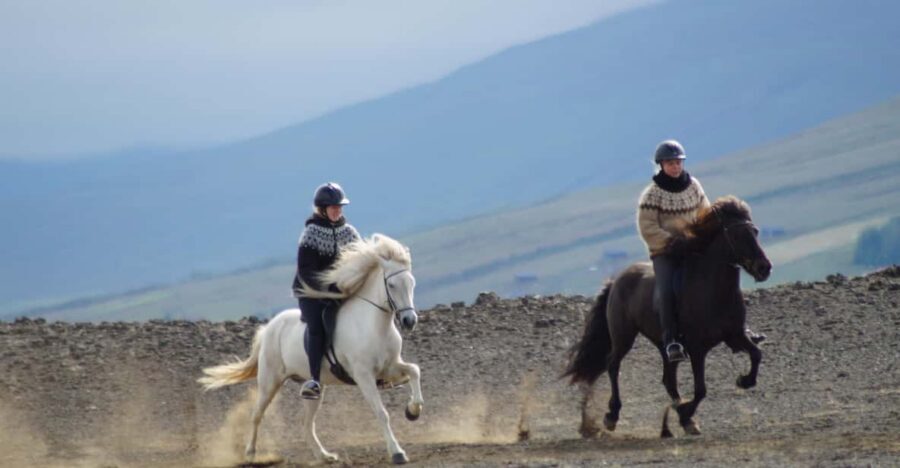
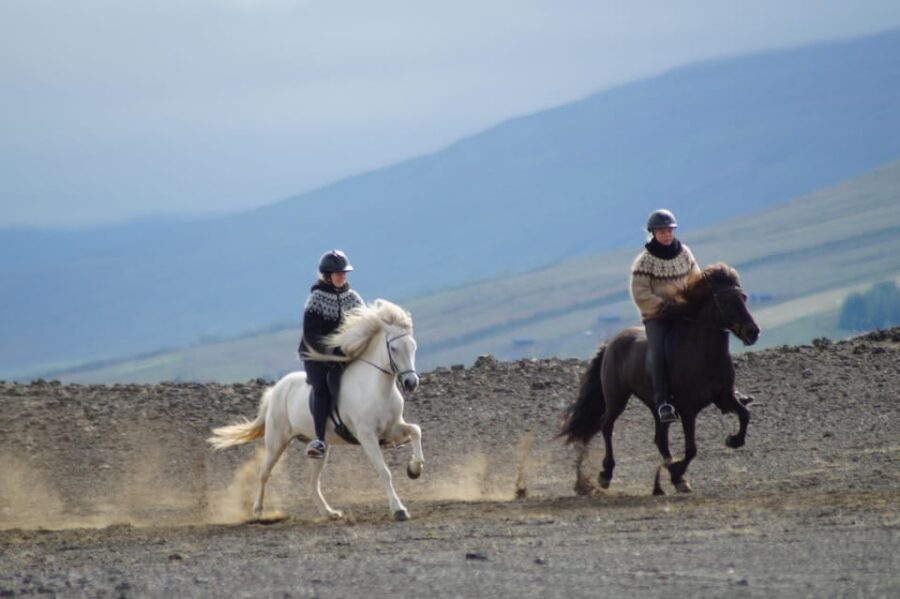
The big selling point here is getting to experience the Icelandic horse properly, including a chance to try the tölt. The tölt is an Icelandic gait that’s smoother than a typical walk and often feels very natural once you get the rhythm. The guide will coach you through it, and the tour is framed to work for beginners, not just seasoned riders.
What’s smart about this setup is that it doesn’t assume you already know how Icelandic horses move. Beginners usually need two things: clear instructions and a calm, steady mount. That’s exactly what a good guide and well-matched horses are for—especially in a mixed group where everyone’s learning at a different speed.
If you’re an experienced rider, you’ll still appreciate the structure. You’re on a defined route with changing terrain, which means you get to feel how the horse responds on different ground types. That’s part of why tölt-focused rides can be so satisfying: it’s not a stunt, it’s a skill that fits the environment.
Birch forest, black sand, and volcanic rocks: the route meaning
This ride is famous for its variety. You’ll move through:
- A birch forest as you head back toward the farm
- A black sand plain during the middle of the tour
- Areas with volcanic rock and moss along the way
That combination matters because Iceland isn’t one kind of place. It’s layers. You can feel it in the footing and the way the horse steps—especially when you’re off the flat surfaces.
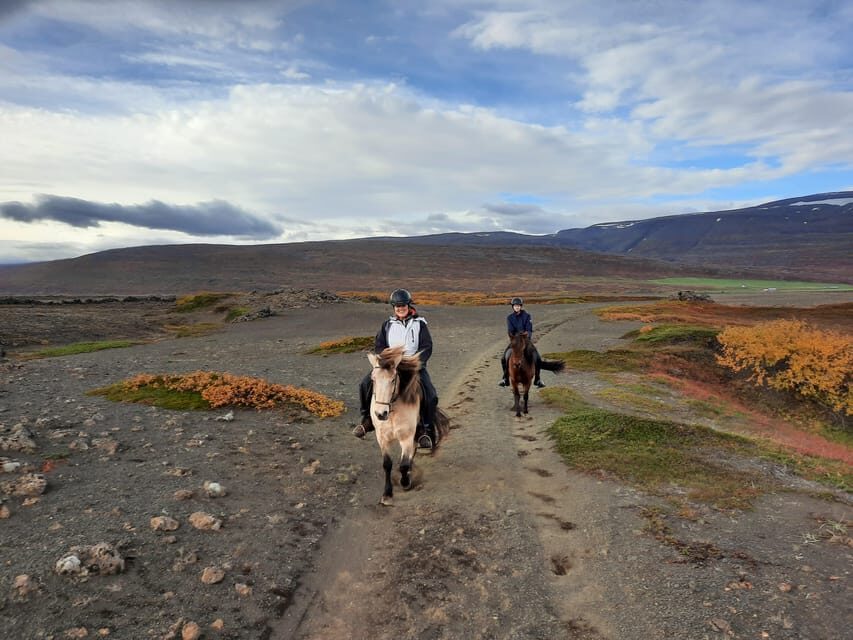
The birch forest portion is a nice breather. It tends to feel calmer and more enclosed, and it’s a great contrast after you’ve been out on open ground. The black sand plain is the dramatic shift: it’s wide, dark, and visual in a way that makes the ride feel cinematic without needing any special viewpoint.
The volcanic rocks and moss sections are where you see the Icelandic countryside up close. The ground can look rugged even when it’s not technically difficult, and this is exactly where an experienced guide earns their keep—by keeping your pace steady and your attention on the horse.
From the farm to the river to a small lake crossing
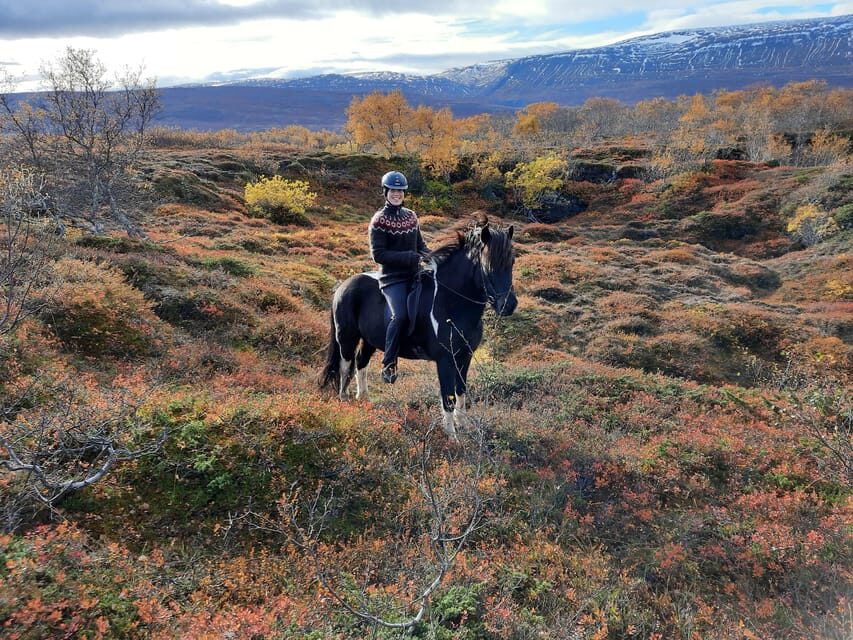
Here’s what the ride feels like, step by step, and why each section is worth your attention.
Start at the farm. You begin in the working rhythm of a ranch. Expect a helmet and equipment check, then time to get balanced before you head out. If you arrive at least 10 minutes early, you give yourself room to get comfortable instead of rushing.
Down toward grazing fields. On the way, you pass areas where cows graze in summertime and sheep graze in autumn. It’s a small detail, but it adds local texture. You’re not just riding through “pretty scenery.” You’re riding through everyday Icelandic farming life.
Follow the river. After the fields, the route spends time along the river corridor. Riding beside moving water changes the feel of the trip: the ground can be uneven, and the horse’s rhythm becomes part of your balance. It’s also a great moment for the guide to manage the group and keep instructions simple and clear.
Cross a small lake. Then comes the crossing. It’s one of the more memorable parts because it’s active—you feel the shift in footing and the way the horse handles the transition. This is usually where riders realize they’re not just holding on; they’re moving with the animal.
Crisscross among volcanic rocks and moss. After the water section, you’ll wind through the rock-and-moss terrain. This part adds texture and slows things down just enough to make the changing ground feel real.
Cross the black sand plain. The ride hits its big open stretch here. You get distance. You get sky. You get that dark Iceland vibe that photographs well, even when your hands are still busy holding the reins.
Return through birch forest. The final segment brings you back through a natural birch forest. It’s a satisfying wrap-up because it feels like “home terrain” again—less harsh, more sheltered, and a calmer finish after the dramatic middle.
Who this ride suits best (and who should skip it)
This tour is built for a wide range of riders. It’s suitable for both advanced riders and beginners, as long as you have a basic physical shape. That last part matters: you’re in the saddle for about two hours, and you’ll be dealing with the kind of natural movement that isn’t like sitting still on a bus.
If you’re a beginner, the tour’s structure helps. Small group size means the guide can spot issues faster, and Icelandic horses are often chosen for their steadiness. The encouragement factor is real too—guides like Audrey are highlighted for taking time with riders and making beginners feel safe.
If you’re an advanced rider, the variety of terrain is still worth it. You get a real mix: river-adjacent ground, rock sections, open black sand, and a birch-forest return. That’s more interesting than repeating the same flat path.
If you have limitations, don’t force it. The tour is not suitable for pregnant women, people with back problems, or people with animal allergies. Also, if your body doesn’t do well with minor jostling and steady time in a saddle, take that seriously. One of the practical realities here is that you might feel it afterward—even if the horses are gentle and the ride is fun.
Gear and clothing: what to wear so you enjoy it
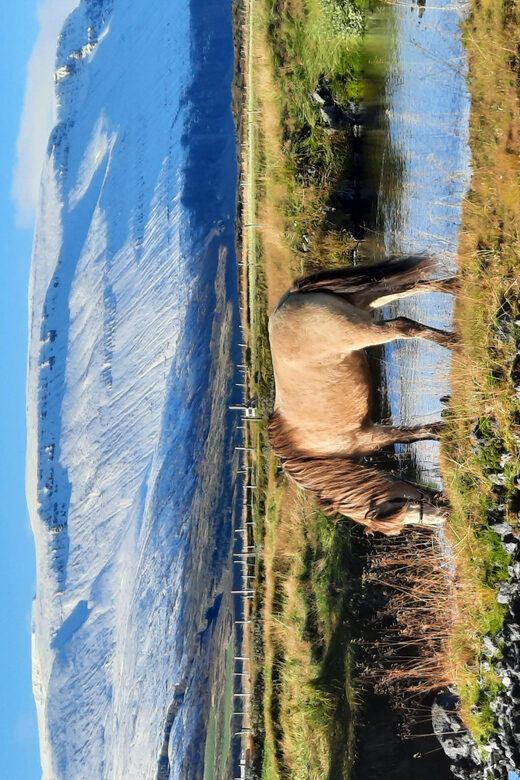
The tour provides a helmet and riding equipment, so you don’t need to guess about safety gear. Your job is comfort and weather readiness.
Bring:
- Comfortable shoes
- Comfortable clothes
That sounds basic, but in Iceland it’s the difference between enjoying the ride and wanting it to end fast. You’ll be outside, exposed to wind and changing light. Even on a clear day, conditions can shift quickly. The best move is to dress in layers so you can adjust without getting tangled in your own outfit.
Also, arrive at least 10 minutes early. Not because the operator wants to be strict, but because you’ll have a smoother start: equipment fit, brief instructions, and time to settle your nerves.
Price and value: what $141 buys you here
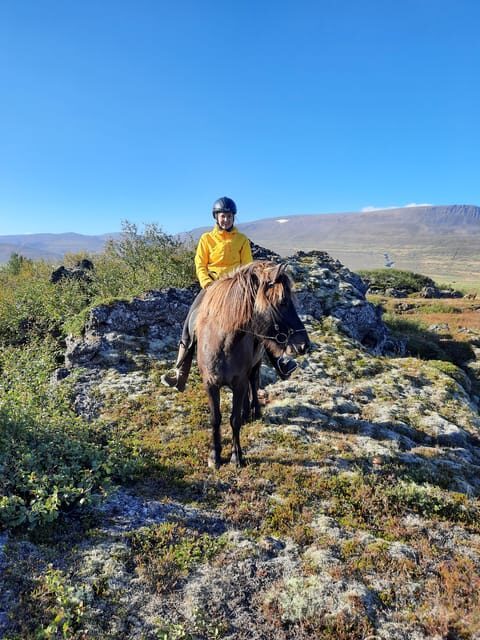
At $141 per person for a two-hour ride, this sits in the mid-range for Iceland horseback experiences. The value comes from a few specific things working together:
- You’re paying for an experienced guide guiding an active route, not a short loop.
- You get included safety gear (helmet) and riding equipment.
- The route isn’t repetitive. You cycle through multiple terrain types in one outing.
- The group is capped at 7, which usually means more personal attention.
This matters when you compare it to cheaper options that might be shorter, less coached, or run with bigger groups. With a larger group, riders get less time for individual adjustments—especially during a tölt attempt. Here, the smaller group feel is part of the price justification.
One more value note: there’s no hotel pickup included. That can make the total cost feel higher if you need extra transport. But if you’re already near the farm or using a rental car/taxi, it’s easier to absorb.
Guides and small-group energy: why it feels personal
A lot of horseback tours claim they’re friendly. This one is actually set up to be friendly because it’s small. When you’re capped at 7 participants, you’re more likely to get:
- Clear instructions at the right time
- Encouragement when you hesitate
- Quick help if your balance needs a second adjustment
The English-speaking guide is central to the experience. You’re not just being led along; you’re getting context about what you’re riding through and why the Icelandic horse works well on Iceland’s terrain.
I saw a pattern in guide style: Audrey is described as patient and encouraging, especially with beginners. Another guide, Anna, gets mentioned for being informative and for helping riders enjoy the view while staying confident on horseback. That’s the difference between a ride where you worry the whole time and one where you can actually focus on riding.
Timing and practical logistics: what to plan around
This activity runs for about two hours. The timing depends on the starting time available when you book, so check what’s offered for your travel schedule.
You should also plan on handling transportation yourself. Hotel pickup and drop-off are not included. If you’re on a tight itinerary, factor in buffer time for getting to the farm and checking in before your ride.
One small practical tip: since you’ll be outside, don’t plan a long hike or big adventure right before the ride. You’ll want your legs fresh enough to deal with saddle time and natural movement.
Should you book this North Iceland horseback tour?
Book it if you want an Iceland horseback ride that feels like real northeast Iceland, not a quick demo. It’s a great match for first-timers because beginners are explicitly catered to, and it’s also satisfying if you already ride.
You should think twice if:
- You have back issues, are pregnant, or have animal allergies
- You can’t manage basic physical riding demands
- You don’t want to arrange your own transport to the ranch
If you can handle basic saddle time and you’re okay dressing for Iceland weather, this is a strong value way to experience the Icelandic horse’s tölt and see multiple terrain types in one outing—river, rock, birch, and black sand all in one smooth 2-hour session.
FAQ
How long is the horseback riding tour?
The tour lasts about 2 hours.
Is the tour guide English-speaking?
Yes, the live tour guide speaks English.
What is the group size?
The group is small, limited to 7 participants.
What’s included in the price?
The 2-hour horseback riding tour, an experienced guide, a helmet, and riding equipment are included.
What should I bring?
Wear comfortable clothes and bring comfortable shoes.
Is hotel pickup and drop-off included?
No. Hotel pickup and drop-off are not included, so you’ll need your own transportation to and from the ranch.
Is this tour suitable for beginners?
Yes. It’s suitable for both beginners and advanced riders, as long as you’re in basic physical shape.