REVIEW · REYKJAVIK
Reykjavík: 4×4 Minibus Northern Lights with Photo and Cocoa
Book on GetYourGuide →Operated by Nordur Travel · Bookable on GetYourGuide
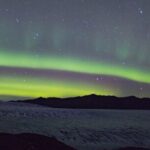
The aurora hunt is half science, half luck. This tour is built for the cold-weather reality of Iceland, using 4×4 minibuses to reach darker, higher spots and helping you capture the moment with professional photo assistance. I love the mix of comfort (hot chocolate, pastries, hand warmers) and hands-on guidance for phones and cameras. The one drawback to know up front is simple: the lights aren’t guaranteed, and cloudy skies can mean you wait, move, or go again.
A lot of the magic here comes from how the night runs. Guides keep an eye on the sky, explain what you’re seeing (science plus Icelandic folklore), and adjust the plan when conditions change. You might even recognize names like Kel, Nebo, Thomas, Lucia, Miro, or Yannis from past nights, and the common thread is persistence.
If you’re the type who hates standing around in winter darkness, plan for a bit of waiting in crisp air. The tour is only four hours, but you’ll still want to dress for real cold, not Reykjavik-on-a-good-day cold.
In This Review
- Key Things to Know Before You Go
- Why This Aurora Tour Feels More Personal Than a Big Coach
- The 4×4 Plan: How You Improve Your Odds
- Reykjavik Pickup and Drop-Off: Choose a Stop, Then Be Ready for Walking
- What Happens During the 4 Hours (and Why the Timing Works)
- Hot Chocolate, Pastries, and Hand Warmers: Comfort That Helps You See
- The Photo Experience: From Pro Shots to Phone Settings
- Small Group Size (1:19): Peace, Patience, and Less Chaos
- Weather and Rescheduling: The Honest Part of Any Aurora Plan
- Price and Value: Is $136 Worth It?
- Who Should Book This Aurora Minibus Tour
- Should You Book It? My Practical Take
- FAQ
- How long is the Northern Lights tour?
- What months do the tours run?
- Is pickup and drop-off included in Reykjavik?
- What vehicle is used for the tour?
- What warm drinks and snacks are included?
- Do you get help with Northern Lights photos?
- How big is the group?
- What languages are the guides available in?
- What happens if the weather is bad and the aurora is hard to see?
- Can I pay later or cancel if plans change?
Key Things to Know Before You Go
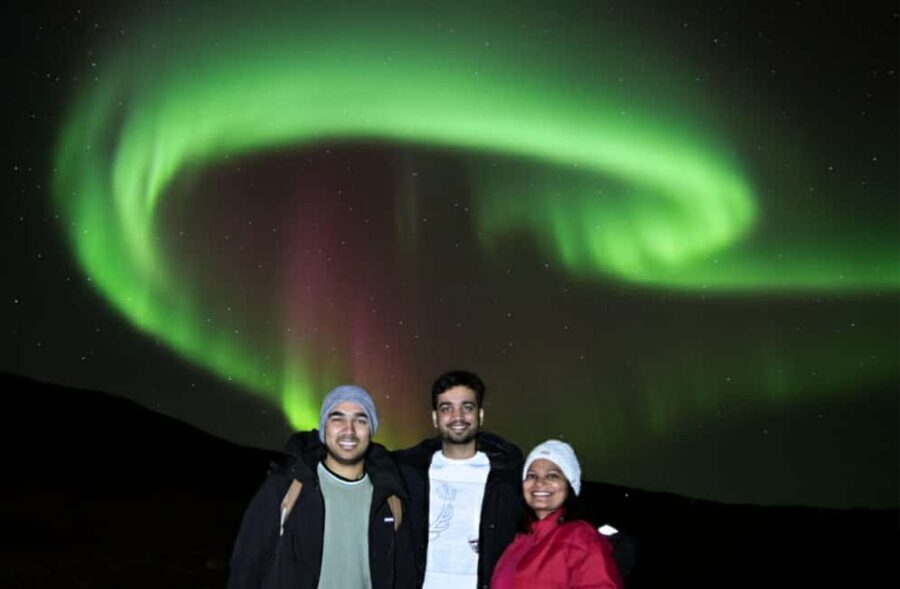
- 4×4 minibuses are for better positioning and access to remote, darker spots
- Hot chocolate, pastries, and hand warmers make waiting bearable
- Small groups (1:19 ratio) mean more time with the guide and less crowding
- Guides help with photos and can guide phone settings toward better results
- Rescheduling is possible if weather ruins your chances on the night you booked
Why This Aurora Tour Feels More Personal Than a Big Coach
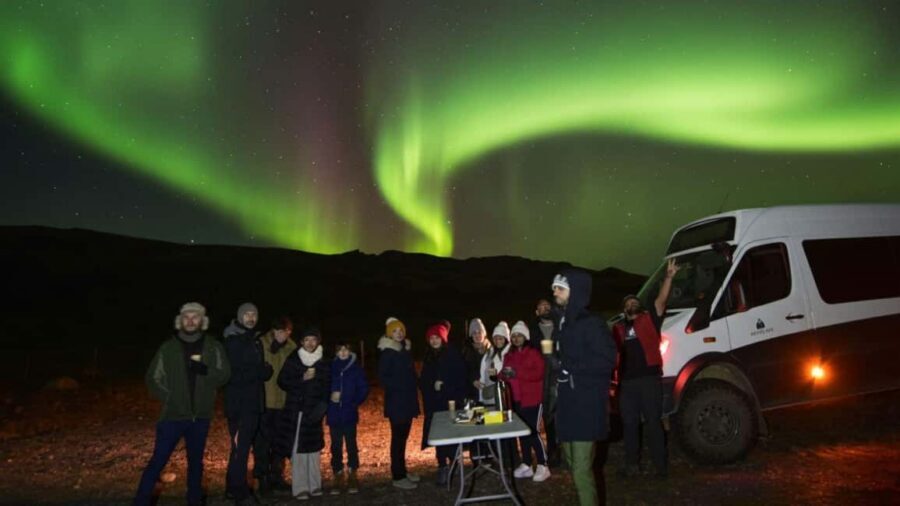
Reykjavik winters are dark, wet, and gorgeous in that harsh way that makes the aurora feel earned. What I like about this tour is that it’s designed for the actual viewing problem: city light interference plus bad-weather chaos.
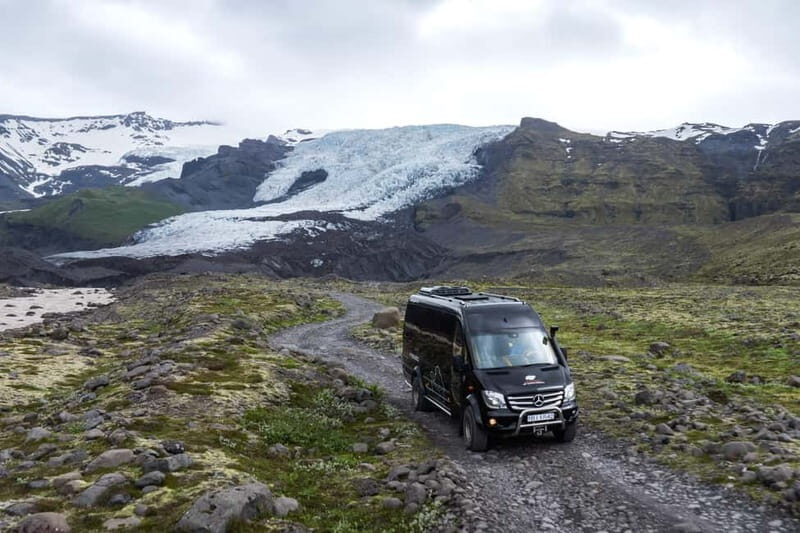
The vehicle choice matters. Instead of staying stuck on roads meant for regular traffic, the tour uses a 4×4 minibus built for Iceland’s rough terrain. That flexibility helps the guide choose places with better sightlines and less light pollution—exactly what you want when the aurora shows up fast and fades just as quickly.
The tour also avoids the overly scripted, one-size-fits-all vibe. With a small group and guides who keep working the sky, it feels less like a bus ride and more like a focused night hunt. You’ll often hear guides talking through what to look for and why—then giving practical photo tips when the lights finally arrive.
You can also read our reviews of more tours and experiences in Reykjavik.

The 4×4 Plan: How You Improve Your Odds
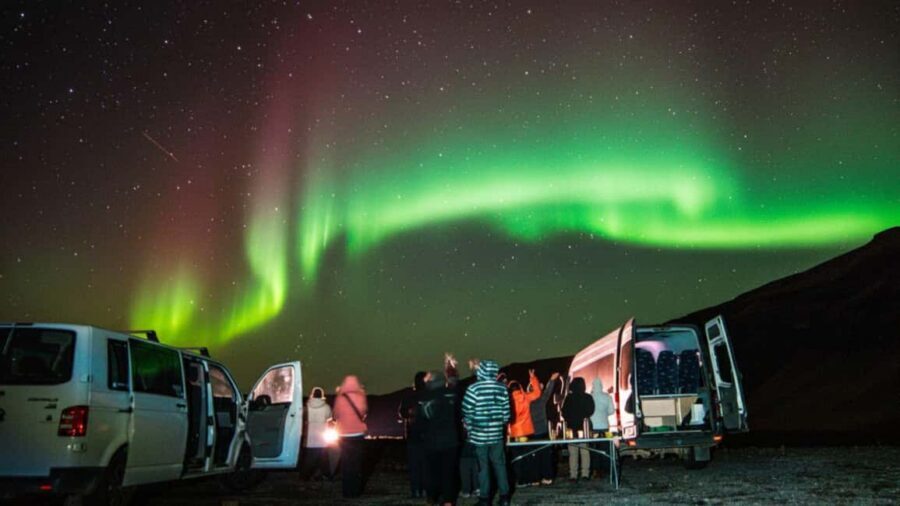
Let’s be real: Iceland’s aurora depends on conditions you can’t control. What you can control is where you stand when the sky decides to perform.
This tour is built around moving to the better viewing zones. The guides aim to get you away from city lights and toward higher ground, which usually improves your view of the sky. The difference between a flat roadside spot and a darker, slightly elevated area can be huge when the lights are faint.
And since the lights may not arrive immediately, the night becomes a rhythm:
- watch and wait
- check the sky
- drive to another spot if it’s not happening
- slow down when you see good activity
Past nights logged by guests highlight how guides do not treat this like a one-stop-and-done situation. People describe guides staying patient, shifting locations, and returning to hunting mode until the aurora shows up—or until it’s clear the weather won’t cooperate.
Reykjavik Pickup and Drop-Off: Choose a Stop, Then Be Ready for Walking
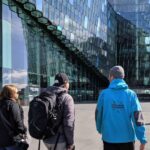
The tour includes pickup and drop-off around Reykjavik, which is a big deal because you’re doing this at night in winter. You get multiple pickup options (for example near Harpa, Hallgrimskirkja, the Pond area at Tjörnin, and other central stops). Drop-off mirrors the pickup zones, so you should be able to end up back close to where you started.
A practical note: if your accommodation is far from the listed stops, you might need to walk a bit. One guest mentioned being about an hour walk from central spots across multiple nights, and that’s the kind of trade-off you should think through before you book. If you’re staying outside the main hotel cluster, ask yourself: am I comfortable walking in cold dark weather to the meeting point?
Once you’re in the vehicle, you’re taken care of. The pickup list is extensive, and the goal is to reduce the stress of getting to the wilderness.
What Happens During the 4 Hours (and Why the Timing Works)
The total duration is four hours. That’s long enough to search, short enough that you’re not trapped outside all night without movement. During that time, you’re essentially doing three things: transfer, setup, and viewing.
First comes the drive out of Reykjavik. The night opens up quickly, and you’ll see the shift from streetlights to real darkness. Guides use that time to set expectations—how auroras happen, what affects how strong they look, and how people in Iceland have long explained these lights through local stories.
Then you arrive at your first destination and step into the cold night air. This is where the tour’s “comfort details” start paying off. You’ll get hot chocolate and Icelandic pastries plus hand warmers. That combination matters more than it sounds. When you’re standing still looking up, your hands and face get cold first. The hand warmers help you stay focused instead of doing the classic aurora shuffle—stomping, complaining, then checking your breath like it’s a forecast.
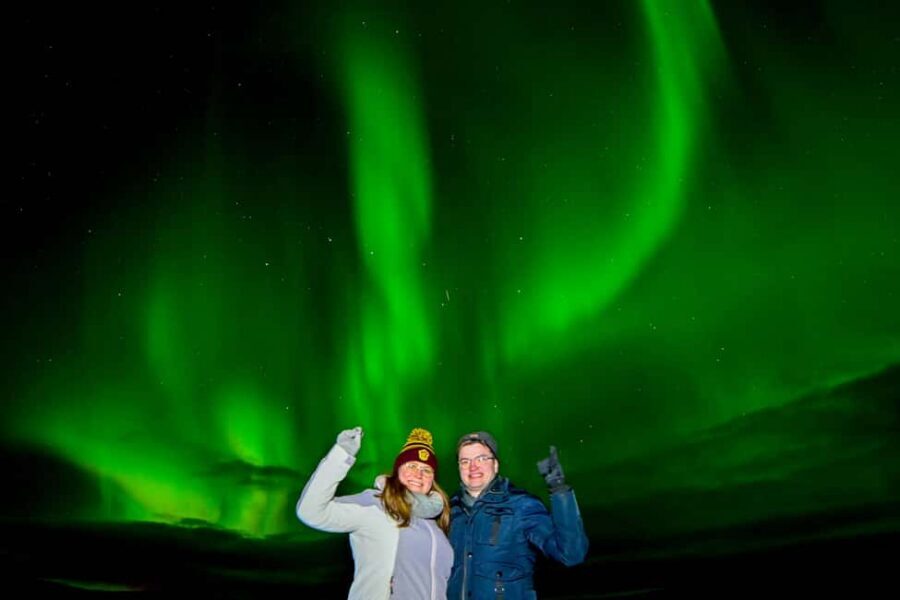
Finally, when the lights show, the guides pivot to photo help. People describe guides taking the time to get you positioned, explaining settings, and capturing images for you. If the aurora is active, you’ll feel like the night speeds up—in a good way.
Hot Chocolate, Pastries, and Hand Warmers: Comfort That Helps You See
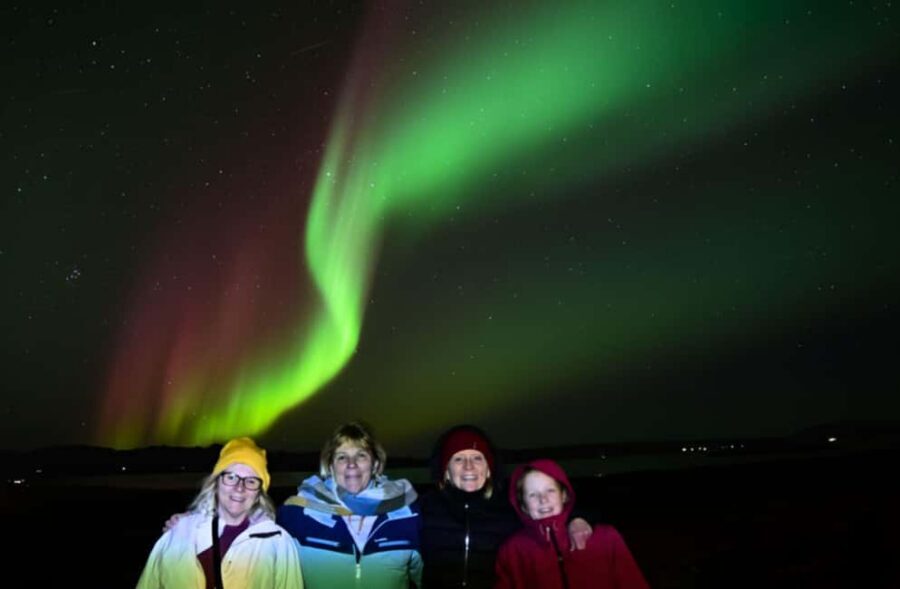
This tour doesn’t just say you’ll be cozy. It actually includes warmth items that solve the biggest viewing problem: freezing hands while trying to film or photograph.
You get:
- hot chocolate
- Icelandic pastries
- a hand warmer
And WiFi is onboard, which is a small but practical bonus if you want to share quickly or check maps while you wait.
Why this matters: the aurora might be faint at first and then intensify later. If you’re too cold to hold your camera steadily, you miss the moment—or your photos come out blurry. With hand warmers and a hot drink, you can last longer in position, which improves both your viewing experience and your chances of capturing something worthwhile.

The Photo Experience: From Pro Shots to Phone Settings
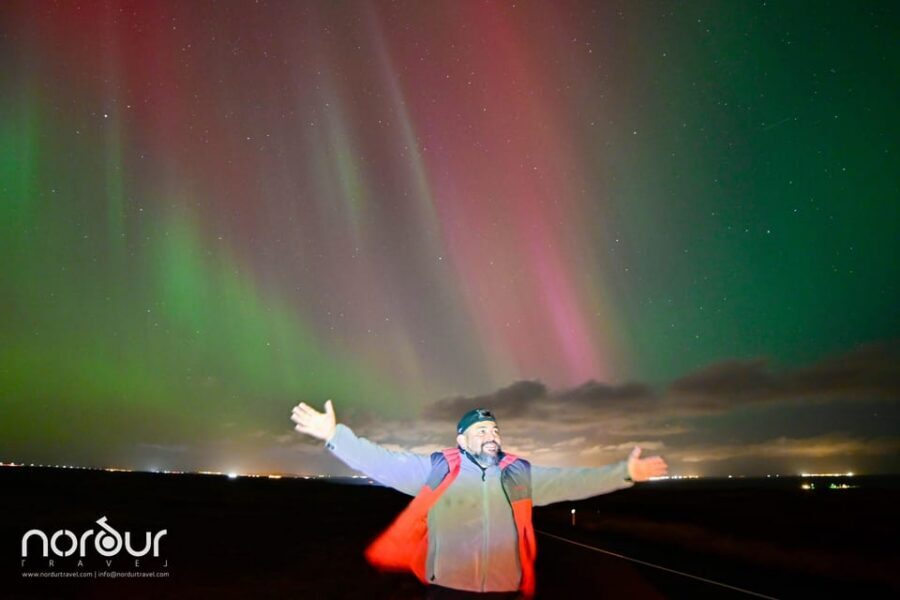
One of the most praised parts of this tour is the photography support. The included photography is described as professional, and guides don’t just point at the sky and hope for the best.
In real-world terms, this usually means:
- getting you to a spot with a better angle
- helping you aim your camera or phone
- guiding you toward settings that can handle low light
- taking photos on your behalf when conditions are right
Guests also mention guides being generous with their time, staying out longer when the aurora is elusive, and helping with the technical side so your images don’t look like a dark blob with a tiny green smear.
You’ll also notice names coming up repeatedly—Kel and Thomas in particular are described as persistent and photo-focused. Nebo is mentioned for finding a breathtaking spot even when aurora activity was minimal, using positioning to make phone and camera views work better. Miro shows up in notes for taking time to help with settings and guiding in more than one language.
So if you’re worried you’re just going to watch with your hands in your pockets, this tour aims to keep you active—looking and shooting.
Small Group Size (1:19): Peace, Patience, and Less Chaos
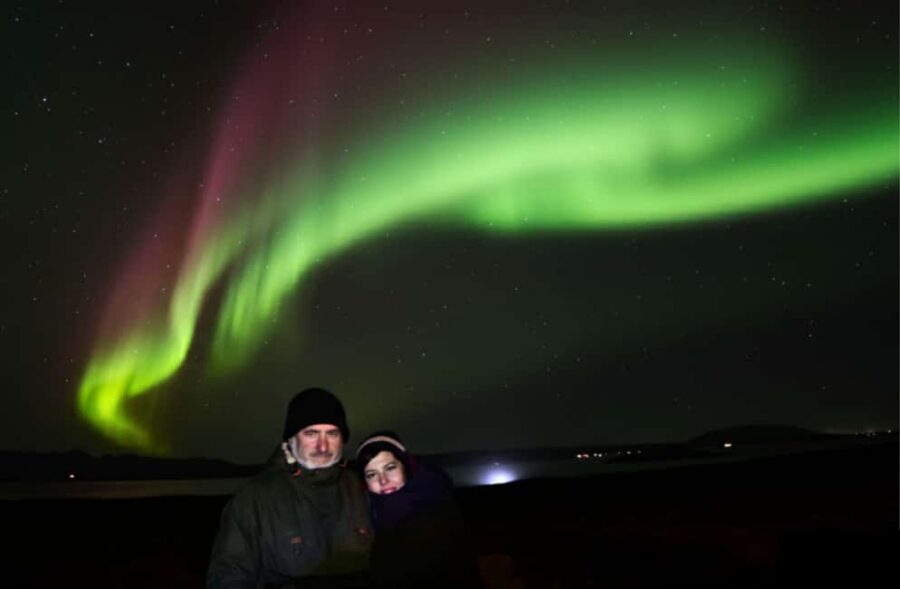
You’ll be in a small group with a 1:19 guide-to-guest ratio, and that’s not just a marketing number. In aurora tours, crowds are a problem.
More people means:
- fewer ideal spots to stand
- more jostling for camera angles
- less time for your questions
- more noise when everyone’s trying to focus
With a smaller group, guides can actually work with you. That’s where the experience feels different from a big-vehicle tour. You can ask what you’re seeing, how to adjust your phone, or what the guide thinks about cloud cover. Then you get help instead of a quick lecture and a headcount check.
This also makes the waiting feel less stressful. You’re not stuck in a noisy line-up while your fingers go numb.
Weather and Rescheduling: The Honest Part of Any Aurora Plan
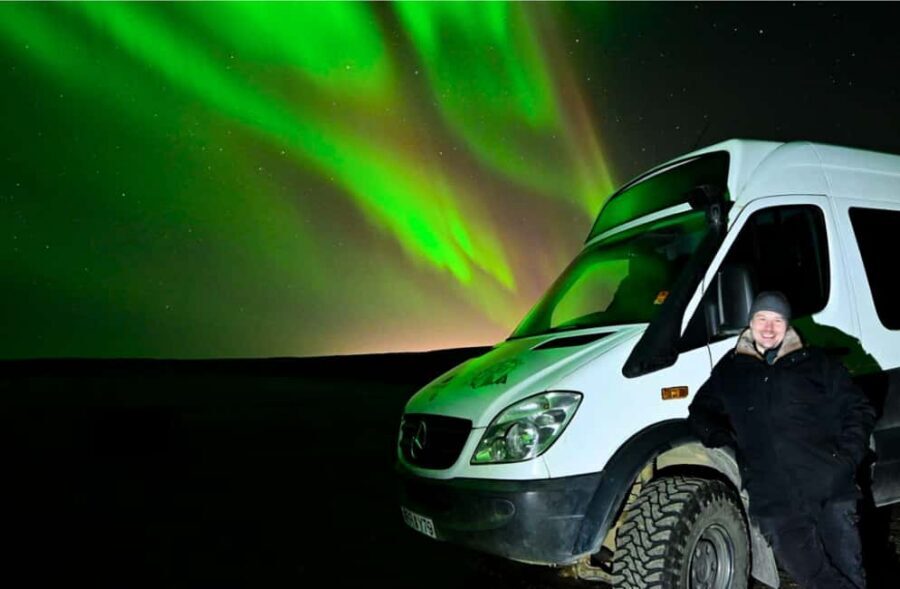
Here’s the honest truth: Iceland’s weather can change fast. A cloudy night can kill your chance to see the lights, even when the aurora itself is active somewhere in the sky.
This tour builds in flexibility. There are flexible rescheduling options if conditions are unfavorable on your chosen night. Some guests describe being given another chance after a bad first attempt. That’s one of the biggest value points here—because with aurora tours, “best effort” isn’t enough if it costs you a single night and you’re flying home.
Still, don’t book expecting a guaranteed show. Book expecting competent searching and a realistic plan for when nature says no.
Price and Value: Is $136 Worth It?
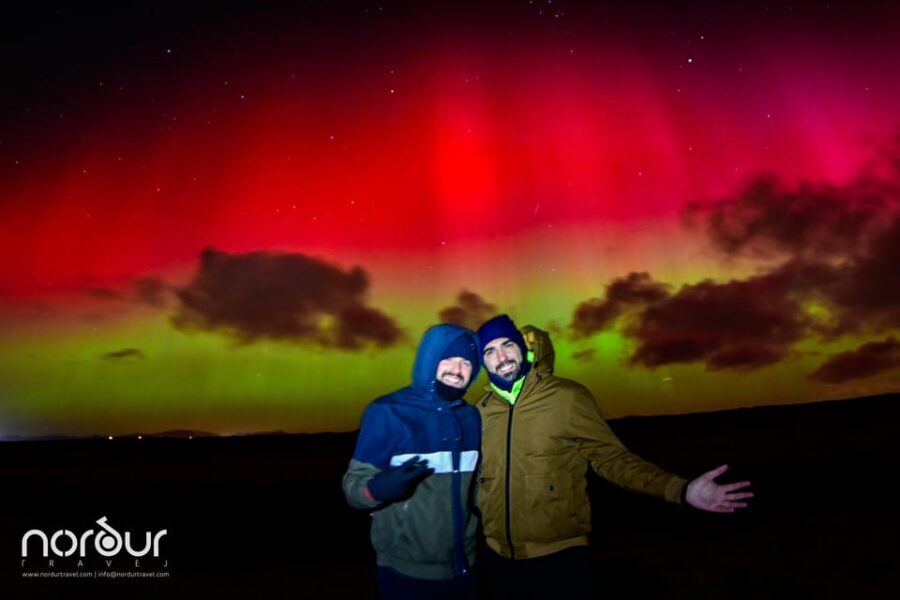
At about $136 per person for a four-hour guided experience, this isn’t a bargain. But it also isn’t just a warm-up drink and a bus ticket.
You’re paying for:
- pickup and drop-off in Reykjavik
- a 4×4 minibus (not just any vehicle)
- small group size (1:19)
- hot chocolate, pastries, and hand warmer
- photo help described as professional
- onboard WiFi and guided interpretation in English or Spanish
- safety-focused driving in rugged conditions
- flexible rescheduling when the weather is bad
Where the value shows up most is the combination of comfort + better positioning + photo assistance. If you’ve ever watched the aurora through a crowd or without good angles, you know why that matters. The minibus approach costs a bit more than a standard coach, and the frequent logic from guests is that the smaller, more remote-capable setup gives you the best shot.
If your priority is maximum comfort and better odds, this price makes more sense. If you’re budget-only and don’t care about photos, you may find cheaper options. But cheaper often means fewer chances to move and less personal help when the sky finally lights up.
Who Should Book This Aurora Minibus Tour
This is a great fit if you:
- want help with photos, not just sightseeing
- prefer a small group over a bus full of strangers
- want a tour that works the cold reality with hand warmers and hot drinks
- value having a guide explain both the science and the Icelandic stories behind the lights
- are okay with the weather being the boss and want a plan if it’s cloudy
It’s especially good for first-timers who don’t know how to set up their phone or camera for aurora conditions. The guides are there to help you get your settings right.
If you’re the kind of traveler who already knows exactly where to go and what to shoot, you might see this as pricier than necessary. But for most people, the convenience and the guidance is the point.
Should You Book It? My Practical Take
Book this tour if you want the most balanced package: remote-capable transport, real warmth, and serious photo support, all with a small group pace.
Skip it if:
- you’re traveling on a tight budget and can accept a higher chance of “just another night outside”
- you hate winter waiting and want nonstop action
- you’re the kind of photographer who insists on total control and doesn’t want someone guiding your angles and settings
If you can dress for the cold and you’re open to the reality that nature decides the schedule, this tour is a strong choice. The combination of 4×4 access, comfort supplies, and guide persistence is exactly what makes the difference between a frustrating aurora night and a memorable one.
FAQ
How long is the Northern Lights tour?
The tour lasts about 4 hours.
What months do the tours run?
It runs nightly from September to April, during the best aurora viewing season.
Is pickup and drop-off included in Reykjavik?
Yes. Pickup and drop-off in the Reykjavik area are included, with multiple options across the city.
What vehicle is used for the tour?
It uses a 4×4 minibus designed to handle Iceland’s rugged terrain.
What warm drinks and snacks are included?
Hot chocolate and Icelandic pastries are included, along with a hand warmer for comfort.
Do you get help with Northern Lights photos?
Yes. The tour includes amazing photography, and guides help with capturing the lights (including phone and camera tips).
How big is the group?
The group is small, with a 1:19 ratio.
What languages are the guides available in?
The live tour guide is available in English and Spanish.
What happens if the weather is bad and the aurora is hard to see?
Weather can be unpredictable, and the tour offers flexible rescheduling options if conditions are unfavorable.
Can I pay later or cancel if plans change?
Yes. You can reserve and pay later. There is also free cancellation up to 24 hours in advance for a full refund.