REVIEW · REYKJAVIK
Reykjavik City Walking Tour
Book on GetYourGuide →Operated by Rvk Sightseeing · Bookable on GetYourGuide
Reykjavik clicks into place on foot. This 2.5-hour guided Reykjavik walking tour strings together the big landmarks with the stories that explain them, from Norse mythology to volcanic Iceland. You’ll start downtown at Hallgrímskirkja, then work your way through neighborhoods, ponds, and the harbor so the city feels less like a postcard and more like a real place.
I love how the tour turns landmarks into context you can use: Þingholt street corners make the sagas feel close, not dusty. I also like the way you get a breather at Tjörnin pond, with geese and swans nearby while your guide links everyday city life to Iceland’s deeper history.
One consideration: you’re walking in Iceland weather for about 2.5 hours. Plan for cold drafts, rain, and quick changes, and wear warm waterproof layers and solid shoes so you’re comfortable from the first block to the last.
In This Review
- Key things that make this Reykjavik walking tour work
- Starting at Hallgrímskirkja and Leifur Eiríksson: your orientation kick-off
- Þingholt streets and Norse stories: mythology you can picture
- Tjörnin pond breaks up the route: geese, swans, and Einar Jónsson
- City Hall and the super-sized Iceland map: seeing volcanic Iceland
- Parliament, the cathedral, and the first Viking homesteads
- Old Harbour to Harpa: Sólfar, bay views, and Mount Esja
- Price, pacing, and who should book this Reykjavik walk
- Should you book this Reykjavik City Walking Tour?
- FAQ
- Where do I meet the guide for the Reykjavik City Walking Tour?
- How long is the tour?
- What are the main places you’ll visit during the walk?
- Is hotel pick-up or drop-off included?
- Is the tour offered in English?
- What should I wear for a walking tour in Reykjavik?
- Is there an age limit, and are there discounts for kids?
- Does the tour run all year?
- Can I cancel, and can I pay later?
Key things that make this Reykjavik walking tour work
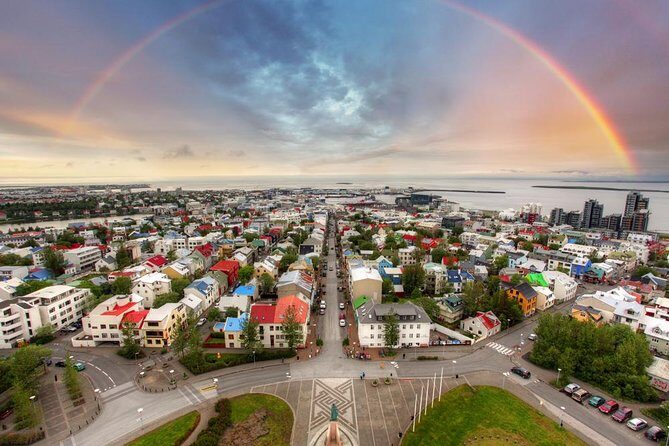
- Hallgrímskirkja first: the tour starts with the city’s most recognizable church and gives you a strong orientation fast.
- Norse mythology with street-level details: stories tie into what you’re seeing in Þingholt.
- Tjörnin pond pause: geese and swans break up the walking with a calm, local-feeling stop.
- Einar Jónsson sculpture park focus: art and Icelandic identity show up in the middle of the route, not at the very end.
- Geology explained through a big map: City Hall’s topographical map makes volcanic Iceland easier to picture.
- Old Harbour to Harpa bay views: you connect the historic port, modern architecture, and ocean scenery in one arc.
Starting at Hallgrímskirkja and Leifur Eiríksson: your orientation kick-off
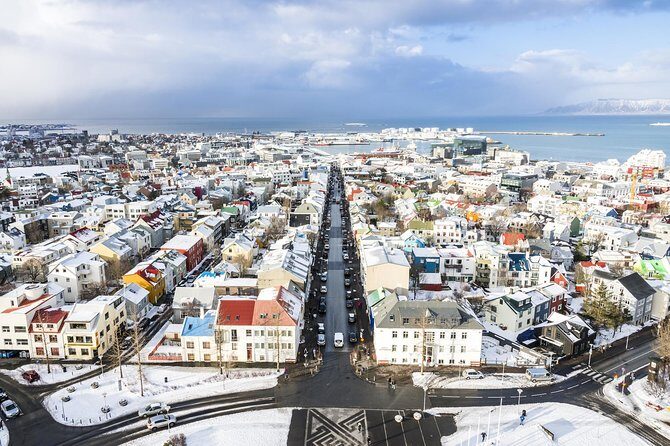
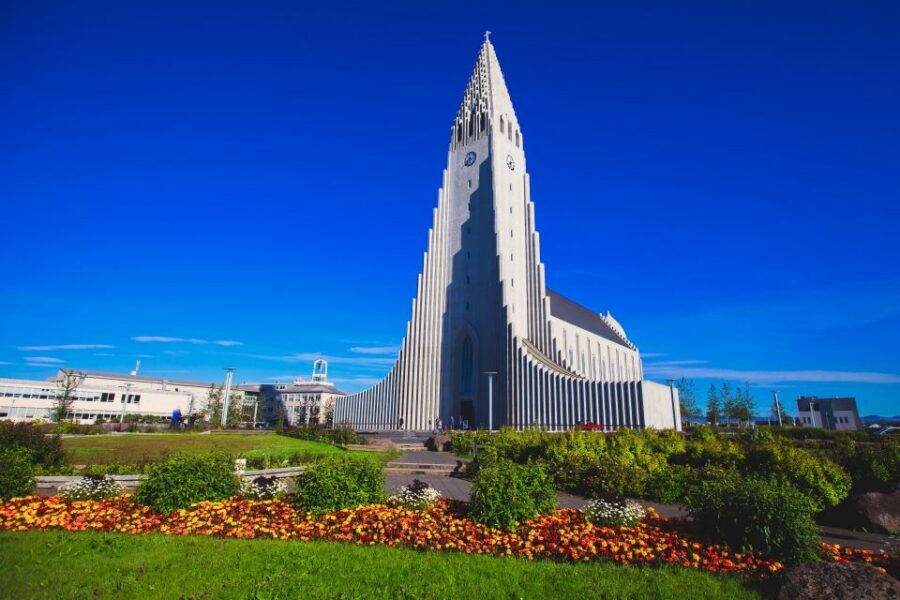
You meet your guide 10–15 minutes before departure at the statue of Leifur Eiríksson in front of Hallgrímurskirkja Church. If you’ve ever felt like Reykjavik is all “things to see” but no clear flow, this first stop helps. Hallgrímskirkja is the skyline anchor, so once you’ve got it in your mind, everything else in the tour starts to make spatial sense.
From there, you’ll go inside for the church visit and you’ll also stop for the bell tower portion. Even if you’re not a church superfan, it’s a practical intro to Reykjavik’s scale—this is a compact city where a short walk can move you from cultural institutions to the everyday street scene.
Also, this is the moment you can set your expectations with your guide. If you’re the type who asks questions, do it early. You’ll be talking about Norse roots and later about Viking homesteads and geology, so getting the “how the stories fit together” framework upfront makes the rest of the walk feel coherent instead of random.
And yes, a bonus: the walking tour format keeps you moving at a human pace. You’re not stuck waiting around for buses, and you’re not stuck staring at a map. You’re learning while your body keeps your bearings.
You can also read our reviews of more walking tours in Reykjavik


Þingholt streets and Norse stories: mythology you can picture
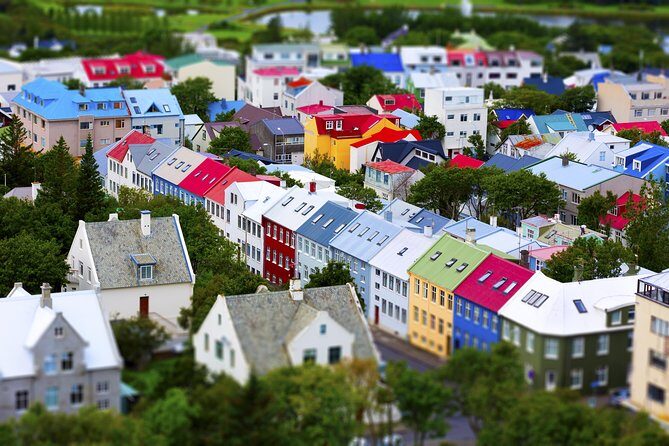
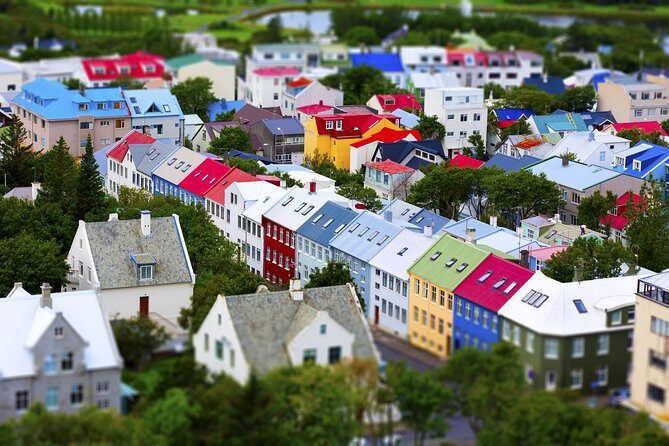
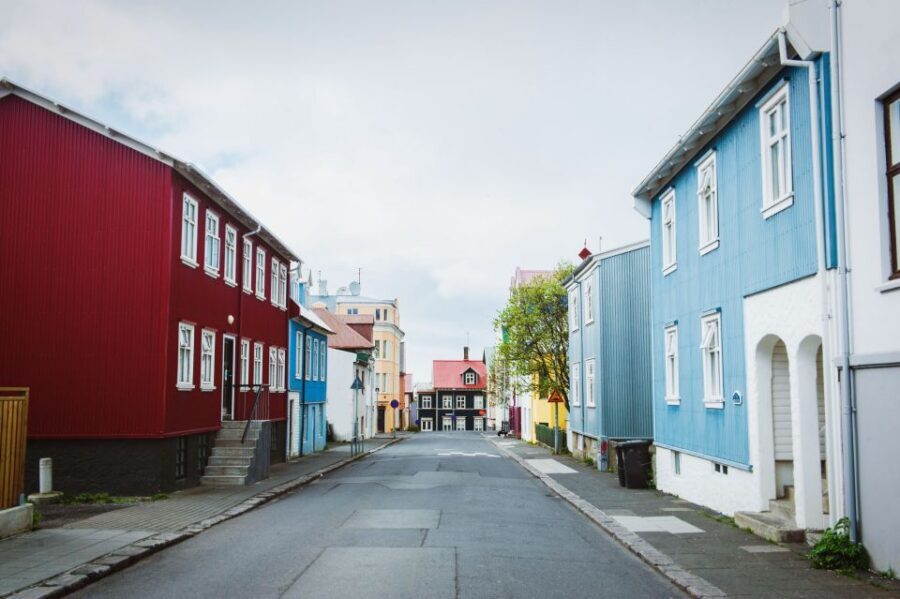
After Hallgrímskirkja, the route shifts into the Þingholt neighborhood—one of those areas where color, old streets, and small-scale architecture help you imagine earlier lives. Your guide uses the walk to connect the dots between what you’re seeing and the larger Icelandic worldview, including Norse mythology.
Here’s what I think makes this segment valuable: mythology can be vague if someone just recites names and dates. On this tour, the stories are placed where you can almost “see” how the setting would have worked. Þingholt becomes more than a pretty area. It becomes a staging ground for understanding why sagas matter so much in Iceland’s identity.
You’ll also get a sense of how Iceland’s past isn’t only medieval. It connects to how people adapted to the island’s forces—storms, volcanic landforms, and a life shaped by what’s outside your door. That connection gets stronger later when you see the geology explanations in City Hall.
Practical note: expect normal city sidewalks and turns. Iceland’s sidewalks can be slick, even when they look fine. Take short steps, keep your footing, and you’ll enjoy the storytelling without feeling rushed or tense.
Tjörnin pond breaks up the route: geese, swans, and Einar Jónsson
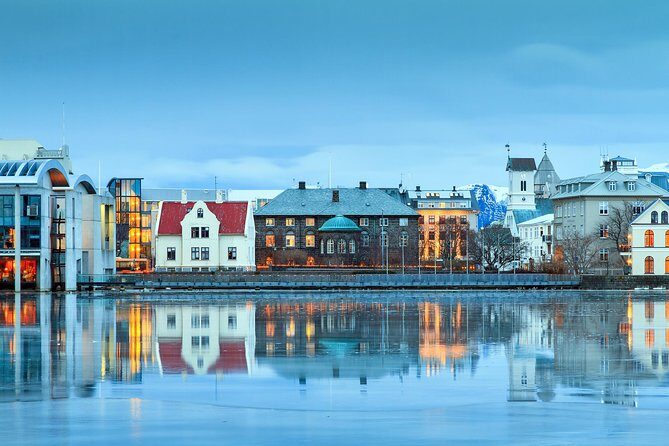
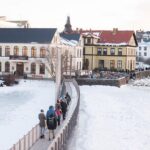
Tjörnin pond is the kind of stop that works on multiple levels. It’s scenic, it’s relaxing, and it’s also a perfect “reset” between denser cultural sights. Your guide brings you here so you can visit the pond and see the geese and swans.
Why it matters: walking tours can start to feel like a checklist. A living public space interrupts that feeling. You get to slow your pace, look around, and then re-enter the history and culture sections with more patience and attention.
This segment also ties into the tour’s art stop at the Einar Jónsson Museum and the sculpture park. Einar Jónsson is one of the big names in Icelandic sculpture, and seeing the work in context—during a walk through the city rather than as a standalone museum detour—helps you connect art to place. The sculptures aren’t floating in a void. They’re part of the way Reykjavik communicates identity.
If you’re the type who loves modern interpretations of older themes, this is a strong pairing. A myth-and-history tour plus sculpture can feel like two different tracks, but in practice, they complement each other. You start hearing the same values and stories in a different language.
Weather tip for the pond stop: bring your waterproof layer up before the skies decide to change. You’ll still enjoy the scenery, but you don’t want to spend the calm moment shivering.
City Hall and the super-sized Iceland map: seeing volcanic Iceland
Next up, you’ll take a look at City Hall and its super-sized topographical map of Iceland. This is one of the smartest parts of the tour for non-geeks, because it’s visual. Instead of trying to picture volcanic Iceland from a book, you see the island’s big physical logic in one glance while your guide explains what it means.
This is where the tour helps you beyond “cool sights.” Iceland’s geology affects everything: where towns grew, what the terrain looks like, and why the island’s forces feel close even in daily life. A big map makes that understandable.
It’s also a good time to absorb how Reykjavik fits into the country. The city isn’t separate from Iceland. It’s a concentrated hub shaped by the same forces you’ll later hear about in other parts of Iceland.
If you like geography more than museums, you’ll appreciate this pause. And if you like museums more than geography, you’ll still get value, because the map explains why the rest of the tour is interesting in the first place.
Timing-wise, this middle chunk keeps the route moving without exhausting you. You’ll have walked enough to feel like you’re in the city, but you’ll still be fresh enough to enjoy the remaining historic and harbor sights.
Parliament, the cathedral, and the first Viking homesteads
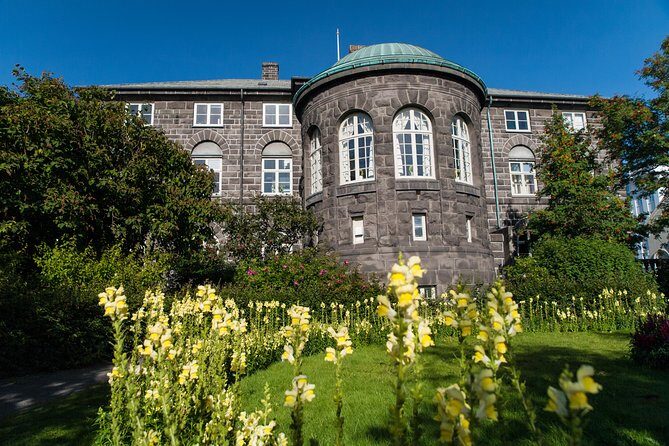
As you wind through the city center, you’ll see the parliament building and also the modest but beautiful cathedral. Then the tour shifts to the site of the first Viking homesteads—a reminder that Reykjavik wasn’t always the compact modern city you see today.
This segment works because it’s layered. You’re not just looking at one era. You’re seeing traces of how old settlement patterns connect with later governance and church life. In a city this walkable, those connections feel more direct than they do in larger places.
One reason I like this part of the tour: it helps you understand what to look for on your own afterward. After the walk, when you’re wandering streets on day two, you’ll have a mental timeline. You’ll start noticing how the city’s form reflects what happened long ago—where people could build, travel, and survive.
Also, your guide’s storytelling style matters here. If the guide is good at pacing, you won’t feel like history is a lecture. You’ll feel like you’re hearing a story with street context.
If you’re traveling with family, this is a decent section for kids too, as long as they don’t mind walking and listening. If your youngest is under 6, plan for extra patience or a stroller/carry plan, since the overall walk can feel long for little legs.
You can also read our reviews of more city tours in Reykjavik




Old Harbour to Harpa: Sólfar, bay views, and Mount Esja
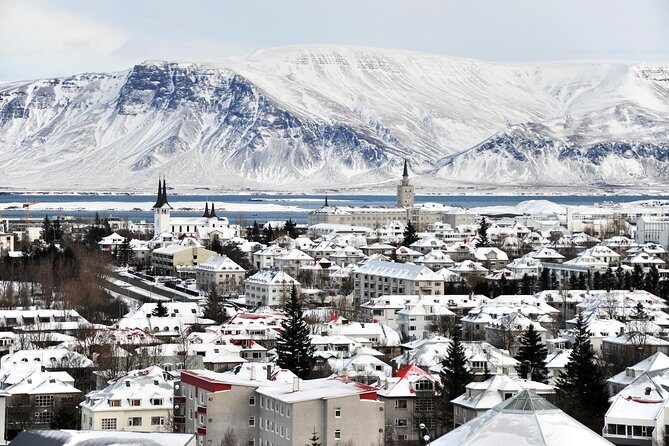
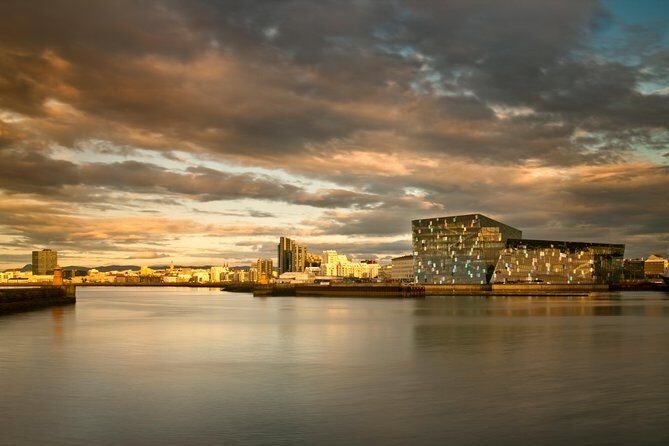
The tour culminates with the harbor area, starting with the Old Harbour and then moving toward Harpa Concert Hall. The reason this finish is so satisfying is simple: you get open views. Reykjavik’s waterfront is where the city’s geography becomes obvious—ocean, wind, and the sense that this place is never far from the elements.
You’ll also get views of the dramatic Sólfar sculpture overlooking the bay and Mount Esja. Even if you’ve seen photos, it’s different when you’re standing there. The scale of the hill and the way the city sits against the water makes the whole island feel more real.
Harpa Concert Hall adds a modern punctuation mark to the tour. Early on, you’re learning about Norse myth and Viking settlement. Later, you’re standing by a contemporary architectural statement that reflects today’s Reykjavik. That contrast is part of the charm.
Practical advice: bring your waterproof jacket for this final stretch. Wind off the water can be sharper than you expect, even when downtown feels mild. Once you’re comfortable, you’ll enjoy the views and the storytelling without rushing to escape the cold.
When the tour ends, it comes back to the same meeting point. That’s convenient because you don’t end up stranded far from where you can eat or catch a ride.
Price, pacing, and who should book this Reykjavik walk
The price is $53 per person for about 2.5 hours, and it includes the guided walking tour. Hotel pickup and drop-off aren’t included, so you’ll be doing the walking from start to finish like a local. For what you get—Hallgrímskirkja visit, including bell tower, Einar Jónsson Museum, Tjörnin pond, plus multiple major downtown sights—that price can feel fair, especially if it’s your first day and you want orientation without spending hours planning.
What you’re really buying is time and clarity. In Reykjavik, many sights cluster close together, but figuring out the order and the meaning takes work. A guide folds that effort into the walk. You leave with a mental map, a basic timeline, and a way to understand Iceland’s volcanic setting without turning your vacation into a geology class.
The pacing is set for a standard sightseeing walk: enough time at major stops to feel you actually saw them, not just posed for photos. Small, practical factors matter too: your guide adjusts to weather and interests (when conditions allow), and that keeps the experience from feeling rigid.
This tour is a great fit if:
- You want a first-day introduction to Reykjavik’s key sights
- You prefer guided context over reading guidebooks
- You like history that connects to what you’re walking past, not history that stays trapped in a museum
It might be less ideal if:
- Your schedule is too tight to handle a steady 2.5-hour walk
- You hate walking in cold rain (then you’ll need to dress well and accept the outdoors part)
Also, language is English, and there’s no age limit. Kids 0–11 can join for free, and teens 12–15 get a 50% discount, which makes the tour more workable for family travel. If you have someone under 6, plan for strollers or carrying for part of the way.
If you’re wondering about the human side of the experience: on this kind of tour, the guide’s tone can make the difference. People running it—such as Sara, Thomas, Mauricio, Eric, Hafpor Oli, Lolli, Aoalheiour, and Lalli—are often noted for clear communication, humor, and answering questions on the spot. That kind of guide style is exactly what makes mythology, geology, and architecture land in a fun way.
Should you book this Reykjavik City Walking Tour?
If you want Reykjavik to feel like a place with a story, yes—I’d book it. This walk gives you the core sights in a compact loop, then explains what connects them: Norse myth, Viking traces, and Iceland’s volcanic foundations. It’s a strong use of your time because it helps you understand the city before you branch out on your own.
I’d choose it especially if you’re visiting in the off-season or shoulder season, when the weather can be changeable and you’d rather spend your time learning with a guide than figuring out routes alone. Just go prepared for outdoors walking, keep expectations realistic about a 2.5-hour stroll, and you’ll get a lot of value out of the experience.
FAQ
Where do I meet the guide for the Reykjavik City Walking Tour?
Meet your guide 10–15 minutes before departure at the statue of Leifur Eiríksson in front of Hallgrímkirkja Church.
How long is the tour?
The tour lasts about 2.5 hours.
What are the main places you’ll visit during the walk?
You’ll see Hallgrímskirkja Church, the Þingholt neighborhood, Tjörnin pond, Einar Jónsson’s museum/sculpture park, City Hall (including the Iceland topographical map), the parliament building, a cathedral, the site of the first Viking homesteads, Old Harbour, Harpa Concert Hall, Sólfar, and you’ll have views of Mount Esja.
Is hotel pick-up or drop-off included?
No. Hotel pick-up and drop-off are not included.
Is the tour offered in English?
Yes, it’s a live tour guide in English.
What should I wear for a walking tour in Reykjavik?
Dress for cold and wet weather. Bring warm waterproof clothing, headwear, gloves, and wear good outdoor shoes since weather can change suddenly.
Is there an age limit, and are there discounts for kids?
There is no age limit. Children aged 0–11 can join for free, and teenagers aged 12–15 get a 50% discount. Children under 6 may find the walk long, so plan for a stroller or carrying part of the way.
Does the tour run all year?
Yes, it’s available all year round depending on weather and conditions.
Can I cancel, and can I pay later?
You can cancel up to 24 hours in advance for a full refund. You can also reserve now and pay later.
If you want, tell me your travel dates and whether it’s your first day in Reykjavik. I can suggest an ideal time to take this walk so you’re set up for the rest of your itinerary.