REVIEW · REYKJAVIK
Reykjavik: Midnight Sun Whale Watching Tour
Book on GetYourGuide →Operated by Elding Adventure at Sea · Bookable on GetYourGuide
Reykjavik’s whales can be close.
This Midnight Sun cruise runs along the city’s doorstep in Faxafloi Bay, where the ocean setup often brings minke whales, humpbacks, dolphins, and lots of seabirds within a few meters. I like that the company uses a whale-friendly approach (constant speed, so animals aren’t hassled), and I also like the whale guarantee: if you miss out on the main event, you can try again for free.
Your one real drawback: sightings depend on nature. Even with strong odds (whales on 95%+ of summer tours), you may still come home with more dolphins and birds than big whale action—especially on windier, choppier evenings.
In This Review
- Key things to know before you go
- Reykjavik’s Midnight Sun Whales: What This Cruise Really Feels Like
- Meeting Elding at Ægisgarður: Getting Started Without Stress
- Before Boarding: Whale Watching Center and the Warm-Overalls Advantage
- On the Water in Faxafloi Bay: What You’ll Look For
- How the Crew and Marine Biologist Guides Make a Difference
- Sustainability That You Can Actually Feel: Boat Speed and Low Disturbance
- Comfort on Deck: Wind, Cold, and Seasickness Reality Check
- The Midnight Sun Timing: Sunset Views Without Dark-Limit Anxiety
- Photo Moments and Onboard Entertainment
- Price and Value: What You Get for $111
- Who This Tour Is Perfect For (and Who Might Reconsider)
- Should You Book Reykjavik’s Midnight Sun Whale Watching?
- FAQ
- How long is the Reykjavik Midnight Sun whale watching tour?
- Where do I meet the tour?
- What should I wear or bring?
- What animals can I expect to see?
- Is a whale sighting guaranteed?
- Are refreshments included?
- What’s included besides the boat cruise?
Key things to know before you go
- 95%+ summer whale sightings off Reykjavik’s coast, often very close.
- Constant-speed boat policy designed to reduce disturbance and pollution.
- Warm overalls + strong on-deck visibility, a big deal in sea wind.
- Marine biologist guides + trained crew, with real-time spotting help.
- Whale Watching Center access before you board, plus onboard Wi‑Fi.
Reykjavik’s Midnight Sun Whales: What This Cruise Really Feels Like
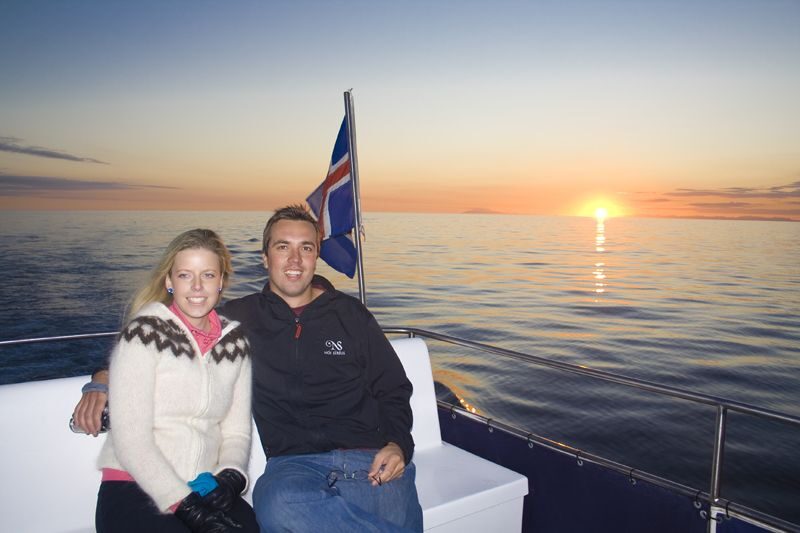
Reykjavik whale watching is special because you’re not driving hours into nowhere. You’re starting in the middle of town, then sliding out into Faxafloi Bay while the sky stays lit far past dinner time. That means you can actually see what’s going on—so it’s not just a black-water, flashlight-in-the-wind kind of wildlife trip.
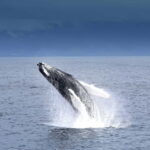
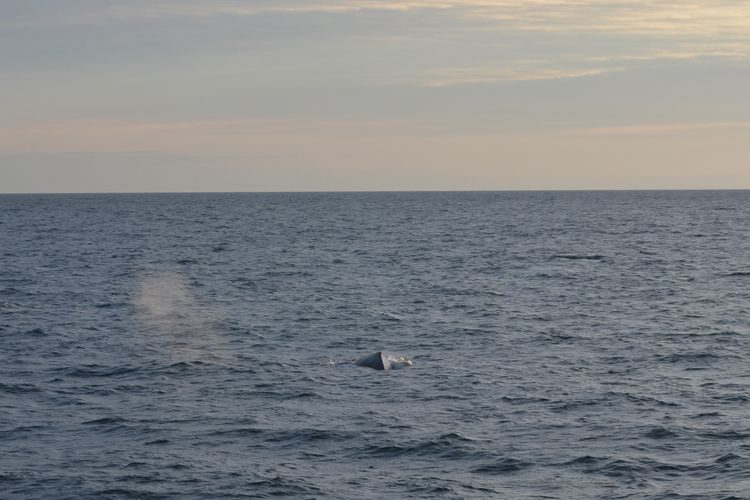
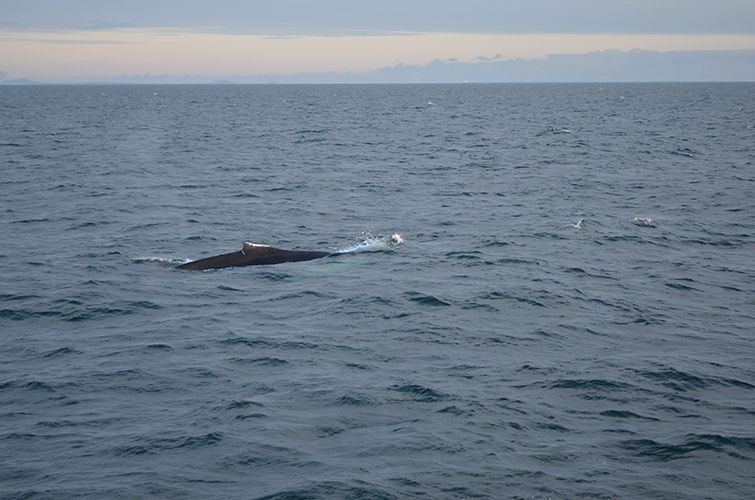
The best part is the combination of time and behavior. In summer, the “midnight sun” timing lines up with active marine life, and the bay’s currents help concentrate prey and animals near the viewing area. The tour’s sights typically include minke whales and sometimes humpbacks, plus dolphins and harbor porpoises. You’ll also get a show from seabirds that feed and patrol the same feeding zones.
Even the human side is built around the wildlife. The crew and guides work as a team to spot animals, and the boat doesn’t do endless stop-and-go wandering. Instead, it sails toward whale habitat at a steady pace, which helps keep the experience focused on observing, not constantly changing the animals’ routine.
You can also read our reviews of more whale watching tours in Reykjavik

Meeting Elding at Ægisgarður: Getting Started Without Stress
You meet at the Elding ticket office at Ægisgarður 5, 101 Reykjavík, just a short walk from central Reykjavik sights. Plan to arrive with enough time to exchange your ticket before you reach the boats—this is one of those “small step, big payoff” moments, because it keeps boarding smooth and avoids last-minute scrambling.
Once you’re checked in, you get access to the Whale Watching Center. That’s not just a waiting room. It’s a good way to get your bearings before you go out—watch videos, look at skeletons, and read the information boards. If you like wildlife facts (and you will, once you’re staring at the sea and trying to figure out what you’re seeing), this part helps you connect names to shapes fast.
There’s also a practical tip here: the sea can feel colder than you expect, even in summer wind. The center and pre-boarding time gives you a chance to bundle up properly before you head outside.
Before Boarding: Whale Watching Center and the Warm-Overalls Advantage
This tour includes access to the Whale Watching Center and the use of warm overalls, which is a big deal on Iceland boats. Even when the air temperature feels mild, wind over water strips heat quickly, and whales (and dolphins) don’t care if you’re uncomfortable. Warm overalls let you stay on deck longer and look longer without rushing inside.
Inside the center, you can take your time. You might watch short clips about whale behavior, or focus on the more hands-on parts like skeletons and signage. If you’re the type who enjoys understanding what you’re seeing, this makes the cruise better, because you’ll start noticing details like surface patterns and how birds behave around feeding zones.
I also appreciate the included Wi‑Fi on board. It’s not essential for whale spotting, but it’s useful if you want to keep plans organized, upload a few photos, or just stay in touch while you’re out at sea.
On the Water in Faxafloi Bay: What You’ll Look For
The cruise takes you around the southern part of Faxafloi Bay. You’ll be out long enough to settle into spotting mode, then—when animals show up—to enjoy the kind of time that makes wildlife memorable.
Here’s what the boat is built for: steady viewing. The tour describes sailing at a constant speed toward whales’ habitat to minimize disturbance and reduce oil use and pollution. That means you’re not constantly losing your view while the boat swings around. Instead, you’re repeatedly scanning from a consistent position, which improves your odds of actually catching the moment.
What animals are most likely?
- Whales: minke are commonly mentioned, and humpbacks are a frequent highlight.
- Dolphins and porpoises: you can expect dolphins and harbor porpoises, often along with whales.
- Seabirds: puffins are often part of the mix, and you may see other sea birds too.
Some trips also deliver a bird-and-whale combo, where dolphins gather and seabirds work the edges of the feeding activity. That’s when you stop thinking of it as a single-species outing and start thinking of the bay as a busy food system—one that whales just happen to dominate.
And yes, there’s a real chance of close encounters. The tour notes that whales are seen on more than 95% of summer tours and often surface within a few meters of the boat. When that happens, you’ll understand why the guides emphasize patience: you don’t just “spot,” you watch for patterns—surface time, direction of movement, and how birds react.
How the Crew and Marine Biologist Guides Make a Difference
This is where the tour earns its reputation. You’re not relying on luck alone. The guides run a structured spotting approach, supported by an experienced crew that coordinates with passengers to find wildlife.
The guides are described as having gone through an extensive training program based on guiding principles designed for marine wildlife viewing. In plain terms: they know how to keep the experience informative and safe, without pushing the animals to change behavior.
You’ll also get entertaining, live information while you cruise. One traveler specifically praised Nico for guiding them to whales and delivering standout information. That’s the kind of guide impact you want: not just facts, but clear guidance on where to look and what to watch for once you’re staring at the sea.



Sustainability That You Can Actually Feel: Boat Speed and Low Disturbance
A lot of whale watching claims are fluffy. Here, the approach is tied to concrete choices. The tour explains that boats sail at a constant speed toward whale habitat to ensure animals aren’t disturbed. That helps protect the animals and also reduces pollution and oil use.
It’s the kind of policy you don’t notice as a concept—you notice it as behavior on the water. The boat doesn’t act like a racing taxi chasing every surface blow. It acts like a careful observer moving with purpose.
If you care about doing “responsible tourism” in a way that’s more than a slogan, this is one of the reasons I think the value is real. You’re paying for a format designed around wildlife well-being, not just maximum photos per minute.
And there’s another layer: tour tickets contribute to summer research projects and other non-governmental efforts that support wildlife protection. The Whale Watching Center context reinforces that you’re not just consuming a moment—you’re supporting the science behind better understanding and protection.
Comfort on Deck: Wind, Cold, and Seasickness Reality Check
This tour includes warm overalls, and that’s your first line of defense. Still, don’t underestimate Iceland wind. Even people who didn’t need sea-sickness pills reported windburn or being glad the boat had better protection than smaller craft. So yes, dress warm even if the day is bright and summer-like.
A few comfort notes that matter:
- Overalls help a lot with wind and spray, letting you stay outside longer for sightings.
- If you’re sensitive to motion, you might still want a basic plan for seasickness, even if some people say they were fine.
- For sound, don’t expect to hear every word from below deck. If you care about guide commentary, get a good spot early and stay near where visibility and audio work for you.
Also keep expectations grounded. One traveler noted rougher seas made the experience more challenging, but the scenery remained breathtaking. That lines up with how Iceland weather behaves: you’ll still get a great cruise, but the sea state can decide whether you feel peak comfort.
The Midnight Sun Timing: Sunset Views Without Dark-Limit Anxiety
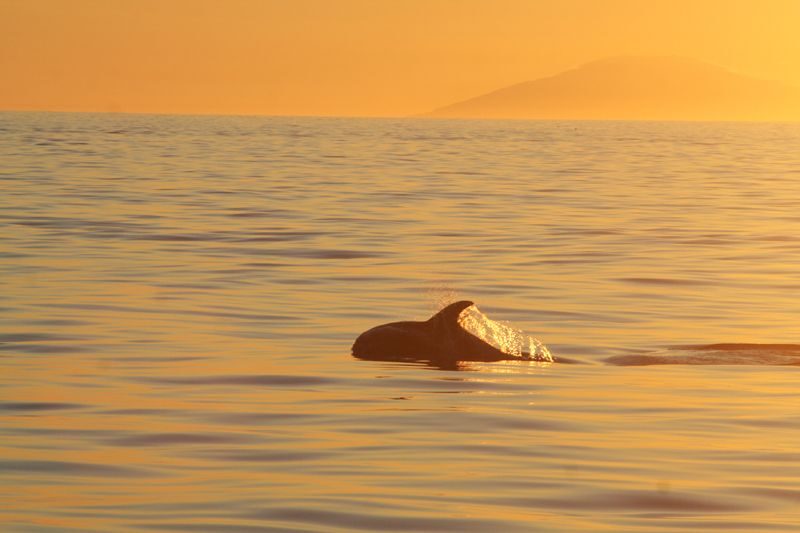
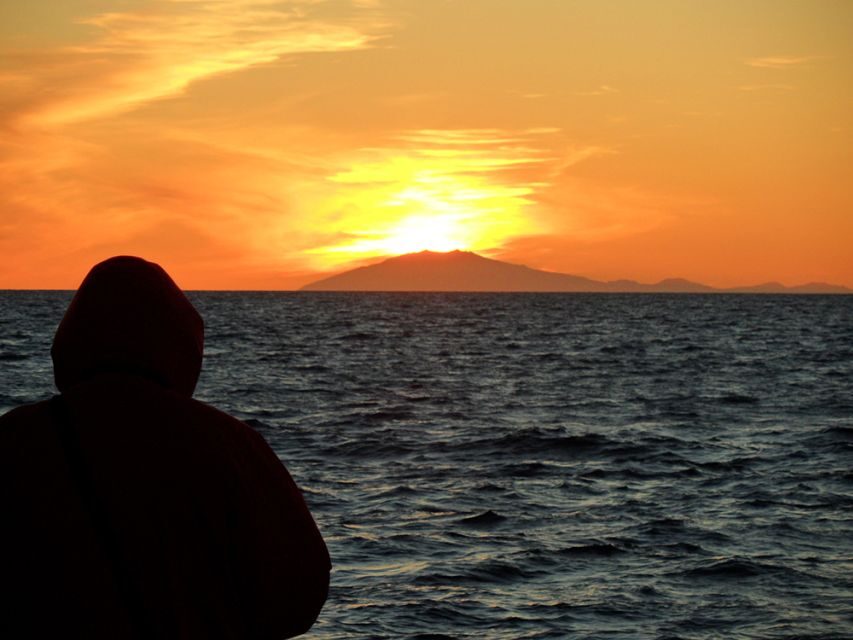
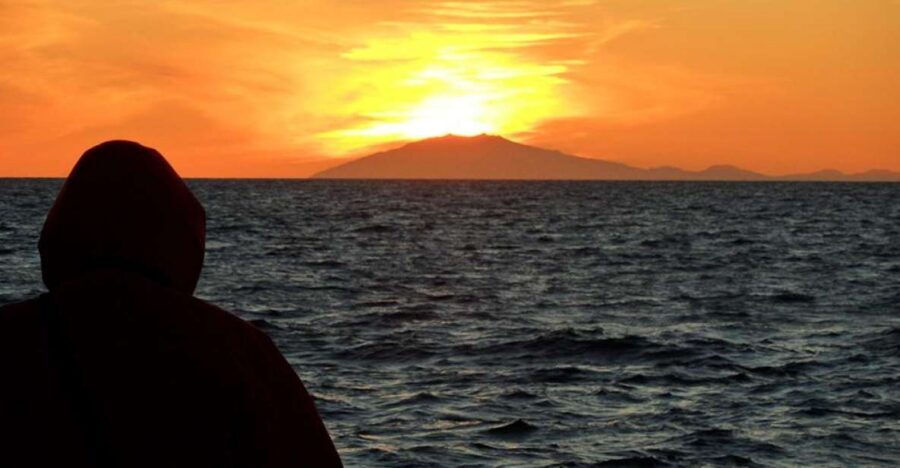
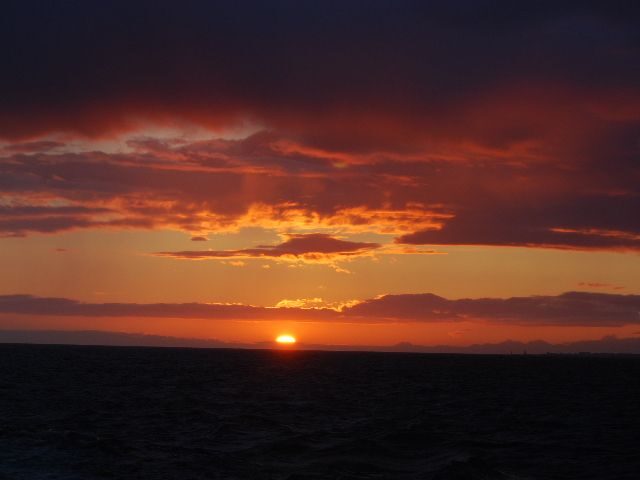
One of the quiet advantages of a late, lit-sky cruise is that you’re not relying on darkness. You’ll be moving along the shore as the sun sets on the horizon, and in the midnight sun season the sky stays bright enough to keep scanning easier.
That means you can enjoy the views of Reykjavik from the water during the “transition” period—when the city lights aren’t fully on yet, and the sea turns into a mirror-like stage. Even if you’re chasing whales, the visual payoff matters. This isn’t just a wildlife mission; it’s a cruise with a time-of-day mood.
Photo Moments and Onboard Entertainment
The tour includes a live troubadour performance on board. That’s one of those details that can sound gimmicky until you’re actually on a boat with wind in your face and a guide calling out sightings. Music and stories help keep the atmosphere relaxed while everyone waits for the next blow, splash, or bird dive.
You might also benefit from photography support. One traveler mentioned a photographer on board who later shared photos of sightings. That’s not something I’d count as guaranteed, but it’s a nice extra if it’s available on your sailing day.
And when a big whale shows up, you’ll see why people call it magical. A humpback sighting can last longer than you expect, with surfacing and active behavior that makes the ocean feel alive, not random.
Price and Value: What You Get for $111
At $111 per person for a roughly 3-hour outing, you’re paying for three things at once:
- Access to a wildlife-rich bay right off Reykjavik
- Guide support and spotting coordination
- A format designed to reduce disturbance and support research
The whale odds matter. With whales seen on more than 95% of summer tours, your chance of a true whale moment is high compared to random spotting. Also, the whale guarantee—try again for free if you don’t get the main experience—reduces the financial risk.
Then there’s the included gear and comfort: warm overalls, guide help, Wi‑Fi, and Whale Watching Center access. Add in live onboard performance, and the tour starts to feel more like a complete evening program, not just a boat ride.
Could you end up with fewer whales than you dreamed? Yes. One traveler had a trip where whales weren’t really visible, partly because night viewing can be tricky. That’s not the tour doing something wrong—it’s the ocean doing ocean things. The value is best when you go in ready for wildlife diversity, not only a single-species target.
Who This Tour Is Perfect For (and Who Might Reconsider)
I think this tour is ideal for you if:
- You want Reykjavik to feel like a true destination, not just a base town.
- You care about wildlife viewing that tries to protect animals’ comfort.
- You prefer a larger boat with shelter and warmer gear for scanning longer.
It may be less ideal if:
- You want guaranteed, specific species sightings on command.
- You’re extremely sensitive to motion or wind and dislike spending time on an ocean deck.
For families, couples, and first-timers, it’s a strong choice because the guides help you “decode” what you’re seeing. For photographers, it’s also appealing because mid-sky light helps, and close surfacing often creates more usable moments than distant sightings.
Should You Book Reykjavik’s Midnight Sun Whale Watching?
I’d book it if you’re visiting in summer and you want a high-probability wildlife experience right from Reykjavik. The key reason is the structure: whale-friendly behavior, strong summer odds, and a whale guarantee that makes the purchase feel less like a gamble.
If you’re the type who gets disappointed when wildlife doesn’t follow a script, go in with a broader goal. Think: whales and dolphins and seabirds, plus the chance for a real humpback or minke moment. You’ll still get a great cruise even on a quieter wildlife day, because the bay views and midnight-sun timing are a payoff on their own.
If you’re ready for cold wind-proof gear, patient scanning, and the reality that nature controls the schedule, this is one of the best ways to spend an evening in Reykjavik.
FAQ
How long is the Reykjavik Midnight Sun whale watching tour?
The duration is listed as 3 hours, and the cruise experience is described as about 3.5 hours.
Where do I meet the tour?
Meet at the Elding ticket office at Ægisgarður 5, 101 Reykjavík. You’ll exchange your ticket before heading to the boats.
What should I wear or bring?
Bring warm clothing and hiking shoes. Warm overalls are provided for you on board.
What animals can I expect to see?
You can expect whales such as minke and possibly humpbacks, along with dolphins and harbor porpoises. Sea birds are also common, including puffins.
Is a whale sighting guaranteed?
The tour includes a whale guarantee, or you can try again for free.
Are refreshments included?
Refreshments are not included, but you can purchase drinks on board.
What’s included besides the boat cruise?
Included items include access to the Whale Watching Center, use of warm overalls, a live English guide, Wi‑Fi on board, and a live troubadour performance.