REVIEW · REYKJAVIK
Reykjavik: Whale Watching by RIB Speedboat
Book on GetYourGuide →Operated by Sea trips Reykjavík · Bookable on GetYourGuide
A fast little boat makes whales feel close. This 2-hour RIB speedboat trip puts you out into Faxaflói Bay to hunt for whales, dolphins, and porpoises, while you also get Reykjavík’s sights from the water.
What I like most is the small 12-seater setup, so you don’t end up far away like you can on bigger cruises. I also like that you pass real landmarks from the sea, including Harpa, plus islands such as Engey and Lundey. One thing to consider: it’s weather- and wave-dependent, so you should be ready for wind and a bumpy ride.
If you can’t see wildlife that day, you get a complimentary ticket to try again. That’s a nice safety net, but it still isn’t a guarantee—your best odds are in the warmer months.
In This Review
- Key things to know before you go
- Reykjavík Whale Watching by RIB Speedboat: Why this trip feels different
- The Old Harbor start: your first Iceland views from the water
- Faxaflói Bay cruising: the islands that break up the search
- Engey: a real island moment, not just a name on a map
- Lundey, the Puffin Island: wildlife spotting beyond whales
- What you’re actually looking for: whales, dolphins, and porpoises
- The RIB ride reality check: cold wind, bumpy water, and seasickness odds
- Time on the water: how the 2 hours tend to feel
- Warm gear and small-group comfort: included items that matter
- Price and value: is $200 a smart spend?
- Best time to go: seasons that stack the odds
- Who should book this RIB whale-watching tour?
- Should you book this RIB whale-watching tour?
- FAQ
- Where does the tour start and how early should I arrive?
- Is hotel pickup included?
- How long is the whale-watching tour?
- What wildlife might I see?
- What’s included to keep me warm?
- Do I need to bring warm clothing and shoes?
- Is a wildlife sighting guaranteed?
- What language is the guide?
- What time of year is best for whale watching?
- What if weather is bad or the tour can’t run?
Key things to know before you go
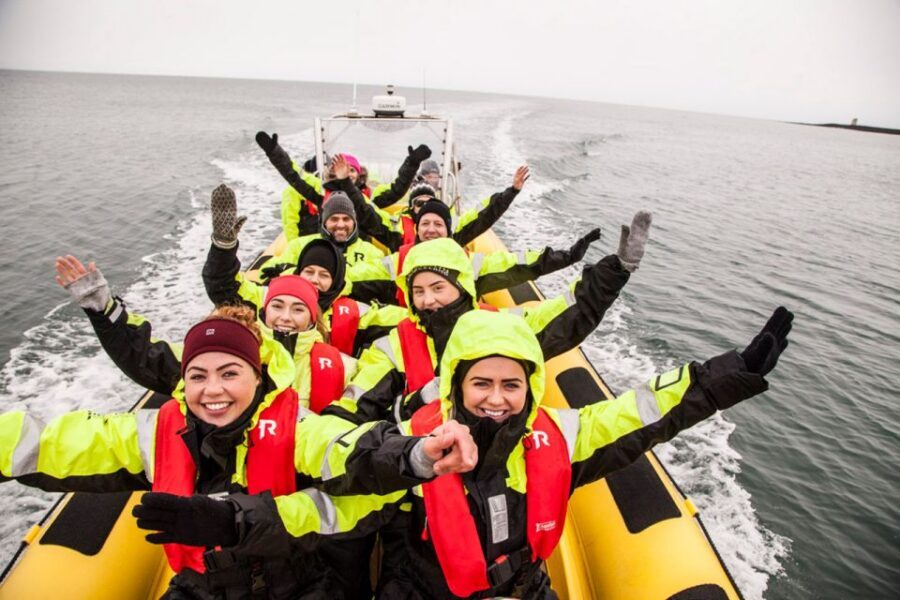
- Small 12-seater RIB helps the captain move quickly to sightings and keep the group close.
- Old Harbor launch means you’ll start with Reykjavík views and head straight toward Faxaflói Bay.
- Engey and Lundey pass-bys add variety beyond whales, including puffin country at Lundey.
- Warm overalls, gloves, and goggles are included, which makes a big difference in Iceland’s wind.
- English live guide keeps the trip informative while you’re scanning the water.
- Free return ticket if you don’t see wildlife on your sailing gives you a second chance.
Reykjavík Whale Watching by RIB Speedboat: Why this trip feels different
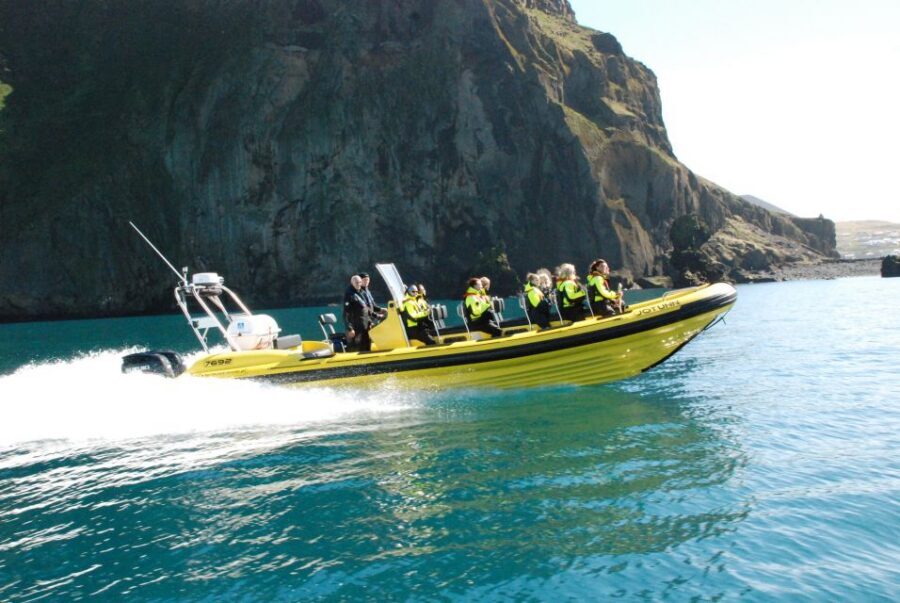
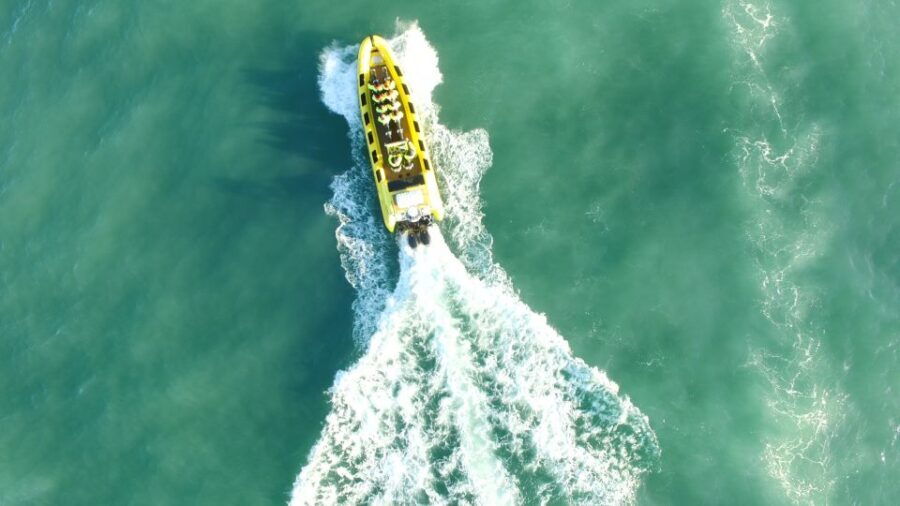
This is not the slow, “sit and hope” kind of whale tour. You’re in a RIB speedboat—built for speed and quick turns—so the captain can react when a blow, splash, or movement shows up. That matters, because wildlife in Faxaflói Bay can be here for a moment, then gone, and timing is everything.
You also get the city-view payoff right away. Starting from Reykjavík’s Old Harbor, you’ll cruise with panoramic views of the harbor and downtown landmarks. The Harpa concert hall is a standout from the water, and it’s the kind of view you don’t get from the street.
Another big plus is the intimate group size. With space for only 12 on board, the experience stays more personal, and the guide can point out what to look for without shouting over a crowd.
You can also read our reviews of more whale watching tours in Reykjavik

The Old Harbor start: your first Iceland views from the water
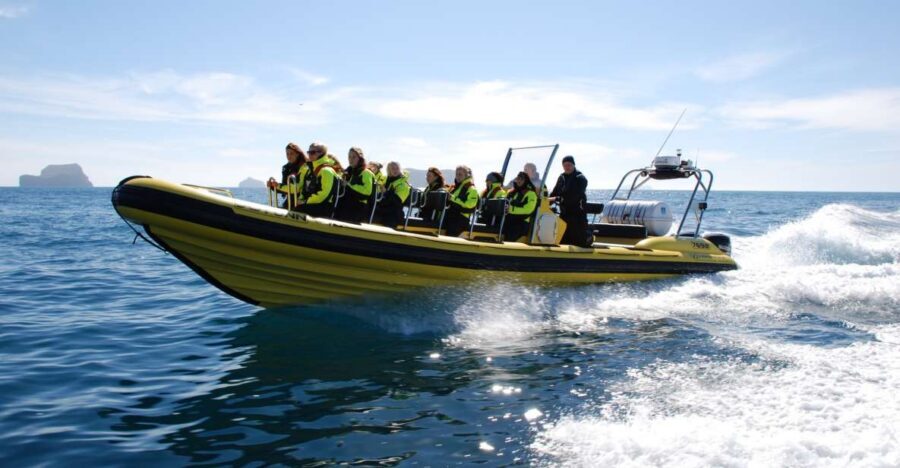
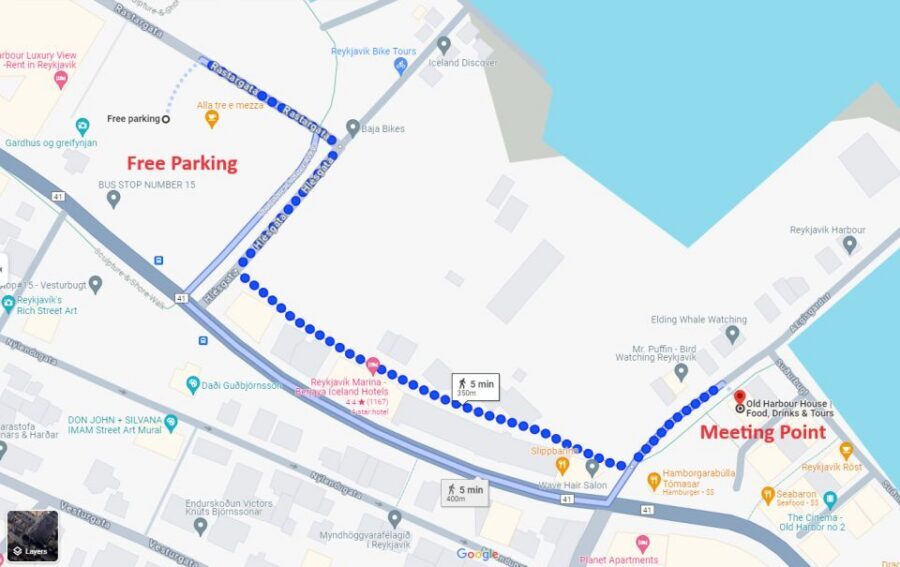
Check in at the Old Harbour House (Aegisgardur 2). The key practical detail here is timing: plan to arrive about 30 minutes before departure, and use the self-service kiosk to scan your ticket bar/QR code.
From the dock, the mood usually hits fast. You’re in open water shortly after launch, with Reykjavík sliding past on one side and the islands and bay on the other. Even if the whales take a bit to show up, the “on the water” part is still doing its job—Harpa and the harbor shoreline look sharp from this angle, and the whole bay feels alive.
There’s no hotel pickup included, so if you’re staying outside the center, you’ll want to build extra time into how you get to the Old Harbor. The payoff is you avoid waiting around for transfers and just get on the boat when it’s time.
Faxaflói Bay cruising: the islands that break up the search
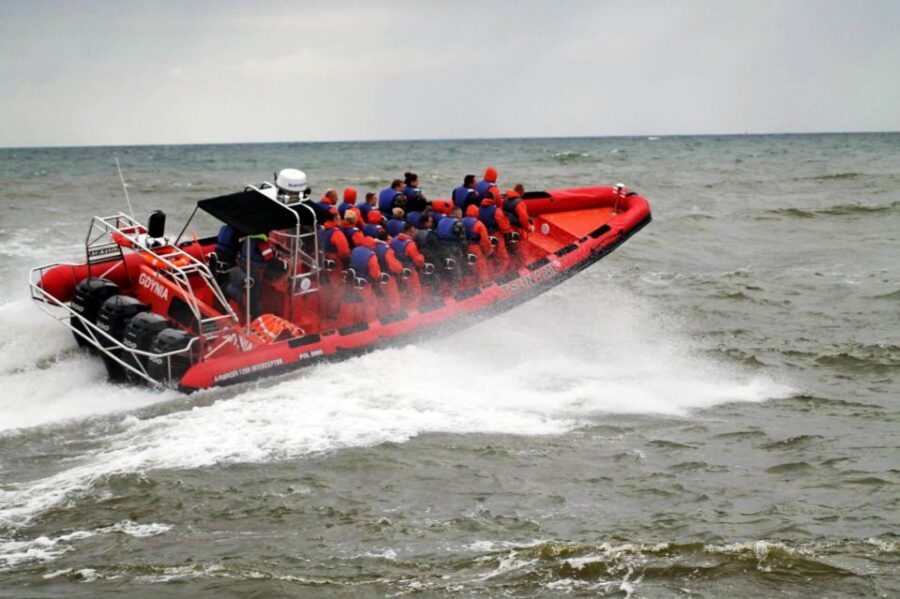
Once you’re out, your route focuses on the islands and coastline just off Reykjavík. Expect cruising along Reykjavík’s coast and into the broader Faxaflói Bay area—where the marine life feed patterns can bring whales and dolphins close to shore.
Passing Engey and Lundey is a big part of the trip’s rhythm.
Engey: a real island moment, not just a name on a map
Engey is the second-largest island in the Kollafjörður (Faxaflói Bay) area. That size matters because it shapes how the water moves around the island—currents, shelter, and feeding zones tend to concentrate marine activity. You’re not just staring at a blob of land; you’re cruising a region where the ecosystem can stack sightings.
Lundey, the Puffin Island: wildlife spotting beyond whales
Lundey is literally called Puffin Island. Even when your main goal is whales, I like having a secondary wildlife target. Puffins and sea birds can show up as you pass that island area, which keeps the trip from feeling like a single-species wait-and-pray.
Also, the guides can switch the focus fast. If the whales are quiet, you may still get birds and other marine activity that make the water time feel productive.




What you’re actually looking for: whales, dolphins, and porpoises
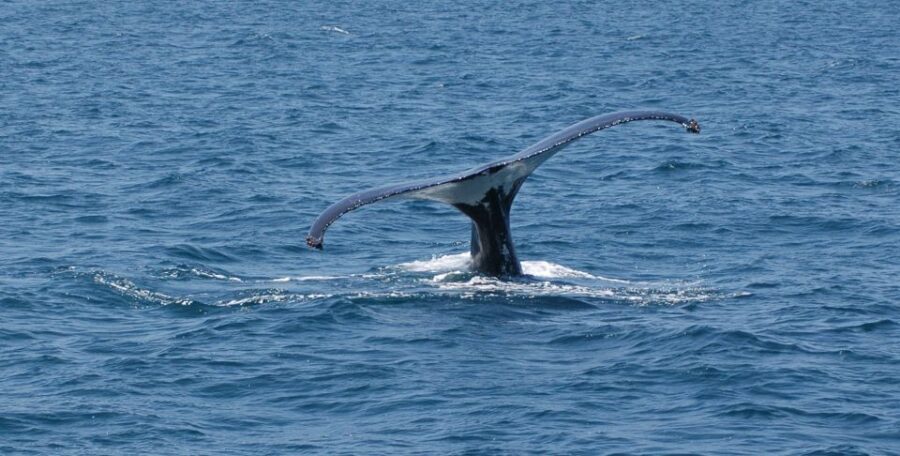
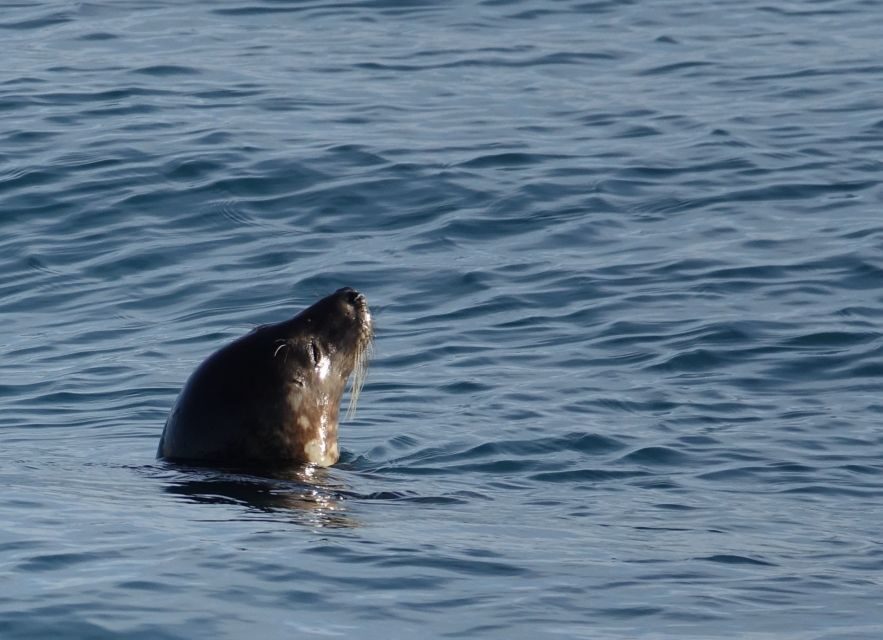
This tour is built around searching for marine wildlife off Reykjavík’s coast: whales, dolphins, and porpoises. In practice, sightings can include minke whales and humpback whales, plus multiple dolphin types. The exact species list can vary day to day—this is wildlife, not a theme park show.
Here’s the way to think about it so you don’t get stuck mentally in one outcome:
- If a whale surfaces, you’ll usually get the best window when the captain can track it quickly without turning the group into a slow-moving spectator line.
- With a small RIB, the crew can often reposition faster than large boats, so you spend more time at the action and less time waiting for the boat to get there.
Based on guide feedback styles that show up again and again—names like Claudia, Klaudia, Julien, and Bianca come up in the guide lineup—this is a strong point of the operation. The best moments tend to happen when the guide helps you interpret what you’re seeing: where to scan, how to read the water, and when to be ready for a quick approach.
And if you don’t see wildlife on your sailing day, you’ll receive a complimentary ticket to try again. That’s not a free guarantee of whales, but it does lower the risk of paying a lot and ending up with an empty ocean.
The RIB ride reality check: cold wind, bumpy water, and seasickness odds
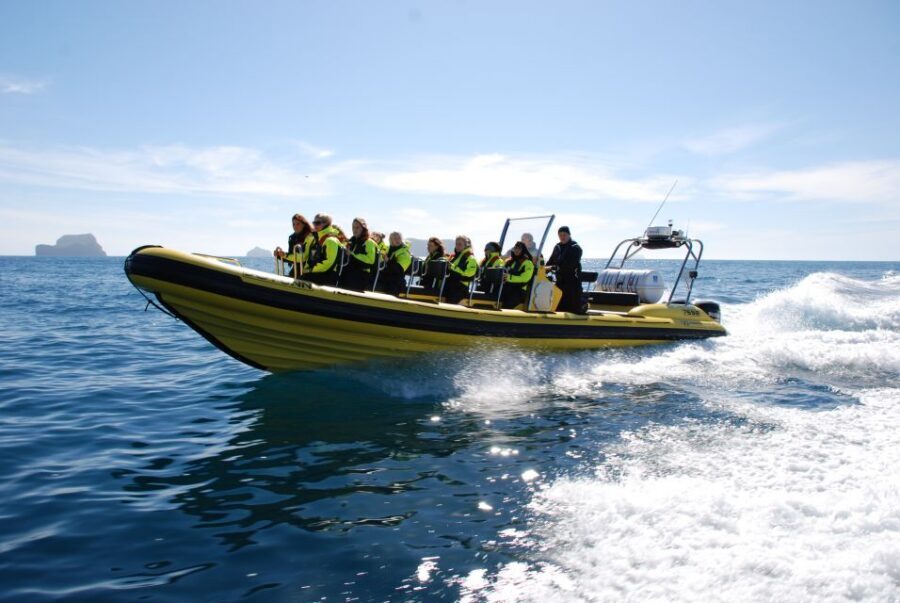
Let’s be honest: you’re on a speedboat. A RIB cuts water fast, which can feel thrilling—also bumpy. Iceland wind can be the real villain, not the temperature alone.
The good news is that warm gear is included: overalls, gloves, and goggles, plus the safety equipment you need. This is one of those “small detail, big impact” inclusions. It keeps your hands and face protected while you stand or half-sit to reduce the ride’s impact.
Still, a few practical notes will save you discomfort:
- Wear warm layers under the provided gear if you run cold easily.
- If you struggle with wind, consider bringing something for your face/neck area so you’re not constantly fighting gusts.
- If you’re prone to motion sickness, plan for it. Even with gear, people can feel the motion, and the wind makes it worse for some folks.
Also, this trip is not suitable for everyone: children under 10, pregnant women, people with back problems, and anyone under 4 ft 8 in (145 cm) should skip it. That’s not just “comfort”—it’s about safety and how the RIB ride affects bodies.
Time on the water: how the 2 hours tend to feel
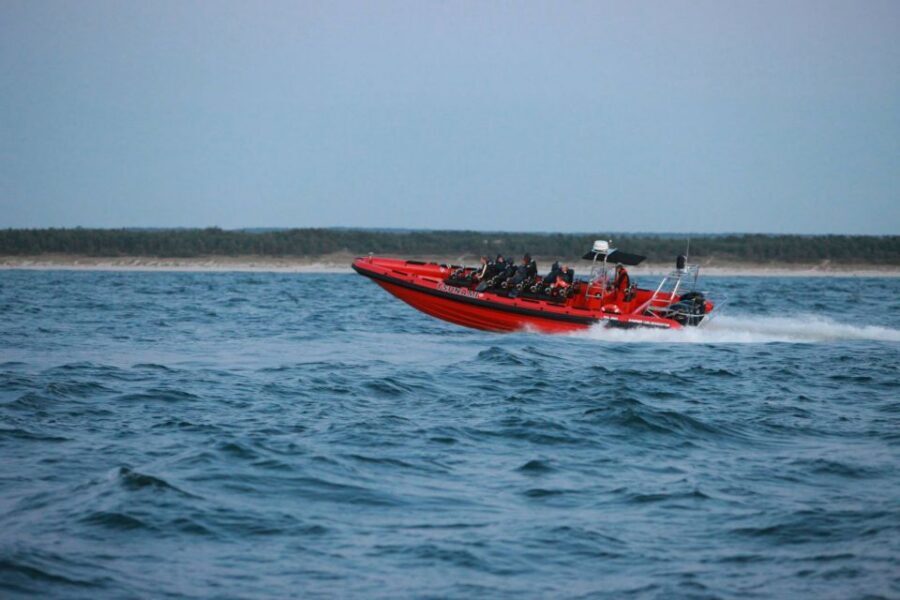
Duration is 2 hours, and that’s a sweet spot for energy and attention. Long enough to reach active waters, short enough that you’re not freezing the whole afternoon.
One thing to keep in mind is that the schedule can shift with weather and wildlife movement. The captain decides whether conditions are suitable for sailing and keeps safety and passenger comfort front and center. If it’s too rough, the plan can change—either rescheduling or running differently based on conditions.
From a value perspective, two hours is also why this tour often feels worth the money: you’re not paying for sitting on a deck. You’re paying for active search time and quick repositioning.
Warm gear and small-group comfort: included items that matter
The included gear list is straightforward, but it’s the difference between enjoying yourself and hunching your shoulders in misery.
What you get:
- Warm overalls
- Gloves
- Goggles
- Safety equipment
You should bring:
- Comfortable shoes
- Warm clothing
- A camera
I like that there’s no guesswork. The tour covers the gear that’s hardest to replace in Iceland. You can show up ready, get dressed fast at the harbor, and focus on the mission: scanning the water and enjoying the ride.
Price and value: is $200 a smart spend?
At $200 per person for a 2-hour RIB whale-watching trip, the price is not cheap—but it also isn’t random. You’re paying for:
- A small boat (12 seats) that can maneuver and reposition quickly
- A live English guide to help you spot what matters
- Included cold-weather protection so you don’t need to buy gear on the spot
- The chance to see whales and dolphins close enough to remember, not just distant silhouettes
Does that mean you always see whales? No. Wildlife can be shy. But you do get two things that strengthen the value case: the free return ticket if you don’t see wildlife, and the fact that even without whales you’re cruising islands and Reykjavík’s coastline from a perspective most people never get.
If whales are a top priority for your Iceland trip and you can handle wind and a bumpy ride, this is often a smart use of a limited travel window. If you hate cold water, motion, or you need a super-smooth experience, then you might prefer a slower option.
Best time to go: seasons that stack the odds
The best whale-watching season in Iceland is April through September. That’s your best timing window to aim for whales in these waters.
Outside that window, you can still get wildlife sightings, but the odds and the comfort factor can shift. If your travel dates are fixed, don’t panic—just dress for wind, and be ready for the captain to make the call based on conditions.
Who should book this RIB whale-watching tour?
Book it if:
- You want active searching rather than passive sightseeing
- You like the idea of a small group and quick repositioning
- You’re comfortable with wind and the idea that the water can be bumpy
- You want a city view too, with Reykjavík landmarks from the sea
Skip it if:
- You’re traveling with kids under 10
- You’re pregnant
- You have back problems
- You’re under 4 ft 8 in (145 cm)
Should you book this RIB whale-watching tour?
I’d book it if whales are a must-do and you’re okay with Iceland being Iceland—meaning weather choices and real-life wildlife uncertainty. The small 12-seater setup, the speedboat style search, and the included cold-weather gear make this feel like a high-effort, high-payoff experience.
Before you book, make sure you’re emotionally ready for the possibility of a quiet day at sea. The good news is the complimentary ticket if you don’t see wildlife lowers your risk enough to feel fair.
FAQ
Where does the tour start and how early should I arrive?
The tour meets at the Old Harbour House, Aegisgardur 2, 101 Reykjavík. Check in 30 minutes before departure.
Is hotel pickup included?
No. Hotel pickup and drop-off are not included.
How long is the whale-watching tour?
The duration is 2 hours.
What wildlife might I see?
The tour focuses on whales, dolphins, and porpoises off Reykjavík’s coast. The exact sightings can vary, and additional sea birds may show up around the islands.
What’s included to keep me warm?
Warm overalls, gloves, and goggles are included, along with the necessary safety equipment.
Do I need to bring warm clothing and shoes?
Yes. Bring comfortable shoes and warm clothing. Even with included gear, Iceland wind can still get through.
Is a wildlife sighting guaranteed?
No. Sightings can’t be guaranteed. If you don’t see any wildlife on your tour, you’ll get a complimentary ticket to try again.
What language is the guide?
The live tour guide is English.
What time of year is best for whale watching?
The best time is during the summer months, from April to September.
What if weather is bad or the tour can’t run?
The tour depends on suitable weather conditions, and the captain decides based on safety and comfort. The tour may also be rescheduled if the minimum number of participants isn’t reached.