REVIEW · REYKJAVIK
Silfra Fissure Snorkeling From Reykjavík – Free Underwater Photos
Book on Viator →Operated by Arctic Adventures · Bookable on Viator
Silfra snorkeling is one of Iceland’s oddest bucket lists. You’re set up for a real, hands-on experience in Silfra, a natural rift inside UNESCO-listed Þingvellir National Park, where the European and North American plates slowly pull apart. I like that you get guided time with a PADI-certified divemaster, plus the full cold-water gear package. I also like the included return transfer and the free underwater photos your guide captures.
One key drawback to plan for: getting kitted up in a dry suit takes time, and you’ll be outside in the cold while that happens. If you’re sensitive to cold waits, you’ll want to show up layered and ready, not rushing around at the last minute.
In This Review
- Key Things to Know Before You Go
- Silfra Snorkeling Between Continents: What Makes It So Special
- Þingvellir National Park: The UNESCO Stop That Sets Up the Underwater Story
- Dry Suit Reality Check: Cold Hands, Setup Time, and How to Prepare
- On-the-Water Safety and Swimmer Requirements (Don’t Skip This)
- The Fissure Swim: How the Experience Feels Under the Ice-Cold Water
- Free Underwater Photos: A Nice Keepsake With One Catch
- Hot Chocolate and Cookies: Why the Small Perks Matter
- Pickup, Timing, and Getting There From Reykjavik
- Price and Value: Is $211.72 Worth It?
- Who Should Book This Silfra Tour (and Who Might Skip It)
- Weather, Cold Water, and What to Pack in Your Day Bag
- Final Verdict: Should You Book This Silfra Snorkeling Tour?
- FAQ
- How long is the Silfra snorkeling tour from Reykjavik?
- Is hotel pickup included?
- What’s included for snorkeling and cold protection?
- Do I need to know how to swim?
- Are underwater photos included?
- How cold is the water?
- What is the minimum age?
- Can pregnant travelers join?
- Are there height and weight limits?
- What happens if weather is bad?
Key Things to Know Before You Go
- PADI-certified divemaster instruction: real coaching, not just a hand-wave
- Dry suit + thermal gear: built for cold water, but you still need warm layers
- Þingvellir UNESCO context first: tectonics make more sense after the guide’s talk
- Small group size (max 6): more attention getting fitted and checked
- Free underwater photos: a nice keepsake, even if you may be far from the camera at times
Silfra Snorkeling Between Continents: What Makes It So Special
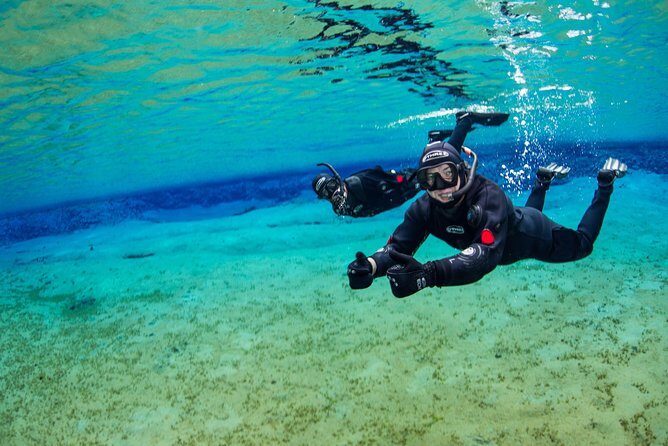
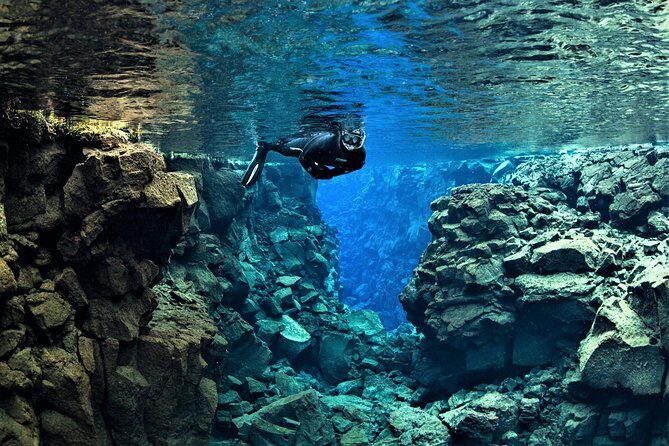
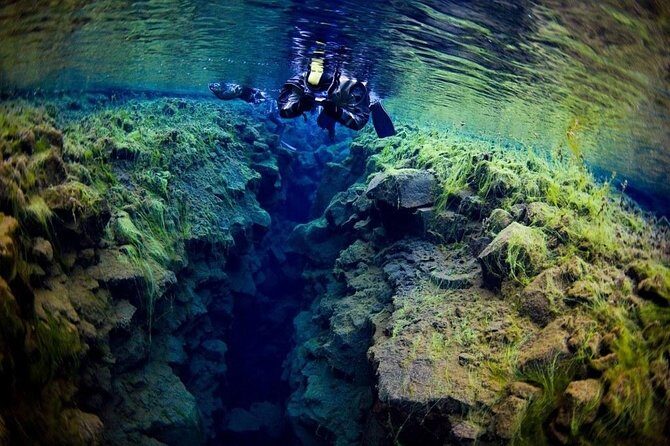
This is not a casual beach snorkel. It’s a cold-water, dry-suit snorkeling outing in the Silfra fissure, where the water is so clear you can actually make sense of the geology around you. The big wow factor is simple: you’re floating in a rift that connects two tectonic plates. As the plates drift, the fissure widens and reshapes the underwater voids you’ll swim past.
I like the way the tour frames the experience. Before you ever get into the water, you get a guide’s explanation of what you’re looking at: the cracks, the drop-offs, and the way the rift forms. That context matters, because the best photos and the best memories come when you understand what you’re seeing—not just that it looks cool.
You’ll also spend time at some of the more scenic parts of the fissure with your guide. The route is guided, and that’s important because you’re in a controlled environment with safety rules, equipment checks, and a group rhythm to follow.
You can also read our reviews of more snorkeling tours in Reykjavik
Þingvellir National Park: The UNESCO Stop That Sets Up the Underwater Story
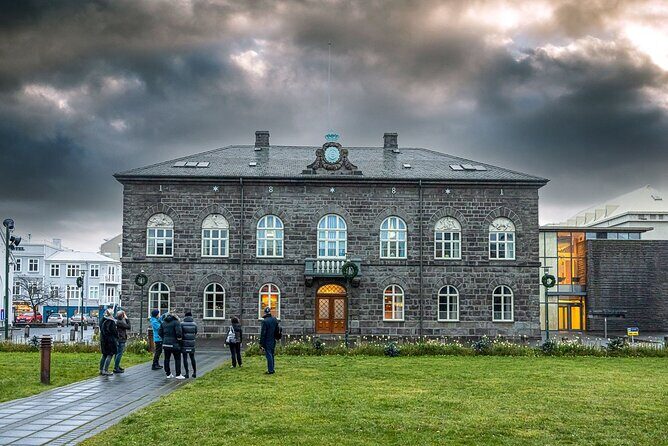
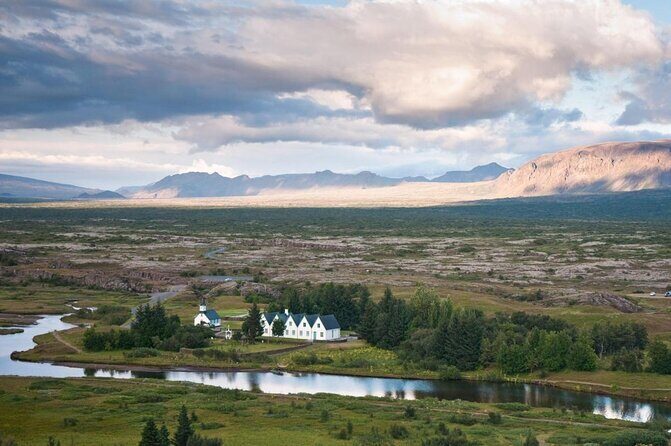
Your day starts with hotel pickup and a drive to Þingvellir National Park. Along the way, and once you arrive, your guide gives you an introduction to the site and the Silfra rift. Þingvellir is UNESCO-listed, and it’s famous for how visible the tectonic drama is on land. That’s where the tour earns its keep: you don’t just jump into water and hope you remember the science later.
In practical terms, this stop helps you read the place. When you learn that Silfra is a natural rift caused by tectonic forces, the underwater scene clicks faster once you’re suited up and ready to swim. You’ll also have a better sense of why the water sits in this specific geological pocket and why the visibility is so striking.
Dry Suit Reality Check: Cold Hands, Setup Time, and How to Prepare
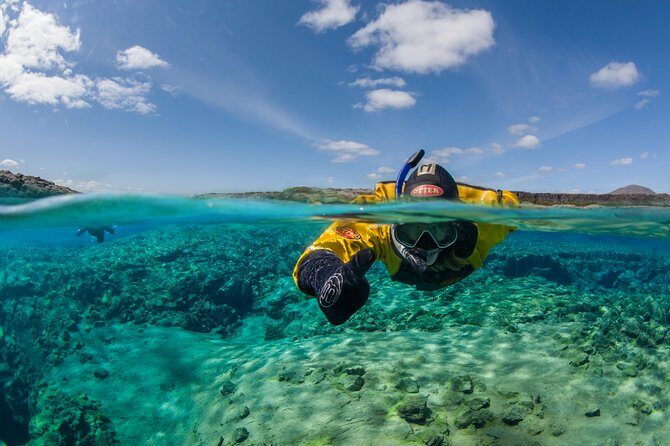
This tour’s biggest “body logistics” moment is the dry suit. You’ll put on snorkeling gear and specialized cold-water safety equipment, including the dry suit, thermal undersuit, gloves, hood, and boots. You’re also given a safety briefing before you go in.
Here’s what I’d take from the experience: the suit setup is the part that can test your patience. Multiple people have described it as freezing work on land—mainly because your hands and forearms are exposed during the donning process, and the dry suit itself can feel stiff and hard to wrestle into place. Once you’re actually in the water, it tends to feel warmer than people expect, which is a funny little mind trick the tour plays.
So plan like this:
- Bring warm base layers made from fleece or wool (not cotton).
- Pack warm socks, plus a small towel.
- Bring a change of clothes, since you’ll likely step out damp or cold.
- If you hate cold hands, consider adding hand warmers and foot warmers (one review specifically called these out as a game-changer).
Also, follow the suit-fit rules. Glasses can’t be worn under the goggles, so if you need glasses, contacts are your friend here. And pregnant travelers aren’t able to join due to the risk of cold water entering the suit.
On-the-Water Safety and Swimmer Requirements (Don’t Skip This)
This tour is built for people who can swim and can understand English instructions. You’ll need that for your own safety during entry, in-water movement, and exit procedures. The tour also requests moderate physical fitness.
The guides are checking that you’re properly sealed and ready before you go further. In the feedback, people often praise the calm, patient way guides help with equipment fit and water readiness. Names that came up repeatedly in positive comments include guides like Adrian, Carol, Marcin, Marcello, Pedro, Chris, Francesca, Linn, and Bar—each praised for reassuring people and staying attentive.
If you’re anxious about getting cold or feeling confined, you’re not alone. The best strategy is simple: tell yourself the hard part happens on land during kitting up. Then follow your guide’s steps and trust the buoyant design of the suit once you’re in the water.
The Fissure Swim: How the Experience Feels Under the Ice-Cold Water
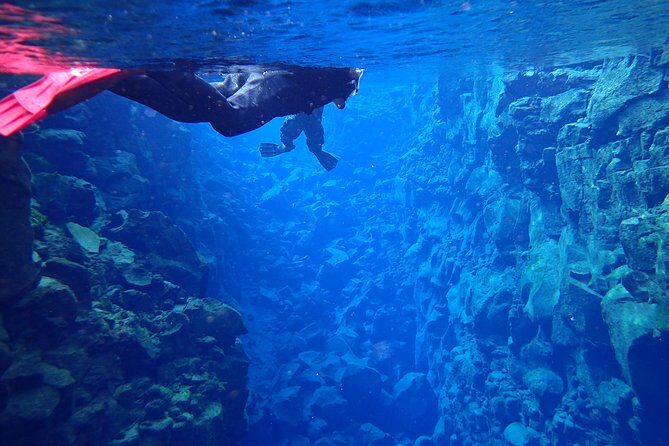
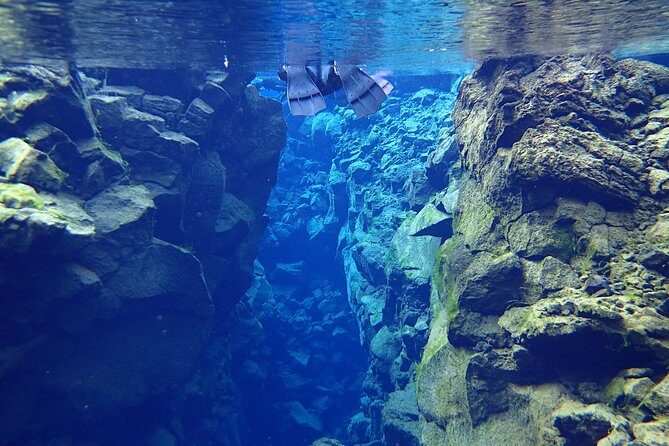
Once you enter the water, the tone changes fast. The goal isn’t speed or athletic performance. It’s gliding and looking—moving through crystal-clear water while the rift’s geometry becomes your “path.”
You’ll see a ravine that reaches roughly 82 feet (25 meters) below the surface. Even if you don’t feel like you’re swimming straight down, you’re in the presence of real depth. That’s part of the mental impact: you’re not looking at a shallow aquarium. You’re in a geological feature carved and shaped by tectonics, and the water visibility makes it feel almost unreal.
You’ll also follow your guide to scenic points. Some parts feel open and floaty. Others feel like you’re threading through rock and voids, with dramatic gaps around you. People describe it as a unique sense of scale—like you can understand what tectonic plate separation looks like when you see the fissure in motion.
Time in the water seems to land around about an hour total for the snorkeling component across the day, with some reviews noting that the actual water time is closer to about 30 minutes. Either way, your energy should be spent on steady breathing and relaxed movement, not trying to “rush the photos.”
You can also read our reviews of more photography tours in Reykjavik



Free Underwater Photos: A Nice Keepsake With One Catch
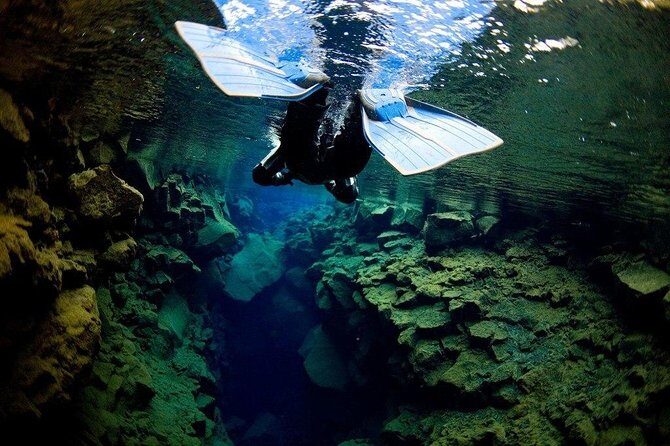
One of the smartest inclusions here is the complimentary underwater photos taken by your guide. It’s easy to dismiss photo add-ons until you realize you’re wearing a mask, a hood, and a dry suit. You’re not exactly holding a camera.
The trade-off: a couple of comments said the photos weren’t as personalized as expected, with people feeling they were too far from the camera or that the images didn’t fully show the underwater beauty. So if you care deeply about getting close-up shots of your face and suit details, keep expectations flexible.
Still, free photos are free photos, and they save you from trying to time a perfect moment while wearing gear.
Hot Chocolate and Cookies: Why the Small Perks Matter
You’re not just bundled up and sent off into the cold. The tour includes hot chocolate and cookies, which might sound like a minor detail, but it’s not. After you’ve spent time in the cold and wrangled a dry suit, a warm drink is real recovery.
These little perks also tell you something about how the day is paced. The tour is designed for comfort after the water segment, not just a quick hit and run.
Pickup, Timing, and Getting There From Reykjavik
The day works best if you choose a pickup time that gives you breathing room. Pickup starts at your selected tour time and can take up to 30 minutes. That means your morning can feel a bit “wait and see,” especially if you’re trying to juggle other plans.
Pickup is also restricted to specific locations. If your hotel or Airbnb is in areas the company can’t reach due to traffic rules, you’ll need to use the closest approved pickup point. This is worth planning for early, because it can add a bit of walking or taxi time on both ends.
The drive is also part of the day. If you’re choosing between “transfer” and self-arranging, the included transfers are a value boost. Several comments specifically recommended taking the transfer option, noting the drive from Reykjavik.
Price and Value: Is $211.72 Worth It?
At $211.72 per person, this isn’t a budget activity. But it has real value drivers you can feel on your trip:
- You’re paying for the whole cold-water setup: dry suit, thermal layers, gloves, hood, boots, and snorkel gear.
- You’re paying for instruction from a PADI-certified divemaster, plus safety briefings and active guidance.
- You’re paying for transport and time management with hotel pickup and return.
- You get free underwater photos, plus a warm drink and cookies.
When you add those pieces together, it stops being just a snorkel. It becomes a guided, cold-water activity run with equipment, training, and safety management. For many people, that’s the difference between a once-in-a-lifetime experience and a miserable logistics day.
Who Should Book This Silfra Tour (and Who Might Skip It)
This tour is a strong fit if you want a rare natural experience with real guiding, and you can handle cold conditions during the kitting-up period. It’s especially good if you like structure: you’ll be fitted, briefed, and guided through the fissure so you can focus on seeing.
It’s not the best choice if any of the following apply:
- You don’t swim confidently or you’re not able to understand English safety instructions.
- You get stressed by suit setup and outdoor waiting in cold, windy weather.
- You’re pregnant (the tour doesn’t allow it due to suit safety concerns).
- You have medical conditions that require doctor approval you can’t provide.
There are also size limits: weight between 45–120kg and height between 150–200cm. If you’re outside those ranges, you’ll want to double-check before booking.
Weather, Cold Water, and What to Pack in Your Day Bag
This experience requires good weather. If weather is poor, you’ll be offered a different date or a full refund, so don’t book it as your one and only plan for the day unless you have flexibility.
As for cold: be ready. Multiple notes call out how freezing it can feel, especially during dry suit setup. One winter comment mentioned around 2°C in the water and -7°C outside, which gives you a realistic anchor. Even if your day isn’t that extreme, assume it will be cold.
Pack for warmth and comfort:
- Warm base layers (fleece or wool).
- Warm socks.
- A small towel.
- Change of clothes.
- If you’re prone to cold hands or feet, consider extra warming options.
Also, remember you’ll be taking off and putting on gear outdoors. Indoor changing facilities aren’t mentioned as a given here, so make your clothing plan accordingly.
Final Verdict: Should You Book This Silfra Snorkeling Tour?
If you want a once-in-a-lifetime Iceland experience that’s more structured than DIY, I think it’s a great choice. The guided dry suit snorkeling in Silfra is exactly the kind of “only here” activity that you remember long after your flight home. The small group size (max 6) and the repeated praise for patient, attentive guides—people like Adrian, Carol, Marcin, Marcello, Pedro, Chris, Francesca, Linn, and Bar—suggest you’ll be treated as an individual, not just a number.
But don’t sugarcoat the hard part: the dry suit setup can be slow and cold on land. If cold waits and suit fiddling sound like your personal nightmare, you may end up focused on survival instead of wonder.
My advice: book it if you’re comfortable swimming, you can handle cold clothing logistics, and you want an experience with real safety coaching and a story you’ll actually understand when you see the fissure.
FAQ
How long is the Silfra snorkeling tour from Reykjavik?
The tour runs about 5 hours 30 minutes, approximately, including the time to travel between Reykjavik and Þingvellir National Park and your time at Silfra.
Is hotel pickup included?
Yes. Reykjavik pickup with return is included, but pickup only happens at specified locations due to traffic restrictions.
What’s included for snorkeling and cold protection?
You get snorkeling gear and specialized cold-water safety gear, including a dry suit, thermal undersuit, gloves, hood, and boots.
Do I need to know how to swim?
Yes. All participants must be able to swim to safely participate in the tour.
Are underwater photos included?
Yes. Complimentary underwater photos are taken by your guide.
How cold is the water?
You should expect very cold conditions. One winter experience described water at around 2°C, and many comments emphasize that it’s freezing, especially during setup, even though the dry suit helps once you’re in.
What is the minimum age?
The minimum age is 12 years old. If you’re under 18, you must be accompanied by a parent or adult guardian booked on the same tour.
Can pregnant travelers join?
No. Pregnant women are unable to participate due to the risk of cold water entering the suit.
Are there height and weight limits?
Yes. The weight limit is 45–120kg and the height limit is 150cm–200cm.
What happens if weather is bad?
The experience requires good weather. If it’s canceled due to poor weather, you’ll be offered a different date or a full refund.