REVIEW · REYKJAVIK
3-Day Ice Cave, South Coast, Golden Circle and Northern Lights
Book on Viator →Operated by Troll Expeditions · Bookable on Viator
This tour is built for big scenery, fast. In just three days, you get the Golden Circle classics plus serious winter glacier time and a serious shot at the Northern Lights.
I especially like the value of the included guided glacier activities. You’re not just driving past things—you’re geared up, strapped in, and hiking on ice with safety equipment included. I also like how the day-by-day plan keeps you moving but not frantic, with pickup, lodging, and breakfast handled, so you can focus on the views.
One thing to consider: the itinerary depends on weather. And the Northern Lights are never guaranteed, even when your hotel location is chosen to help.
In This Review
- Key things to love about this Iceland winter trip
- The Big Picture: Golden Circle classics plus winter ice cave time
- Day 1: Pingvellir, Gullfoss, and Geysir in one tight sweep
- Day 2: Seljalandsfoss, Skógafoss, then the glacier hike and blue ice cave
- Day 3: Jökulsárlón, Fellsfjara, Reynisfjara, plus super jeep cave time
- Northern Lights reality check: you’ll chase them, not control them
- Guides, timing, and why the group setup matters
- Gear, clothing, and the small rentals that can cost extra
- Hotels and meals: what’s included, what you pay for
- Price and value: is $1,058.14 worth it?
- Who should book this tour
- Should you book this 3-day Ice Cave, South Coast, Golden Circle and Northern Lights tour?
- FAQ
- What time does the tour start from Reykjavik?
- Do they offer pickup from hotels in Reykjavik?
- Is the Northern Lights guaranteed?
- What’s included in the glacier hike and ice cave activities?
- Are ice caves available year-round?
- Are meals included?
- Can I rent hiking boots or waterproof gear?
- How big is the group?
- What luggage rules should I know about?
- What happens if weather cancels the tour?
Key things to love about this Iceland winter trip
- Two real highlight days: glacier hike plus blue ice cave time, not just viewpoints
- Safety equipment included for the glacier walk and ice-cave experience
- Super jeep transport to the ice cave area, which matters in winter conditions
- Small group size (max 19) for a more manageable day
- Northern Lights hunting from prime hotel spots (results vary, but the odds are improved)
The Big Picture: Golden Circle classics plus winter ice cave time
If you’ve only got a few days in Iceland, this kind of tour plan makes sense. You get the well-known stops around the Golden Circle on the first day, then you move into the South Coast where the scenery turns wilder and more otherworldly.
What makes this experience feel different from a typical “stop-and-take-a-photo” day is the winter add-ons. By day two and day three, you’re doing ice walking and ice cave exploring with trained glacier guides and winter safety gear. That shifts the whole trip from scenery browsing into hands-on adventure.
And you’ll spend your driving time inside a small, comfortable minibus, with WiFi on board. You’re not stuck in a huge cattle truck, which helps when you want to actually pay attention to the road conditions and the quick timing of each stop.
You can also read our reviews of more tours and experiences in Reykjavik
Day 1: Pingvellir, Gullfoss, and Geysir in one tight sweep
Day one starts with Thingvellir (Pingvellir) National Park, a place that’s both dramatic and meaningful. This is the rift zone where the North American and Eurasian tectonic plates move away from each other. The “wow” is visual—clear, physical evidence of how Iceland is still forming.
Thingvellir also brings in human history. Icelanders founded their parliament here in 930 AD, with the annual meeting of chieftains each summer. It’s not a stuffy museum vibe. It’s geology and politics in the same open space—one of those rare spots where you feel the scale of time without trying.
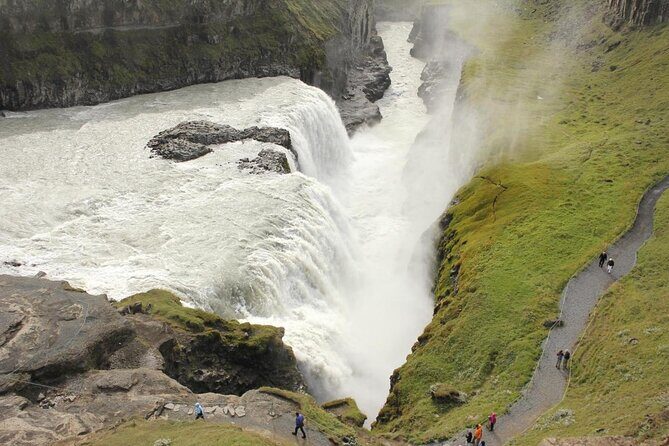
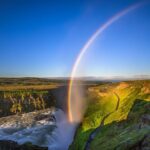
From there you head to Gullfoss, the Golden Falls. The tour focuses on the power here: melting water from Langjökull drops into a deep canyon, and in sunny conditions you can catch rainbows in the mist. It’s the kind of stop where you understand why artists keep drawing waterfalls.
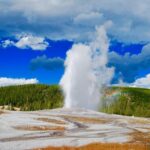
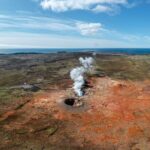
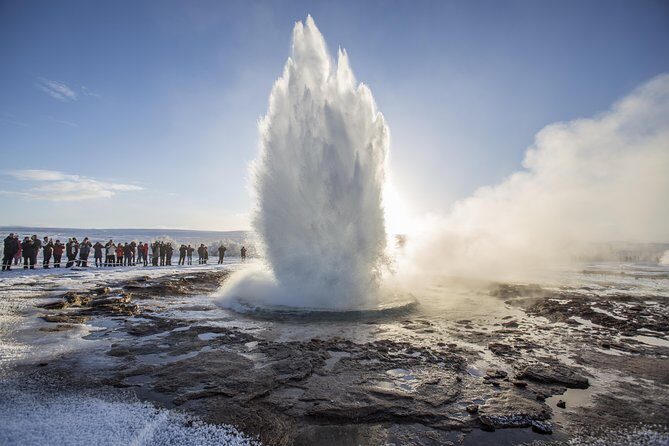
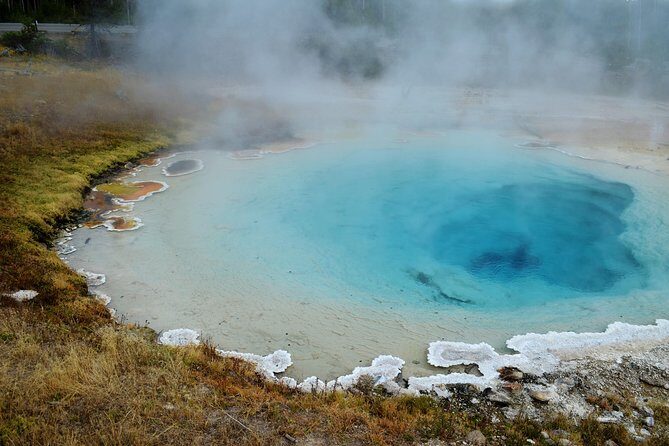
Next is the geothermal area at Geysir. You’ll see lots of hot springs, but the two names matter: the geyser called Geysir, which erupts very seldom now, and Strokkur, which erupts frequently—about every five minutes, reaching up to around 40 meters. This is one of those locations where timing and patience both pay off.
Practical note: day one is a full day of major stops, but each stop has a set time window. If you’re a slow photographer, you’ll want to move efficiently between viewpoints and keep your coat on until you’re ready.
Day 2: Seljalandsfoss, Skógafoss, then the glacier hike and blue ice cave
Day two is where the tour shifts into true adventure mode.
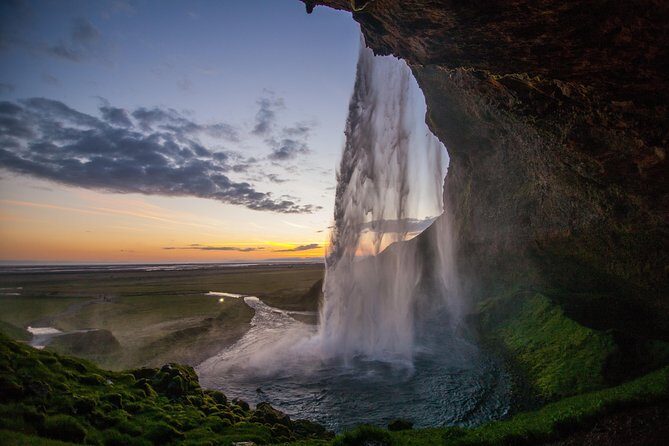
You start with Seljalandsfoss, one of Iceland’s best “walk-around-the-waterfall” moments. The short hike behind the falls is the key feature. In winter, that’s a good reason to bring or rent proper protection—water spray and slick ground can turn a short walk into a slippery challenge fast. A raincoat is the difference between fun wet photos and you rushing back to warm up.
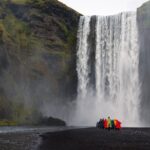
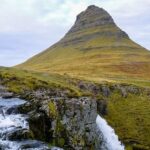
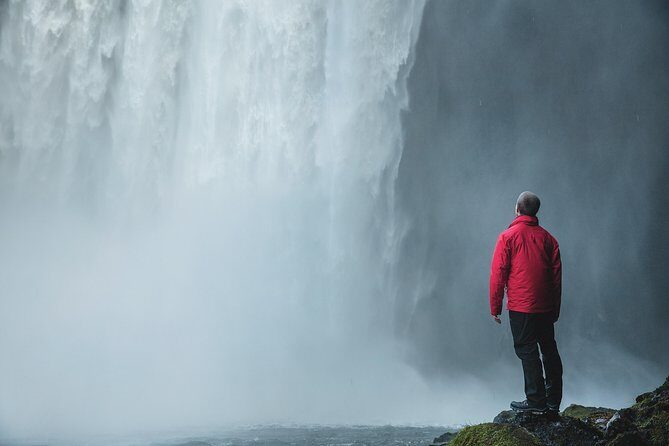
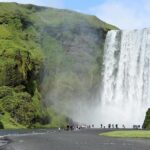
Then comes Skógafoss, a tall waterfall in a gorge setting. There’s a staircase for views from above, which is handy because the waterfall sits in that classic Iceland shape—one clean drop, lots of mist, and a landscape that keeps changing with the angle.
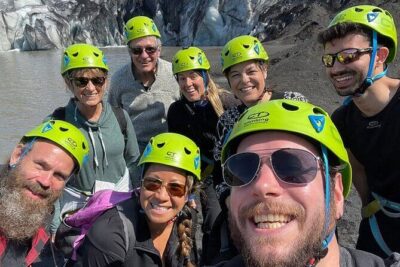
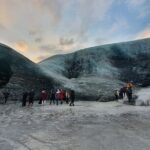
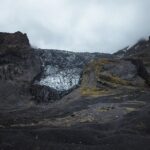
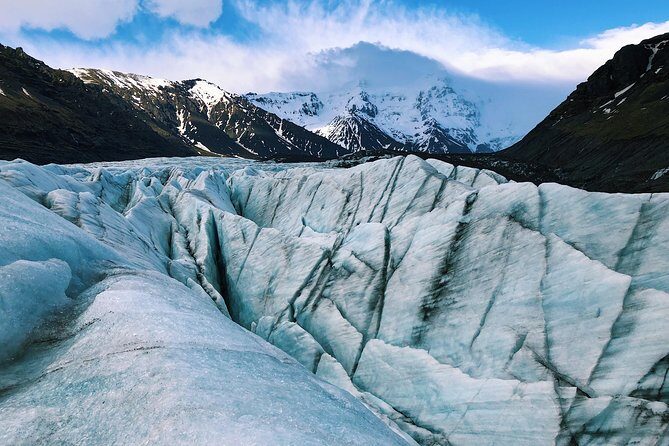
After that, you head to Skaftafell National Park for the glacier portion. Here you’ll meet glacier guides and get the gear: helmets, harnesses, crampons, and ice axes. The actual ice walk is around an hour and a half, and you’ll learn how to move safely on glacier terrain. This is not just a scenic stroll.
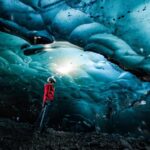
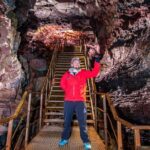
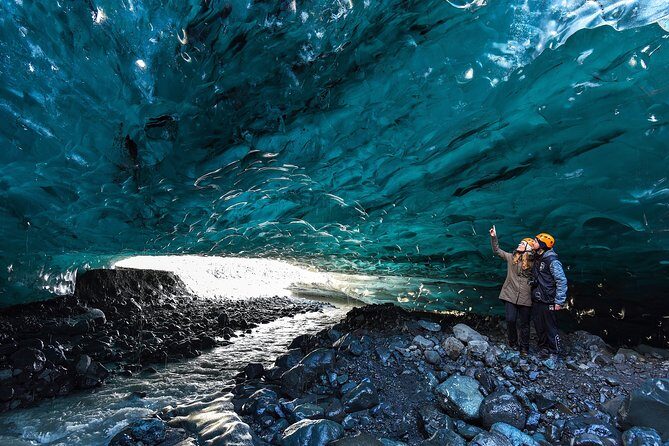
Then there’s the glacier cave portion. You take a hike to reach the cave area and then explore a naturally formed blue ice cave. The tour makes a practical point: glacier caves are dynamic and accessible only in winter when temperatures drop. Each year new caves form in different areas, and conditions can change how far you get inside. So if you’re expecting a perfectly identical cave every time, Iceland will politely remind you it’s a living system.
What I like about how this is set up: it uses the right tools. You’re not improvising your way onto ice. You’re learning with equipment designed for traction and safety.
Possible drawback to plan for: the hike to the ice cave can be on an uneven, rocky path. That means your winter footwear matters and you should expect short stretches that feel more work than you’d guess from a photo online.
Day 3: Jökulsárlón, Fellsfjara, Reynisfjara, plus super jeep cave time
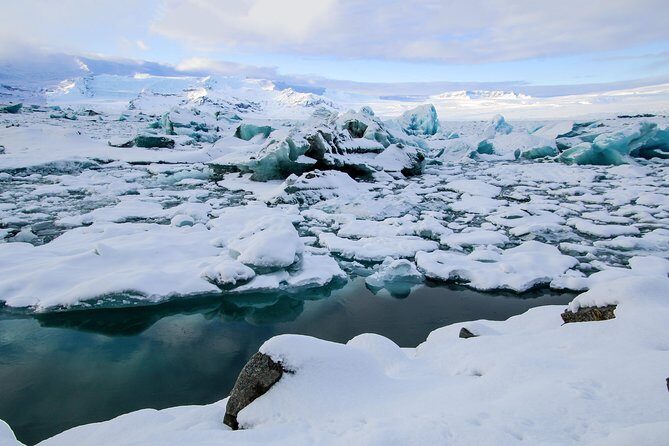
Day three starts with Jökulsárlón Glacier Lagoon. You get the visual scale here: a deep glacial lagoon fed by an outlet glacier, and lots of icebergs floating out. You’ll have time to walk along the lagoon and enjoy the silence that comes with it—ice everywhere, water moving, and a horizon that feels unusually wide.
After that, the day includes another ice experience: a ride in a super jeep to reach a blue ice cave inside the glacier. This is the kind of transport that matters in winter, since roads and access can be rough. Even if you think you’re fine on tours, you’ll appreciate not having to wrestle your way through icy conditions just to reach the main event.
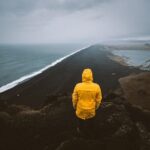
Then you visit Fellsfjara, the black sand area across the road from the lagoon. It’s where the ice meets the tide and gets scattered along the shore. You’ll see smaller ice pieces that sparkle in daylight, creating strong contrast against the dark sand. It’s also a good spot for photos, but keep your footing in mind—black sand can look stable while still being slippery in practice.
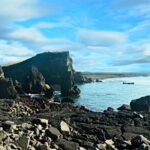
Next is Reynisfjara Beach, known for its black sand and the basalt columns in the cliffs. Massive Atlantic waves hit the shoreline here, so you’ll want to stay aware of wave zones and where you’re standing. The tour also points out Dýrhólaey in the distance, and the birdlife seasonally (puffins are the headline in summer). In winter, you might not see the same bird action, but the dramatic coastline still does the job.
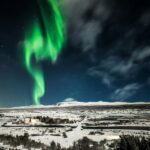
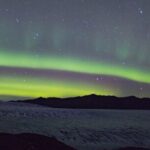
For Northern Lights: your chance comes from where you’re sleeping and how late you can wait. The operator chooses prime hotel locations to maximize odds. You might see the lights on your second night, and you might see nothing at all. Plan for both outcomes.
Northern Lights reality check: you’ll chase them, not control them
Northern Lights happen when solar activity and sky conditions line up. This tour is honest about that: the lights can’t be guaranteed, and weather is the deciding factor.
That said, you’re not stuck in a bright city neighborhood. The tour uses hotel locations chosen to help with sightings. In practice, that means darker skies, less light pollution, and more chances to step outside when activity hits.
One helpful mindset: treat the Lights like a bonus. Your trip already includes enough glaciers and waterfalls that even a cloudy night won’t feel like a total loss. The best approach is to dress warm, keep your eyes on the sky, and listen for guidance from your guide if they’ve been checking conditions.

Guides, timing, and why the group setup matters
This tour runs with an English-speaking guide, and the day-to-day feel depends heavily on the driver/guide team and how they manage time between stops.
From the experiences shared by people who did this trip, certain guide styles show up again and again. Guides like Bran and Kasper are praised for safe, confident driving and clear explanations, including how long you’ll be at each place and when restrooms are planned. Others, like Paul, get credit for making the ride feel more like a moving story than a long transfer.
It’s also common for guides to add small extra stops when conditions and time allow—like grabbing one more viewpoint or ocean feature if it fits. That flexibility is part of why group tours can beat DIY in Iceland, especially in winter when plans need to shift quickly.
Group size matters too. With a maximum of 19 people, you’re more likely to get attention when you need it. You can also hear instructions better during gear checks.
Tip for timing: Iceland punishes lateness. The tour works because everyone is back on schedule. If you’re slow packing your layers, fix that before you leave the hotel.
Gear, clothing, and the small rentals that can cost extra
The glacier hike includes safety equipment. That’s a big deal and a true value saver.
But for personal comfort, you might still want to rent items. The tour lists rental options like:
- Hiking boots (available at booking if you need them)
- Waterproof jacket rental
- Waterproof pants rental
- Hat and gloves combo, neck warmer, and summer cap options
The exact costs are listed on the tour info, but the practical takeaway is simple: if you travel light and cold weather hits hard, you’ll likely end up renting something. If you already own winter gear with good traction and waterproof layers, you can keep your costs down.
Footwear matters most. The tour specifically recommends boots with slip-resistant soles, and for the ice cave hike, waterproof ankle-covering boots are a smart call.
Also: carry a small bag for essentials. You’ll be using coats and layers constantly, and you don’t want to dig for items every time the bus stops.
Hotels and meals: what’s included, what you pay for
You get 2 nights of accommodation plus breakfast (2). WiFi on board helps with maps and weather checks if you’re the type who likes to track things.
Dinner and lunch are not included. That means you should budget for meals during the days and be ready for the reality that you’re on the tour schedule. You’ll usually have stops where you can buy food, but you shouldn’t count on a guaranteed long sit-down lunch every day.
One common theme from people who did this: dinner is sometimes handled by the tour, but you still pay for it yourself at the restaurant or guesthouse setting. So even if you feel like it’s arranged, you’ll want to budget for those costs up front.
My advice: bring snacks you genuinely like. In winter, you burn more energy just staying warm. A chocolate bar and chips might sound like a joke until you’re cold and hungry and you’re grateful for anything quick.
Price and value: is $1,058.14 worth it?
At $1,058.14 per person, this isn’t a budget tour. But the value case is strong if two things are true for you: (1) you want to do a glacier hike and an ice cave, and (2) you don’t want the hassle of planning, driving, and safety logistics.
Here’s where the money goes that you can feel:
- Guided glacier hike with safety gear included
- Ice cave exploration via super jeep plus safety gear
- Transfers between stops and back to your lodging
- 2 nights of accommodation and breakfast
- English-speaking guide and a group of up to 19 people
The big “value” is not just the sights. It’s the safety and the time. In winter, the margin for error is small. You don’t want to mess around with ice access, crampon use, and route timing on your own.
If you’re mainly chasing waterfalls and geysers and you’d rather skip the ice walking, then the price might feel steep. But if you want the glacier walking and blue ice cave experience, this is one of the more straightforward ways to do it in a short window.
Who should book this tour
This is a strong fit if you:
- Want a high-action 3-day plan without handling logistics yourself
- Are willing to dress for winter and follow timing rules
- Care about doing glacier travel with certified guidance
- Want your Northern Lights chances improved through hotel location and planned watching time
It’s also a good solo-traveler option. You’re in a small group, and you’re not stuck figuring out transportation every time the weather changes.
If you hate cold, have mobility limits for uneven paths, or get stressed by weather-driven changes, you might prefer a slower or more flexible style of trip.
Should you book this 3-day Ice Cave, South Coast, Golden Circle and Northern Lights tour?
I’d book it if your trip goals include real glacier time and not just scenic stops. The included gear, the guided ice walking, and the structured access to blue ice caves are the kind of experiences that are hard to replicate on your own without real planning and risk.
I’d pause if you’re expecting guaranteed Northern Lights or you’re not comfortable with cold-weather hiking on uneven ground. This tour can still be amazing even if the cave conditions change or the lights don’t show—but you need to go in with that expectation.
If you want, tell me your travel month and your comfort with cold and hiking. I can help you judge whether the glacier hike and ice cave portions will feel like fun for you or like too much.
FAQ
What time does the tour start from Reykjavik?
The start time is 8:00 am. Pickup starts at 8:00 and can take up to about 30 minutes. You should be ready at your selected pickup location.
Do they offer pickup from hotels in Reykjavik?
Pickup is from designated bus stops, and it may be limited near downtown hotel entrances due to traffic regulations. You’ll need to check the designated pickup locations (commonly just a couple of minutes walk from your hotel) before you go.
Is the Northern Lights guaranteed?
No. The Northern Lights are a natural phenomenon and cannot be guaranteed. Hotels are chosen in prime locations to maximize your chances, but weather and sky conditions still control what you see.
What’s included in the glacier hike and ice cave activities?
Glacier hiking and the ice cave tour via super jeep include safety equipment. The tour also includes an ice cave tour with a certified guide and winter access when conditions allow.
Are ice caves available year-round?
No. Ice caves are only accessible during wintertime when temperatures drop. Caves change each year, and conditions can vary.
Are meals included?
Breakfast is included for two mornings. Lunch and dinner are not included, so you should plan to pay for your own meals during stops.
Can I rent hiking boots or waterproof gear?
Yes. Hiking boots rental, waterproof jacket rental, waterproof pants rental, and other winter gear are available for an additional fee.
How big is the group?
The tour has a maximum of 19 travelers.
What luggage rules should I know about?
There is a luggage limit of 24 inches suitcase per person, and no multiple luggage. If space is limited, you may need to use luggage storage.
What happens if weather cancels the tour?
The tour requires good weather. If it’s canceled due to poor weather, you’ll be offered a different date or a full refund.