REVIEW · REYKJAVIK
From Reykjavik: 3-Day South Coast Winter Tour with Ice Cave
Book on GetYourGuide →Operated by Nicetravel · Bookable on GetYourGuide
Iceland in winter feels like a magic show. This 3-day south coast tour strings together big-name sights like Golden Circle geothermal country, waterfall country, and a real Vatnajökull ice-caving day, plus the comfort of hotels and a warm hot-tub reset. Two things I really like: you get guided access (including hot tubs and crater entry), and the schedule is built for winter driving so you’re not white-knuckling icy roads on your own.
There is one drawback to plan around: this is an all-weather winter operation with mandatory hiking boots and a safety-first ice cave day that may feel like a lot if you hate cold, wind, and early starts. Also, northern lights are a maybe, not a promise.
In This Review
- Key things I’d circle before you book
- A South Coast Winter Plan That Saves You From the Driving Headache
- Day 1: Golden Circle in Winter, with Þingvellir First
- Haukadalur and Strokkur: The Geothermal Punch
- Kerið Crater Lake Entry: Short Stop, Strong Visual Payoff
- Hveragerði and the Geothermal Park Break
- Hotel Night 1: Geothermal Hot Tubs and a Real Reset
- Day 2: South Coast Waterfalls That Feel Like a Waterfall Marathon
- Seljalandsfoss and Gljúfrabúi
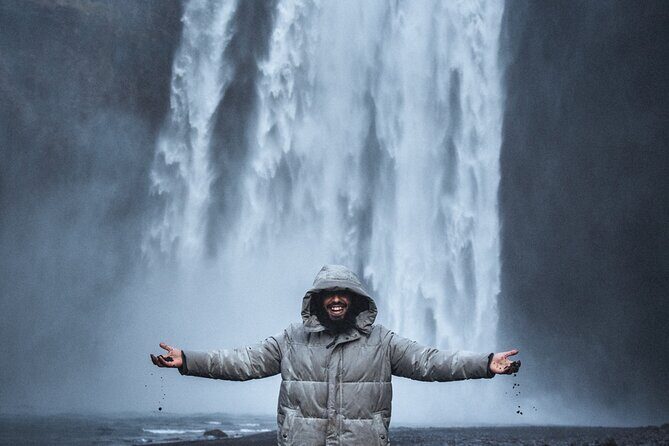
- Skógafoss: The 60-Meter Wall of Water
- Reynisfjara Black Sand and Reynisdrangar Sea Stacks
- Remote Night 2: Why Sleep Location Matters for Aurora Chances
- Day 3: Jökulsárlón Glacier Lagoon and the Blue Ice Cave Day
- Jökulsárlón Glacier Lagoon Walk
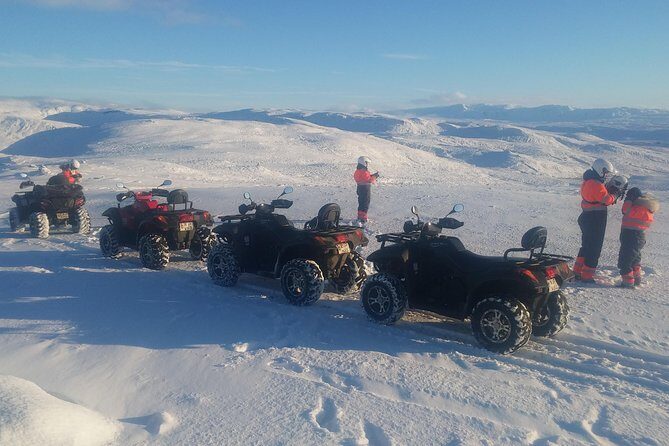
- Ice Cave Expedition: Safety Gear and a Super Jeep Transfer
- The Blue Ice Cave Under Vatnajökull
- Vik Stop on the Return: A Warm Finish in Winter
- Price and Value: What $977 Includes (and Why the Cost Adds Up)
- What You Need to Bring for Winter (This Tour Is Serious About Boots)
- A Realistic Note on Pace and Group Dynamics
- Who This Tour Fits Best
- Should You Book This South Coast Winter Tour with an Ice Cave?
- FAQ
- What’s the duration of this tour?
- Where does pickup and drop-off happen?
- What’s the pickup time window in Reykjavik?
- Is northern lights spotting guaranteed?
- Are the hot tubs included?
- What meals are included?
- Is ice caving included in the price?
- Do I need special footwear?
- Is Wi-Fi available on the bus?
- Can I cancel for free?
Key things I’d circle before you book
- Vatnajökull ice cave with safety gear and a super jeep transfer to the glacier area
- Hot tubs at your hotel (night 1) paired with a realistic aurora-spotting plan
- Golden Circle hits plus Kerið crater lake entry included
- South Coast waterfall block with Seljalandsfoss and Gljúfrabúi, then Skógafoss
- Reynisfjara black sand and Reynisdrangar sea stacks as your winter photo payoff
- Two different overnights (Hveragerði + a more remote south-east base) to improve night-sky chances
A South Coast Winter Plan That Saves You From the Driving Headache
In winter, the Iceland roads aren’t hard because they’re technical. They’re hard because they’re unpredictable: wind, ice, and sudden weather shifts. This tour’s big value is simple: you sit on a minibus, keep your hands warm, and let a driver guide you between stops that can otherwise eat up an entire day.
You also get built-in structure. Stops like Þingvellir, Geysir/Strokkur, and Kerið are timed so you see them before winter light fades. Later you switch gears to the south coast, where winter weather can change fast. Even if conditions force minor adjustments, you’re still moving with a clear plan rather than playing catch-up.
You can also read our reviews of more tours and experiences in Reykjavik
Day 1: Golden Circle in Winter, with Þingvellir First
Day 1 focuses on the classic Golden Circle and the area where you start to understand Iceland’s geology fast. You depart Reykjavik and head for Þingvellir National Park, then continue through the geothermal and volcanic sights that make the region famous.
Why this works in winter: the early part of the trip is where you can most easily maximize daylight. You’re not spending the day doing long, stop-and-go driving between far-flung towns. Instead, you’re moving through a tight cluster of major sites while the weather is still behaving.
The other reason I like starting with this route: it sets context for what comes later. When you reach glacier country and blue ice, the earlier geothermal and crater pieces make more sense. Iceland stops feeling like random wow moments and starts feeling like one connected story.
Haukadalur and Strokkur: The Geothermal Punch
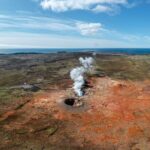
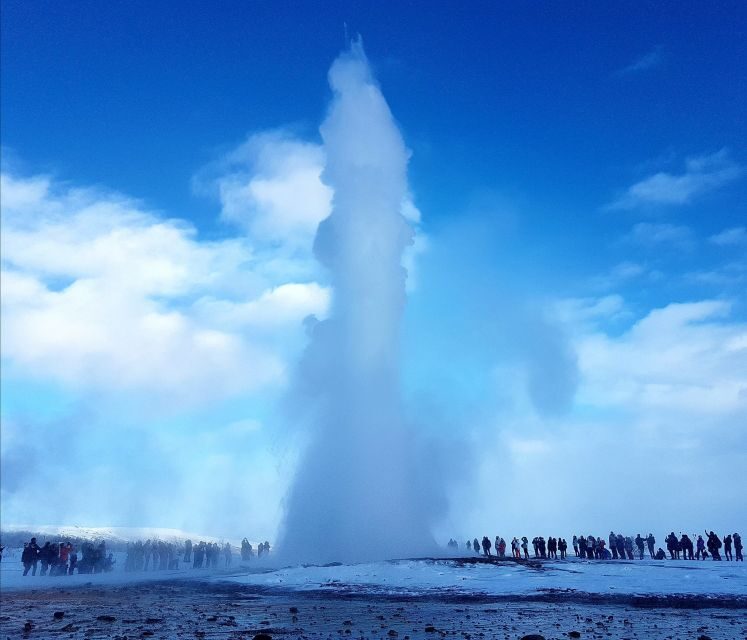
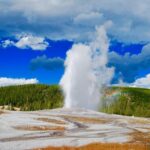
Another strong block on the schedule is the Haukadalur geothermal area, home to Strokkur. If you’ve only seen geysers in photos, this is where you learn the real rhythm: bursts come with a sense of timing, and the heat is not subtle.
Practical upside: a guided stop keeps you from guessing where to stand and when to move. In winter, that’s not a small deal—standing still in wind is brutal, and you want your time outside to be purposeful.
One winter reality to remember: geothermal areas are often windy and damp. Dress for wet cold even if the forecast looks fine.
Kerið Crater Lake Entry: Short Stop, Strong Visual Payoff
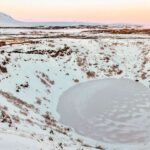
You also get included Kerið Volcanic Crater entry. Kerið is the kind of place where you can take in the view from different angles without needing a long hike. In winter, that matters. You still get a memorable volcanic crater experience, but you’re not out there for hours.
A thoughtful tradeoff here: since this is a short included entry, it helps keep the rest of Day 1 from turning into one long sprint. That balance shows up again later with the waterfall and black-sand stops.
Hveragerði and the Geothermal Park Break
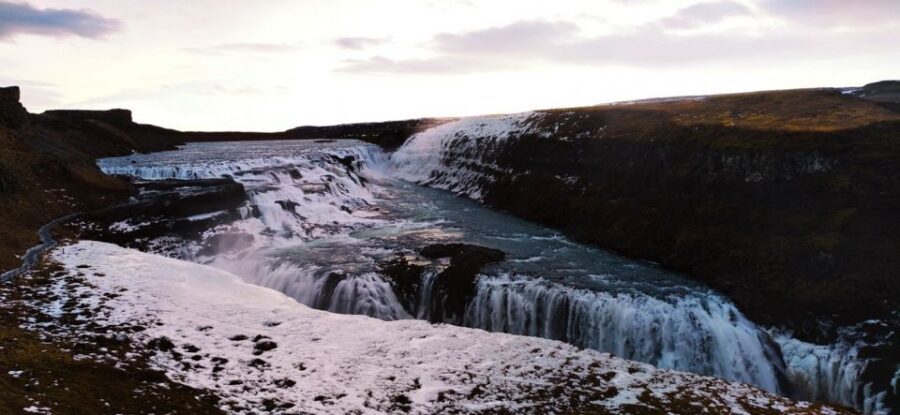
After the Golden Circle pieces, the tour heads to Hveragerði, a village known for geothermal activity. You get time to walk around the area and visit features like a Geothermal Park and Reykjafoss Waterfall while keeping an eye on the sky.
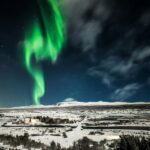
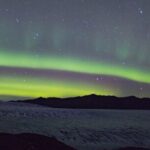
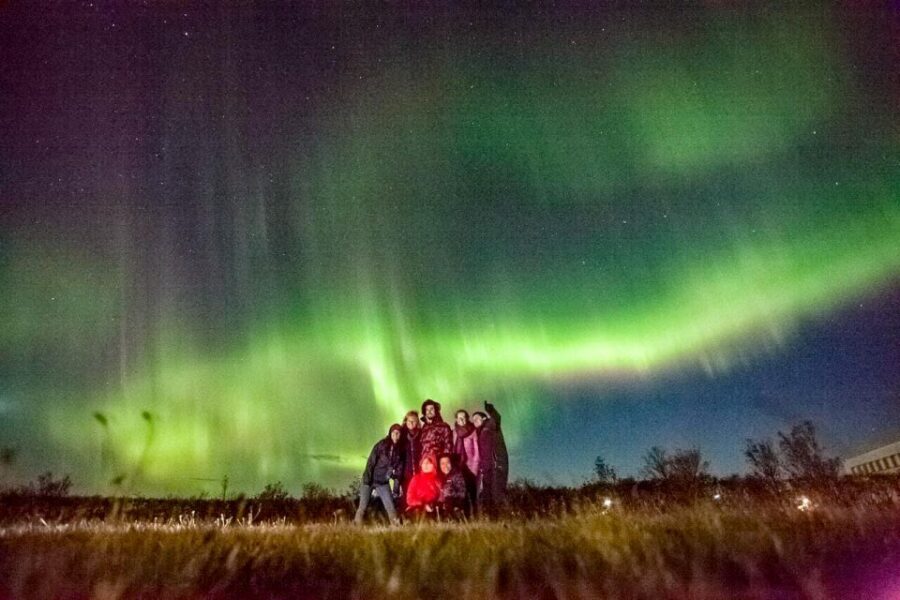
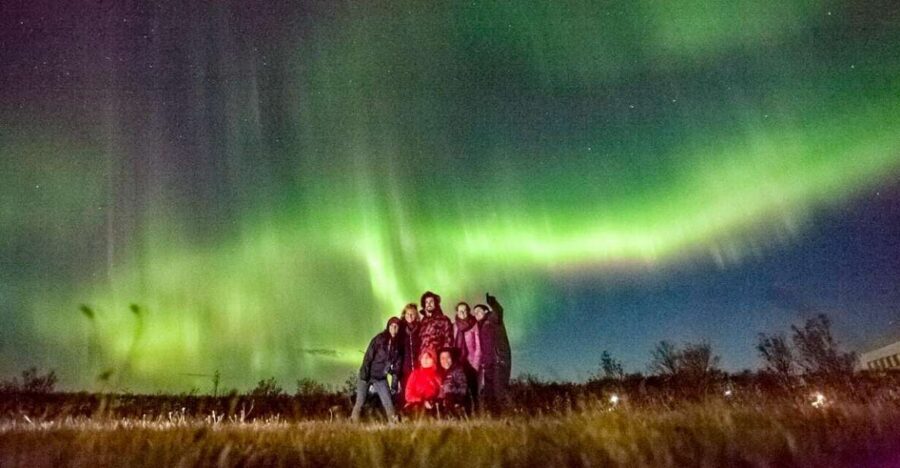
This is also the first night where the tour leans into your winter goals: not just sights, but a shot at northern lights. It’s not guaranteed (weather decides), but your odds improve when the schedule keeps you positioned for night-sky watching.
You can also read our reviews of more tours and experiences in Reykjavik
Hotel Night 1: Geothermal Hot Tubs and a Real Reset
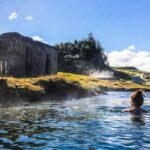
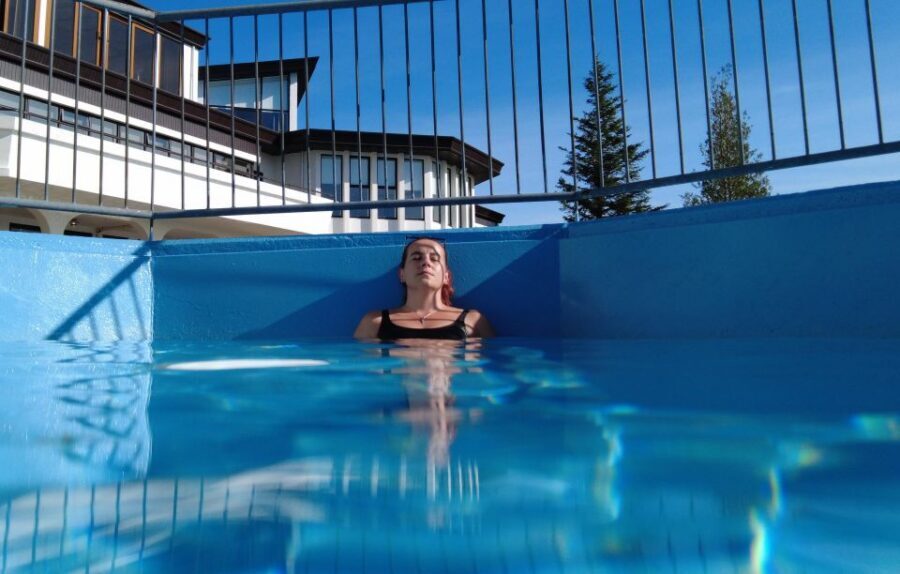
This is one of the smartest inclusions on the tour. You’ll have 2 nights in a hotel with a private bathroom, and on night 1 there’s included geothermal hot tub access.
In winter, hot tubs aren’t just a fun extra. They’re practical recovery. Long outdoor stops plus cold wind means your body gets stiff. A warm soak helps you feel human again before the next day’s driving and walking.
Plan the gear: bring swimwear if you want to use the hot tubs. You’ll also want dry layers ready for right after soaking.
Day 2: South Coast Waterfalls That Feel Like a Waterfall Marathon
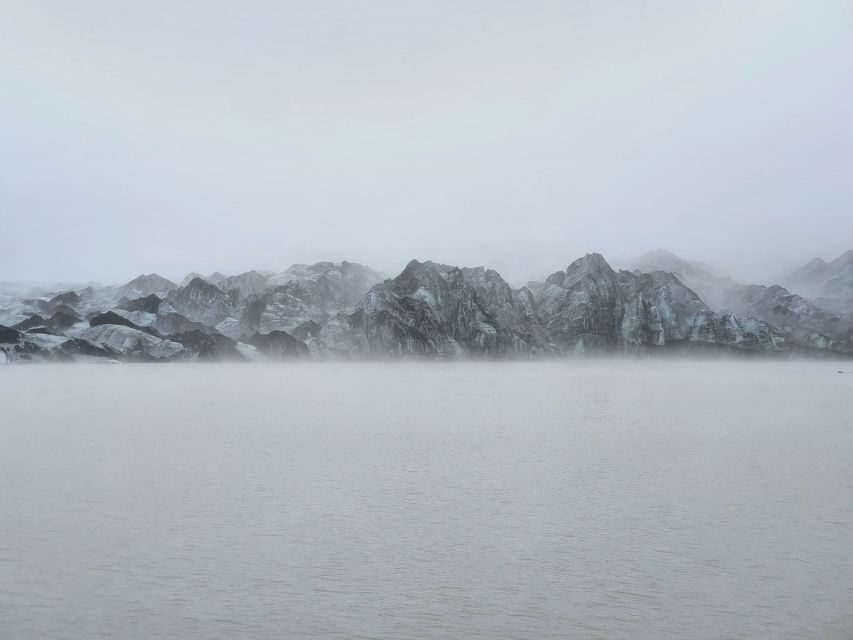
Day 2 is the south coast drive day, and it’s built around a classic winter waterfall circuit.
Seljalandsfoss and Gljúfrabúi
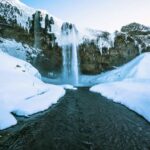
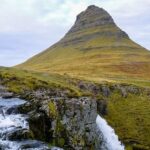
First up is Seljalandsfoss, followed by the smaller, nearby Gljúfrabúi. Seljalandsfoss is known for the fact that it’s built for close-up viewing, and it’s a big winter photo moment. Gljúfrabúi adds contrast: you’re not repeating the same view twice. You’re moving from a grand waterfall to a more tucked-away feeling, which breaks up the intensity.
Winter timing tip: waterfalls can be misty and slick. Use the short time you have to walk carefully, not quickly. If you try to rush, you’ll just end up slowed down by footing.
Skógafoss: The 60-Meter Wall of Water
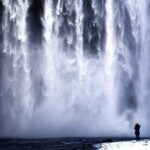
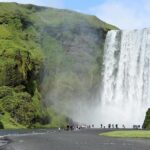
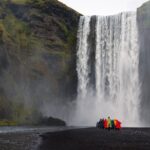
Next comes Skógafoss, where the Skógá River drops about 60 meters. This is the kind of stop that changes your sense of scale. You stop thinking about Iceland as “cool scenery” and start feeling how forceful water can be.
If you’re sensitive to spray, bring goggles or keep your camera protected. Wind can carry mist farther than you’d expect.
Reynisfjara Black Sand and Reynisdrangar Sea Stacks
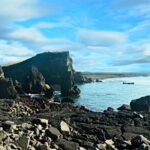
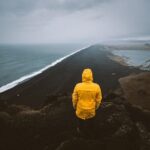
Then you reach Reynisfjara, including the offshore Reynisdrangar formations. Black sand in winter is pure drama—dark ground, grey sky, and crashing waves. It’s also the kind of place where you should keep your distance and follow any on-site safety guidance, because the Atlantic can be rough.
This is one more place where a guided stop is helpful: you’re not wandering around cold trying to figure out the best viewpoint. You also don’t want to be guessing on winter terrain.
Remote Night 2: Why Sleep Location Matters for Aurora Chances
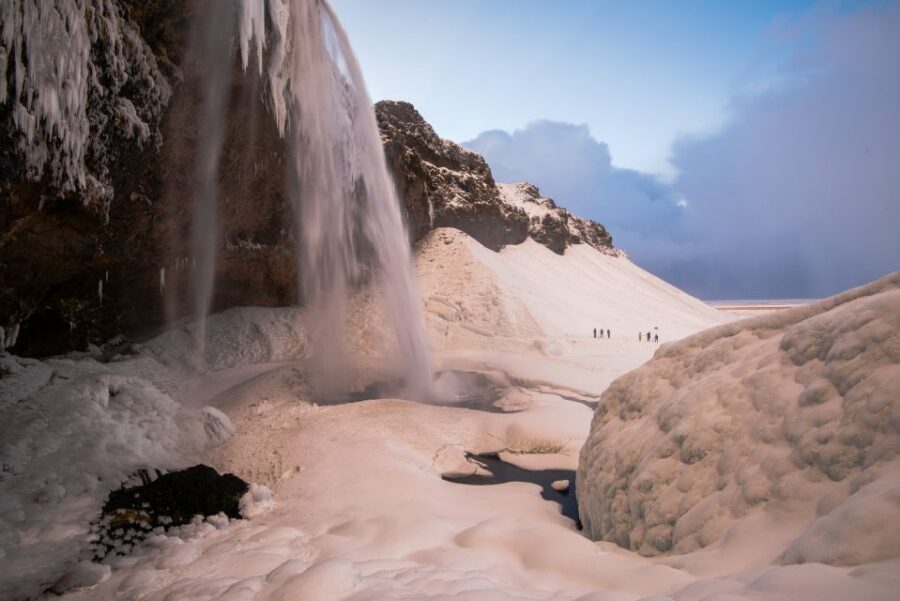
For the second overnight, you stay in a remote location in South-East Iceland. The goal is simple: improve your odds of seeing the aurora by getting away from light pollution and keeping you in a good position for a night-sky watch.
One thing to keep realistic: the tour is clear that northern lights spotting depends on weather. Still, the planning logic is solid. If you’re serious about seeing the lights, sitting in Reykjavik at night is the least efficient strategy.
Day 3: Jökulsárlón Glacier Lagoon and the Blue Ice Cave Day
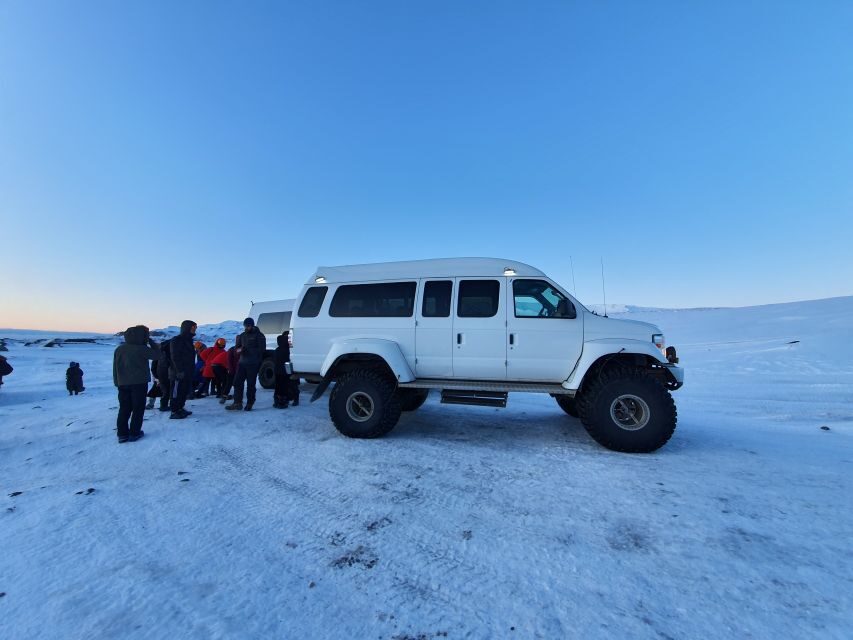
Day 3 is your Vatnajökull centerpiece: Jökulsárlón Glacier Lagoon and then an ice-caving expedition to explore a seasonal ice cave under the glacier.
Jökulsárlón Glacier Lagoon Walk
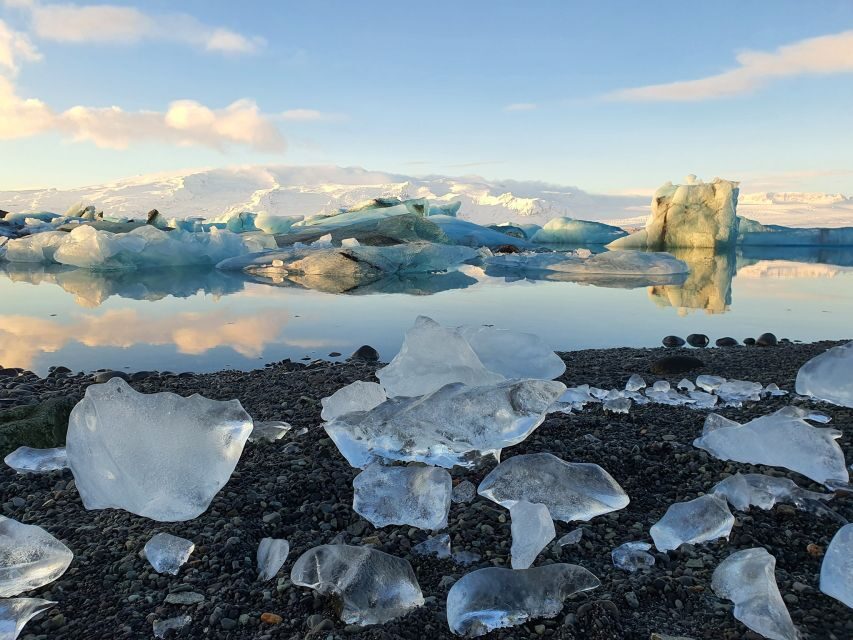
You begin by walking along the shores of Jökulsárlón Glacier Lagoon, where ice can look like scattered gems. This is a “slow down” stop. In winter, your balance and warmth matter, and a lagoon walk gives you a way to appreciate the glacier without rushing.
This is also where your winter kit pays off. Warm layers, waterproof outerwear, and boots help you actually enjoy the walk instead of just enduring it.
Ice Cave Expedition: Safety Gear and a Super Jeep Transfer
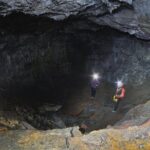
Next, you’ll get equipped with the necessary safety equipment, then transfer by super jeep to the ice cave area. That detail matters. The super jeep step suggests the terrain is not a casual drive-and-walk situation, and that’s exactly why it’s included with the expedition.
Why I think this is worth it: ice caves are not just about access. You’re also getting a guided safety process and the right setup for viewing. In winter, that’s the difference between an experience and a risk.
The Blue Ice Cave Under Vatnajökull
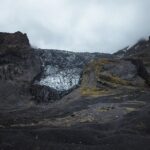
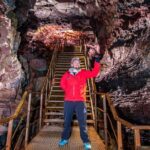
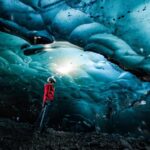
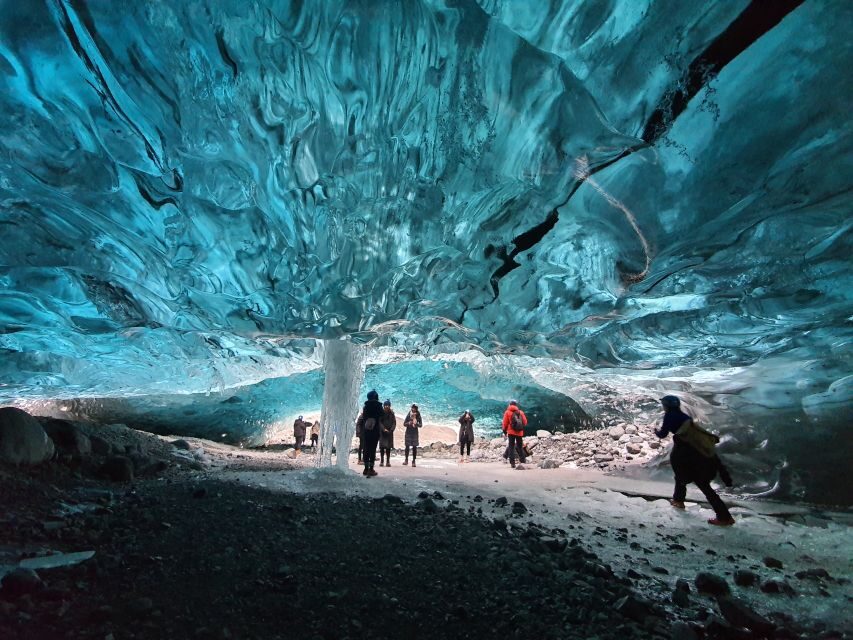
Inside the ice cave, you’re exploring blue ice under Vatnajökull, the largest glacier in Europe. The tour is built to let you witness the glacier’s scale and force, which is hard to grasp from outside the ice.
If you’re worried about comfort, remember this: you’re in cold ice environments. Dress for cold and wind, and expect the day to be physically active in short bursts.
Vik Stop on the Return: A Warm Finish in Winter
After the ice-caving day, you stop in the village of Vik for a refreshment break and to see a turf church. Then you return to Reykjavik, with an estimated arrival time around 21:00, depending on road conditions.
This final stop works because it gives you a human pause after glacier intensity. It’s also a chance to reset your headspace before the long ride back.
Price and Value: What $977 Includes (and Why the Cost Adds Up)
At $977 per person for 3 days, it’s not a bargain tour. But it’s also not just you paying for bus seats and viewpoints. Your money covers several high-cost pieces that are hard to DIY in winter:
- Private bathroom accommodations for 2 nights
- Guided transport by minibus, with Reykjavik pickup/drop-off
- Breakfast
- Geothermal hot tubs on night 1
- Ice caving with safety equipment and a super jeep transfer
- Kerið crater lake entry
- Wi-Fi and USB chargers on the bus (with one small caveat below)
That last item deserves a quick reality check. One past participant said USB chargers weren’t available as expected, despite being advertised. That’s not common enough to panic, but it’s worth packing a personal backup power bank just in case.
Then there’s the winter-driving value. If you’re not comfortable driving in snow and wind, the tour cost starts to look less like a splurge and more like buying peace of mind plus a proper plan.
Meals beyond breakfast are not included, but the tour explicitly says lunch and dinner can be purchased along the way. In winter, that flexibility is useful, especially if the day runs late due to weather.
What You Need to Bring for Winter (This Tour Is Serious About Boots)
This tour is clear: warm, windproof, waterproof clothes are a must. You’ll spend real time outdoors, and you’ll also handle cold-to-warm transitions if you use the hot tubs.
Bring:
- Swimwear for the hotel hot tubs on night 1
- Hiking shoes (but note below)
You should also plan for boots. The tour states good hiking boots are mandatory, and it also says boots can be rented from the operator for an additional cost. It even says sports shoes are not allowed, so don’t assume your everyday footwear will work.
Carry-on:
- You’re allowed one carry-on per person. If you have large luggage, you may need luggage storage at your accommodation, or there can be a fee if storage isn’t possible.
If you follow these rules, you’ll feel more comfortable at every stop—especially ice cave day.
A Realistic Note on Pace and Group Dynamics
This is a multi-stop tour across three days, so yes, it moves. Past groups included enough people that waiting can happen when a few people run behind. If you’re the kind of traveler who needs a slow rhythm, the schedule might feel tight at times.
That said, the guides are a big reason this works. Many participants praised guides for clear timing and friendly, funny explanations. Names that stood out in the provided feedback include Jonas, Oli, Vlad, Addi, Walter, Guli, Hakkon, Mika, David, Paulette, Siddi, and Hakon. While you can’t pick a specific guide, it’s a good sign that multiple different guides earned strong comments for driving skill and storytelling.
Who This Tour Fits Best
This tour is a strong fit if you:
- Want a winter south coast sweep without renting a car
- Care about the big geothermal and waterfall hits plus a glacier ice cave
- Are willing to dress properly for cold, wet, and windy conditions
- Want an aurora chance with two nights away from Reykjavik
It may not fit if you:
- Are pregnant, or need a tour that accommodates mobility impairments or wheelchair users
- Don’t like the idea of mandatory boots and an ice-caving safety setup
- Want totally unhurried travel with lots of free time
Should You Book This South Coast Winter Tour with an Ice Cave?
I’d book it if you want one guided package that covers the south coast power hits: Þingvellir, Strokkur, Kerið, Seljalandsfoss, Gljúfrabúi, Skógafoss, Reynisfjara, and the Vatnajökull blue ice cave day. The hot-tub night is a smart bonus that makes winter feel more manageable.
I would hesitate only if you dislike group schedules, hate cold wind, or aren’t ready for the boot-and-safety expectations of an ice cave expedition. If you’re prepared, this tour is the kind of winter Iceland trip that feels efficient without feeling cheap.
If you do book, pack for wet cold, bring swimwear for night 1, and consider a power bank in case bus chargers aren’t reachable where you sit.
FAQ
What’s the duration of this tour?
The tour lasts 3 days.
Where does pickup and drop-off happen?
Pickup and drop-off are included in Reykjavik.
What’s the pickup time window in Reykjavik?
Pickup takes place between 08:30 and 09:00, and you should be ready from 8:30. Your pickup location is confirmed within 24 hours of booking.
Is northern lights spotting guaranteed?
No. Northern lights spotting is subject to weather conditions and isn’t guaranteed.
Are the hot tubs included?
Yes, geothermal hot tubs at the hotel are included for night 1.
What meals are included?
Breakfast is included. Lunch and dinner are not included and can be purchased.
Is ice caving included in the price?
Yes. Ice caving is included, including safety equipment and a super jeep transfer for the expedition.
Do I need special footwear?
Yes. Hiking boots are mandatory, sports shoes are not allowed. You may rent hiking boots from the operator for an additional cost.
Is Wi-Fi available on the bus?
Yes, Wi-Fi is included on the bus.
Can I cancel for free?
Free cancellation is available up to 24 hours in advance for a full refund.