REVIEW · REYKJAVIK
8 Day Winter Circle Tour, Ring Route of Iceland with Snæfellsnes Peninsula
Book on Viator →Operated by Troll Expeditions · Bookable on Viator
Winter Iceland, but with a plan. This 8-day guided loop stitches together the big winter icons and the smaller, quieter stops, with pickup included and day-by-day structure so you can focus on the views, not the logistics. I like that it’s built around real winter priorities, especially Northern Lights-friendly overnights, where you’re far from city light pollution.
What I also love is the way the itinerary treats winter nature as the main event: glacier time comes with all glacier equipment included, plus a ride by super jeep to the ice cave. One thing to keep in mind: this is a packed road trip in winter, with lunch and dinner not included and several stops that are short by design, so you’ll want to be ready for early starts and fast-moving days.
In This Review
- Key things that make this tour worth a look
- The value of a planned winter Ring Road
- Day 1: Thingvellir, Gullfoss, Geysir, then a Northern Lights base
- Day 2: Waterfalls, black sand, and a glacier hike you’ll remember
- Day 3: Vatnajökull ice cave, Jökulsárlón seals, and black diamond ice
- Day 4: East Fjords scenery, Djúpivogur charm, horses, and a geothermal unwind
- Day 5: Mývatn geothermal drama and arrival in Akureyri
- Day 6: Hauganes whale watching and the Grábrók crater night chance
- Day 7: Snæfellsnes Peninsula coast time from basalt columns to Kirkjufell
- Day 8: Hot springs, lava waterfalls, and the option to go underground
- Price and logistics: how $679 stacks up in winter
- Who should book this winter Ring Road loop
- Should you book this tour?
- FAQ
- FAQ
- What’s the start time for the tour?
- Where is the tour based and where does it begin?
- Is accommodation included?
- What’s included in the price?
- What is not included?
- How big is the group?
- Do I need glacier gear?
- Are Northern Lights sightings guaranteed?
- Is whale watching included?
- Can I cancel for a full refund?
Key things that make this tour worth a look
- Northern Lights timing: nights in places chosen to reduce light pollution, with multiple chances to look up
- Glacier experiences are built in: glacier hike and an ice cave visit with equipment included
- Strong logistics focus: daily pickups and smooth handoffs between stops and accommodations
- Snæfellsnes at the end: you get a full west-coast finish with beaches, basalt formations, and Kirkjufell
- Whales included: a guided whale-watching boat trip from Hauganes
- Small group size: capped at 17 travelers for a more manageable experience
The value of a planned winter Ring Road
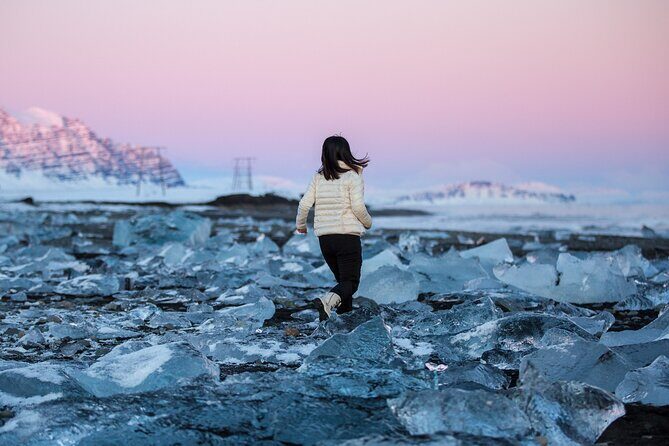
At $679 for about 8 days, this tour is really about buying back your time and brainpower. In winter, the Ring Road isn’t just long—it’s also changeable, slippery, and windy. Having an English-speaking guide, pickup and drop-off from designated stops, and the driving plan handled means you can spend your energy on safe viewing and smart timing.
You’ll also appreciate the small comforts that add up: WiFi on board and a mobile ticket. When your day includes glacier gear, cold air, and a lot of getting in and out of vehicles, little conveniences help.
You can also read our reviews of more tours and experiences in Reykjavik
Day 1: Thingvellir, Gullfoss, Geysir, then a Northern Lights base
Day 1 is about planting you right into Iceland’s core stories and scenery. You start at Þingvellir National Park, the UNESCO site where the Alþingi was formed. In winter, this kind of place can feel extra dramatic because open spaces and low light make everything look sharper.
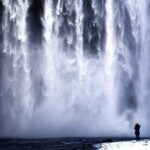
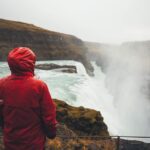
Next come Gullfoss and Geysir—both classic, but both also worth it in winter. Gullfoss is fed by meltwater coming from the Langjökull ice cap system, and the canyon setting makes the waterfall’s power feel close and loud. Then you move to the geothermal area where Strokkur erupts roughly every 7 minutes. That eruption rhythm is great in winter because it gives you a predictable moment to watch, even if conditions are dark and cold.
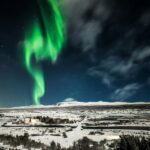
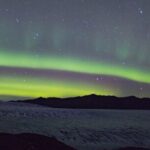
The day ends with a drive to Hvolsvollur for an accommodation choice aimed at Northern Lights visibility. It’s not a guarantee—clouds decide—but you’re positioned away from light pollution.
Day 2: Waterfalls, black sand, and a glacier hike you’ll remember
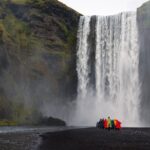
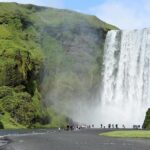
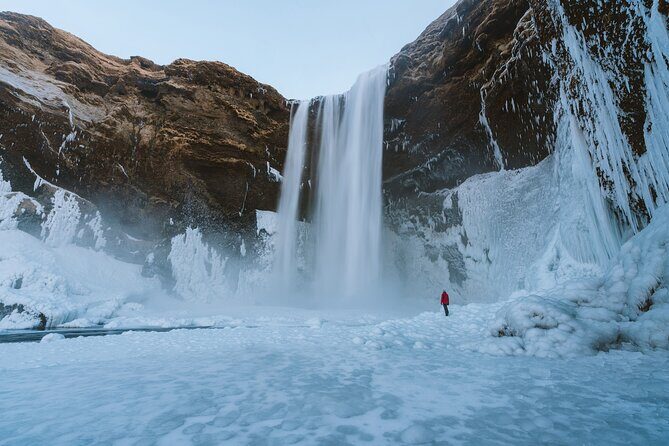
Day 2 leans into motion and variety. Seljalandsfoss is the waterfall you can walk behind, which matters in winter because it turns a quick photo stop into a full sensory experience—wind, mist, and a different angle that most people miss. Then Skógafoss drops about 60 meters into a gorge, and the surrounding area helps you feel how quickly Iceland changes from cliffs and waterfalls to open coastline.
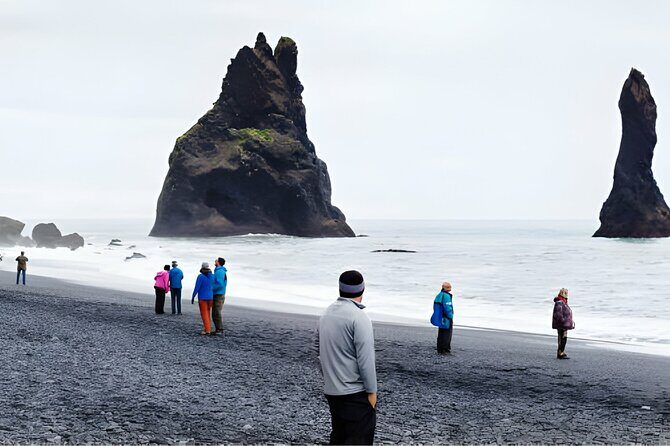
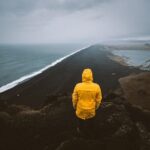
After that, you hit Reynisfjara Beach, Iceland’s black sand stretch with massive waves crashing near basalt columns. This is one of those places where winter can make you feel the scale faster than any summer calm weather would.
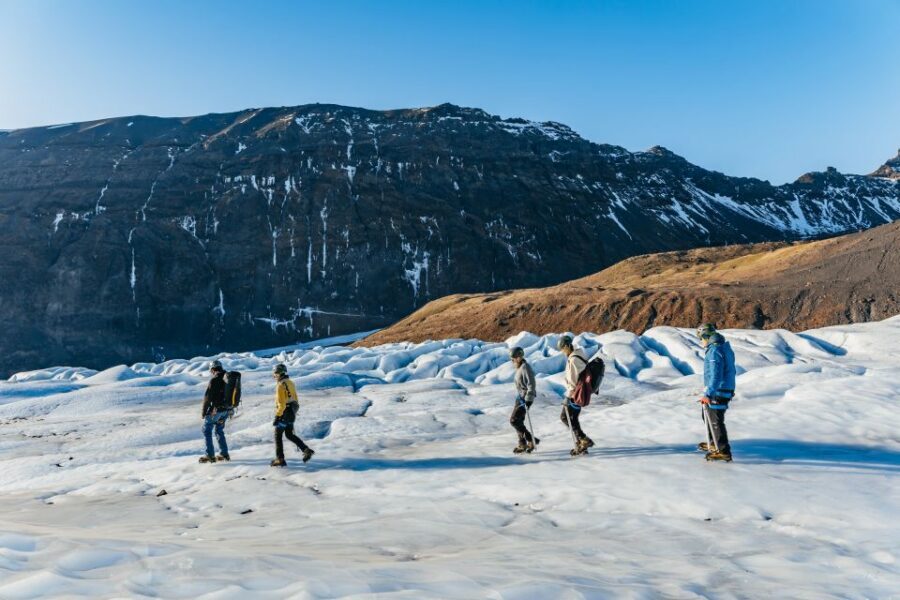
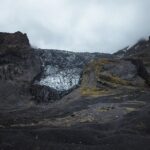
The highlight is the Sólheimajökull glacier hike. It’s listed as about 3 hours and includes the experience with a certified glacier guide, plus you get glacier equipment included. This is also where the tour justifies its planning: instead of trying to coordinate a standalone glacier hike in winter, it’s scheduled into the route.
You’ll finish the day in Vík í Mýrdal, another base picked for better odds of seeing the Northern Lights since it’s small and away from heavy light pollution.
Day 3: Vatnajökull ice cave, Jökulsárlón seals, and black diamond ice
Day 3 starts with a deep winter favorite: Vatnajökull. You enter Europe’s largest glacier and visit the Crystal Ice Cave. The big thing here isn’t just the look—it’s that the ice cave experience is timed into the day so you don’t lose half a day trying to hunt the right conditions.
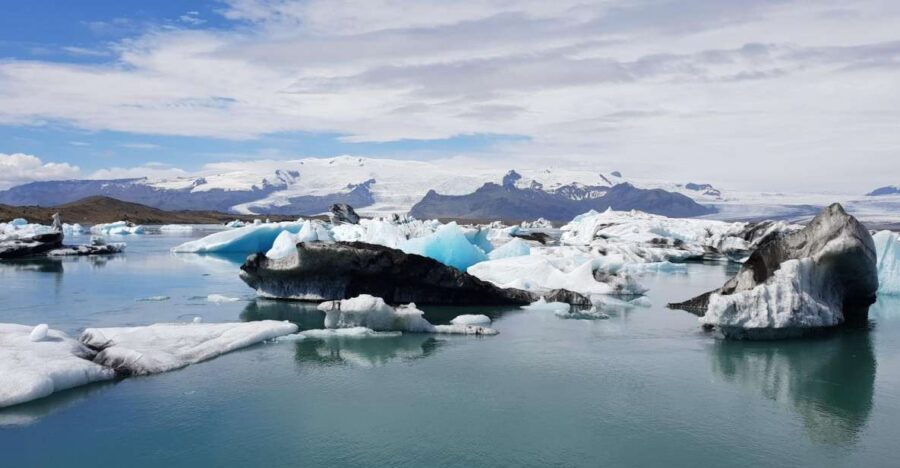
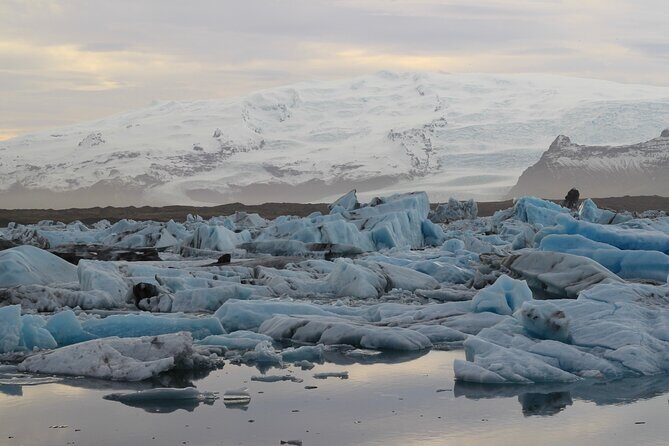
Then you head to the Glacier Lagoon (Jökulsárlón), a top Iceland attraction. In winter, the lagoon can host hundreds of seals, and the floating icebergs give you that classic winter contrast: pale ice, dark water, and stormy light. You also stop at Breiðamerkursandur, also called Black Diamond Beach, where icebergs sometimes wash up and look like diamonds on black sand.
The day also includes a stop at Hvannadalshnjúkur, Iceland’s highest peak at 2,110 meters. Even with limited time, it’s a reminder of what you’re traveling through: volcano-and-glacier scale that’s hard to fully grasp until you stand near it.
Day 4: East Fjords scenery, Djúpivogur charm, horses, and a geothermal unwind
Day 4 is built around a slower-feeling part of the island: the East Fjords. You start with Búlandstindur, a pyramid-shaped mountain that looks symmetrical and clean from the roads. It’s one of those winter views that feels almost engineered, even though it’s 100% nature.
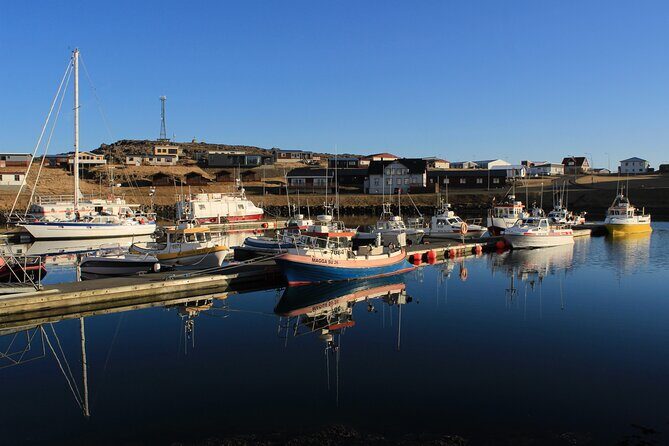
Then you arrive in Djúpivogur, a tiny fishing village that’s part of the Cittaslow movement, which focuses on improving quality of life by keeping the pace more human. In a tour like this, those small towns matter because you get a chance to pause rather than only chase the next viewpoint.
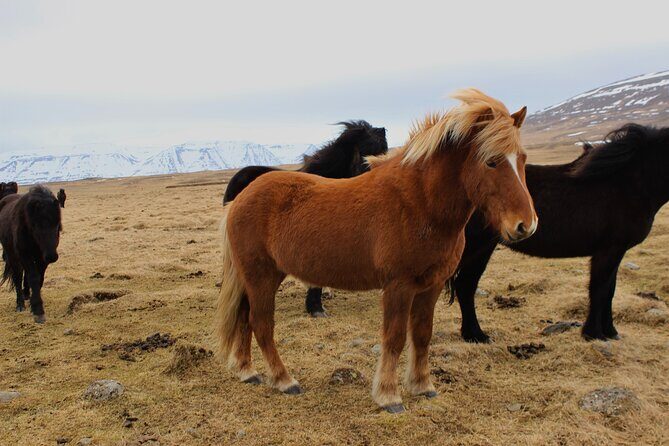
You also have a farm stop for Icelandic horse riding at Finnsstaðir (2 hours). Horseback riding is listed as not included, but it’s offered as an optional extra. The good news for beginners is that Icelandic horses are described as easy-going, which makes this less intimidating than people expect—just confirm what’s required for your group.
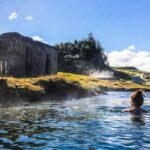
The day’s best decompression stop is at Vök Baths, which is also optional. It’s located at Lake Urriðavatn and described with both hot pools and colder features like a cold tunnel with mist shower. If the sky is clear, you may even get Northern Lights while soaking. If you skip it, just know you’re giving up one of the strongest “winter body reset” options on the route.

Day 5: Mývatn geothermal drama and arrival in Akureyri
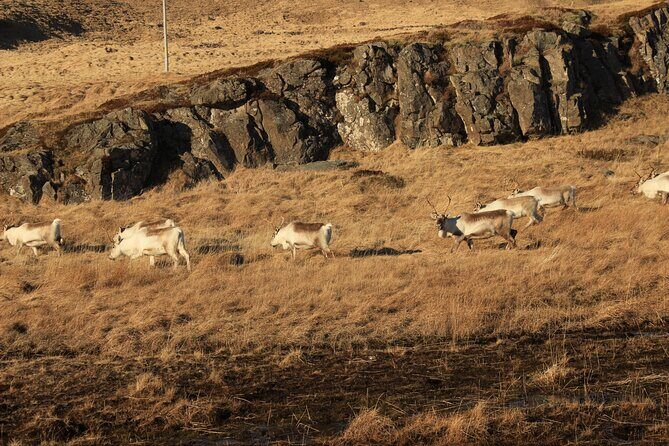
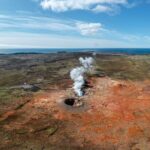
This is when the scenery turns more otherworldly. You begin at Námaskarð, a geothermal area with sulfurous mud springs and steaming fumaroles, sitting beside the Námaskarð Pass. It’s a quick stop, about 30 minutes, but it’s one of those places where you can feel heat and smell minerals before you fully process what you’re looking at.
Next comes Dimmuborgir Lava Formations, “Dark Castles.” The lava fields here are unusually shaped, formed where lava met wet marsh land. It’s a good contrast to your waterfall days because it’s more about textures and odd shapes than motion and water.
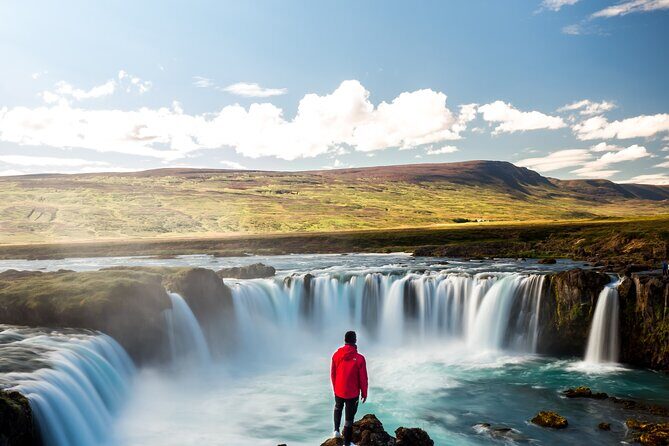
Then you move to Goðafoss, the Waterfall of the Gods. The name alone is fun, but the key practical part is that it’s a classic winter waterfall with enough power to be worth the stop even if you’re not there at peak weather.
Finally, you drive to Akureyri, the capital of North Iceland. You have a long chunk of time here (about 10 hours on the schedule), which matters because it gives you a real evening in town. If cloud coverage allows, Northern Lights can sometimes show over Akureyri, so you’ll want to plan an outside moment.
Day 6: Hauganes whale watching and the Grábrók crater night chance
Day 6 mixes big animals and a last-chance Northern Lights viewpoint. You start in Akureyri with a short orientation time. The town is small enough to feel friendly, and there’s a detail in the route notes that locals love: heart-shaped stop signs at traffic lights. It’s a small reminder that even on a winter nature tour, the human touches help the trip feel less like a checklist.
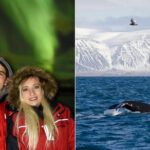
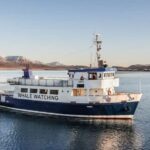
You then head to Hauganes, a small harbor town with a black sand beach and tall mountains around it. From here, you do the included whale watching boat ride in Eyjafjörður Fjord. The itinerary lists a chance to see whales, and it’s presented as a globally recognized best spot. Practically, that means you should dress for cold and wind and be ready for the fact that sea conditions can affect how long you’re out and what you can see.
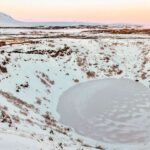
For Northern Lights odds, the final stop is Grábrók Crater, a moss-covered crater formed by an eruption thousands of years ago. It’s short (about 30 minutes) but designed as a clear-sky pause where the view can be strong.
Day 7: Snæfellsnes Peninsula coast time from basalt columns to Kirkjufell
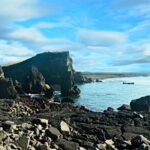
This day feels like a finale because Snæfellsnes gives you coastal variety without needing to chase across the island again and again. You start with Gerðuberg basalt columns, famous for hexagonal shapes. Even with a short stop, it’s one of those geological sights that makes you stop and stare.
Then you head to Ytri Tunga, where a rare white sand beach exists in Iceland. It’s also described as a seal colony, so you may see seals lounging on rocks. It’s not something you can schedule like a clock, but it’s a good place to slow down and scan.
Next is Budakirkja, the black church at Búðir. Then Arnarstapi, a small fishing village with coastal walks, where you can stretch your legs if the weather helps.
At the tip of the peninsula you reach Snæfellsjökull Glacier, a stratovolcano linked to Jules Verne’s Journey to the Center of the Earth. Even if you’re not a science fiction reader, it’s a useful landmark because it helps tie the whole peninsula together.
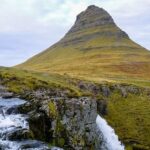
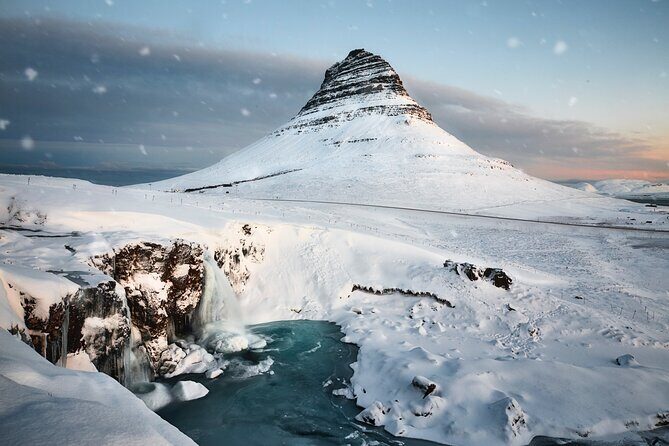
Finally, you get Londrangar basalt cliffs and Djúpalónssandur beach (the mossy lava landscape you walk through to reach the black sand shore). You end at Kirkjufell, the photogenic Church Mountain, also noted as a filming location for Arrowhead Mountain from Game of Thrones. It’s a strong finish because it gives you a big, recognizable shape to remember when the rest of the trip blurs together.
Day 8: Hot springs, lava waterfalls, and the option to go underground
Day 8 is about heat, history, and unusual water. You start with Deildartunguhver, described as Europe’s largest and most powerful hot spring, producing 100°C water at a huge flow rate. It’s a quick stop, but it’s a “this is real” moment—heat output on a scale that sounds unbelievable until you stand near the steam.
Then you pass through Reykholt, a small historical center where Snorri Sturluson lived. Even in a short visit, it adds human context to a trip mostly focused on geology and wildlife.
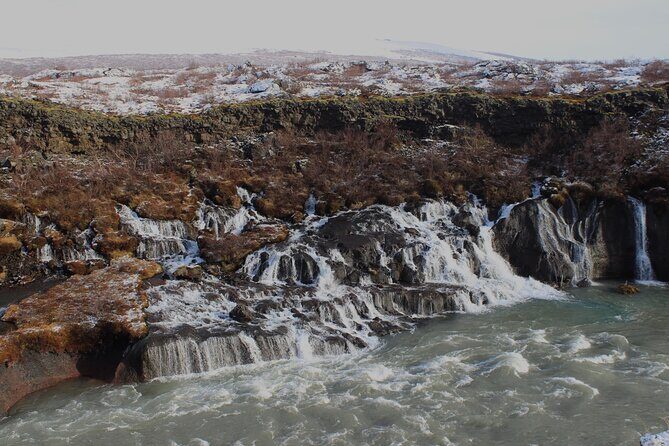
You then see Hraunfossar (Lava Falls), where rivulets stream across about 900 meters over lava fields. It’s unusual because it’s not one single waterfall but many channels of water. After that comes Barnafoss, the Children’s Fall, tied to a saga story about two children who didn’t want to go to church.
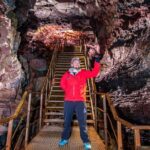
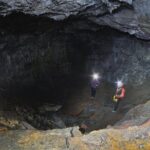
The final optional experience is Víðgelmir Lava Cave, Iceland’s largest lava cave, but it’s not included. If you choose to add it, just plan for it to replace other free time because it’s listed as about 1.5 hours.
Price and logistics: how $679 stacks up in winter
This price includes the big ticket items you’d otherwise pay for on your own: the glacier hike and the ice cave logistics, plus whale watching and 7 nights of accommodation. You’re also getting pickup and drop-off from designated bus stops and an English-speaking guide.
That’s the core value: you’re paying for decision fatigue to disappear. In winter, it’s not just expensive—it’s exhausting to coordinate drives, ticket timing, and weather swaps. Here, those pieces are already stitched into the schedule.
What’s not included matters too. Lunch and dinner are not included, and extra costs can pop up if you want to add Vök Baths or Víðgelmir Lava Cave, or if you need winter gear like waterproof jackets, pants, boots, and gloves. If your own winter gear is solid, you can travel lighter. If it’s not, renting the right pieces can be a smart move because wet cold is the enemy.
Who should book this winter Ring Road loop
You’ll like this tour if you want:
- A structured Ring Road experience with an English-speaking guide and WiFi on board
- Major winter highlights in a single trip, including a glacier hike with a certified glacier guide
- Multiple Northern Lights chances built into overnight locations rather than treating lights as a side quest
- A mix of geology, waterfalls, and wildlife, with whale watching included
- A group size that stays small enough to feel personal (max 17)
You might reconsider if:
- You want lots of free time to wander independently each day. The stop windows are short by design, so you’re mostly following the plan.
- You hate cold-weather logistics and prefer to drive yourself. This is built for guided, vehicle-based touring.
Should you book this tour?
I think it’s a strong booking choice if you want winter Iceland without the stress of piecing everything together. The biggest selling points are practical: glacier time with equipment handled, whale watching included, and a route that keeps giving you Northern Lights opportunities through smart overnight picks.
If you can be flexible with timing, dress for real winter weather, and budget for meals and optional extras, this is the kind of trip that can feel smooth even when Iceland is not. In winter, smooth often means safe. And safe means you see more.
FAQ
FAQ
What’s the start time for the tour?
The tour starts at 8:00 am.
Where is the tour based and where does it begin?
It’s based in Reykjavik, Iceland, with pickup and drop-off from designated bus stops.
Is accommodation included?
Yes. The tour includes 7 nights of accommodation.
What’s included in the price?
Included items are glacier equipment, a super jeep ride to the ice cave, whale watching from Hauganes, WiFi on board, pickup and drop-off, accommodation, and an English-speaking guide.
What is not included?
Not included: horseback riding, VÖK Baths, Vidgelmir Lava Cave, lunch and dinner, and several rental items like hiking boots, waterproof jacket, waterproof pants, hat and gloves combo, neck warmer, and luggage storage.
How big is the group?
The maximum group size is 17 travelers.
Do I need glacier gear?
You get glacier equipment included. If you need other winter items like boots or waterproof clothing, rentals are available as extras.
Are Northern Lights sightings guaranteed?
No. The itinerary provides chances to see them, including nights placed away from light pollution and extra viewing stops if skies are favorable.
Is whale watching included?
Yes. Whale watching from Hauganes is included.
Can I cancel for a full refund?
Free cancellation is available. You can cancel up to 24 hours in advance for a full refund. If you cancel less than 24 hours before the experience starts, the paid amount is not refunded. If it’s canceled due to poor weather, you’ll be offered a different date or a full refund.