REVIEW · REYKJAVIK
Silfra: Diving Between Tectonic Plates
Book on GetYourGuide →Operated by ICELANDIA · Bookable on GetYourGuide
Your fins will hover between continents.
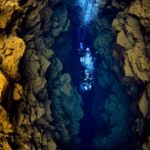
Silfra in Thingvellir gives you the rare chance to spend time between the American and European plates, with 100 m+ visibility that makes the crack lines look razor sharp. I love how the water clarity turns the underwater walls into something you can almost read like a map. I also like the dry suit setup, because you’re in 2°C water no matter the weather. The trade-off: you have to meet strict PADI Open Water + dry suit certification rules, and the cold is real even with top gear.
I also like that the day is run like a tight, professional briefing-to-water plan. You’ll gear up with a PADI instructor, go in as part of a small group, and then follow a guided route through the fissure sections at your own pace—more guided confidence than chaos. Plus, you’re doing all this inside Thingvellir National Park, a UNESCO World Heritage Site tied to the famous Golden Circle loop.
In This Review
- Key points to know before you go
- Why Silfra feels different from any other Iceland underwater plan
- Thingvellir National Park: the views above water count
- How the day runs: pickup, briefing, gearing up, then in-water time
- The four Silfra sections: what you’ll see in order
- Big Crack: closest plates, most hands-on feeling
- Silfra Hall: the clarity and color shift
- Silfra Cathedral: the deeper, more dramatic drop
- Silfra Lagoon: the long-visibility finish
- 2°C water in a dry suit: comfort tips that actually help
- Price and value: is $289 worth it at Silfra?
- Who should book this Silfra scuba tour (and who should skip it)
- Safety and qualifications: the real gatekeepers are certifications and proof
- Should you book this Silfra experience or pick something else?
- FAQ
- How long is the Silfra scuba tour?
- Where do I meet, and what time should I arrive?
- Is hotel pickup included?
- What certifications do I need?
- What gear is included?
- What are the key safety limits?
Key points to know before you go
- Between tectonic plates, not just next to them: You swim along a real rift system where continents split.
- 100 m+ visibility: The underwater clarity is the headline, and it changes how you see everything.
- Dry suit in ~2°C water year-round: Your comfort comes from gear that’s designed for this cold.
- A guided route through four Silfra zones: Each section has its own shape, depth, and view angles.
- Small-group attention: You’re not lost in a crowd while you’re learning the route and buoyancy.
- Thingvellir above water matters: You start and finish in one of Iceland’s most meaningful parks.
Why Silfra feels different from any other Iceland underwater plan
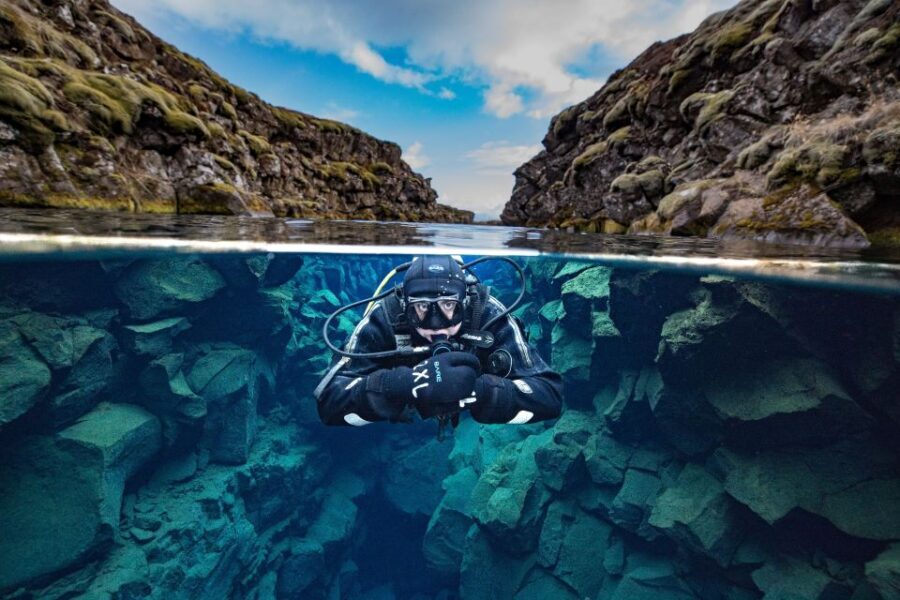
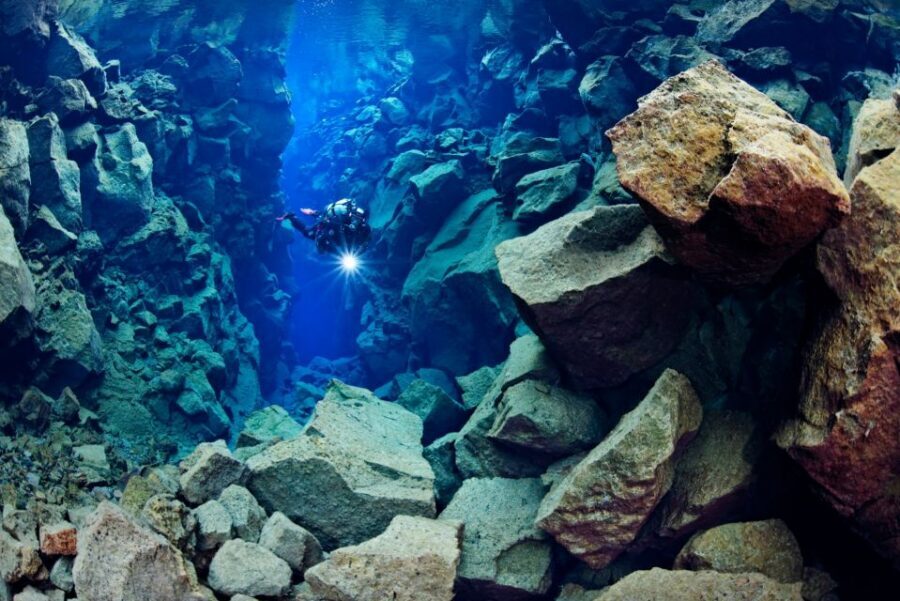
Silfra isn’t a normal “cool underwater spot.” It’s a place where the geology is the attraction. In plain terms, you’re following a crack in the earth where two tectonic plates pull apart. That means the shapes you see underwater are not decor or fake scenery—they’re the actual system creating Iceland’s future map.
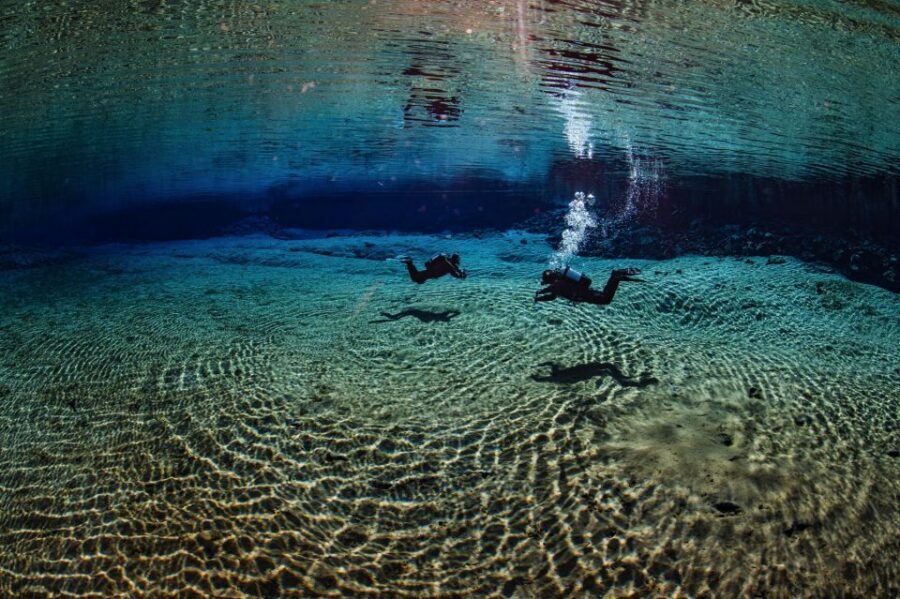
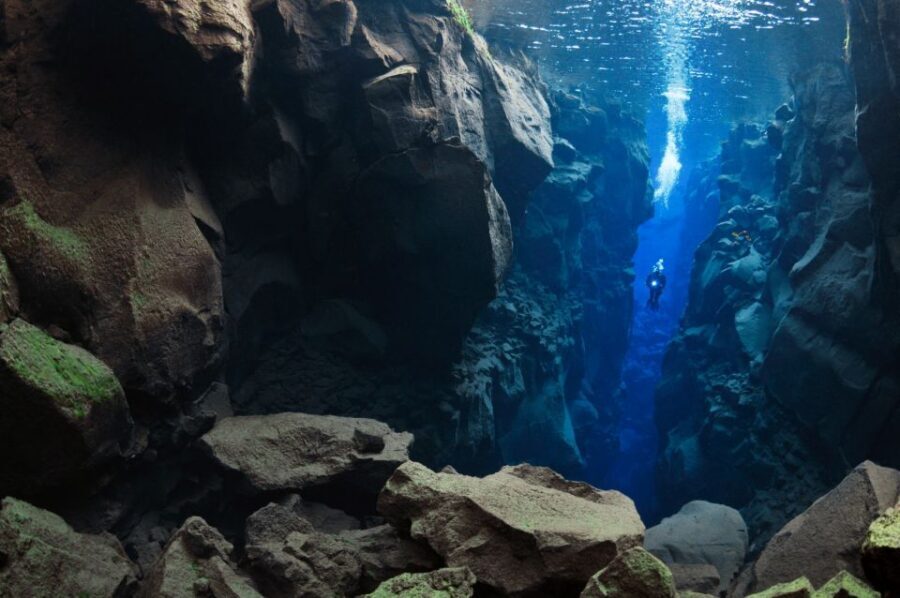
What I like most is how the experience turns visibility into a kind of power. With 100 m+ visibility, you can spot features without the usual foggy, green-water guesswork. The rock edges, the fissure walls, and the way the channel narrows and widens all look crisp. One extra detail worth noting: the main thing that can limit what you see is the rock structure itself, not the water quality. That makes your finning and body position feel a lot more important—like you’re steering your own viewpoint.
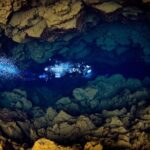
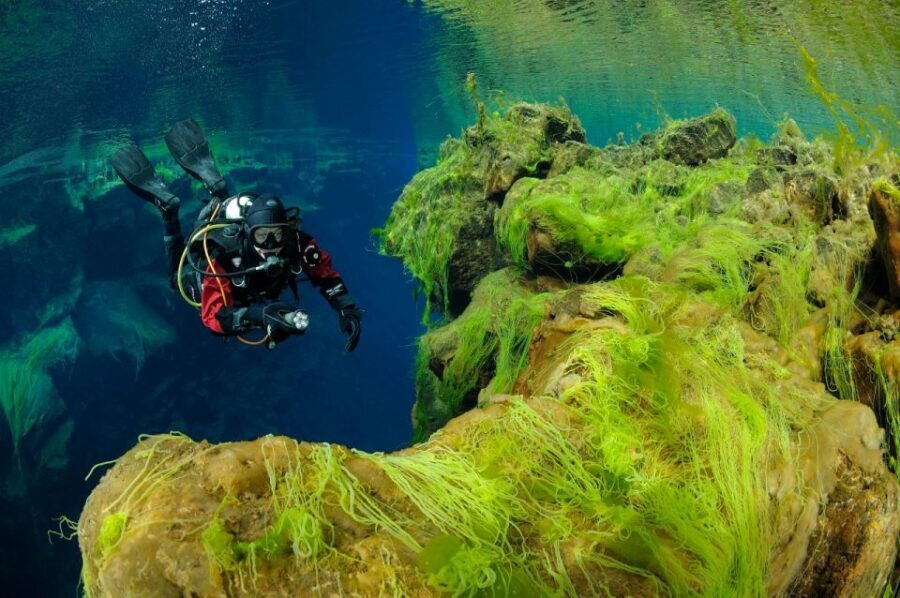
Then there’s the color effect. In Silfra’s wider sections, the water and mineral conditions create a spectrum of blues and greens that looks more like tinted glass than typical seawater. It’s the sort of underwater look that makes you pause and check your mask twice, because the clarity makes it feel unreal.
You can also read our reviews of more scuba diving tours in Reykjavik
Thingvellir National Park: the views above water count
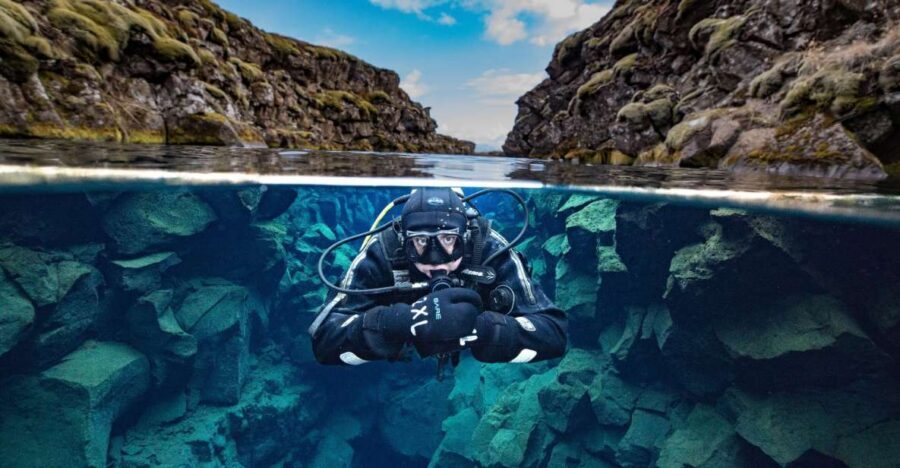
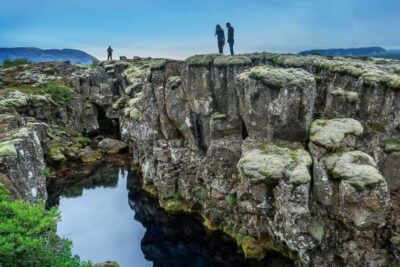
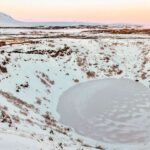
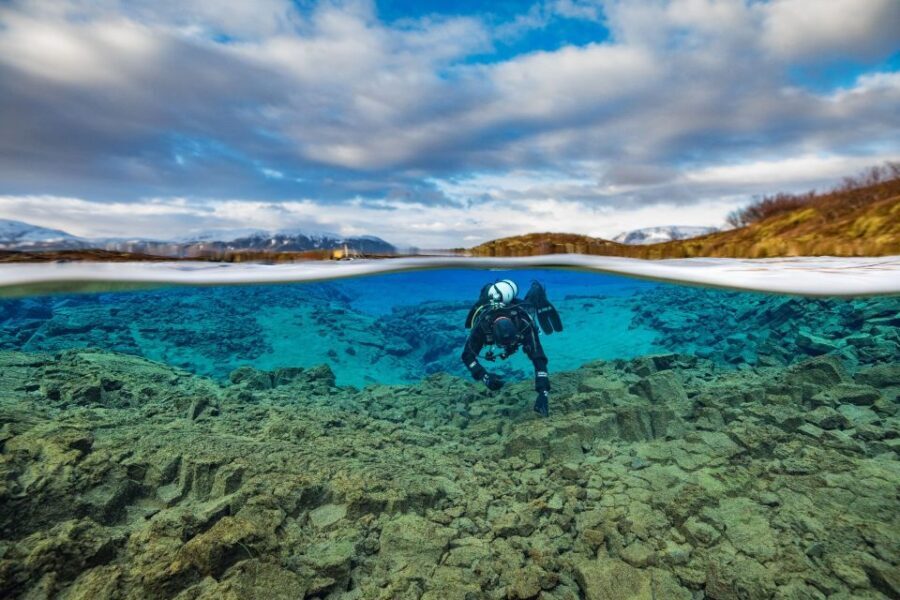
Silfra sits inside Thingvellir National Park, which is a UNESCO World Heritage Site. That matters because you’re not just “driving to a water entry.” You’re arriving at a landscape that already tells a tectonic story from the ground level.
The fissure experience is tied to the famous Golden Circle route, so it can be easier to fit into a multi-day Iceland plan than if Silfra were remote and isolated. You’ll also notice the park’s mood even before you’re wet: the walking paths, the openness, and the dramatic sense of scale. When you return after the water time, you get that quick contrast—cold, clear, quiet underwater, then open-air Iceland with wind and clouds.
And after you finish on the platform, you’re doing a short walk back to the meeting area (about 250 meters). I like that it’s not a long, tiring slog after you’ve already worked through cold-water focus. It keeps the day feeling clean and finishable.
How the day runs: pickup, briefing, gearing up, then in-water time
Your total window is about 3 to 5 hours, and it’s built around a clear sequence: arrival, briefing, gearing, then roughly 45 minutes in the water.
If you choose pickup, you’ll start with a hotel pickup and then a coach/shuttle ride (about 45 minutes). If you don’t choose pickup, you meet at Silfra in Thingvellir and still want to arrive early—around 15 minutes before the activity starts—so you’re not rushed when your suit fitting begins.
The most important early part is the briefing and setup. Plan for about 1 hour to get geared up and ready. You’ll use a dry suit (included) plus a warm undersuit, and you’ll change in a heated van to keep the “getting ready” phase from feeling miserable. That detail matters. The colder you are before you seal the suit, the harder it is to relax once you’re in the water.
Once you’re suited up and checked, you enter from the entry platform and start the guided route. Afterward, you exit, walk back a short distance, and warm up with hot chocolate and cookies. It’s a small thing, but it turns the day from just gear-and-freeze into a proper outing.
The four Silfra sections: what you’ll see in order
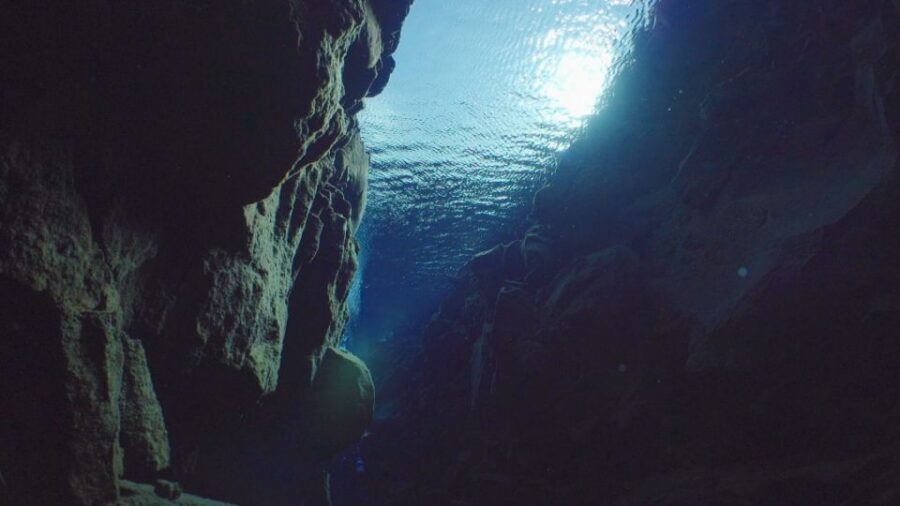
Your in-water time is guided and structured, and that’s part of why Silfra works so well. You spend time exploring four zones, moving from narrower, crack-like spaces to wider halls and deeper sections.
Big Crack: closest plates, most hands-on feeling
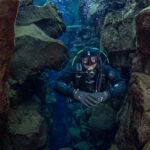
The first section is Big Crack, Silfra’s narrowest area. This is where the plates feel closest—close enough that you can touch the rock. That “touch” part isn’t just a gimmick. When the fissure is narrow, it forces you to slow down and pay attention to buoyancy and hand placement. You also tend to feel the geology more directly, because you’re not floating in a wide open volume—you’re moving through a real split line.



Silfra Hall: the clarity and color shift
Next comes Silfra Hall, where the channel widens. This is where you’ll notice the full spectrum look—color and clarity feel more dramatic because the space gives your eyes more angles. If you look at the right angle here, you can see all the way toward Lake Þingvallavatn (over 150 meters away). This is a rare underwater moment: you’re not just seeing “rocks.” You’re seeing distance.
Silfra Cathedral: the deeper, more dramatic drop
After that, you enter Silfra Cathedral near the opening toward Thingvellir Lake areas. This is the deeper moment, reaching about 23 meters. Expect the experience to feel more vertical here. You’ll want to stay calm with depth and slow movements, because in such clear water, your body position reads instantly.
Silfra Lagoon: the long-visibility finish
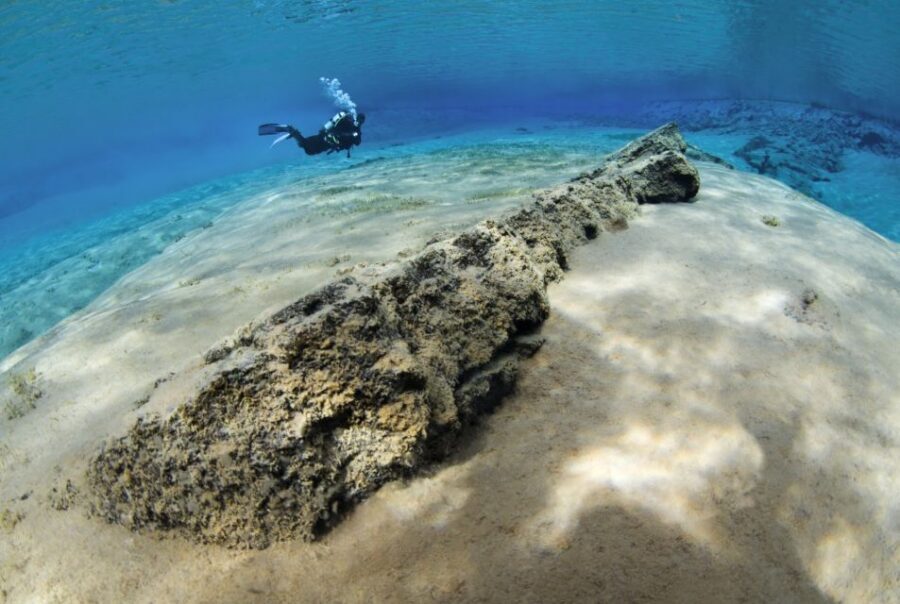
Finally, your route ends in Silfra Lagoon. The feeling is basically endless visibility—more wide-open space, fewer “where did that wall come from” moments, and more of that glass-clear glide. When you finish, you exit through the platform and get your warm drink and cookies.
2°C water in a dry suit: comfort tips that actually help
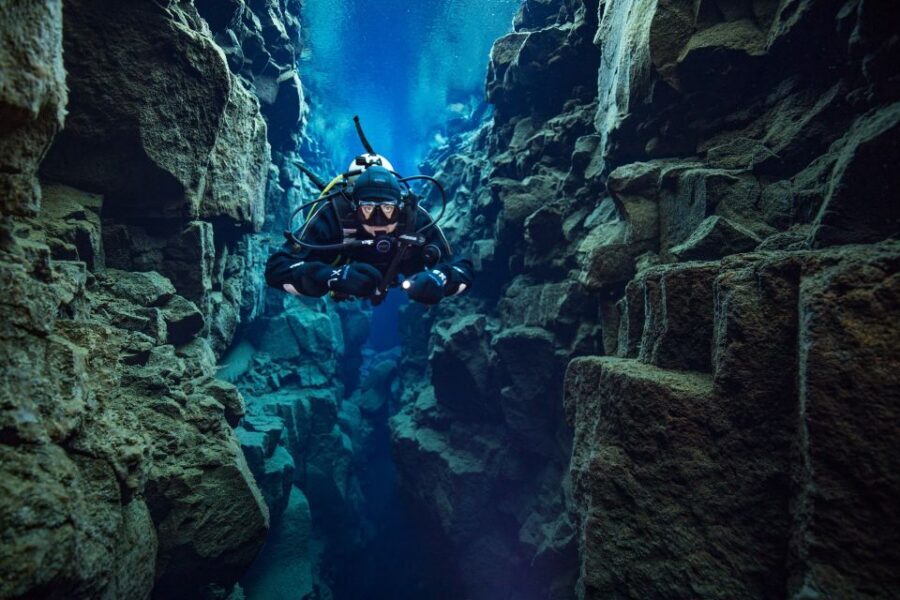
Let’s be honest: 2°C water is cold. You don’t need panic, but you do need respect. The tour helps because you’re in a dry suit with a warm undersuit, and the setup is designed for this specific environment. The water stays around 2°C year-round, so you’re not hoping for a “nice” temperature day.
What I’d suggest to you for comfort:
- Move slowly during the last-minute suit adjustments so you’re not fighting your own zipper while stressed.
- Once in the suit, focus on relaxed breathing and steady buoyancy rather than fighting your position.
- Take your time acclimating after you enter. With visibility this clear, minor movements and buoyancy changes are easy to notice—so calm control is your friend.
One more practical point: because the route includes narrow to wider spaces, you’ll be doing controlled finning and hovering in areas where you could bump rock if you rush. That’s not a safety scare so much as a reminder that Silfra rewards patience.
If you’ve never used a dry suit before (or haven’t done one recently), make sure your dry suit certification requirement is truly within date. This tour specifically checks it, and you’ll also feel the difference in comfort and confidence once you’re sealed in.
Price and value: is $289 worth it at Silfra?
At $289 per person, Silfra isn’t a “cheap thrill.” But it is a very specific experience. Here’s what you’re paying for that makes the value make sense.
You’re covered for the core essentials: the Silfra entry fee, a live PADI instructor/guide, full scuba equipment, and the dry suit + warm undersuit. There’s also a heated van to help you change without freezing, plus hot chocolate and cookies afterward. Those aren’t small extras—they reduce the hidden costs you’d otherwise handle yourself (and the stress of trying to source the right cold-water gear).
Duration also affects value. With a total window around 3 to 5 hours and roughly 45 minutes in the water, you get a meaningful underwater session without turning the day into an all-day ordeal. And if you select optional transportation from Reykjavik, the logistics piece is handled.
For me, the best value argument is the visibility and the geology. When you’re paying for something that’s basically a once-in-a-while world-location experience—between continents, with extremely clear water—the cost has a logical match to what you’re actually getting.
Who should book this Silfra scuba tour (and who should skip it)
This is a good match for you if:
- You already hold PADI Open Water (or comparable certification).
- You’re comfortable meeting cold-water and dry-suit requirements.
- You like photography, because the clarity makes it easier to capture the crack lines and the wide-angle space. Just remember: in narrow sections, you’ll still need to prioritize buoyancy and control over flashy movement.
- You want a guided route with expert instruction, not a self-led exploration.
You should seriously reconsider if any of the restrictions apply:
- Pregnancy is listed as not suitable.
- It’s not set up for people over 120 kg, under 45 kg, below 120 cm, or above 200 cm.
- The minimum age is 17.
- You must not be under the influence of alcohol and drugs during the activity.
Also, plan around the dry suit proof requirements. The tour requires dry suit experience verification within a time window, so double-check your logged dives and paperwork early. If you’re short on paperwork, it can be the difference between going and not going—so treat that admin step as part of trip planning, not a last-minute chore.
Safety and qualifications: the real gatekeepers are certifications and proof
Silfra has strict requirements for a reason. The tour data is clear that to participate you must have:
- PADI Open Water certification (or comparable from another organization).
- Dry suit diving certification, plus proof that you’ve logged dry suit dives recently.
The dry suit requirement is specific: you need either a logged dry suit dive within two years, or at least 10 logged dry suit dives within two years, along with written confirmation from an instructor. You’ll also be asked to read and sign a Silfra medical statement and sign a liability release at the start of the tour.
On day-of logistics, you should bring warm clothing in addition to everything you’ll wear under the suit. Since you change in a heated van, you’re not building your whole comfort plan from the park parking lot—but warm clothing helps you start and end feeling human.
If you meet the requirements, the rest is mostly common sense: slow movements, listen to the guide, and keep calm. In water this clear, your technique matters more than usual.
Should you book this Silfra experience or pick something else?
If your trip goal is one truly different Iceland moment, Silfra is a strong booking. The reason is simple: between-continents geology plus extreme underwater visibility plus a professional dry suit setup is a rare combo. Even if you’re not a deep wreck-and-current person, the clarity and the fissure shapes do the heavy lifting.
I’d recommend booking this tour if you:
- Have the right certifications and recent dry suit proof.
- Like guided structure and prefer clarity over chaos.
- Are okay with cold-water focus and can follow instruction calmly.
I’d skip it if:
- You’re missing dry suit certification requirements or paperwork.
- Cold water and dry suit buoyancy sound like a stress test you don’t want.
- You fall into one of the stated not-suitable categories.
For the right person, it’s one of those days where you’ll remember the look of the cracks as much as the fact you swam through them.
FAQ
How long is the Silfra scuba tour?
The tour lasts about 3 to 5 hours total, with about 1 hour for briefing and gearing up, and around 45 minutes in the water.
Where do I meet, and what time should I arrive?
You meet at Silfra in Thingvellir National Park. Arrive about 15 minutes before the activity starts.
Is hotel pickup included?
Hotel pickup is optional. If you select the pickup option, you’ll get hotel pickup and drop-off. If not, you meet the guide directly at Silfra.
What certifications do I need?
You must have PADI Open Water certification (or comparable certification from another dive organization). You also need dry suit diving certification with logged dry suit experience within the required time frame and the required written proof.
What gear is included?
The tour includes scuba diving equipment, a dry suit, and a warm undersuit. A heated van is also provided to change clothes.
What are the key safety limits?
You must be at least 17 years old. The tour is not suitable for pregnant women, and there are height, weight, and age limits listed in the requirements. Alcohol and drugs are not allowed.