REVIEW · REYKJAVIK
Whale Watching Cruise on a Yacht in Reykjavik
Book on Viator →Operated by Iceland Discover · Bookable on Viator
Whales off Reykjavik can feel unreal. This 3-hour yacht cruise takes you out from the Old Harbour and keeps you hunting through Faxaflói Bay and past the islands near Reykjavik. You’ll scan for Iceland’s stars like humpback and minke whales, plus dolphins and porpoises, with an onboard team that’s focused on getting you good looks.
What I like most is the mix of wildlife and scenery. Seeing Harpa’s glass facade from the water is a bonus, and the cruise is built for comfort too: warm interior seating, covered deck space, and a bar for hot drinks so you’re not just suffering for your sightings. The main drawback is simple: whale spotting is never guaranteed, and in rough weather you may feel the motion more than you expect.
In This Review
- Key things to know before you go
- From Old Harbour to the whale watch zones of Faxaflói Bay
- What this means for you
- What you’re actually looking for: whales, dolphins, and the rare chance of orcas
- The reality check (and it’s still worth it)
- Reykjavik’s Harpa from the water: a quick culture hit with a great view
- Engey, Lundey, and Viðey: the island scouting that keeps the hunt alive
- Engey
- Lundey (Puffin Island)
- Viðey
- Why these island stops matter
- Onboard guide style: how the crew helps you see more
- Comfort and gear advice from real-world accounts
- Boat comfort: what to expect from a yacht designed for whale watching
- A caution if seas are rough
- Getting value from $102: what you pay for beyond the ticket
- When it feels like a win
- When it can feel pricey
- Timing tips: when to arrive, and how to handle real-world departures
- Who this tour suits best (and who should think twice)
- Quick booking and weather reality: what you should assume
- Should you book this Reykjavik yacht whale watch?
- FAQ
- How long is the whale watching cruise?
- Where does the cruise depart from in Reykjavik?
- What wildlife might I see on this tour?
- Is the tour offered in English?
- Do I get another chance if whales are not seen?
- How many people are on the boat at most?
- What is included in the onboard experience?
- What should I wear for a winter or cold-day cruise?
- Is there a place to buy drinks on board?
- What happens if the weather is poor?
Key things to know before you go

- A true 3-hour wildlife search: You’re out long enough to get multiple sighting chances, not just a quick pass-by.
- Species to watch for: Expect minke and humpbacks most often, with dolphins and porpoises common too.
- Harpa and Reykjavik from the sea: The cruise routes give you water views that land tours usually miss.
- Comfort matters in Iceland: Warm cabin space and sheltered viewing areas help when wind chill bites.
- Free return if you don’t see whales: It’s there for a reason, and it can save your trip if nature is moody.
- Weather affects the plan: The experience depends on conditions, and you should dress for cold, wet, and moving water.
From Old Harbour to the whale watch zones of Faxaflói Bay
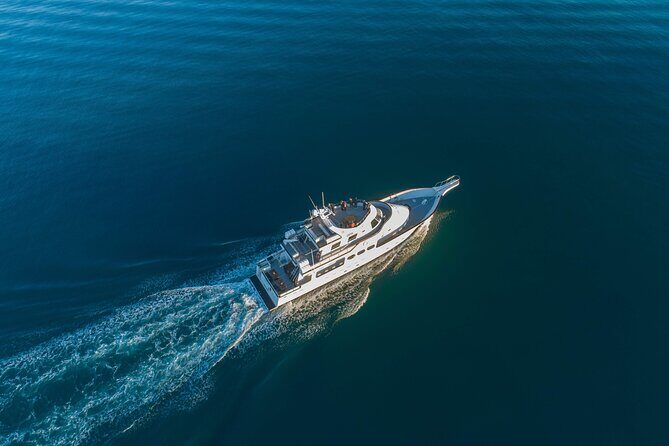
Your experience starts at Old Harbour House (Ægisgarður 2). From here, the yacht heads out into Faxaflói Bay, a productive area for marine life where you also get broad views of Reykjavik’s coastline. Even if you’ve been to the city before, the angle from the water changes everything. Harbours, cliffs, and the shoreline take on a calmer, wider feel once you leave the buildings behind.
You’ll be underway for about 3 hours, and the pacing is built around patience. That matters because whales don’t show up like buses. One review called out how long the crew stayed once they had activity, with multiple sightings possible in the same window. Another noted that it can take time to find whales, and the wait can feel long—especially in colder months when sightings can be fewer or less predictable.
You can also read our reviews of more boat tours in Reykjavik


What this means for you
If you hate slow waiting, this might feel like a test. If you’re the type who enjoys scanning water and spotting wildlife the way you might watch birds, this is a great fit. I also like that the tour is capped at a maximum of 125 travelers, which helps keep the deck experience from turning into a cattle-call.
What you’re actually looking for: whales, dolphins, and the rare chance of orcas
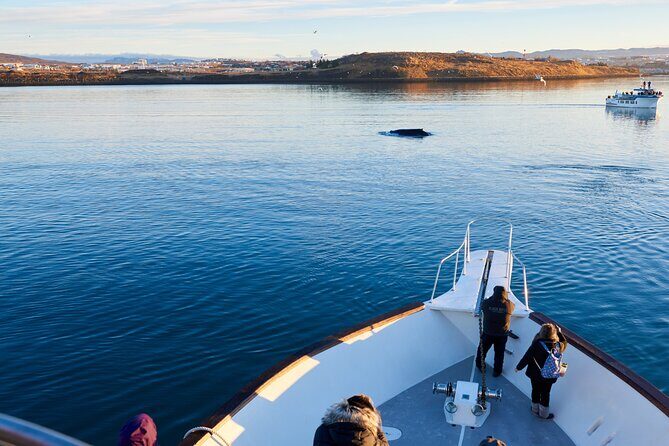
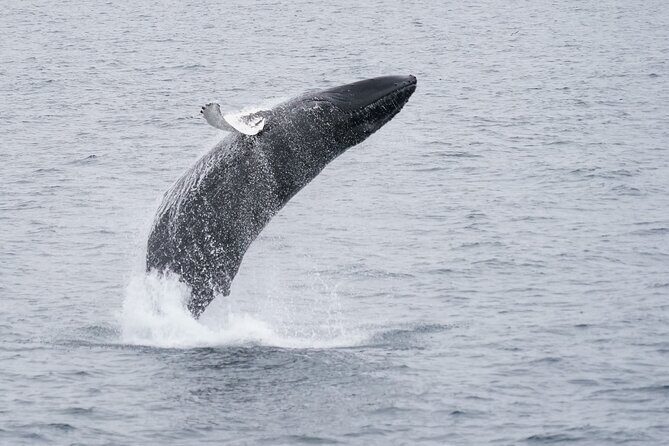
Most cruises here aim for the same lineup. The common sightings include minke whales and humpback whales, along with dolphins and porpoises. There’s also always a chance for orcas (killer whales), plus other species that may pop up when conditions line up.
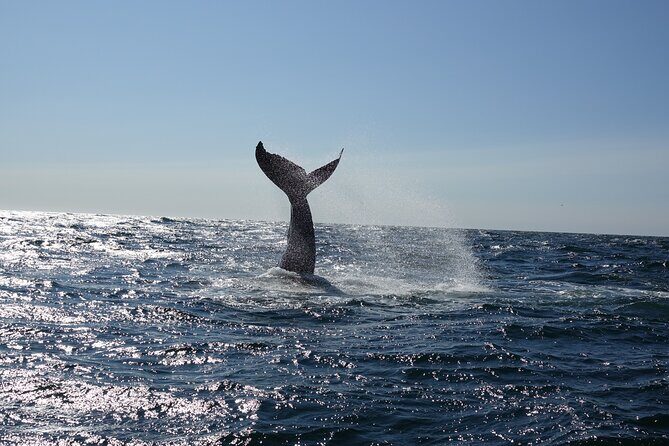
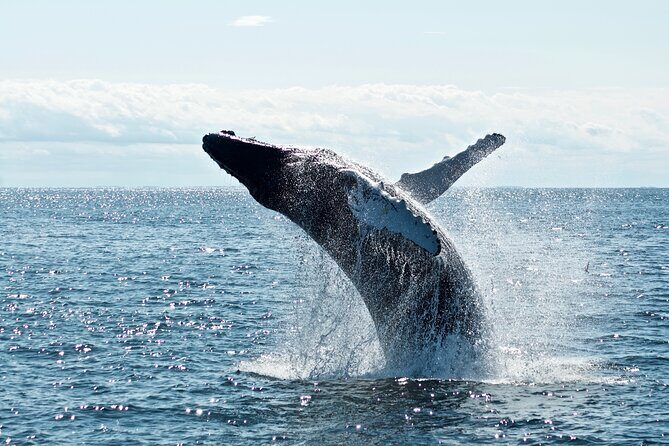
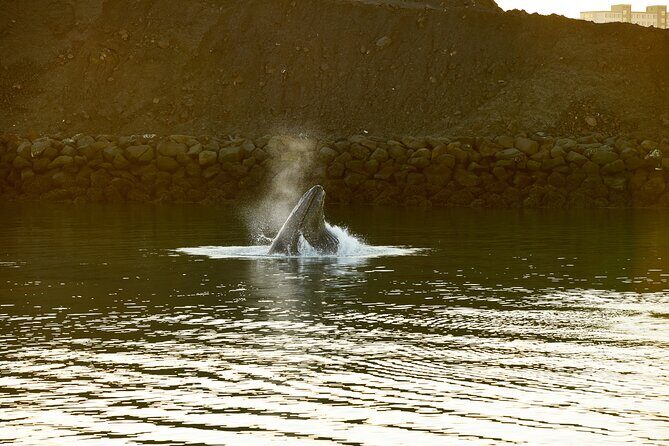
In the best-case scenarios, the payoff can be dramatic. Reviews include stories of humpbacks surfacing close to the boat, tails moving the water into little patterns, and animals swimming near the yacht for extended stretches. One rider described dolphins actively moving around the boat, which is the kind of extra you hope for when you’re paying for a cruise and not just buying the idea of whales.
The reality check (and it’s still worth it)
A disappointed review said whales weren’t seen and criticized the operator for sticking to a familiar area instead of trying a new one. Another disappointment pointed to very brief sightings. I don’t love that type of swing, but the tour’s free return highlight is a direct response to the biggest problem with whale watching everywhere: you can do everything right and still get skunked.
That free return doesn’t eliminate the uncertainty. It just gives you a safety net if the ocean doesn’t cooperate on your departure day.
Reykjavik’s Harpa from the water: a quick culture hit with a great view
One of the named stops is Harpa, Reykjavik’s concert hall and conference centre. It opened in May 4, 2011, and the building’s colored glass facade is inspired by the basalt terrain of Iceland. From the sea, Harpa looks less like a landmark you rush past and more like part of the waterfront design—especially with the bay and islands framing it.
This isn’t a museum stop. You’re not going inside. But you do get a moving viewpoint, which can be more satisfying than standing still for photos. If you’re the kind of person who likes getting at least one “wow” view in every activity, Harpa earns its spot on the route.
You can also read our reviews of more sailing experiences in Reykjavik




Engey, Lundey, and Viðey: the island scouting that keeps the hunt alive
The cruise includes several island areas in the Kollafjörður / Faxa Bay orbit. These stops are less about boarding onto land and more about what the islands do for your spotting chances and your scenery.
Engey
Engey is described as the second largest island of the Kollafjörður (Faxa Bay) fjord. In practice, islands in this part of Iceland help break up water patterns and create zones where wildlife can feed or travel.
Lundey (Puffin Island)
Lundey literally means Puffin Island. That tells you what many people associate with this stretch of coast. Even if your main goal is whales, seeing how the islands fit into the broader wildlife story is part of what makes the cruise feel more than just a transfer out to open water.
Viðey
Viðey is the largest island near Reykjavik in the Kollafjörður Bay. Like Engey and Lundey, it adds shape to the seascape and creates natural landmarks that help you follow where the boat is searching.
Why these island stops matter
They give structure to your cruise time. Without them, whale watching can feel like you’re just roaming. With them, you understand you’re moving through specific environments that make sense for wildlife.
Onboard guide style: how the crew helps you see more
The operator positions the experience around an onboard team that’s very experienced in spotting whales. In the better reviews, the guides balanced education with allowing time for quiet watching. One review described the guide’s mix of chit chat and learning, with enough calm moments that everyone could focus on scanning the water.
You also get practical help. People mention spotting areas from the boat, and you’ll likely hear seasonal context, like what you might expect and where wildlife tends to show up during different times of year. Even without a formal lecture, that kind of guidance changes your experience from hoping to actually looking.
Comfort and gear advice from real-world accounts
I’d treat this as a cold-weather deck day. Reviews repeatedly warn that wind chill is real, even when the air temperature feels mild on shore. People specifically mention wrapping up in layers and bringing gloves for extended time on viewing decks.
Also, the warm refuge matters. Multiple reviews talk about cozy interior spaces and a sheltered area on board where you can dry off and reset if the weather turns.
Boat comfort: what to expect from a yacht designed for whale watching
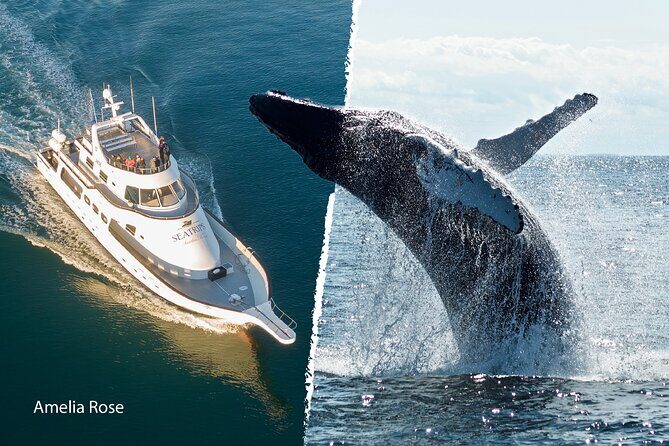
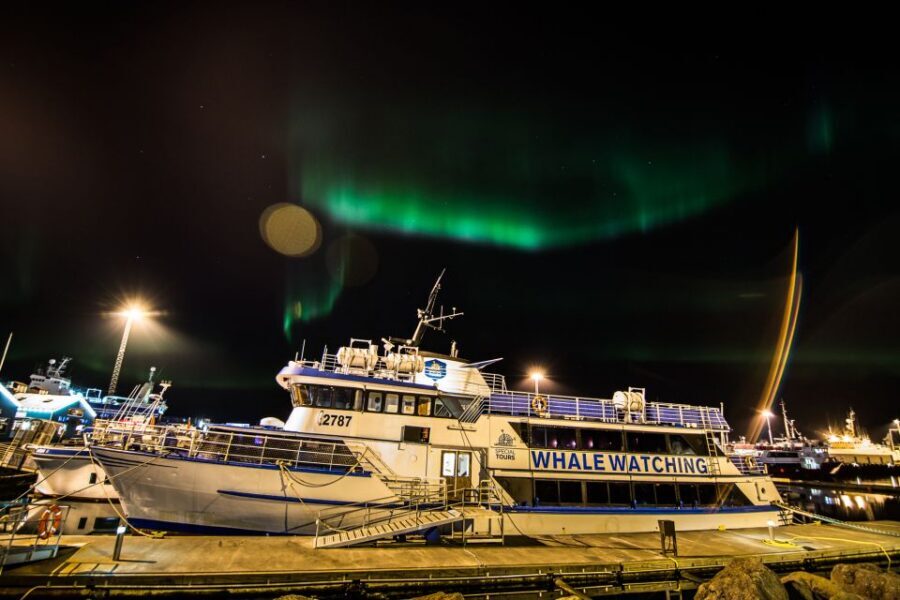
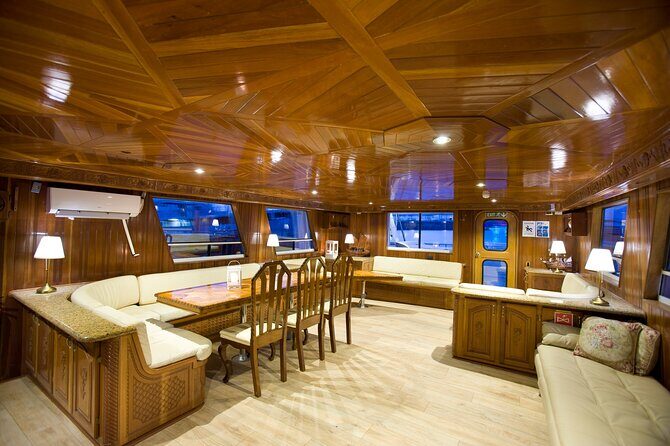
This cruise uses a yacht setup geared for wildlife viewing. Reviews describe:
- A boat that can be clean and comfortable
- Indoor cabin space that stays warmer
- Multiple places to stand or sit for scanning
- Toilets on board
- A bar selling hot and cold drinks, including alcohol and non-alcohol options
One review notes that on at least one departure, the boat was described as older but still designed for a relaxing whale-watching day, with a viewing spotter area on the upper deck and comfy interior seating.
A caution if seas are rough
Not every experience is smooth. One disappointed rider said seas were rough and the smaller boat bounced more than expected, with passengers getting soaked by waves. Another rider said they were helped with sea-sickness pills. If you’re prone to motion sickness, plan accordingly and pack whatever works best for you.
If you’re worried about safety in choppy conditions, keep your balance and consider staying away from the most exposed edges on rough water. The goal is whale viewing, not negotiating a moving deck.
Getting value from $102: what you pay for beyond the ticket
At $102 per person for about 3 hours, the value depends on what you want most: guaranteed sightings or a high-quality search experience.
Here’s the value logic that holds up:
- You’re paying for an experienced search team, not just a boat ride.
- You get multiple scanning zones through Faxaflói Bay and near Reykjavik’s islands.
- You’re not stuck in the wind the whole time, thanks to warm interior areas and sheltered viewing.
- The tour includes a free return cruise if whales aren’t seen, which is a meaningful safety net for a wildlife activity.
When it feels like a win
The happiest reports are the ones where you see more than one animal or get repeated sightings. People talk about humpbacks surfacing multiple times, humpbacks swimming together, and dolphins weaving around the boat. When the water cooperates, it turns into a memory you’ll keep longer than most tours.
When it can feel pricey
If you go in expecting certainty, whale watching will disappoint you. Even reviews that loved the cruise still mention the waiting and the luck involved. In winter months, one review felt the wait was long, and another said whales weren’t active or visible. That’s not a scam; it’s just how marine life and seasonality work.
Timing tips: when to arrive, and how to handle real-world departures
Reykjavik cruises can feel tight schedule-wise because weather can change plans quickly. One review mentioned being told to arrive early, then boarding later than expected, and the boat leaving after a delay. That’s not unusual in the real world, but it’s worth planning for.
My advice: show up early enough to park, find the exact pickup spot at Old Harbour House, and get your layers sorted before you step outside. Once you’re aboard, the “time on deck” is what you’re buying.
Who this tour suits best (and who should think twice)
This is a strong match if:
- You want a wildlife-first activity with real instruction from the crew
- You like being outside but also appreciate warm indoor areas
- You’re traveling with kids and want a guided outing that can still feel exciting when animals appear
- You want a mix of whales and Reykjavik views without doing a separate sightseeing tour
It may be less ideal if:
- You get motion sick easily and don’t plan for it
- You can’t handle cold wind and wet decks
- You need guaranteed animal sightings to feel like you got your money’s worth
Quick booking and weather reality: what you should assume
This experience depends on good weather. If conditions are poor, the operator will offer a different date or a full refund. That’s important because it protects you from paying for a day that’s physically miserable or unsafe.
Also, the tour is listed in English, and there’s a confirmation at booking. Service animals are allowed, and it’s near public transportation, so you shouldn’t need a car to make it work.
Should you book this Reykjavik yacht whale watch?
If you’re okay with a little randomness in exchange for a chance at real whale encounters, I think this is a smart booking. The top endorsements point to repeated sightings, friendly crew support, and a boat experience that’s comfortable enough to wait for the moment when whales actually show up.
Book it especially if the idea of seeing humpbacks breaching or surfacing, watching dolphins play, or spotting whales from a warm viewing setup excites you. Just go in prepared for cold, wind, and the possibility that your “whale moment” might take time.
If you’re not a patient watcher, or you know you’ll struggle on moving water, consider whether a different kind of wildlife tour would fit you better. But for most people who want a memorable Iceland sea day, this one earns its reputation.
FAQ
How long is the whale watching cruise?
It runs for about 3 hours.
Where does the cruise depart from in Reykjavik?
It sets sail from Reykjavík’s Old Harbour House at Ægisgarður 2, 101 Reykjavík, Iceland.
What wildlife might I see on this tour?
You may see minke and humpback whales, plus dolphins and porpoises. There is also a chance of spotting orcas.
Is the tour offered in English?
Yes, it’s offered in English.
Do I get another chance if whales are not seen?
The highlights say there is a free return cruise if you do not see whales.
How many people are on the boat at most?
The maximum group size is listed as 125 travelers.
What is included in the onboard experience?
You have an onboard guide who helps you learn about whale behavior, and you’ll have time to watch from the decks.
What should I wear for a winter or cold-day cruise?
The cruise can feel much colder due to wind chill, so plan for cold weather and bring layers. Reviews specifically mention gloves.
Is there a place to buy drinks on board?
Yes, reviews mention a bar on the boat with alcohol and non-alcohol beverages, including warm drinks.
What happens if the weather is poor?
The experience requires good weather. If it’s canceled due to weather, you’ll be offered a different date or a full refund.