REVIEW · REYKJAVIK
Whales of Iceland from Land and Sea
Book on Viator →Operated by Special Tours Iceland · Bookable on Viator
Wildlife on the North Atlantic is always a gamble.
This Whales of Iceland from Land and Sea outing pairs a real boat hunt in Faxaflói Bay with a hands-on stop at the Whales of Iceland exhibition, so you’re learning even if the whales are slow. I like that the group stays small (up to 10), which keeps the vibe relaxed and the captain and biologist easier to hear.
I’m also a big fan of the included museum time. The Whales of Iceland exhibition is built around lifesize whale models and species replicas, which makes spotting minke and humpbacks on the water feel way more meaningful. One watch-out: whale sightings aren’t guaranteed, and if the water is rough or the boat is crowded, you may not see every whale your captain points out.
In This Review
- Key highlights you’ll actually feel
- Faxaflói Bay, Reykjavík, and why this combo works
- Geirsgata meeting point and getting kitted for real cold
- On the water: how the cruise actually plays out
- The guides: what their presence changes
- If you spot whales quickly, the time feels different
- When whales are quiet: the no-whale ticket plan
- Museum time: Whales of Iceland is more than a waiting room
- How to fit both parts into one day
- Comfort and motion: what to do if you get seasick
- Where you sit matters more on a big boat
- Duration and value: is $120.15 worth your time?
- Who should book this tour, and who should think twice
- Should you book Whales of Iceland from Land and Sea?
- FAQ
- How much is Whales of Iceland from Land and Sea?
- How long is the experience?
- Where does the tour start and end?
- Is the Whales of Iceland exhibition included?
- What’s provided for cold weather on the boat?
- Are sea sickness tablets included?
- Do you have WiFi during the experience?
- What happens if the cruise doesn’t spot whales?
- What if the tour is canceled due to weather?
Key highlights you’ll actually feel
- Small group (max 10 travelers) keeps things calmer on deck and easier to follow the biologist’s spotting tips
- Whales of Iceland exhibition included so you’re not just hoping for whales, you’re learning about them
- Heated indoor seating plus thermal overalls means you can stay comfortable even when conditions turn chilly
- Onboard biologist commentary helps you know what you’re looking for beyond just spouting and splashes
- No-whale backup ticket if you truly don’t spot whales on your cruise
Faxaflói Bay, Reykjavík, and why this combo works
Reykjavík’s Old Harbor puts you close to open water, and that matters. On this tour you sail out from the harbor to look for whales and other marine life in Faxaflói Bay, with mountains and coastline views as your backdrop.
The smart part is the pairing. If you have ever watched something great from far away, you know the feeling can be half “I hope” and half “I don’t know.” Here, the included museum gives you context first (or after). Then you go out to the water with more mental hooks for behavior, species, and what to look for.
You can also read our reviews of more tours and experiences in Reykjavik.



Geirsgata meeting point and getting kitted for real cold
You meet at Geirsgata, 101 Reykjavík, and the day ends back at the same place. It’s an easy setup if you’re staying in central Reykjavík, and it also works well if you want to keep your schedule tight.
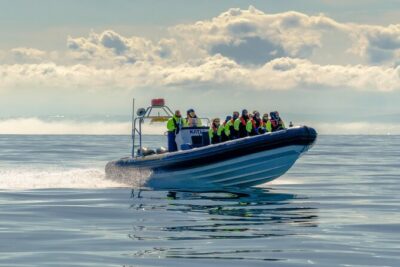
Before you leave, there’s a captain-led safety briefing. Then you pull on provided thermal overalls (they’re also available in children’s sizes). Expect both an outdoor deck option and a heated indoor cabin, which is important because Iceland weather has a talent for changing its mind.
A practical note from experience-based comments: if you’re the type who runs cold, plan to use the overalls fully and consider adding your own warm layer accessories like gloves and a scarf. One reviewer said they were especially toasty once they did.
On the water: how the cruise actually plays out
You choose your preferred departure time, and once you’re moving, you get onboard commentary from the biologist. This is where the tour stops being random scanning and starts feeling like whale watching.
As the boat heads into Faxaflói Bay, you’ll be looking for minke and humpback whales, plus other wildlife such as harbour porpoises and white-beaked dolphins (and sometimes more). The boat ride itself is also scenic, with Icelandic mountains framing the coastline while you scan the water.
You’ll usually have two viewing modes:
- Stay near the deck railings when you spot activity
- Duck into the heated cabin when your fingers start plotting a vacation of their own
Your best strategy depends on you. If you want maximum action, keep an eye on where the spotting happens and be ready to reposition quickly. If you want comfort first, it’s still fine to watch from inside, but do know that on a busy boat you might not see every whale your captain points out.
The guides: what their presence changes
Two guide names came up in feedback: Jitka and Jonathan. In both cases, the common thread was that they stayed on top of what was happening and what to watch for next. That kind of live guidance matters because whales don’t perform on schedule. A good spotting update can be the difference between watching a whale for a few seconds and seeing behavior long enough to understand it.
If you spot whales quickly, the time feels different
The best-case scenario is what you’d hope for: multiple sightings with enough time to observe. Several people described seeing humpback whales during the cruise and getting close enough to notice whale behavior without feeling like you’re chasing.
One review highlighted a fast first sighting (within minutes) and then a continuing stretch with 3 to 4 humpbacks in the bay. Another mentioned a breach from a humpback whale to the side of the boat. That’s the kind of moment that turns a “hunt” into a story you’ll remember.
Even when there’s no big breach, the value is in the pattern: spouting, movement, and the way whales surface and disappear. The biologist’s commentary helps you connect those moments to species and behavior, instead of just guessing.





When whales are quiet: the no-whale ticket plan
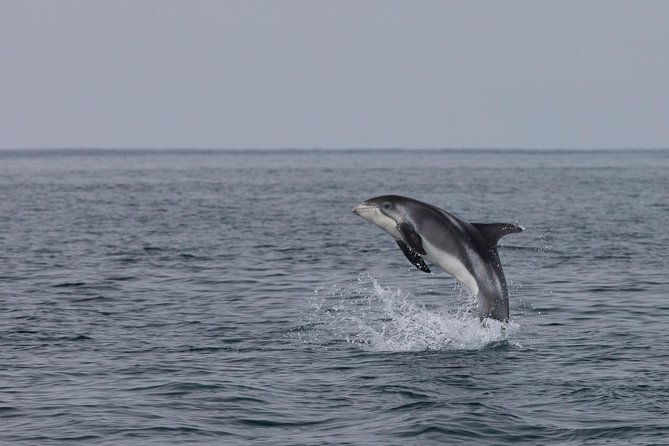
Here’s the reality check: wildlife is hit or miss. Some cruises run with lots of whale activity, and some don’t.
This tour gives you a safety net: in the unlikely event that you don’t spot a whale, you receive a ticket for another cruise. That doesn’t guarantee your second try will be better, but it does reduce the risk of paying for a mostly empty afternoon.
Still, if you’re traveling during seasons when you might expect fewer humpbacks, your odds may vary. One piece of feedback pointed out disappointment from low wildlife sightings, even though the team kept trying. That’s why I like that this tour is paired with the museum. If the sea is quiet, you still get something substantial on land.
Museum time: Whales of Iceland is more than a waiting room
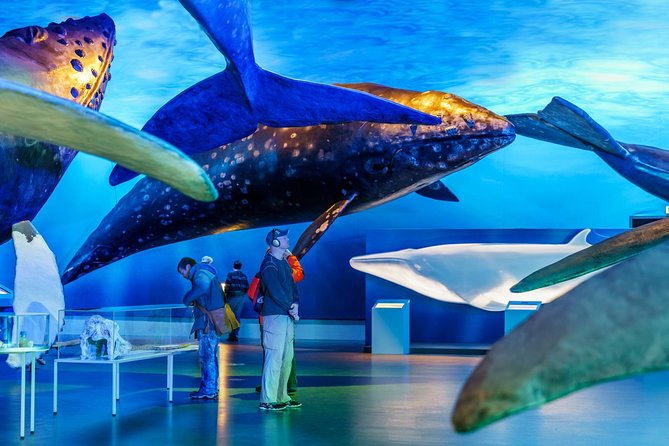
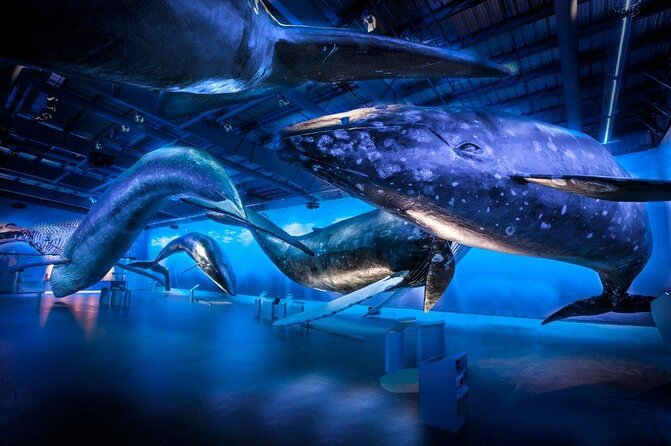
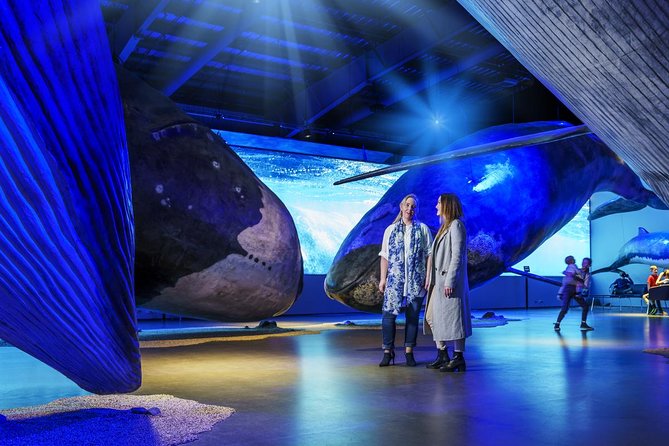
After or before your whale cruise, you can head to the Whales of Iceland exhibition, which is described as Europe’s largest whale-focused exhibit. The key point for your day: it’s included, and it’s open daily 10:00–17:00, closed December 25.
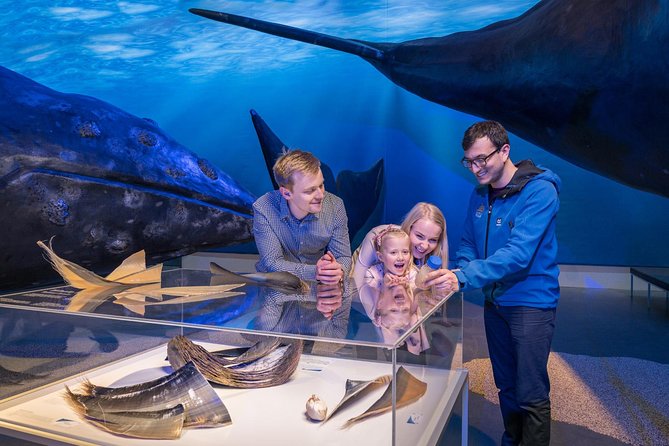
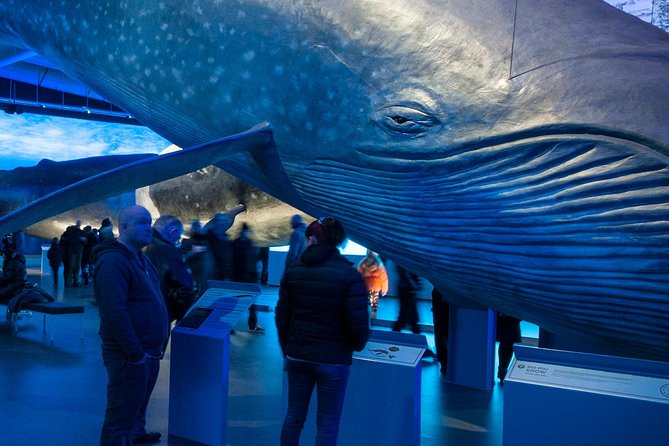
The museum setup is built for learning through size and comparison. You’ll see lifesize models of whale and dolphin species, with examples including belugas and killer whales. You’ll also find replicas of minke and humpbacks, the exact species the boat portion looks for. That makes the whole day “click” in a practical way. When you spot a whale on the water, you’re not just looking. You’re matching what you see to what you studied.
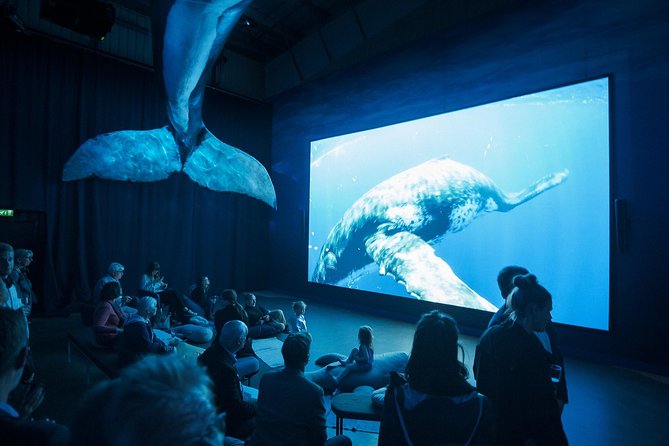
One reviewer also described an adult quiz on site and said it was hard enough to keep them engaged. Another noted that a video in a back room was worth watching, even if you don’t have time to do everything.
There’s also a café for drinks and snacks, but you’ll pay for those on your own. The important detail is that you can take a break without losing your momentum for the whale hunt.
How to fit both parts into one day
Plan for a short walk between the museum and the boat area. One detailed comment said it was around 10–12 minutes on foot, or longer if you’re dealing with ice and want to be extra careful. That’s manageable even if you’re doing the museum first and then heading to the harbor.
I’d time it like this:
- If you want better whale-spotting, visit the museum first so species and behaviors feel familiar.
- If you want to reduce pressure, do the museum after the cruise so you can process what you saw (or didn’t).
Comfort and motion: what to do if you get seasick
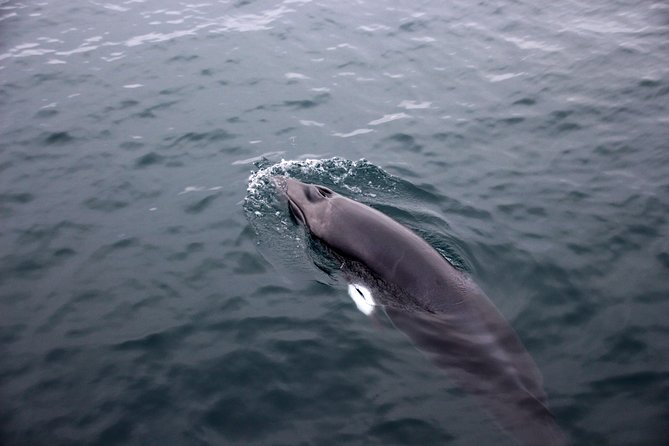
This tour includes complimentary sea sickness tablets, which is a big deal for a lot of people. You’ll also have access to heated indoor seating, so you’re not forced to stay outside the whole time.
But I’ll be honest: some feedback mentioned rougher conditions and a crowded deck as factors that made the experience less enjoyable for some folks. If you know you get motion sick easily, this is a good thing to take seriously even with the tablets available.
My practical approach:
- If you’re sensitive, plan to spend more time inside during choppier periods
- If you can handle it, stay near the deck railings when activity is spotted
- Dress for wind and cold, since the overalls help but don’t erase Iceland’s weather
Where you sit matters more on a big boat
The cruise can be comfortable, but boat size changes your viewing experience. Some people found that a larger boat makes it harder to move quickly when the captain points to a whale. If you can’t reach the best angle in time, you might miss the whale that was announced.
One reviewer said the deck was full and that it was hard to move around, then described how their group did better by choosing a spot and staying put rather than running around the boat. That’s a solid tactic if you don’t want to spend the cruise bobbing between locations.
If you want a calm plan: pick one side for most of the cruise and adjust only when the captain calls something specific. You’ll avoid that sprint-and-regret feeling and still catch plenty.
Also worth knowing: one comment mentioned that there are photographers on board and that photos are provided online for free after the tour. If you care about camera shots, it’s a helpful bonus because whales don’t always surface at the perfect moment for your phone.
Duration and value: is $120.15 worth your time?
The price is $120.15 per person, and the whale watching portion runs around 3 to 4 hours total (with an option for a 2.5- or 3.5-hour experience depending on what you choose). For Reykjavík, that’s a fairly focused outing, not a half-day commitment that eats your whole itinerary.
The value isn’t just the boat ride. You also get included admission to the museum, plus:
- an experienced biologist on the tour
- thermal overalls (including kids sizes)
- free WiFi on board and at the museum
- heated indoor seating
- sea sickness tablets
That combo matters because you’re buying a full experience, not just a gamble at sea. If you get great sightings, it’s obviously money well spent. If you don’t, the museum still gives you a satisfying chunk of time—so you leave with knowledge, not just hope.
One more “value” detail: small group size (up to 10) often means better attention and a better flow on board than crowded multi-deck tours. Even when the boat is still busy, fewer people with the same vibe can feel noticeably different.
Who should book this tour, and who should think twice
This is a strong choice if you:
- want a small-group feel (max 10)
- care about learning as you watch (biologist commentary plus the museum)
- want a practical way to handle Iceland weather with thermal overalls and indoor seating
- like the idea of having a backup if whale sightings don’t happen
It may be a tougher fit if you:
- are extremely seasick-prone and hate any boat motion, even with tablets
- need perfect whale spotting with zero uncertainty
- strongly prefer a quieter boat layout with lots of personal space (some feedback mentioned crowding)
For families, the tour is set up with kids’ coveralls available, and most people can participate, but you’ll still be on a boat—so age and comfort level matter.
Should you book Whales of Iceland from Land and Sea?
I’d book it if you want a day that blends nature with learning, and you’re okay with the natural uncertainty of whale watching. The best part is that you’re not relying on luck alone: the Whales of Iceland exhibition is included and open daily, and it helps you understand what you’re seeing out on the water.
If you’re on the fence, decide based on two questions:
1) Do you want an educational whale experience even if sightings are slower?
2) Are you comfortable enough for a 2.5–3.5 hour boat ride in Iceland weather?
If both are yes, this is a high-value way to spend time in Reykjavík with a small group and real marine expertise.
FAQ
How much is Whales of Iceland from Land and Sea?
It costs $120.15 per person.
How long is the experience?
The whale watching portion is about 3 to 3.5 hours, and you can choose between a 2.5- or 3.5-hour experience to fit your schedule. The total time is roughly 3 to 4 hours.
Where does the tour start and end?
The tour starts at Geirsgata, 101 Reykjavík, Iceland and ends back at the same meeting point.
Is the Whales of Iceland exhibition included?
Yes. Admission to the Whales of Iceland Exhibition is included, and it’s open 10:00–17:00 (closed December 25th).
What’s provided for cold weather on the boat?
You’ll get thermal overalls to wear during the whale watching, and there are heated indoor seating areas too. Children’s sizes are available.
Are sea sickness tablets included?
Yes. The tour includes complimentary sea sickness tablets if needed.
Do you have WiFi during the experience?
Yes. Free WiFi is available both onboard and at the Whales of Iceland exhibition.
What happens if the cruise doesn’t spot whales?
If you don’t spot a whale, you’ll receive a ticket for another cruise.
What if the tour is canceled due to weather?
If it’s canceled due to poor weather, you’ll be offered a different date or a full refund.