
REVIEW · REYKJAVIK
Reykjavik: Saga Museum Entry Ticket
Book on GetYourGuide →Operated by Saga Museum · Bookable on GetYourGuide
Icelandic sagas feel less like stories and more like places. This Saga Museum ticket takes you through Viking-age Iceland using life-size wax scenes, a guided audio track, and a neat route that covers the big chapters: earliest settlers, Leif the Lucky, the founding of Parliament, and the Reformation.
I especially like two things. First, the figures are genuinely lifelike, so you stop thinking about a museum and start reading the sagas with your eyes. Second, the audio guide keeps you moving through a clear storyline, with headset options in multiple languages, so you’re not stuck guessing what you’re looking at.
One thing to consider: the museum is relatively compact, and the flow can include a bit of waiting between sections. If you hate stop-and-go pacing, plan for that.
In This Review
- Key things to know before you go
- Why this Saga Museum ticket feels different than a typical museum
- Start Here at Grandagarður 2: finding the building fast
- The 35-minute audio tour: the route you’ll follow
- What each major chapter feels like inside the exhibits
- Lifelike wax scenes: what you should watch for
- Viking dress-up afterward: yes, it’s worth it
- Languages, headsets, and reading guides you can switch to
- Price and value in Reykjavik (and when it might feel steep)
- Timing tips: how to avoid the stop-and-wait feeling
- Who should book this Saga Museum ticket
- Should you book the Saga Museum Entry Ticket?
- FAQ
- How long is the audio-guided experience?
- How many exhibits are included?
- What languages are available for the audio guide?
- Are Viking costumes included?
- Where is the Saga Museum meeting point?
- Is parking included?
- Are lockers provided?
- Is the museum wheelchair accessible?
- Is it suitable for young children?
Key things to know before you go
- A 35-minute audio-guided tour with headsets in seven languages
- 20 saga-themed exhibits laid out as a chronological story
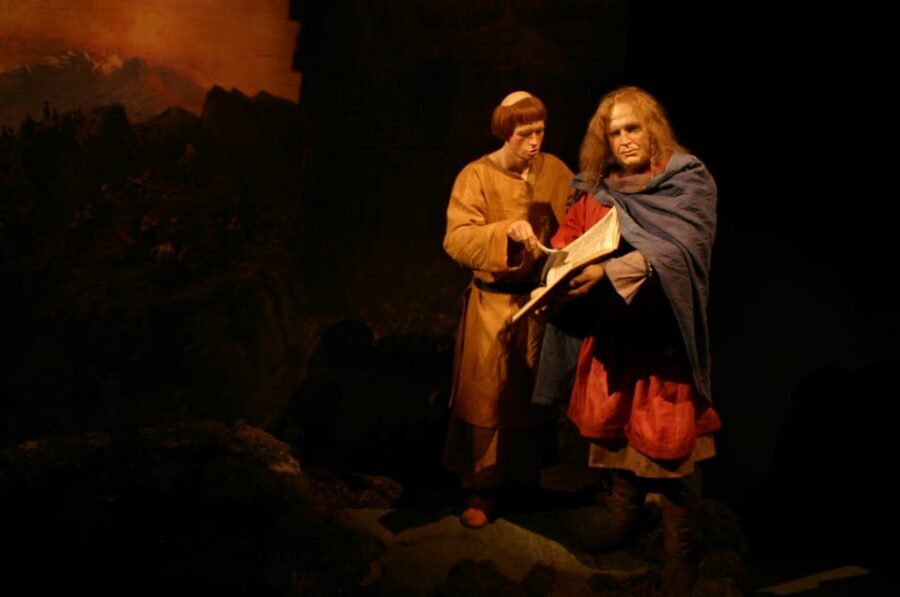
- Lifelike wax scenes that make Viking life feel tangible
- Viking dress-up with authentic-looking clothes and weapons
- Central Reykjavik location at Grandagarður 2, by a horse-and-viking statue
- Some exhibits may feel intense, so think twice for sensitive kids
Why this Saga Museum ticket feels different than a typical museum
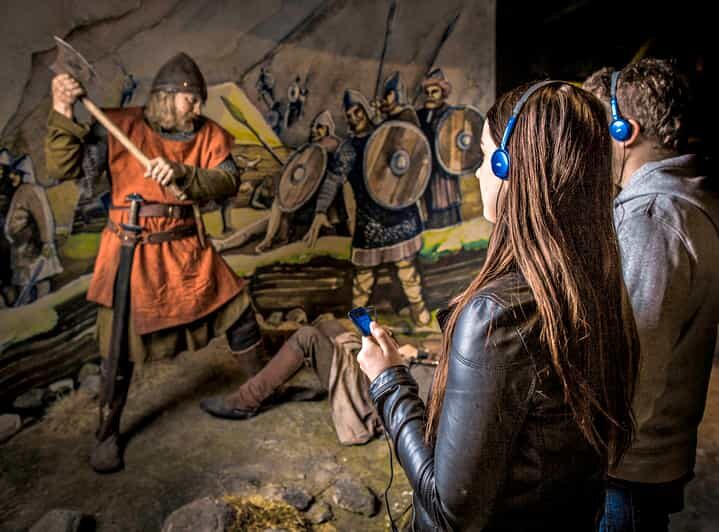
Reykjavik has plenty of museums, but this one hits a specific sweet spot: it focuses on the saga era and the way those stories shaped Icelandic identity. Instead of reading everything from labels, you follow a narrated path through wax scenes that reflect the major turning points in the sagas.
The wax format is more than decoration. You can usually spot small details that would be easy to miss in a book, like how people are positioned in daily life moments or how scenes are staged to tell you what matters in that era. That’s why I think this works well even if you’re not a hardcore saga scholar.
Also, the museum gives you a hands-on finish. After the learning, you get into a Viking costume area, with outfits and props designed for dressing up, not just standing near a backdrop. That matters because it turns the visit from passive watching into a memory you can actually take home.
You can also read our reviews of more tours and experiences in Reykjavik



Start Here at Grandagarður 2: finding the building fast
Meeting up is straightforward. Go to Saga Museum at Grandagarður 2, in the white building with a Viking-on-a-horse statue right out front. It shares the same door as the restaurant Matur og Drykkur, so if you see that entrance, you’re in the right place.
This location is handy because it sits in central Reykjavik. You’re not trekking out to an out-of-town site, which makes it easier to fold into a day that already includes coffee, a walk along the harbor, or dinner afterward.
Plan to arrive with at least a little buffer. The experience is built around the audio route, so if you start late or rush your entry, you may feel the pace more than you need to.
The 35-minute audio tour: the route you’ll follow
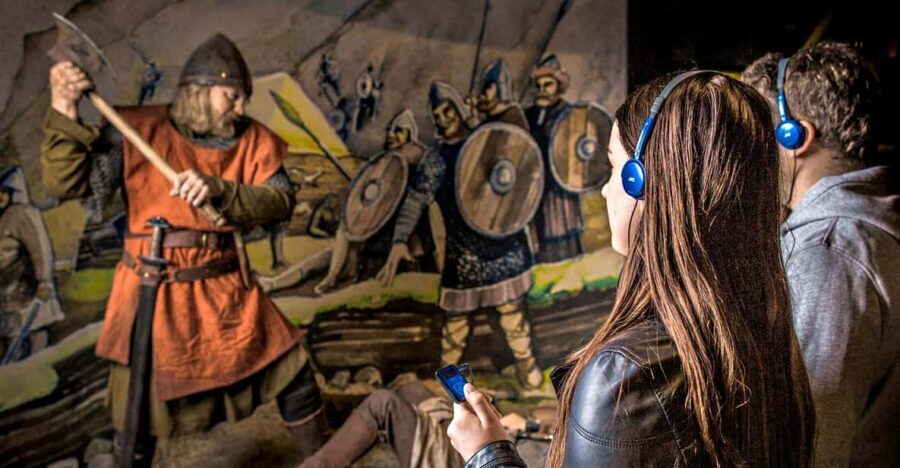
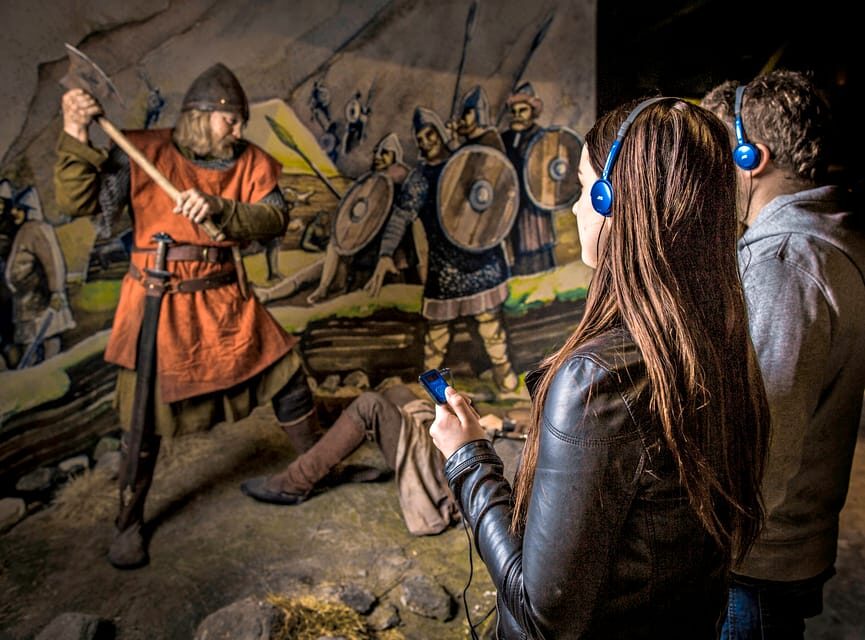
Your ticket centers on a 35-minute audio-guided tour. You’ll wear a headset, follow along as you move through the museum, and hit 20 exhibits that each ties to a chapter from the Icelandic sagas and Iceland’s history.
The audio track guides you in sequence, starting with the earliest settlers called the Papar. You then move into the Viking phase, including the first Vikings who settled Iceland and are connected to the name Reykjavik.
After that foundation, the story widens. You hear about Leif the Lucky and the discovery of America, then you get a jump to the founding of Parliament. Even if you don’t know the details today, the narration helps you connect the sagas to real political and cultural change.
Next comes the Saga age, when many of these stories were written down. The tour also addresses a difficult chapter: the civil war in Iceland. Finally, it closes with the Reformation period and the last Catholic Bishop in Iceland.
Why this matters: the sagas aren’t just legends. They’re a way Icelanders made sense of identity, conflict, law, and faith. The museum’s sequence is designed to show you that these themes evolve over time, instead of reading like random tales.
What each major chapter feels like inside the exhibits
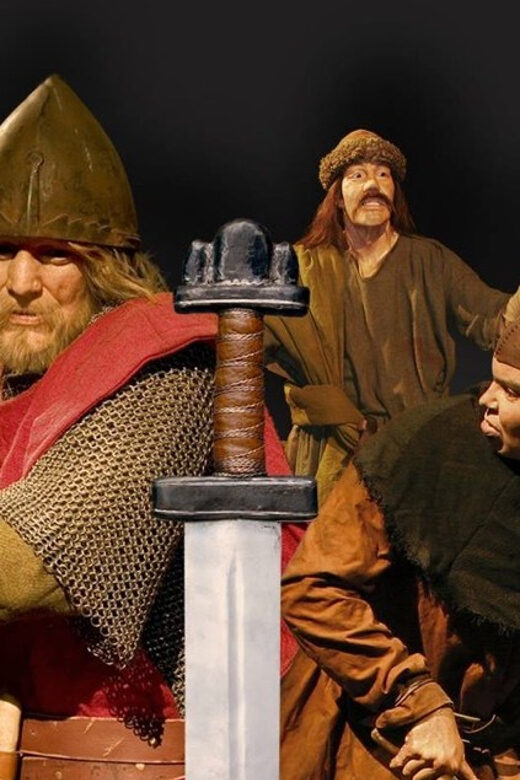
The exhibit design is built around the idea that you learn by seeing. Here’s how the big sections tend to land when you’re walking through them.
1) Papar and early settlement
This opening part sets the context fast. The Papar are part of Iceland’s earliest chapter, and starting here gives you a baseline before the Vikings take over the center stage.
2) Viking settlement and Reykjavik’s name
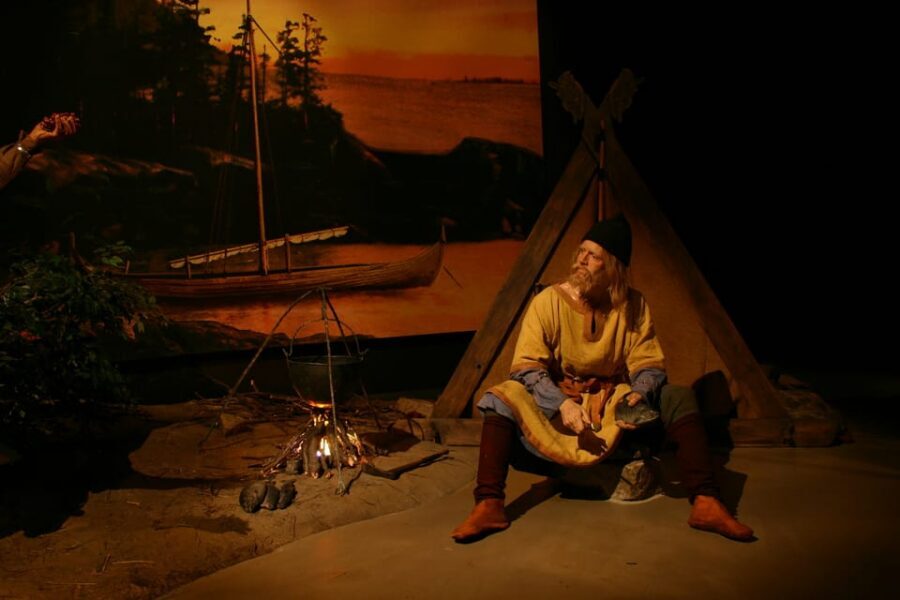
When the audio moves into the first Vikings, it’s not just about dates. It’s about how a remote island community grows—people arriving, living, adapting, and leaving a cultural stamp that’s still visible in the story of the place.
3) Leif the Lucky and the reach of the sagas
The section on Leif the Lucky shifts the tone from settlement to discovery. If you like Iceland history that points outward, this is one of the most recognizable names on the route, and it helps the story feel larger than a single island.
4) Parliament and law
The Parliament segment gives you a sense of order and governance. It also helps explain why the sagas stuck around: communities cared about rules, decisions, and legitimacy.
5) Saga age and writing the stories down
When you get to the Saga age, you’re essentially watching the transformation from oral tradition to recorded literature. Even if you don’t think of Iceland as a writing culture, this part connects the sagas to preservation and memory.
6) Civil war and internal conflict
This is a heavy moment in the narration. The museum makes it clear that Icelandic history includes serious conflict, not just heroic adventure.
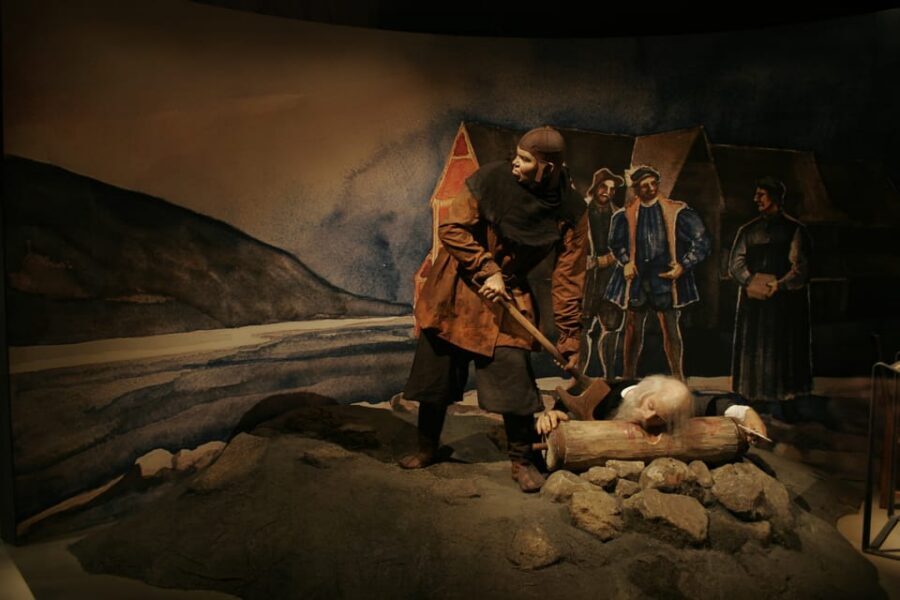
7) Reformation and the last Catholic Bishop
The final section brings the story into a major religious shift. It’s a strong closer because it marks an end of an older order and sets up what comes after.
A practical note: since the audio tour is timed (about 35 minutes), the museum doesn’t linger forever in one spot. You’ll see everything as part of the full story, not as a free-for-all. If you prefer long, quiet museum wandering, you might feel the structure more than you’d like.
Lifelike wax scenes: what you should watch for
The most consistently praised aspect is the realism. The figures are very life-like, and that changes how you process the stories. When scenes look believable, your brain treats them like a snapshot from real history instead of staged theater.
As you move, pay attention to what the museum is nudging you to notice: posture, setting, and how the figures are grouped. That’s the museum’s way of telling you what kind of moment you’re looking at—daily life, community decision-making, or the emotional stakes behind a saga chapter.
Also, the audio is doing a lot of the interpretation. Even if you only understand part of what’s said at first, the visuals keep you oriented. That’s helpful when you’re listening in a language you’re still getting used to.
If you’re a fan of Viking-era history details, you’ll likely enjoy this museum even more because the realism supports small moments of recognition. If you’re expecting a huge museum with tons of objects behind glass, you may find it on the smaller side.
You can also read our reviews of more museum experiences in Reykjavik





Viking dress-up afterward: yes, it’s worth it
The learning doesn’t end at the last exhibit. The museum saves a fun payoff: dress up as a Viking in a costume area with authentic clothing and weapons.
This is one of those add-ons that can feel silly in the wrong place, but here it matches the theme. You’re not just taking photos; you’re stepping into the saga world for a few minutes after you’ve learned the timeline behind it.
A tip: if you care about photos, give yourself enough time to get dressed and take a couple pictures without rushing. The costume area works best as a cooldown after the historical parts, not as an afterthought.
Languages, headsets, and reading guides you can switch to
The audio guide is a big part of the value here. You’ll get headsets with language options including English, French, German, Icelandic, Russian, Spanish, and Swedish. There are also text guides in Polish and Italian, which is great if you want an alternate way to follow along.
If you’re traveling with someone who reads better than they listen, these text options help you keep pace together. And if you’re the one with a weaker language skill, headsets make the tour less stressful because you’re not reading tiny labels while also trying to find your way.
You’ll want to listen carefully at the start so you don’t miss the thread connecting Papar to later saga chapters. The museum is structured as a storyline, not a set of unrelated topics.
Price and value in Reykjavik (and when it might feel steep)
The ticket price is about $33 per person. In a city like Reykjavik, that can feel like a lot, since Iceland tends to be pricey overall. The good news is the museum packages a complete, guided experience into one entry fee, with the audio guide included and lockers provided.
Here’s how I’d judge the value for you:
- If you want a short, focused history experience with clear storytelling, it’s a reasonable spend for a single stop.
- If you’re hoping for a large museum with lots of time-consuming browsing, you may feel you didn’t get enough for the cost, because the space is smaller.
- If you’ll actually use the dress-up area, that adds noticeable value because it turns the visit into something you can do, not just something you watch.
In other words: it’s good value when you want a tight saga-focused stop. It’s less satisfying if you want hours of exploring and lots of physical artifacts.
Timing tips: how to avoid the stop-and-wait feeling
One drawback you should keep in mind is pacing. The tour is structured, and you may find yourself waiting between parts as the route flows. If you’re the type who gets impatient, that can take the edge off the experience.
My advice: don’t come in planning to sprint. Instead, treat it like a guided story with short pauses. Wear comfortable shoes, and give yourself a calm entry. You’ll enjoy it more if you’re not trying to cram it into a tight schedule.
Also, remember that the ticket covers the tour and exhibits, but it doesn’t include food or drinks. If your day is packed, plan a snack or meal before or after you go.
Who should book this Saga Museum ticket
This ticket is a strong match if you:
- love the Icelandic sagas or want a simple way to understand the big storyline
- like museum formats that use realistic scenes, not just text panels
- want a short indoor activity that pairs history with a hands-on dress-up finish
- are traveling in a group and want an easy route with audio support in multiple languages
It may be less ideal if you:
- want a huge museum with endless browsing time
- strongly dislike any waiting or stop-and-go pacing
- are traveling with very young kids or you know your child is sensitive to intense topics
And because this museum may not be suitable for sensitive children, it’s worth thinking about your kids’ comfort level before you go.
Should you book the Saga Museum Entry Ticket?
I’d book it if you want a compact, saga-centered experience in Reykjavik that combines lifelike wax exhibits, a guided audio story, and actual Viking dress-up. It’s one of those stops that feels best when you treat it like a narrative: walk the route, listen to the chapters, then end with costumes.
Skip it or think twice if you’re looking for a long museum visit or you’re very sensitive to the feeling of waiting between sections. Also, if you’re traveling with small children, double-check suitability since it’s not designed for kids under 4 and may not fit sensitive viewers.
If your day includes multiple indoor stops or weather turns, this one is built for that. It gives you structure, context, and a fun ending in one ticket.
FAQ
How long is the audio-guided experience?
The audio-guided tour runs for about 35 minutes.
How many exhibits are included?
The tour includes 20 exhibits.
What languages are available for the audio guide?
Audio guides are available in English, French, German, Icelandic, Russian, Spanish, and Swedish.
Are Viking costumes included?
Yes. After the tour, there’s a costume area where you can dress as a Viking with authentic clothes and weapons.
Where is the Saga Museum meeting point?
The meeting point is at Saga Museum, Grandagarður 2. There’s a Viking on a horse statue in front of the white building, and it shares the same door as the restaurant Matur og Drykkur.
Is parking included?
Yes. Parking is included with the ticket.
Are lockers provided?
Yes. Lockers are included.
Is the museum wheelchair accessible?
The museum is wheelchair accessible.
Is it suitable for young children?
Children under 4 are not suitable. The museum may also not be suitable for sensitive children.