REVIEW · REYKJAVIK
Northern Lights: Aurora Basecamp Observatory Guided Experience
Book on Viator →Operated by Aurora Basecamp · Bookable on Viator
That north-sky show starts with science.
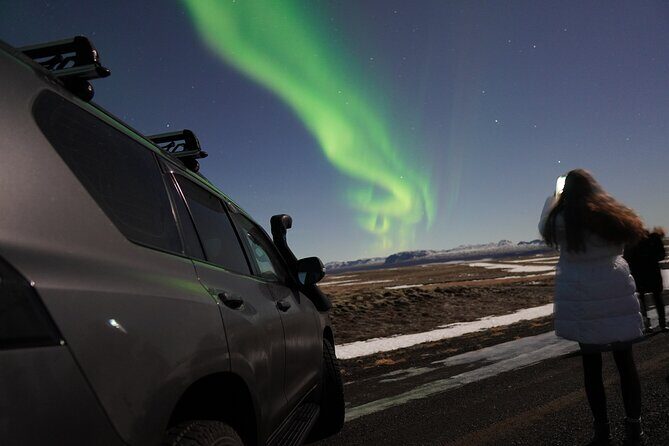
Aurora Basecamp in Hafnarfjörður turns a cold waiting game into something you can actually do: you get a guided visit through an aurora exhibition, plus access to a low-lit outdoor viewing area designed to help you spot the lights. The whole idea is simple—while you cannot control the sky, you can control what you know, what you watch, and how prepared you feel when the lights decide to show up.
I especially liked two parts: the Plasma Tubes that mirror aurora activity in real time, and the chance to hang out outside on benches around fire pits instead of freezing your way through the night. The hot chocolate and tea also matter more than you’d think when you’re waiting for something that might only appear in brief moments.
One consideration: this experience is weather- and geomagnetic-dependent, and it does not include transportation from Reykjavík. If you want the northern lights on a tight schedule, the extra travel cost can be the real surprise.
In This Review
- Key takeaways before you go
- Aurora Basecamp in Hafnarfjörður: a smart stop for northern-lights nights
- What you get in the 1.5-hour guided experience
- Inside the exhibition: aurora phases and what to actually look for
- Plasma Tubes in real time: the best training wheels for your camera and eyes
- The outdoor viewing area: benches, fire pits, and low-light design
- Warm drinks included: a small perk that buys you more patience
- Price and value: $30 is reasonable, but plan for transportation
- Who this tour suits best (and who might want a different plan)
- How to maximize your odds once you’re there
- What the best nights feel like
- When conditions are poor: you still get something useful
- Should you book Aurora Basecamp Observatory?
- FAQ
- Where is the Aurora Basecamp experience located?
- How long does the experience last?
- What is included in the tour price?
- Is the ticket mobile?
- Does the tour include transportation from Reykjavík?
- How many people are in the group?
- Is it suitable for most travelers?
- Do I need to worry about weather?
- What is the cancellation window?
- When will I get confirmation after booking?
Key takeaways before you go
- Real-time Plasma Tubes help you understand what you’re looking for when the sky changes
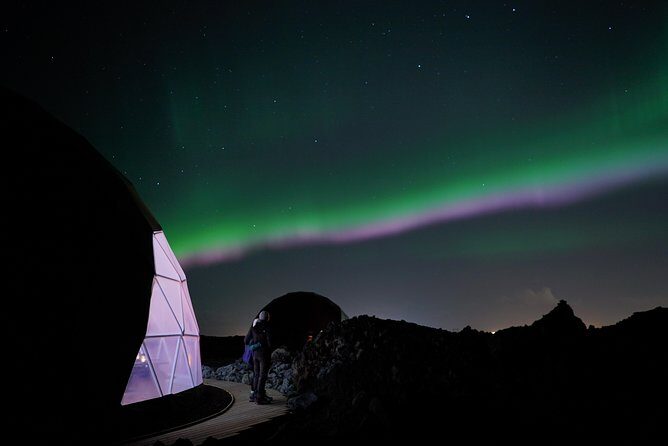
- Low-lit outdoor zone with benches and fire pits for comfortable, long-looking waiting
- Guided aurora explanation plus practical tips to improve your chances
- Warm drinks included so you can stay outside without rushing back in
- Small group size (up to 50) makes the guide’s attention feel more personal
Aurora Basecamp in Hafnarfjörður: a smart stop for northern-lights nights
If you only think about the northern lights as a lucky lottery, you’ll feel helpless. This tour is built to fix that mindset. At Aurora Basecamp, you spend real time learning how the aurora forms, what different activity looks like, and how to watch the sky more effectively once you’re out there.
That makes it a great option when you’re basing your schedule in or around Reykjavík but want something more structured than driving out into darkness and hoping. The setting is also practical: you start at the Aurora Basecamp location in Hafnarfjörður and end right back there, so you’re not juggling complicated end-of-tour logistics while tired.
And yes, the goal is still the lights. But the value here is not only the payoff in the sky—it’s the guidance that helps you know what you’re seeing, even if conditions take longer than you hoped.
You can also read our reviews of more guided tours in Reykjavik
What you get in the 1.5-hour guided experience
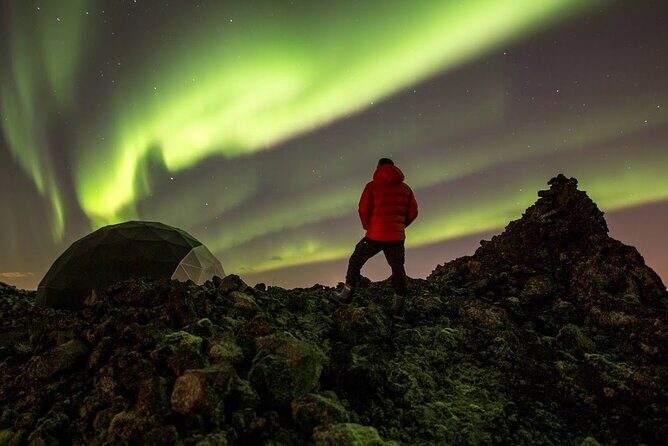
The experience runs about 1 hour 30 minutes and is led by a guide who takes you through the exhibition and then helps you make sense of what’s happening outside. The group is capped at 50 travelers, which keeps things from feeling like a giant cattle line.
You should expect a mix of indoor explanation and outdoor waiting. The indoor portion sets your expectations and teaches you what aurora activity can look like across different phases. Once you’re outside, you’re in a designed viewing area—low lit, with places to sit—and you stay there long enough to react if the sky cooperates.
One underrated benefit: because this is a guided format, you’re not left alone with a sky app and a shrug. Your guide is there to interpret what you’re noticing and to share tips for improving your odds.
Inside the exhibition: aurora phases and what to actually look for
The exhibition portion is where you start stacking the right mental tools. You’re guided through a small display that focuses on the different phases of the northern lights, not just the headline version of green curtains in the sky.
This matters because aurora activity can be subtle at first. Sometimes it looks like faint glow, then it sharpens. Sometimes it pulses and shifts shape. The goal of the teaching is to help you identify the natural lights right from the start, so you don’t miss the first signs while you’re busy trying to understand what you’re seeing.
You also get a real-time demonstration concept in the exhibition: the Natural Lights Plasma Tubes. These tubes are designed to mirror aurora borealis activity in real time, so you can connect the science explanation to something visible and immediate—before you’re staring into the Iceland night hoping your eyes figure it out.
Plasma Tubes in real time: the best training wheels for your camera and eyes
If you’re the type who wants to photograph everything, or the type who just wants to feel confident watching, the Plasma Tubes are a smart inclusion. They act like training wheels for your attention: instead of guessing what the aurora should look like, you see a version of the activity pattern that matches what’s going on outside.
That means you can learn to look for changes in color, movement, and intensity—things that might otherwise seem random. Even if you end up seeing a weaker display, this kind of setup makes the viewing more satisfying because you understand what is happening, not just that something is happening.
And when the sky does deliver, you’re more likely to notice the moment it starts to ramp up. That is huge during brief openings in cloud cover or when conditions shift fast.
The outdoor viewing area: benches, fire pits, and low-light design
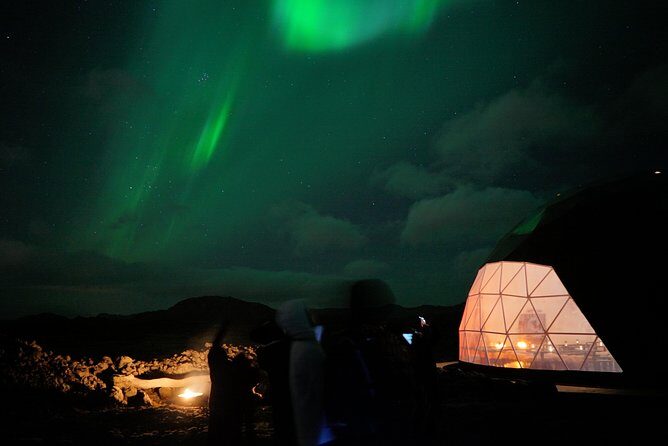
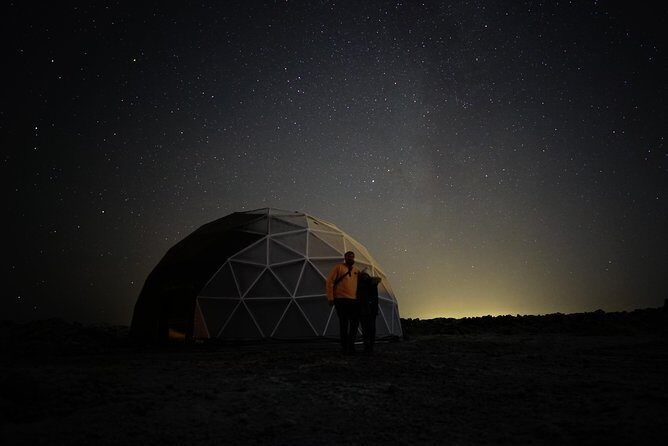
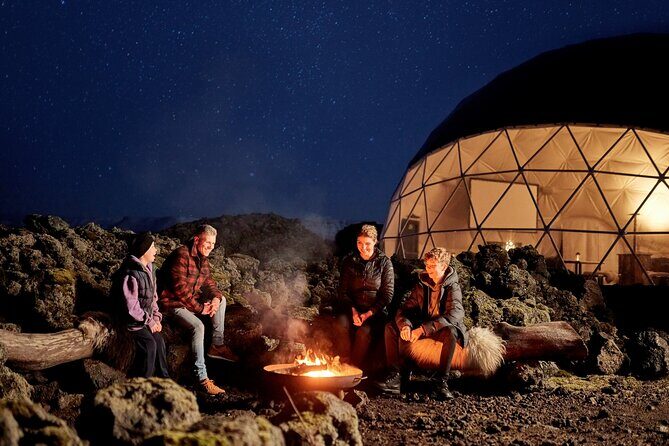
Outside is where you earn your aurora stripes—patiently. But this is not a stand-on-a-sidewalk-and-hope setup. You’re guided to a low-lit outdoor area with benches around fire pits, which is exactly what you want in Iceland weather.
Low lighting matters because it helps your eyes adjust. Dark adaptation is real, and it makes the difference between noticing faint glow and missing it entirely. Add the fire pits and seating, and suddenly the waiting part feels controlled instead of miserable.
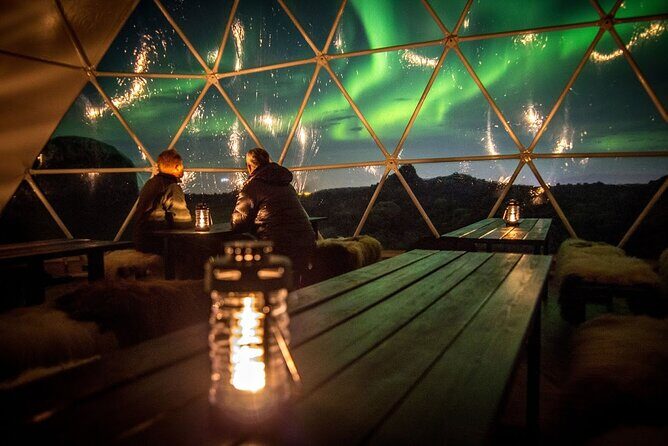
There’s also an indoor option people appreciate: you can take shelter in a dome-like space to stay warm while you watch for updates. That kind of backup matters when the aurora doesn’t show right away—or when the wind makes you rethink your life choices every five minutes.
Practical note: aurora viewing is timing-sensitive. Even if you are there for only about 90 minutes, the sky can still change quickly. The best move is to let the guide help you shift from indoor understanding to outdoor observation without getting stuck overthinking your settings.


Warm drinks included: a small perk that buys you more patience
Hot chocolate and tea are included, and I love this kind of inclusion because it turns comfort into better viewing. You can stay outside longer without doing that frantic internal math of how many minutes you can handle before you need to warm up.
This also helps families and first-timers. Waiting for the aurora is exciting, but it’s still waiting. Warm drinks lower the stress level, especially if you’re traveling with kids or with anyone who gets cold faster than they expected.
Think of it as a simple way the tour makes the experience kinder without turning it into a theme park.
Price and value: $30 is reasonable, but plan for transportation
At $30 per person, this is priced like a focused add-on experience rather than a full evening package. For that cost, you get guided instruction plus outdoor viewing access and warm drinks. That’s a solid value if you’re already in the Reykjavík area and you can handle the short trip to Hafnarfjörður.
The real cost question is transportation. This is where you need to do a quick reality check. Some guests have reported paying extra for taxis or other one-way transport from Reykjavík—numbers estimated around 11,000+ ISK one way and 12,000+ ISK on the return, depending on what you choose. Your exact price will vary, but the takeaway is consistent: plan for transport as a separate line item.
So is it worth it? Often, yes—especially because this experience teaches you how to watch. If you were going to spend money on a more passive northern lights drive anyway, this gives you something to do and learn while you wait.
Who this tour suits best (and who might want a different plan)
This experience is a good match if:
- You want a guided northern lights night with actual context
- You’re new to aurora watching and don’t want to guess what the sky is doing
- You value comfort—seating, fire pits, and warm drinks—while you wait
- You’re traveling as a family and want a calmer setup than you’d get in a rugged roadside scramble
It may be less ideal if:
- You have very tight logistics and can’t afford separate transport from Reykjavík
- You only care about maximizing raw chance of seeing the lights and would rather put your time into longer, transport-included multi-stop excursions
Most people can participate, and service animals are allowed, which is helpful if you need that accommodation.
How to maximize your odds once you’re there
You cannot force the northern lights. They depend on the sky and on geomagnetic activity. The good news is that you can improve what happens after you arrive.
Here’s how I’d approach it:
- Arrive ready to watch, not just to wait. The exhibition and Plasma Tubes help you start with a mental checklist.
- Use the guide. Ask how the patterns you learned indoors connect to what you might see outside.
- Dress for Iceland winter conditions even if the fire pits are there. Fire pits help, but they’re not magic heat machines.
- Expect brief changes. Auroras can shift in minutes, so staying alert beats dozing off the whole time.
Also, keep your expectations practical. Even on nights where conditions are not ideal, the guided explanation can make the evening feel like something you gained—not just a missed lottery ticket.
What the best nights feel like
When the aurora cooperates, this is the kind of experience that feels instantly more meaningful. You’re not staring blindly; you’re watching for the activity patterns you practiced with the Plasma Tubes.
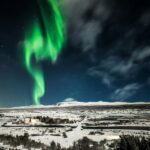
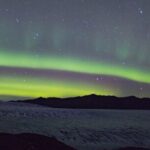
You can also feel how the outdoor setup supports real viewing: low light, benches, fire pits, and a guide who knows what to listen and look for. Seeing the northern lights is thrilling—but understanding what you’re seeing makes it stick.
When conditions are poor: you still get something useful
It’s worth saying plainly: some nights, the aurora may not appear clearly. That’s the reality of a natural phenomenon.
But even then, a guided aurora exhibition can still be a win. Learning the different phases of aurora activity and seeing how the Plasma Tubes reflect aurora behavior gives you tools for future nights. It turns the experience into education you can carry with you, not just a hard disappointment.
And if the sky improves during your window, you’ll be ready to notice it quickly because you’ve already trained your eye.
Should you book Aurora Basecamp Observatory?
I’d book this if you want a northern lights outing that feels purposeful. For $30, you get guided instruction, warm drinks, and an outdoor setup that’s designed for real viewing instead of random cold wandering. The Plasma Tubes and the guide’s tips are the standout value drivers.
I’d pass or at least reconsider if your plan depends entirely on flawless conditions and you’re unwilling to pay extra for transportation from Reykjavík. This isn’t a transport-included ride to the middle of nowhere. It’s an observatory-style experience that works best when you can reach Hafnarfjörður comfortably and stay flexible about the sky.
If you’re new to aurora watching, bring your curiosity. Aurora Basecamp is one of the more practical ways to turn a long night outdoors into a smarter, warmer, and more rewarding one.
FAQ
Where is the Aurora Basecamp experience located?
It starts at Aurora Basecamp, 417, 221 Hafnarfjörður, Iceland, and it ends back at the meeting point.
How long does the experience last?
The duration is about 1 hour 30 minutes.
What is included in the tour price?
Hot chocolate and tea are included, along with admission to the observatory experience and guidance through the exhibition and outdoor viewing area.
Is the ticket mobile?
Yes. It’s described as a mobile ticket.
Does the tour include transportation from Reykjavík?
The provided information does not mention transportation being included, so plan for getting there on your own.
How many people are in the group?
The tour has a maximum of 50 travelers.
Is it suitable for most travelers?
Most travelers can participate, and service animals are allowed.
Do I need to worry about weather?
Yes. Northern lights viewing depends on natural conditions, and the experience is designed to maximize chances when conditions are right.
What is the cancellation window?
You can cancel up to 24 hours before the experience start time for a full refund.
When will I get confirmation after booking?
Confirmation will be received at the time of booking.